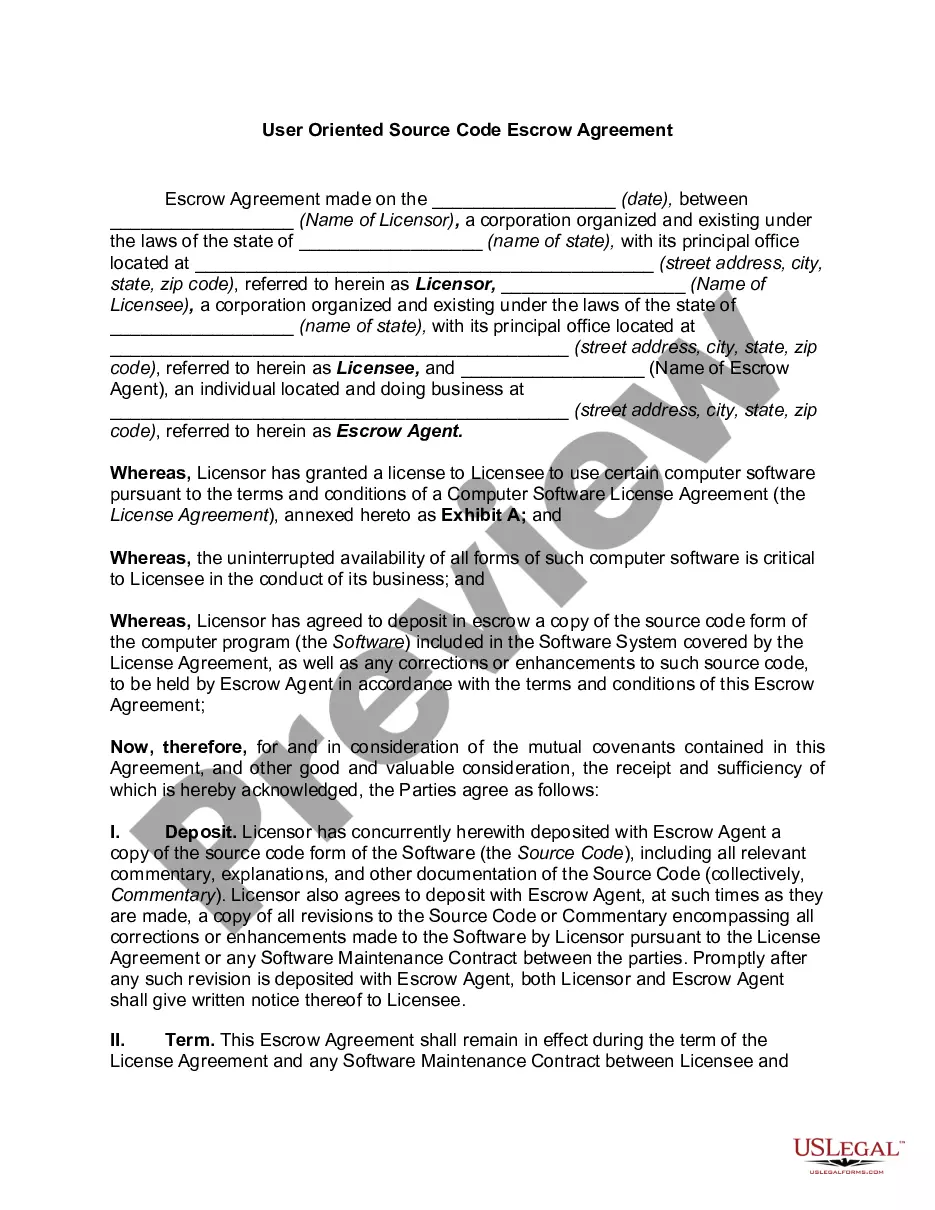
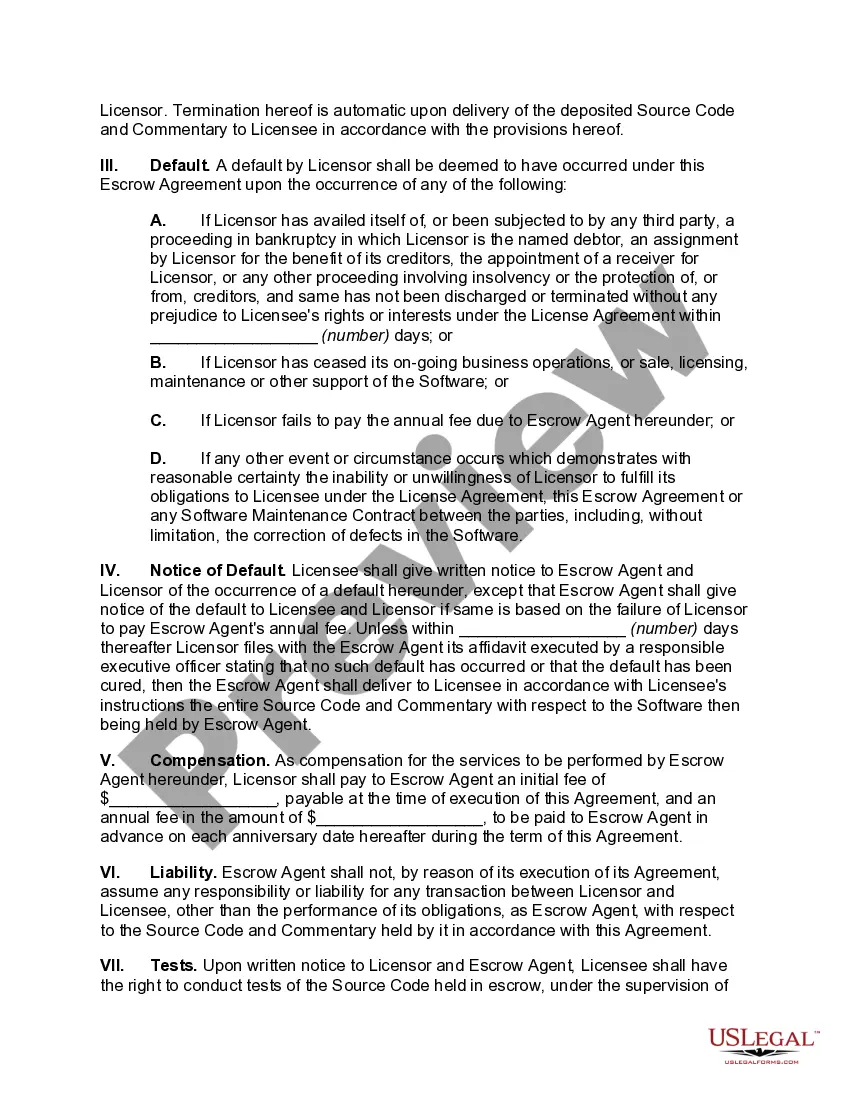
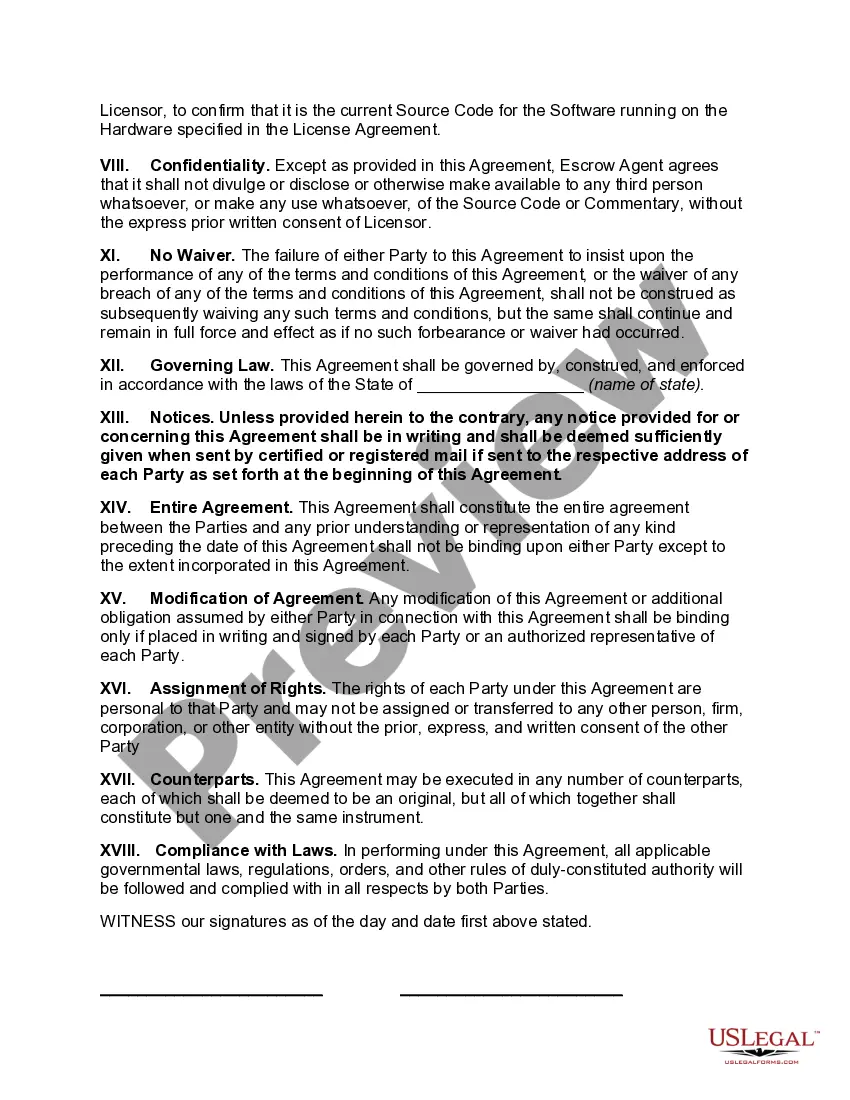
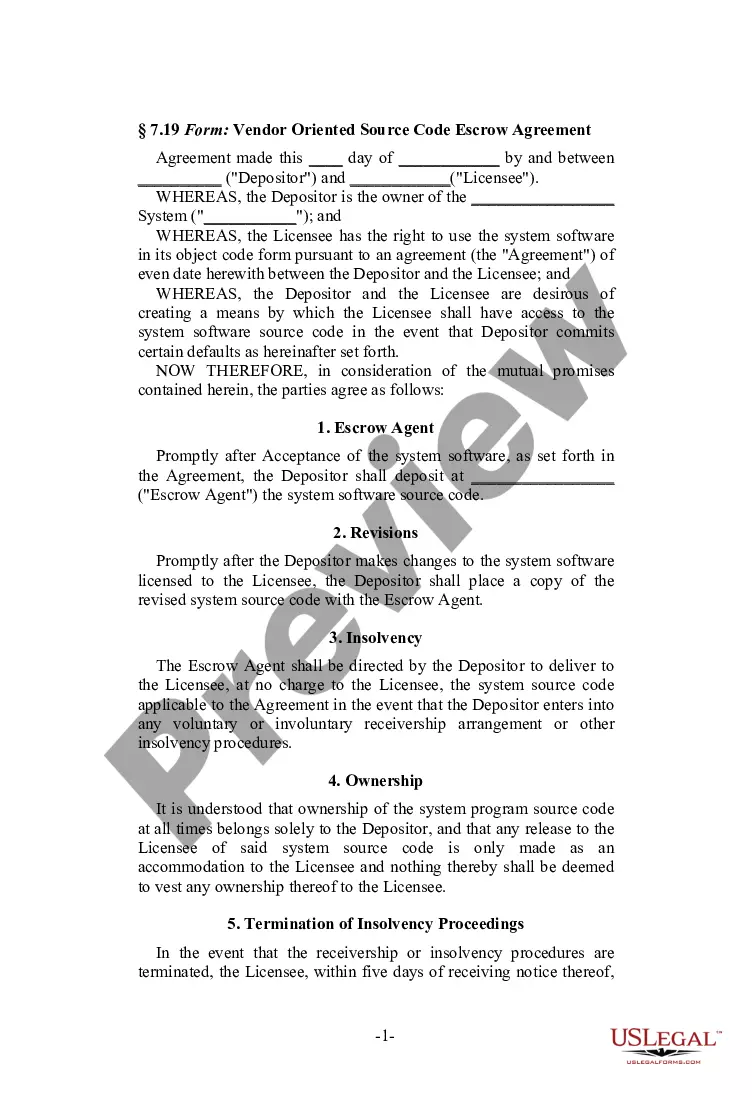
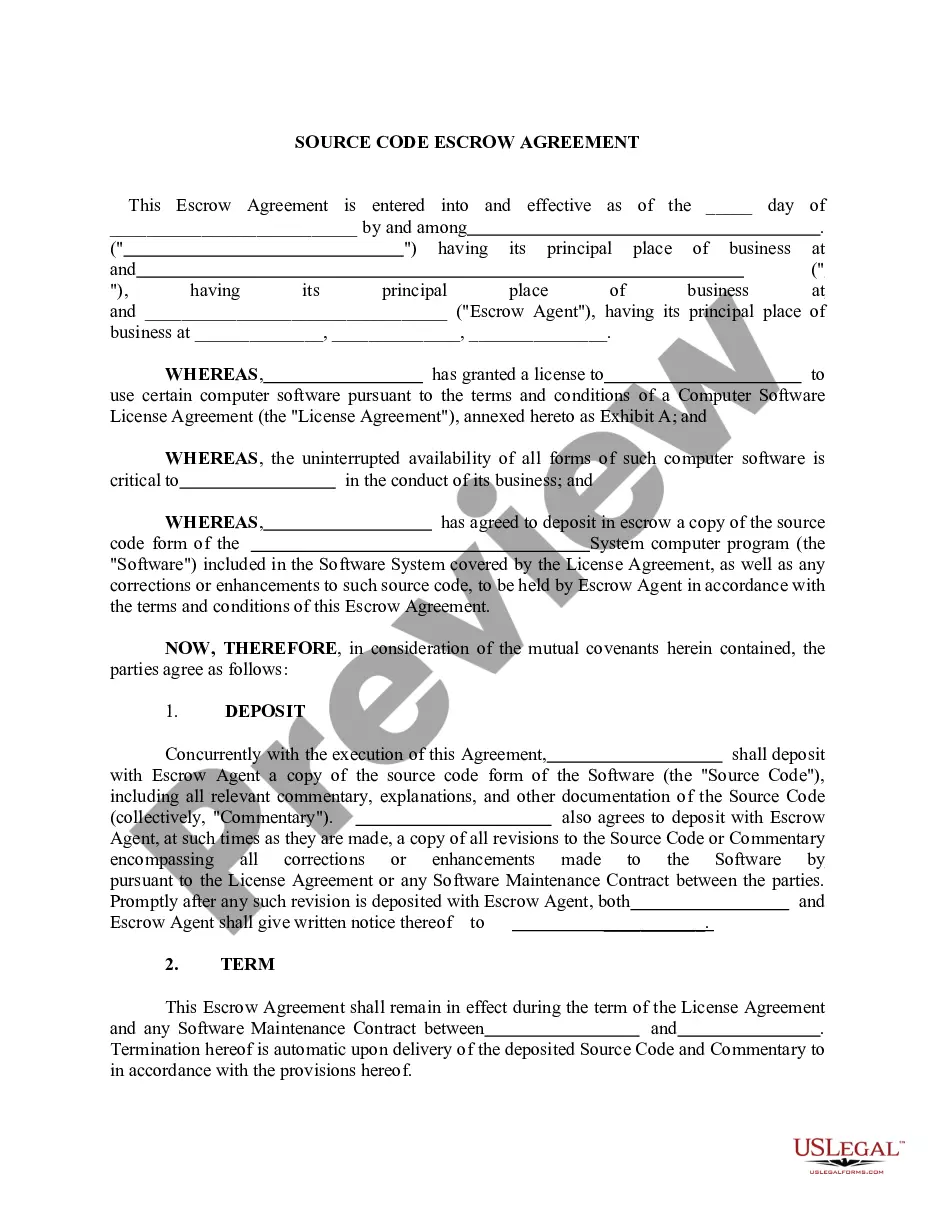
Oklahoma User Oriented Source Code Escrow Agreement
Description
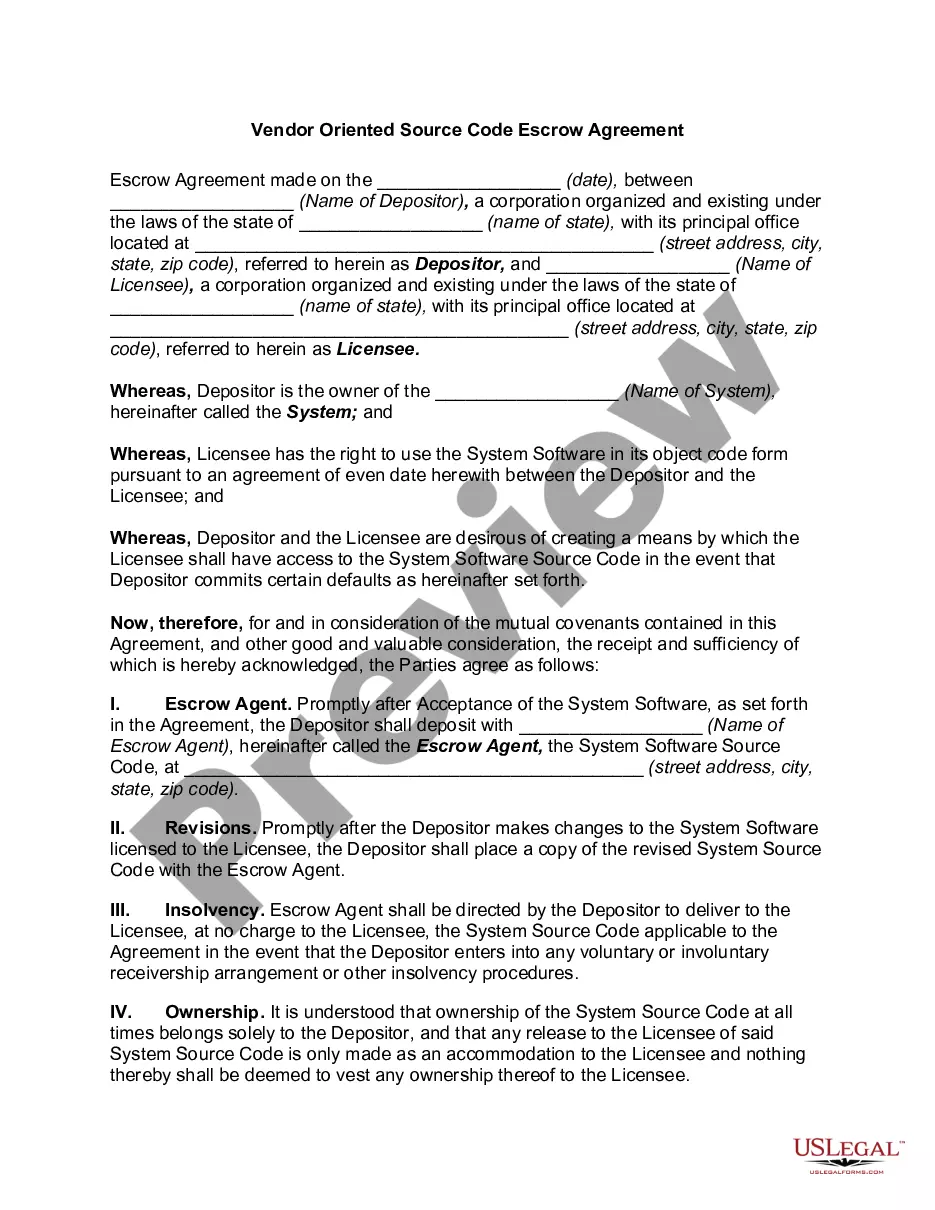
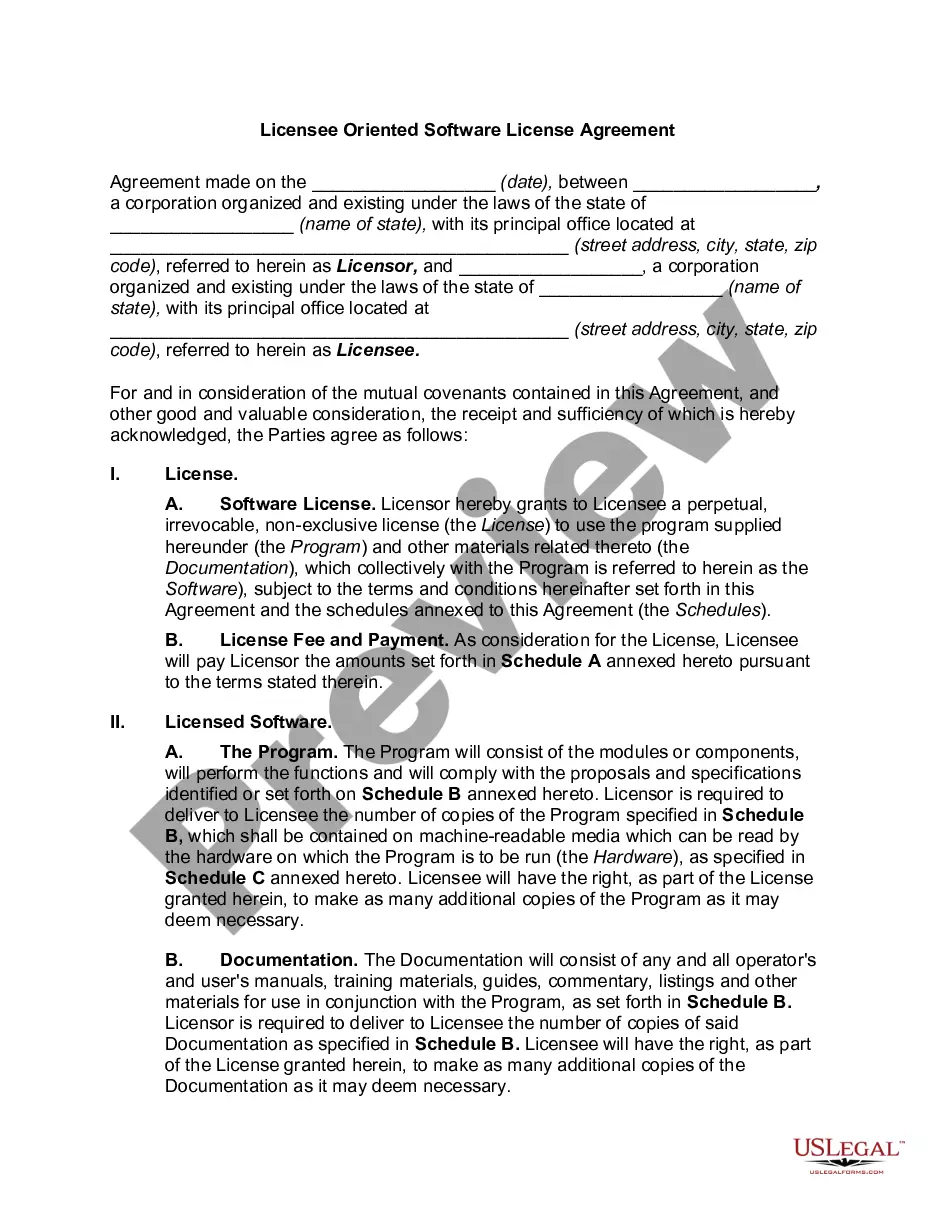
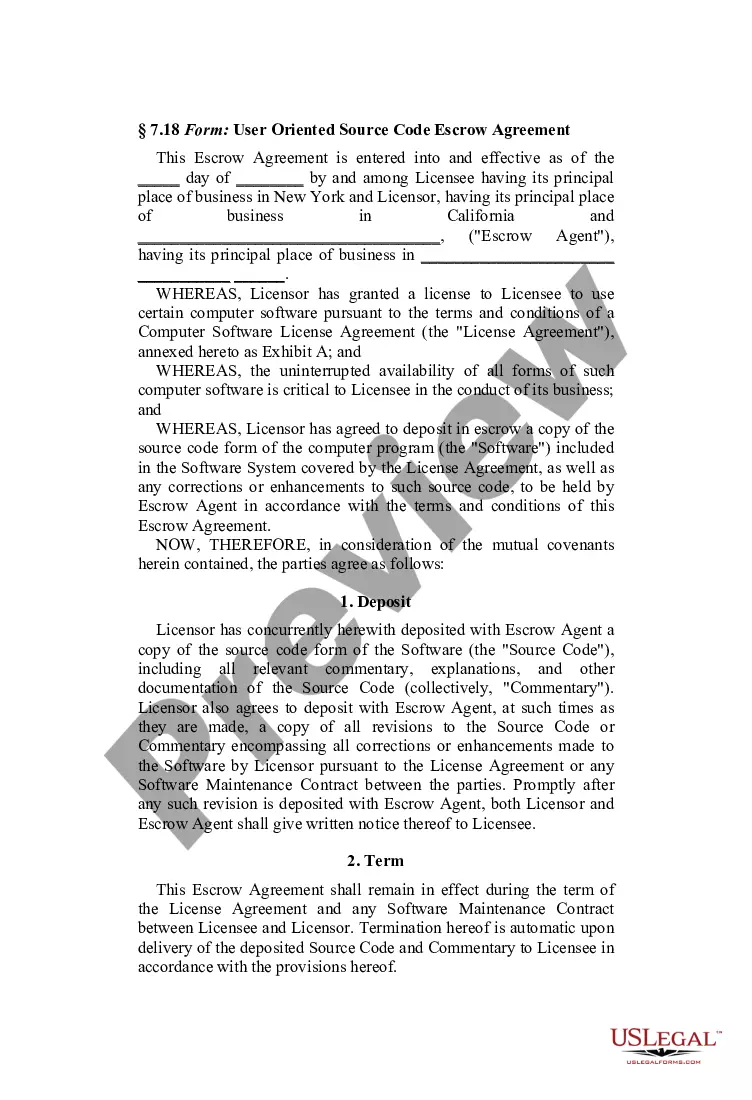
Get your form ready online
Our built-in tools help you complete, sign, share, and store your documents in one place.
Make edits, fill in missing information, and update formatting in US Legal Forms—just like you would in MS Word.
Download a copy, print it, send it by email, or mail it via USPS—whatever works best for your next step.
Sign and collect signatures with our SignNow integration. Send to multiple recipients, set reminders, and more. Go Premium to unlock E-Sign.
If this form requires notarization, complete it online through a secure video call—no need to meet a notary in person or wait for an appointment.
We protect your documents and personal data by following strict security and privacy standards.

Make edits, fill in missing information, and update formatting in US Legal Forms—just like you would in MS Word.

Download a copy, print it, send it by email, or mail it via USPS—whatever works best for your next step.

Sign and collect signatures with our SignNow integration. Send to multiple recipients, set reminders, and more. Go Premium to unlock E-Sign.

If this form requires notarization, complete it online through a secure video call—no need to meet a notary in person or wait for an appointment.

We protect your documents and personal data by following strict security and privacy standards.
Looking for another form?
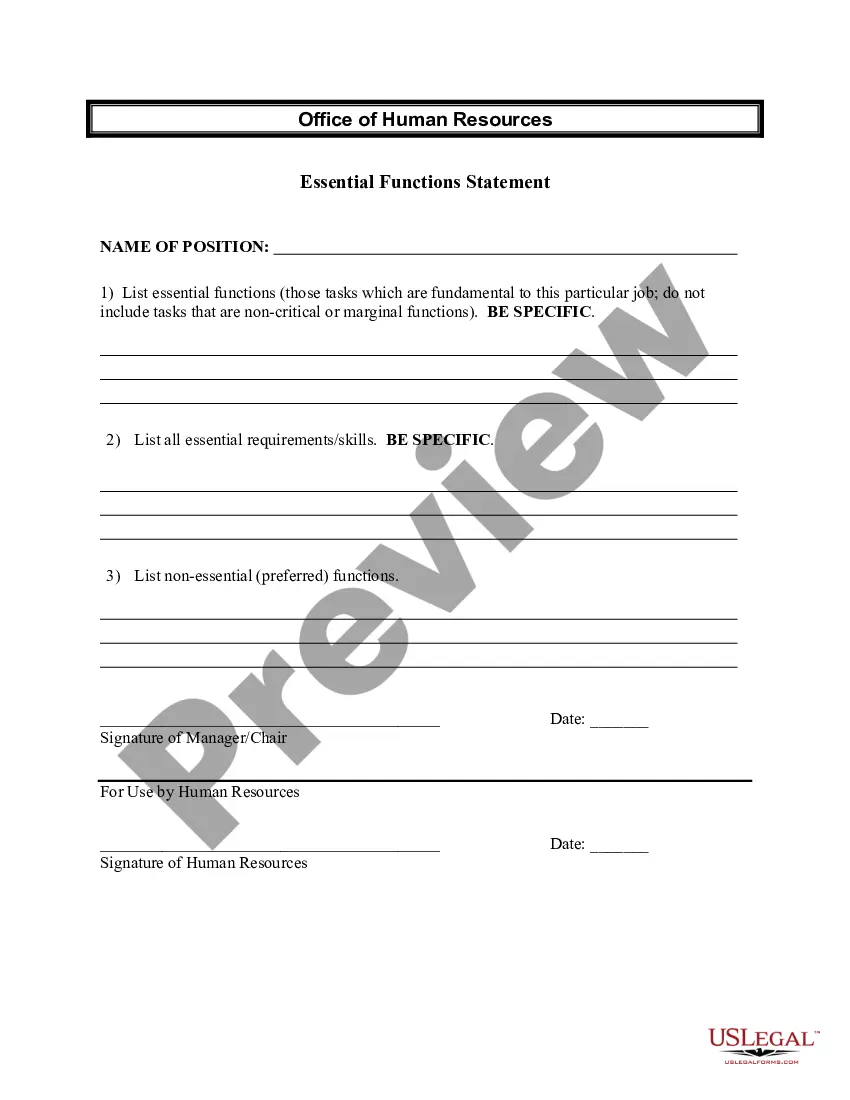
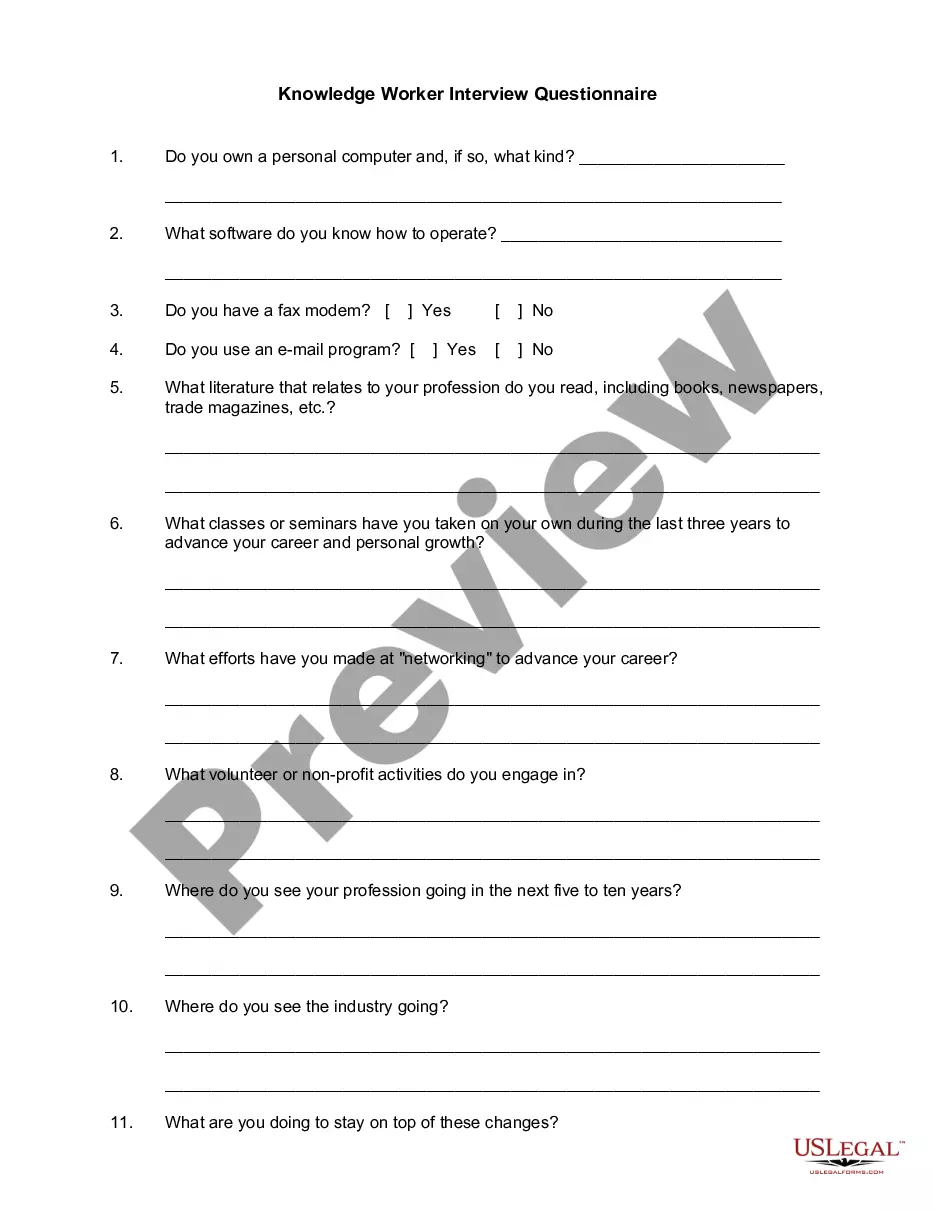
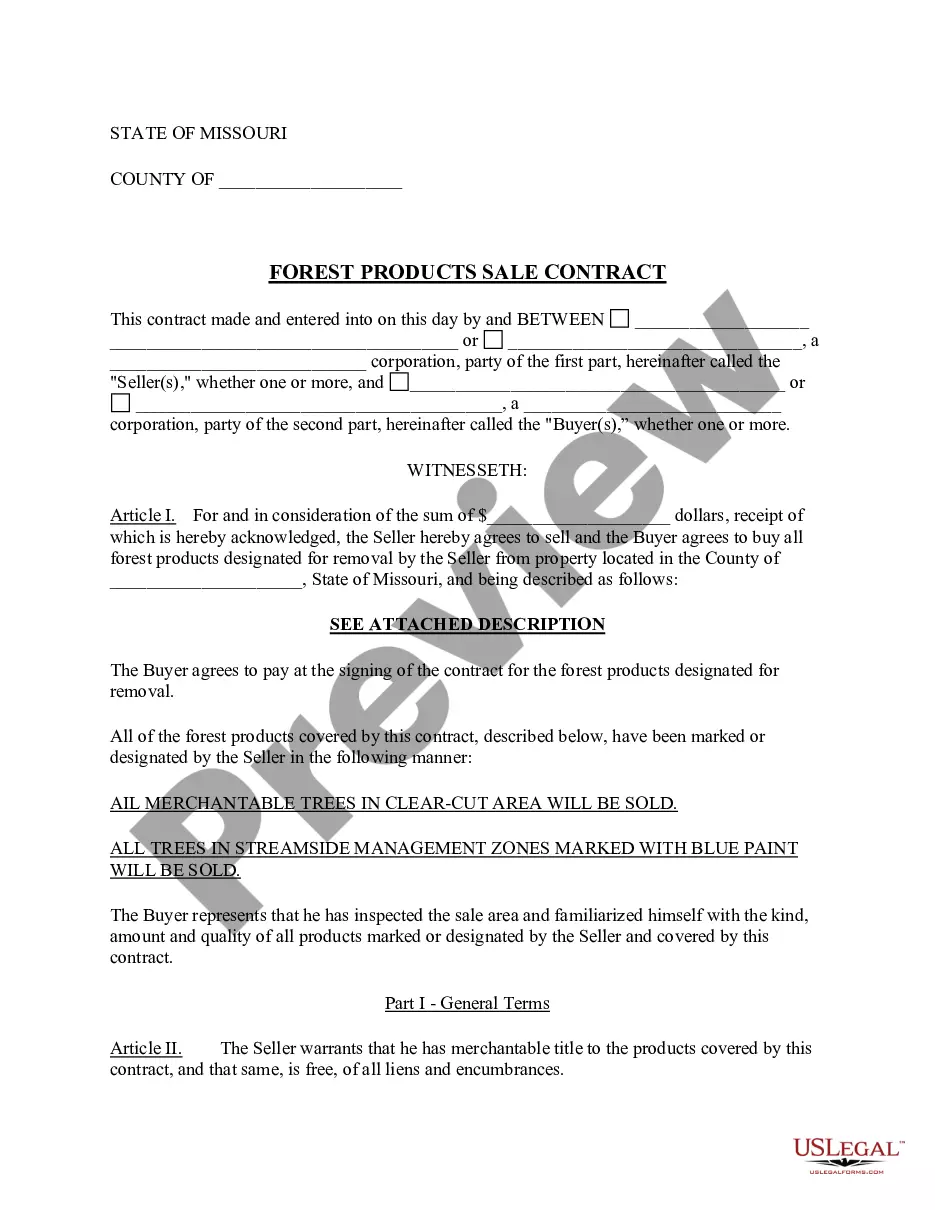

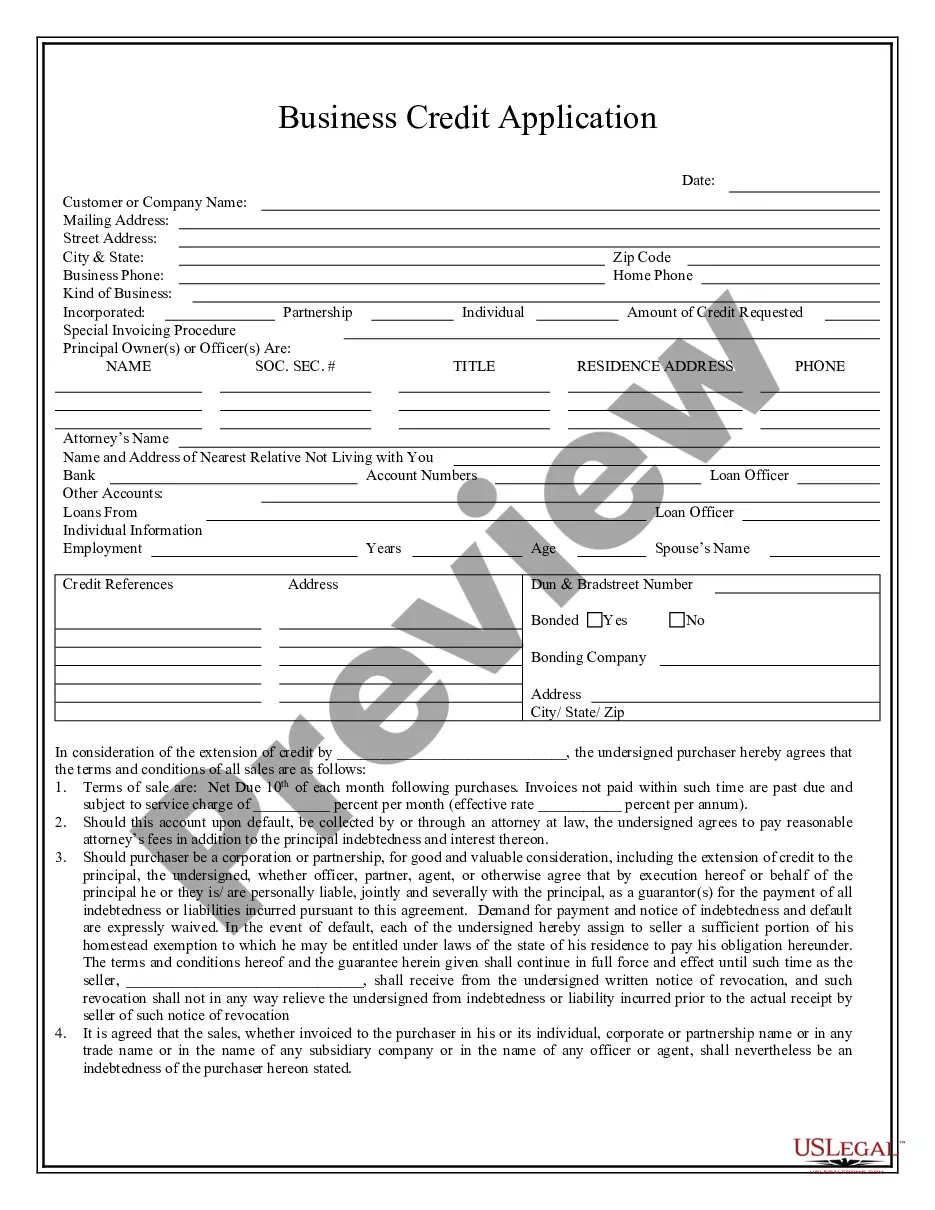
How to fill out User Oriented Source Code Escrow Agreement?
Have you ever been in a situation where you need to handle documentation for either organizational or personal reasons almost every day.
There are numerous legal document templates available online, but locating ones that you can trust is not easy.
US Legal Forms offers a vast array of form templates, including the Oklahoma User Oriented Source Code Escrow Agreement, designed to meet both federal and state regulations.
Select a convenient file format and download your copy.
View all the document templates you have purchased in the My documents section. You can obtain an additional copy of the Oklahoma User Oriented Source Code Escrow Agreement anytime if needed. Just navigate to the necessary form to acquire or print the document template. Use US Legal Forms, the most extensive collection of legal forms, to save time and avoid errors. The service provides professionally crafted legal document templates for a variety of purposes. Create an account on US Legal Forms and start simplifying your life.
- If you are already familiar with the US Legal Forms site and have an account, simply Log In.
- Then, you can download the Oklahoma User Oriented Source Code Escrow Agreement template.
- If you do not have an account and wish to start using US Legal Forms, follow these steps.
- Locate the form you require and ensure it is for the correct region/state.
- Utilize the Preview button to review the document.
- Check the description to ensure you have chosen the right form.
- If the form is not what you are looking for, use the Search field to find the form that fits your needs and criteria.
- When you find the suitable form, click on Get now.
- Select the pricing plan you want, provide the necessary information to create your account, and complete the payment with your PayPal or credit card.
Form popularity
FAQ
Source code escrow is the deposit of the source code of software with a third-party escrow agent. Escrow is typically requested by a party licensing software (the licensee), to ensure maintenance of the software instead of abandonment or orphaning.
What is a Software Escrow Agreement? A Software Source Code Escrow Agreement is a simple and effective tri-party arrangement with mutually agreed terms between the software customer, software supplier, and NCC Group.
The objective of a source code/software escrow agreement is to provide comfort to the end user that if the software developer is unable or unwilling to support the software, the source code can be released to them and business operations can continue as normal.
A source code escrow agreement typically instructs the agent to release the source code to the licensee if and when a specified event occurs, such as the licensor becoming insolvent or defaulting on its maintenance obligations under the principal license agreement.
Source code escrow is the deposit of the source code of software with a third-party escrow agent. Escrow is typically requested by a party licensing software (the licensee), to ensure maintenance of the software instead of abandonment or orphaning.
Source Code Escrow Verification services to ensure that the deposited source code can be built into a working application would typically be requested by the beneficiary. As such, the fees associated with these services would be paid for by the beneficiary.
A software escrow is a service that helps protect all parties involved in a software license by having a neutral 3rd party escrow agent hold source code, data, and documentation until a mutually-agreed-upon event occurs.
A source code escrow agreement typically instructs the agent to release the source code to the licensee if and when a specified event occurs, such as the licensor becoming insolvent or defaulting on its maintenance obligations under the principal license agreement.