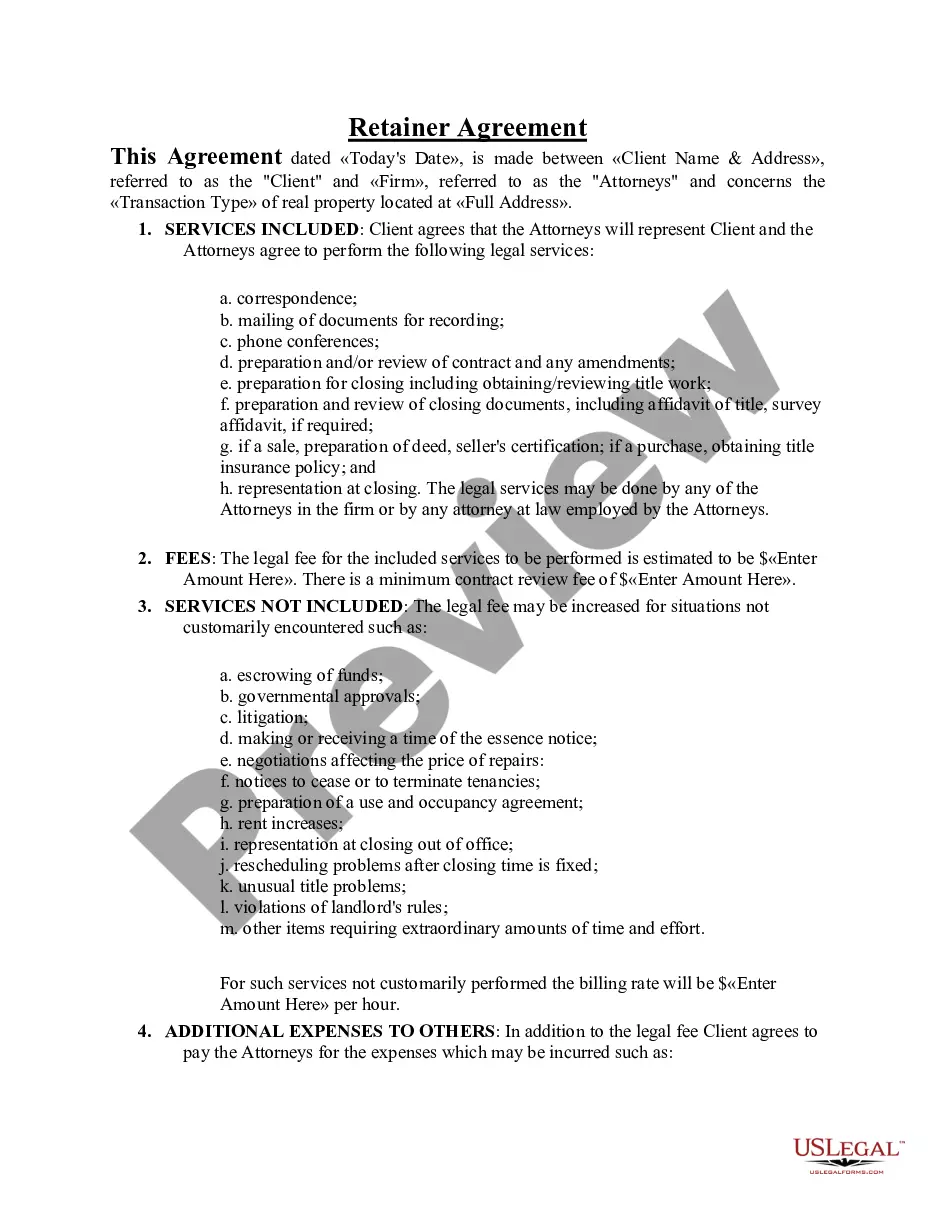
Oklahoma Attorney Retainer Agreement
Description

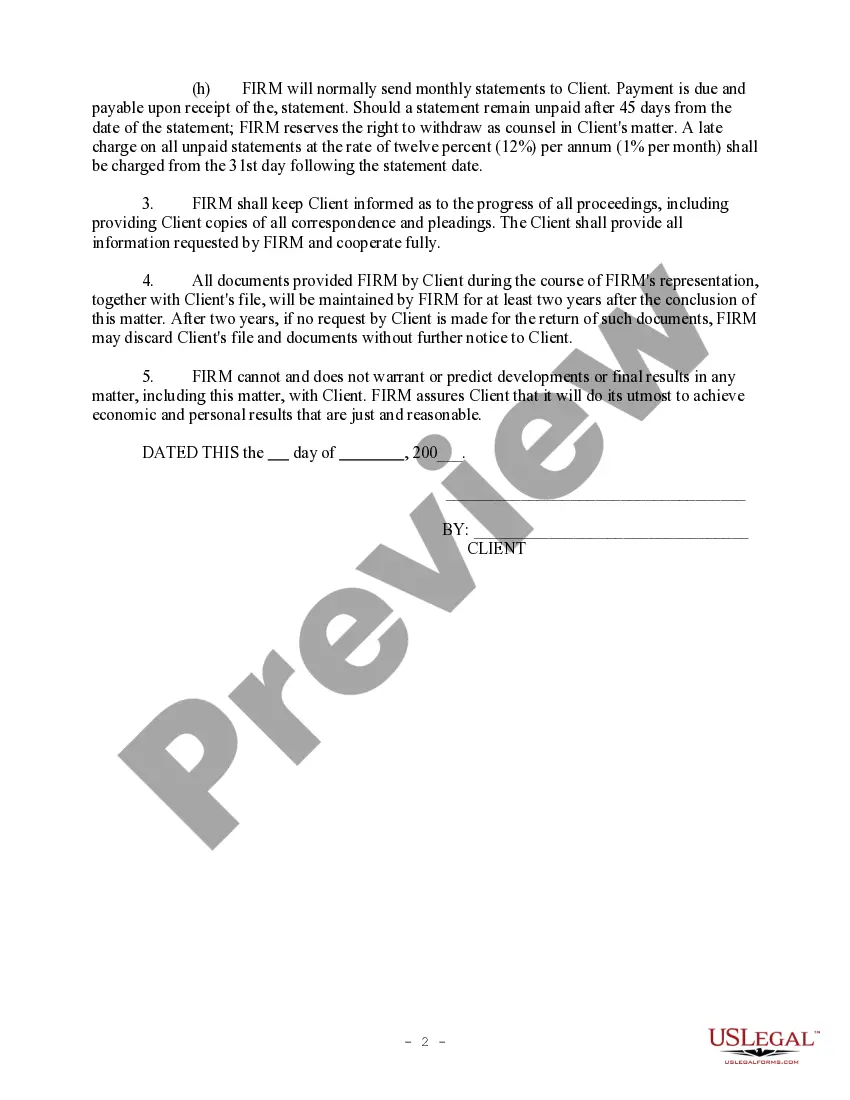
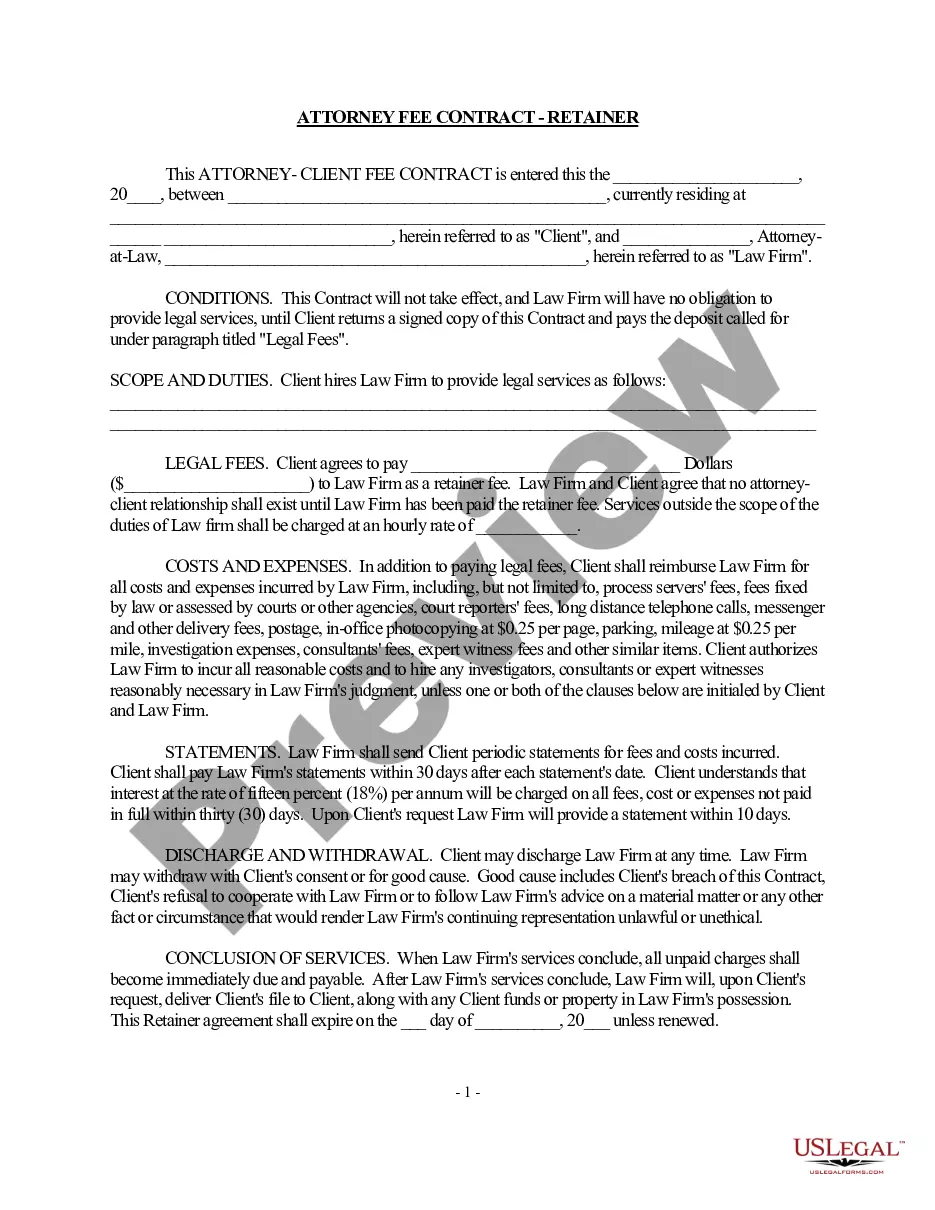
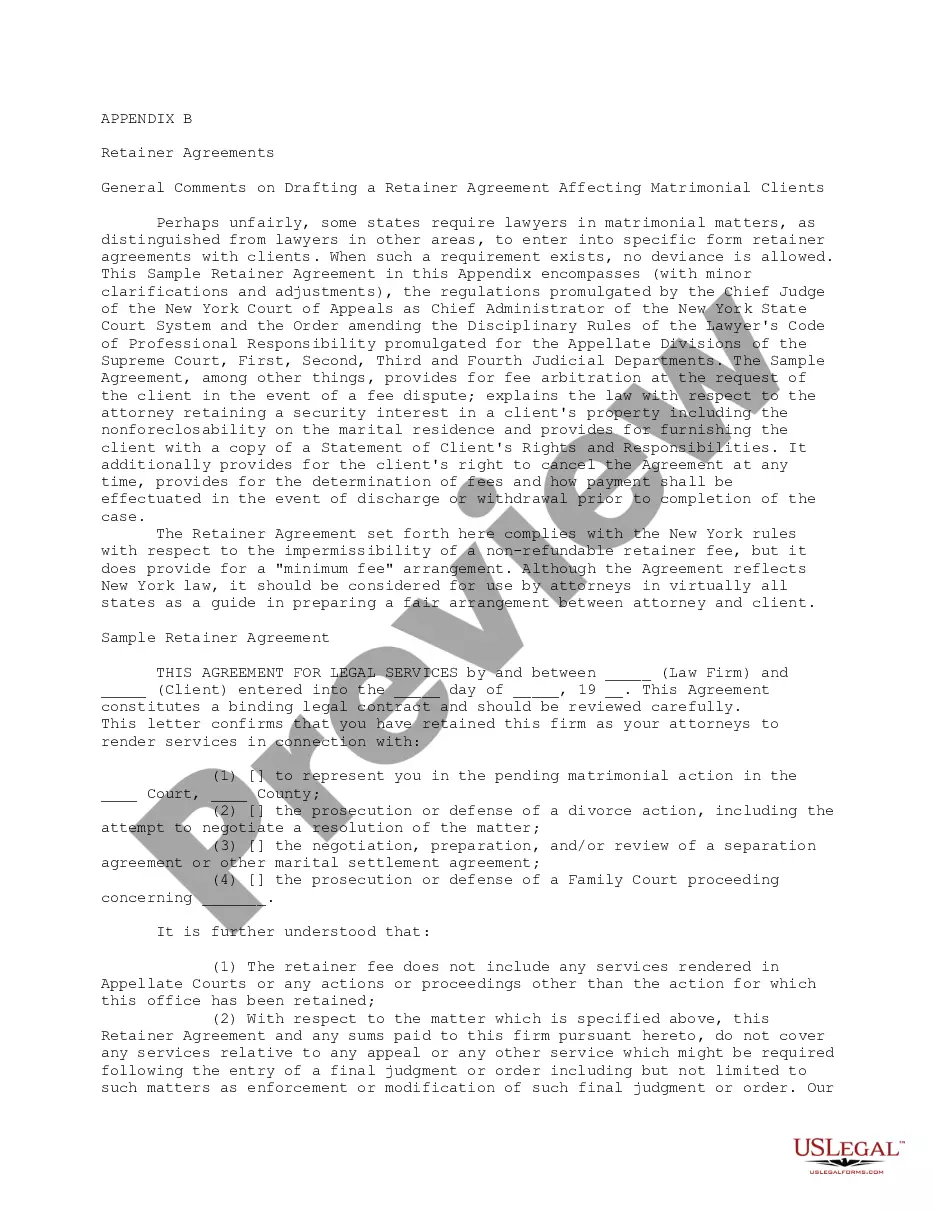
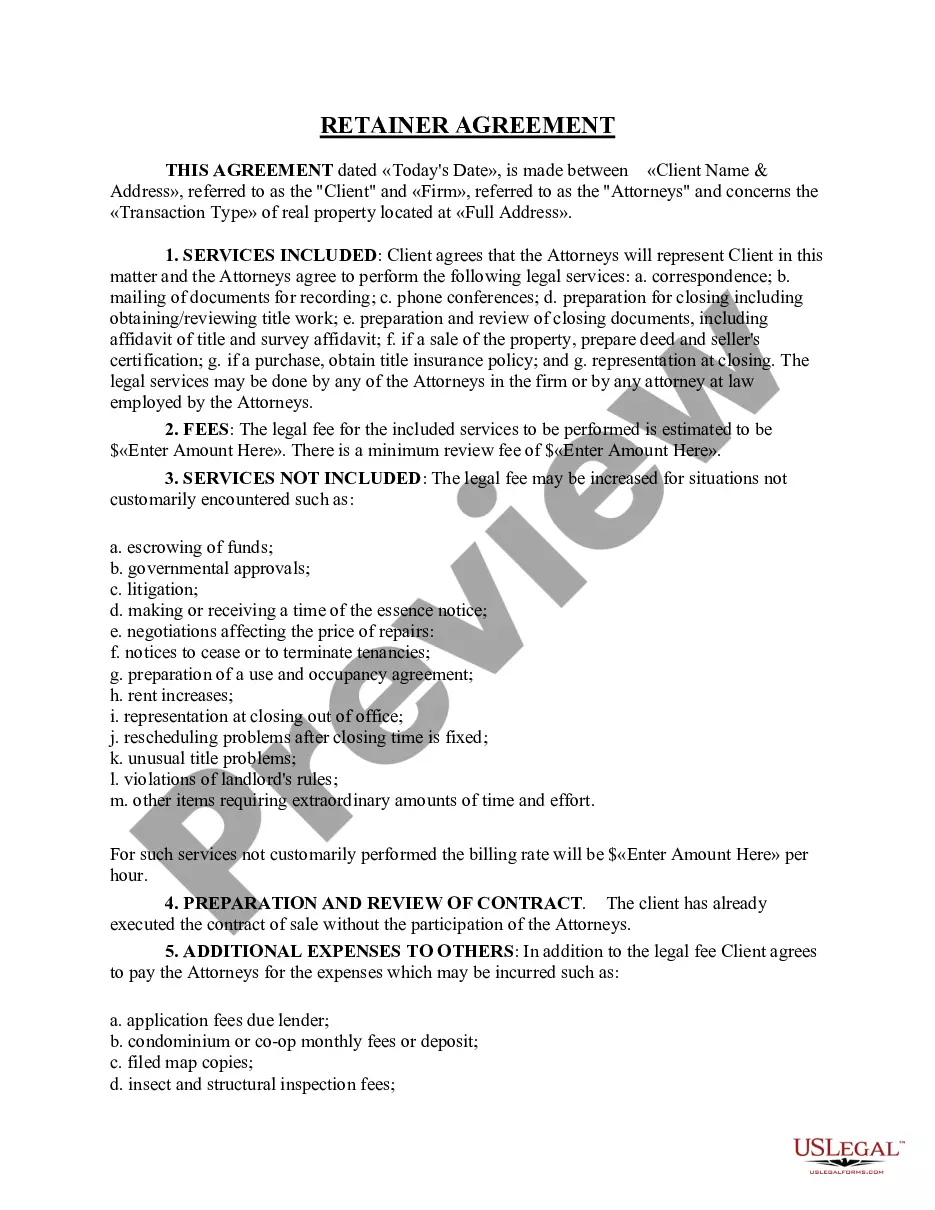
Get your form ready online
Our built-in tools help you complete, sign, share, and store your documents in one place.
Make edits, fill in missing information, and update formatting in US Legal Forms—just like you would in MS Word.
Download a copy, print it, send it by email, or mail it via USPS—whatever works best for your next step.
Sign and collect signatures with our SignNow integration. Send to multiple recipients, set reminders, and more. Go Premium to unlock E-Sign.
If this form requires notarization, complete it online through a secure video call—no need to meet a notary in person or wait for an appointment.
We protect your documents and personal data by following strict security and privacy standards.

Make edits, fill in missing information, and update formatting in US Legal Forms—just like you would in MS Word.

Download a copy, print it, send it by email, or mail it via USPS—whatever works best for your next step.

Sign and collect signatures with our SignNow integration. Send to multiple recipients, set reminders, and more. Go Premium to unlock E-Sign.

If this form requires notarization, complete it online through a secure video call—no need to meet a notary in person or wait for an appointment.

We protect your documents and personal data by following strict security and privacy standards.
Looking for another form?
How to fill out Attorney Retainer Agreement?
Finding the right legal papers web template can be quite a have a problem. Naturally, there are tons of layouts available online, but how do you get the legal develop you want? Use the US Legal Forms website. The assistance provides thousands of layouts, like the Oklahoma Attorney Retainer Agreement, which can be used for company and personal requirements. Every one of the kinds are examined by pros and satisfy state and federal requirements.
In case you are presently signed up, log in to your profile and then click the Down load button to get the Oklahoma Attorney Retainer Agreement. Use your profile to look from the legal kinds you might have purchased previously. Proceed to the My Forms tab of your respective profile and get yet another backup in the papers you want.
In case you are a brand new customer of US Legal Forms, listed below are basic guidelines for you to stick to:
- Initial, make certain you have selected the proper develop for your personal town/region. It is possible to look through the form making use of the Preview button and read the form description to make sure this is the best for you.
- In the event the develop fails to satisfy your preferences, take advantage of the Seach discipline to discover the proper develop.
- Once you are sure that the form is proper, select the Get now button to get the develop.
- Choose the prices strategy you want and enter in the necessary information. Create your profile and buy the transaction with your PayPal profile or Visa or Mastercard.
- Pick the data file format and down load the legal papers web template to your product.
- Complete, revise and printing and indication the obtained Oklahoma Attorney Retainer Agreement.
US Legal Forms may be the biggest local library of legal kinds for which you can discover different papers layouts. Use the service to down load skillfully-made documents that stick to express requirements.
Form popularity
FAQ
Whether you're on the client side or the contractor side of a retainer, be sure to review that document carefully before agreeing to its terms. A retainer is a legally binding contract, and violating it could have serious consequences.
Retainers are a type of compensation agreement with lawyers either for reserving their employment or as compensation for future services. General retainers are the traditional type of retainers where a lawyer agrees to handle a case or future issues that arise for a client.
You may have signed a retainer agreement or a contract with an attorney, believing that he or she was the best choice, only to have communication break down or decide that you are simply not happy with your representation. Fortunately, California law permits you to terminate your contract for legal representation.
The short answer is ?yes?.
Most frequently, the client agrees to a security or an advanced payment retainer where payment for services is drawn from the monies held in trust. Here's the kicker?only the true retainer is non-refundable. Unearned funds from either a security or advanced payment retainer must be refunded at the end of the work.
The steps often are: Review the Retainer Agreement. ... Hire a New Attorney. ... Send a Termination Letter to Fire an Attorney. ... Finalize the Arrangement Regarding the Transfer of Files. ... Inform the Court.
Any unearned retainer fees that are not used can be returned to the client. Earned retainer fees are the portion of the retainer that the lawyer is entitled to after work begins. Earned retainer fees may be granted to the lawyer bit by bit, depending on the number of hours worked.
Upon recovery, the lawyer is paid an agreed-upon percentage, usually ranging from an amount equal to 25% to 50% of the amount recovered.