Oklahoma Oil and Gas Acknowledgment
What is this form?
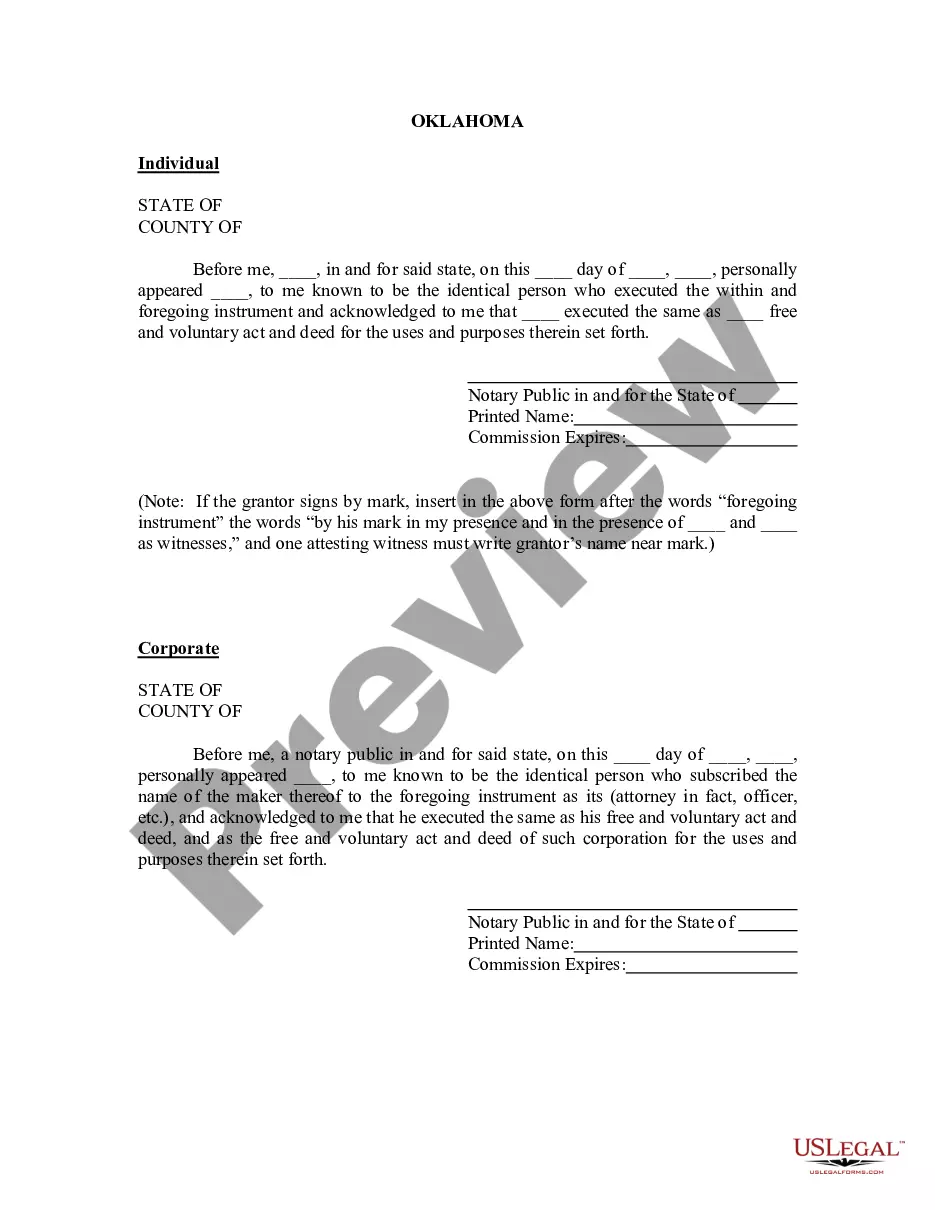
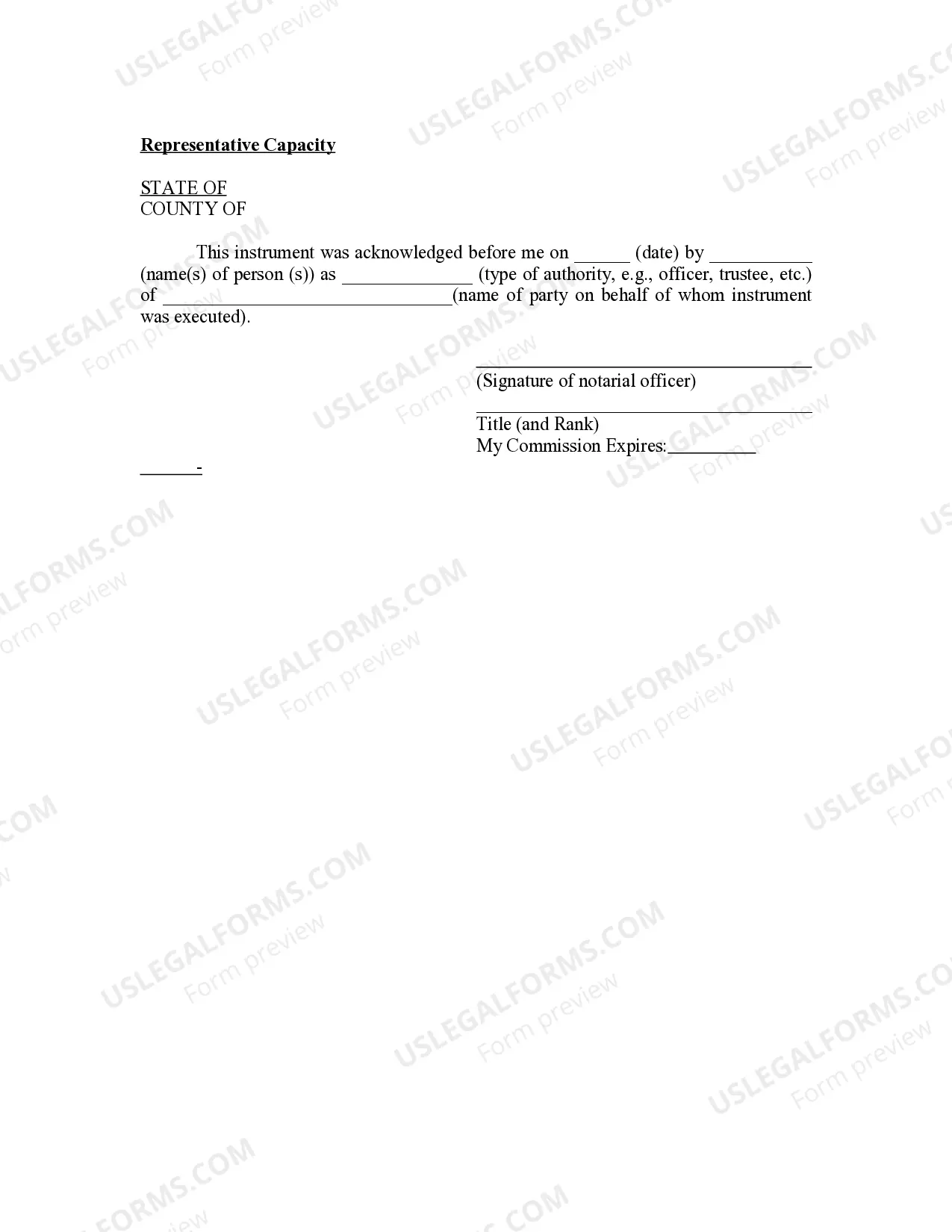
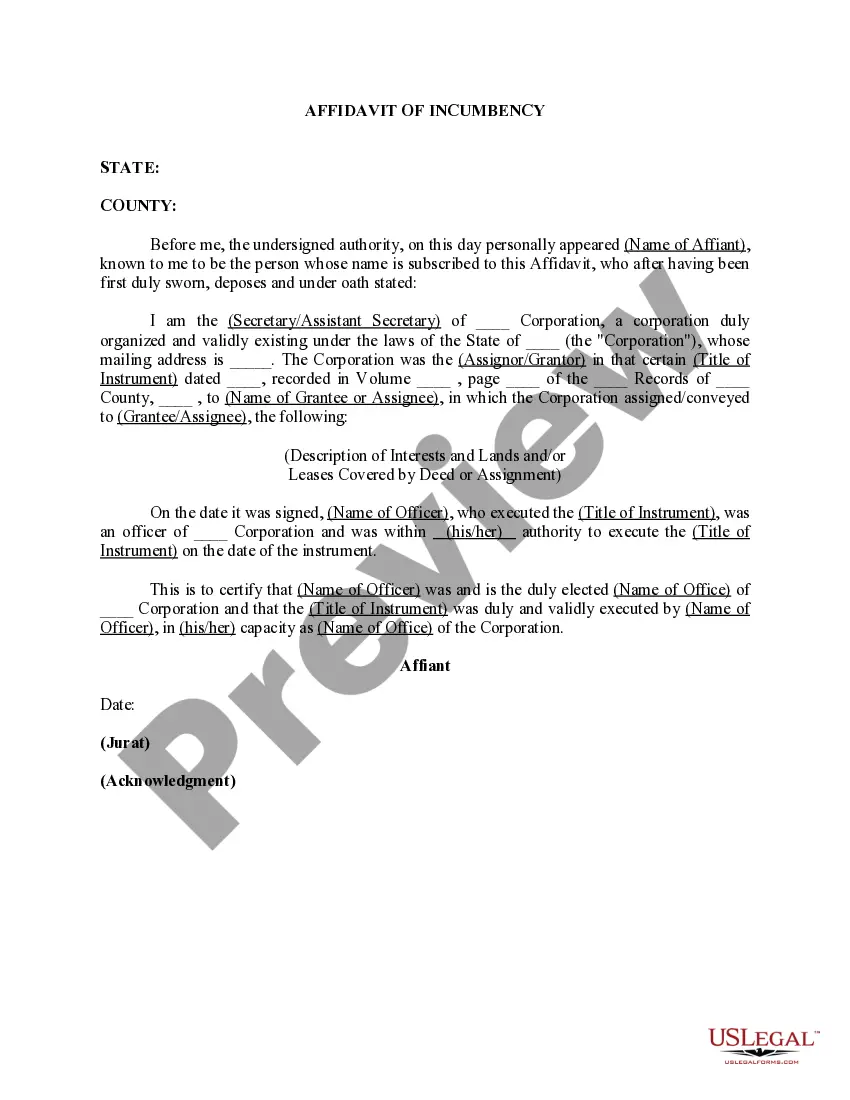
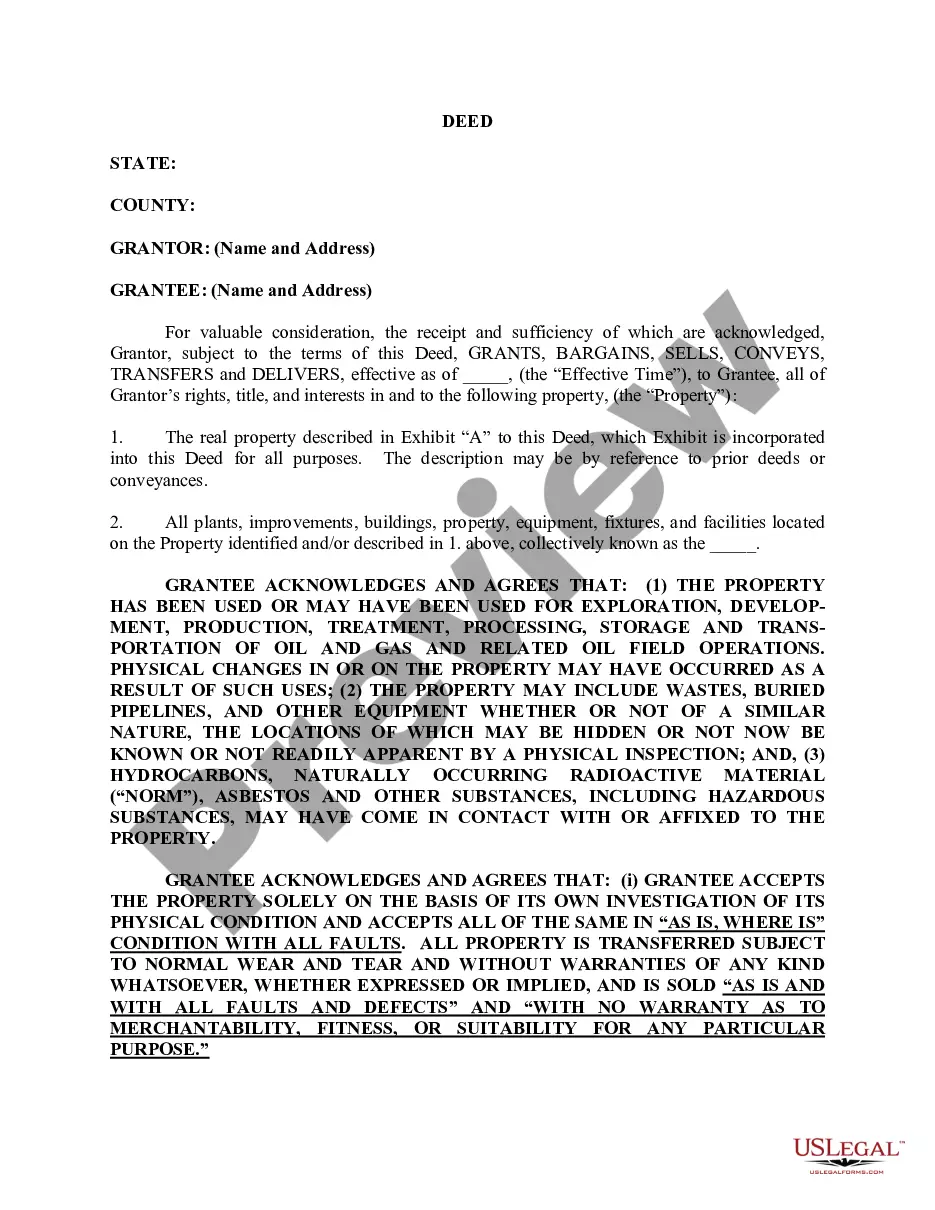
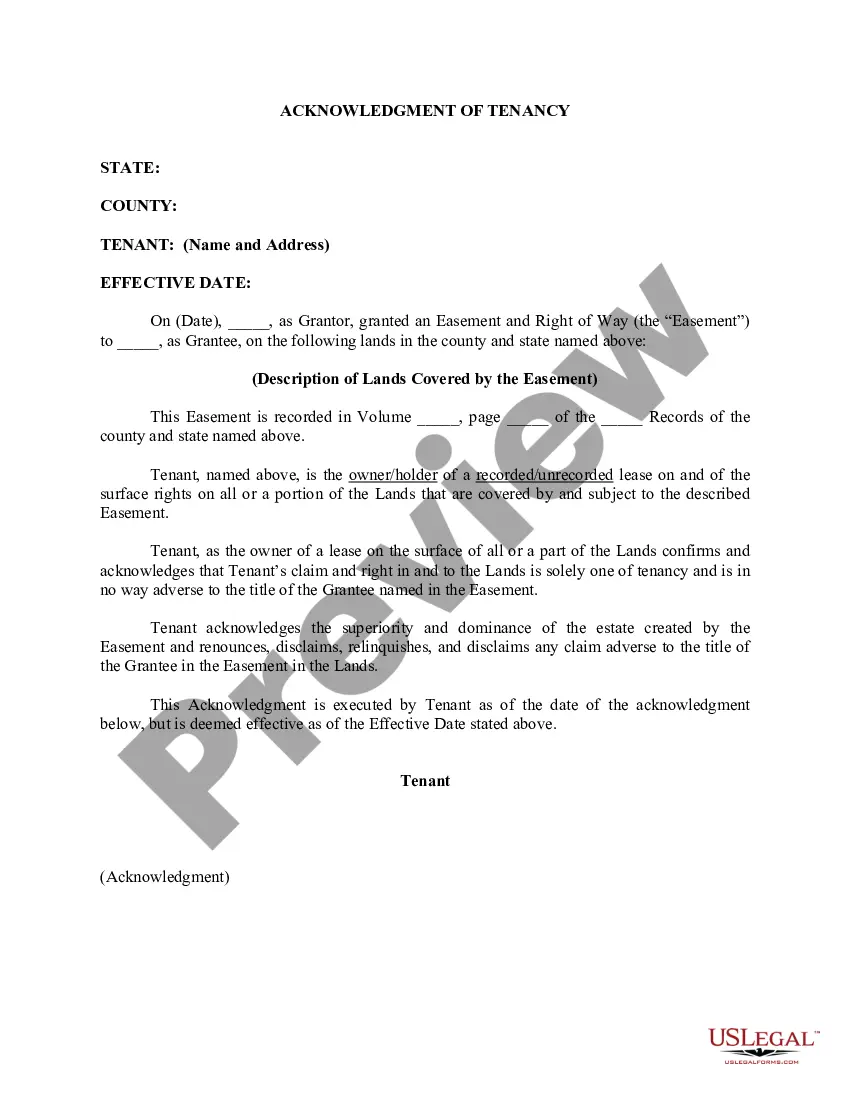
The Oklahoma Oil and Gas Acknowledgment is a legal document that verifies the signature of a party on an instrument related to real property. This acknowledgment is essential for any document that is intended for recording or that affects any interest in real property. It ensures that the signatory has executed the instrument voluntarily and understands its implications.
What’s included in this form
- State and county where the acknowledgment takes place.
- Name of the notary public and their commission expiration date.
- Identification of the person acknowledging the signature.
- Statement confirming that the signature was executed voluntarily.
- Provisions for acknowledgment by a corporate representative.
- Space for additional witnesses, if a mark is used for signing.
When to use this form
This form should be used when a party needs to affirm their signature on a legal document that will be recorded, such as deeds or oil and gas leases in Oklahoma. You may need this form in transactions that involve the transfer of property rights, ensuring all parties involved recognize the document's legal significance.
Who this form is for
- Individuals executing an agreement related to real property.
- Corporations engaging in transactions involving property rights.
- Attorneys or representatives acting on behalf of signatories.
- Notaries public who are responsible for officiating the acknowledgment process.
Completing this form step by step
- Identify the state and county where the acknowledgment is executed.
- Provide the name of the notary public and enter the date of acknowledgment.
- Fill in the name of the party acknowledging their signature.
- Specify the capacity in which a corporate representative is acting, if applicable.
- Ensure that the notary signs and includes their commission expiration date.
Does this document require notarization?
This form must be notarized to be legally valid. US Legal Forms provides secure online notarization powered by Notarize, allowing you to complete the process through a verified video call.
Get your form ready online
Our built-in tools help you complete, sign, share, and store your documents in one place.
Make edits, fill in missing information, and update formatting in US Legal Forms—just like you would in MS Word.
Download a copy, print it, send it by email, or mail it via USPS—whatever works best for your next step.
Sign and collect signatures with our SignNow integration. Send to multiple recipients, set reminders, and more. Go Premium to unlock E-Sign.
If this form requires notarization, complete it online through a secure video call—no need to meet a notary in person or wait for an appointment.
We protect your documents and personal data by following strict security and privacy standards.

Make edits, fill in missing information, and update formatting in US Legal Forms—just like you would in MS Word.

Download a copy, print it, send it by email, or mail it via USPS—whatever works best for your next step.

Sign and collect signatures with our SignNow integration. Send to multiple recipients, set reminders, and more. Go Premium to unlock E-Sign.

If this form requires notarization, complete it online through a secure video call—no need to meet a notary in person or wait for an appointment.

We protect your documents and personal data by following strict security and privacy standards.
Avoid these common issues
- Failing to have the document signed in front of a notary public.
- Forgetting to include the notary's signature and seal.
- Neglecting to specify the date of acknowledgment.
- Using incorrect names or details for the parties involved.
Advantages of online completion
- Convenience of downloading and completing the form at your own pace.
- Ability to ensure accuracy with user-friendly templates.
- Access to attorney-drafted forms for legality and compliance.
- Availability of integrated online notarization services for a seamless process.
Looking for another form?



Form popularity
FAQ
Crude Oil and Natural Gas: From Source to Final Products. Crude oil and natural gas are mixtures of hydrocarbons-chemical molecules that contain only hydrogen and carbon.In addition to hydrocarbons, petroleum may contain impurities such as water, sulfur compounds, oxygen, nitrogen, carbon dioxide and traces of metals.
Unsafe methane emissions contribute to the modification of the environment. The oil and gas extraction also emits Methane which is the main constituent in natural gas. The gas is more damaging to the environment than carbon dioxide, locking in heat more efficiently and escalating global warming.
Oil and natural gas are used in everyday products such as lipstick and deodorant and life-saving medical devices, such as MRI machines and pacemakers. Byproducts from oil refining is used to produce plastics, as well as lubricants, waxes, tars and even asphalt for our roads.
We use petroleum products to propel vehicles, to heat buildings, and to produce electricity. In the industrial sector, the petrochemical industry uses petroleum as a raw material (a feedstock) to make products such as plastics, polyurethane, solvents, and hundreds of other intermediate and end-user goods.
The Difference between oil and gas is that the term oil refers to hydrocarbon mixtures that are liquid at room temperature, whereas gas is a mixture of gas formed from the fossil remains buried deep in the Earth.Oil is an unctuous flammable substance which is not water soluble, whereas gas is an aeriform fluid.