Oklahoma Living Trust for Individual as Single, Divorced or Widow (or Widower) with Children
What this document covers
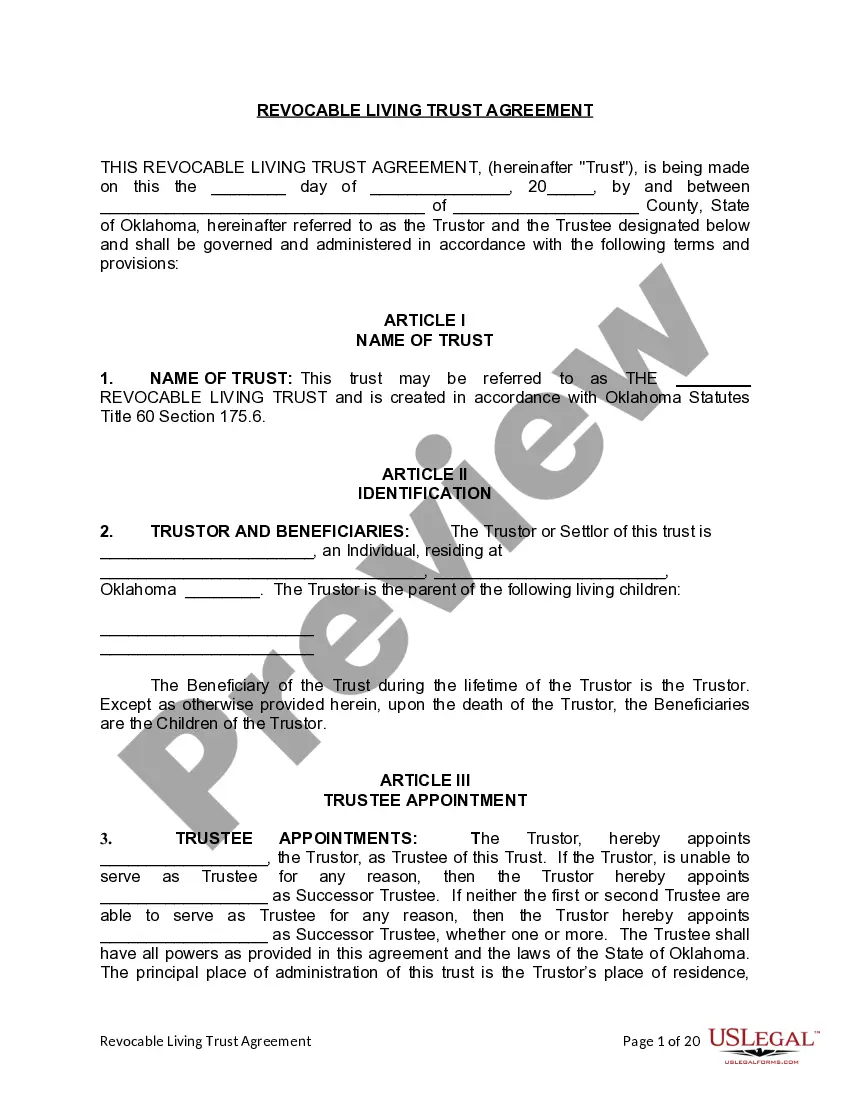
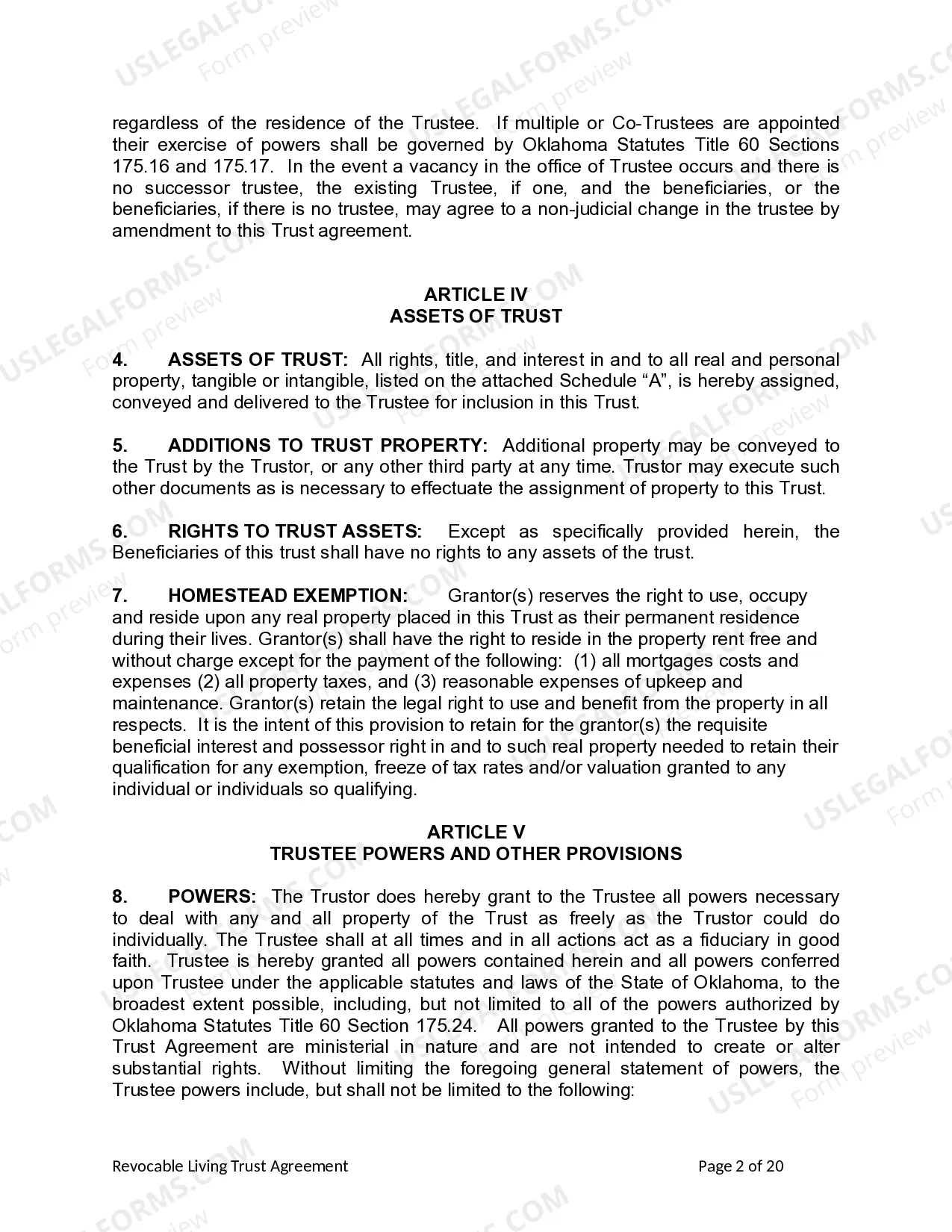
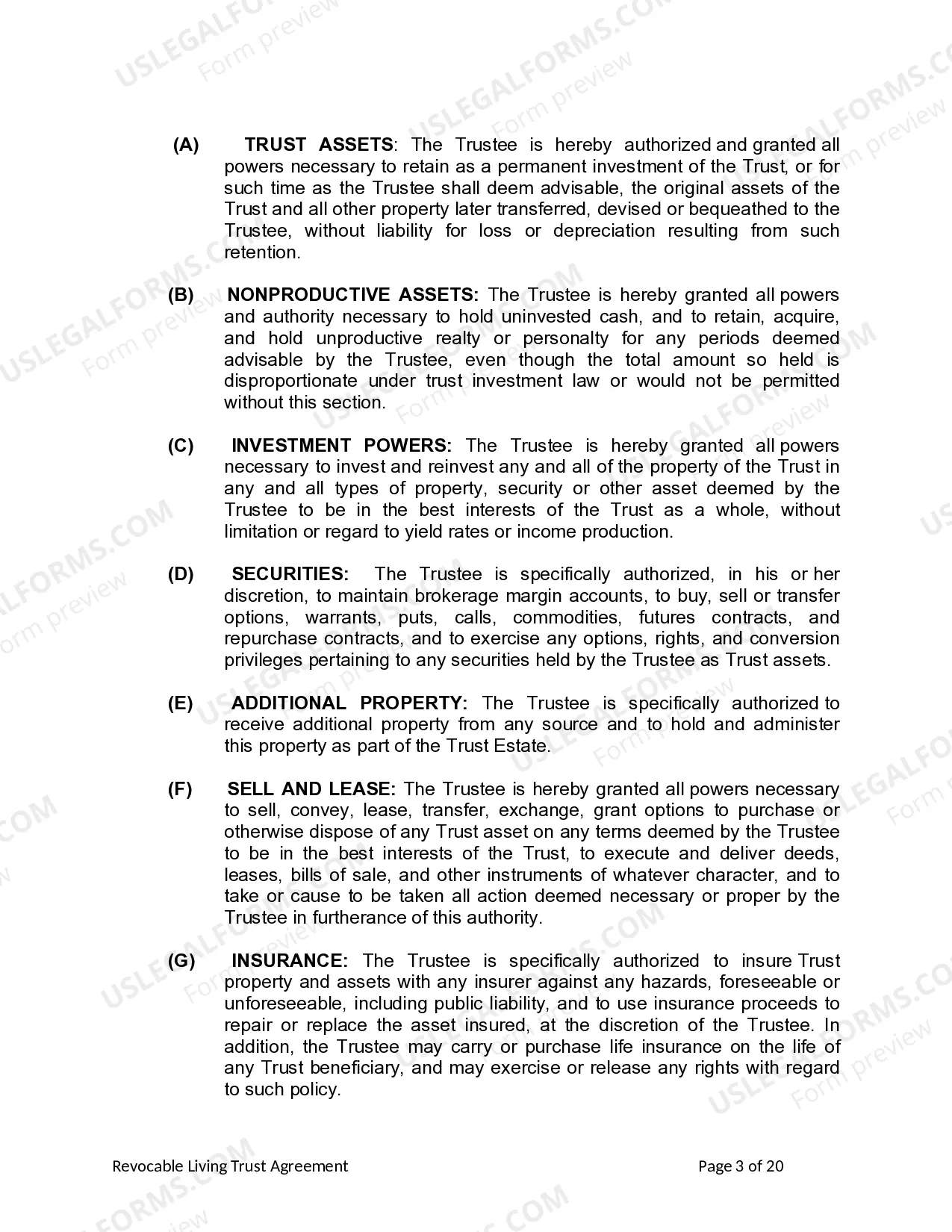
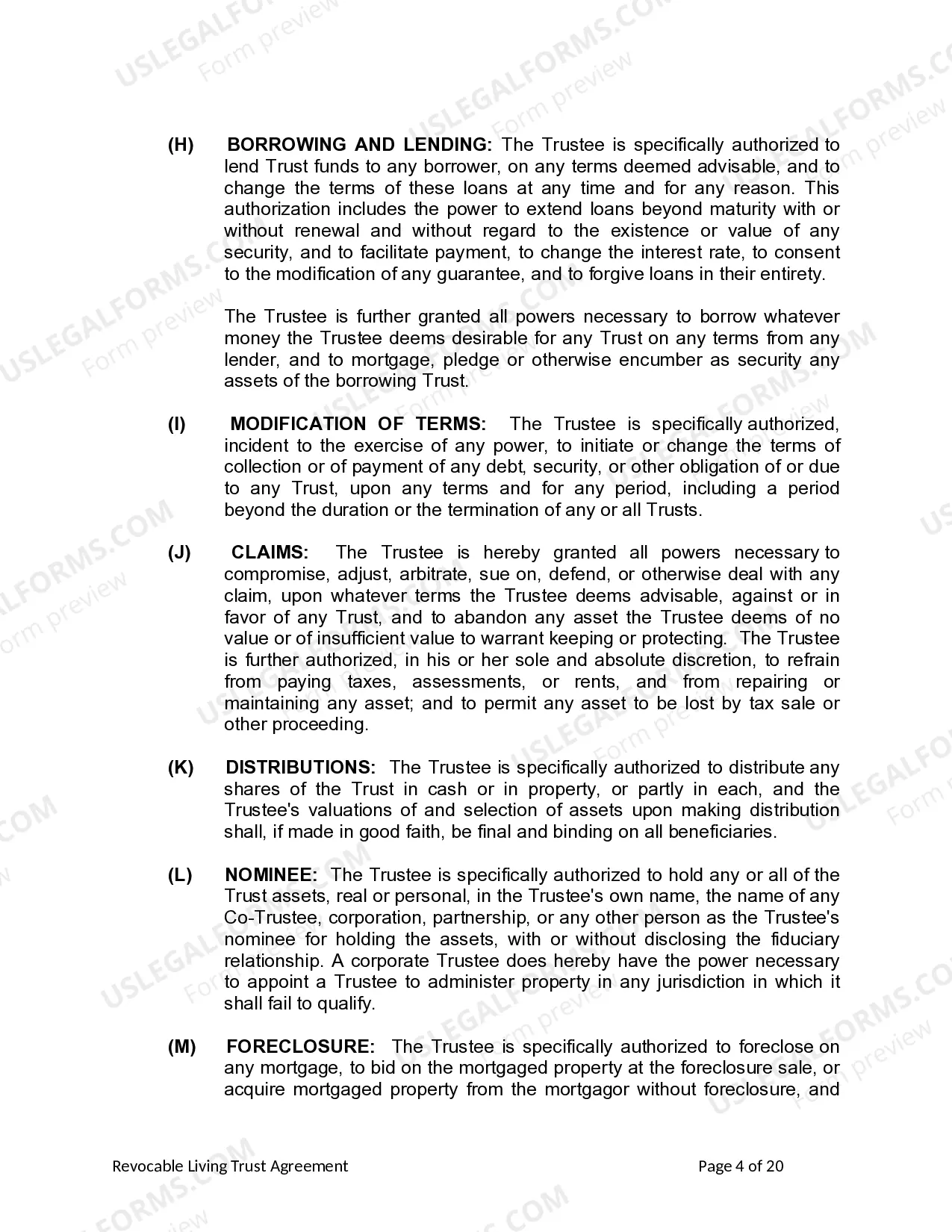
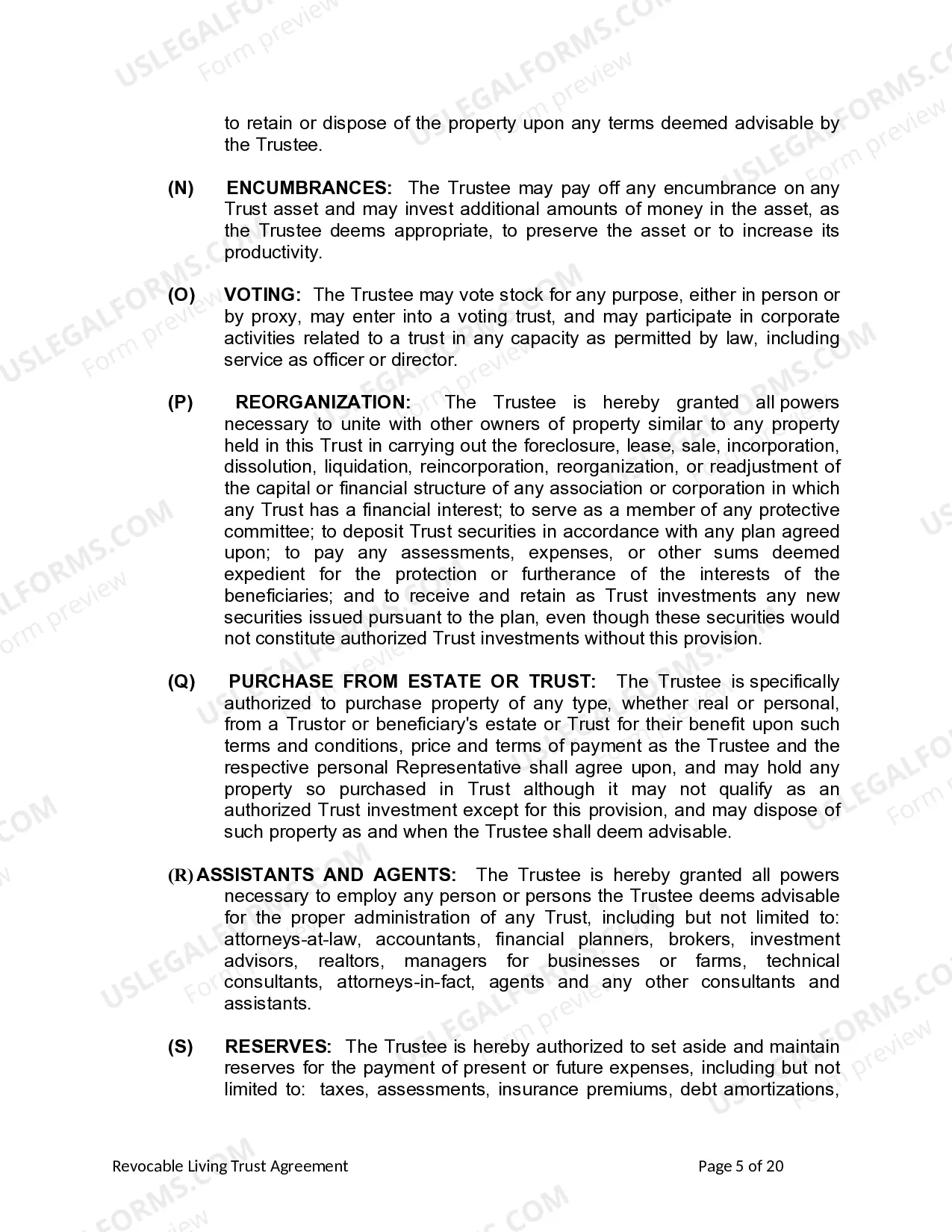
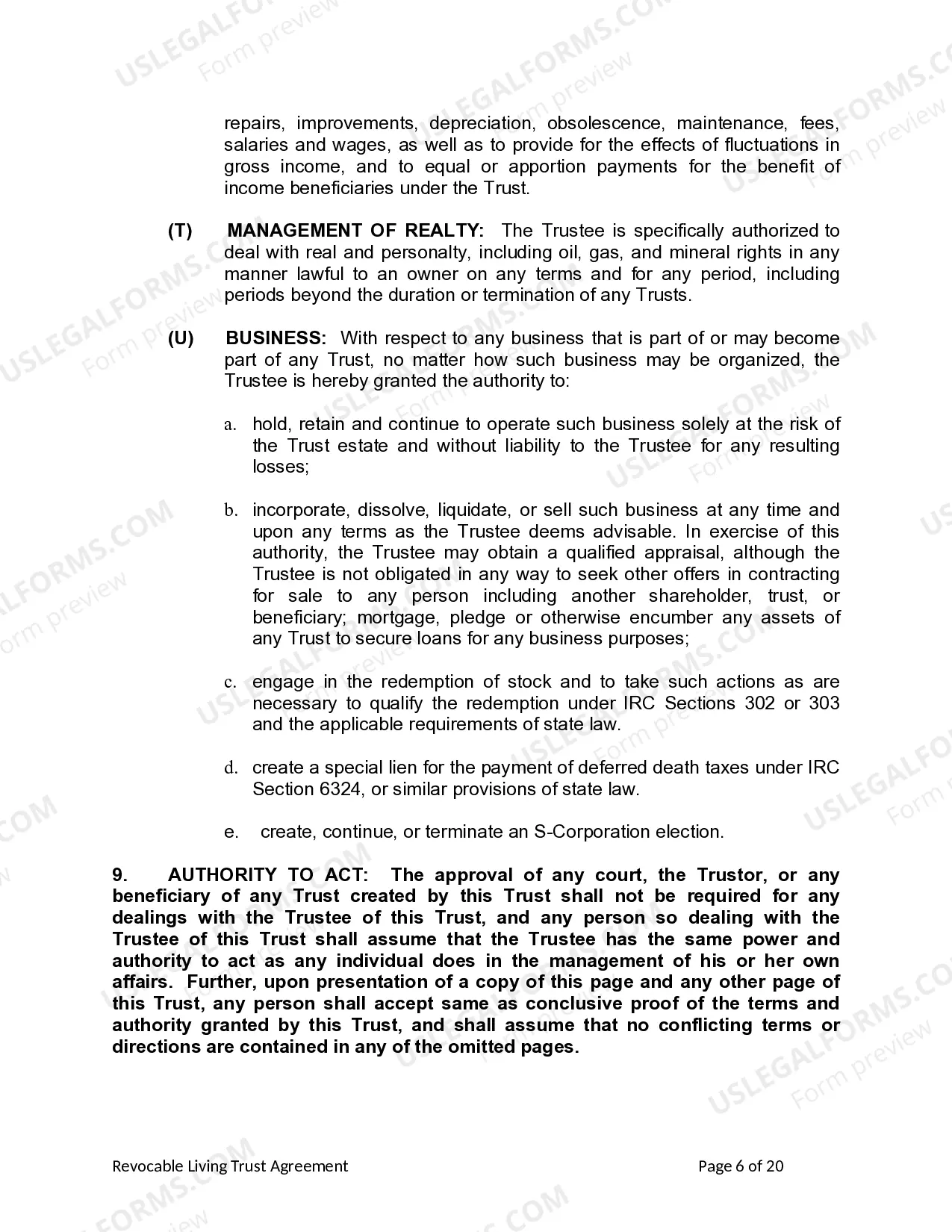
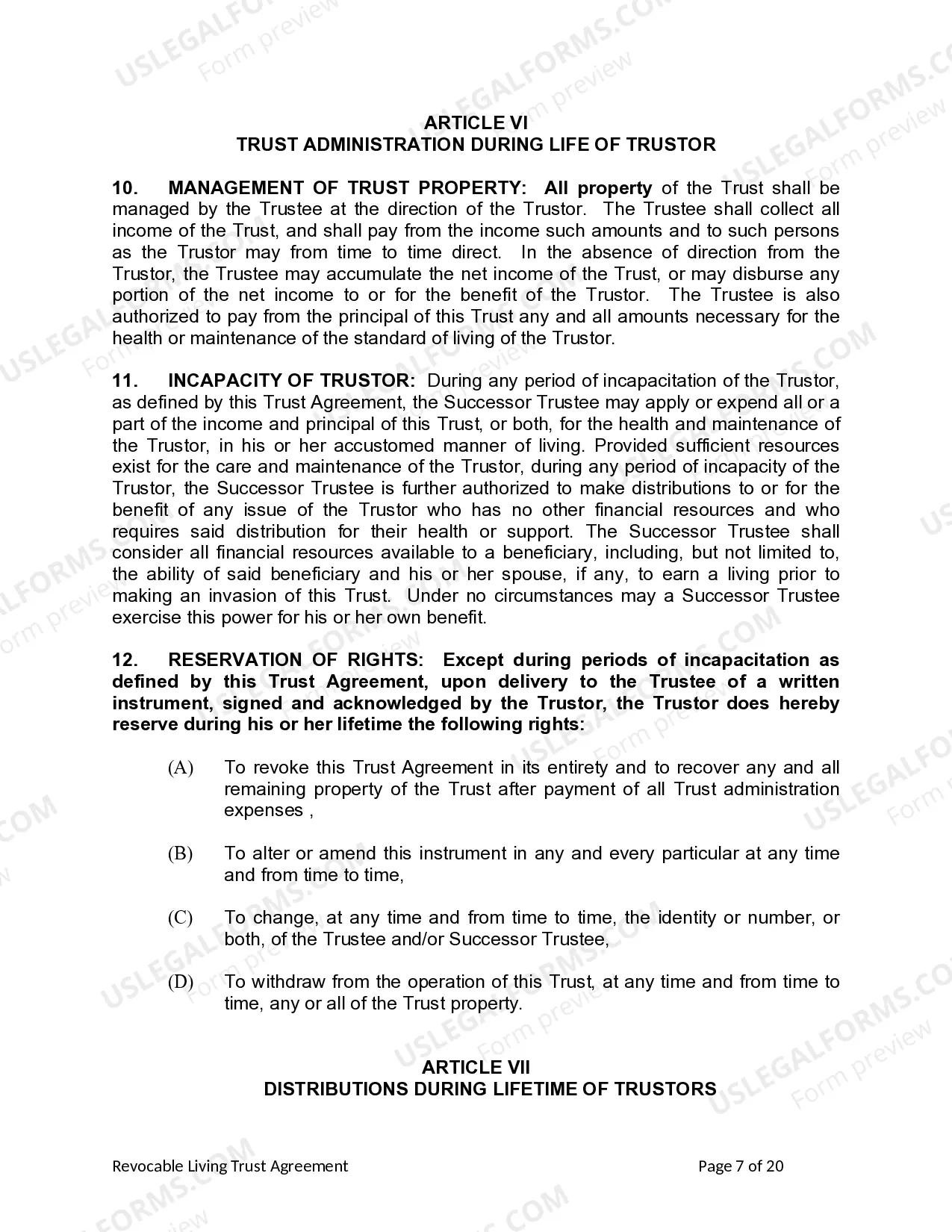
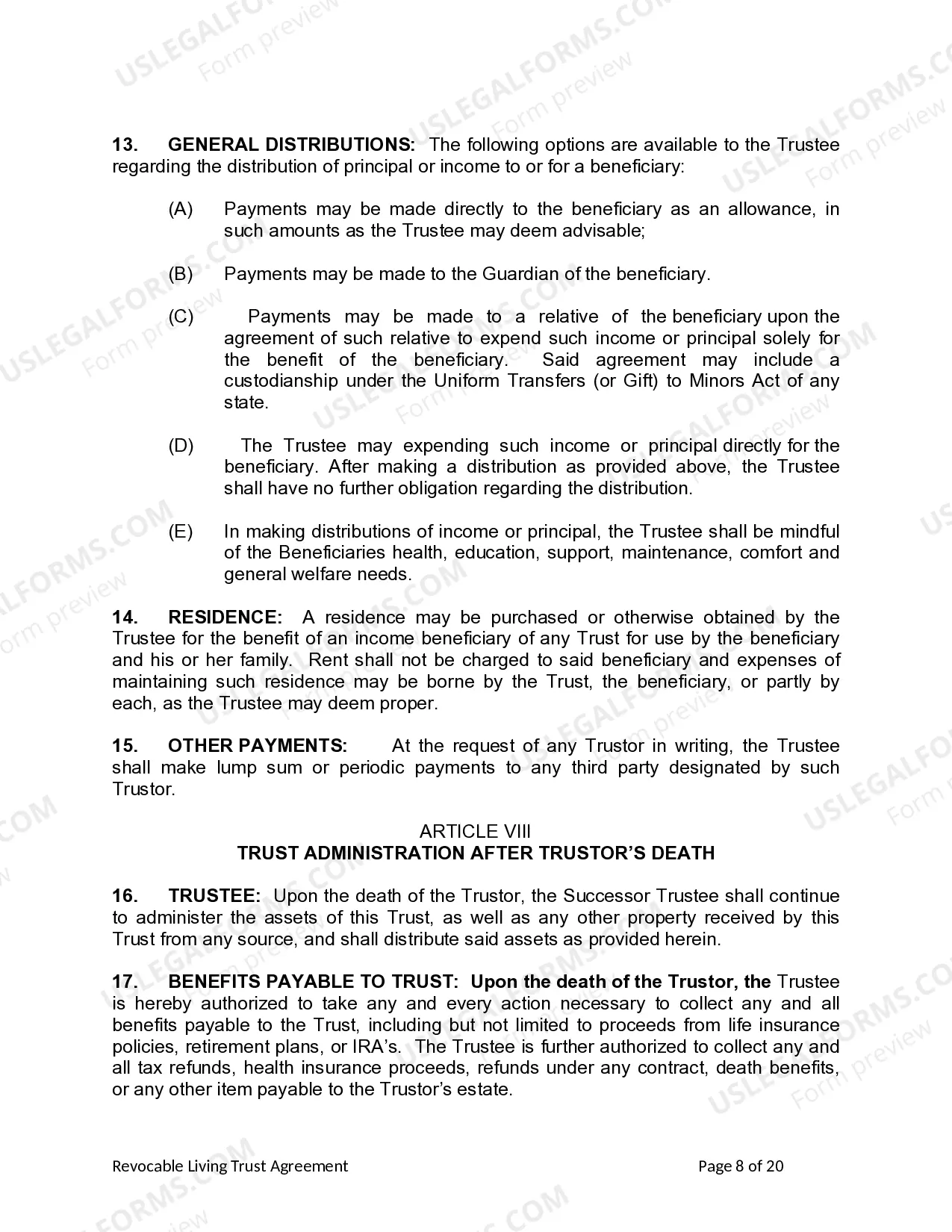
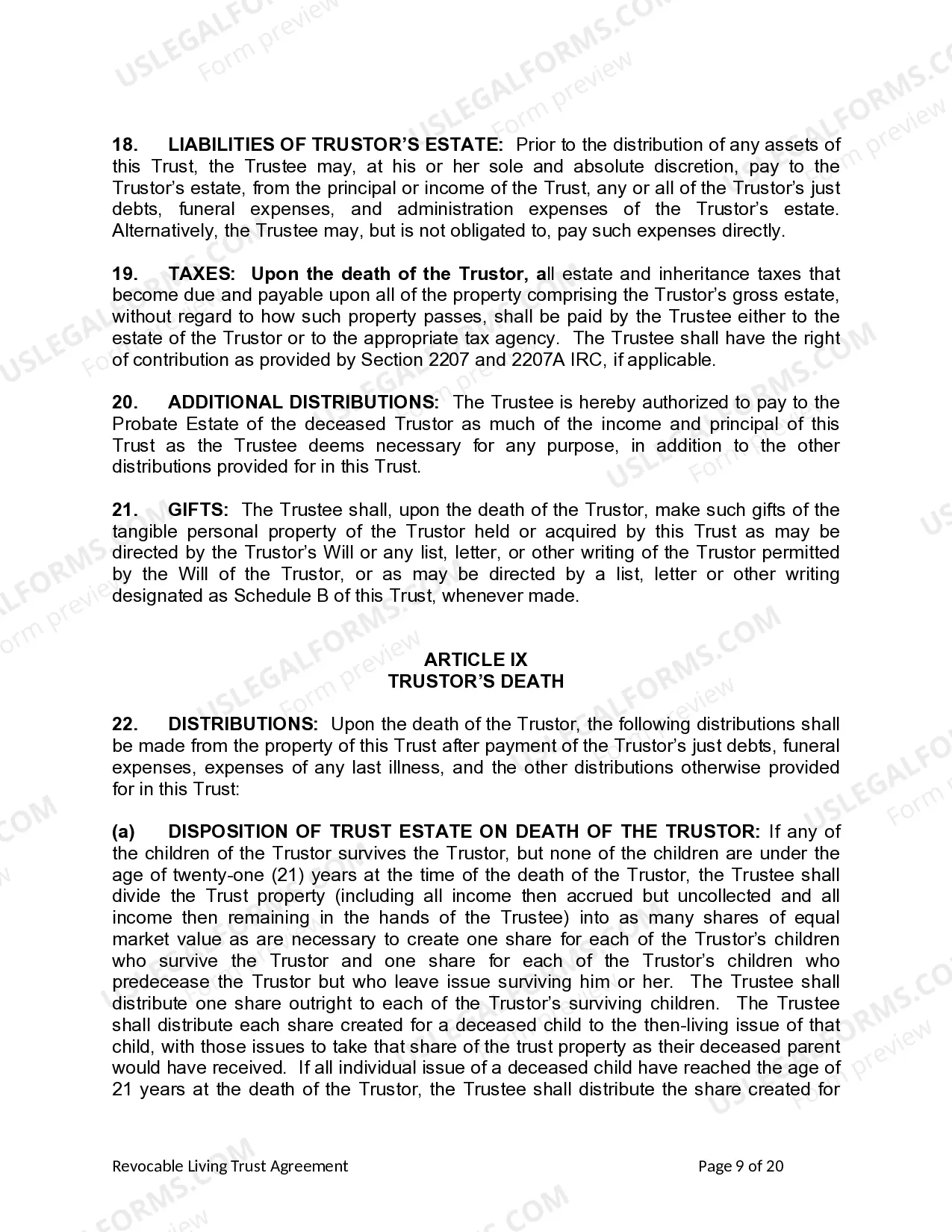
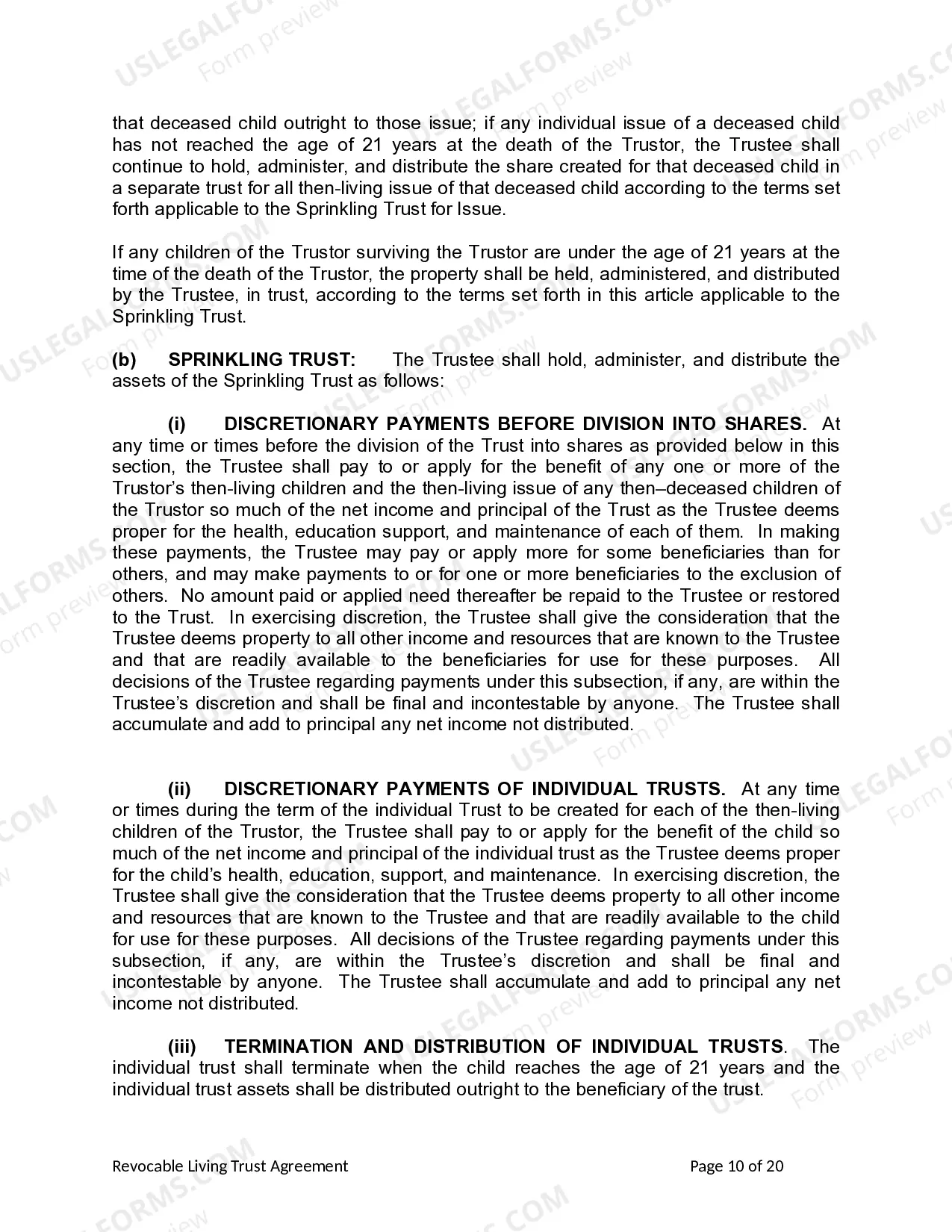
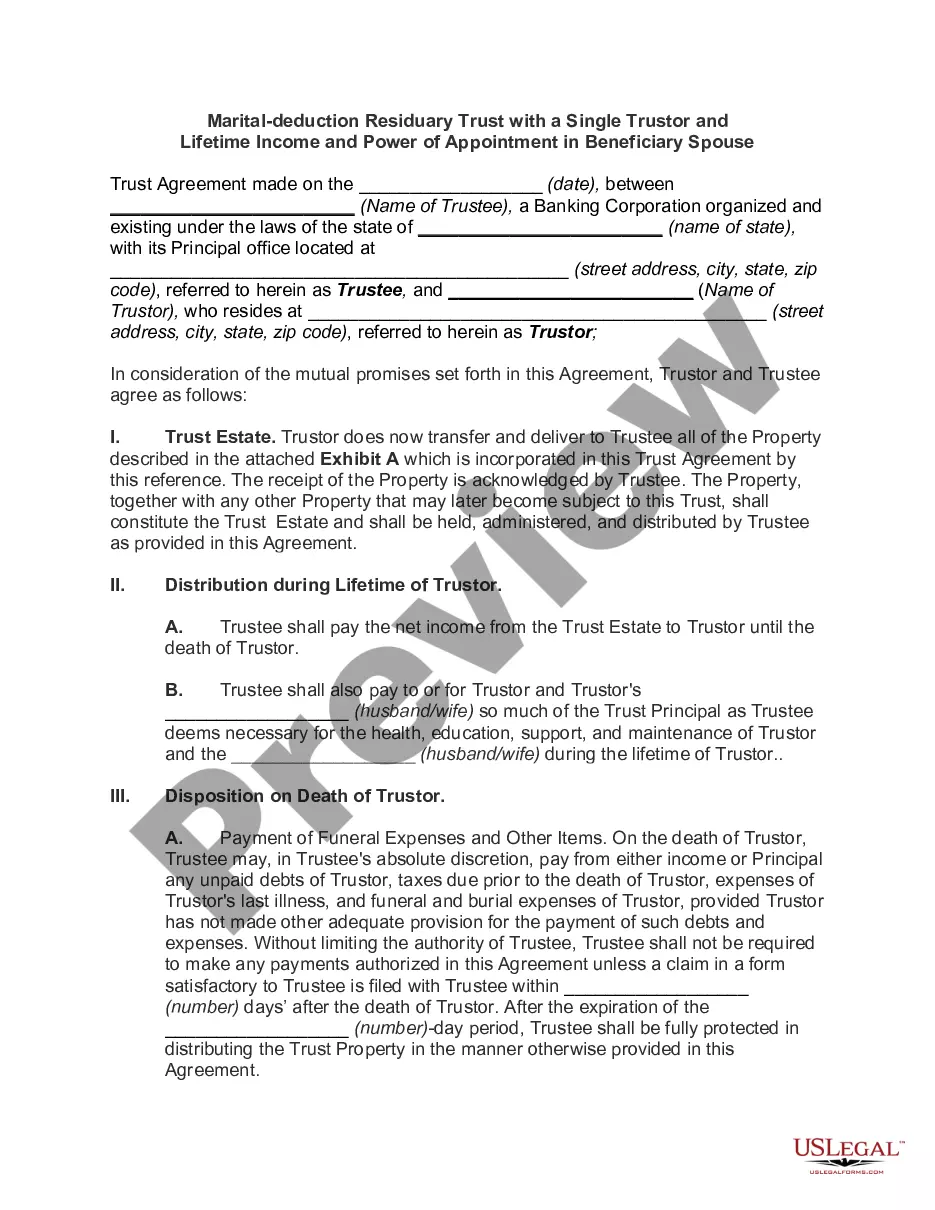
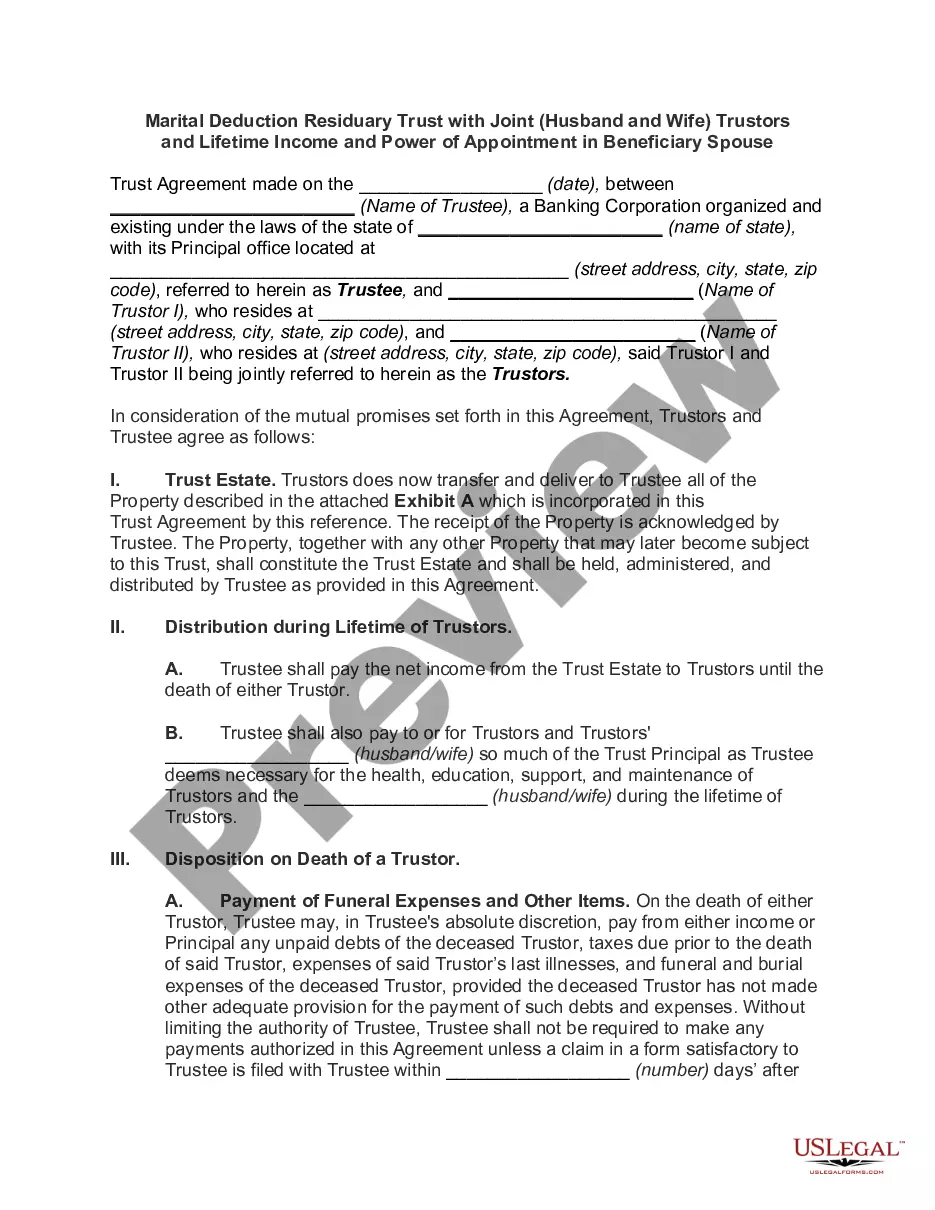
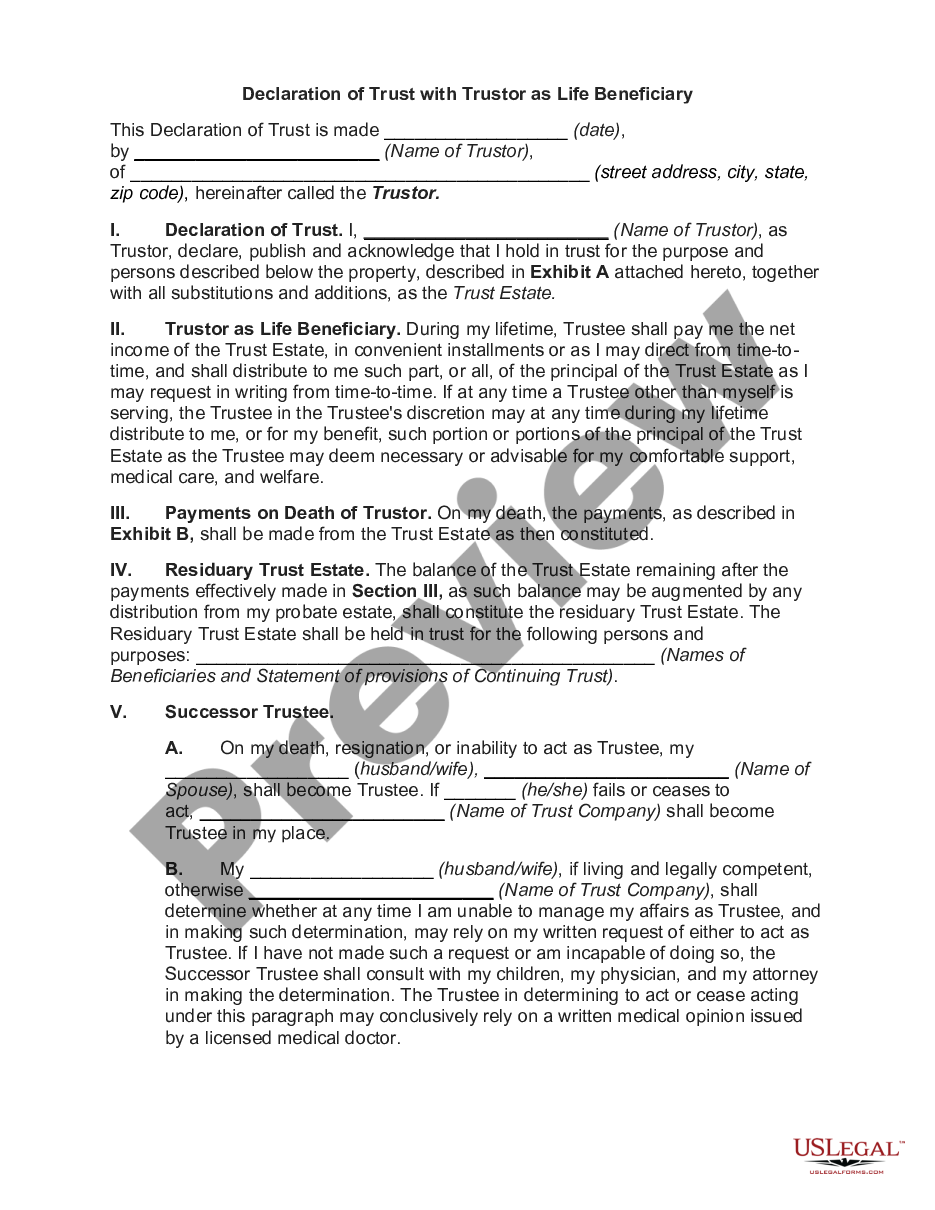
This Living Trust form is designed for individuals who are single, divorced, or widowed and have children. A living trust is a legal arrangement established during your lifetime that allows you to manage your assets and dictate how they will be distributed after your death. Unlike a will, which goes through probate, a living trust avoids this legal process, enabling a more direct transfer of your assets to your designated beneficiaries. This form empowers you with control over your property, ensuring your wishes are honored while providing potential tax benefits and asset protection.
What’s included in this form
- Trustor identification: Names and addresses of the person creating the trust.
- Trustee appointment: Nomination of an individual or organization to manage the trust.
- Beneficiaries: Designation of children or other recipients who will benefit from the trust after the trustor's death.
- Assets included: Specification of the property and assets that will be placed into the trust.
- Successor trustee: Appointment of individuals to take over trustee duties if the original trustee is unable to serve.
- Distribution terms: Detailed instructions on how the trust's assets should be distributed upon the trustor's death.



Common use cases
This form is appropriate when you are looking to establish a living trust and want to ensure that your assets are managed according to your wishes. Common scenarios include if you are a single parent seeking to protect your childrenâs inheritance, if you are divorced and want to ensure asset distribution aligns with your current wishes, or if you are a widow or widower needing a structured plan for managing assets for your beneficiaries.
Who should use this form
- Individuals who are single, divorced, or widowed.
- Parents seeking to provide for their children in the event of their death.
- Anyone looking to avoid probate and streamline the transfer of assets.
- Individuals wanting a flexible, revocable estate planning tool.
How to complete this form
- Identify the parties: Fill in the details of the trustor, trustee, and beneficiaries.
- Specify the trust name: Choose a unique name for your living trust.
- List the assets: Describe and attach a schedule of all assets to be included in the trust.
- Appoint successor trustees: Name individuals who will take over if the original trustee can no longer serve.
- Review and sign: Ensure all parties review the document and provide their signatures in front of a notary if required.
Notarization requirements for this form
This form does not typically require notarization unless specified by local law. However, notarizing your living trust can add an extra layer of authenticity and reduce challenges after your death.
Get your form ready online
Our built-in tools help you complete, sign, share, and store your documents in one place.
Make edits, fill in missing information, and update formatting in US Legal Forms—just like you would in MS Word.
Download a copy, print it, send it by email, or mail it via USPS—whatever works best for your next step.
Sign and collect signatures with our SignNow integration. Send to multiple recipients, set reminders, and more. Go Premium to unlock E-Sign.
If this form requires notarization, complete it online through a secure video call—no need to meet a notary in person or wait for an appointment.
We protect your documents and personal data by following strict security and privacy standards.

Make edits, fill in missing information, and update formatting in US Legal Forms—just like you would in MS Word.

Download a copy, print it, send it by email, or mail it via USPS—whatever works best for your next step.

Sign and collect signatures with our SignNow integration. Send to multiple recipients, set reminders, and more. Go Premium to unlock E-Sign.

If this form requires notarization, complete it online through a secure video call—no need to meet a notary in person or wait for an appointment.

We protect your documents and personal data by following strict security and privacy standards.
Mistakes to watch out for
- Failing to appoint a successor trustee.
- Not listing all intended assets for inclusion in the trust.
- Neglecting to update the trust when life circumstances change, such as marriage or the birth of additional children.
- Omitting necessary signatures or dates, leading to potential legal challenges.
Advantages of online completion
- Convenience: Easily create a legally binding document from the comfort of your home.
- Editability: Make adjustments as your circumstances change without starting from scratch.
- Time-saving: Instant access to forms means you can complete your estate planning quickly.
- Protection: Ensure your assets are distributed according to your wishes without probate delays.
What to keep in mind
- A Living Trust is a more efficient way to manage your estate compared to a will, especially for parents.
- This specific living trust is tailored for individuals who are single, divorced, or widowed and have children.
- Properly appointing a trustee and accurately listing your assets are crucial steps in establishing this trust.
Looking for another form?




Form popularity
FAQ
As of 2019, attorney fees can range from $1,000 to $2,500 to set up a trust, depending upon the complexity of the document and where you live. You can also hire an online service provider to set up your trust. As of 2019, you can expect to pay about $300 for an online trust.
Paperwork. Setting up a living trust isn't difficult or expensive, but it requires some paperwork. Record Keeping. After a revocable living trust is created, little day-to-day record keeping is required. Transfer Taxes. Difficulty Refinancing Trust Property. No Cutoff of Creditors' Claims.
There is no set price tag on setting up a living trust. It can range from just under $100 to more than $1,000. It all depends on how you create it and how complex your estate is. These days, you can shop around and find plenty of living trust software options.
Deciding between a will or a trust is a personal choice, and some experts recommend having both. A will is typically less expensive and easier to set up than a trust, an expensive and often complex legal document.
The national average cost for a living trust for an individual is $1,100-1,500 USD. The national average cost for a living trust for a married couple is $1,700-2,500 USD. Part of the reason for this range in prices is the range of services that are available from various estate planning attorneys.
Choose whether to make an individual or shared trust. Decide what property to include in the trust. Choose a successor trustee. Decide who will be the trust's beneficiaries who will get the trust property. Create the trust document.
The national average cost for a living trust for an individual is $1,100-1,500 USD. The national average cost for a living trust for a married couple is $1,700-2,500 USD. Part of the reason for this range in prices is the range of services that are available from various estate planning attorneys.
As of 2019, attorney fees can range from $1,000 to $2,500 to set up a trust, depending upon the complexity of the document and where you live. You can also hire an online service provider to set up your trust. As of 2019, you can expect to pay about $300 for an online trust.
Single People Anyone who is single and has assets titled in their sole name should consider a Revocable Living Trust. The two main reasons are to keep you and your assets out of a court-supervised guardianship and to allow your beneficiaries to avoid the costs and hassles of probate.