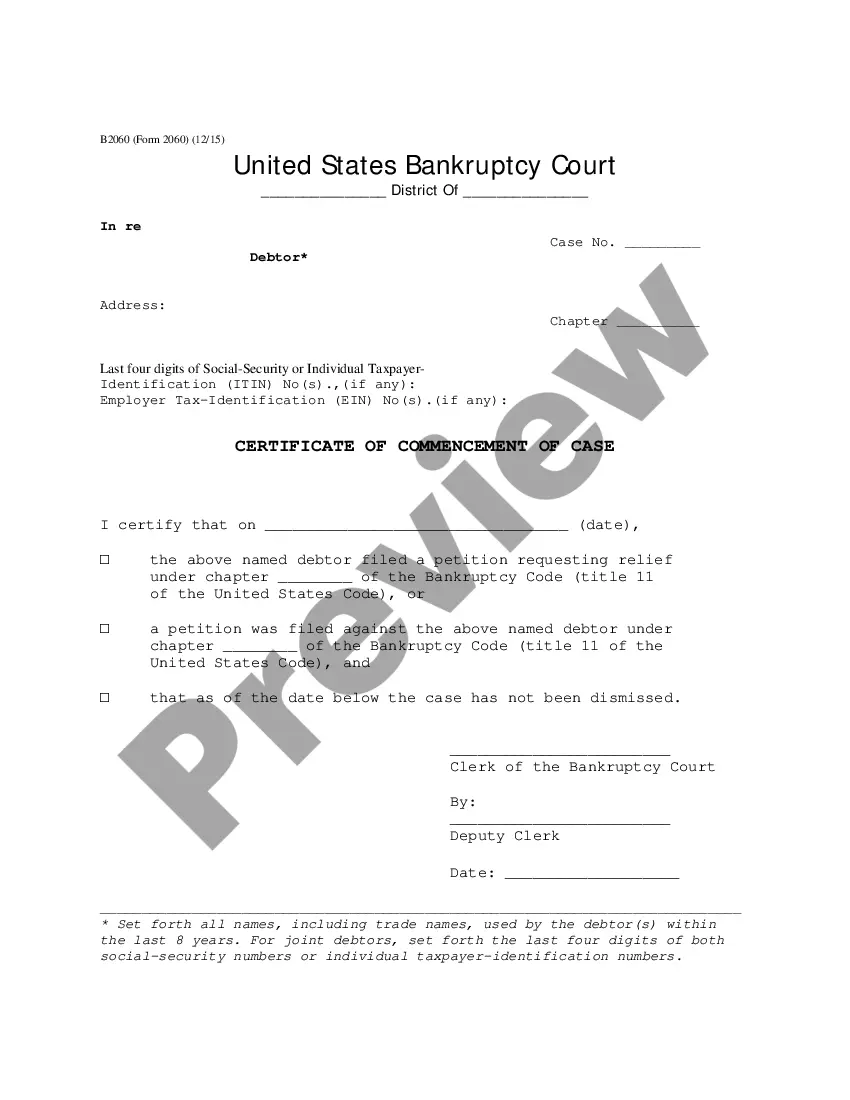
Oklahoma Summons and Petition Against Third Party Defendant
What is this form?
The Summons and Petition Against Third Party Defendant is a legal document used to initiate court proceedings against a third party in Oklahoma. It serves to notify the third party of the legal action and provides them with an opportunity to respond. This form is distinct from other legal forms as it specifically addresses situations involving third party defendants in civil cases, ensuring due process is followed.
Form components explained
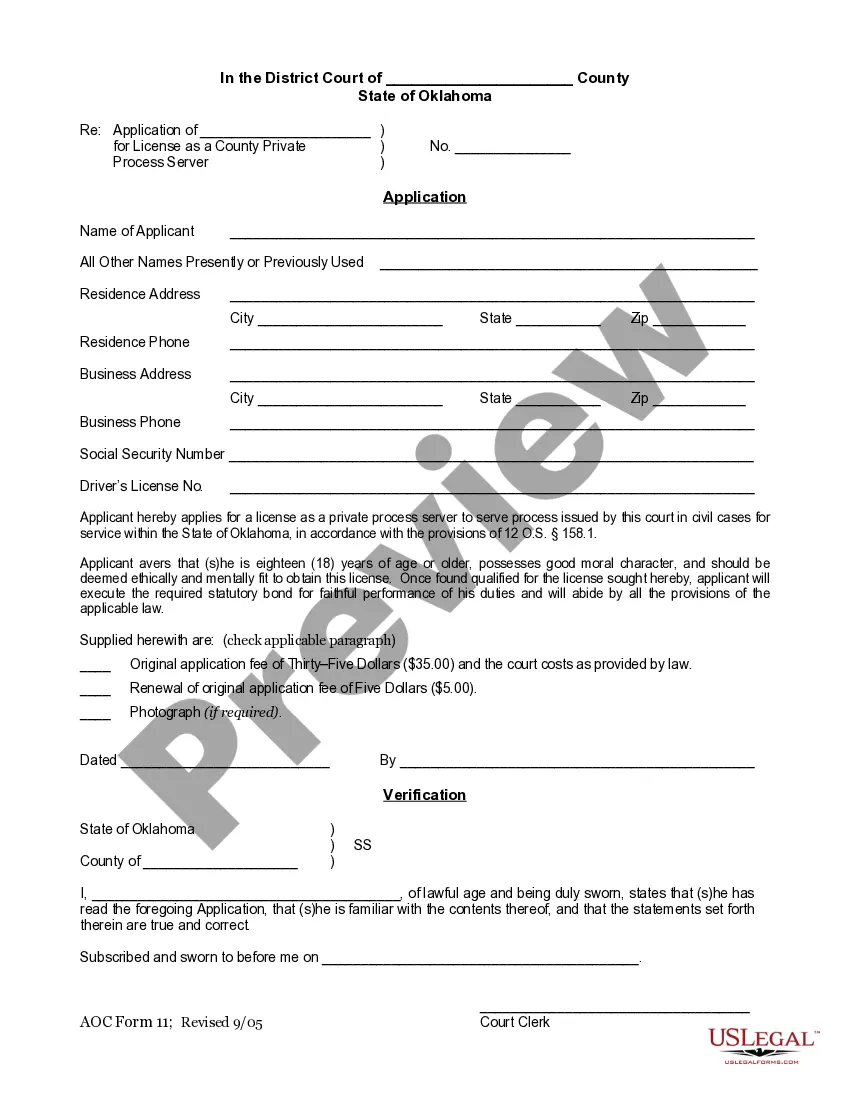
- Application details, including the name and address of the applicant.
- Declaration of suitability, confirming the applicant's age and moral character.
- Fees associated with the application process, including original and renewal fees.
- Space for the applicantâs verification and necessary signatures.
- Oath section for confirming the truth of the application content.
When to use this document
You should use this form when you need to formally initiate a lawsuit against a third party in a civil matter in Oklahoma. This may occur in various scenarios, such as a contractual dispute or a claim for damages, where a party outside of the main lawsuit is involved and requires legal notification.
Who can use this document
- Individuals or entities looking to pursue legal action against a third party in Oklahoma.
- Legal professionals representing clients in civil cases involving multiple parties.
- Applicants seeking a license as a private process server if relevant to their role.
Instructions for completing this form
- Identify and enter the name of the applicant in the designated field.
- Provide all address details, including residence and business addresses.
- Check the applicable box for the type of application fee being submitted.
- Sign the verification section to confirm the truthfulness of the information provided.
- Ensure that the form is dated and includes the required signature of the applicant.
Notarization guidance
This form does not typically require notarization unless specified by local law. However, it is advisable to check with the court or legal counsel to ensure compliance with all requirements.
Get your form ready online
Our built-in tools help you complete, sign, share, and store your documents in one place.
Make edits, fill in missing information, and update formatting in US Legal Forms—just like you would in MS Word.
Download a copy, print it, send it by email, or mail it via USPS—whatever works best for your next step.
Sign and collect signatures with our SignNow integration. Send to multiple recipients, set reminders, and more. Go Premium to unlock E-Sign.
If this form requires notarization, complete it online through a secure video call—no need to meet a notary in person or wait for an appointment.
We protect your documents and personal data by following strict security and privacy standards.

Make edits, fill in missing information, and update formatting in US Legal Forms—just like you would in MS Word.

Download a copy, print it, send it by email, or mail it via USPS—whatever works best for your next step.

Sign and collect signatures with our SignNow integration. Send to multiple recipients, set reminders, and more. Go Premium to unlock E-Sign.

If this form requires notarization, complete it online through a secure video call—no need to meet a notary in person or wait for an appointment.

We protect your documents and personal data by following strict security and privacy standards.
Common mistakes
- Failing to complete all required fields, which can lead to delays.
- Not signing the verification section, rendering the application invalid.
- Incorrectly checking the fee type, causing issues with processing.
Why complete this form online
- Convenience of accessing and completing the form from anywhere with an internet connection.
- Editability allows you to make changes easily before submitting.
- Reliability of using professionally drafted documents, ensuring legal compliance.
Key takeaways
- The Summons and Petition Against Third Party Defendant is essential in civil litigation involving multiple parties.
- Completing the form accurately is crucial to avoid delays or denials in court proceedings.
- Notarization is required to validate the application and ensure compliance with local laws.
Looking for another form?

Form popularity
FAQ
Unless otherwise stipulated or ordered by the court, a party may serve on any other party no more than 25 written interrogatories, including all discrete subparts. Leave to serve additional interrogatories may be granted to the extent consistent with Rule 26(b)(1) and (2).
(a) All persons may be joined in one action as defendants if there is asserted against them: (1) Any right to relief jointly, severally, or in the alternative, in respect of or arising out of the same transaction, occurrence, or series of transactions or occurrences and if any question of law or fact common to all
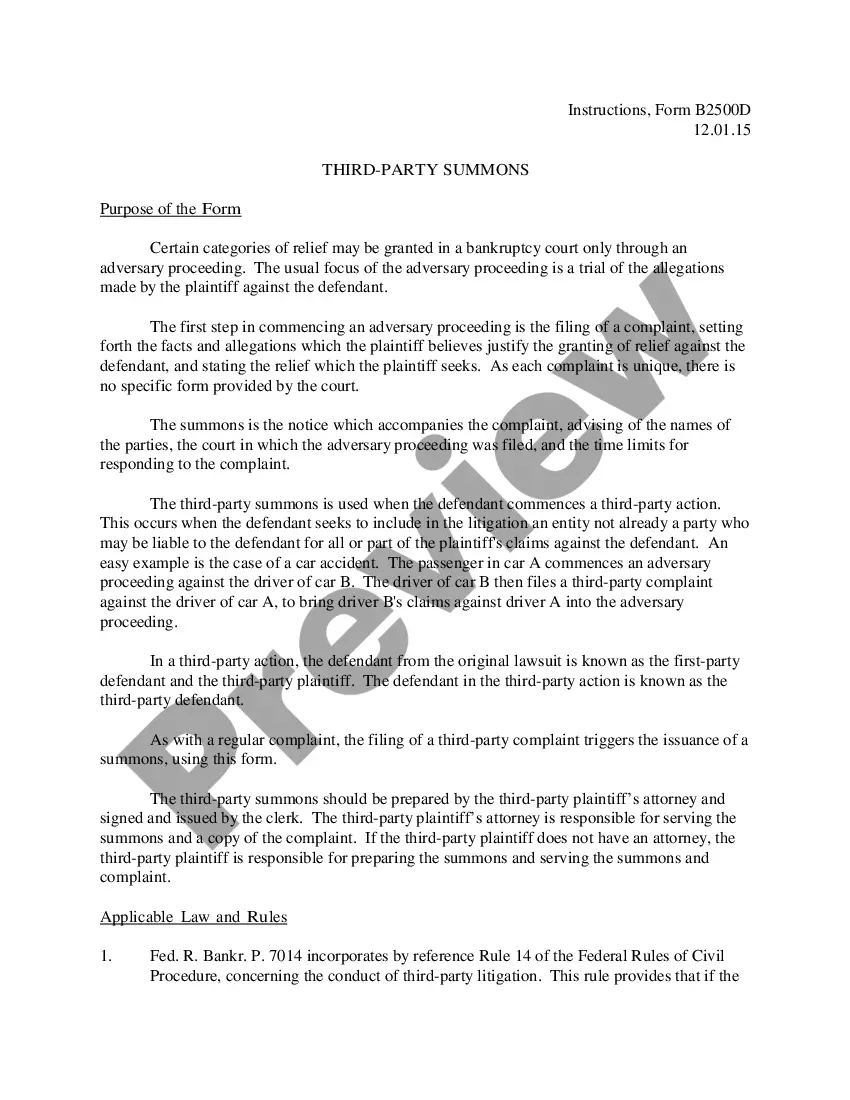
You may issue a third party notice if you claim the third party needs to be involved in the proceedings that the plaintiff issued against you, or that the third party owes you something that is connected with the proceedings. For more details, see Rule 4.4 of the District Court Rules 2014.
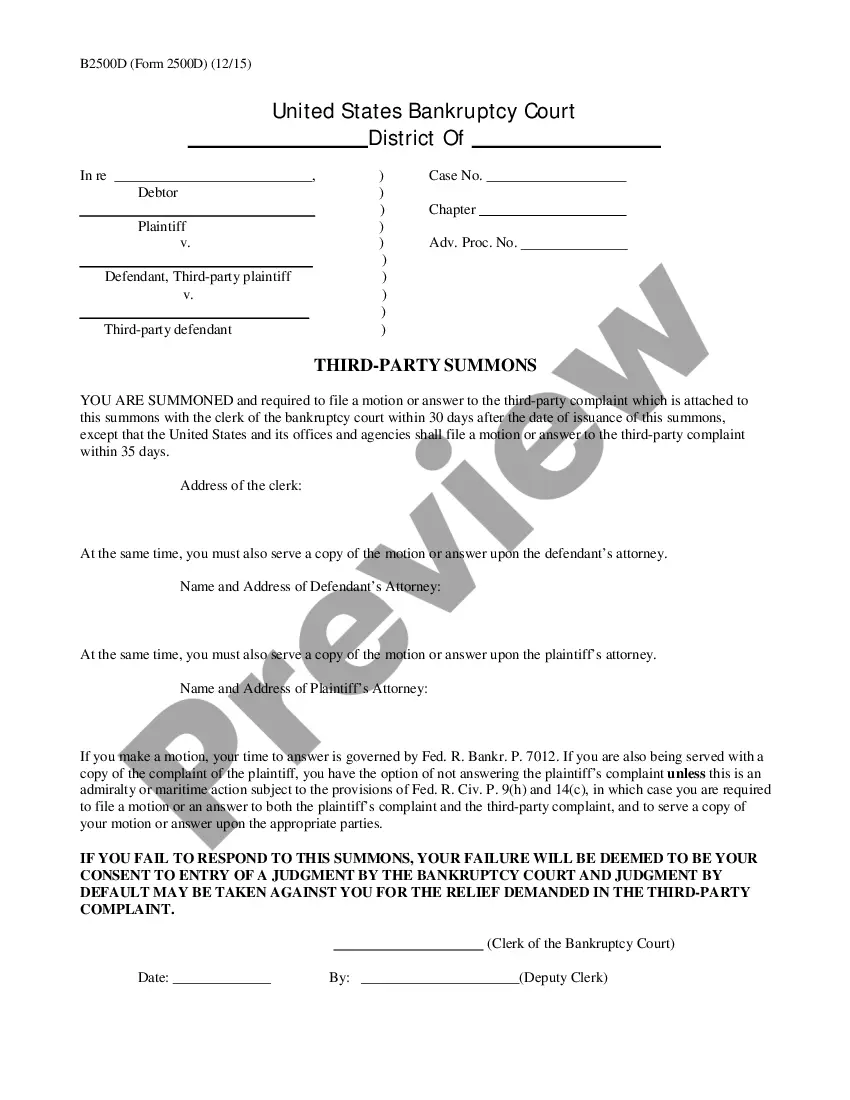
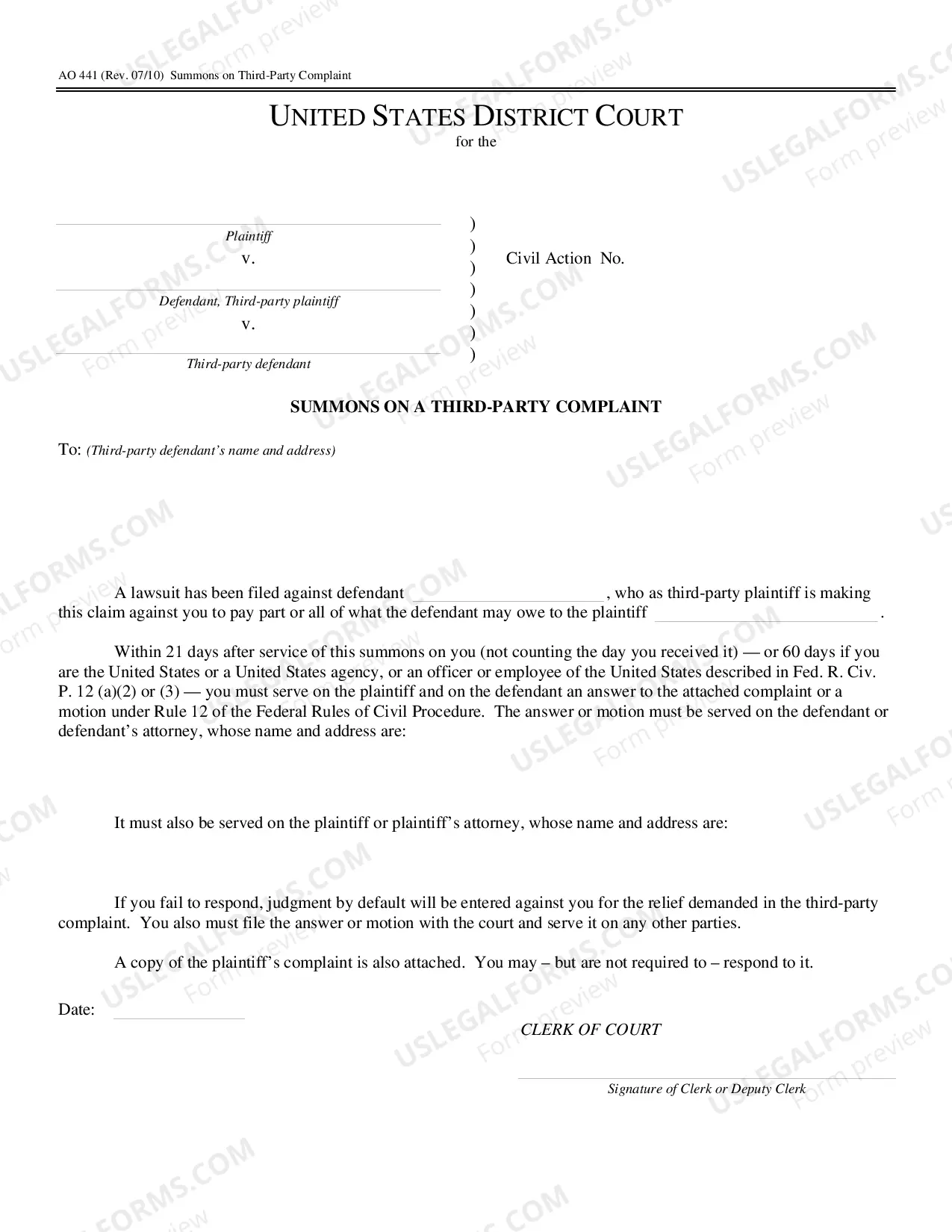
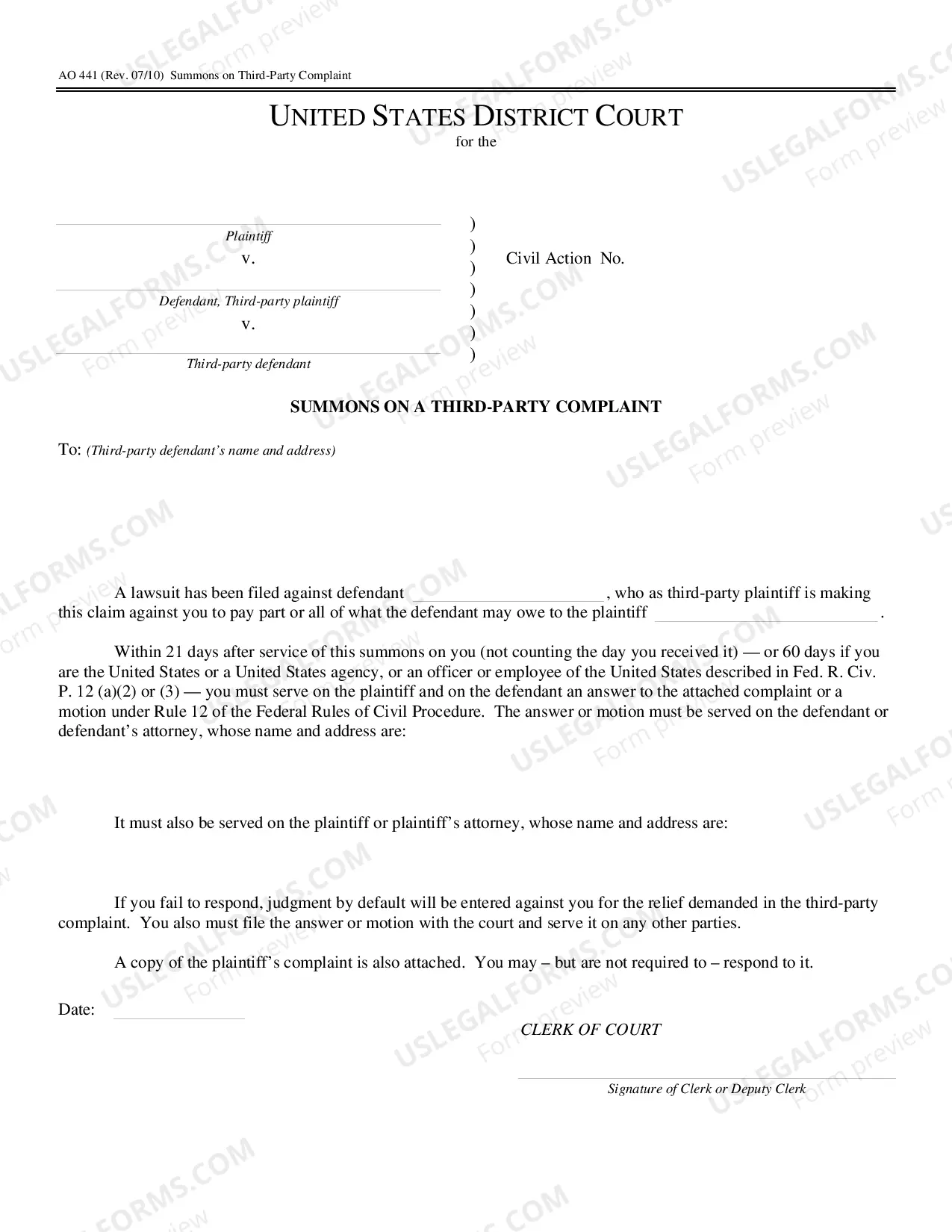
Third-party defendant. SUMMONS ON A THIRD-PARTY COMPLAINT. To: (Third-party defendant's name and address) A lawsuit has been filed against defendant , who as third-party plaintiff is making this claim against you to pay part or all of what the defendant may owe to the plaintiff .
You are limited to 30 interrogatories per party in the case, unless a written stipulation is reached or the court authorizes. There is a statutory procedure for requesting additional interrogatories, and this procedure must be followed before the additional requests are made.
2 attorney answersThird party claim requires you to add a party. Cross claim is against another defendant already in the case.
This is because in 2004 Part VIIIAA was introduced to the Family Law Act, giving the Court powers to make orders and injunctions against third parties.A third party can be defined as a person or entity other than the two people in the intimate relationship.
So, can you refuse to answer interrogatories? The answer is, no, you may not.That answer must either permit inspection of the requested information or object to the production of the information for a specific reason.
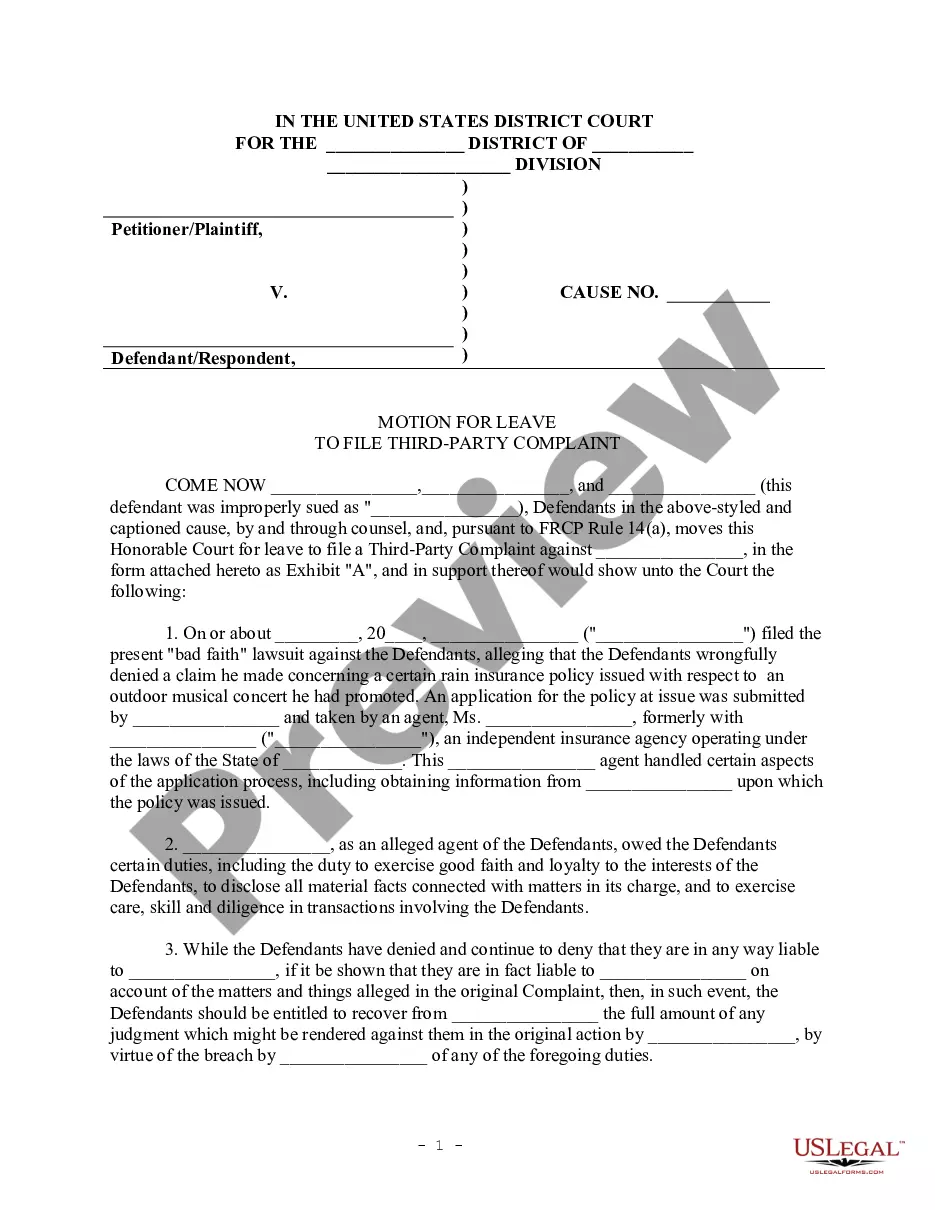
A third-party complaint is a claim asserted by a defendant ("Third-party Plaintiff") against a nonparty (now a third-party defendant) who is or may be liable to the defendant for all or part of the claim it.