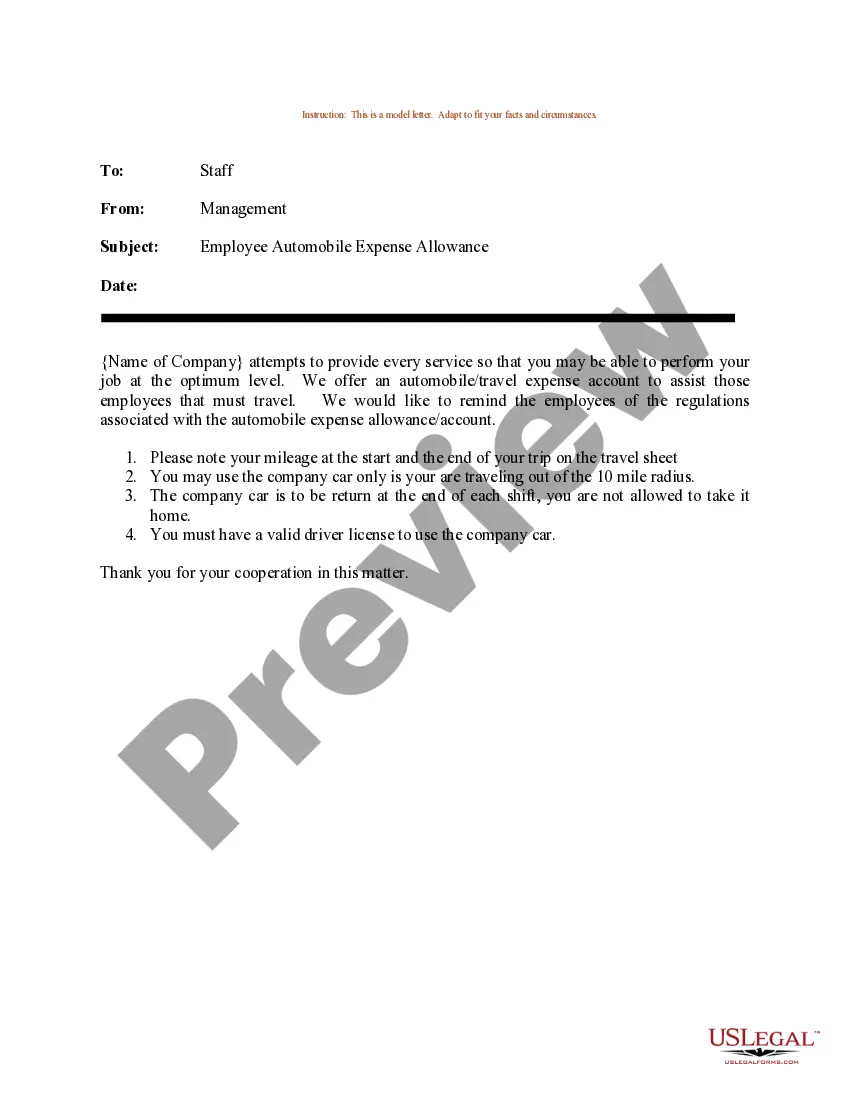
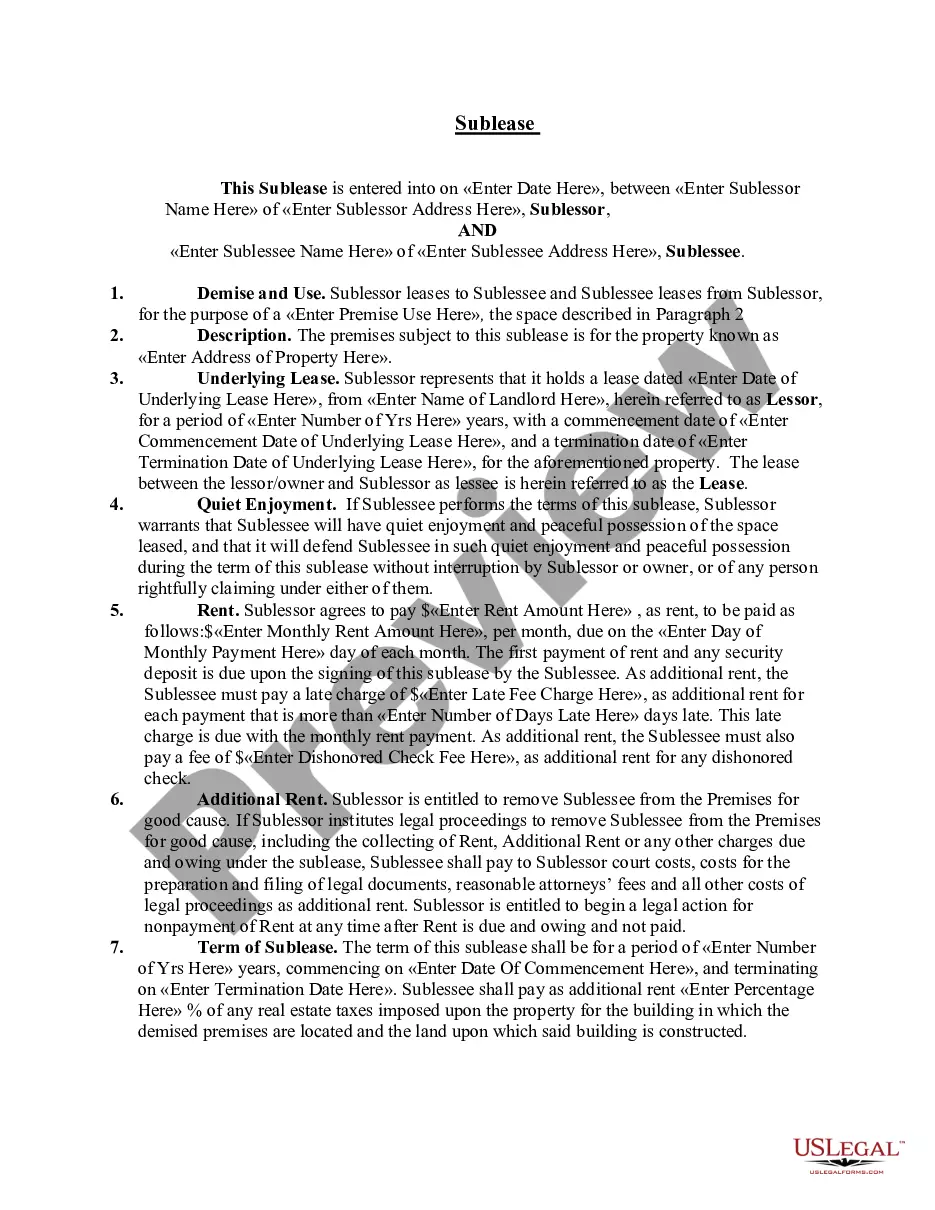
Ohio Sublease Agreement
Description
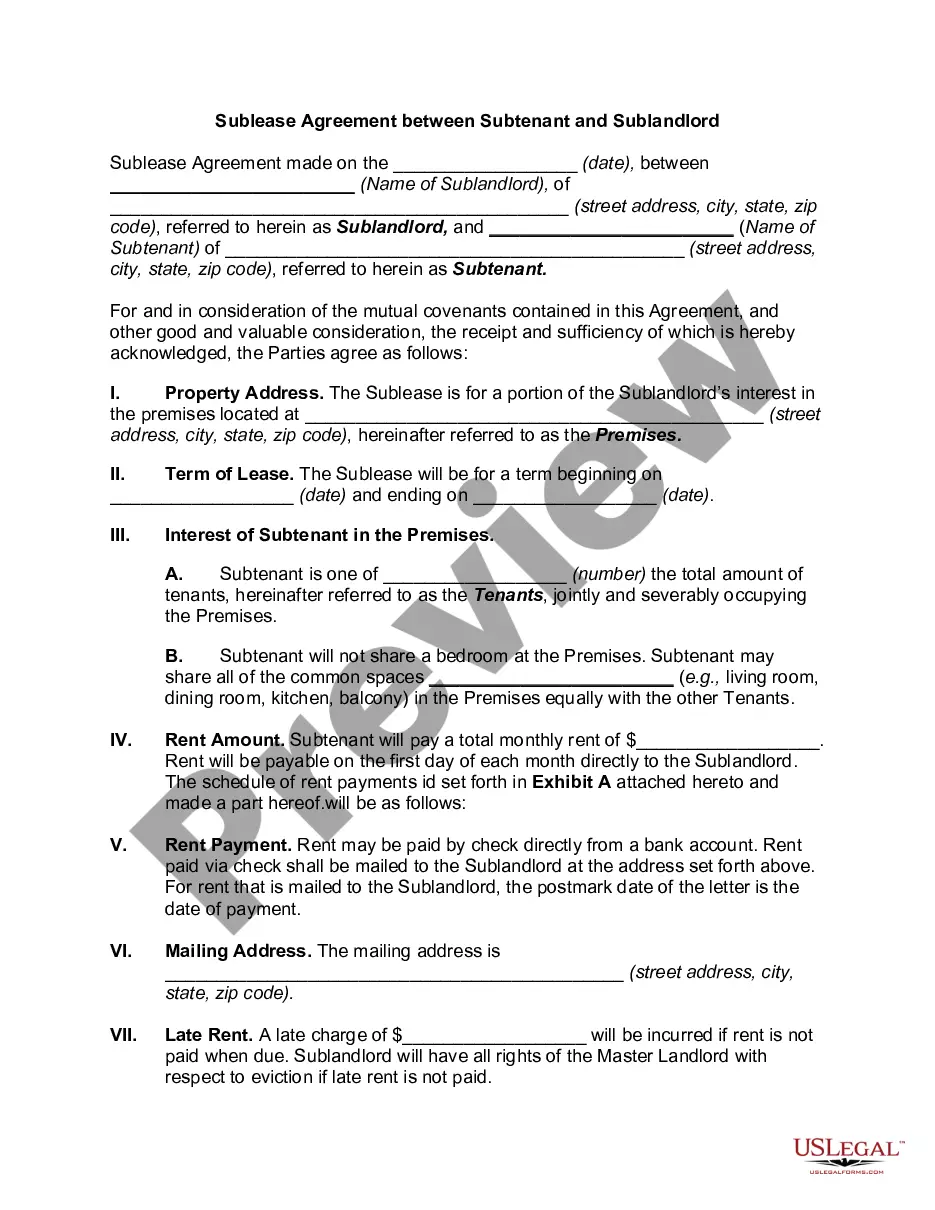
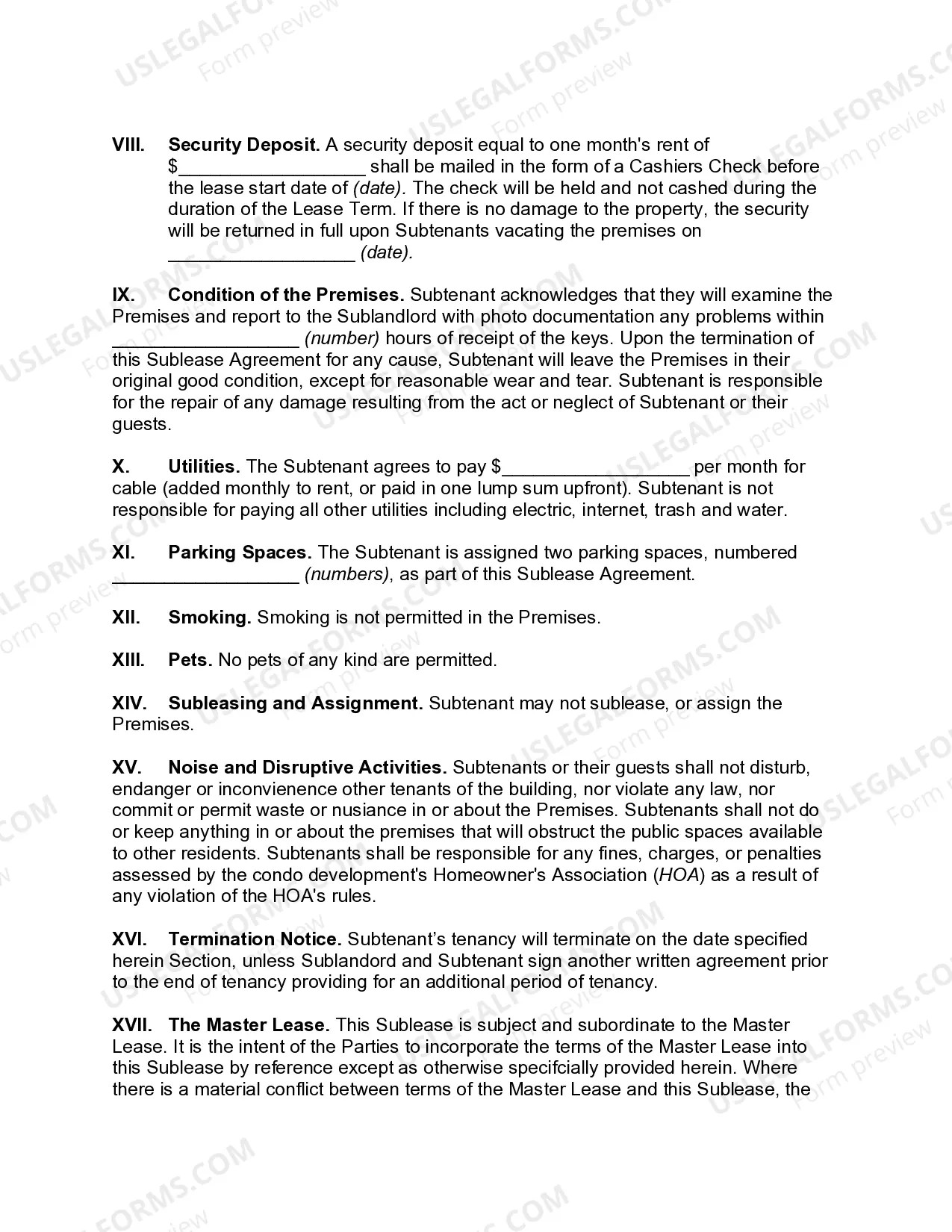
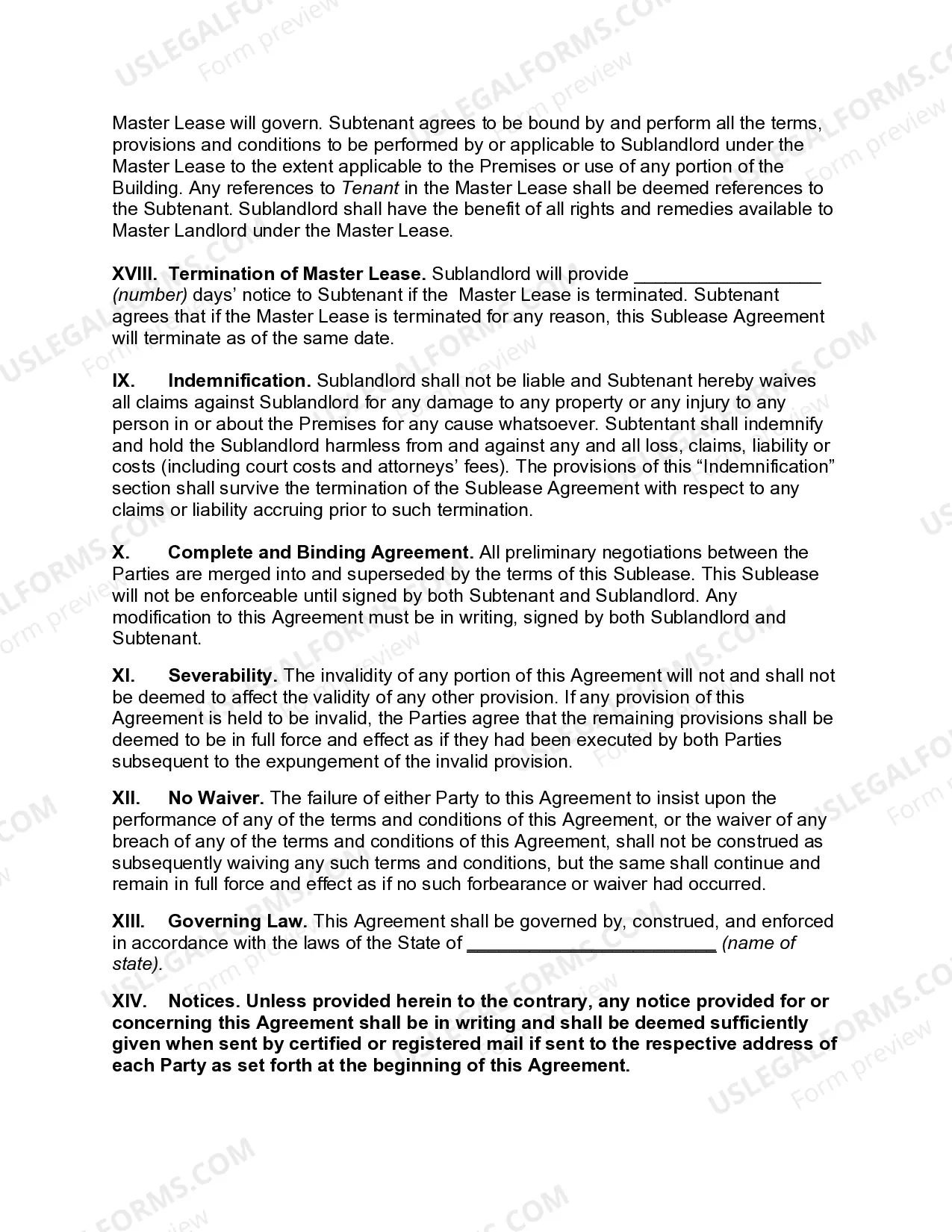
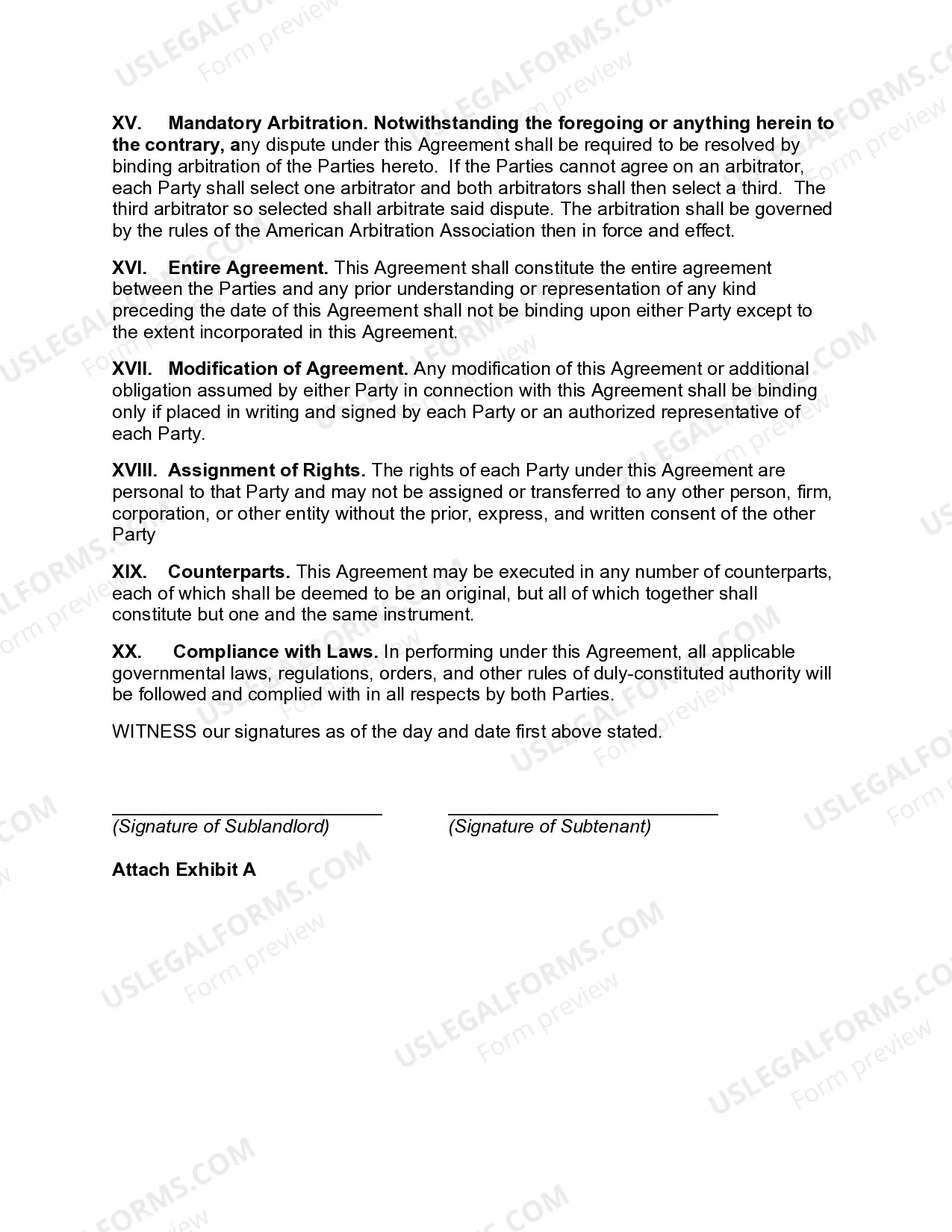
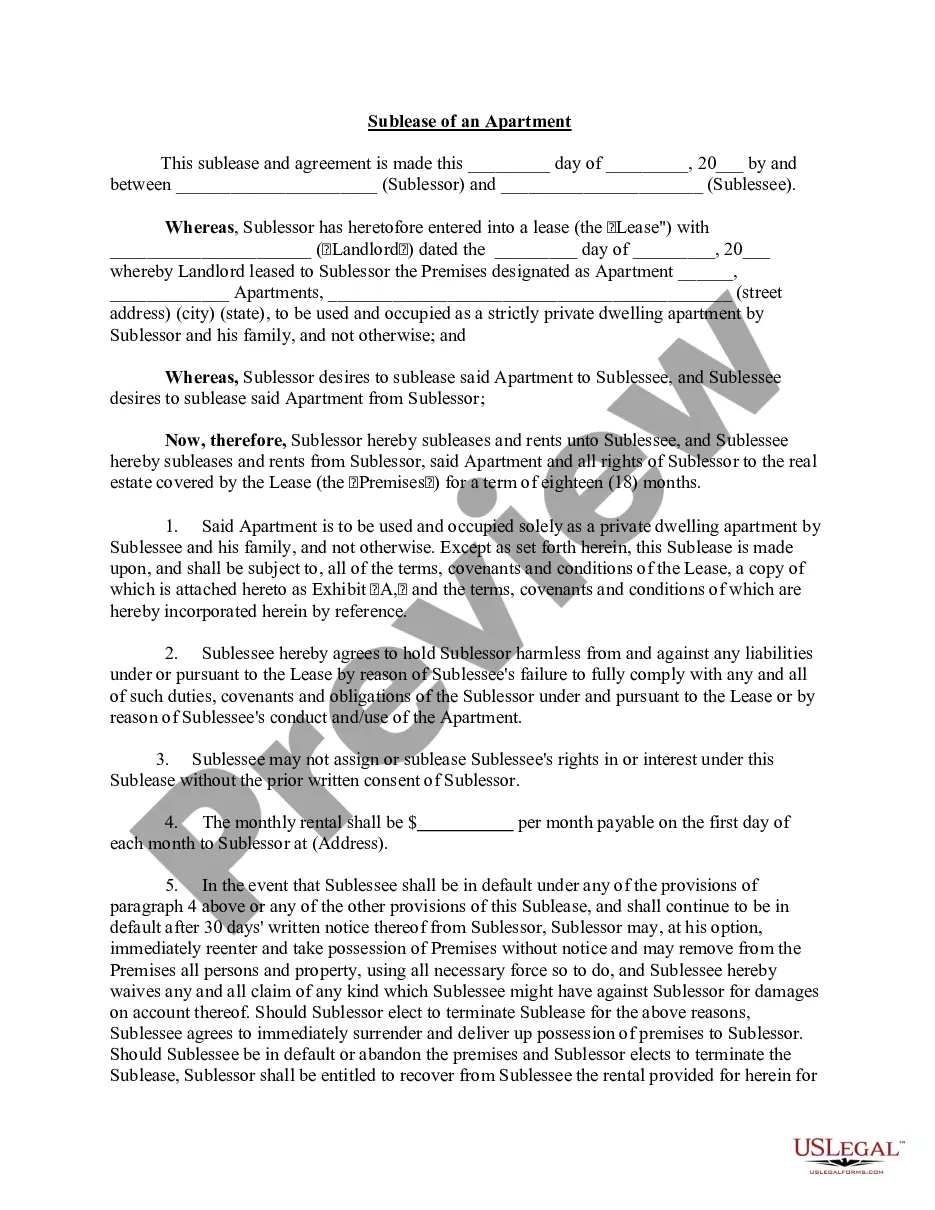
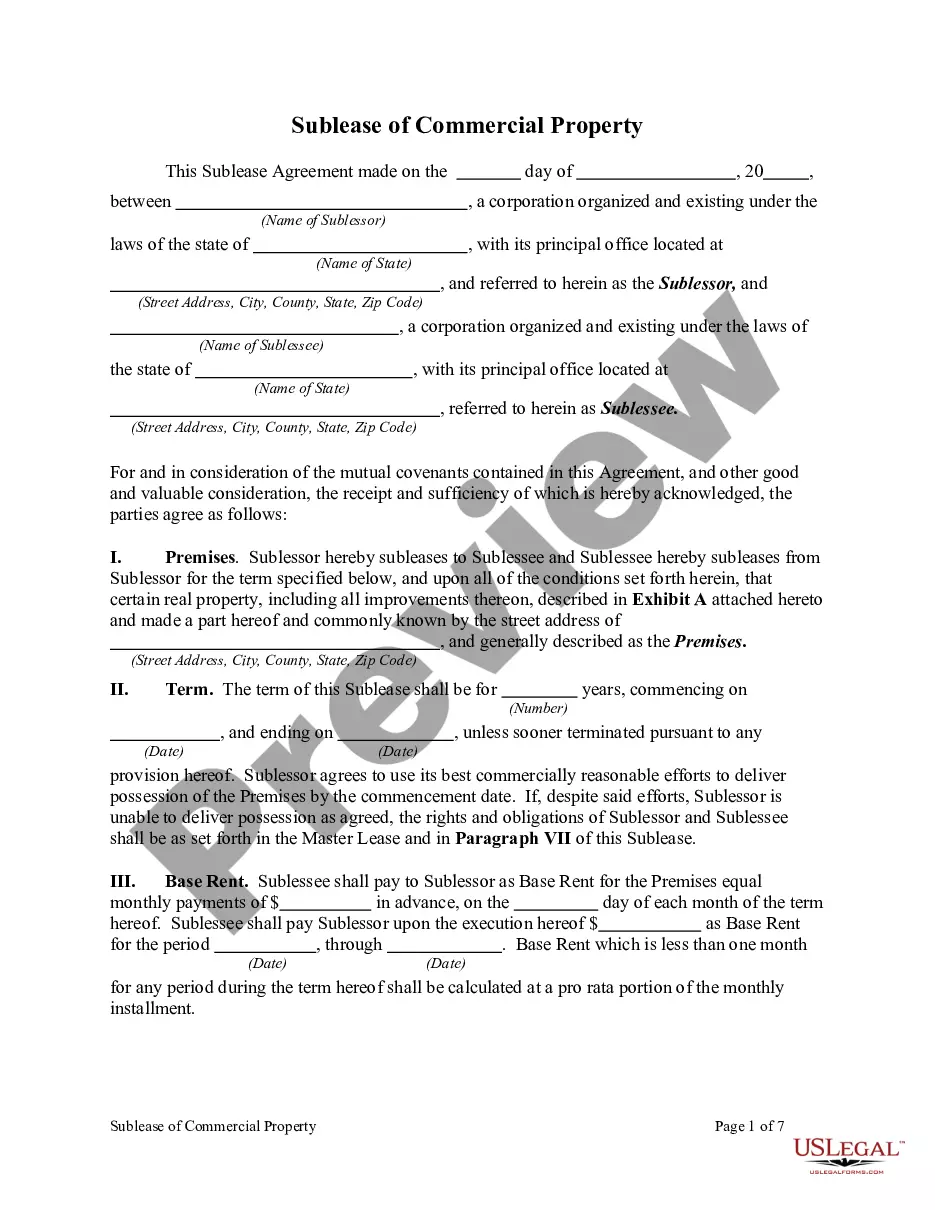
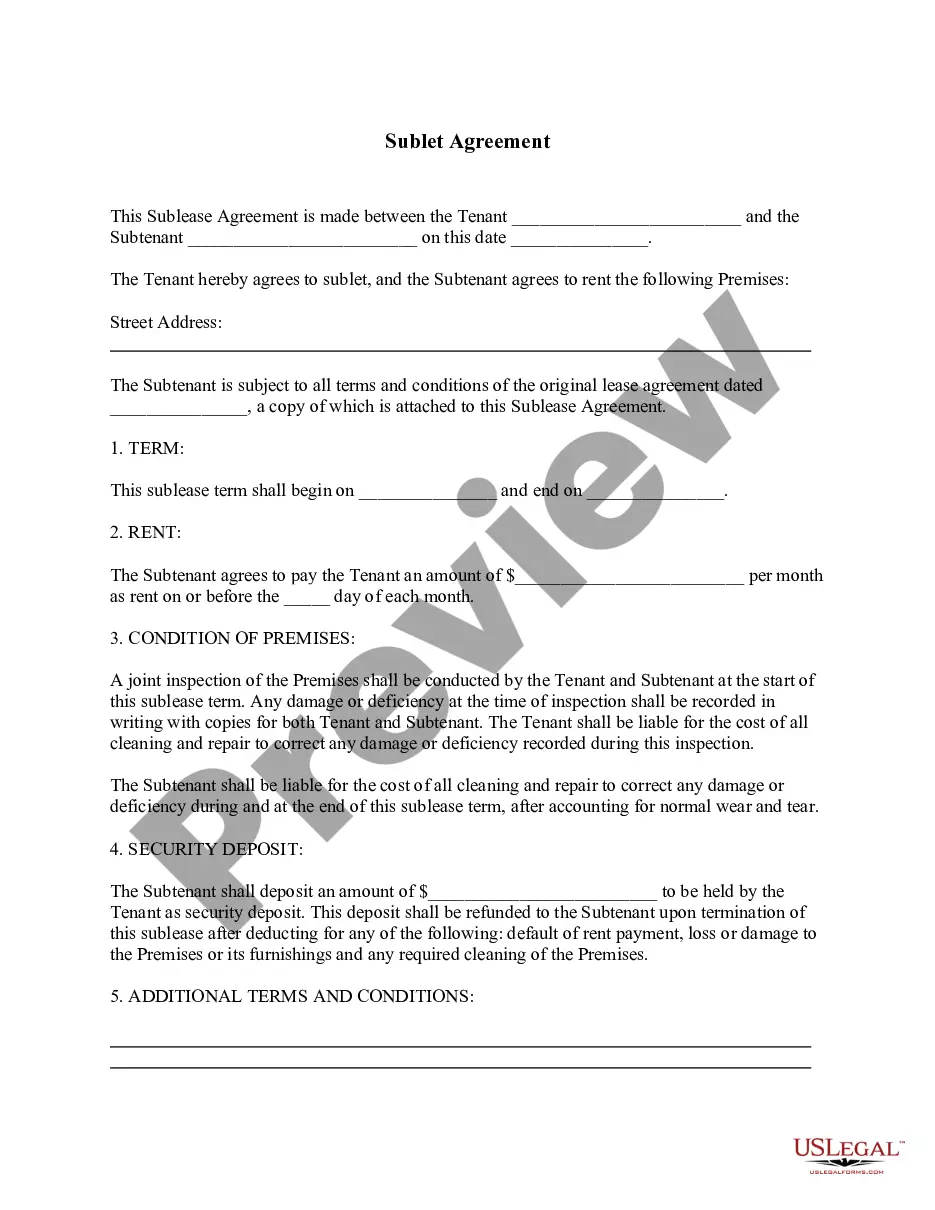
Get your form ready online
Our built-in tools help you complete, sign, share, and store your documents in one place.
Make edits, fill in missing information, and update formatting in US Legal Forms—just like you would in MS Word.
Download a copy, print it, send it by email, or mail it via USPS—whatever works best for your next step.
Sign and collect signatures with our SignNow integration. Send to multiple recipients, set reminders, and more. Go Premium to unlock E-Sign.
If this form requires notarization, complete it online through a secure video call—no need to meet a notary in person or wait for an appointment.
We protect your documents and personal data by following strict security and privacy standards.

Make edits, fill in missing information, and update formatting in US Legal Forms—just like you would in MS Word.

Download a copy, print it, send it by email, or mail it via USPS—whatever works best for your next step.

Sign and collect signatures with our SignNow integration. Send to multiple recipients, set reminders, and more. Go Premium to unlock E-Sign.

If this form requires notarization, complete it online through a secure video call—no need to meet a notary in person or wait for an appointment.

We protect your documents and personal data by following strict security and privacy standards.
Looking for another form?


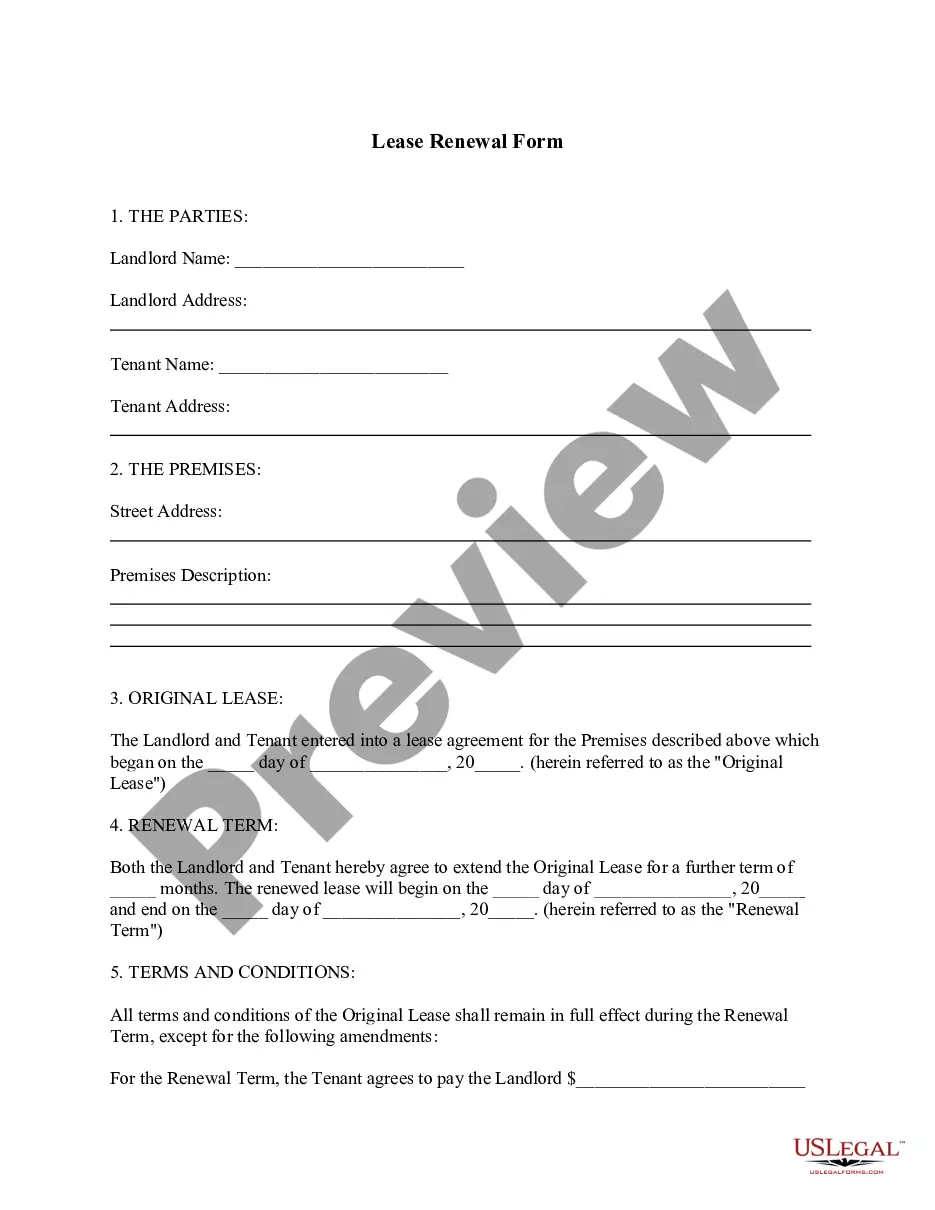
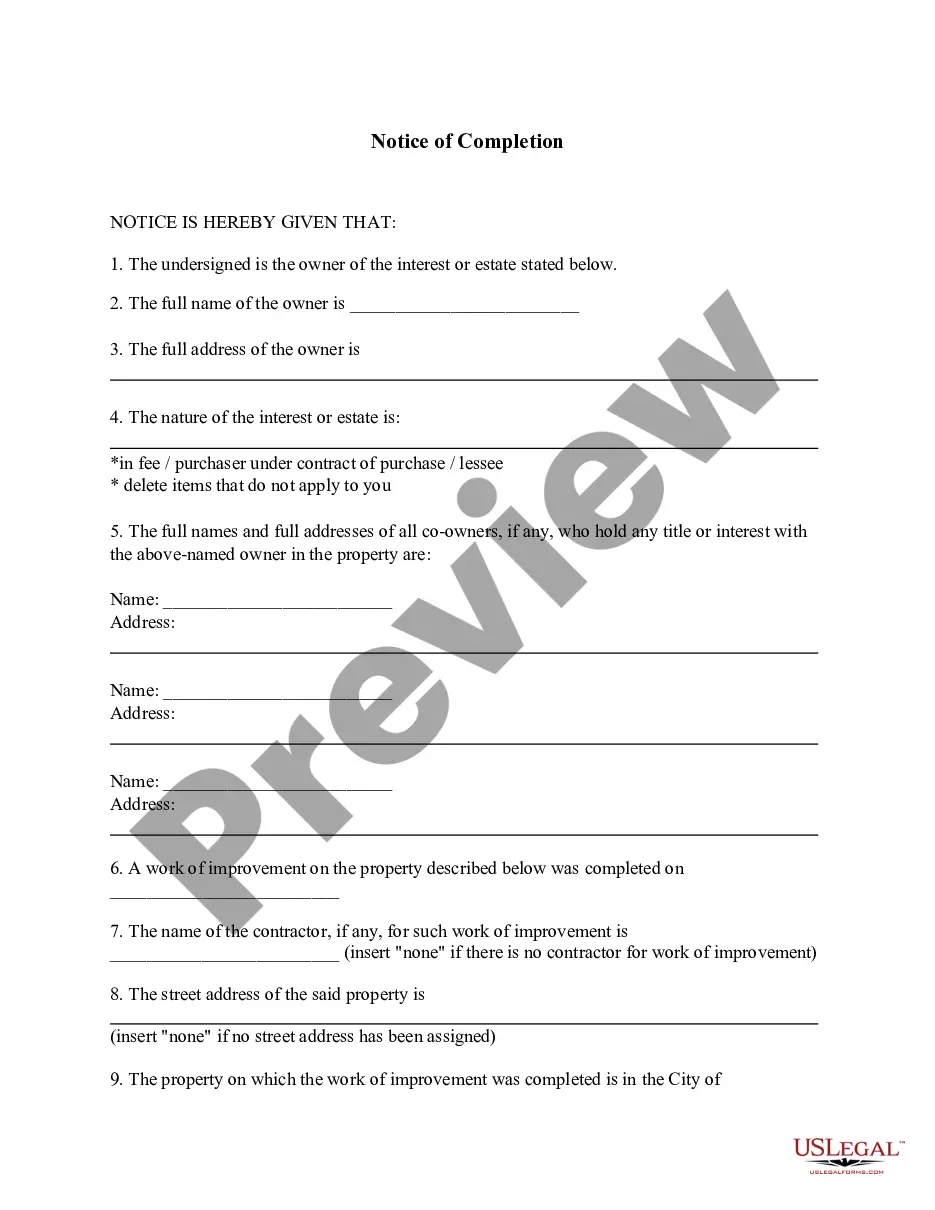
How to fill out Sublease Agreement?
US Legal Forms - one of the most substantial collections of legal documents in the United States - provides a variety of legal document templates that you can download or print.
By utilizing the website, you can access thousands of forms for business and personal purposes, organized by categories, states, or keywords. You can find the latest forms like the Ohio Sublease Agreement in just seconds.
If you already possess a subscription, Log In and download the Ohio Sublease Agreement from the US Legal Forms library. The Download button will be visible on every form you view. You have access to all previously obtained forms in the My documents section of your account.
Process the payment. Use your credit card or PayPal account to complete the transaction.
Select the format and download the form to your device. Make modifications. Fill out, edit, print, and sign the downloaded Ohio Sublease Agreement.
Each template you add to your account does not have an expiration date and is yours indefinitely. Thus, if you wish to download or print another copy, simply navigate to the My documents section and click on the form you need.
Access the Ohio Sublease Agreement with US Legal Forms, one of the most comprehensive repositories of legal document templates. Utilize a vast array of professional and state-specific templates that cater to your business or personal requirements.
- To utilize US Legal Forms for the first time, here are simple instructions to help you commence.
- Ensure you have selected the correct form for your city/state.
- Click the Review option to examine the form’s details.
- Read the form description to confirm you have chosen the appropriate form.
- If the form does not meet your requirements, utilize the Search field at the top of the screen to find one that does.
- Once you are satisfied with the form, confirm your choice by clicking on the Get now button.
- Then, select your desired pricing plan and provide your information to register for an account.
Form popularity
FAQ
Subleasing in Ohio requires both the landlord’s approval and adherence to the terms outlined in the lease. Your Ohio Sublease Agreement should specify the duration of the sublease and any responsibilities of the subtenant. Following these rules helps ensure a smooth process and protects your rights as the primary tenant.
In Ohio, a person typically must stay in your home for at least 30 days to claim residency. However, specific circumstances can affect this timeframe. It's essential to clarify the terms of your Ohio Sublease Agreement to avoid misunderstandings. A solid agreement can help set clear expectations regarding residency claims.
A.A lease can be either written or oral and is enforceable in a court of law. Landlord and Tenant law in Ohio is governed by Ohio Revised Code section 5321, and is implied into every rental agreement whether written or oral.
Your landlord can't unreasonably withhold their consent to a request to sublet part of your home. Also, your landlord can't attach conditions if they allow you to sublet. If your landlord refuses your request to sublet part of your home, they must give you their reasons why. You can't lawfully sublet all of your home.
A sublease can be for less than all of the leased premises, while an assignment that transfers the entire lease must be for all of the premises. A sublease is a more involved transaction, as it requires a full sublease document between the commercial tenant as sublessor and the sublessee.
The Bottom Line: According to Ohio Landlord-Tenant Law, you must abide by the terms of your lease, so if your lease prohibits sublets, then sadly you can't sublet. You should always obtain written approval from your landlord prior to subletting.
Landlords CANNOT:Shut off utilities or other services, change locks, remove doors or windows, or take tenants possessions in order to try to force them to move, even if the tenant is behind on rent payments or their lease has expired.
What Should a Simple Sublease Agreement Cover?Tenant and subtenant infofull names and addresses.Premisesfull address and a description of the leased residence.Termthe start and end date of the sublease.Rentthe amount of money the subtenant will pay to the tenant each month.More items...
The Ohio sublease agreement is a binding contract that allows a current tenant to rent (sublet) rental property to a new tenant (subtenant). With permission from the landlord, the subtenant makes routine, recurring payments that may or may not be equivalent to the rental amount on the initial tenant's lease.
Verbal contracts are legally binding in Ohio. Yes, it may be hard for an employee to prove what you both agreed to when they joined the organization with enough evidence to support their version of the agreement.