Ohio Sublease Agreement for Commercial Property
Description
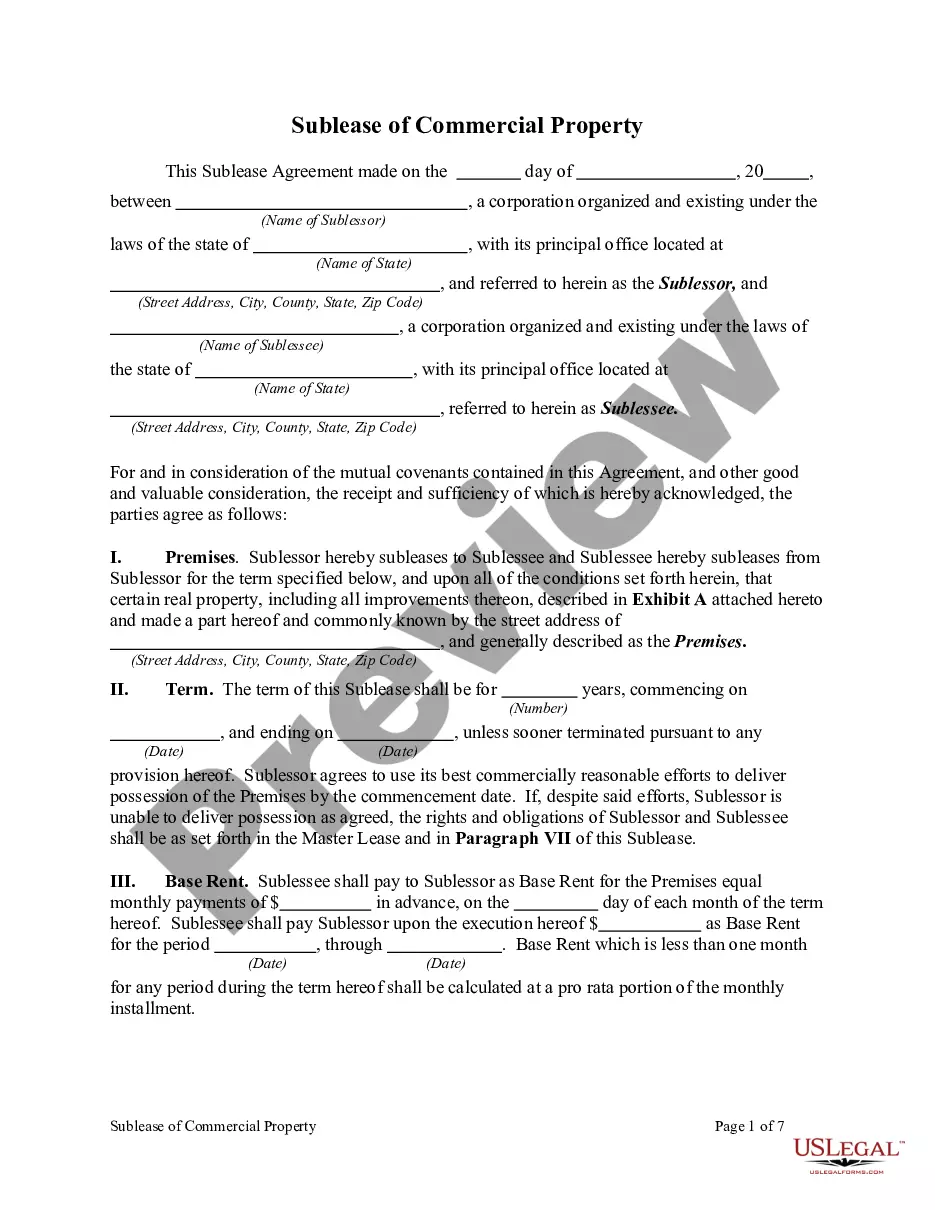
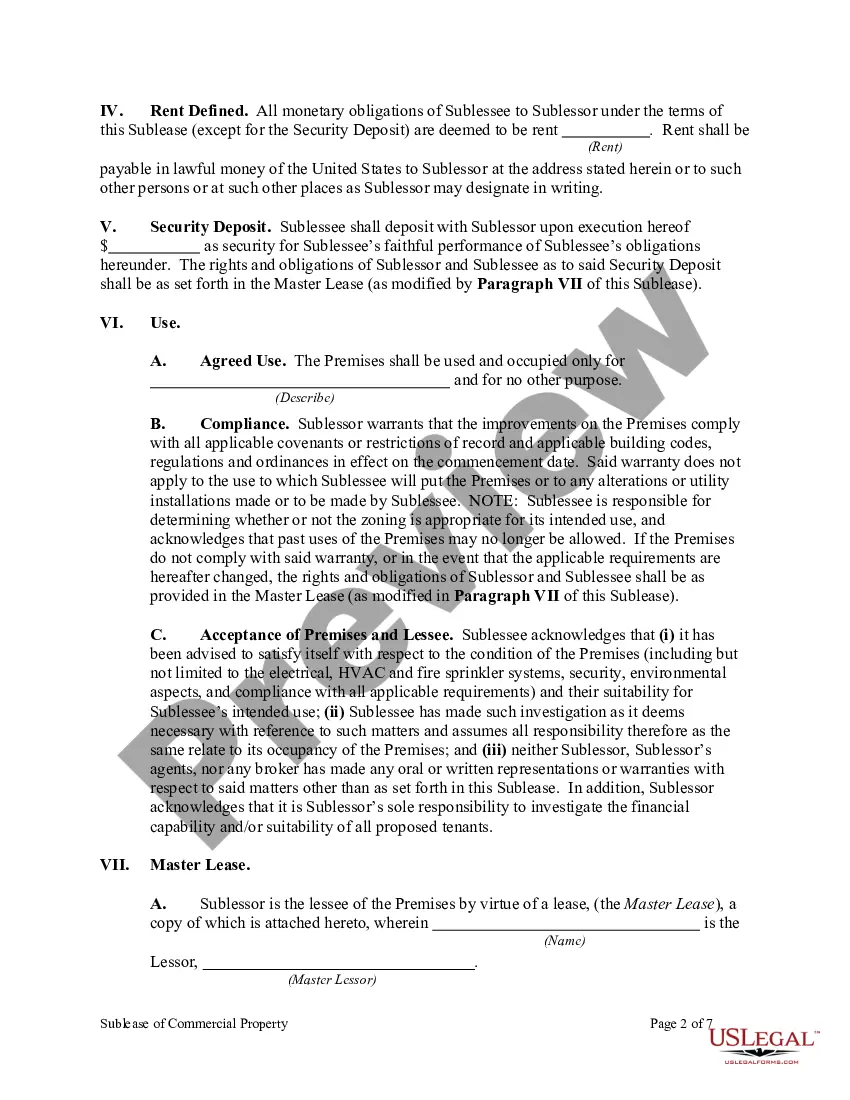
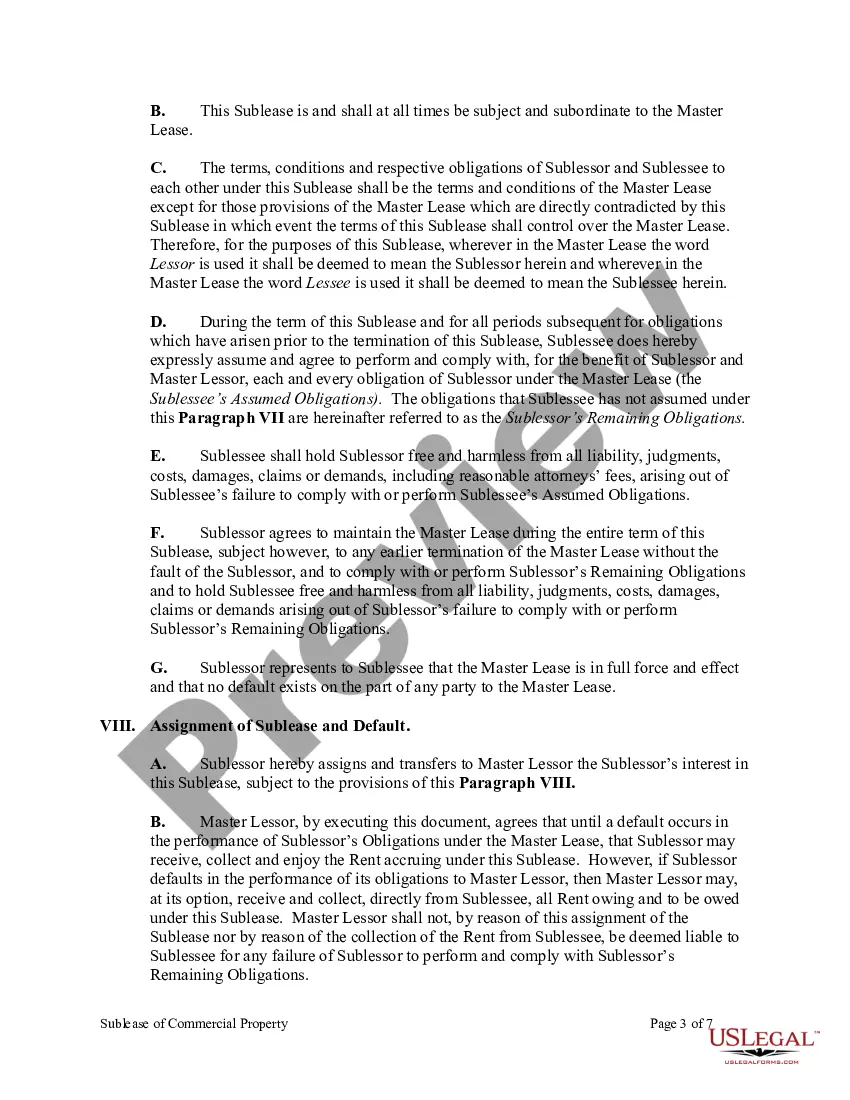
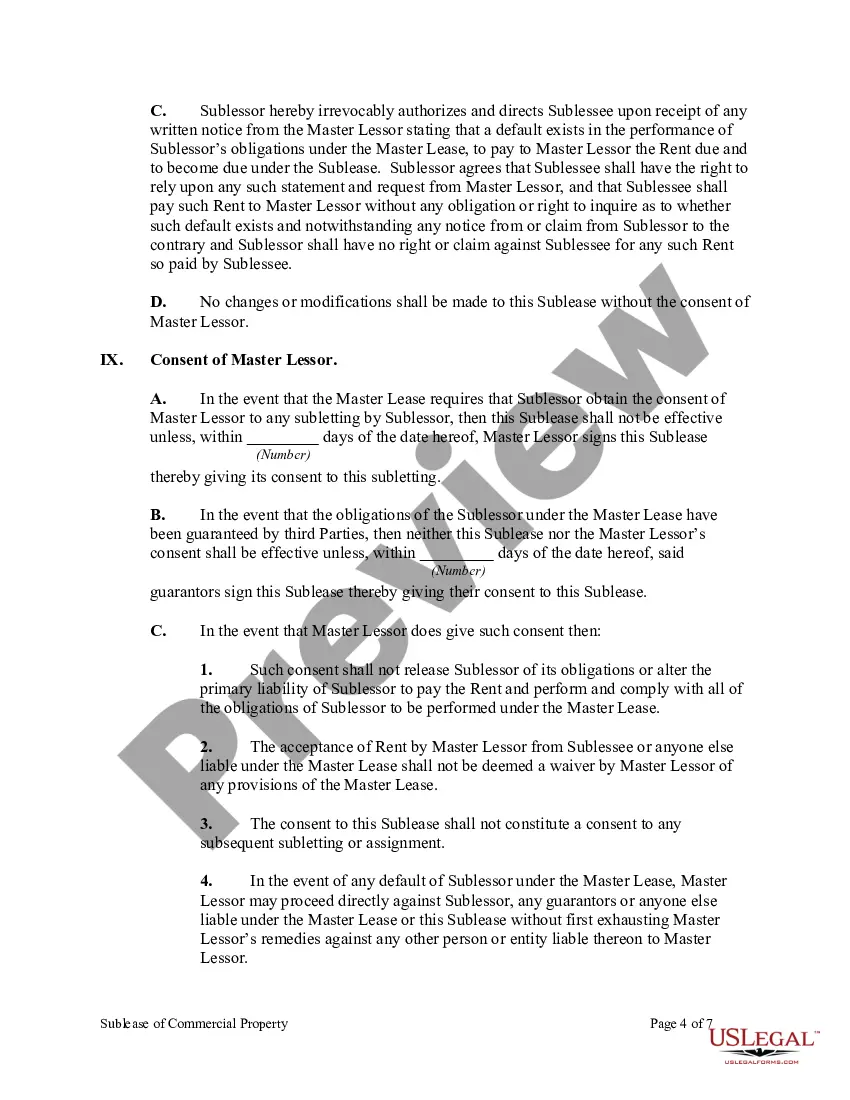

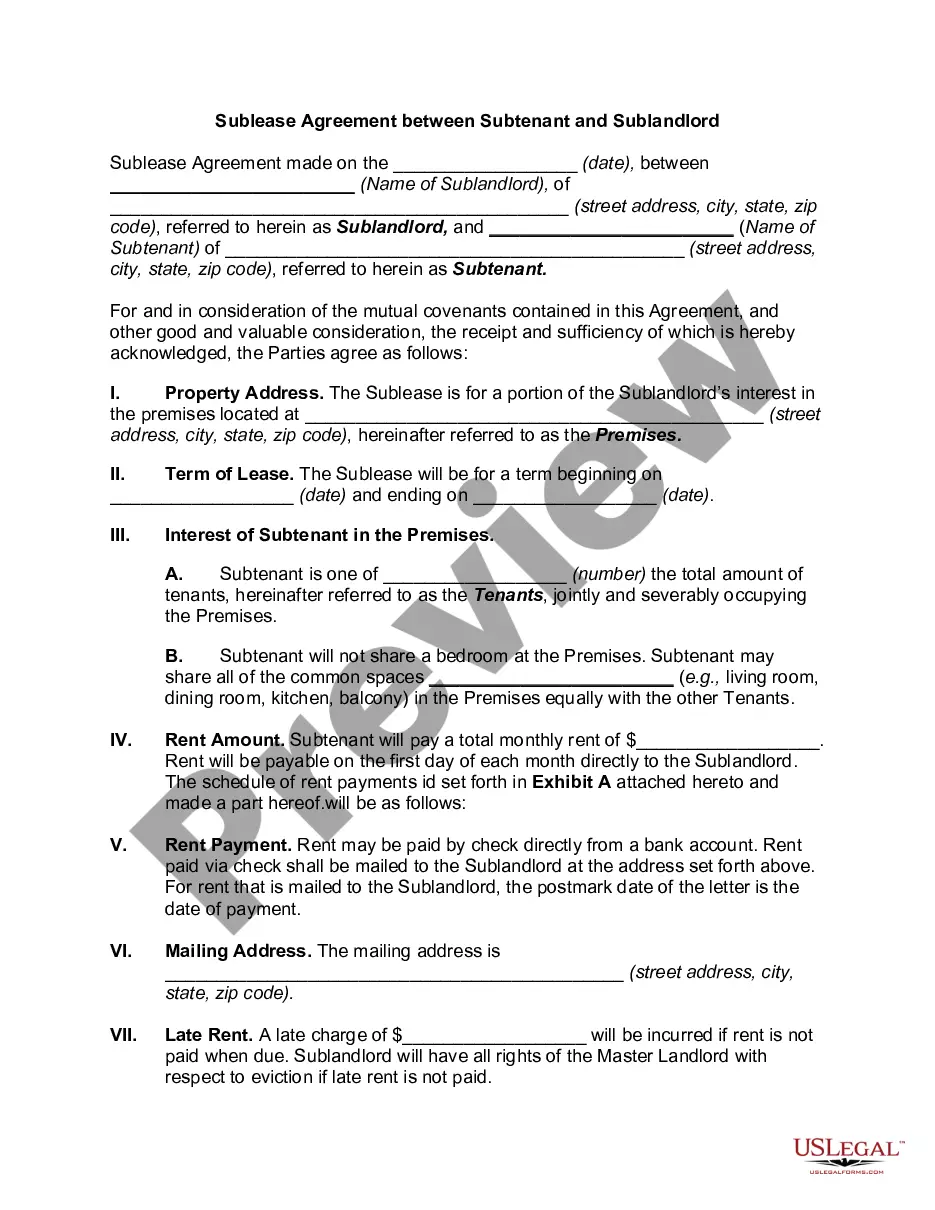
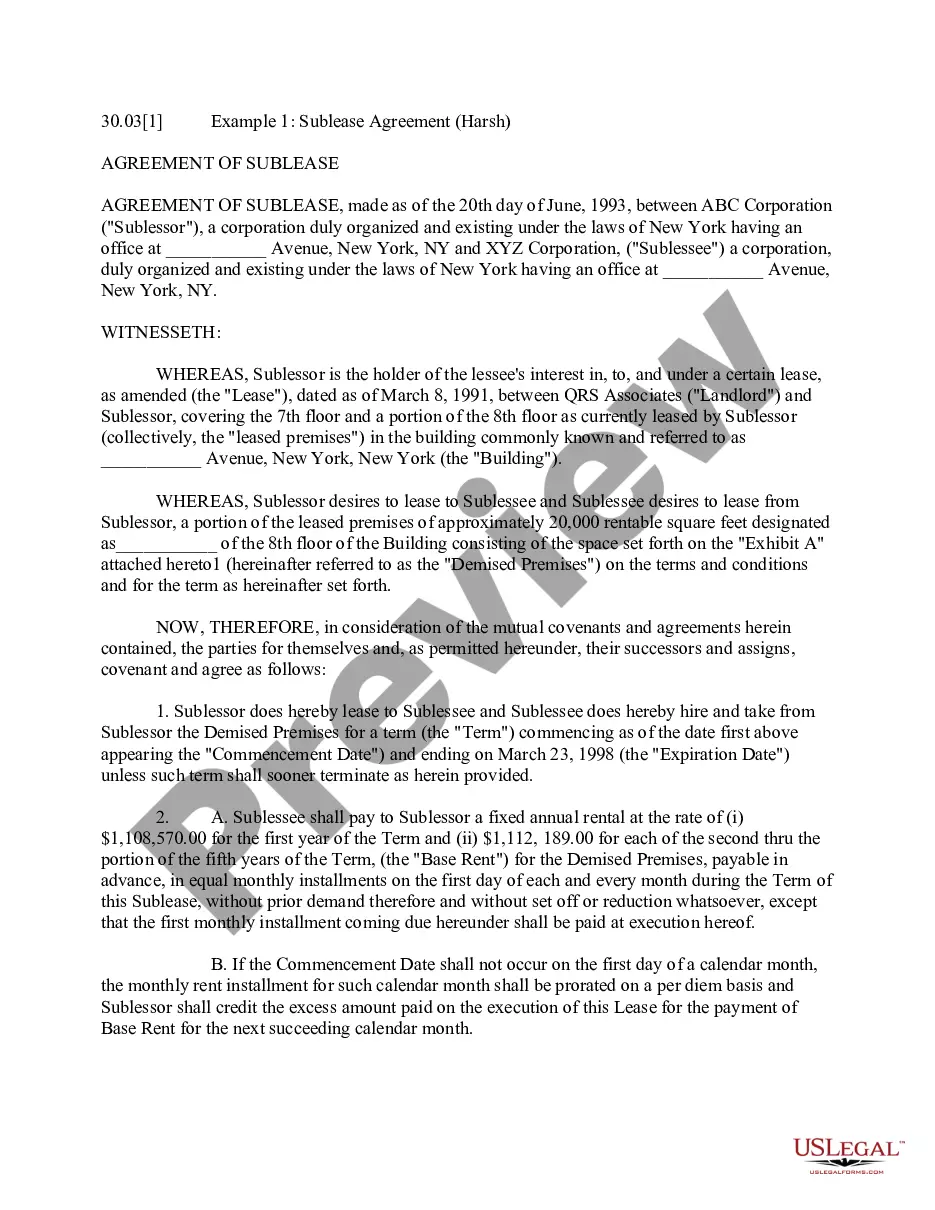
Get your form ready online
Our built-in tools help you complete, sign, share, and store your documents in one place.
Make edits, fill in missing information, and update formatting in US Legal Forms—just like you would in MS Word.
Download a copy, print it, send it by email, or mail it via USPS—whatever works best for your next step.
Sign and collect signatures with our SignNow integration. Send to multiple recipients, set reminders, and more. Go Premium to unlock E-Sign.
If this form requires notarization, complete it online through a secure video call—no need to meet a notary in person or wait for an appointment.
We protect your documents and personal data by following strict security and privacy standards.

Make edits, fill in missing information, and update formatting in US Legal Forms—just like you would in MS Word.

Download a copy, print it, send it by email, or mail it via USPS—whatever works best for your next step.

Sign and collect signatures with our SignNow integration. Send to multiple recipients, set reminders, and more. Go Premium to unlock E-Sign.

If this form requires notarization, complete it online through a secure video call—no need to meet a notary in person or wait for an appointment.

We protect your documents and personal data by following strict security and privacy standards.
Looking for another form?

How to fill out Sublease Agreement For Commercial Property?
You are capable of dedicating hours online attempting to locate the legal document template that complies with the federal and state standards you require.
US Legal Forms provides thousands of legal templates that can be assessed by experts.
It is easy to download or print the Ohio Sublease Agreement for Commercial Property from my service.
- If you possess a US Legal Forms account, you can Log In and click on the Obtain option.
- Subsequently, you can complete, modify, print, or sign the Ohio Sublease Agreement for Commercial Property.
- Each legal document template you purchase is yours indefinitely.
- To acquire an additional copy of any purchased form, navigate to the My documents tab and click on the corresponding option.
- Upon your initial use of the US Legal Forms site, adhere to the simple instructions below.
- First, ensure that you have selected the correct document template for the jurisdiction/city of your choice.
- Review the form details to ensure you have chosen the right form.
- If available, utilize the Preview option to look through the document template as well.
Form popularity
FAQ
Sublet Cons for LandlordsInconsistent screening procedures. If you don't require that all subtenants must be screened by the landlord, you'll have no idea about the caliber of tenant subleasing your property.Subtenant may not be reliable.Property damage.Lease violations or eviction.
Typically, you must obtain written consent from your landlord before you can sublet a property. In most cases, a landlord will state in the master lease that subletting is either not permitted or is allowed with consent of the landlord.
Landlords CANNOT:Shut off utilities or other services, change locks, remove doors or windows, or take tenants possessions in order to try to force them to move, even if the tenant is behind on rent payments or their lease has expired.
A sublease occurs when the original owner does not lease the premises to you, but there is another person or entity in between you and the landlord. That is, the property owner rents to someone else, and then that person rents to you. Subleases are common in both commercial and residential properties.
Ohio laws do not forbid subletting, but most likely your rental agreement contains the section that obligates you to gain the landlord's approval prior to subletting.
A Commercial Tenancy Agreement, also known as a Business Lease or a Commercial Lease, is used when the owner of a business property wishes to rent space to another business owner. Both parties may either be individuals or corporations.
Your landlord may take legal action against you if you sublet your home unlawfully. Unlawful subletting includes if you: need your landlord's permission before subletting all or part of your home but don't get it. aren't allowed to sublet all or part of your home but you do so anyway.
In most cases, you will require the landlord's permission to sublet all or part of your business space to another party. There are obvious benefits to subletting, if you are allowed.
You can be tried for the second offence of unlawful subletting and acting dishonestly at the magistrates' court or the Crown Court. At the magistrates' court, you can get up to six months in prison or a fine, or both. At the Crown Court the maximum penalty is imprisonment for two years or a fine, or both.
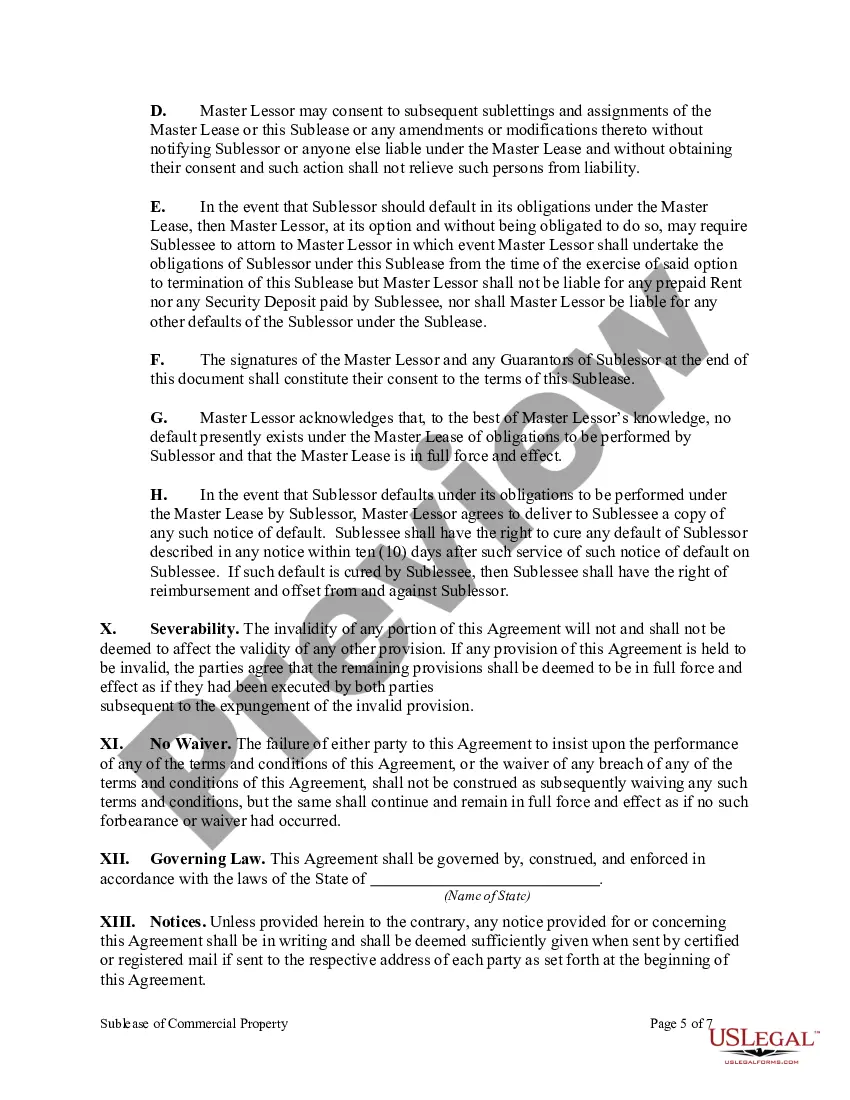
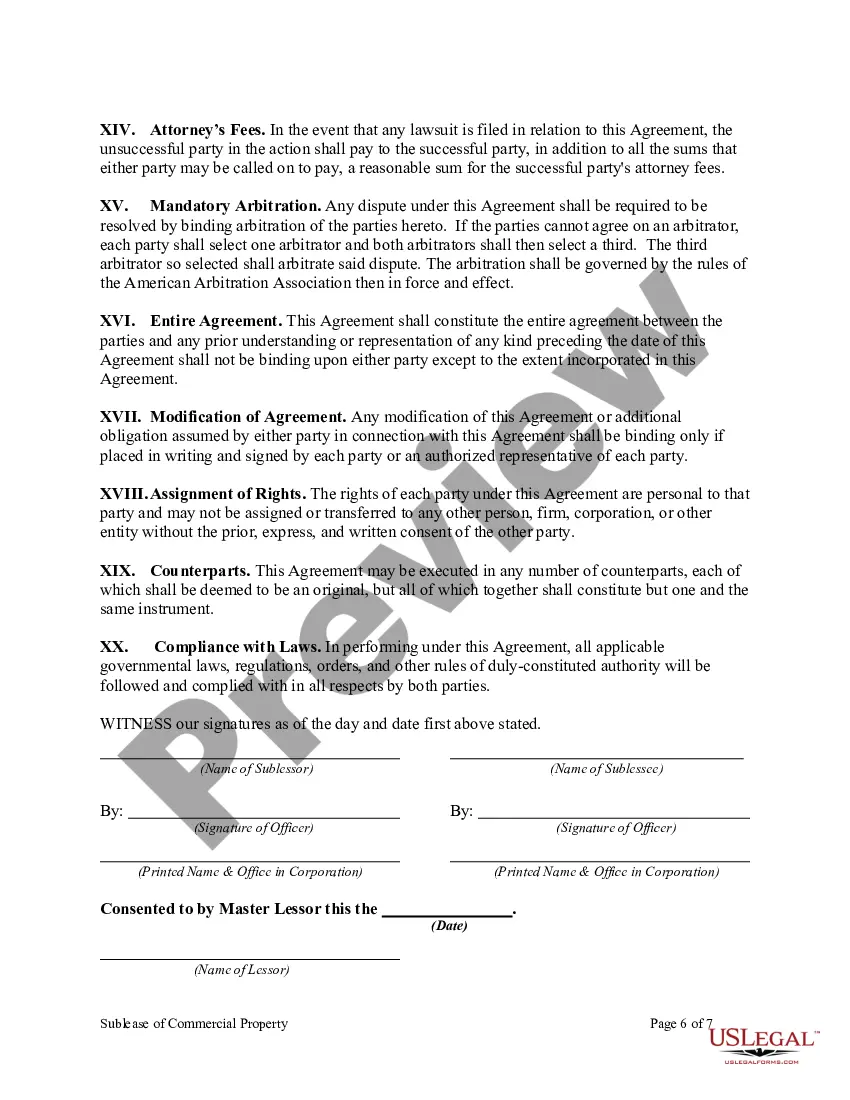
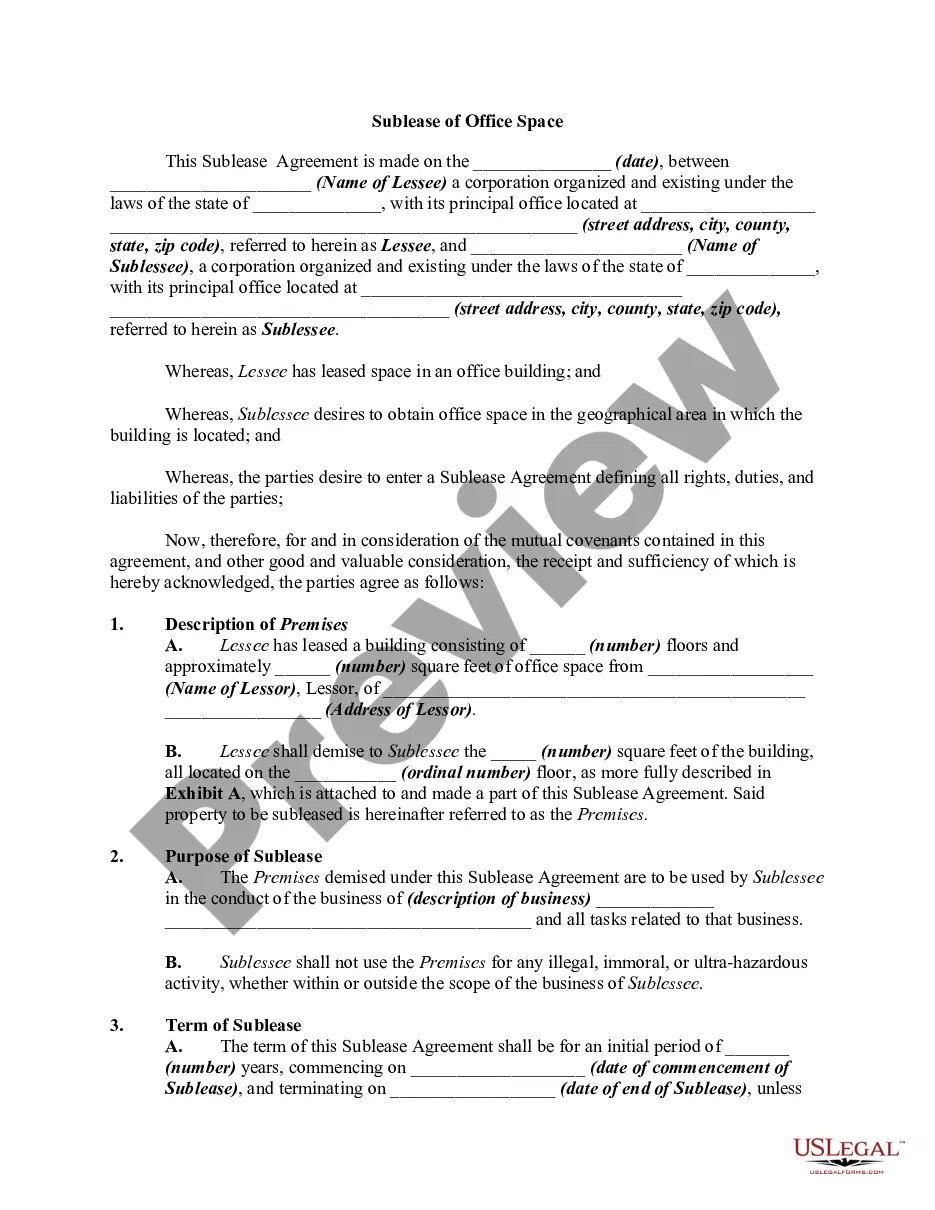
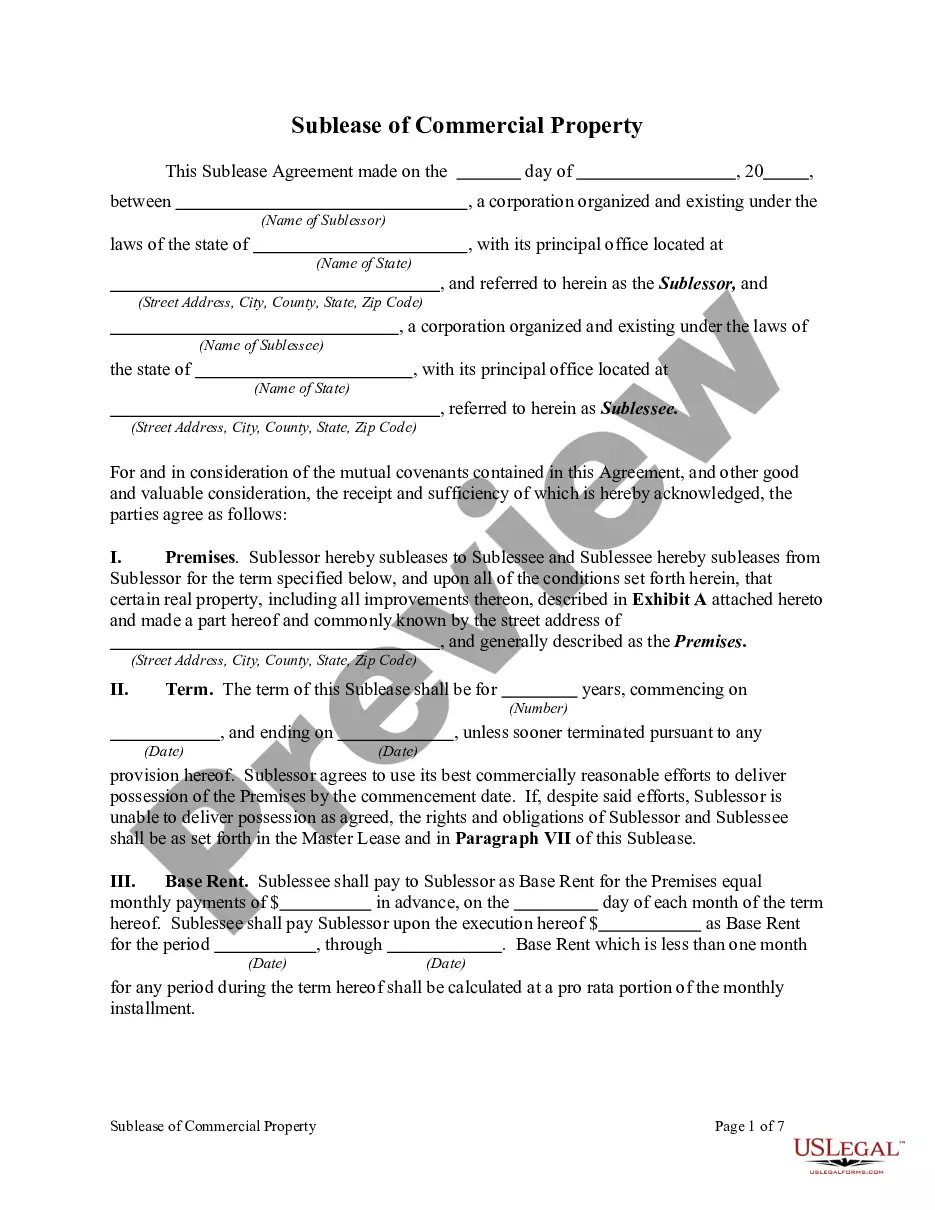
The Ohio sublease agreement is a binding contract that allows a current tenant to rent (sublet) rental property to a new tenant (subtenant). With permission from the landlord, the subtenant makes routine, recurring payments that may or may not be equivalent to the rental amount on the initial tenant's lease.