Ohio Employment Application for Truck Driver
Description
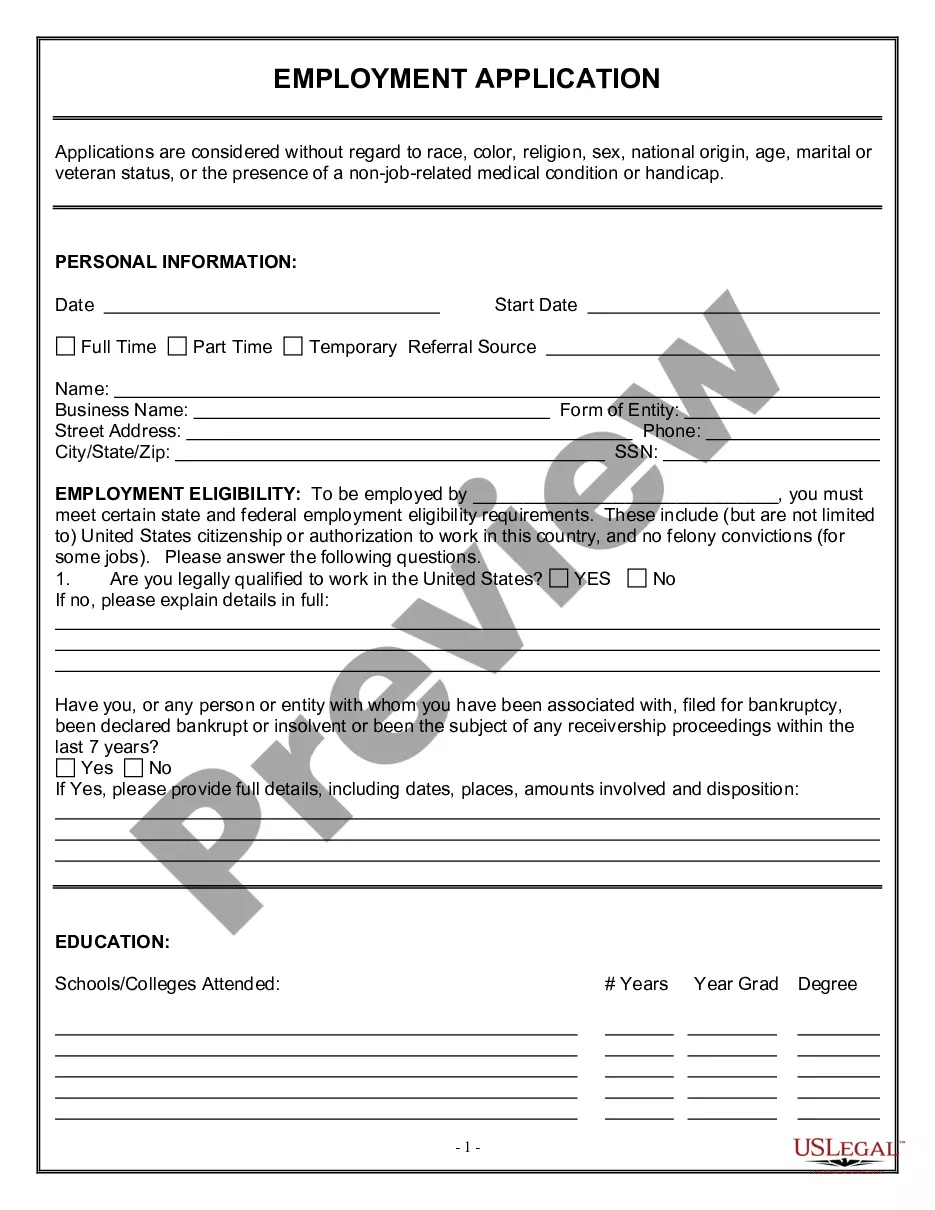
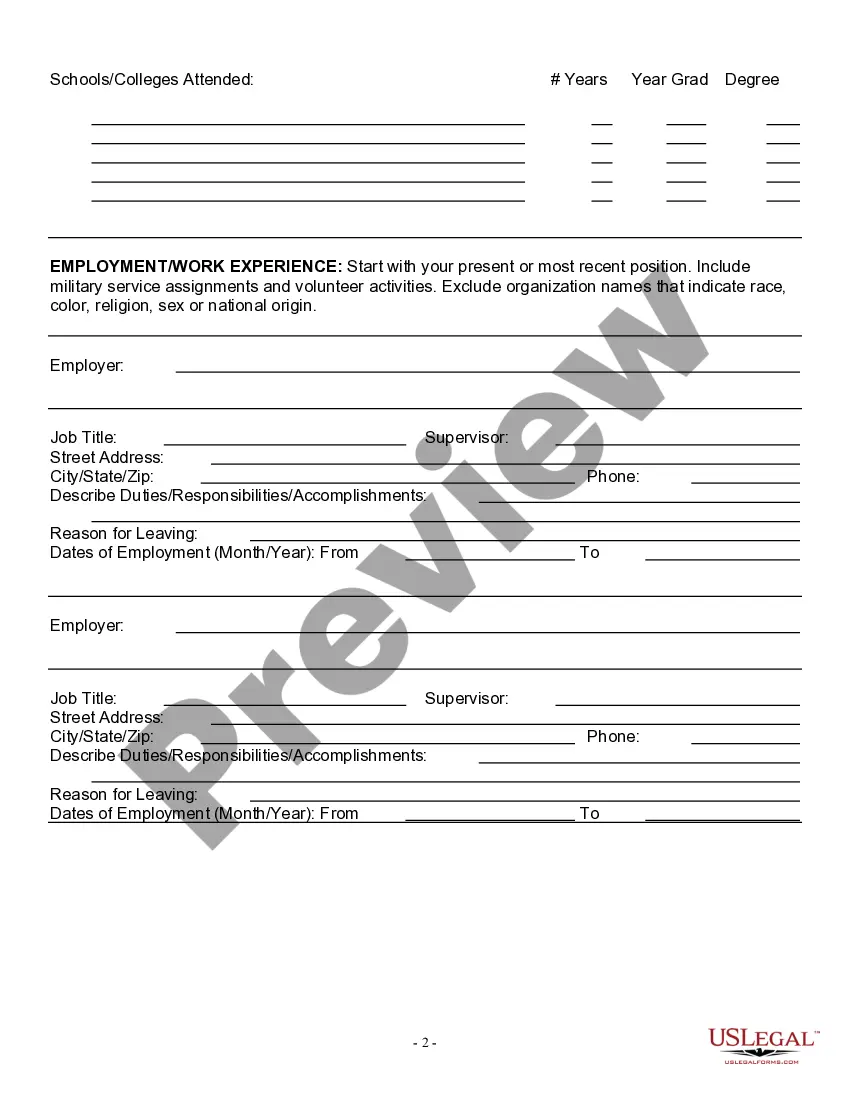
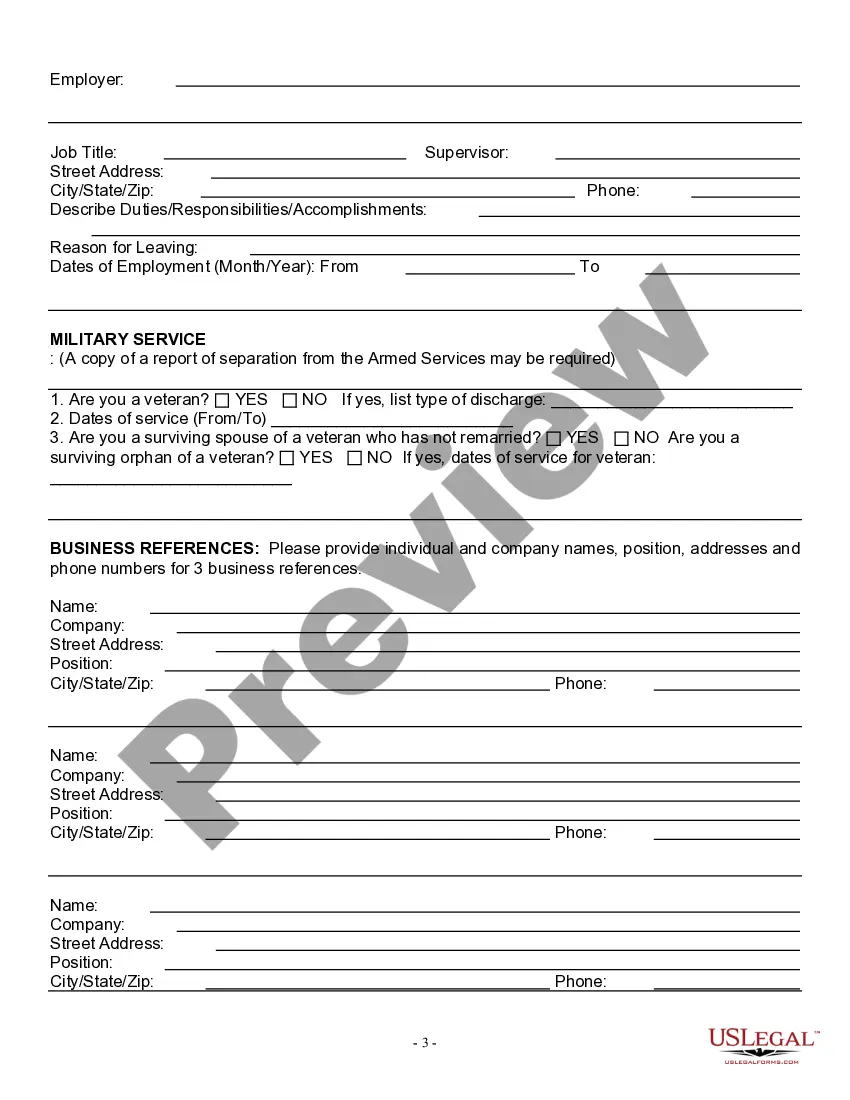
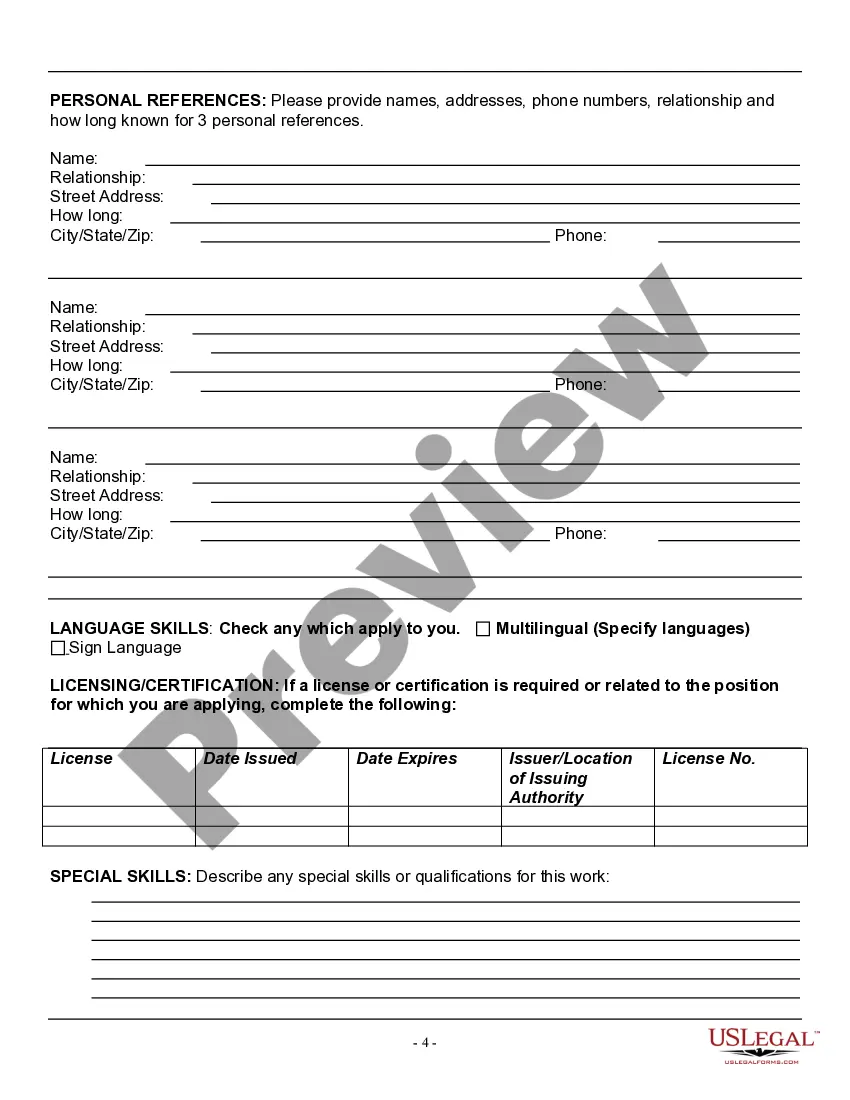
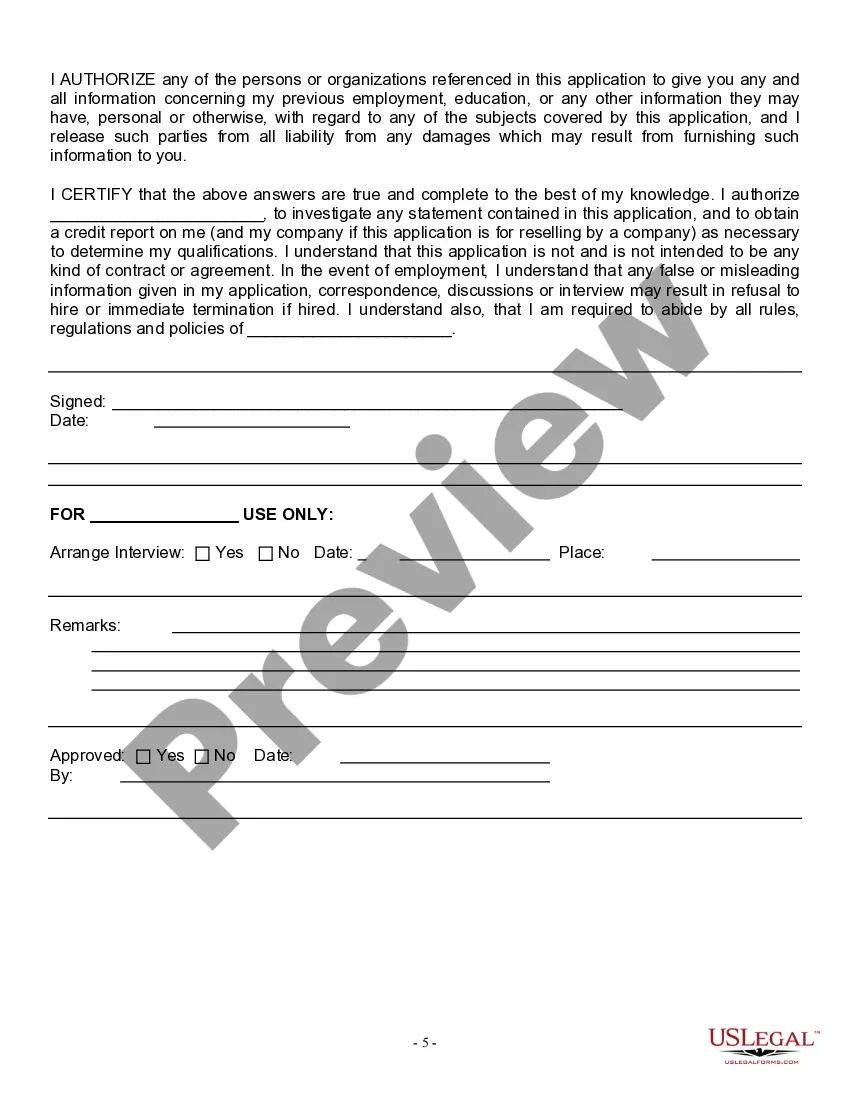
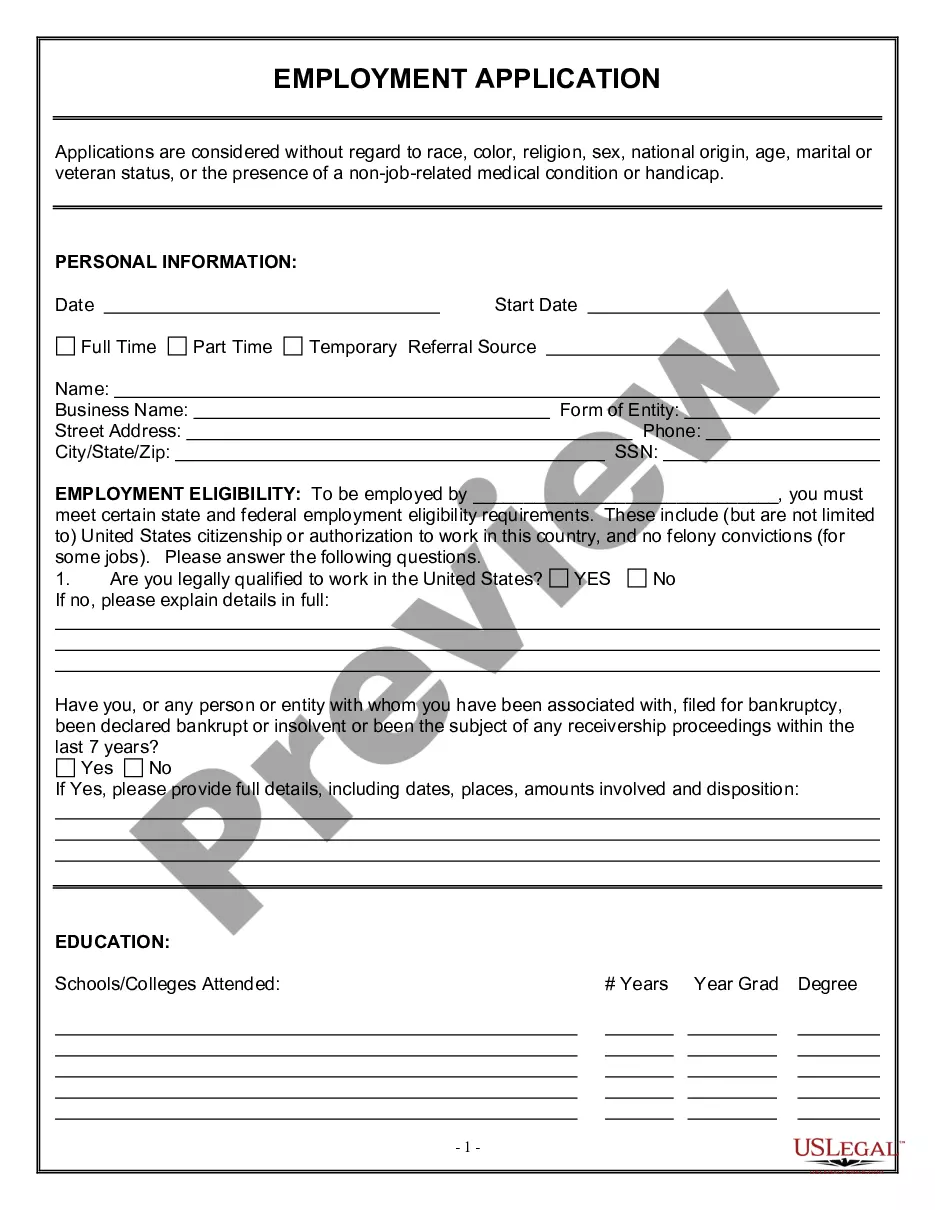
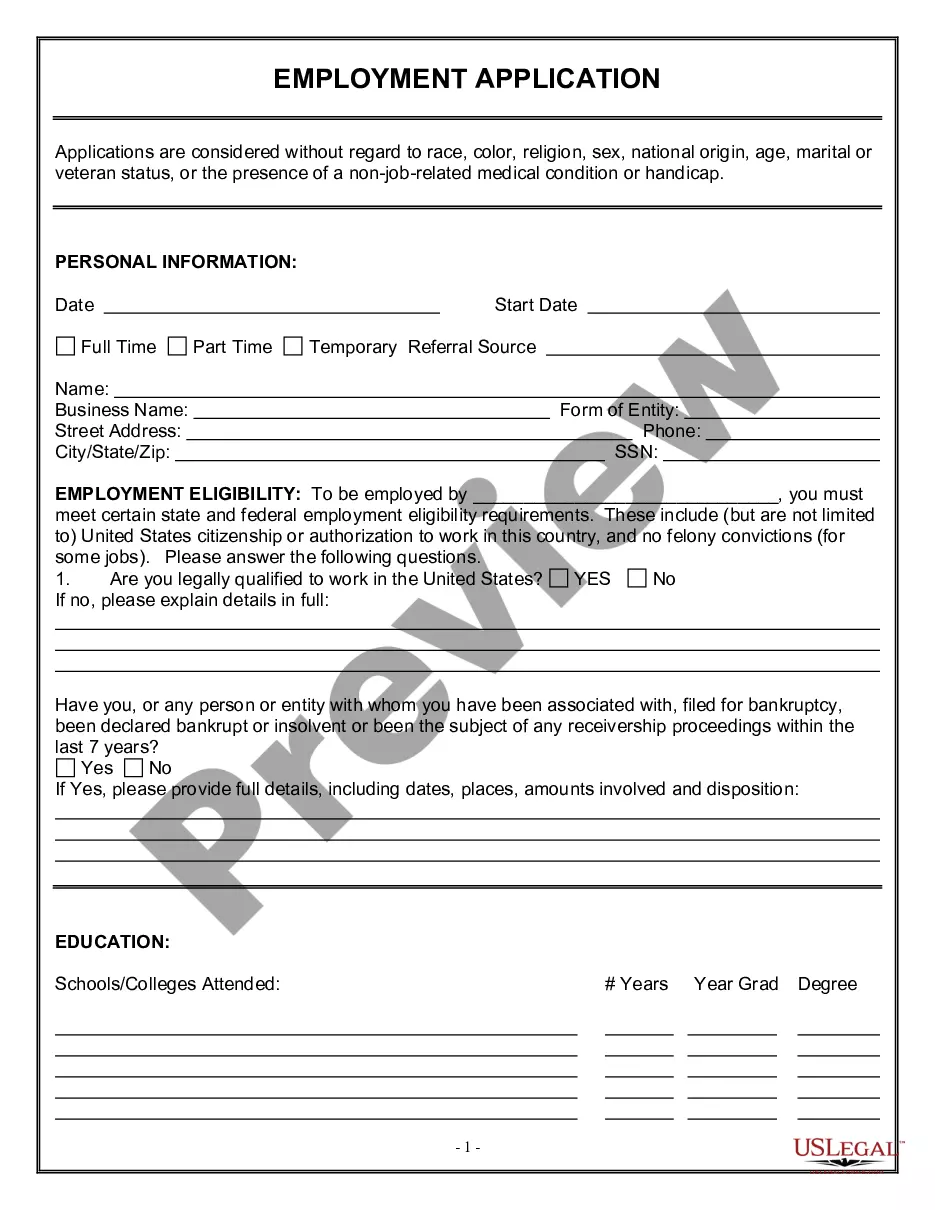
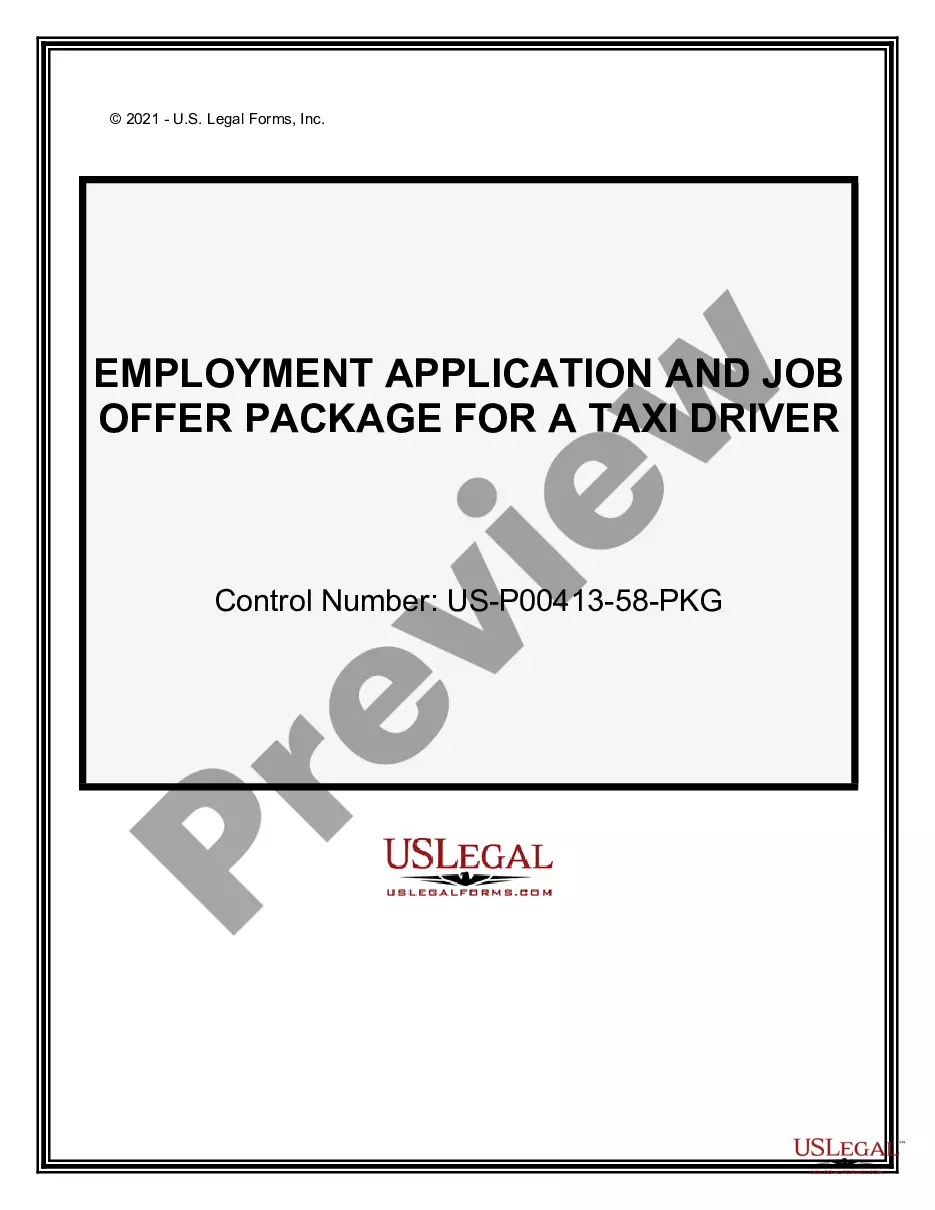
Get your form ready online
Our built-in tools help you complete, sign, share, and store your documents in one place.
Make edits, fill in missing information, and update formatting in US Legal Forms—just like you would in MS Word.
Download a copy, print it, send it by email, or mail it via USPS—whatever works best for your next step.
Sign and collect signatures with our SignNow integration. Send to multiple recipients, set reminders, and more. Go Premium to unlock E-Sign.
If this form requires notarization, complete it online through a secure video call—no need to meet a notary in person or wait for an appointment.
We protect your documents and personal data by following strict security and privacy standards.

Make edits, fill in missing information, and update formatting in US Legal Forms—just like you would in MS Word.

Download a copy, print it, send it by email, or mail it via USPS—whatever works best for your next step.

Sign and collect signatures with our SignNow integration. Send to multiple recipients, set reminders, and more. Go Premium to unlock E-Sign.

If this form requires notarization, complete it online through a secure video call—no need to meet a notary in person or wait for an appointment.

We protect your documents and personal data by following strict security and privacy standards.
Looking for another form?


How to fill out Employment Application For Truck Driver?
You are capable of utilizing the Internet to seek the legal document template that meets your federal and state requirements.
US Legal Forms provides a vast array of legal forms that are assessed by professionals.
It is easy to obtain or print the Ohio Employment Application for Truck Driver through the service.
If you want to find another version of your form, use the Search field to locate the template that meets your requirements.
- If you already have a US Legal Forms account, you can Log In and click on the Download button.
- Then, you can complete, modify, print, or sign the Ohio Employment Application for Truck Driver.
- Every legal document template you obtain is yours indefinitely.
- To have an additional copy of a purchased form, visit the My documents tab and click on the relevant button.
- If you are using the US Legal Forms website for the first time, follow the simple instructions below.
- First, ensure that you have selected the correct document template for your region/area of choice.
- Check the form outline to confirm that you have chosen the appropriate form.
- If available, use the Review button to look through the document template as well.
Form popularity
FAQ
Driver qualification files hold records and documents that ensure the employee meets the safety, health, and qualifications necessary to operate a Commercial Motor Vehicle (CMV), including owner-operators as they are considered both employers and employees.
The work environment of a truck driver is usually confined to the vehicle they are driving, although at times, they may have to work in an office, factory, or warehouse setting. There are no defined hours for a truck driver, but most spend 40 or more hours a week to ensure timely delivery.
Job Outlook Employment of heavy and tractor-trailer truck drivers is projected to grow 6 percent from 2020 to 2030, about as fast as the average for all occupations. About 231,100 openings for heavy and tractor-trailer truck drivers are projected each year, on average, over the decade.
The DOT requires drivers to receive a document that lists all of the inquiries that will be made. This must be signed and dated and in the file.
Job security According to statistics, the shortage of heavy truck drivers remains a big issue in Australia which means there is a big demand for new heavy truck drivers! You don't need to worry about getting a job when you become a truck driver!
Basically, a driver qualification file is a comprehensive file compiling the full historical employment, safety and certification history of each driver you employ. It's required by the FMCSA to maintain operating authority.
Reported by Business Insider, Goldman Sachs predicts 300,000 truck driving jobs will be lost per year, starting in 2042 or sooner. Qualified drivers will eventually be replaced by computers (and a small number of human handlers).
A DQF is like a driver's professional biography. It includes everything you (and, more importantly, the FMCSA) might want to know about a driver, like their employment history, driving record, licensing and physical health status.
A record 80,000 additional truck drivers are currently needed to meet the nation's freight demand, according to the American Trucking Associations, with the driver shortage expected to surpass 160,000 in less than a decade. If not for truck drivers, nothing really gets across the country.
Job outlook: a statement that conveys the projected rate of growth or decline in employment in an occupation over the next 10 years; also compares the projected growth rate with that projected for all other occupations; see Growth rate.