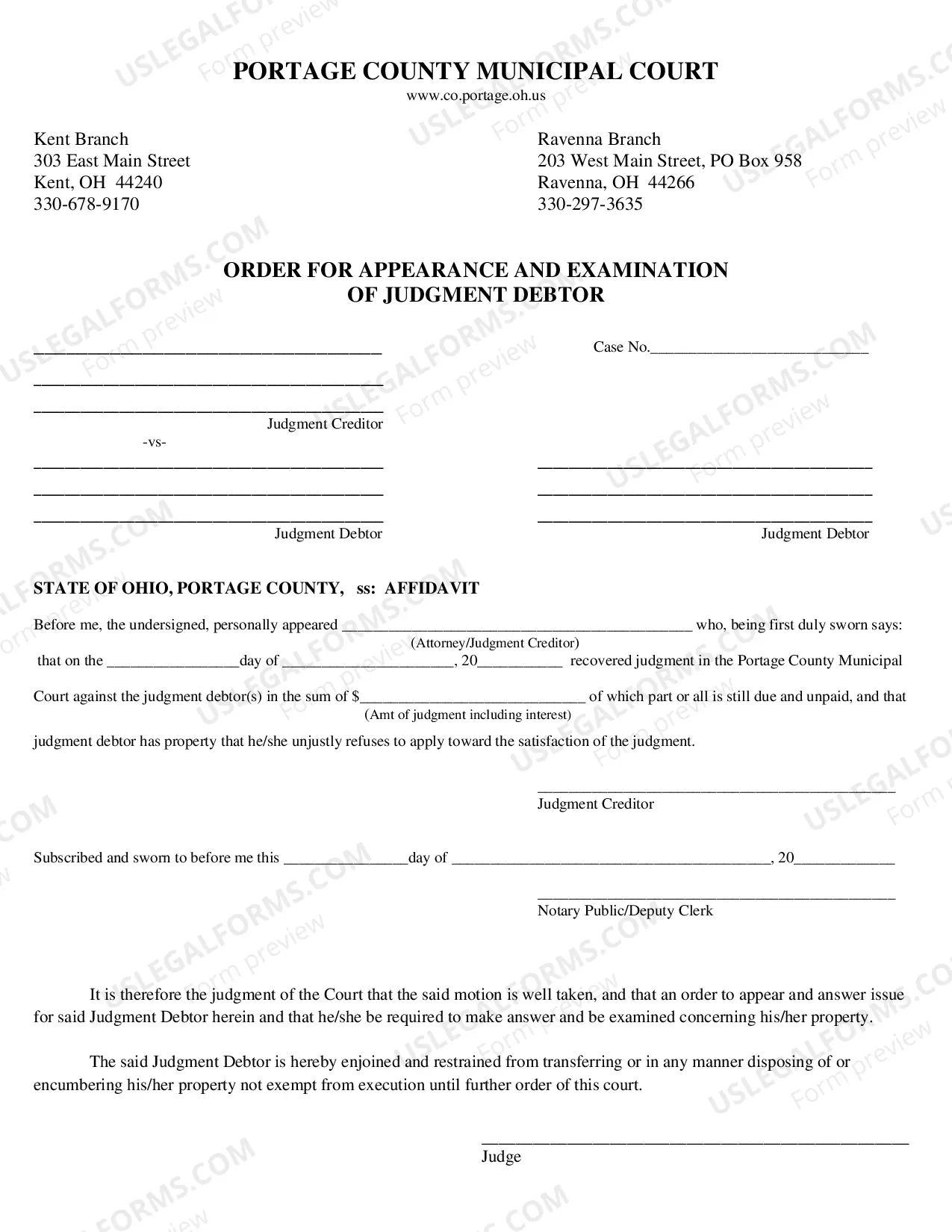
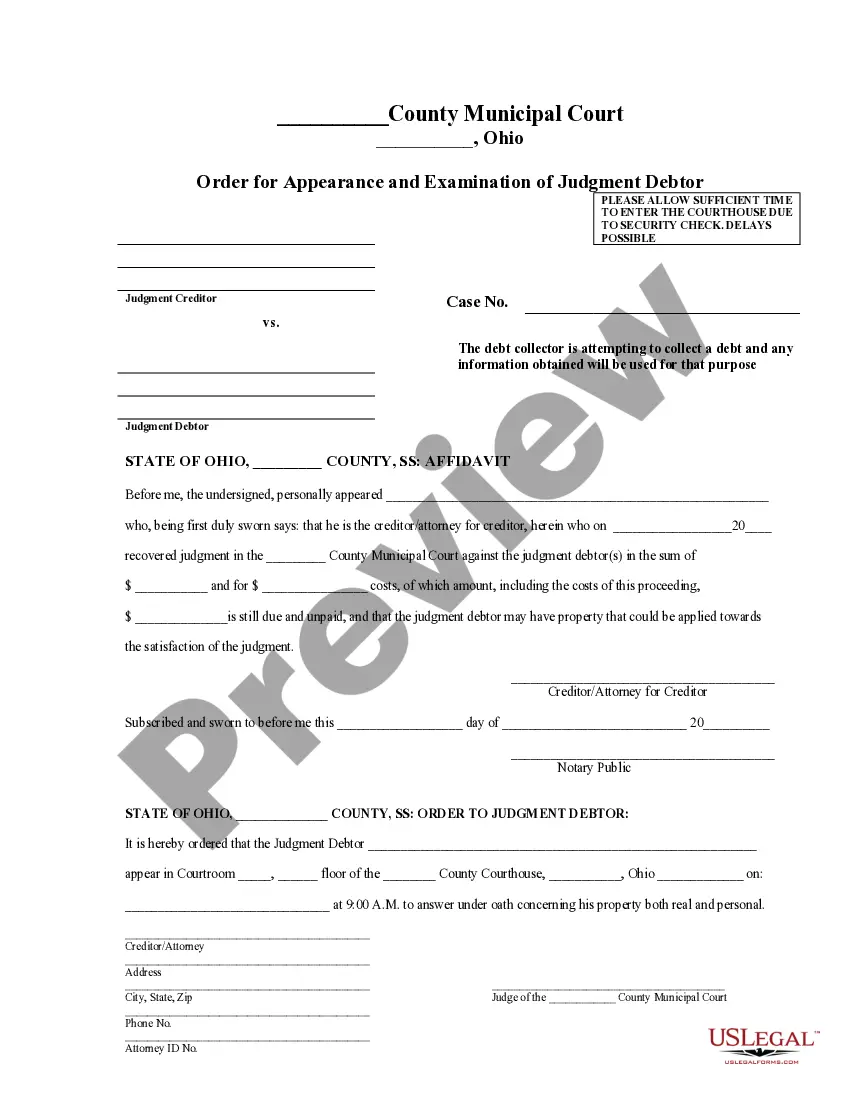
Ohio Order For Appearance And Examination Of Judgment Debtor
Description
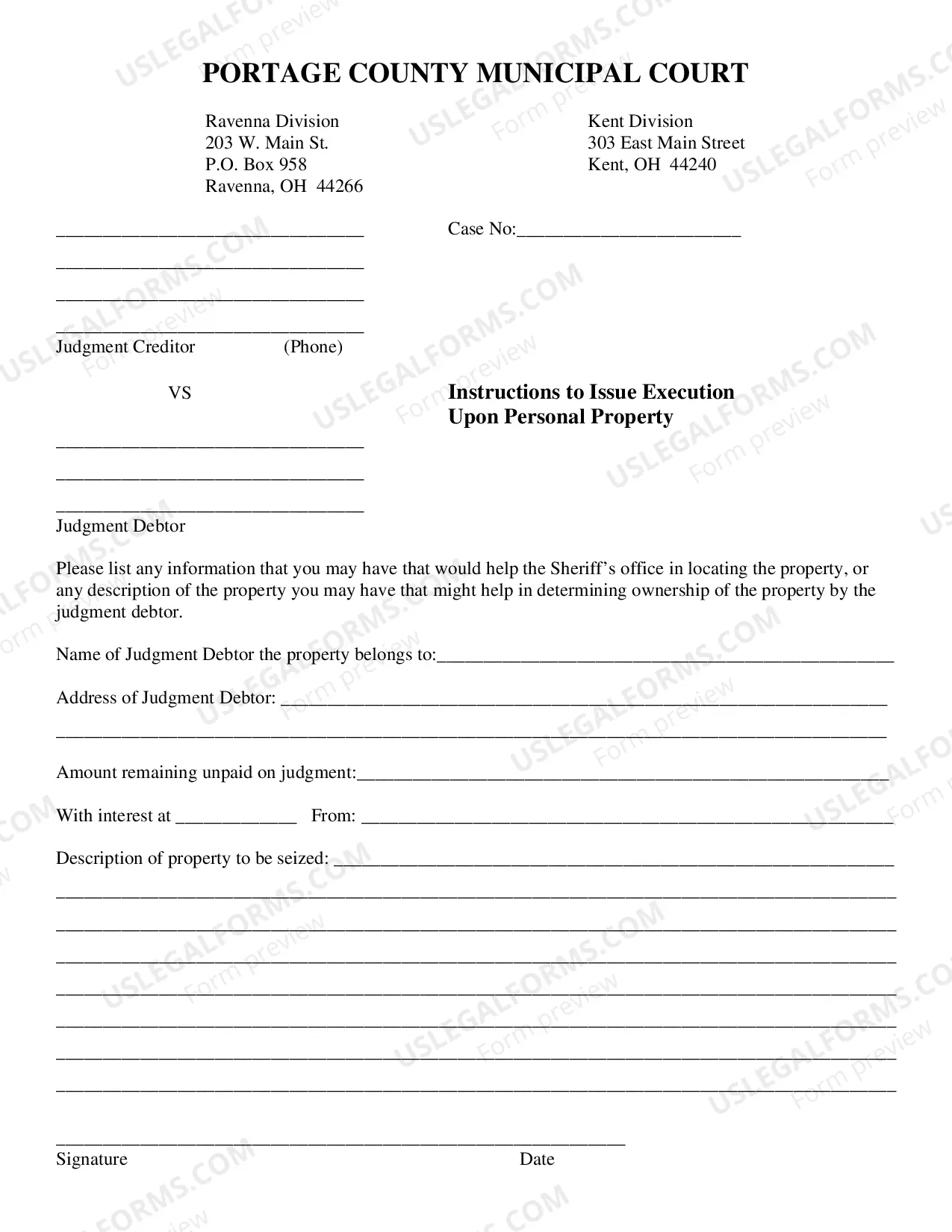
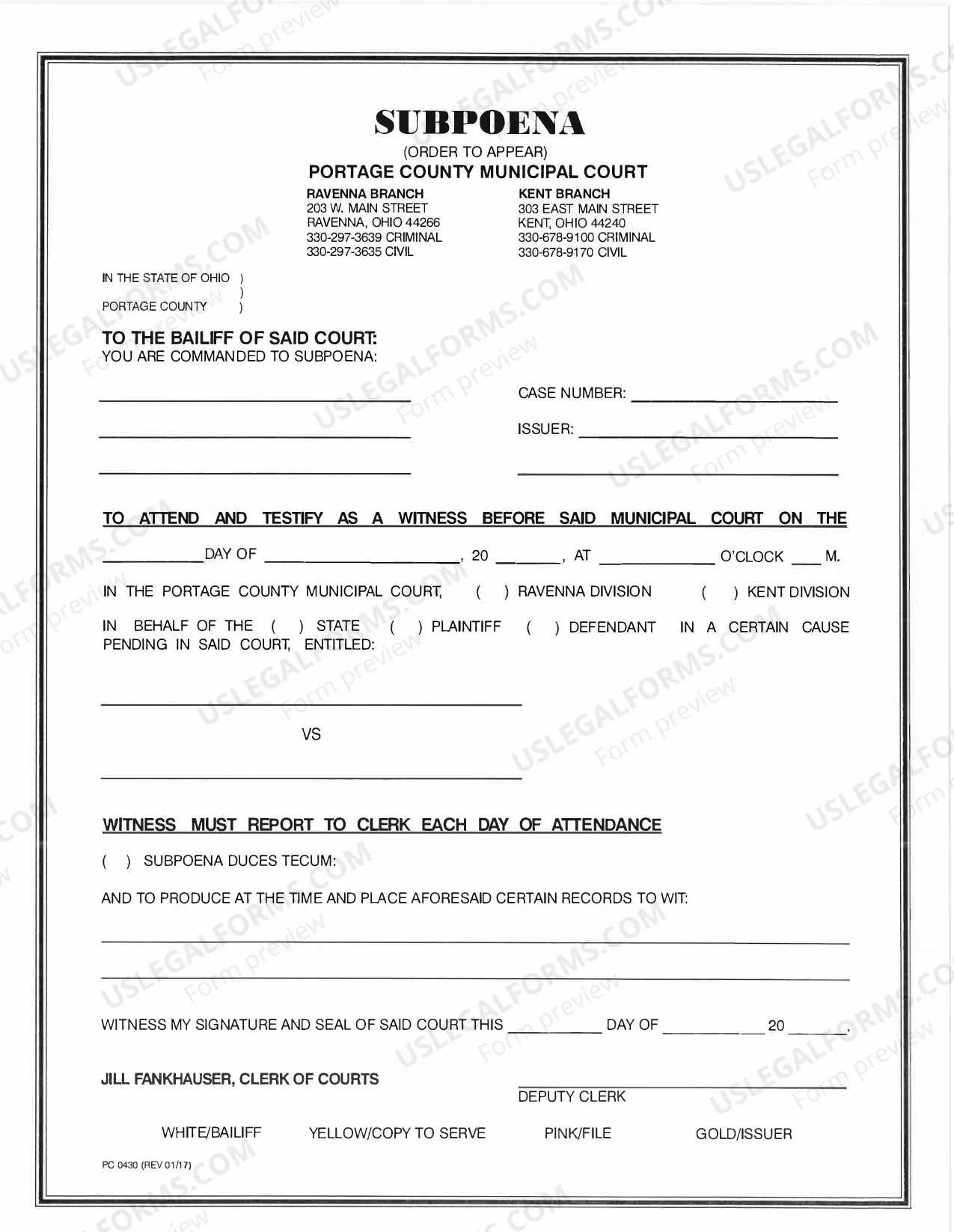
Get your form ready online
Our built-in tools help you complete, sign, share, and store your documents in one place.
Make edits, fill in missing information, and update formatting in US Legal Forms—just like you would in MS Word.
Download a copy, print it, send it by email, or mail it via USPS—whatever works best for your next step.
Sign and collect signatures with our SignNow integration. Send to multiple recipients, set reminders, and more. Go Premium to unlock E-Sign.
If this form requires notarization, complete it online through a secure video call—no need to meet a notary in person or wait for an appointment.
We protect your documents and personal data by following strict security and privacy standards.

Make edits, fill in missing information, and update formatting in US Legal Forms—just like you would in MS Word.

Download a copy, print it, send it by email, or mail it via USPS—whatever works best for your next step.

Sign and collect signatures with our SignNow integration. Send to multiple recipients, set reminders, and more. Go Premium to unlock E-Sign.

If this form requires notarization, complete it online through a secure video call—no need to meet a notary in person or wait for an appointment.

We protect your documents and personal data by following strict security and privacy standards.
Looking for another form?

How to fill out Ohio Order For Appearance And Examination Of Judgment Debtor?
How much time and resources do you usually spend on composing official documentation? There’s a better opportunity to get such forms than hiring legal experts or wasting hours searching the web for an appropriate template. US Legal Forms is the top online library that offers professionally drafted and verified state-specific legal documents for any purpose, such as the Ohio Order For Appearance And Examination Of Judgment Debtor.
To obtain and complete a suitable Ohio Order For Appearance And Examination Of Judgment Debtor template, follow these simple steps:
- Look through the form content to make sure it meets your state requirements. To do so, check the form description or utilize the Preview option.
- In case your legal template doesn’t meet your requirements, locate another one using the search tab at the top of the page.
- If you are already registered with our service, log in and download the Ohio Order For Appearance And Examination Of Judgment Debtor. If not, proceed to the next steps.
- Click Buy now once you find the right blank. Select the subscription plan that suits you best to access our library’s full service.
- Sign up for an account and pay for your subscription. You can make a transaction with your credit card or through PayPal - our service is absolutely safe for that.
- Download your Ohio Order For Appearance And Examination Of Judgment Debtor on your device and complete it on a printed-out hard copy or electronically.
Another benefit of our library is that you can access previously acquired documents that you safely keep in your profile in the My Forms tab. Get them anytime and re-complete your paperwork as frequently as you need.
Save time and effort completing official paperwork with US Legal Forms, one of the most trusted web solutions. Join us now!
Form popularity
FAQ
Ohio law provides a way to question the person who owes you about his or her income and property so that you can get the information you need to collect your judgment. You may request an examination in aid of execution of judgment, which is commonly known as a ?Debtor's Exam.?
As used in sections 2923.11 to 2923.24 of the Revised Code: (A) "Deadly weapon" means any instrument, device, or thing capable of inflicting death, and designed or specially adapted for use as a weapon, or possessed, carried, or used as a weapon.
Section 5123.165 Provision of supported living and residence. (A) Except as provided in division (B) of this section, no person or government entity may provide supported living to an individual with a developmental disability if the person or government entity also provides the individual a residence.
No employer shall fail to do every other thing reasonably necessary to protect the life, health, safety, and welfare of such employees or frequenters. No such employer or other person shall construct, occupy, or maintain any place of employment that is not safe.
On examination pursuant to sections 2333.09 to 2333.27, inclusive, of the Revised Code, no person shall be excused from answering any question on the ground that his examination will tend to convict him of a fraud. His answer shall not be used as evidence against him in a prosecution for such fraud.
A judgment debtor examination is a court proceeding created by law where the party who has obtained a judgment in court is entitled to ask questions of the person who owes that judgment.
An Order for Examination of a Judgment Debtor requires the judgment debtor to appear before the court, to furnish information to aid in the enforcement of a money judgment.
(A) An attorney who confesses judgment in a case, at the time of making such confession, must produce the warrant of attorney for making it to the court before which he makes the confession.