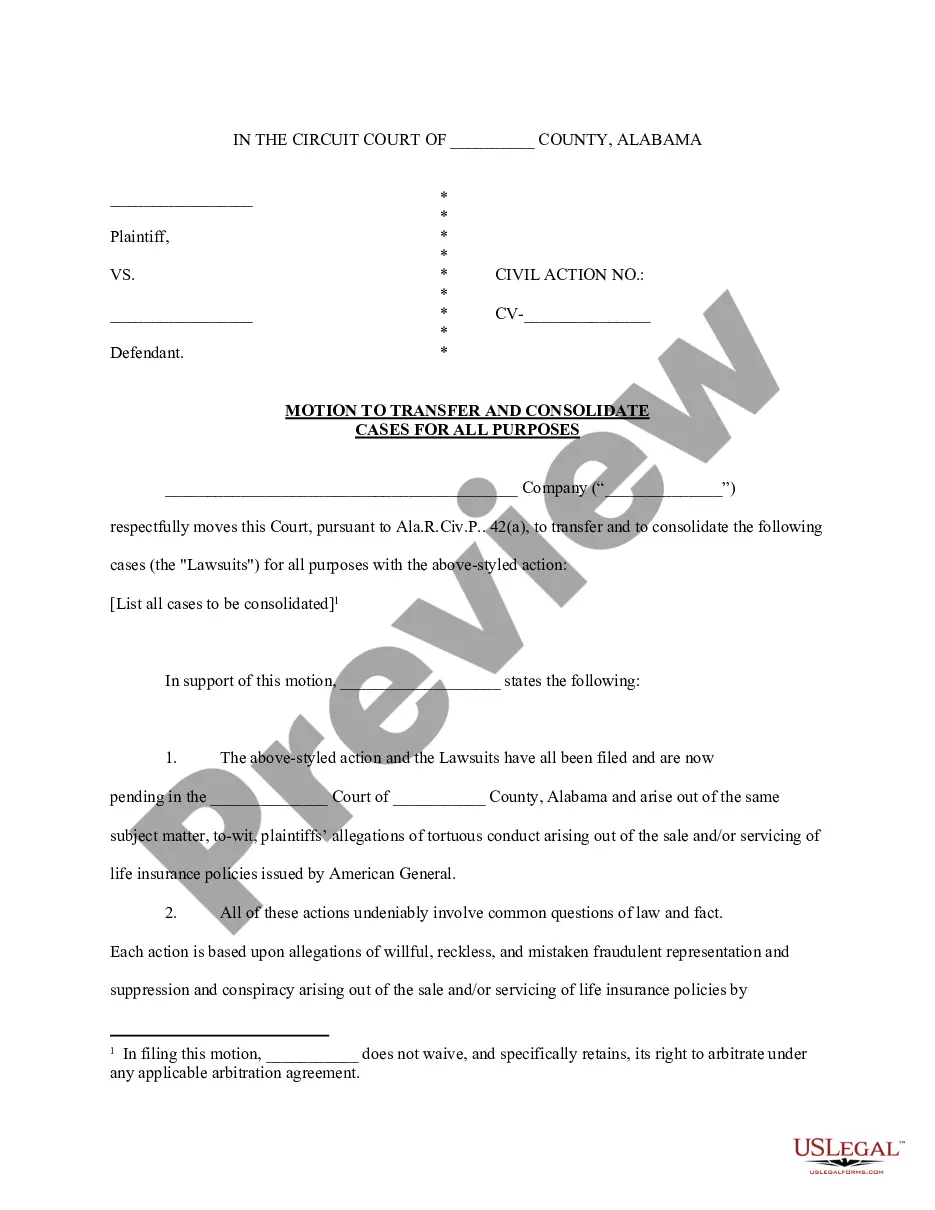
Ohio Checklist for Estates
What is this form?
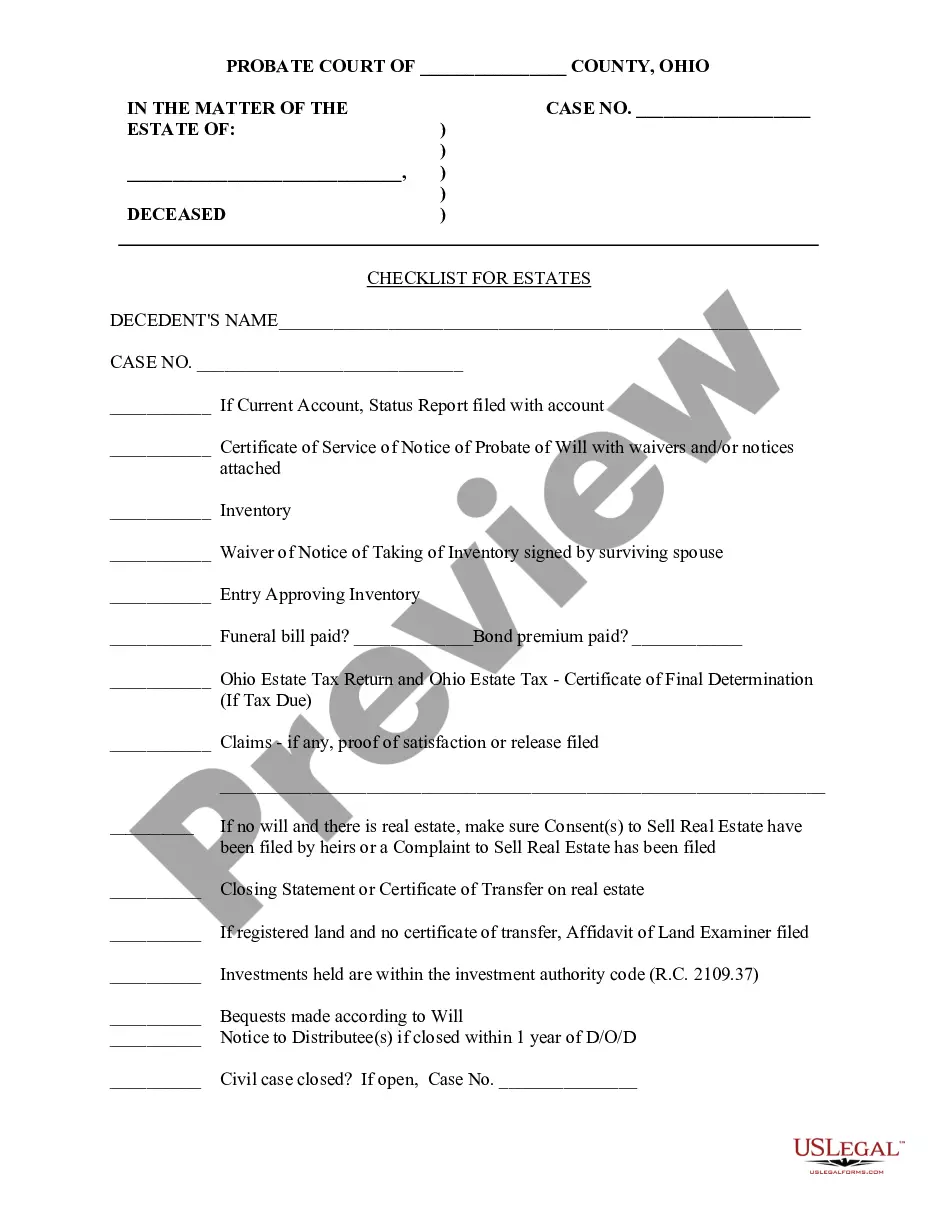
The Checklist for Estates is a crucial document used in the administration of a deceased person's estate in Ohio. This form serves as a systematic guide for executors and administrators to ensure that all necessary tasks and requirements are completed following the death of an individual. Unlike other estate planning forms, the checklist specifically focuses on the procedural steps needed to manage the estate effectively, ensuring compliance with state laws and reducing potential complications during the probate process.
Key parts of this document
- Decedent's name and case number
- Current account and status report
- Certificate of service for notice of probate of will
- Inventory of estate assets
- Approval of inventory entry
- Settlement of funeral bill and bond premium
- Ohio Estate Tax Return and certification, if applicable
- Consent to sell real estate by heirs
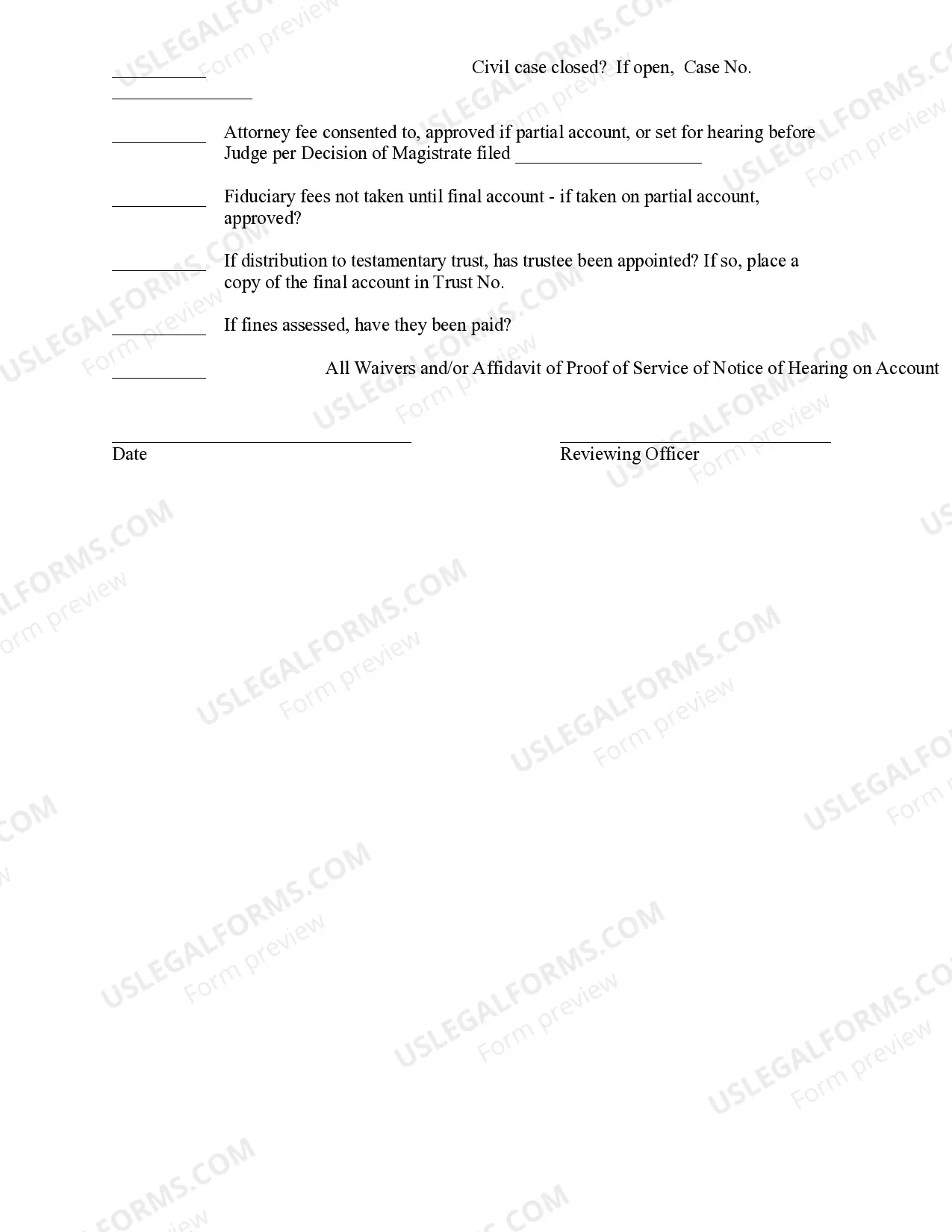
- Distribution notices to beneficiaries
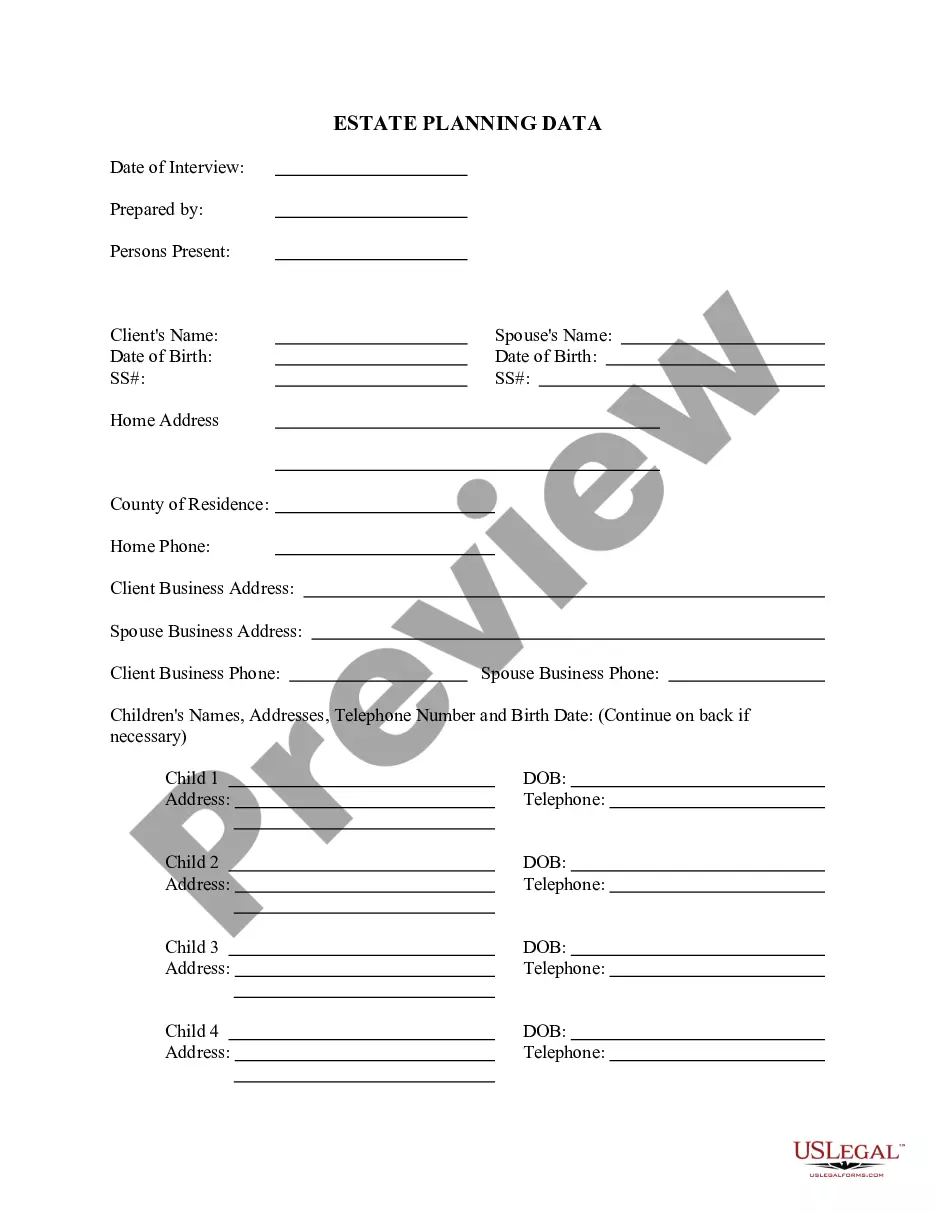
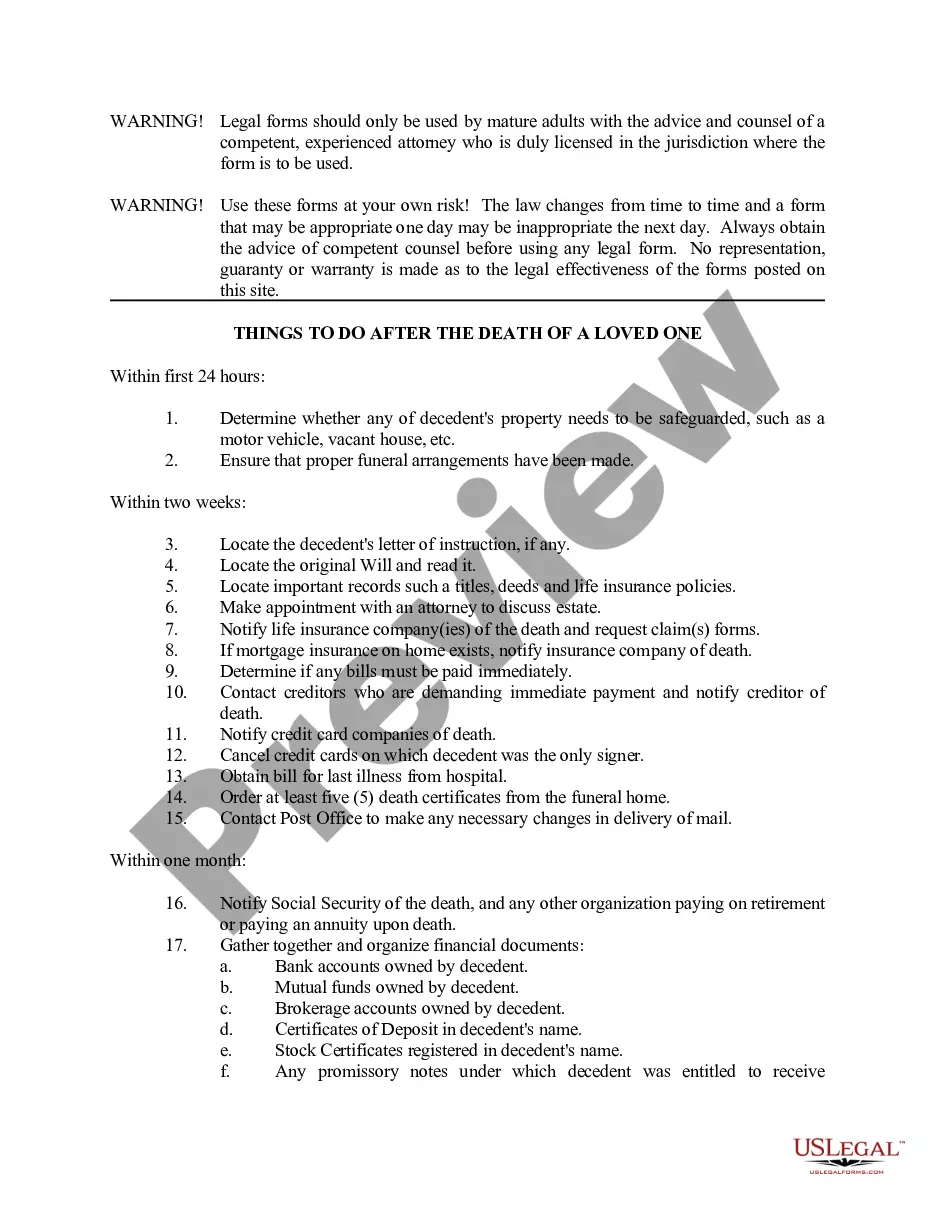
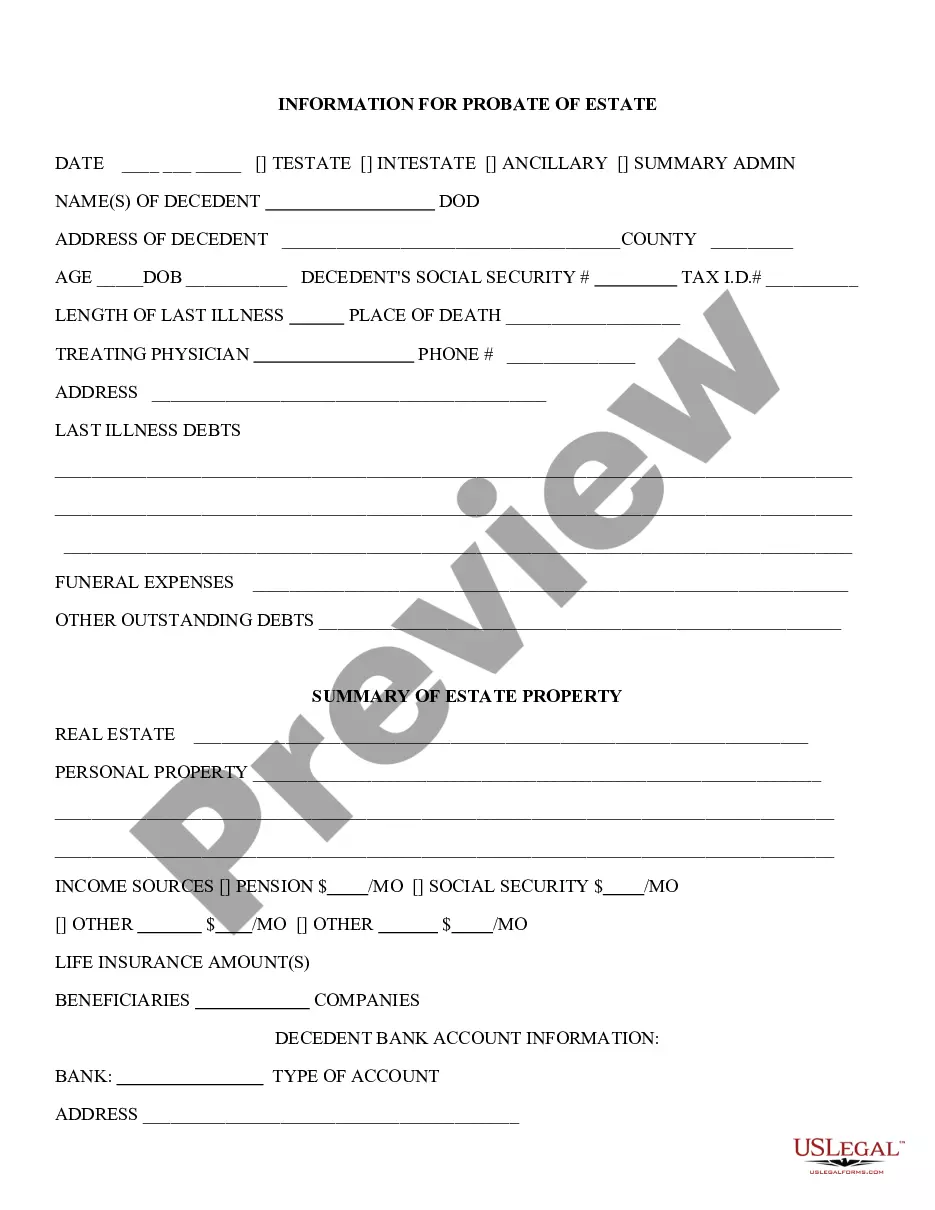
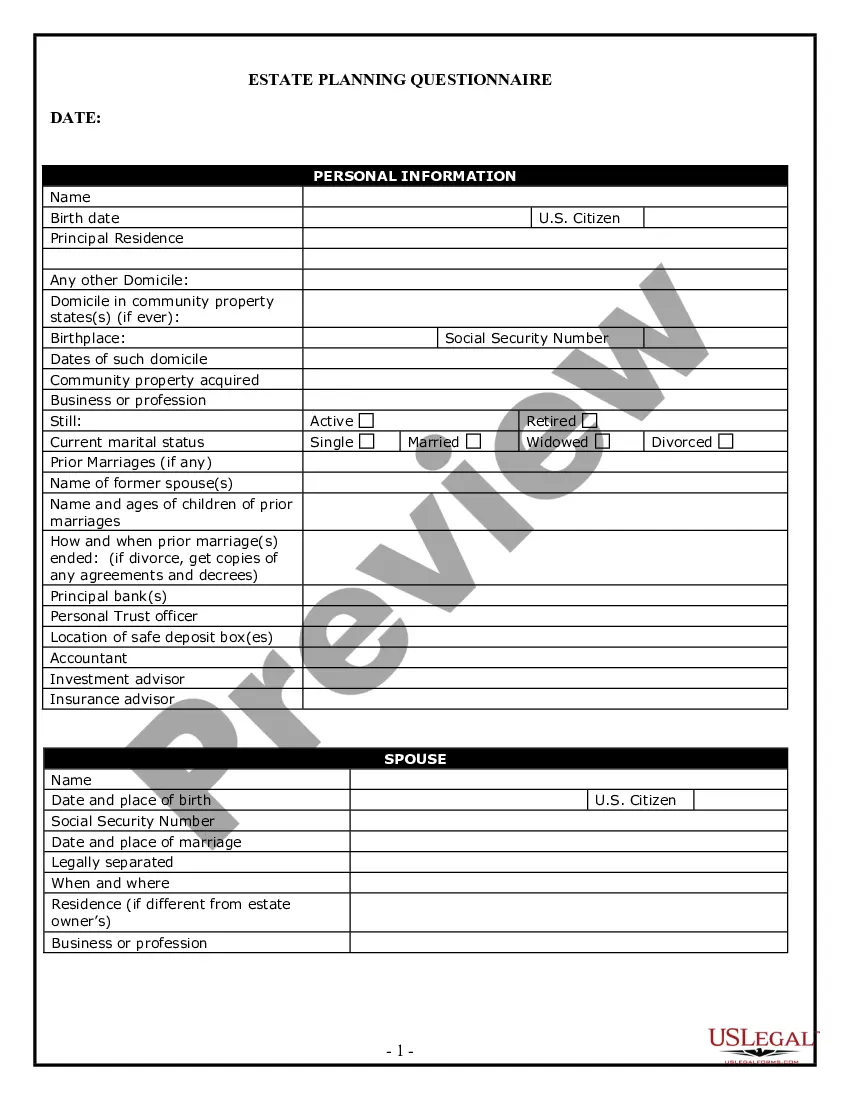
Common use cases
This Checklist for Estates should be utilized when managing the estate of a deceased individual, particularly in Ohio. It is essential during the probate process to ensure that all steps, such as filing the necessary documents, managing debts, and handling distribution of assets, are completed timely and accurately. Use this checklist as a reference to track your compliance with Ohio estate laws and streamline communications with beneficiaries and court officials.
Intended users of this form
- Executors of an estate
- Administrators managing a decedent's estate
- Heirs or beneficiaries overseeing estate administration
- Legal representatives involved in the probate process
How to complete this form
- Enter the decedentâs full name and the case number at the top of the form.
- Complete each checklist item as it pertains to the estate, marking them off as you fulfill the requirements.
- Gather relevant documents, such as the inventory and approval entries, to support your administration tasks.
- Ensure that all required notices and waivers are properly executed and filed.
- Obtain necessary approvals from the court for actions taken during the administration of the estate.
Does this form need to be notarized?
This form does not typically require notarization unless specified by local law. However, it is advisable to consult with a legal professional to ensure compliance with all applicable regulations during the estate administration process.
Get your form ready online
Our built-in tools help you complete, sign, share, and store your documents in one place.
Make edits, fill in missing information, and update formatting in US Legal Forms—just like you would in MS Word.
Download a copy, print it, send it by email, or mail it via USPS—whatever works best for your next step.
Sign and collect signatures with our SignNow integration. Send to multiple recipients, set reminders, and more. Go Premium to unlock E-Sign.
If this form requires notarization, complete it online through a secure video call—no need to meet a notary in person or wait for an appointment.
We protect your documents and personal data by following strict security and privacy standards.

Make edits, fill in missing information, and update formatting in US Legal Forms—just like you would in MS Word.

Download a copy, print it, send it by email, or mail it via USPS—whatever works best for your next step.

Sign and collect signatures with our SignNow integration. Send to multiple recipients, set reminders, and more. Go Premium to unlock E-Sign.

If this form requires notarization, complete it online through a secure video call—no need to meet a notary in person or wait for an appointment.

We protect your documents and personal data by following strict security and privacy standards.
Avoid these common issues
- Failing to complete all items on the checklist before submitting documents.
- Not keeping copies of all vital documents filed with the court.
- Overlooking state-specific tax filing requirements related to the estate.
- Assuming that all waivers and notices are automatic without checking beneficiary consent.
Benefits of completing this form online
- Convenience of accessing and downloading the form at any time.
- Editable formats that allow customization to fit specific estate circumstances.
- Reliable legal templates drafted by licensed attorneys, ensuring compliance with current laws.
- Easy tracking of all necessary tasks to simplify the administration process.
Looking for another form?


Form popularity
FAQ
Appoint a qualified estate planning attorney. Make a list of what you own and owe. Decide if you need a will or a living trust. Make an advance health care directive. Consider a financial power of attorney. Appoint your beneficiaries. Organize your documents and files.
Bank accounts. Brokerage or investment accounts. Retirement accounts and pension plans. A life insurance policy.
Gather Important Documents and Contact Information. Execute a Last Will and Testament. Complete a Living Will or Advance Directive. Put in Place a Power of Attorney. Establish a Living Trust. Update Your Beneficiaries. Secure Your Digital Assets. Plan Final Arrangements.
More Than a Last Will. Itemize Your Inventory. Follow with Non-Physical Assets. Assemble a List of Debts. Make a Memberships List. Make Copies of Your Lists. Review Your Retirement Account. Update Your Insurance.
Creating an estate plan is a lot like getting into better shape. Step 1: Sign a will. Step 2: Name beneficiaries. Step 3: Dodge estate taxes. Step 4: Leave a letter. Step 5: Draw up a durable power of attorney. Step 6: Create an advance health care directive.
A Last Will and Testament. When it comes to estate planning, having a last will and testament is likely the first thing that will come to mind. A Document Granting Power of Attorney. An Advance Medical Directive. Revocable Living Trust.
In general, an estate inventory checklist will include financial assets that belonged to the deceased.The financial information must also include the deceased's debts, such as credit card bills, student loans, alimony, child support and medical bills.
Last Will & Testament. The fundamental purpose of a will is to outline who will receive your assets upon your death. Trust. A trust is a legal instrument that provides ongoing management for your assets. Power of Attorney. Healthcare Power of Attorney. Living Will. HIPAA Release. Letter of Intent.