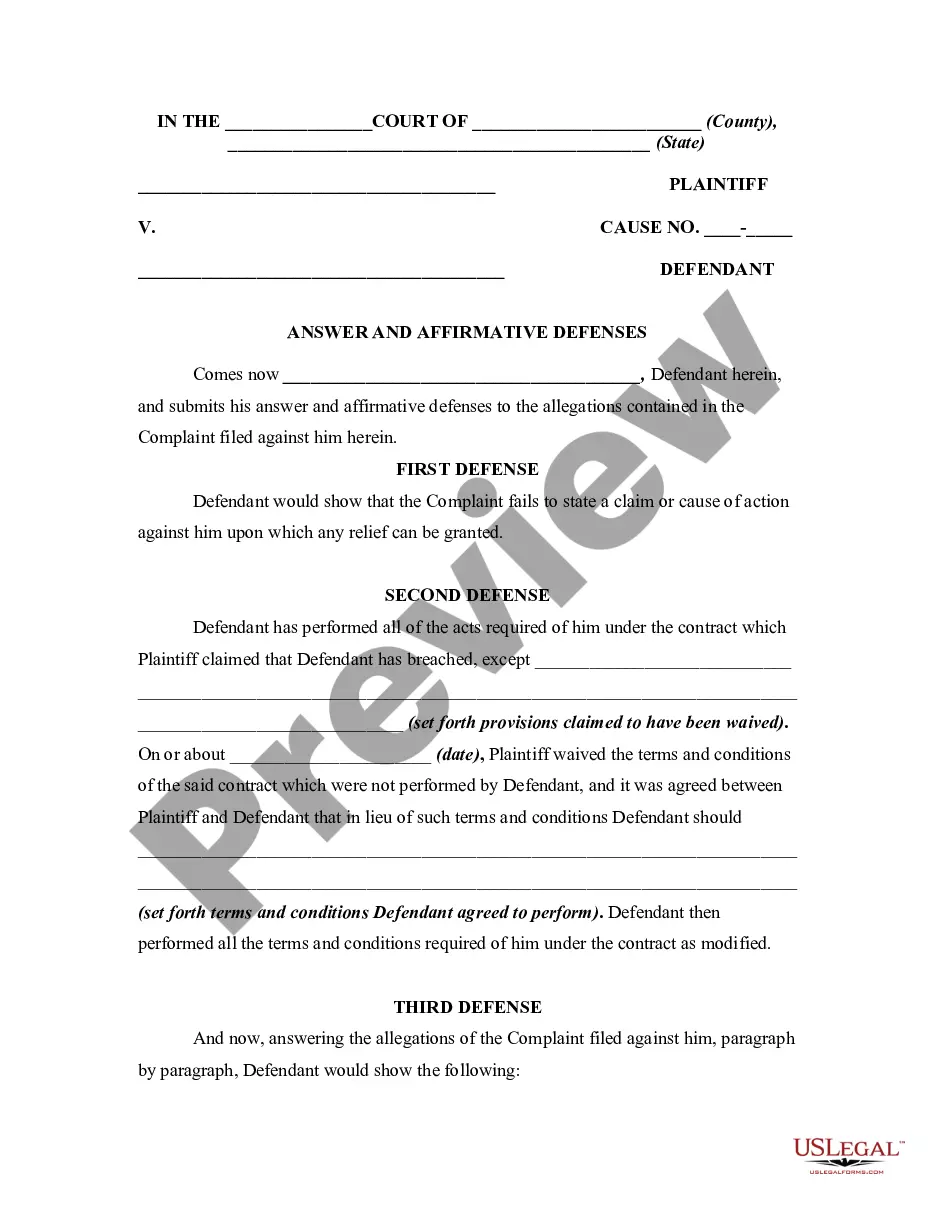
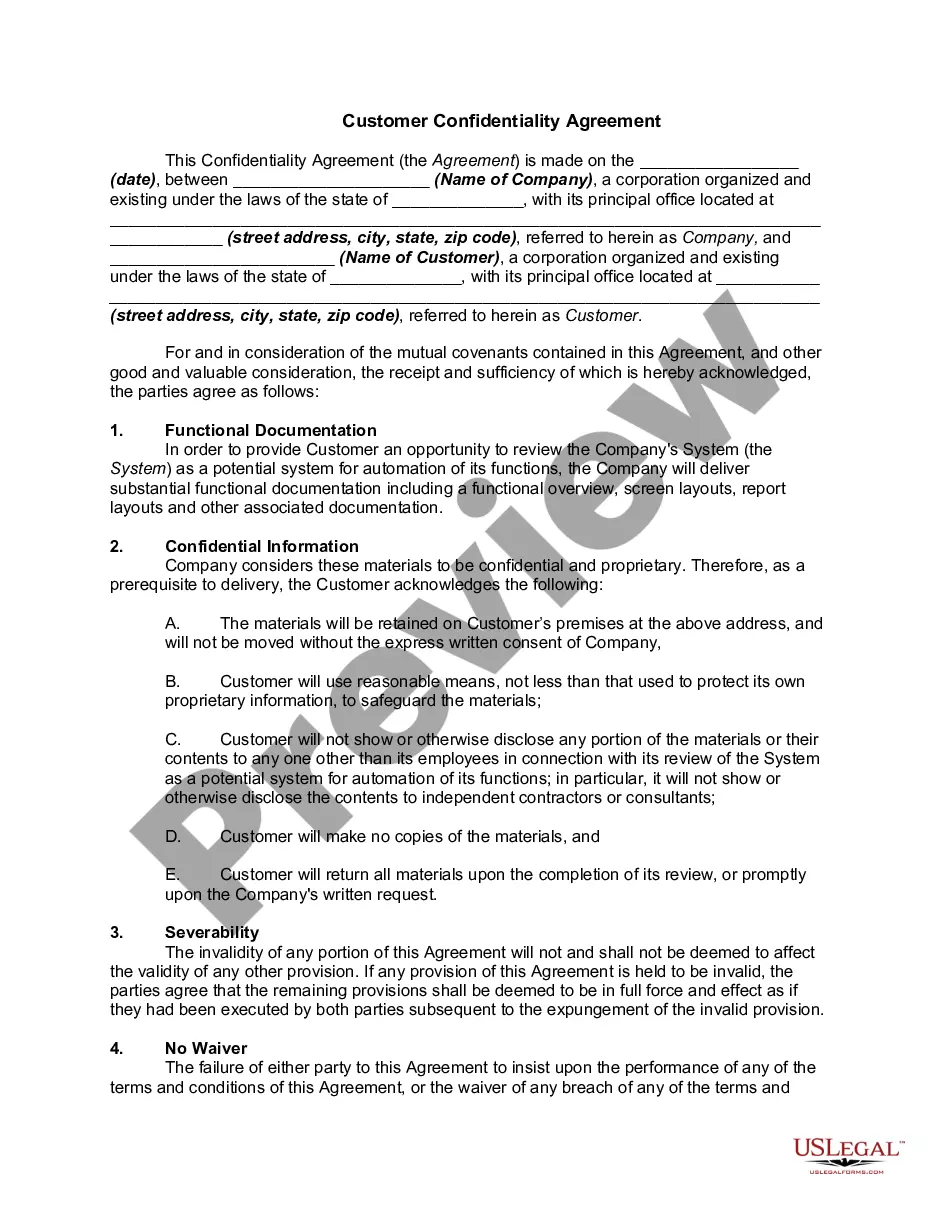
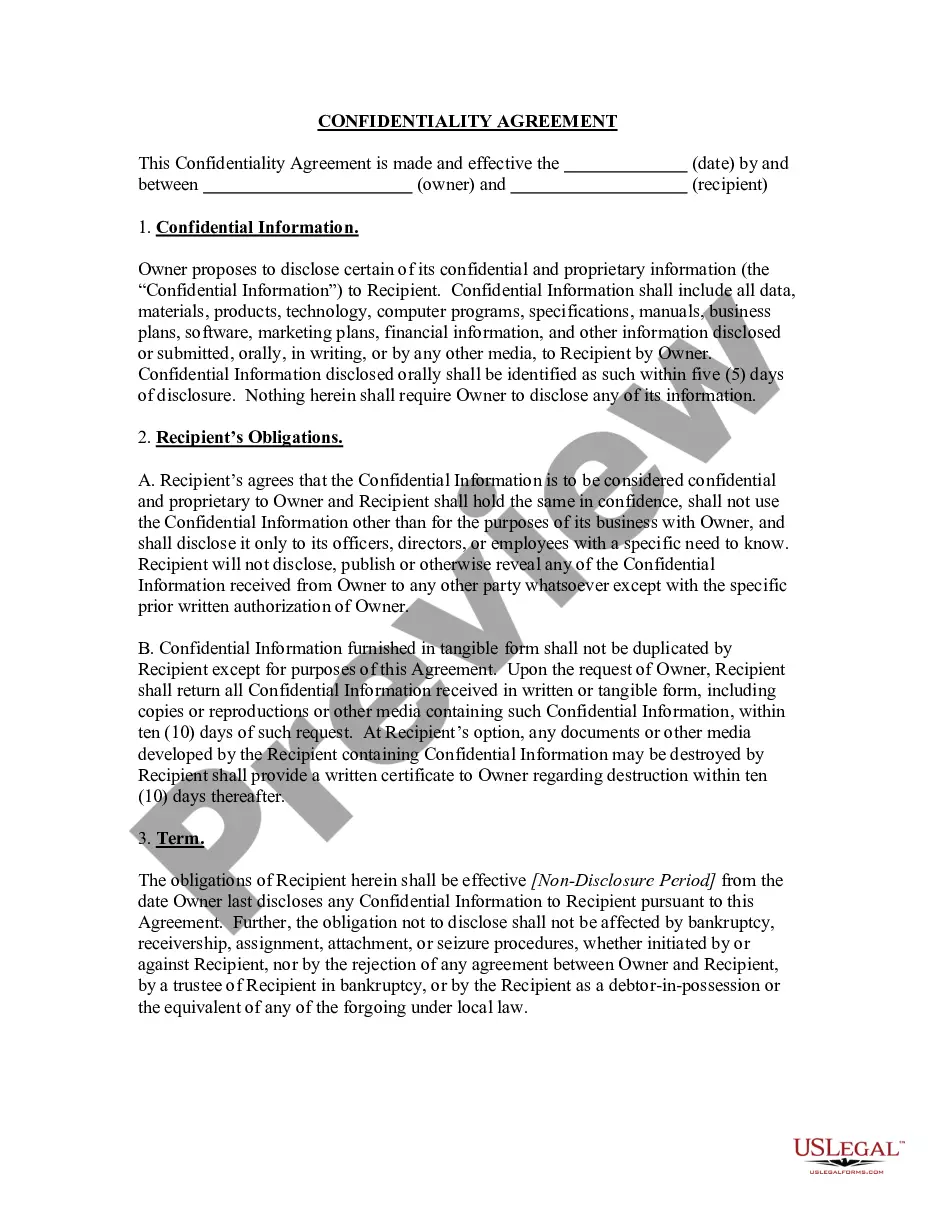
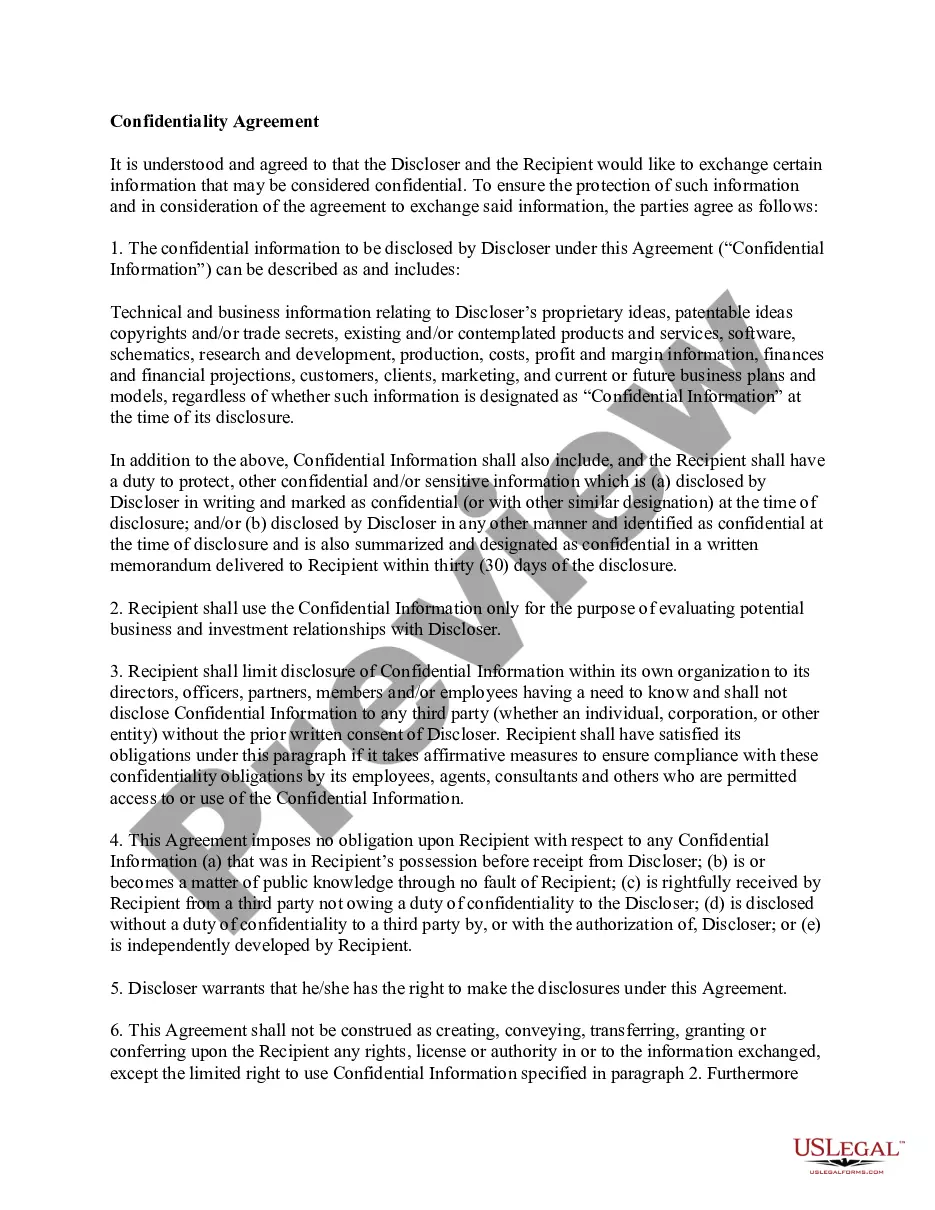
New York Confidentiality Agreement for Board Members
Description

Get your form ready online
Our built-in tools help you complete, sign, share, and store your documents in one place.
Make edits, fill in missing information, and update formatting in US Legal Forms—just like you would in MS Word.
Download a copy, print it, send it by email, or mail it via USPS—whatever works best for your next step.
Sign and collect signatures with our SignNow integration. Send to multiple recipients, set reminders, and more. Go Premium to unlock E-Sign.
If this form requires notarization, complete it online through a secure video call—no need to meet a notary in person or wait for an appointment.
We protect your documents and personal data by following strict security and privacy standards.

Make edits, fill in missing information, and update formatting in US Legal Forms—just like you would in MS Word.

Download a copy, print it, send it by email, or mail it via USPS—whatever works best for your next step.

Sign and collect signatures with our SignNow integration. Send to multiple recipients, set reminders, and more. Go Premium to unlock E-Sign.

If this form requires notarization, complete it online through a secure video call—no need to meet a notary in person or wait for an appointment.

We protect your documents and personal data by following strict security and privacy standards.
Looking for another form?





How to fill out Confidentiality Agreement For Board Members?
It is feasible to spend hours online seeking the authentic document template that matches the national and state requirements you need.
US Legal Forms offers a multitude of legal forms that can be examined by professionals.
You can effortlessly download or print the New York Confidentiality Agreement for Board Members from the service.
Review the form description to confirm you have chosen the right form.
- If you already possess a US Legal Forms account, you can Log In and hit the Download button.
- Subsequently, you can complete, modify, print, or sign the New York Confidentiality Agreement for Board Members.
- Each legal document template you purchase is yours to keep for years.
- To obtain another version of any purchased form, navigate to the My documents tab and click the respective button.
- If this is your first time using the US Legal Forms site, follow these simple instructions.
- First, ensure you have selected the correct document template for the region/town of your choosing.
Form popularity
FAQ
To fill out an NDA agreement, list the parties, identify the confidential information, and outline the obligations of each party. It's crucial to specify the time frame of confidentiality and any legal ramifications for breaches. Using a thoughtful approach when completing a New York Confidentiality Agreement for Board Members ensures that both parties understand their responsibilities and protects sensitive information effectively.
Directors have a fiduciary duty to maintain confidentiality, and inappropriate disclosure, whether intended or inadvertent, can violate federal securities laws. Directors rely on confidentiality to facilitate candid deliberations with fellow board members.
The key elements of confidentiality agreements are: Identification of the parties. Definition of what is defined to be confidential. The scope of the confidentiality obligation by the receiving party.
New York courts generally enforce such agreements as a condition to employment if they are: reasonable in time and geographic scope; necessary to protect the employer's legitimate interests; not harmful to the general public; and.
What are a Board Member's Responsibilities?Establishing the Organization's Mission and Purpose.Executive Director-Selecting, Supporting, Reviewing.Organizational Planning.Monitoring and Managing Financial Resources.Assessing and Developing Skills.Serve on Committees.Recruiting New Board Members.More items...?
Board members also have limits on how they can share information and with whom they may share it. Maintaining confidentiality also means that board members must maintain the confidentiality of any personal or sensitive information they acquire during their service to the board.
Non-disclosure agreements, or NDAs as they are sometimes called, are legally enforceable agreements between parties that are used to ensure that certain information will remain confidential.
"There are several key pieces of information that should be included in NDAs, or non-disclosure agreements. The most important items include customer lists, financial and profit margin information, product breakdowns, bestselling segments and sales scripting and messaging."
A legally-binding confidentiality agreement must feature the following components:A definition of confidential information.Who is involved.Why the recipient knows the information.Exclusions or limits on confidential information.Receiving party's obligations.Time frame or term.Discloser to the recipient.More items...
In a 2005 Delaware Chancery Court case involving the Walt Disney Company, the court determined that certain documents relating to 'private communications among or deliberations of the Company's board of directors' should remain confidential.