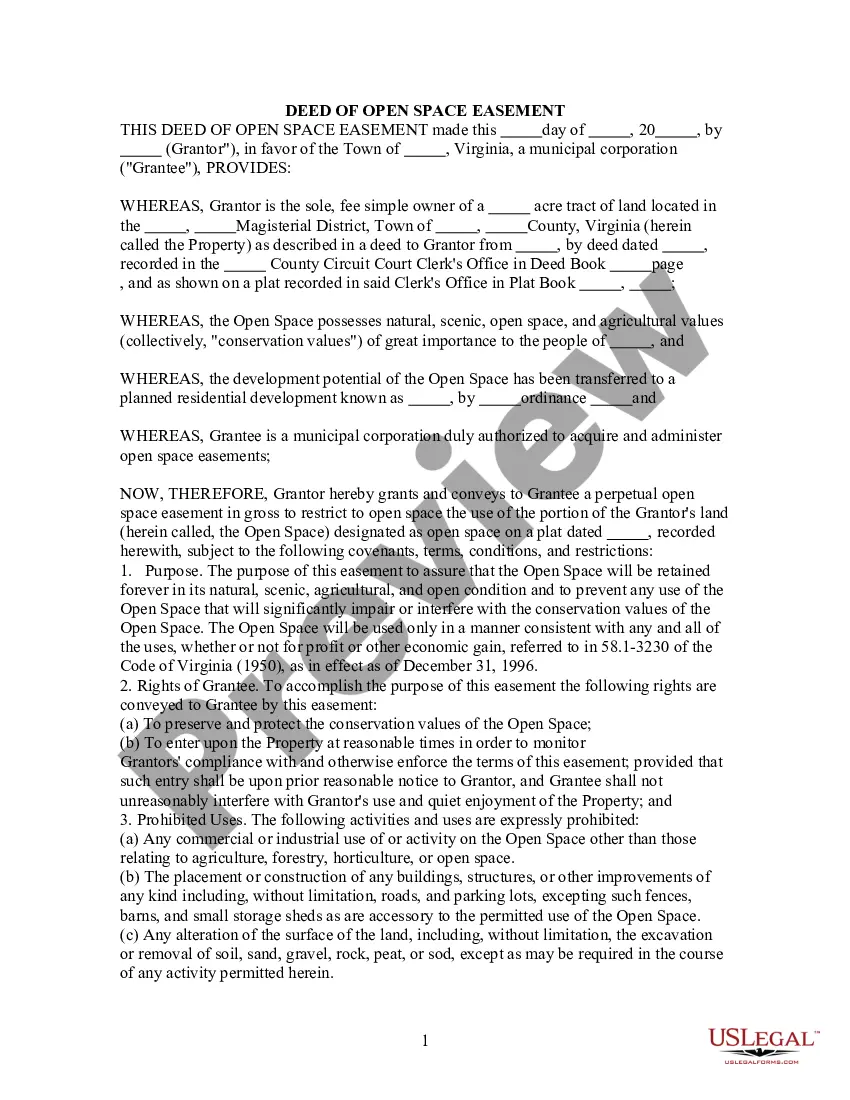
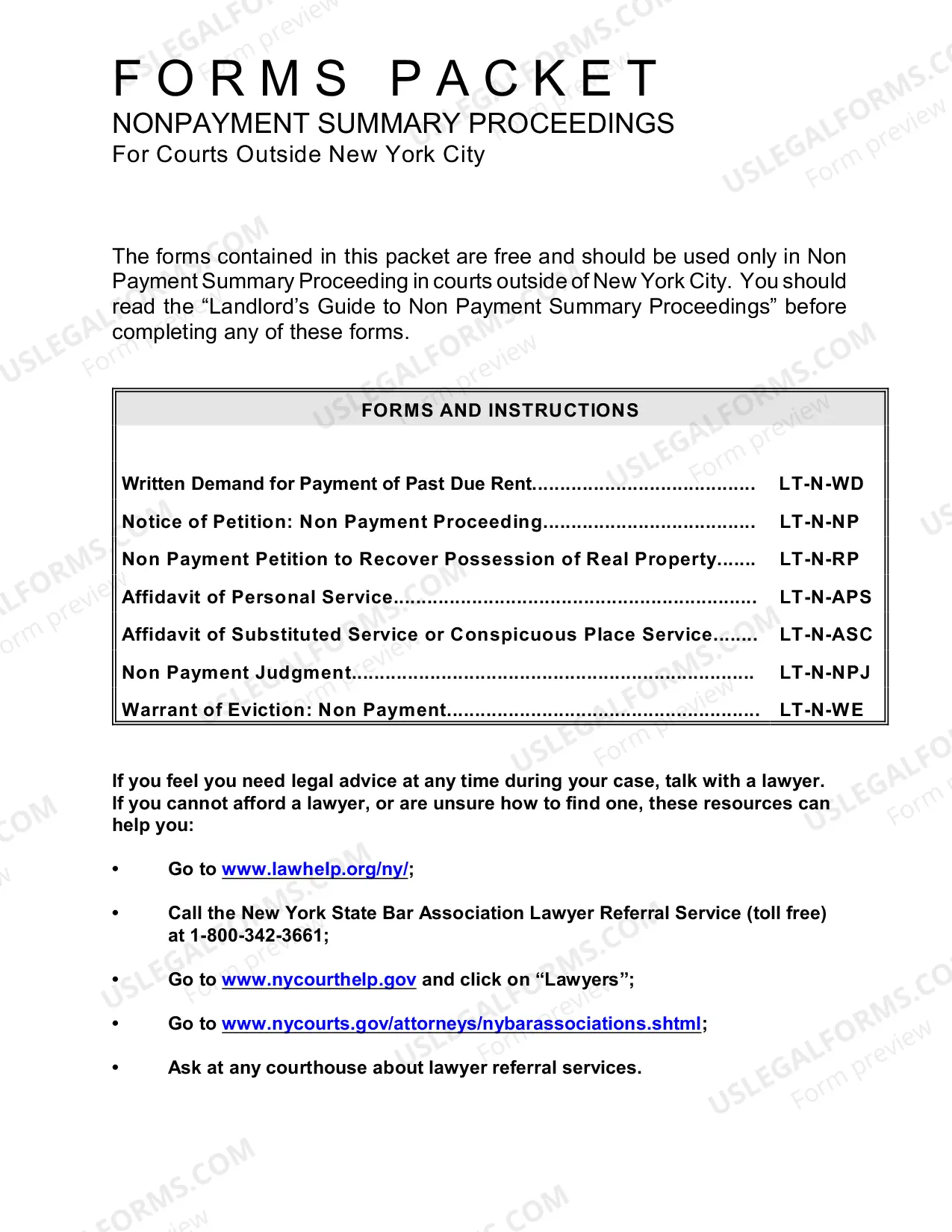
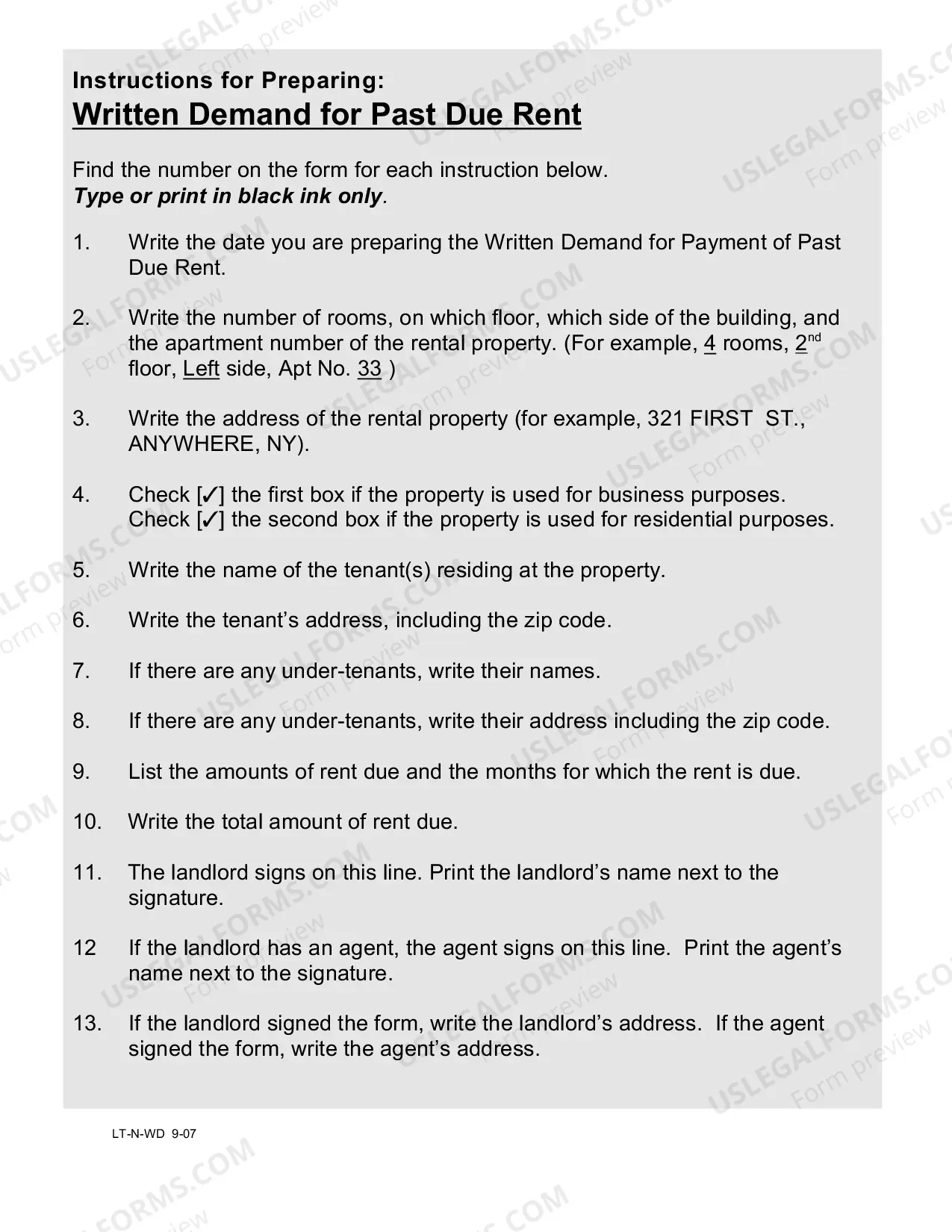
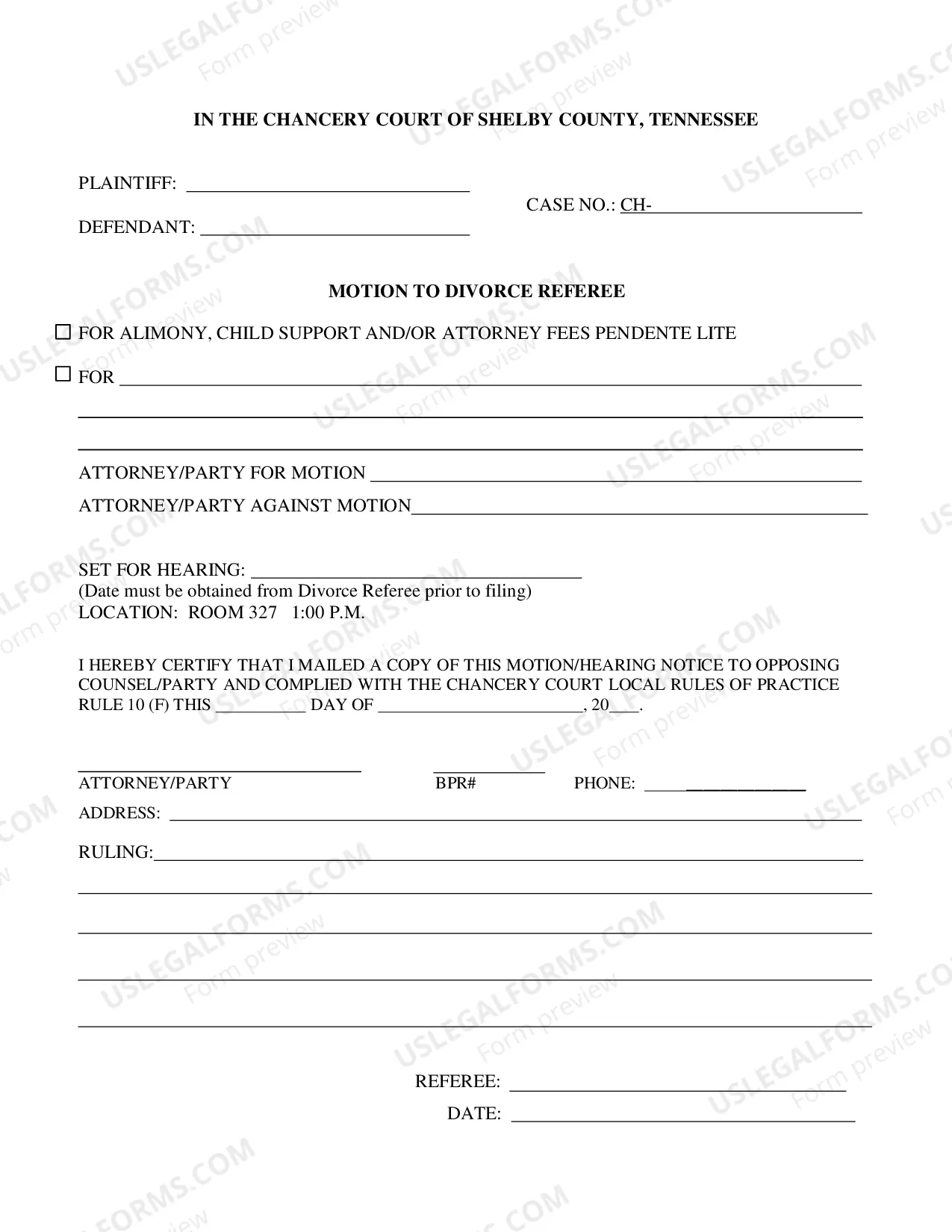
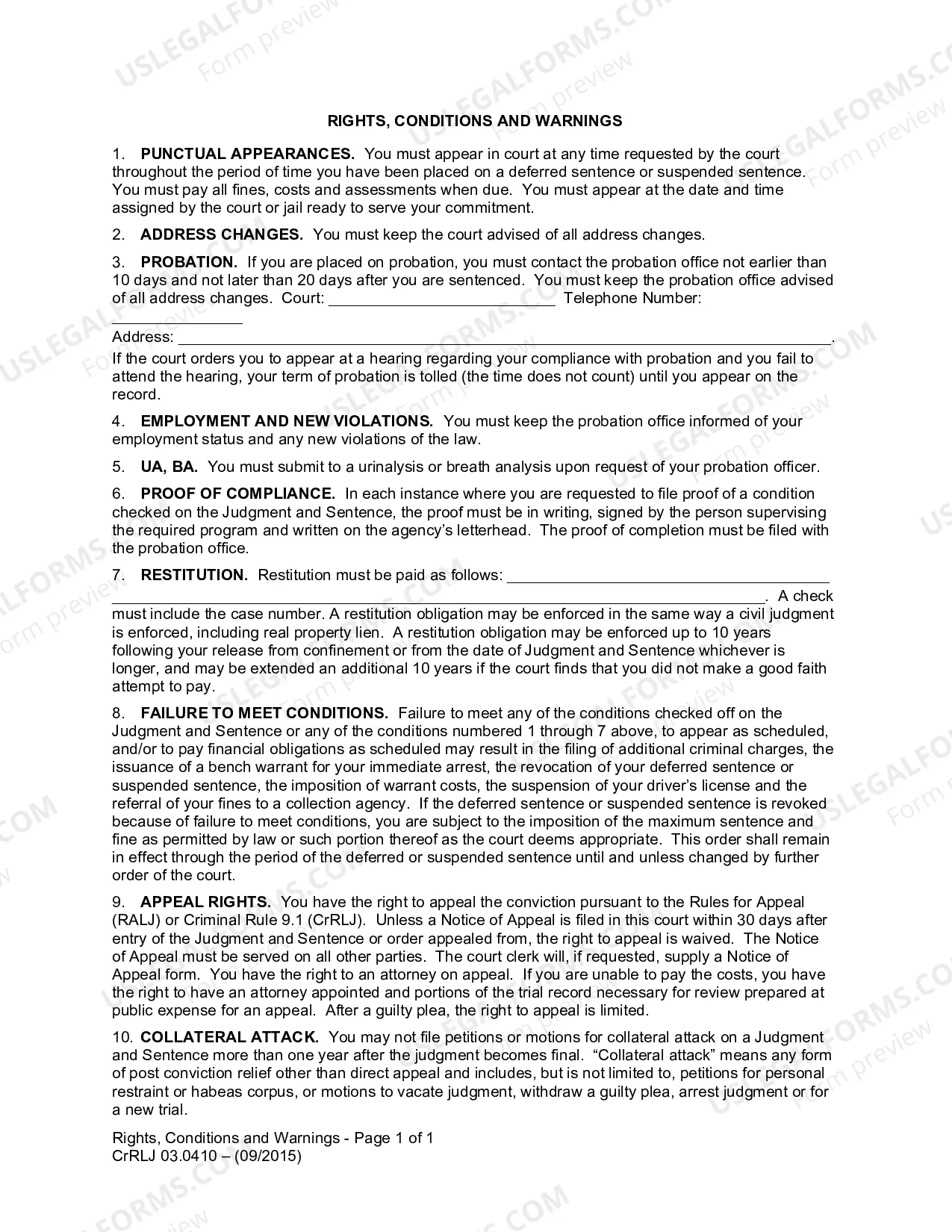
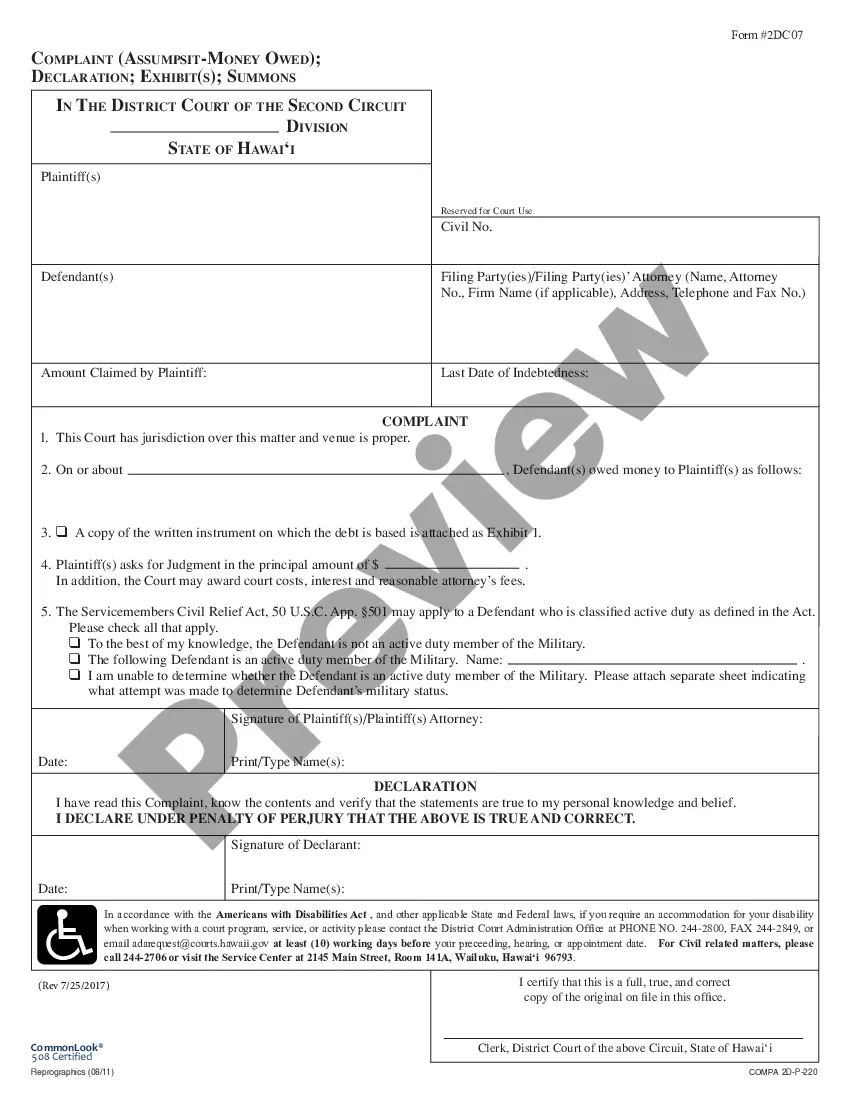
New York Landlord Non-Payment Forms Packet with Instructions
Description
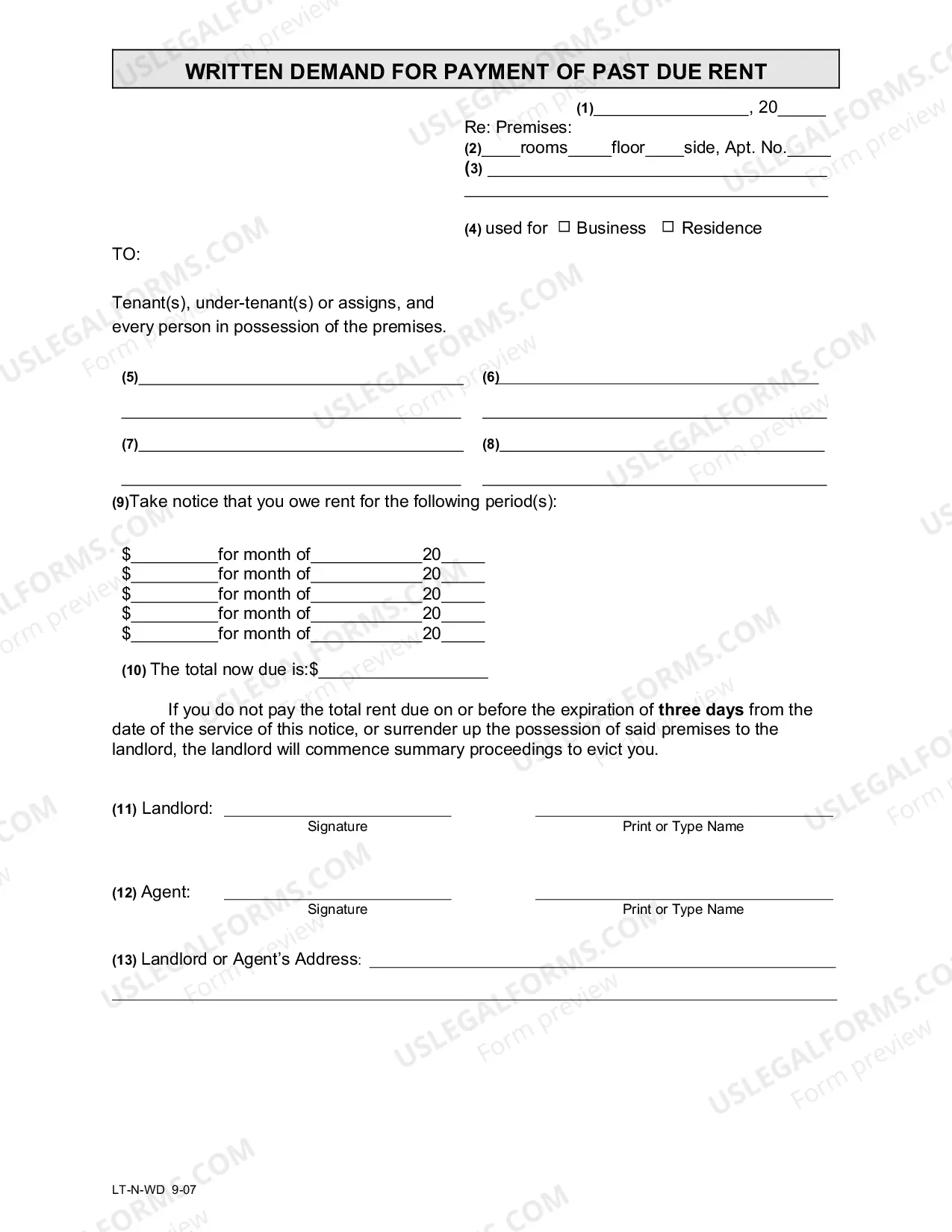
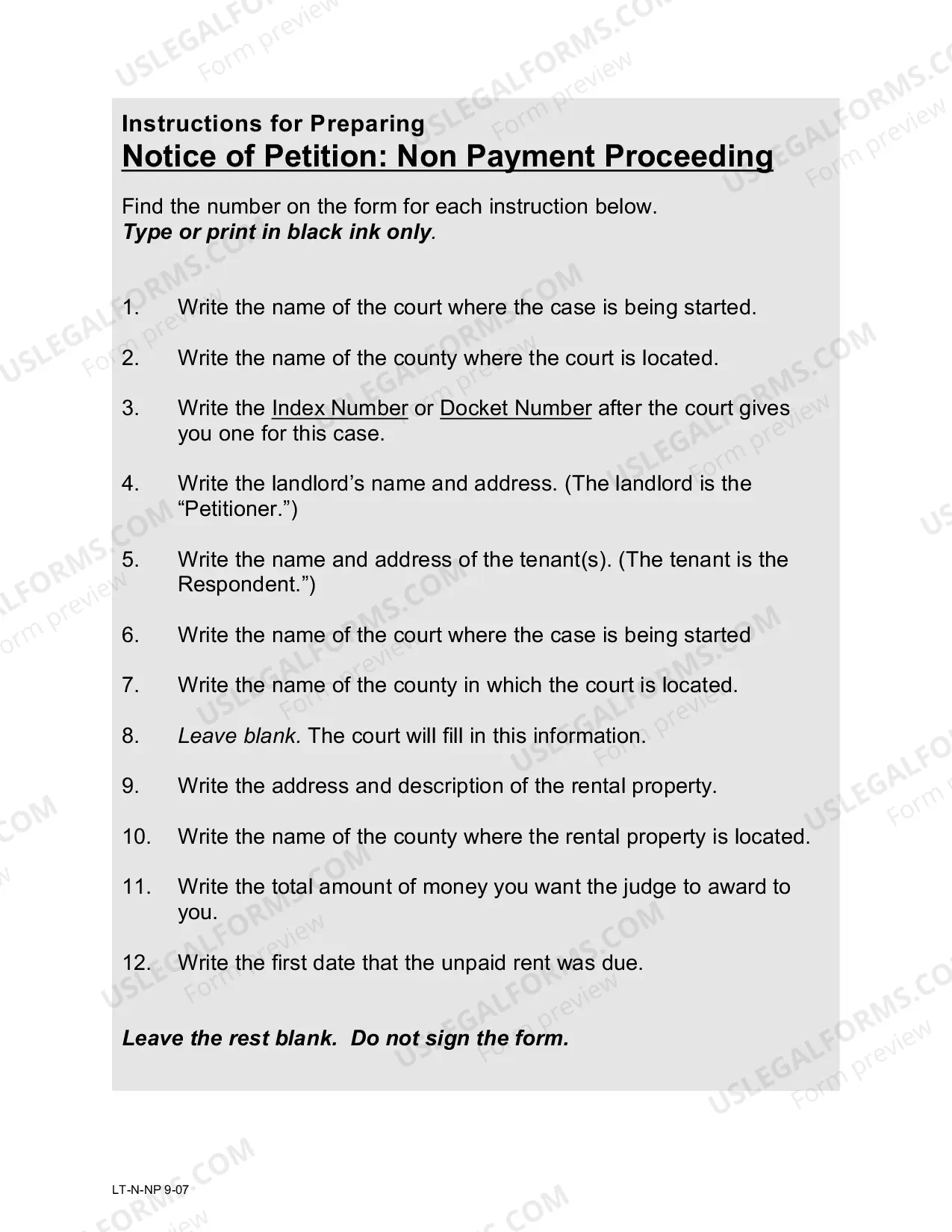
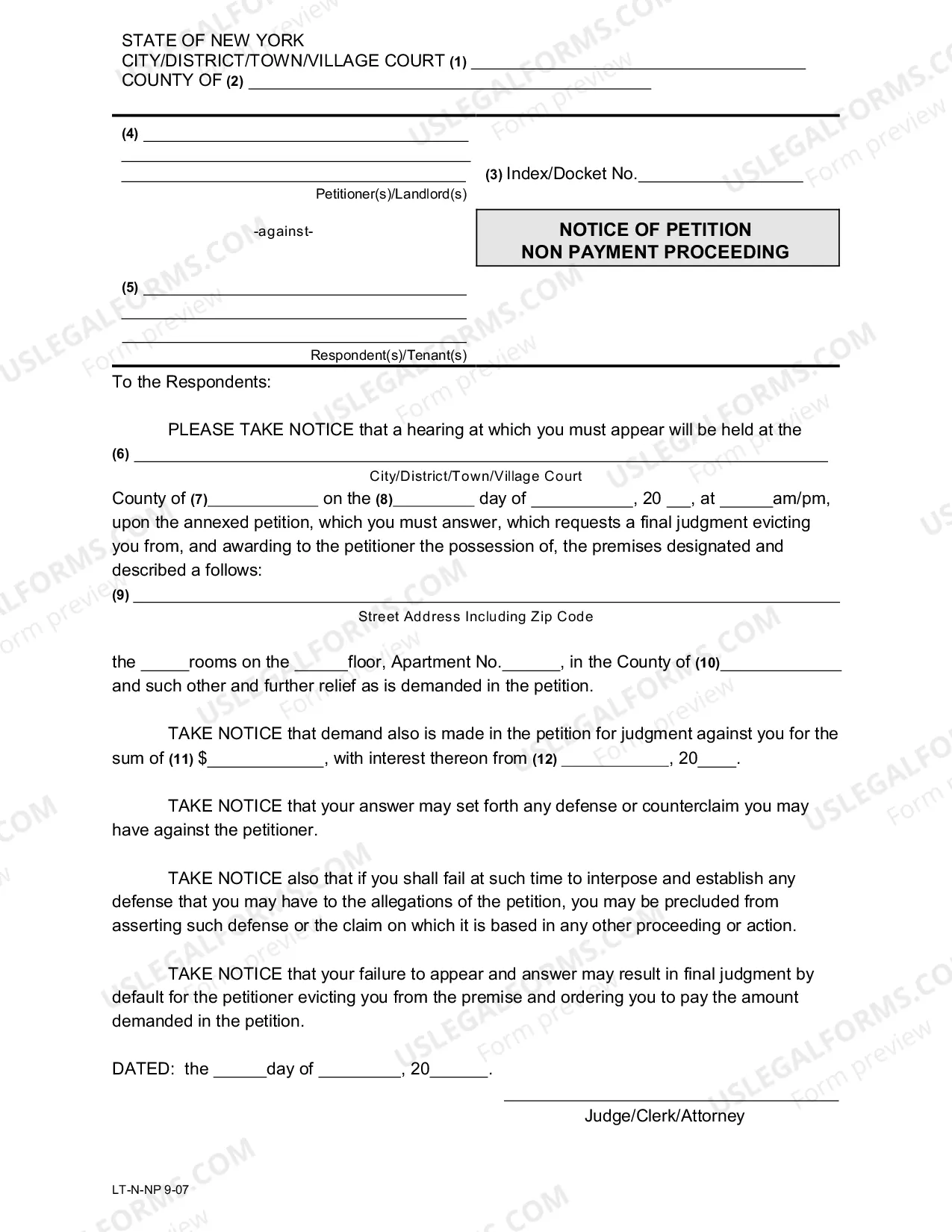
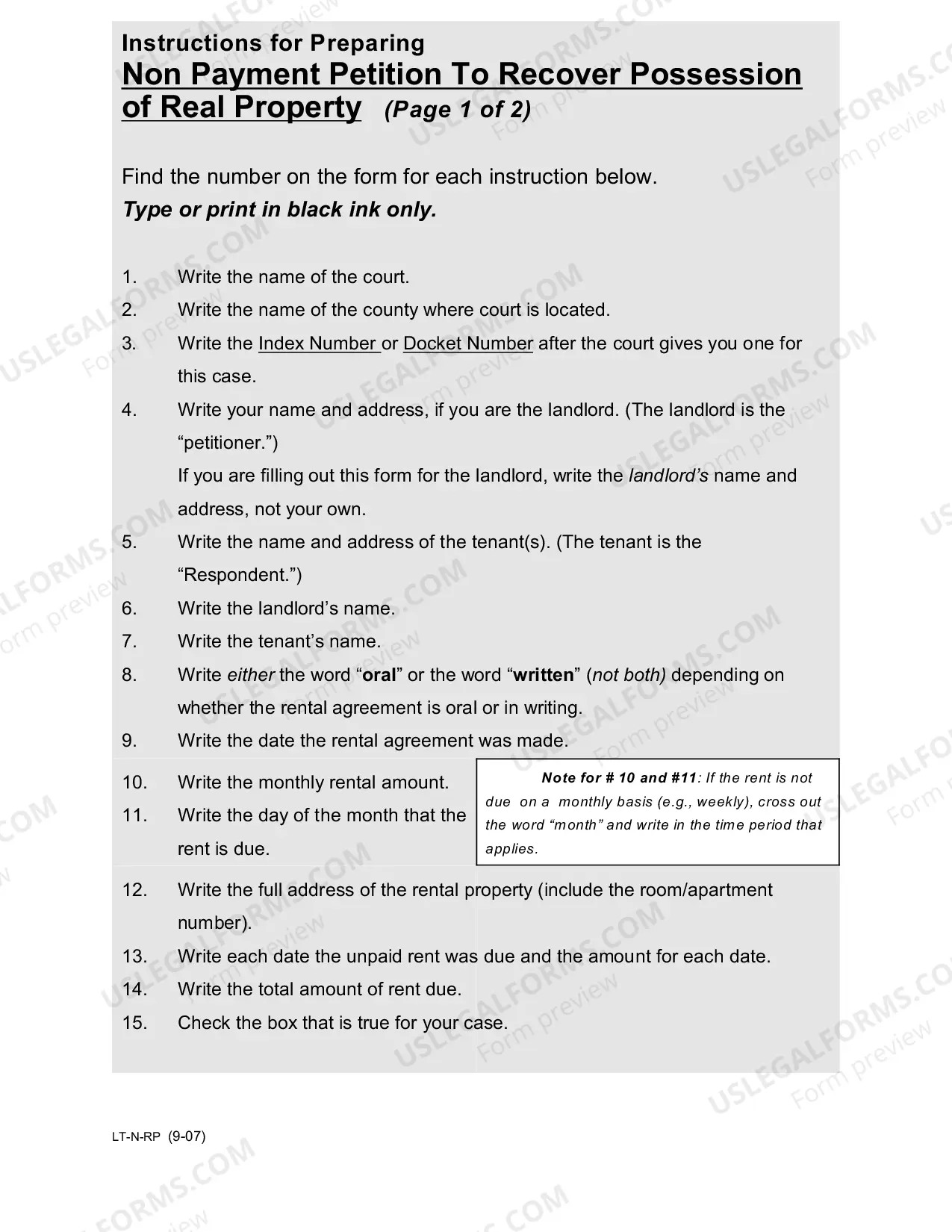
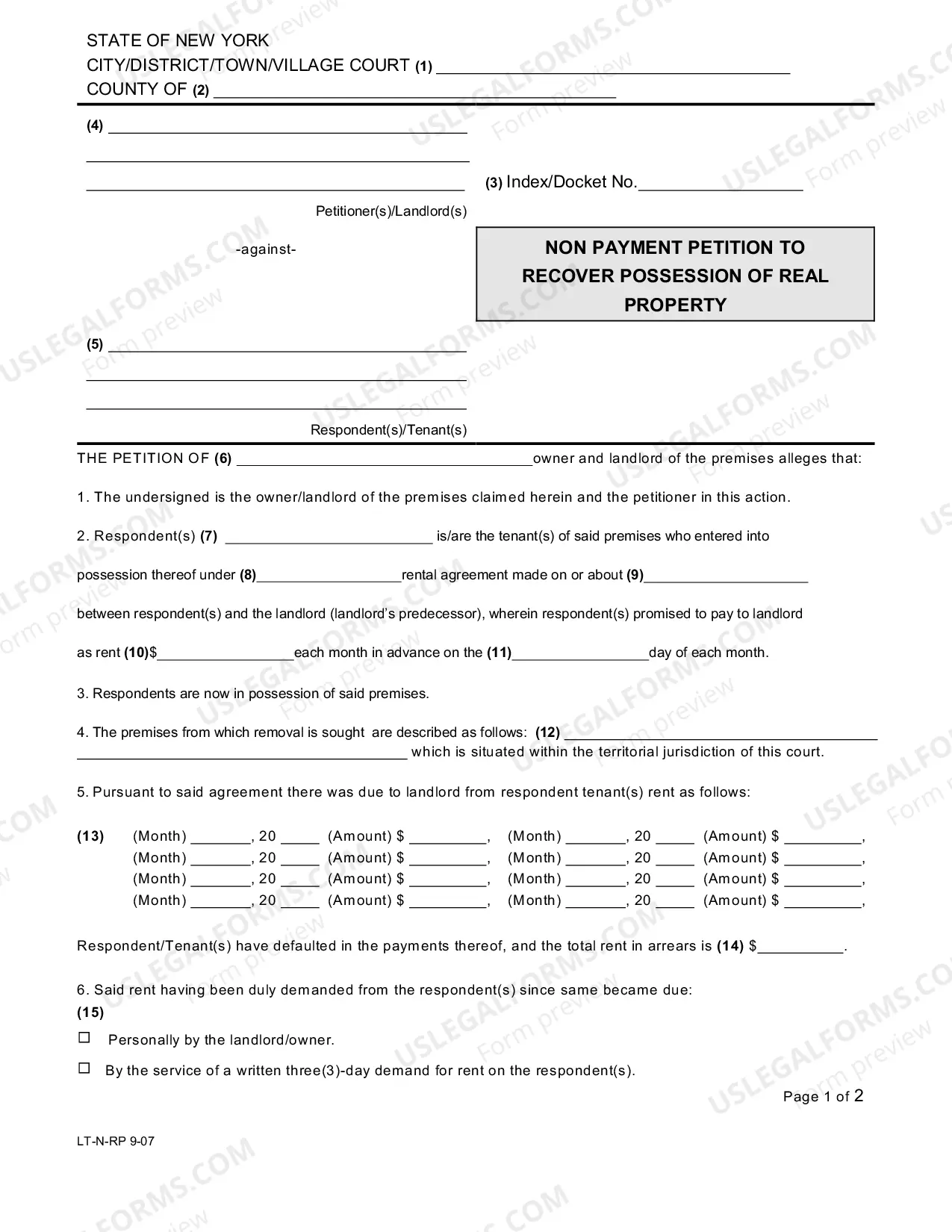
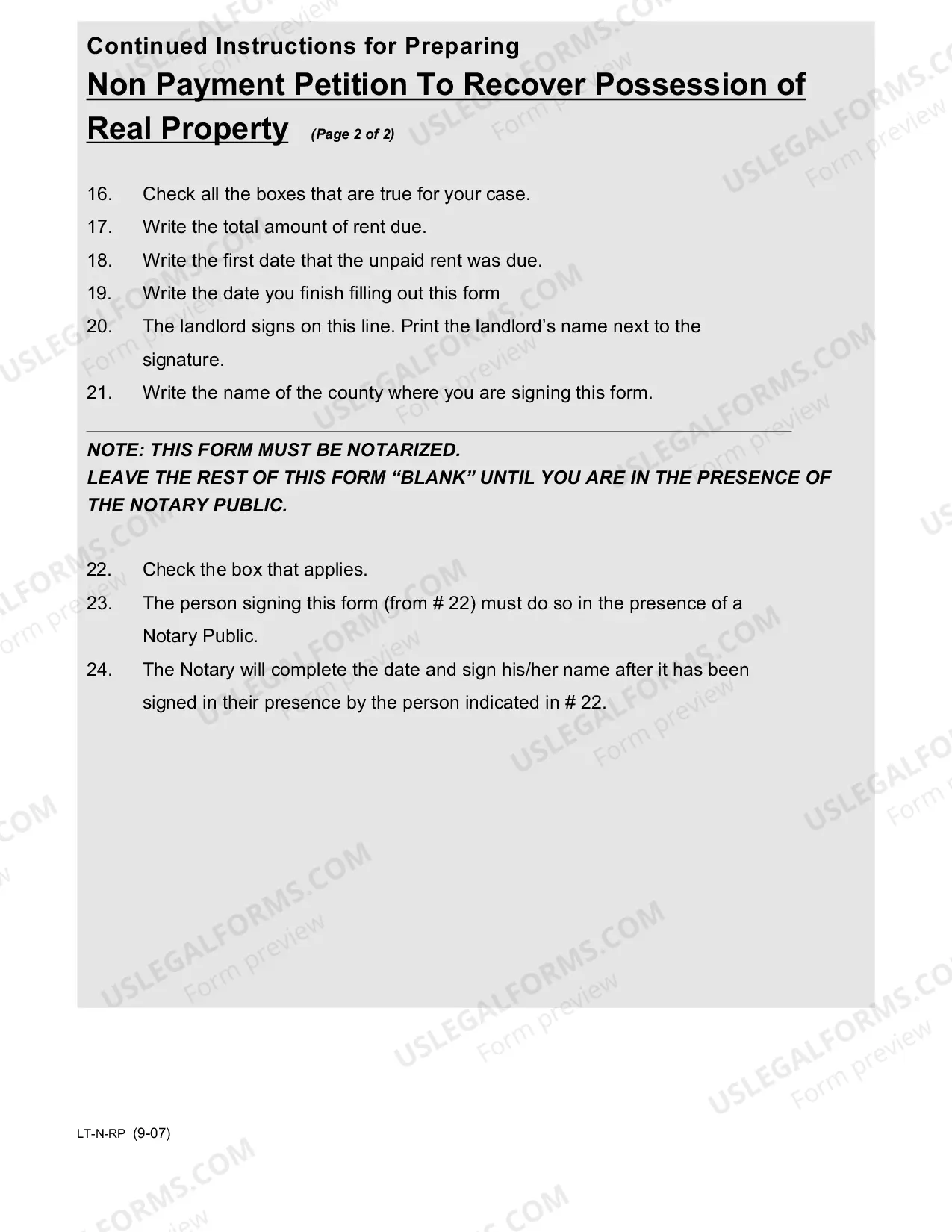
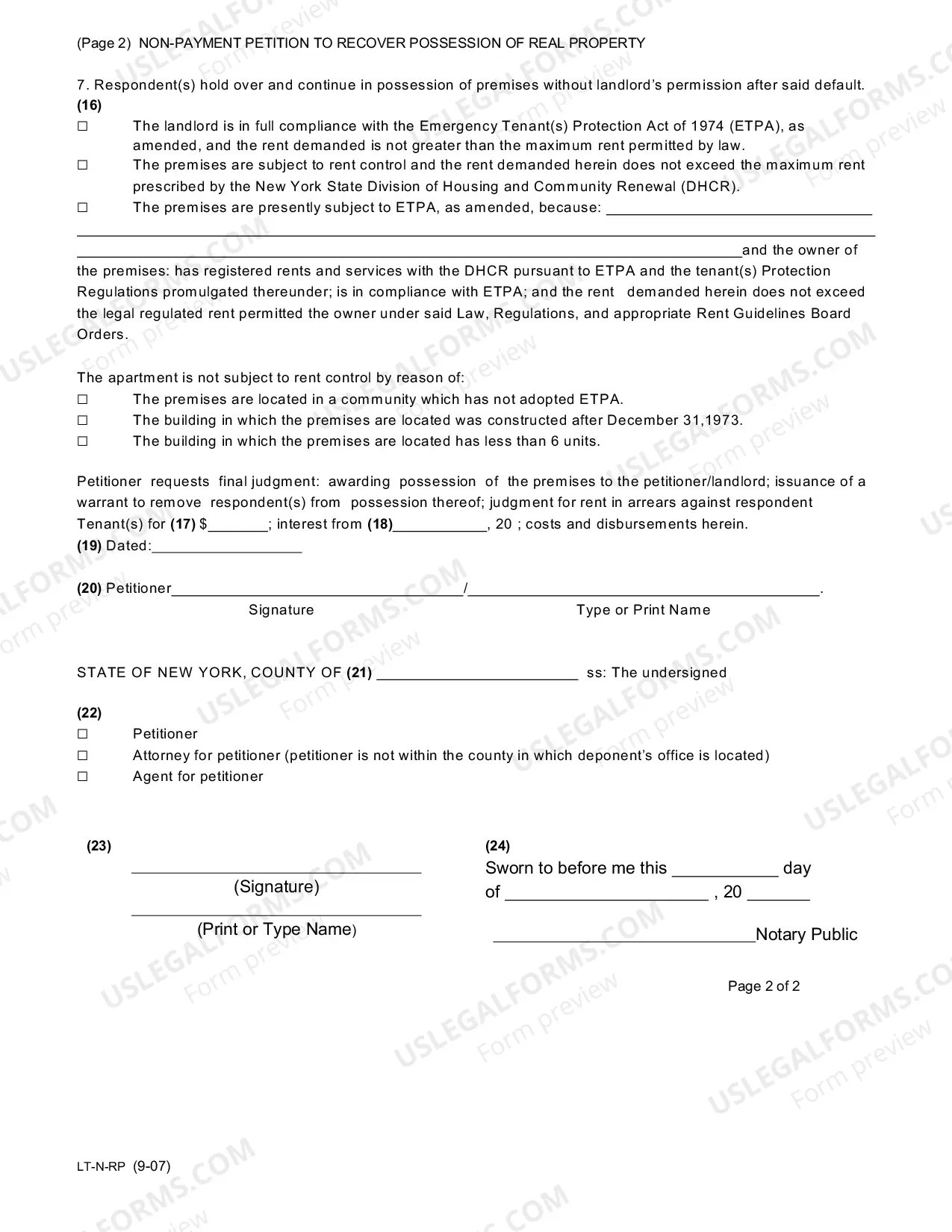

Get your form ready online
Our built-in tools help you complete, sign, share, and store your documents in one place.
Make edits, fill in missing information, and update formatting in US Legal Forms—just like you would in MS Word.
Download a copy, print it, send it by email, or mail it via USPS—whatever works best for your next step.
Sign and collect signatures with our SignNow integration. Send to multiple recipients, set reminders, and more. Go Premium to unlock E-Sign.
If this form requires notarization, complete it online through a secure video call—no need to meet a notary in person or wait for an appointment.
We protect your documents and personal data by following strict security and privacy standards.

Make edits, fill in missing information, and update formatting in US Legal Forms—just like you would in MS Word.

Download a copy, print it, send it by email, or mail it via USPS—whatever works best for your next step.

Sign and collect signatures with our SignNow integration. Send to multiple recipients, set reminders, and more. Go Premium to unlock E-Sign.

If this form requires notarization, complete it online through a secure video call—no need to meet a notary in person or wait for an appointment.

We protect your documents and personal data by following strict security and privacy standards.
Looking for another form?

How to fill out New York Landlord Non-Payment Forms Packet With Instructions?
US Legal Forms is the most simple and affordable way to locate suitable formal templates. It’s the most extensive web-based library of business and personal legal paperwork drafted and verified by lawyers. Here, you can find printable and fillable templates that comply with national and local regulations - just like your New York Landlord Non-Payment Forms Packet with Instructions.
Obtaining your template requires just a few simple steps. Users that already have an account with a valid subscription only need to log in to the web service and download the document on their device. Later, they can find it in their profile in the My Forms tab.
And here’s how you can get a professionally drafted New York Landlord Non-Payment Forms Packet with Instructions if you are using US Legal Forms for the first time:
- Look at the form description or preview the document to make sure you’ve found the one corresponding to your needs, or locate another one using the search tab above.
- Click Buy now when you’re certain about its compatibility with all the requirements, and judge the subscription plan you prefer most.
- Register for an account with our service, log in, and pay for your subscription using PayPal or you credit card.
- Select the preferred file format for your New York Landlord Non-Payment Forms Packet with Instructions and save it on your device with the appropriate button.
After you save a template, you can reaccess it whenever you want - simply find it in your profile, re-download it for printing and manual fill-out or import it to an online editor to fill it out and sign more efficiently.
Take full advantage of US Legal Forms, your reliable assistant in obtaining the required formal paperwork. Give it a try!
Form popularity
FAQ
Effective April 7, 2022, the New York statute of limitations for debt/rent collection lawsuits arising out of a consumer credit transaction is reduced from six years to three years.
Overview. In New York State, an eviction of a tenant is lawful only if an owner has brought a court proceeding and obtained a judgment of possession from the court. A sheriff, marshal or constable can carry out a court ordered eviction. An owner may not evict a tenant by use of force or unlawful means.
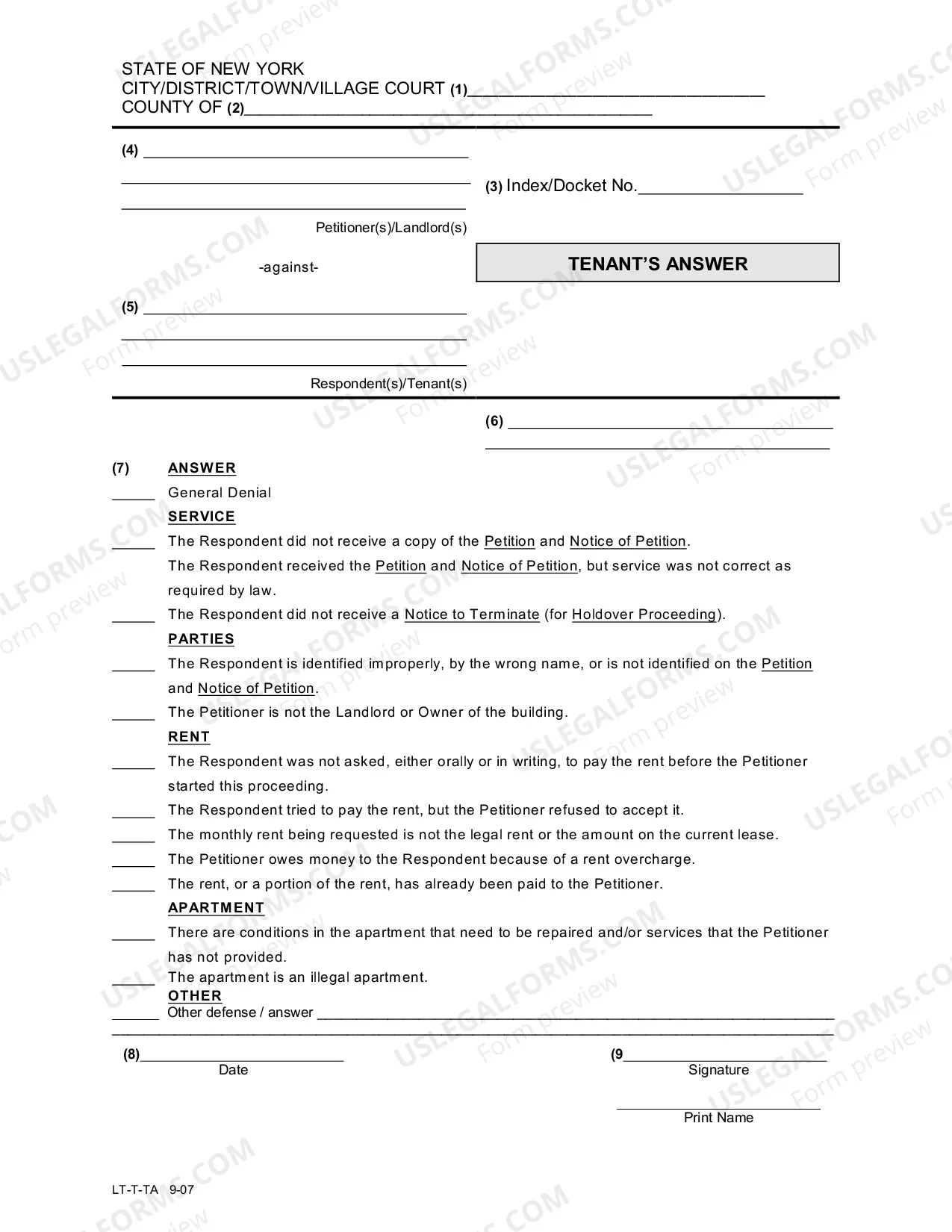
Step 1: File a non-payment petition that details the missed dates or rental periods and the total amount owed. Step 2: Have the petition notarized. Step 3: Submit the petition and other required forms to the Landlord-Tenant Clerk's Office. Step 4: Pay the fees and claim a court index number.
A rent payment can only be considered late if it is received more than five days after it is due. The most your landlord can charge as a late fee is $50 or 5% of your monthly rent, whichever is less.
To begin the eviction lawsuit for nonpayment of rent, the landlord must file a petition with the district court or housing court of the county in which the rental unit is located. The court will assign a date for a hearing before a judge, and the tenant will be notified of the proceedings.
Building owners must notify the tenant that rent is late, what the balance is, and that, if not paid, the tenant will be evicted. Three days after notice is given or oral demand for the rent is made, the owner may file a nonpayment proceeding in Housing Court and serve papers on the tenant.
Eviction Proceedings Building owners must notify the tenant that rent is late, what the balance is, and that, if not paid, the tenant will be evicted. Three days after notice is given or oral demand for the rent is made, the owner may file a nonpayment proceeding in Housing Court and serve papers on the tenant.