New York Special Durable Power of Attorney for Bank Account Matters
Description
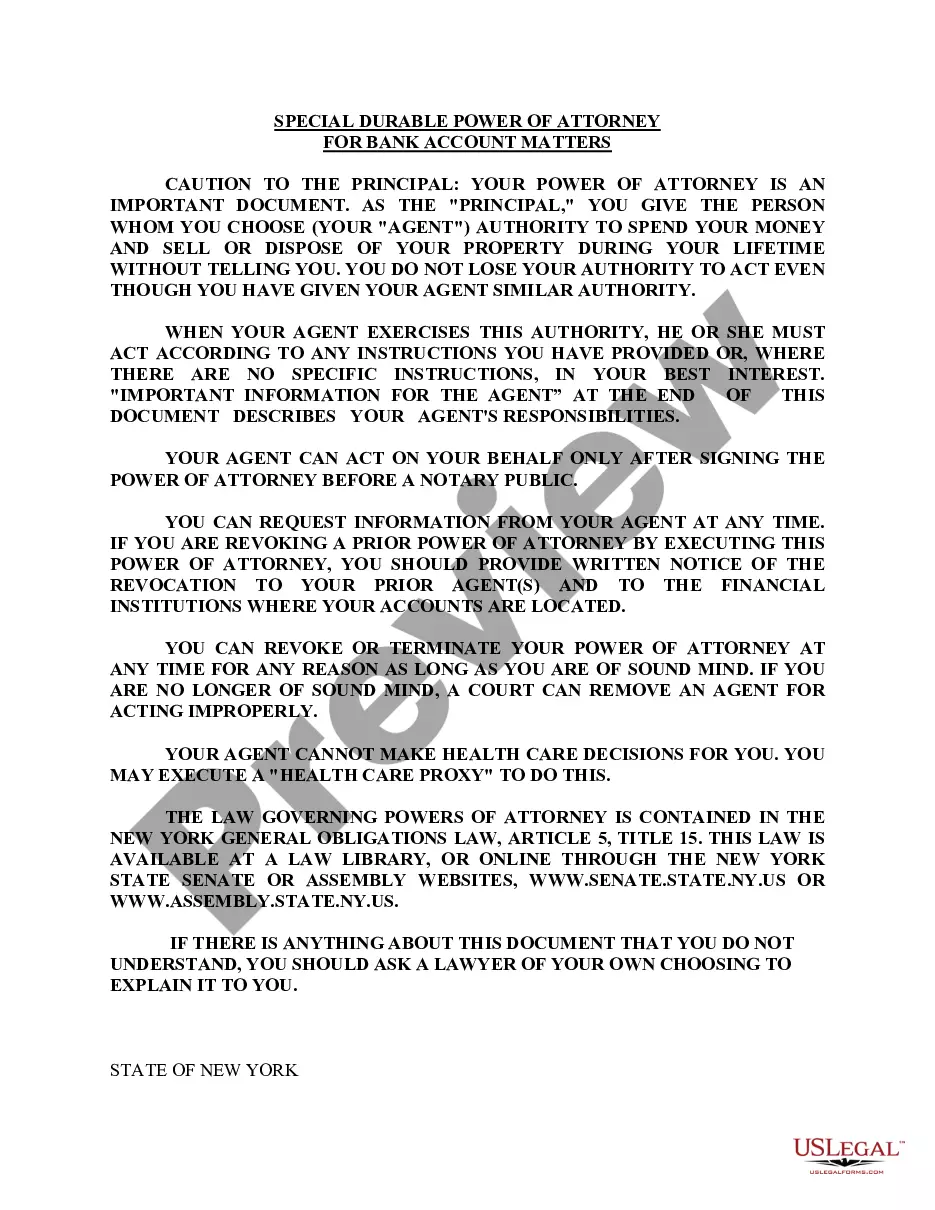
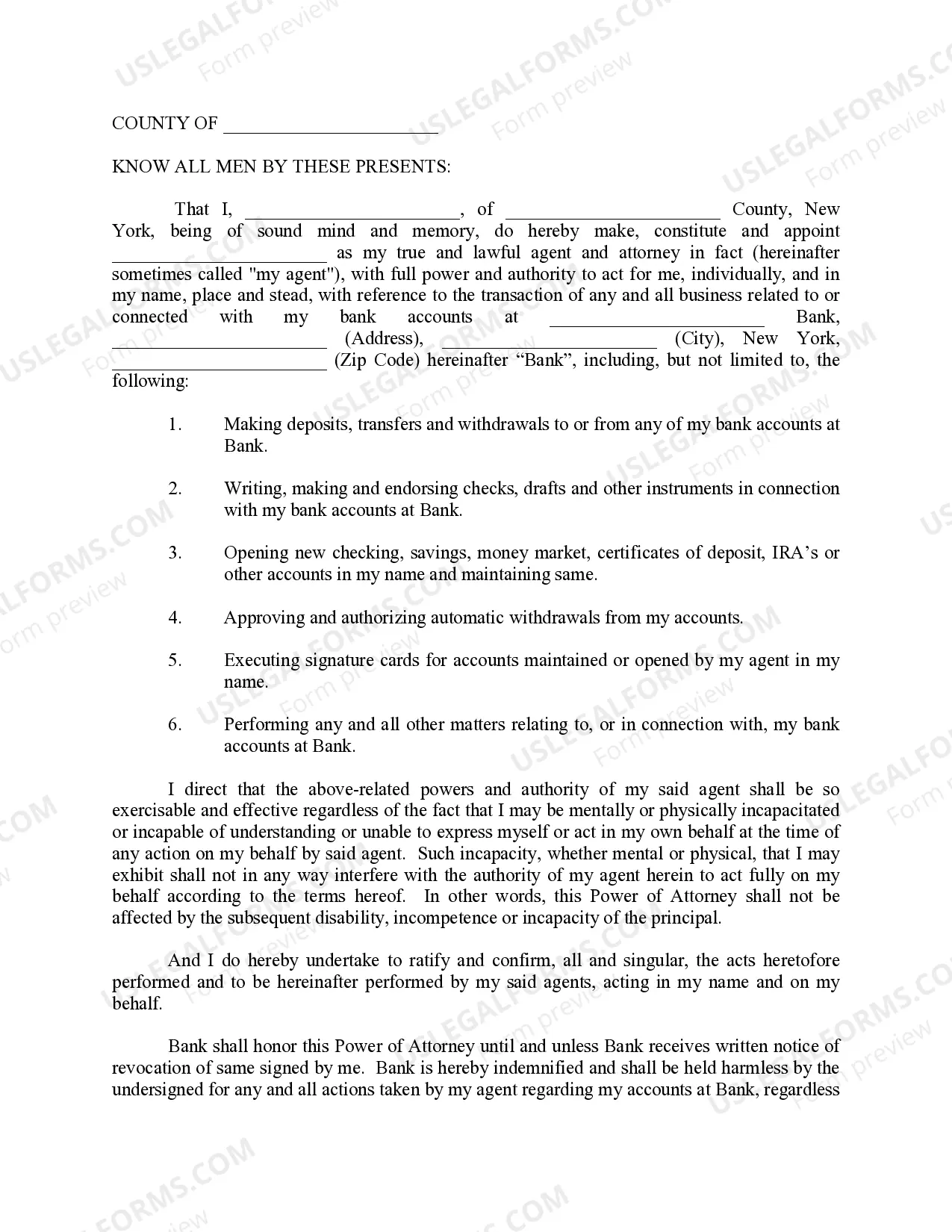
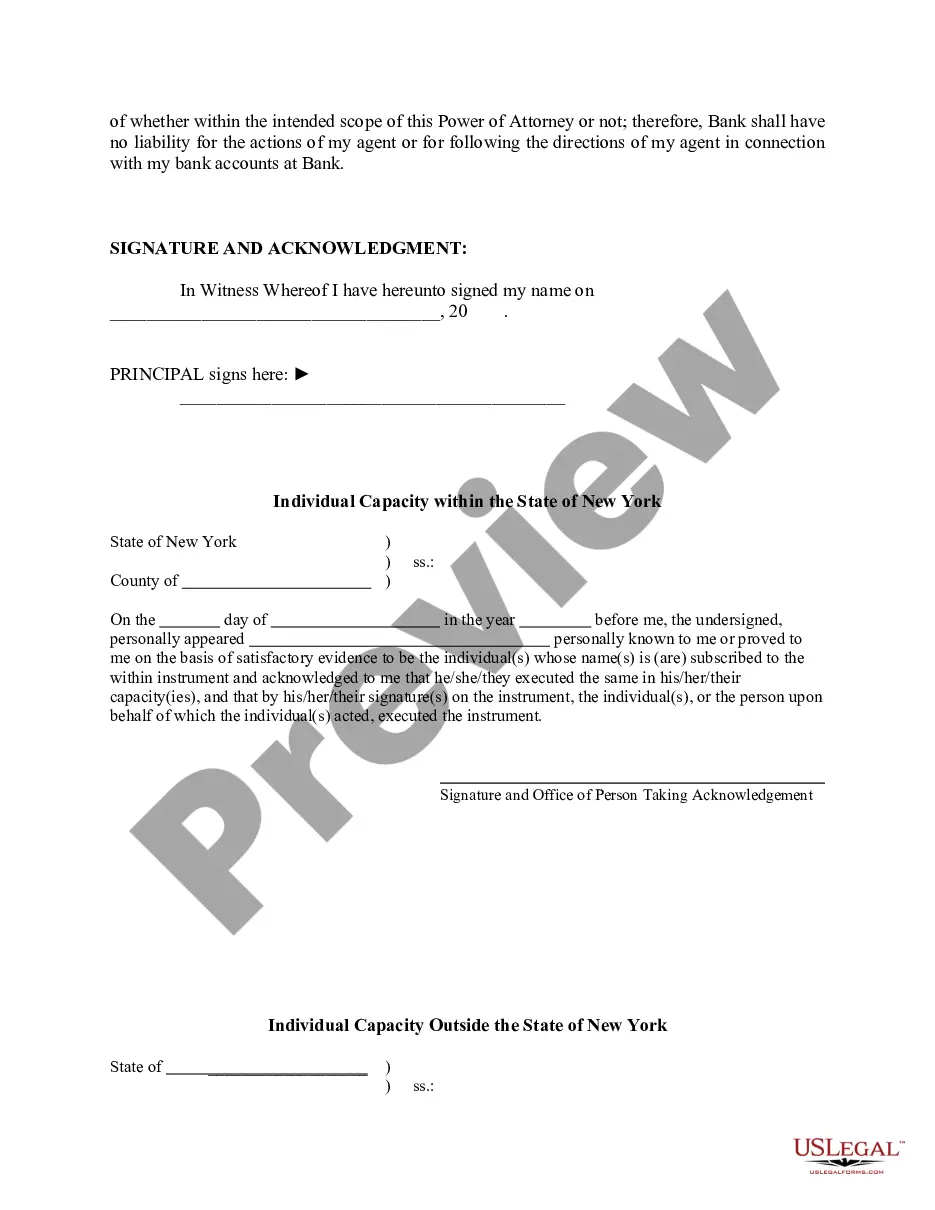
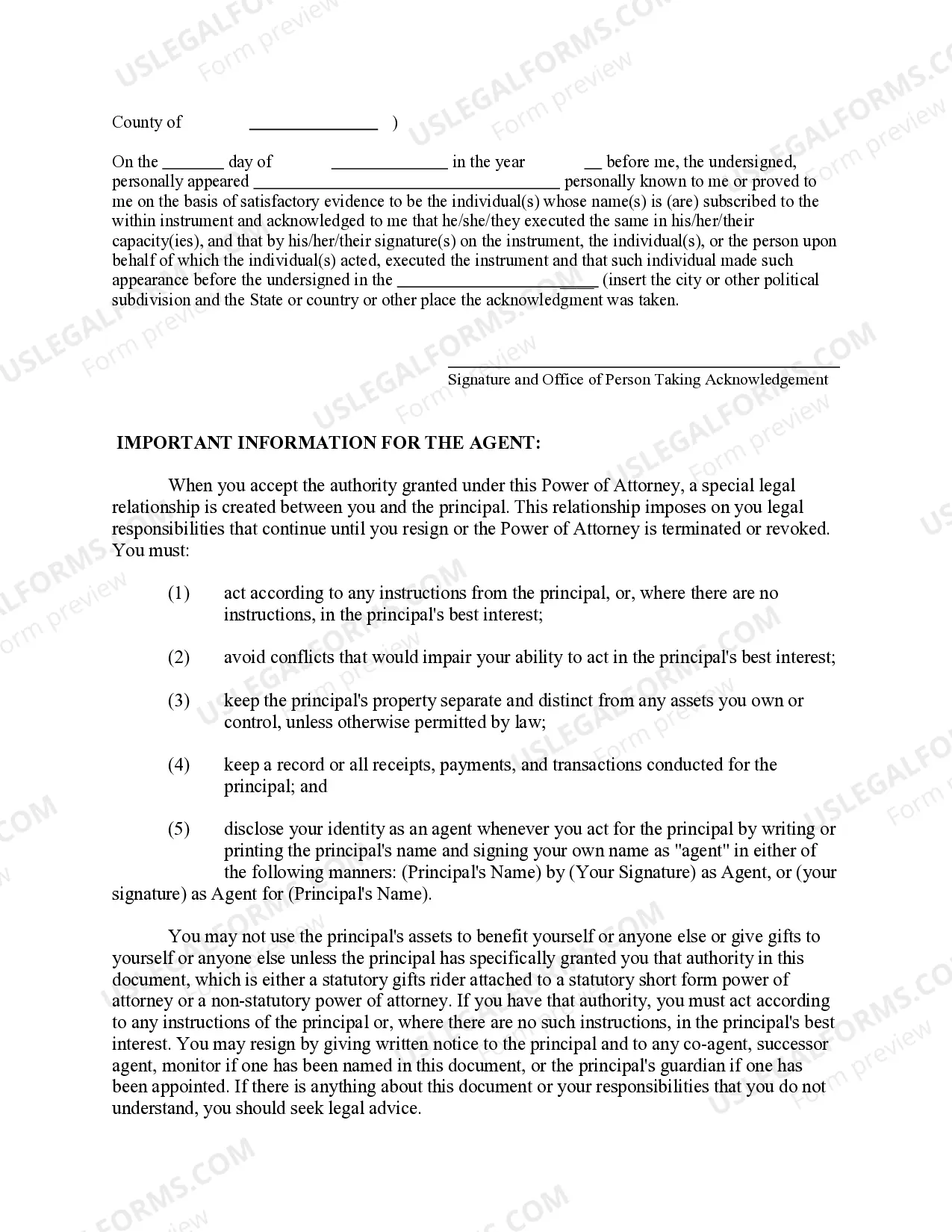
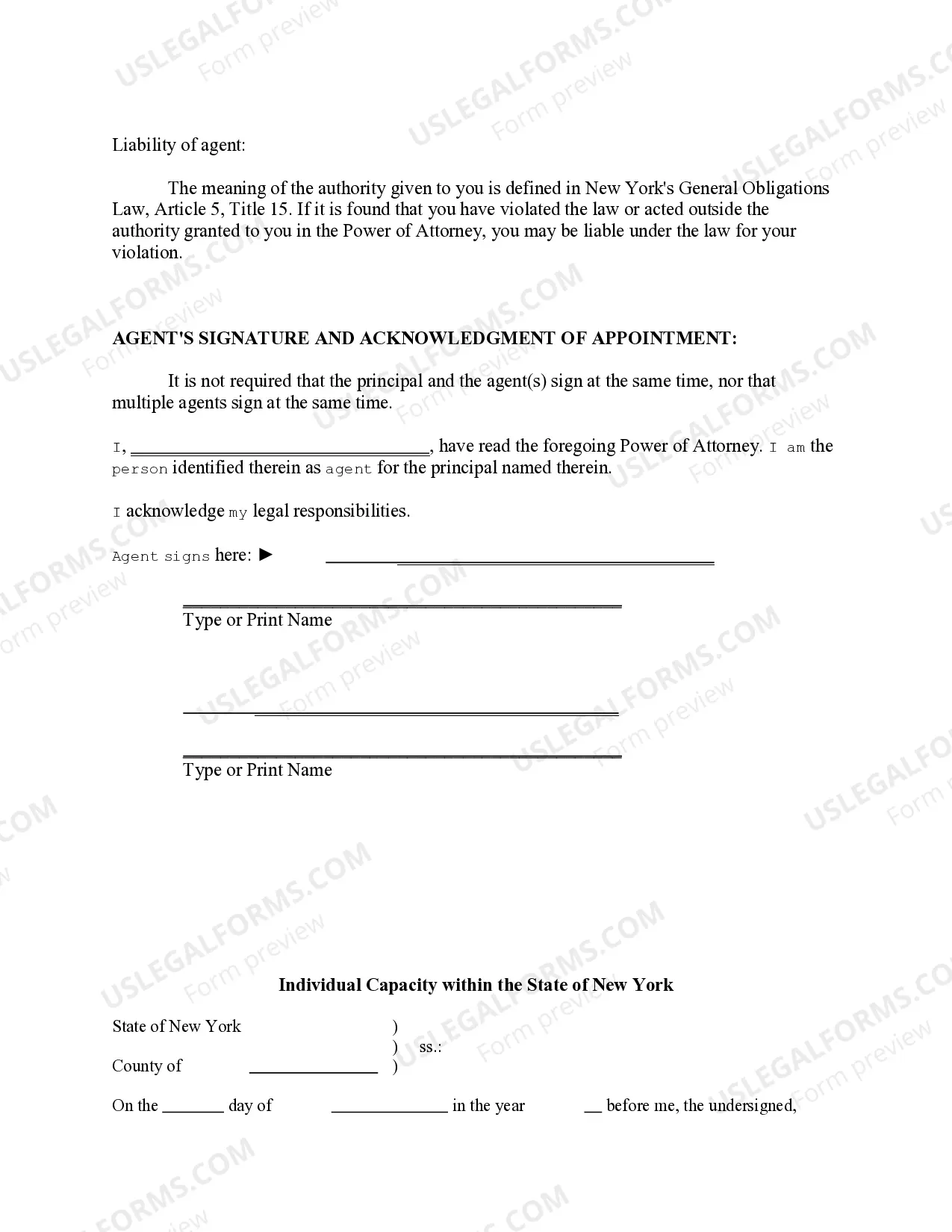
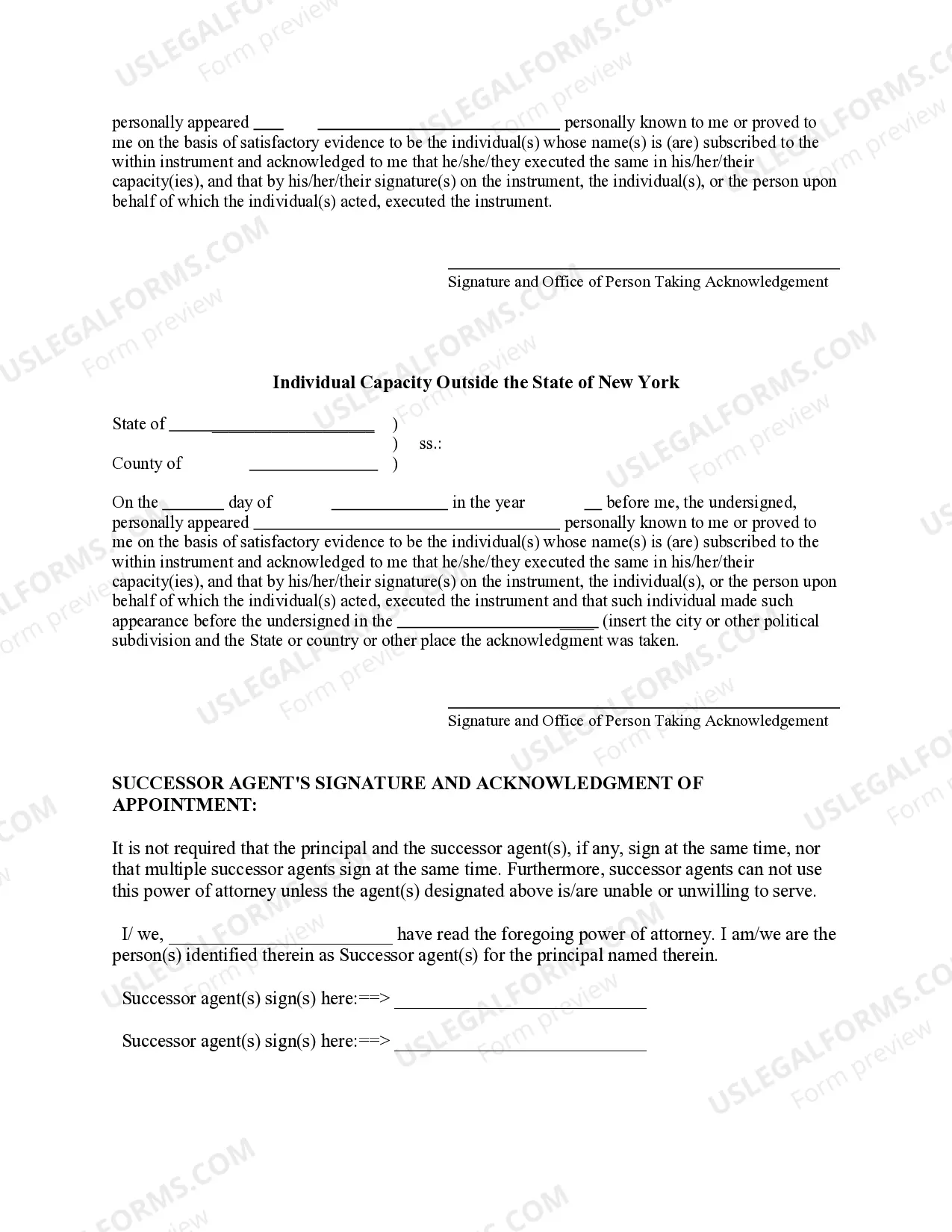
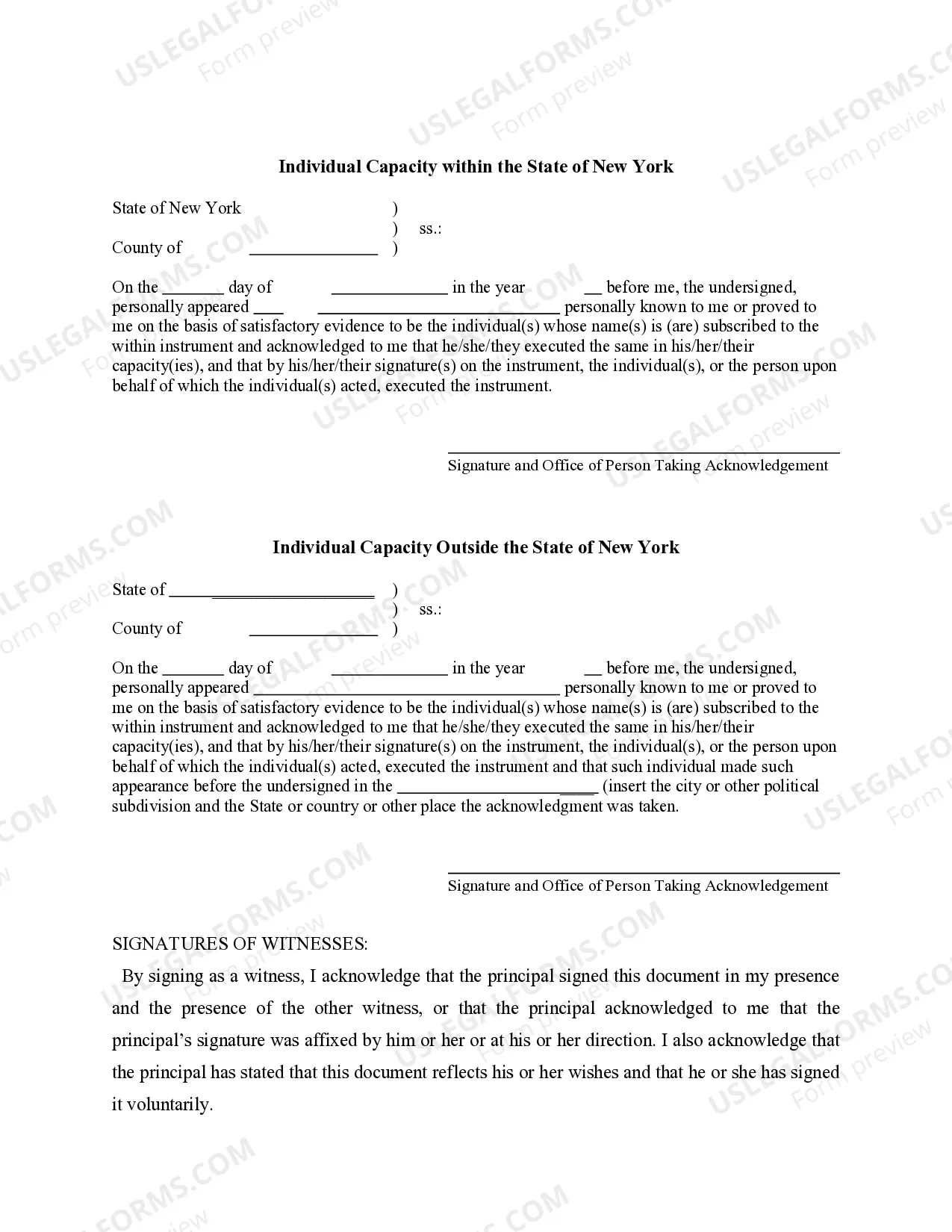
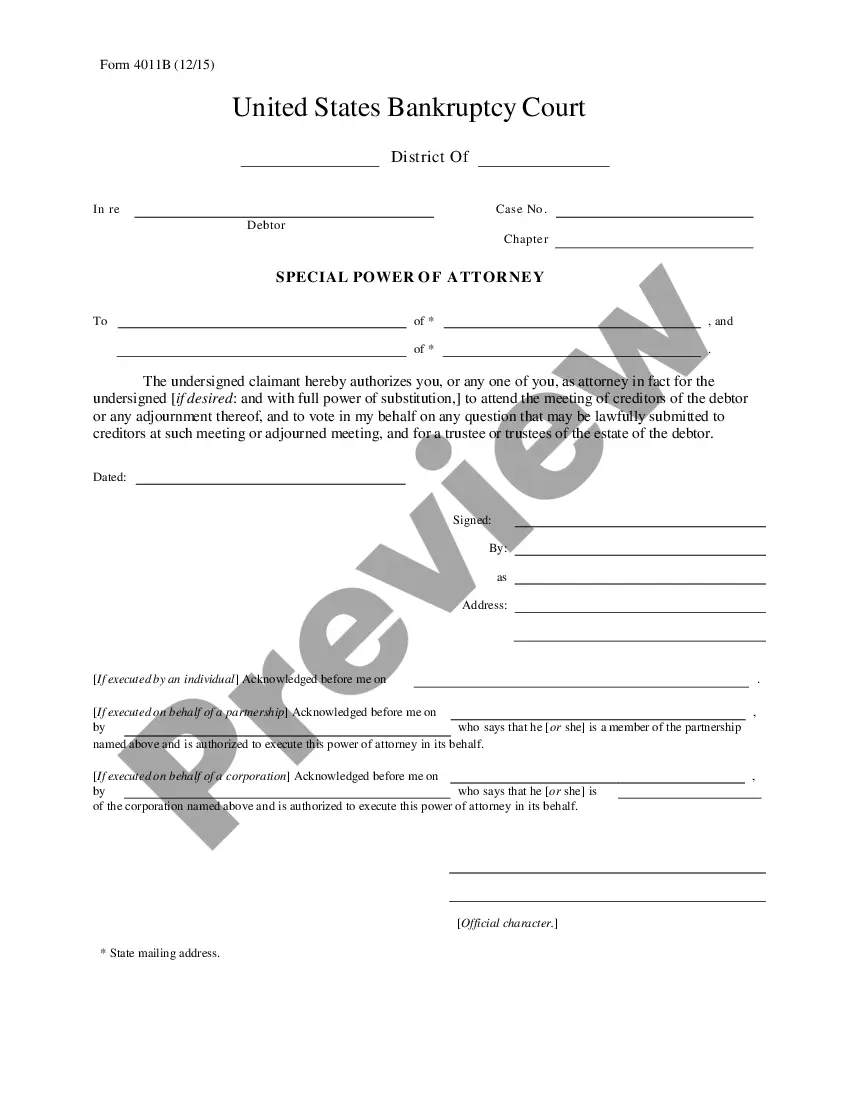
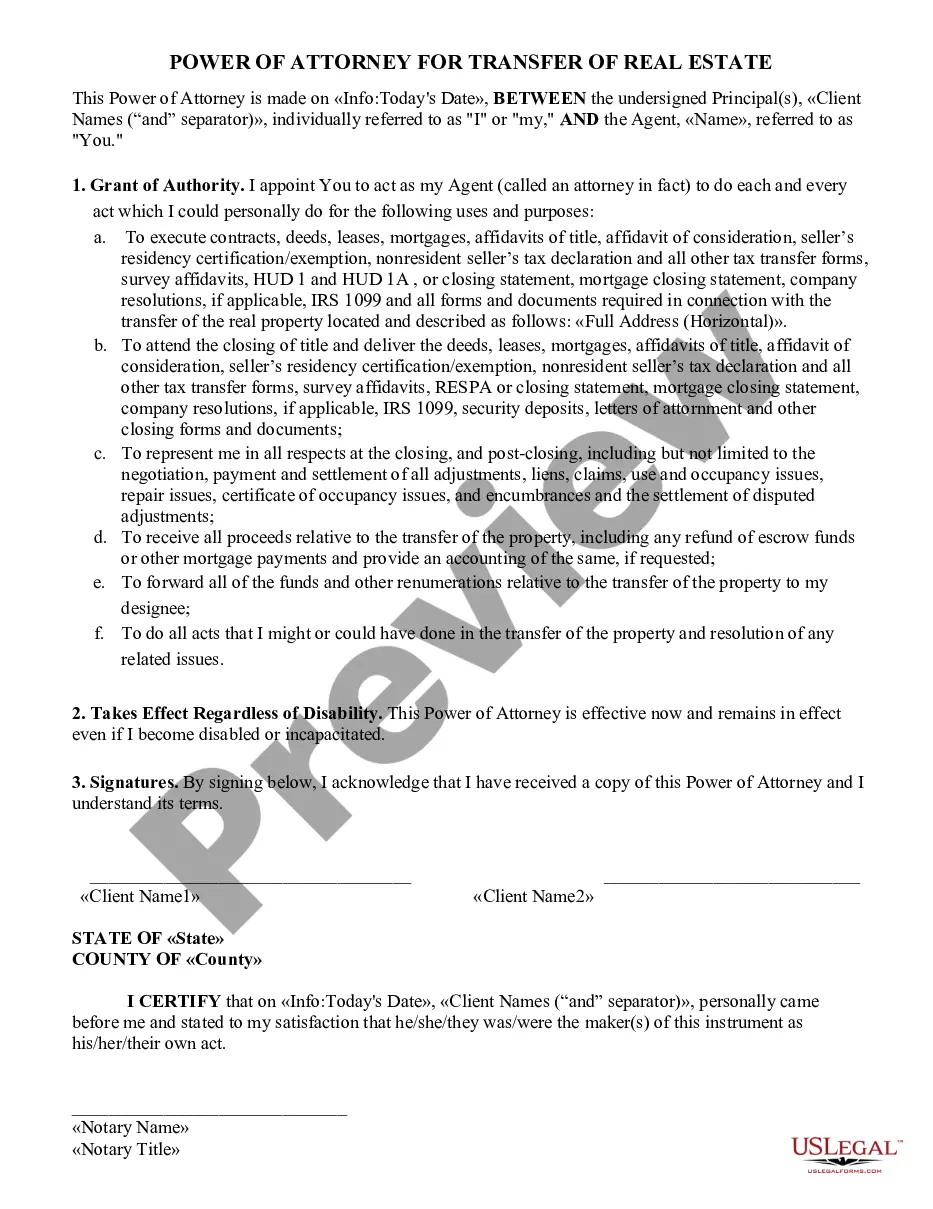
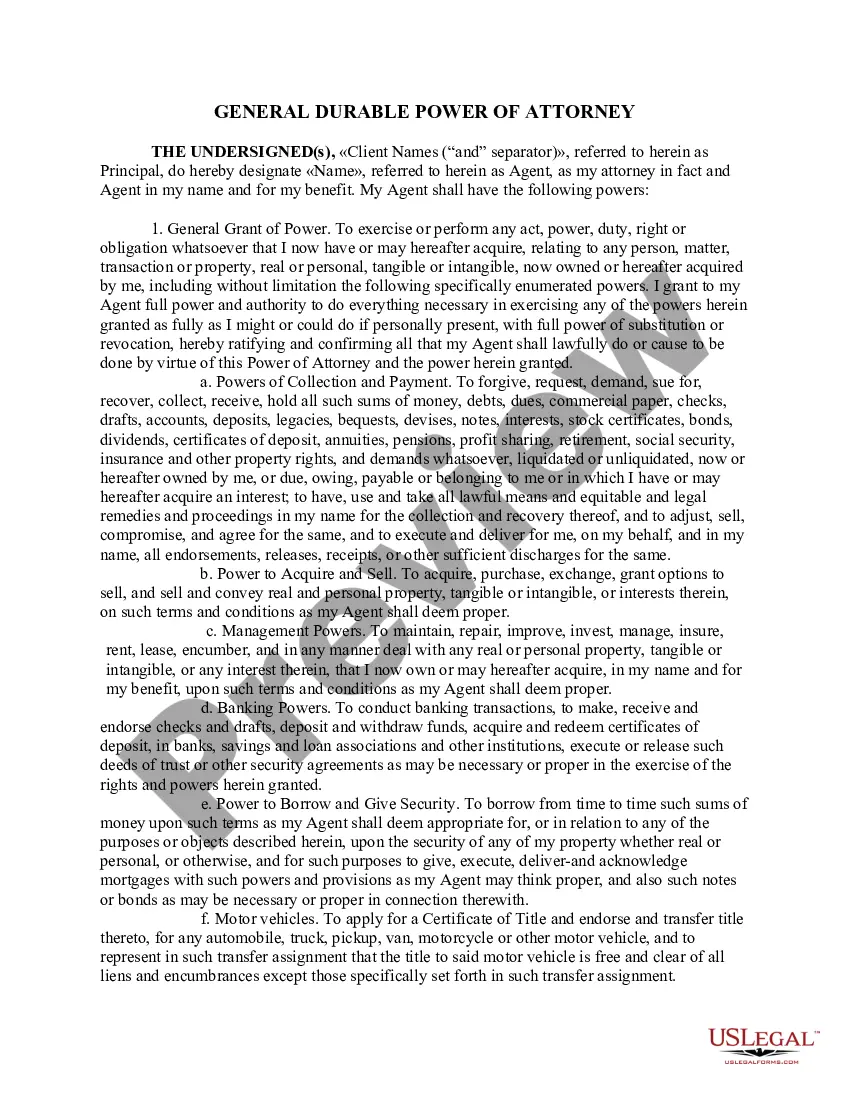
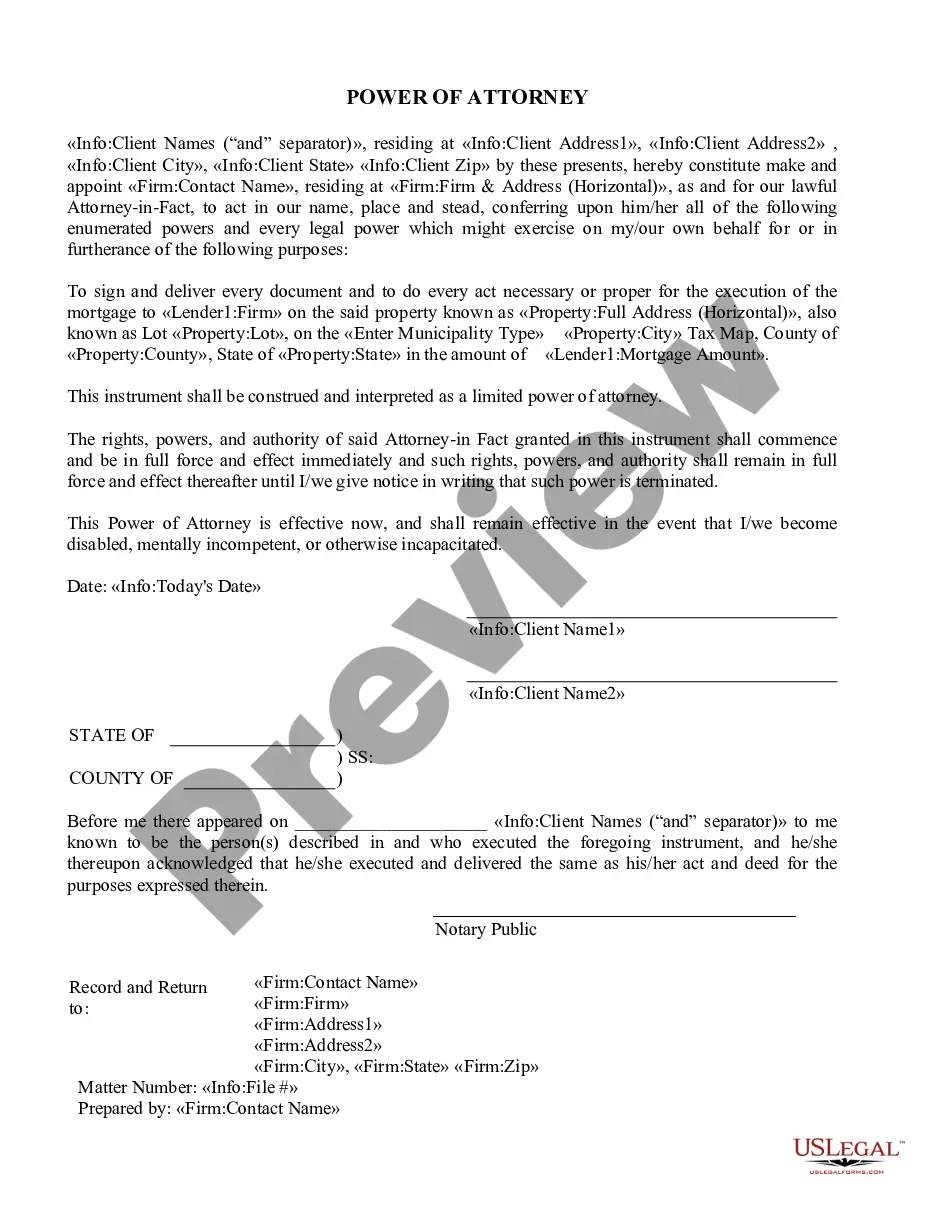

How to fill out New York Special Durable Power Of Attorney For Bank Account Matters?
In terms of completing New York Special Durable Power of Attorney for Bank Account Matters, you probably visualize an extensive process that involves getting a appropriate form among countless very similar ones and after that being forced to pay a lawyer to fill it out to suit your needs. On the whole, that’s a sluggish and expensive option. Use US Legal Forms and select the state-specific document within clicks.
If you have a subscription, just log in and click Download to find the New York Special Durable Power of Attorney for Bank Account Matters template.
If you don’t have an account yet but want one, follow the step-by-step manual below:
- Be sure the document you’re downloading applies in your state (or the state it’s required in).
- Do so by reading the form’s description and through visiting the Preview function (if offered) to find out the form’s content.
- Click Buy Now.
- Find the proper plan for your budget.
- Join an account and choose how you want to pay: by PayPal or by credit card.
- Download the document in .pdf or .docx file format.
- Find the file on your device or in your My Forms folder.
Professional lawyers draw up our samples to ensure that after downloading, you don't have to worry about editing and enhancing content material outside of your personal details or your business’s details. Be a part of US Legal Forms and get your New York Special Durable Power of Attorney for Bank Account Matters sample now.
Form popularity
FAQ
Financial powers of attorney usually include the right to open bank accounts, withdraw funds from bank accounts, trade stock, pay bills, and cash checks. They could also include the right to give gifts. Medical powers of attorney allow the agent to make health care decisions.
Through the use of a valid Power of Attorney, an Agent can sign checks for the Principal, withdraw and deposit funds from the Principal's financial accounts, change or create beneficiary designations for financial assets, and perform many other financial transactions.
But because of the risk of abuse, many banks will scrutinize a POA carefully before allowing the agent to act on the principal's behalf, and often a bank will refuse to honor a POA.The agent fought back in court and won a $64,000 judgment against the bank.
If you want your attorney to deal with any real estate you own in NSW, then the Power of Attorney document must be registered with the NSW Land Registry Services. Otherwise, there is no requirement for your Power of Attorney to be registered.
An agent cannot:Make decisions on behalf of the principal after their death.However, unless the principal named a co-agent or alternate agent in the same POA document or is still competent to appoint someone else to act on their behalf, an agent cannot choose who takes over their duties.
While laws vary between states, a POA can't typically add or remove signers from your bank account unless you include this responsibility in the POA document.If you don't include a clause giving the POA this authority, then financial institutions won't allow your POA to make ownership changes to your accounts.
The POA retains access to any of the decedent's assets that name them as a joint owner or payable-on-death (POD) or transfer-on-death (TOD) beneficiary. Assets that commonly carry POD/TOD designations or can be jointly titled include life insurance proceeds, bank accounts, retirement accounts and brokerage accounts.
A power of attorney allows an agent to access the principal's bank accounts, either as a general power or a specific power. If the document grants an agent power over that account, they must provide a copy of the document along with appropriate identification to access the bank account.