New York Certificate of Title
Overview of this form
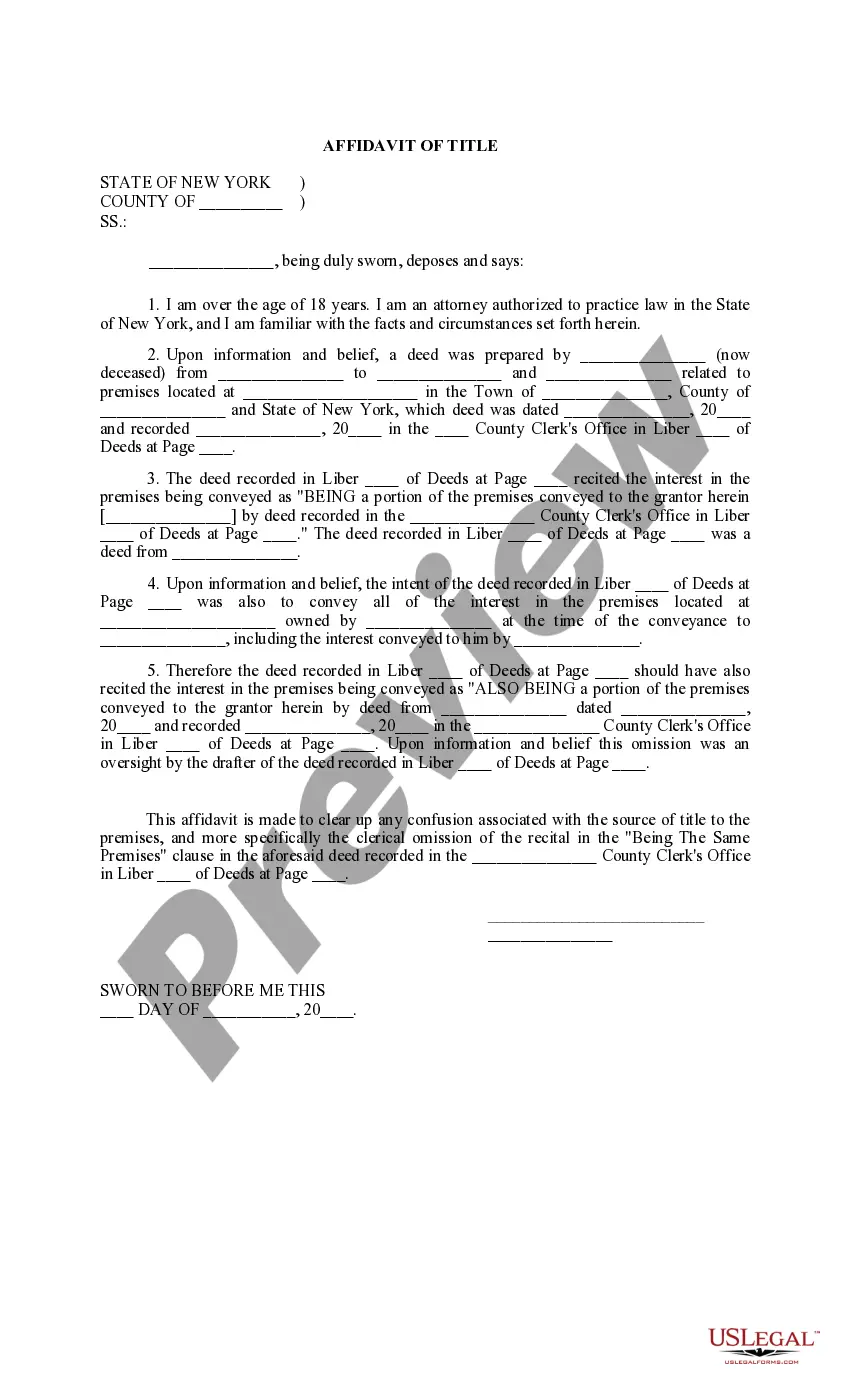
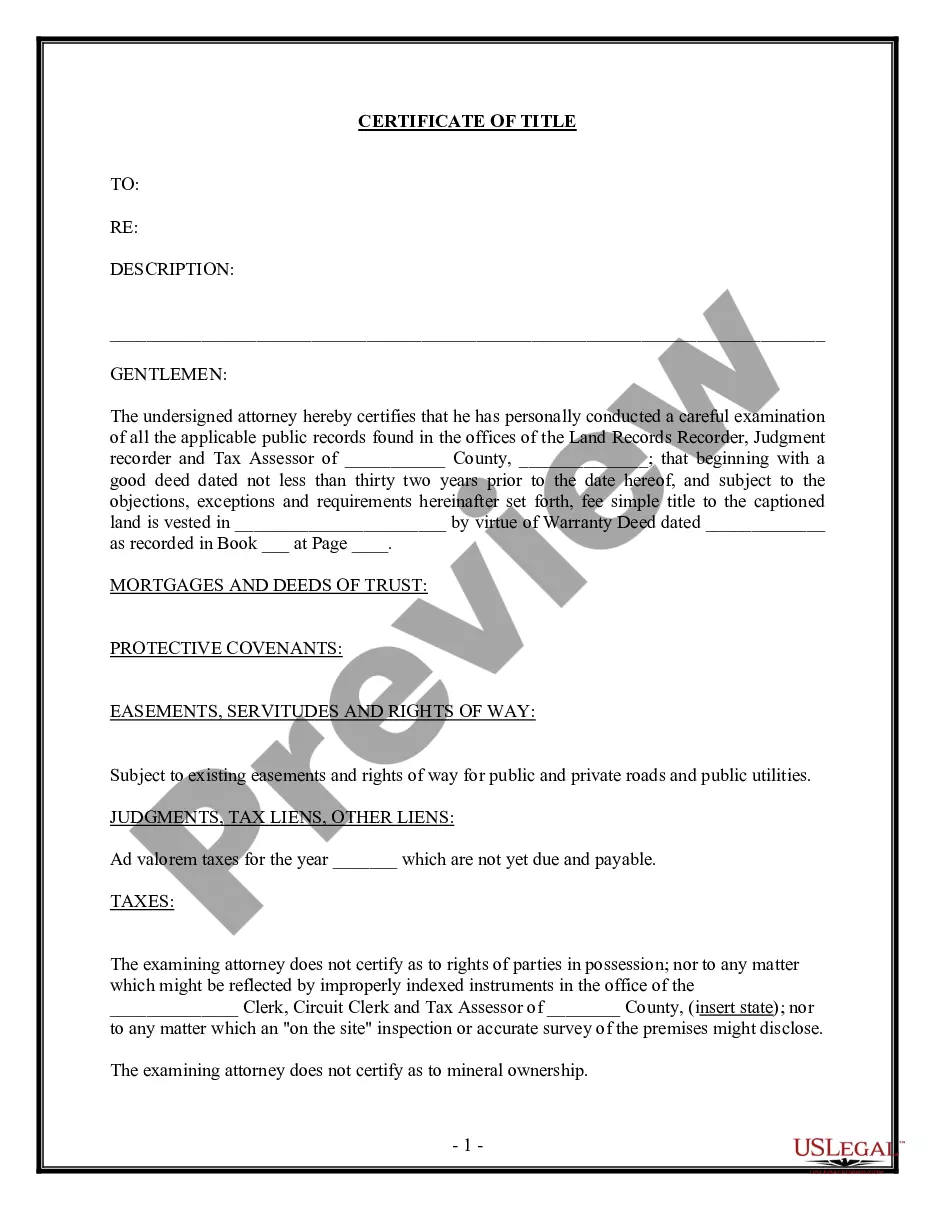
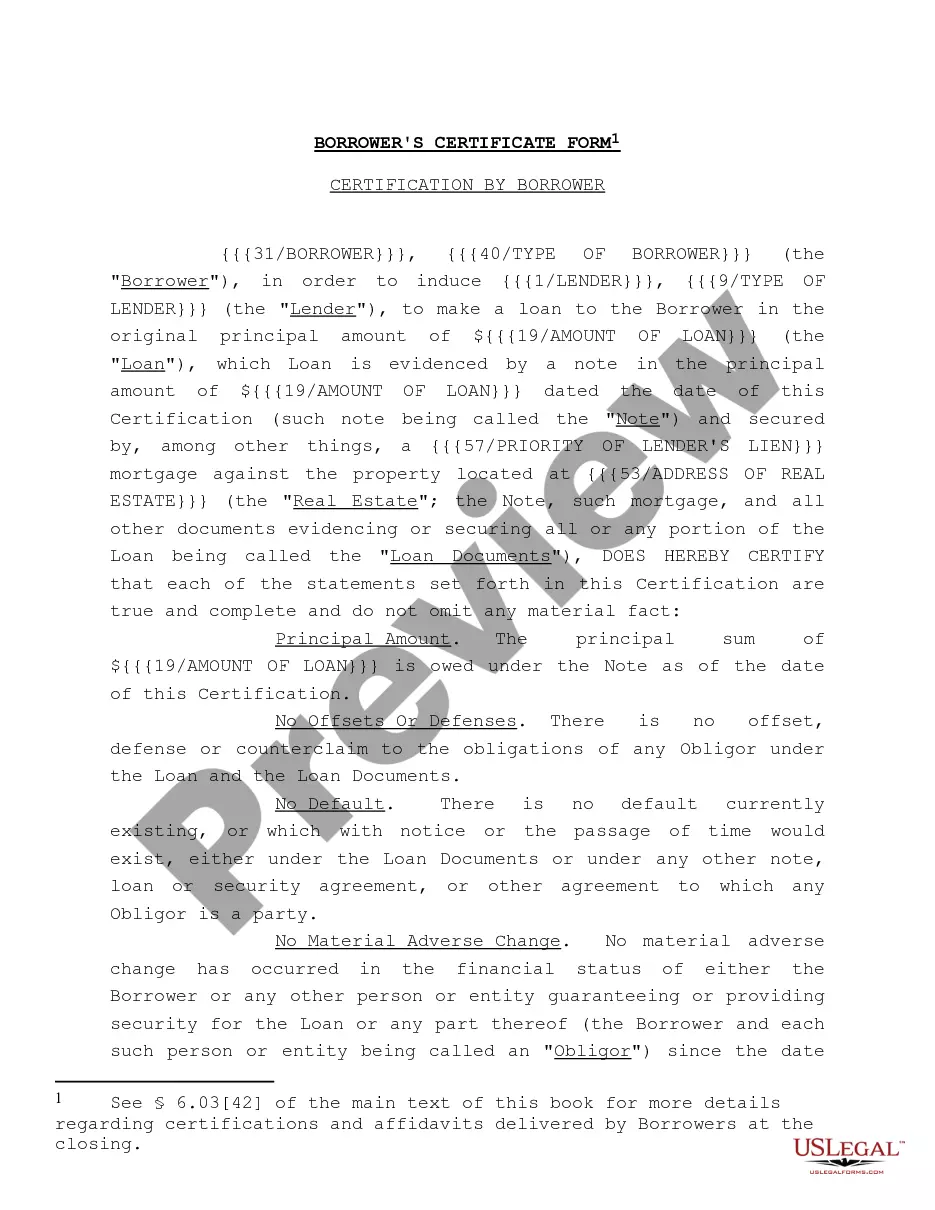
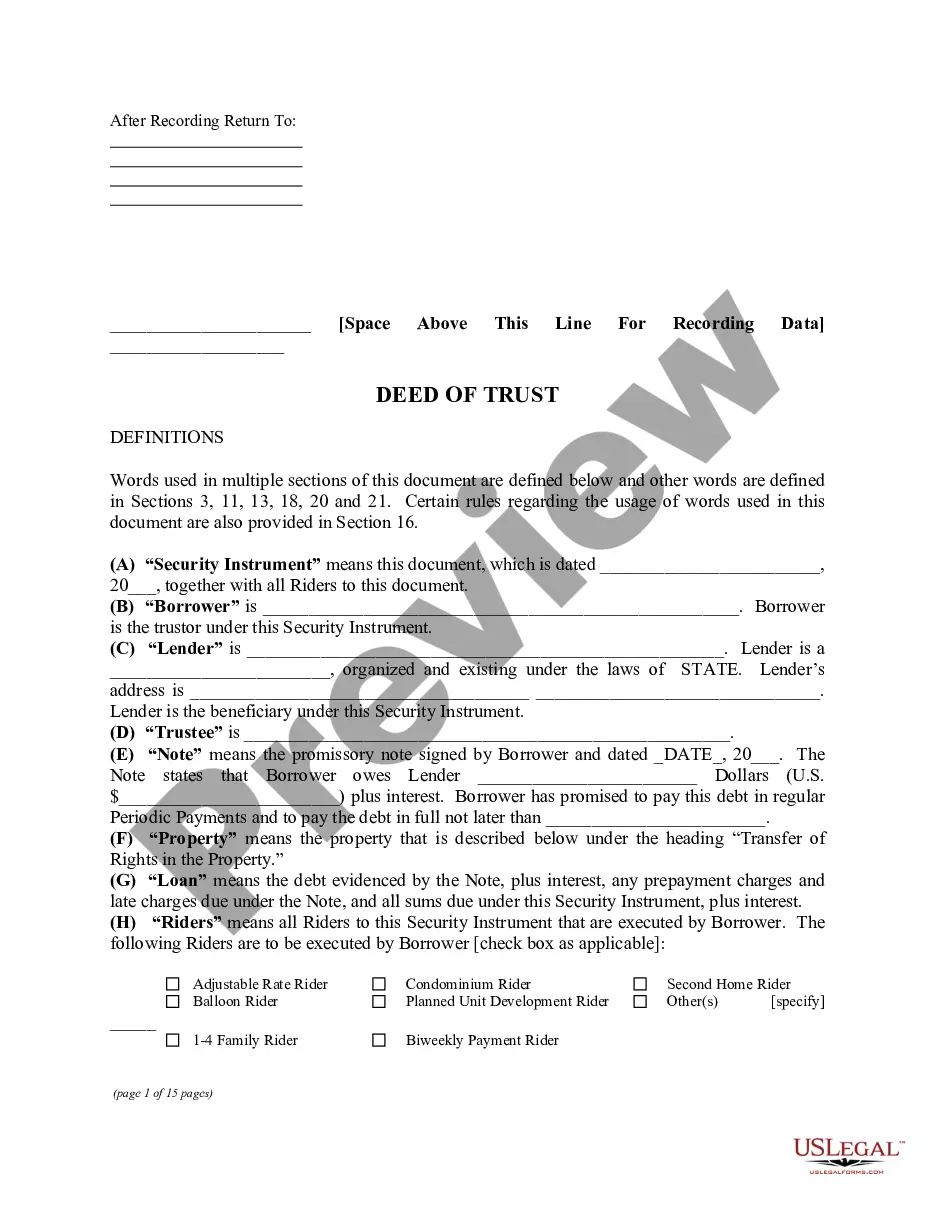
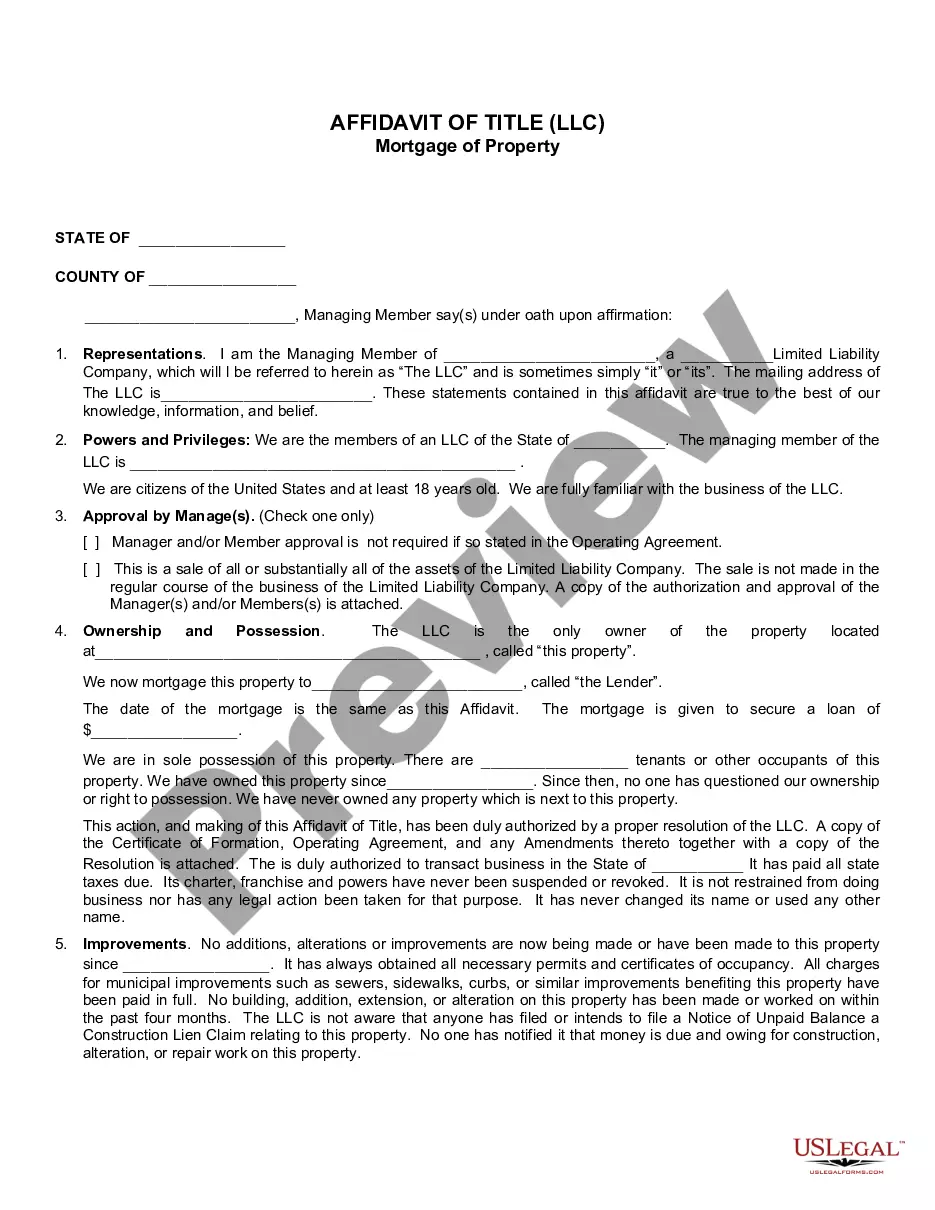
The Certificate of Title is an affidavit designed to clarify the source of title to a property. This document is particularly useful when there is confusion or a clerical omission in the recorded deed affecting the ownership. Unlike other title documents, the Certificate of Title specifically addresses discrepancies and the legal intentions behind them, ensuring clear ownership and title transfer for real estate transactions.
Key components of this form
- Affiant's declaration of age and legal authority.
- Details of the original deed, including parties involved and recording information.
- Assertion of the intent behind the deed and any discrepancies noted.
- Affidavit purpose statement to clarify title confusion.
- Notary acknowledgment to validate the affidavit.
When to use this document
This form is appropriate to use when there are discrepancies or issues with the title of a property, particularly if the recorded deed lacks essential information or if there are questions about previous ownership. It is also used in cases where the source of title needs to be clarified for potential buyers, lenders, or legal proceedings related to the property.
Who needs this form
- Property owners seeking to resolve title issues.
- Real estate attorneys representing clients with unclear title histories.
- Potential buyers interested in ensuring clear title before purchase.
- Lenders requiring clarity on property title for mortgage purposes.
Completing this form step by step
- Identify the affiant and check their eligibility (must be over 18 and an attorney).
- Fill in the details of the original deed, including names of all parties and relevant recording information.
- Clearly state the discrepancies or omissions noticed in the title documentation.
- Complete the affidavit purpose statement to articulate the necessity of the document.
- Have the form notarized, ensuring it is sworn before a notary public for legal validity.
Does this form need to be notarized?
Yes, this form must be notarized to be legally valid. The notarization provides an official verification of the identity of the affiant and the authenticity of the document. US Legal Forms offers integrated online notarization services, making it easy and convenient to complete this process securely and without the need for travel.
Get your form ready online
Our built-in tools help you complete, sign, share, and store your documents in one place.
Make edits, fill in missing information, and update formatting in US Legal Forms—just like you would in MS Word.
Download a copy, print it, send it by email, or mail it via USPS—whatever works best for your next step.
Sign and collect signatures with our SignNow integration. Send to multiple recipients, set reminders, and more. Go Premium to unlock E-Sign.
If this form requires notarization, complete it online through a secure video call—no need to meet a notary in person or wait for an appointment.
We protect your documents and personal data by following strict security and privacy standards.

Make edits, fill in missing information, and update formatting in US Legal Forms—just like you would in MS Word.

Download a copy, print it, send it by email, or mail it via USPS—whatever works best for your next step.

Sign and collect signatures with our SignNow integration. Send to multiple recipients, set reminders, and more. Go Premium to unlock E-Sign.

If this form requires notarization, complete it online through a secure video call—no need to meet a notary in person or wait for an appointment.

We protect your documents and personal data by following strict security and privacy standards.
Common mistakes
- Leaving out essential details about the previous deed or parties involved.
- Failing to notarize the affidavit, which can render it legally invalid.
- Not providing a clear explanation of the discrepancies noticed.
- Using outdated or incorrect legal terminology that may confuse parties involved.
Why complete this form online
- Instant access to downloadable forms, saving time and effort.
- Editable fields allowing customization to fit specific property details.
- Secure handling of sensitive data without the need for physical visits to offices.
- Assurance that forms are drafted to legal standards in compliance with state laws.
Looking for another form?

Form popularity
FAQ
Both a certificate of title and a deed are written documents that are used to provide proof of ownership.While the certificate of title is an opinion of status and doesn't guarantee ownership, the deed is a document used when there is a transfer of property from a seller to a buyer.
A Certificate of Title (MV-999) is the official proof of ownership for a car, truck, motorcycle, motorboat, travel or utility trailer weighing 1,000 pounds or more, or manufactured home (mobile home). The title certificate is used to transfer ownership from one person to another.
The county clerks may issue title-only for trailers that are not required to be registered and other types of vehicles that are not required to be registered, such as all-terrain vehicles, snowmobiles, or hobby/project vehicles that are not driven on the roads, provided the applicant can supply the requisite proof of
How to register a newly purchased vehicle if you do not have the title. Under most circumstances, when you first register and title a vehicle that you bought in New York State, you must provide DMV either a title or transferable registration signed over to you as proof of ownership.
There are only nine title-holding states: Kentucky, Maryland, Michigan, Minnesota, Missouri, Montana, New York, Oklahoma, Wisconsin. In the other 41 states, titles are issued to the lien holder of your vehicle until the loan is fully paid off.
Fill out the transfer ownership section on the title. Fill out the Statement of Transaction (Form DTF-802). Complete and sign a bill of sale. Pay any applicable title transfer fees and taxes.
A certificate of title is an official state or municipal-issued document that identifies the owner(s) of personal or real property. A certificate of title provides documentary evidence of the right of ownership.
Fill out the transfer ownership section on the title. Fill out the Statement of Transaction (Form DTF-802). Complete and sign a bill of sale. Pay any applicable title transfer fees and taxes.
There are only nine title-holding states: Kentucky, Maryland, Michigan, Minnesota, Missouri, Montana, New York, Oklahoma, Wisconsin. In the other 41 states, titles are issued to the lien holder of your vehicle until the loan is fully paid off.