New York Site Work Contract for Contractor
What is this form?
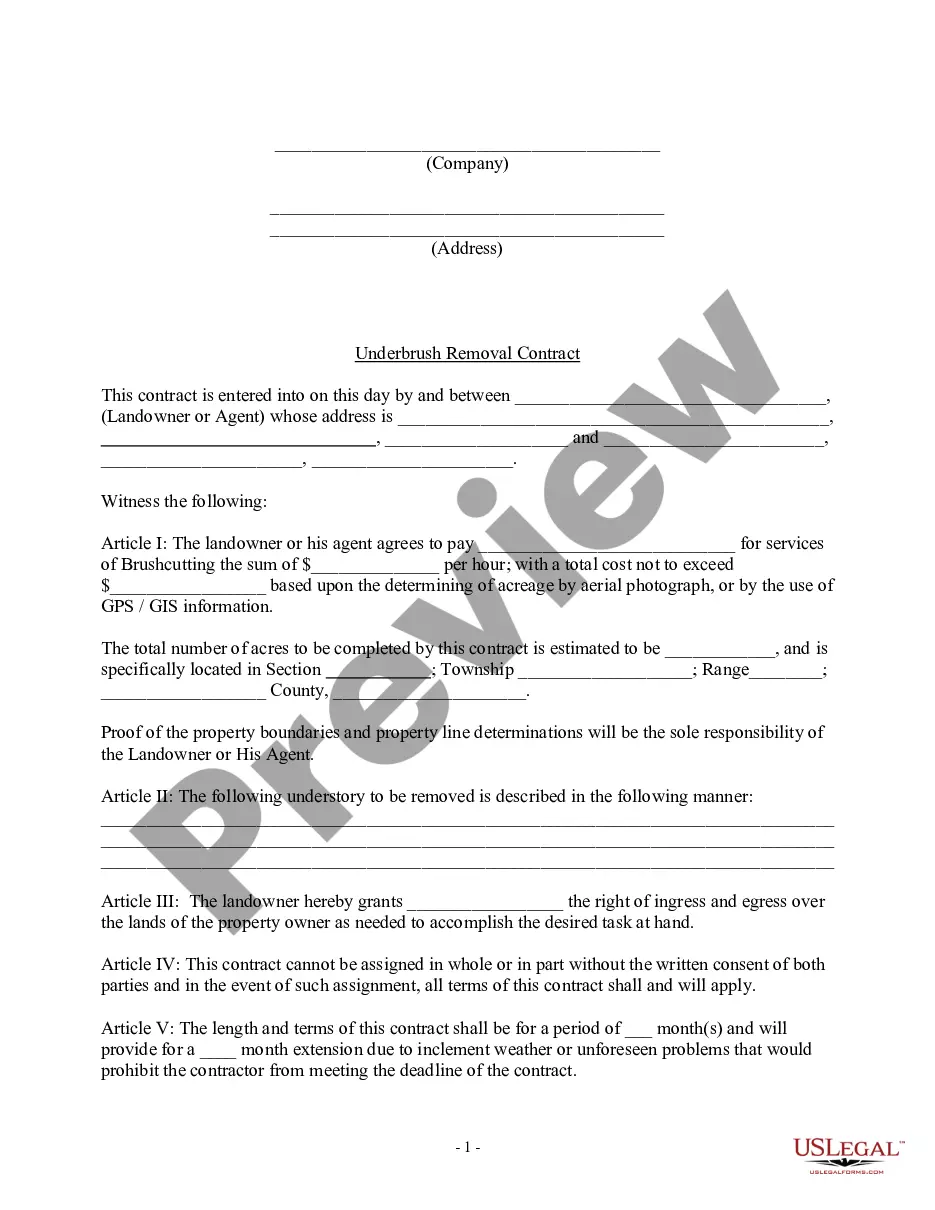
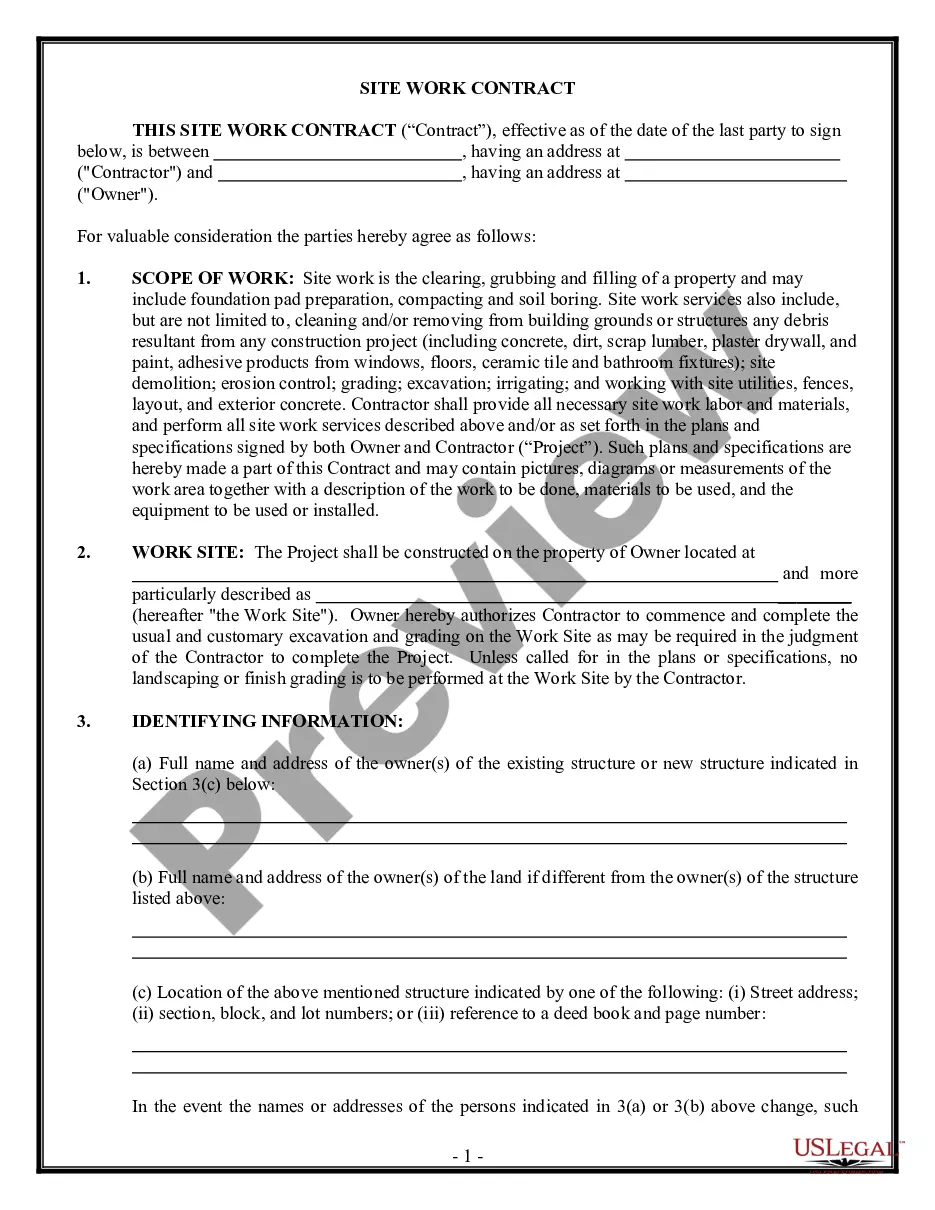
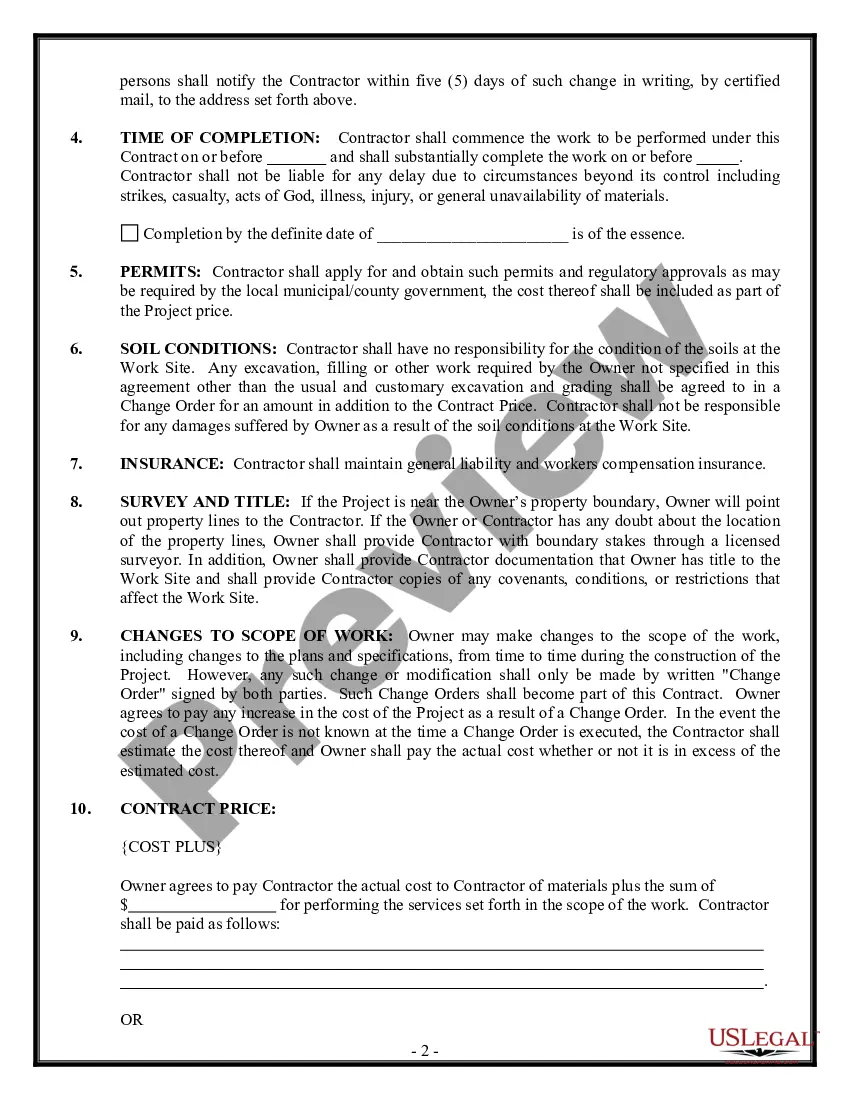
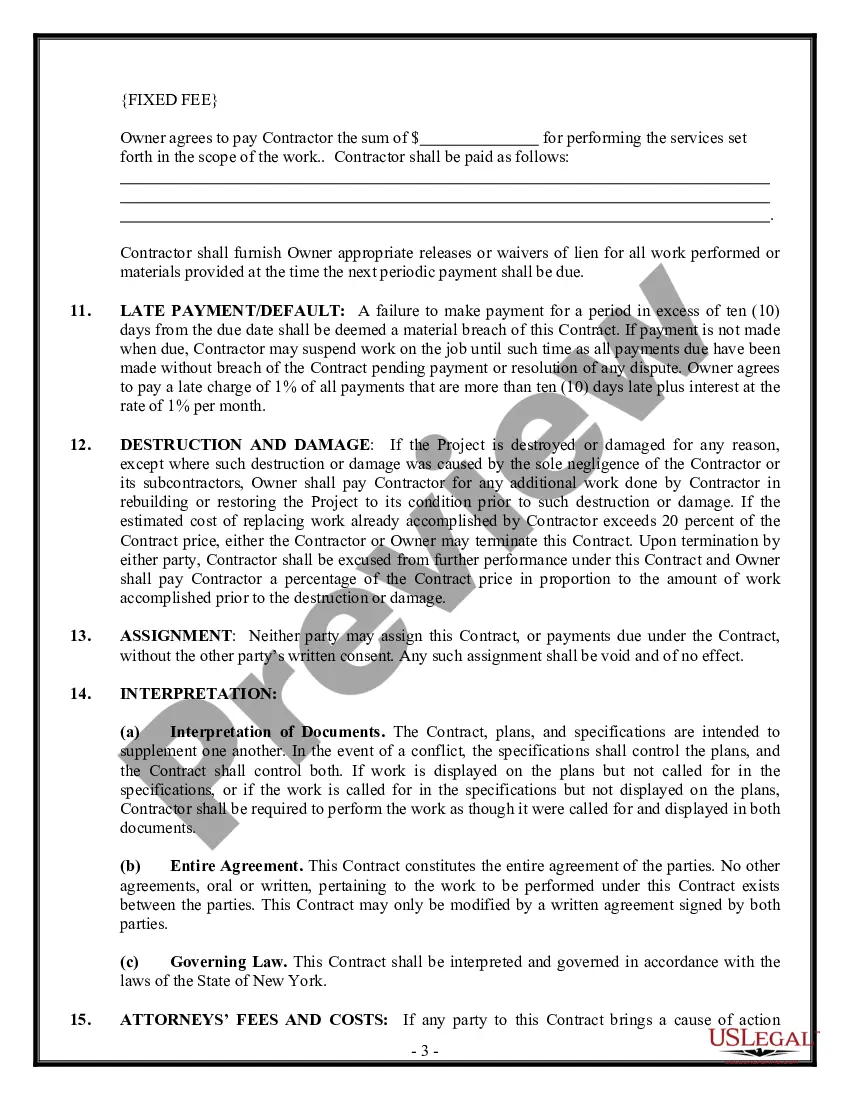
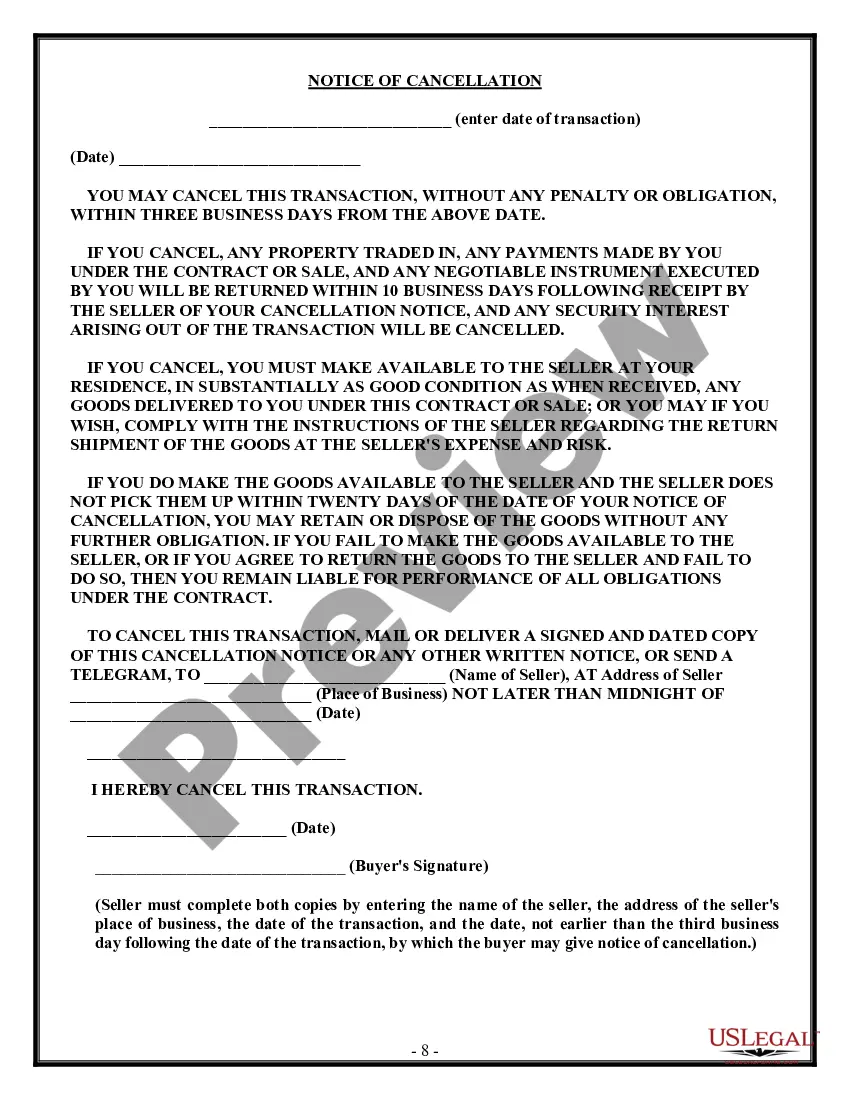
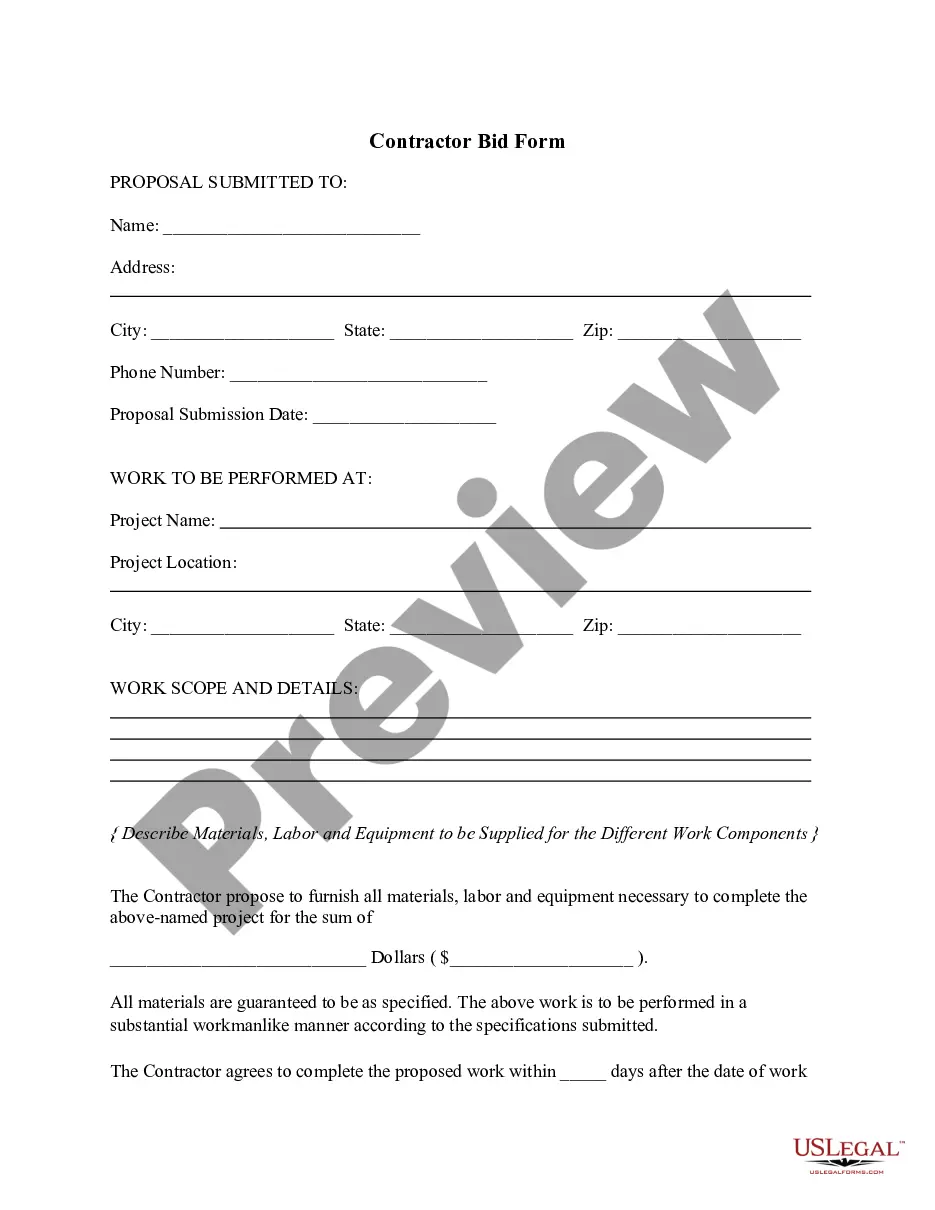
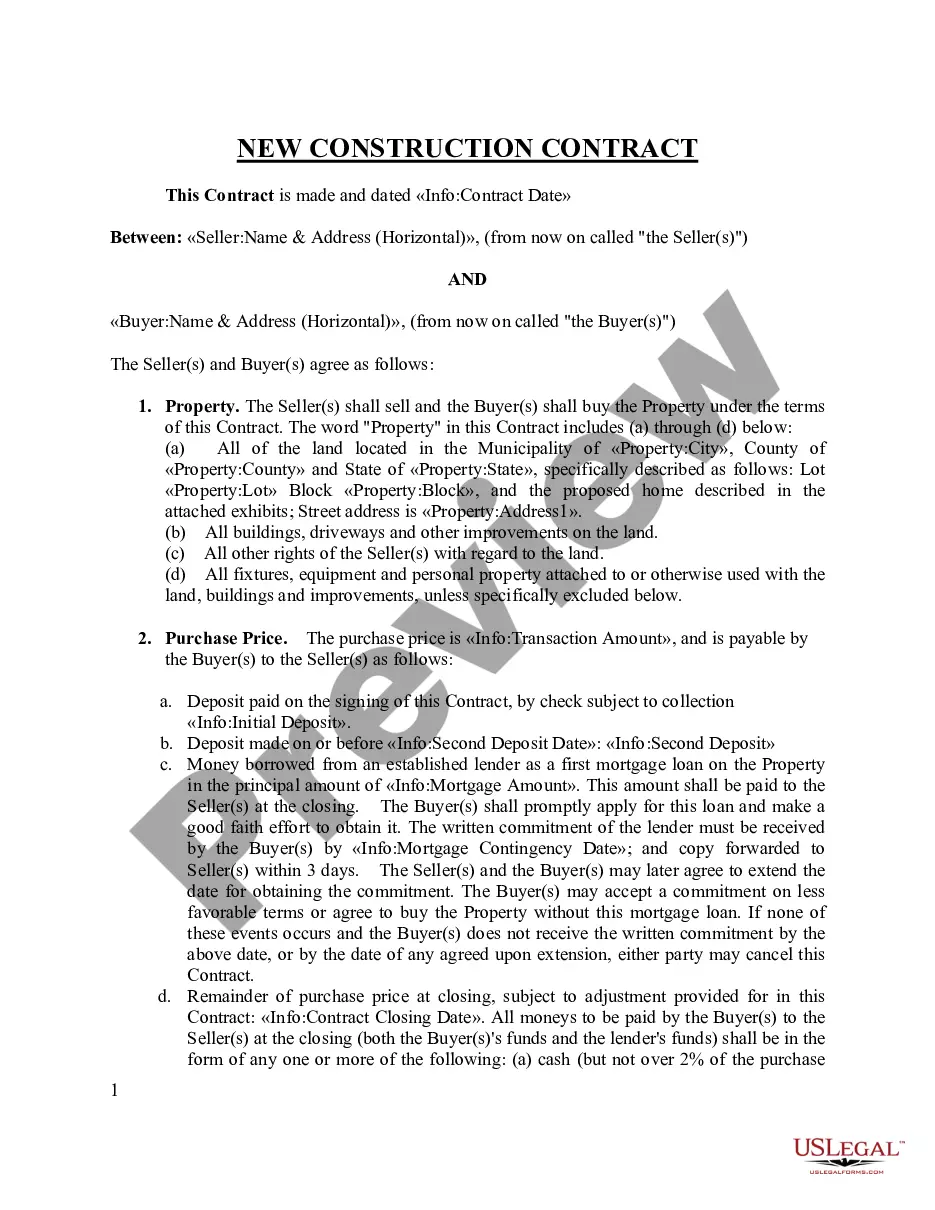
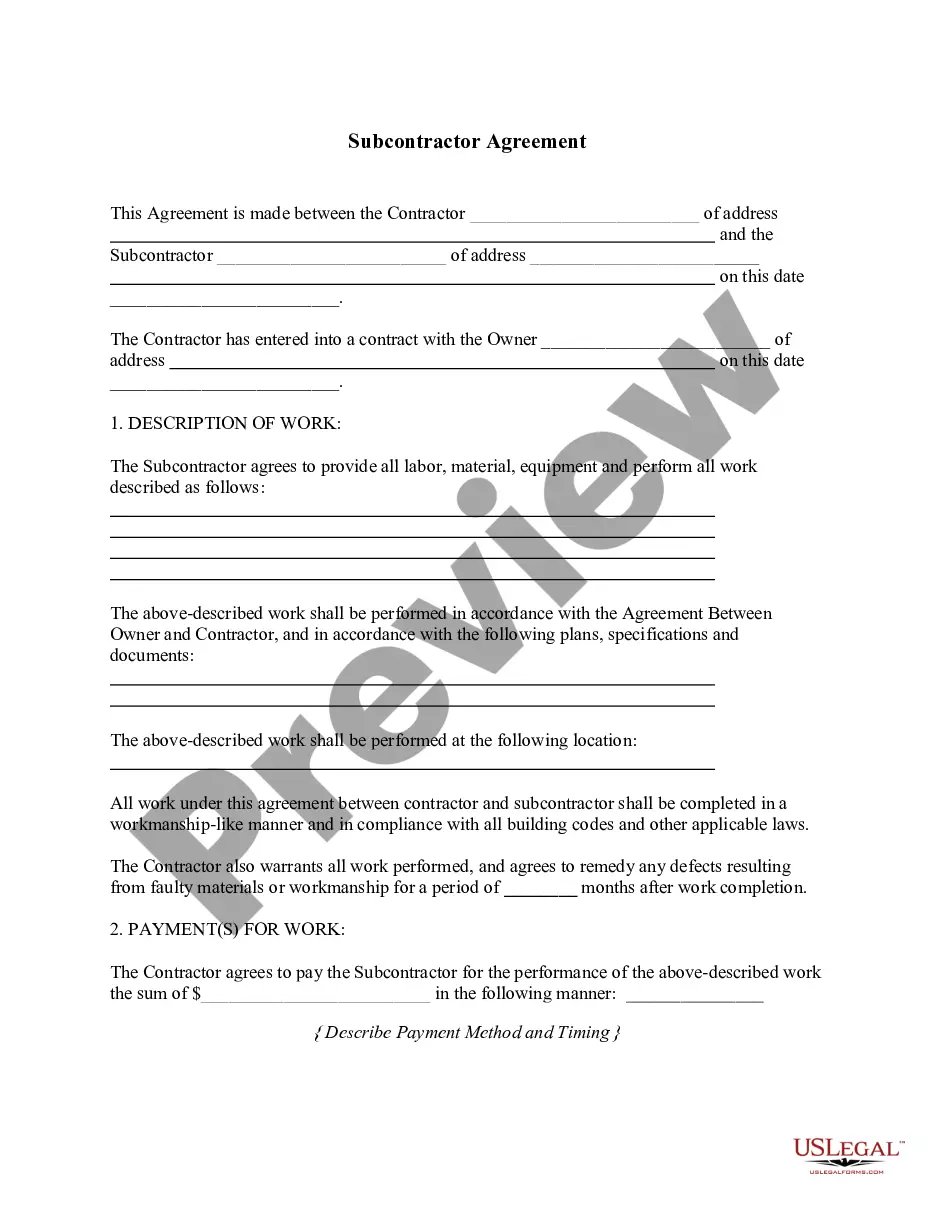
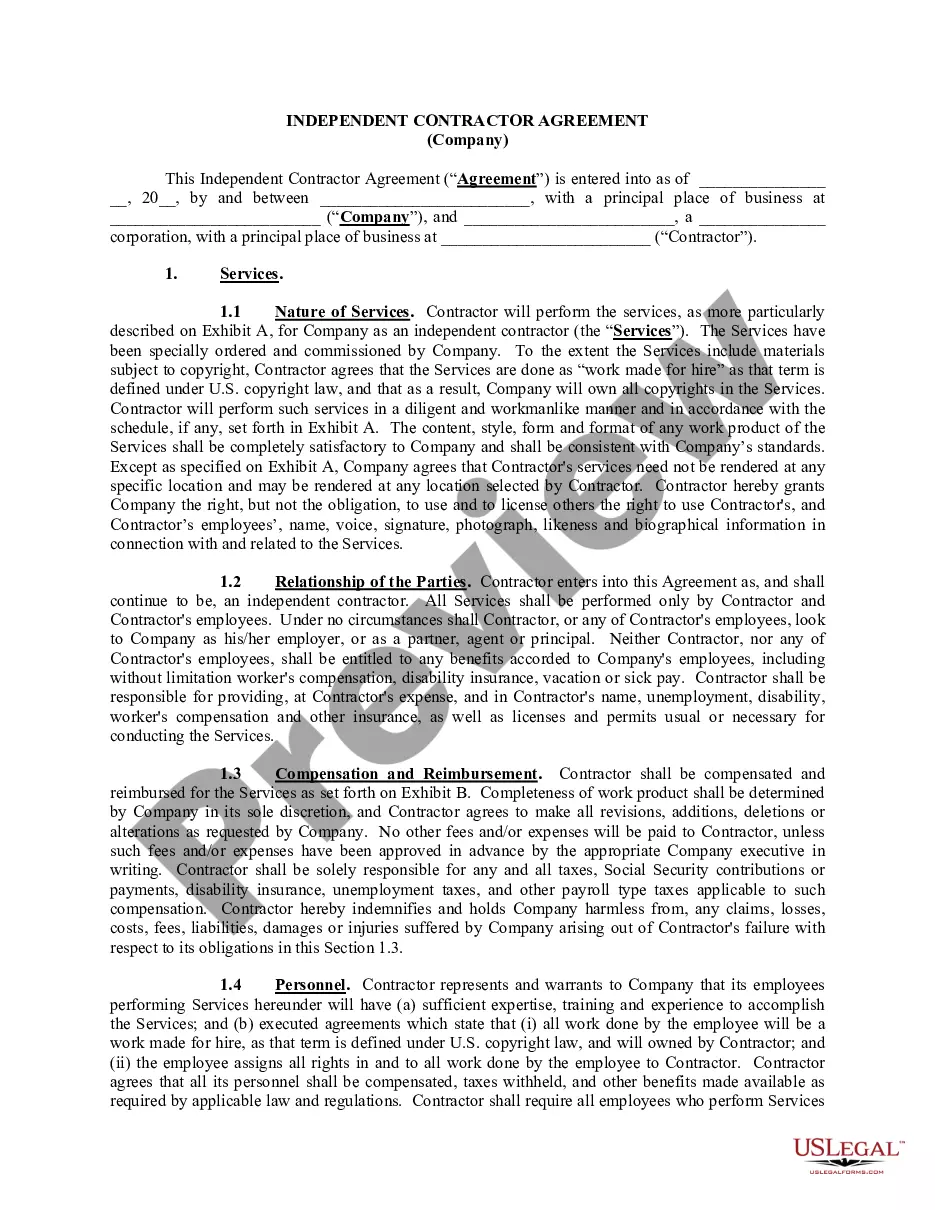
The Site Work Contract for Contractor is a legal document that establishes the agreement between site work contractors and property owners regarding construction projects. This contract can be customized to include either a cost-plus or fixed-fee payment structure. It outlines important aspects such as change orders, warranties, insurance obligations, and work site conditions. Designed to comply with New York state laws, this contract protects both parties involved by clearly defining their responsibilities and expectations.
Main sections of this form
- Work site identification: Specifies the location of the project.
- Permits: Requires the contractor to obtain necessary local permits.
- Soil conditions: Clarifies contractor responsibilities regarding soil conditions.
- Insurance: Mandates general liability and workers compensation insurance.
- Payment terms: Includes late payment clauses and default provisions.
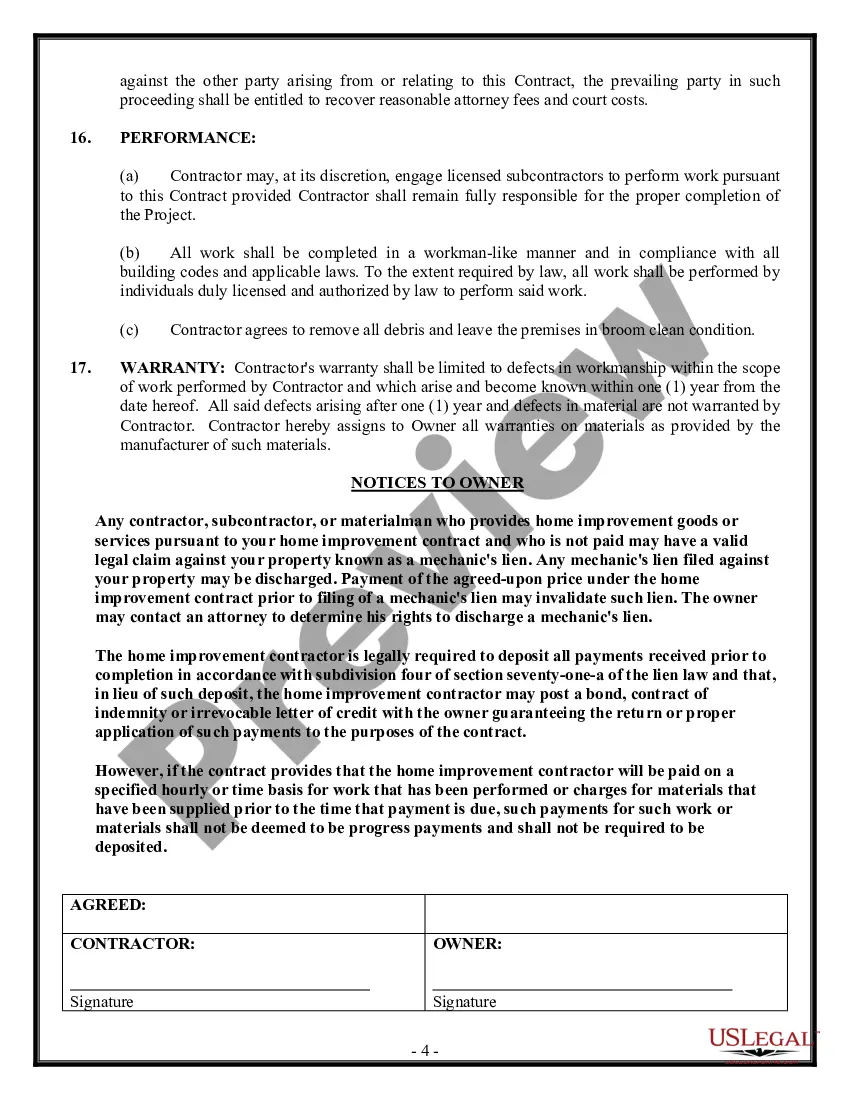
- Warranty: Defines the warranty period and conditions for workmanship.

Common use cases
This form should be used when a property owner engages a contractor for site work, such as excavation, grading, or other construction services. It is particularly useful in scenarios where the project scope may change, and the parties need a clear agreement on how such changes will be handled. Use this contract to ensure both parties understand their rights and obligations before commencing work.
Who needs this form
- Property owners looking to hire contractors for construction or site work.
- Site work contractors who need a structured agreement with property owners.
- Anyone seeking to establish clear terms for a construction project in New York State.
Steps to complete this form
- Identify the parties: Enter the full names and addresses of the contractor and property owner.
- Specify the project location: Fill in the address of the work site.
- Detail the scope of work: Clearly outline the work to be done and any necessary permits required.
- Determine payment terms: Specify whether the payment arrangement is cost-plus or fixed fee.
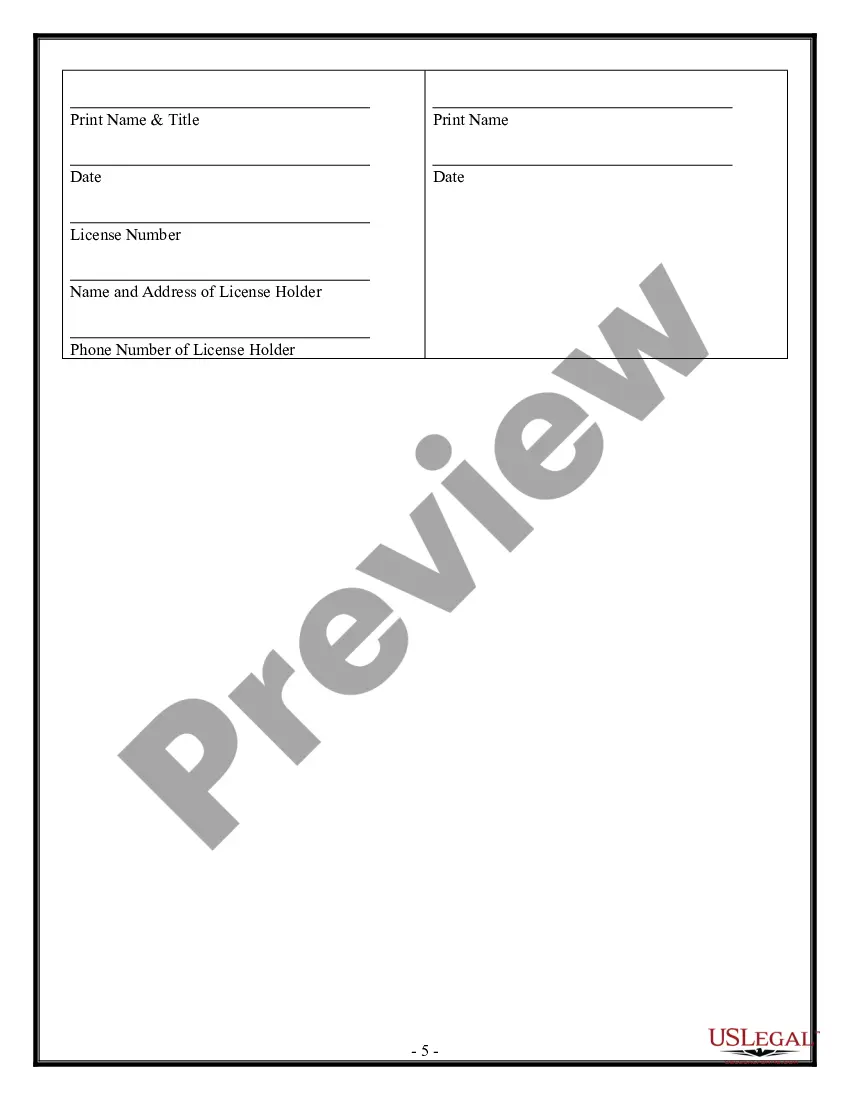
- Review and sign: Both parties must review the agreement and provide their signatures to finalize the contract.
Is notarization required?
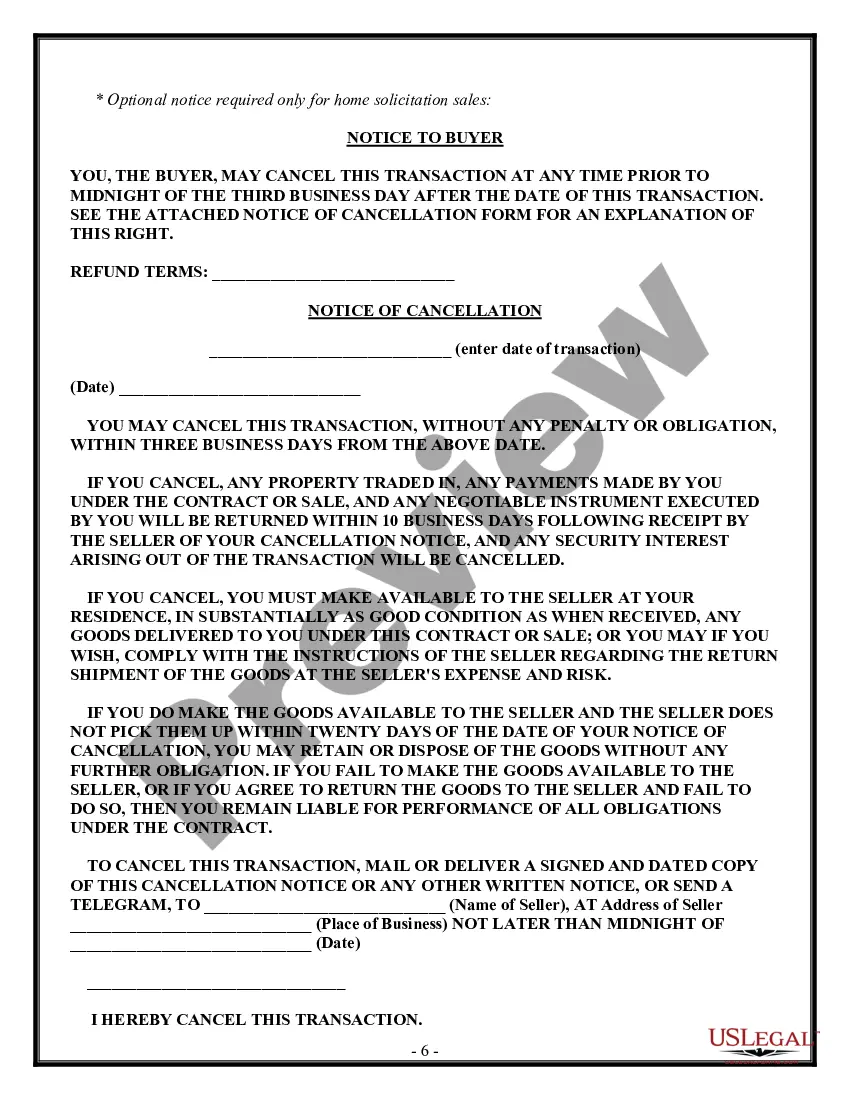
This form usually doesn’t need to be notarized. However, local laws or specific transactions may require it. Our online notarization service, powered by Notarize, lets you complete it remotely through a secure video session, available 24/7.
Get your form ready online
Our built-in tools help you complete, sign, share, and store your documents in one place.
Make edits, fill in missing information, and update formatting in US Legal Forms—just like you would in MS Word.
Download a copy, print it, send it by email, or mail it via USPS—whatever works best for your next step.
Sign and collect signatures with our SignNow integration. Send to multiple recipients, set reminders, and more. Go Premium to unlock E-Sign.
If this form requires notarization, complete it online through a secure video call—no need to meet a notary in person or wait for an appointment.
We protect your documents and personal data by following strict security and privacy standards.

Make edits, fill in missing information, and update formatting in US Legal Forms—just like you would in MS Word.

Download a copy, print it, send it by email, or mail it via USPS—whatever works best for your next step.

Sign and collect signatures with our SignNow integration. Send to multiple recipients, set reminders, and more. Go Premium to unlock E-Sign.

If this form requires notarization, complete it online through a secure video call—no need to meet a notary in person or wait for an appointment.

We protect your documents and personal data by following strict security and privacy standards.
Mistakes to watch out for
- Failing to specify the project location accurately.
- Neglecting to detail the scope of work, leading to confusion over expectations.
- Overlooking the importance of obtaining necessary permits prior to starting work.
- Ignoring the warranty terms and conditions that protect the property owner.
Advantages of online completion
- Convenience: Easily access and download the form from anywhere.
- Editability: Fill out the form with your specific project details.
- Reliability: Ensure the agreement is compliant with New York state laws and regulations.
Legal use & context
- This contract serves as a legally binding agreement that protects both the contractor and the property owner.
- It clearly establishes each party's obligations, reducing the likelihood of disputes.
- In the event of a breach, the contract stipulates the recourse available to both parties.
Looking for another form?

Form popularity
FAQ
The California statute of limitations for breach of contract and breach of implied warranty is two years for oral agreements and four years for written ones.
1. Not Having a Written Contract.The taxing, labor and employment, and insurance authorities expect a written contract that states that the worker is an independent contractor and will be paid as such with no tax withholding, no benefits, etc.
A one year warranty is the minimum you should expect. New York State law requires the buyer have certain warranties when buying a new home. One year's protection against faulty workmanship and defective materials.
When working as an independent contractor, your client does not have the right to control your project.According to the Communications Workers of America, Under the Copyright Act of 1976, an independent contractor who has created a work for an employer owns the rights to that work, except in limited circumstances.
For most types of projects you hire an independent contractor (IC) to do, the law does not require you to put anything in writing. You can meet with the IC, agree on the terms of your arrangement, and have an oral contract or agreement that is legally binding. Just because you can doesn't mean you should, however.
Both parties should sign the contract, and both should be bound by the terms and conditions spelled out in the agreement. In general that means the contractor will be obliged to provide specified materials and to perform certain services for you. In turn, you will be required to pay for those goods and that labor.
Terms. This is the first section of any agreement or contract and states the names and locations of the parties involved. Responsibilities & Deliverables. Payment-Related Details. Confidentiality Clause. Contract Termination. Choice of Law.
For most types of projects you hire an independent contractor (IC) to do, the law does not require you to put anything in writing. You can meet with the IC, agree on the terms of your arrangement, and have an oral contract or agreement that is legally binding. Just because you can doesn't mean you should, however.
Identifying/Contact Information. Title and Description of the Project. Projected Timeline and Completion Date. Cost Estimate and Payment Schedule. Stop Work Clause and Stop Payment Clause. Act of God Clause. Change Order Agreement. Warranty.