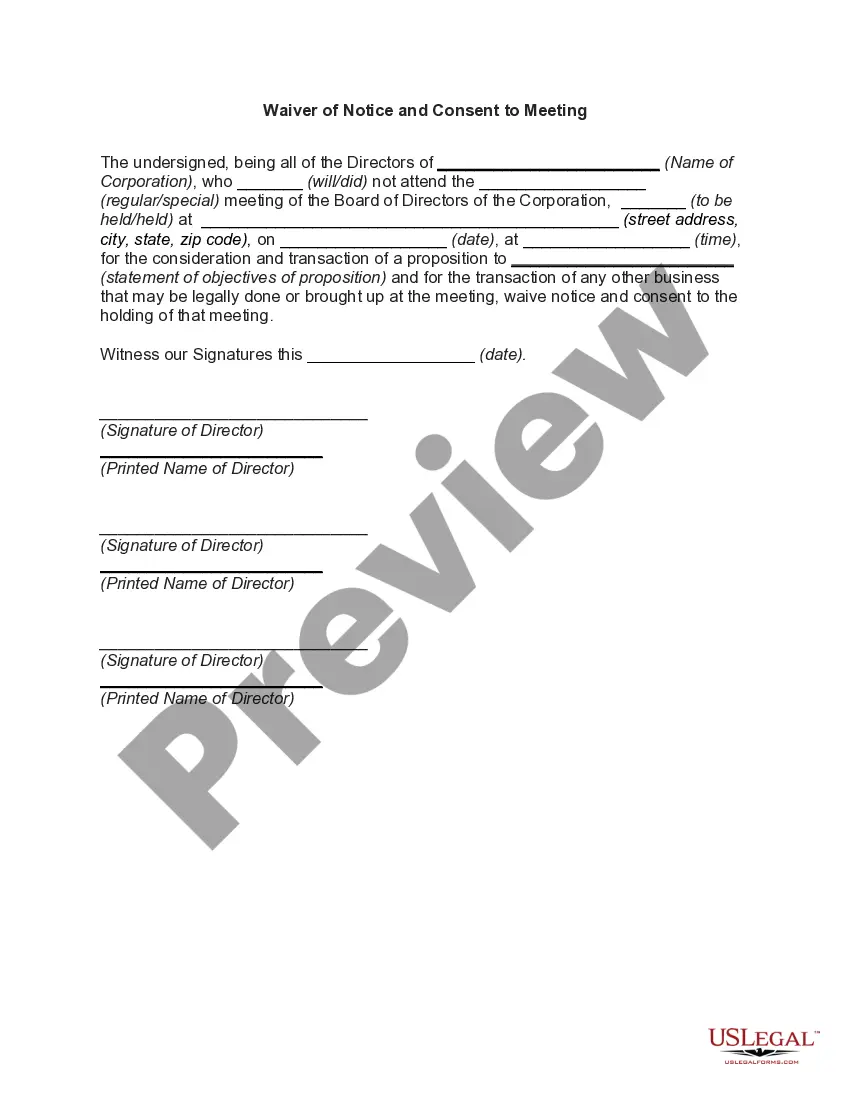
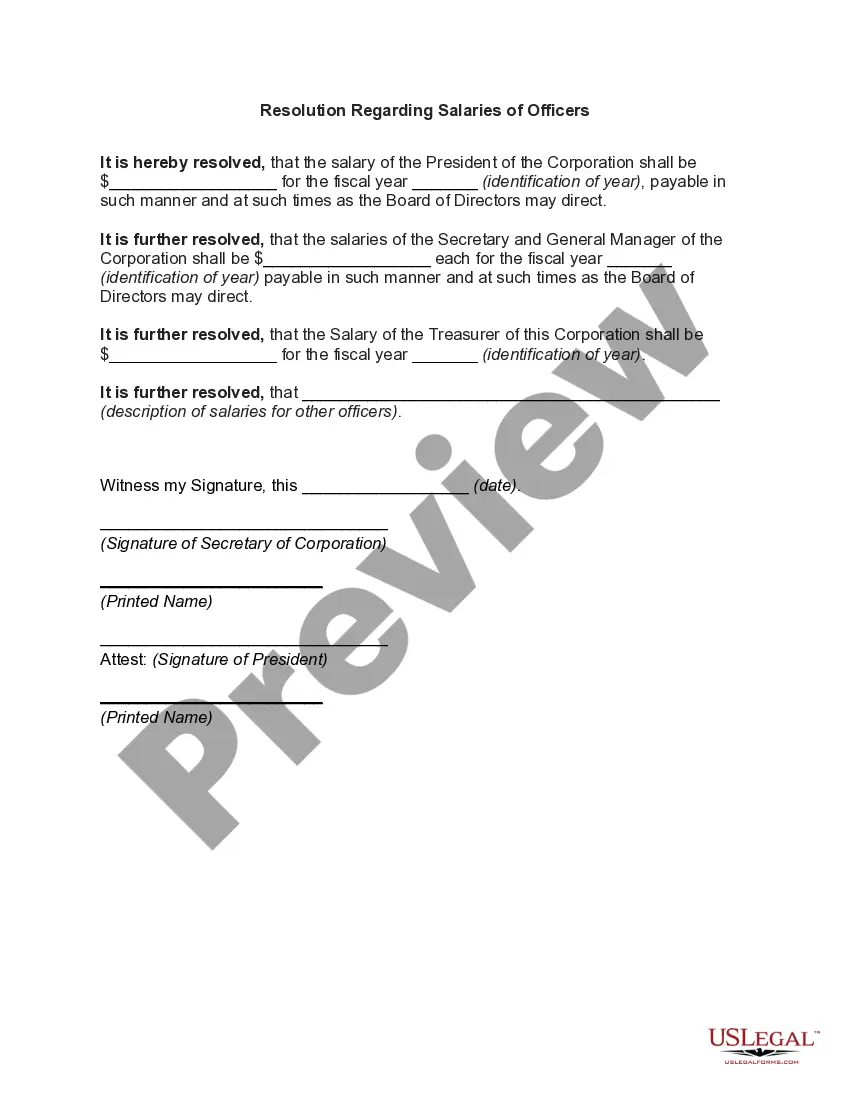
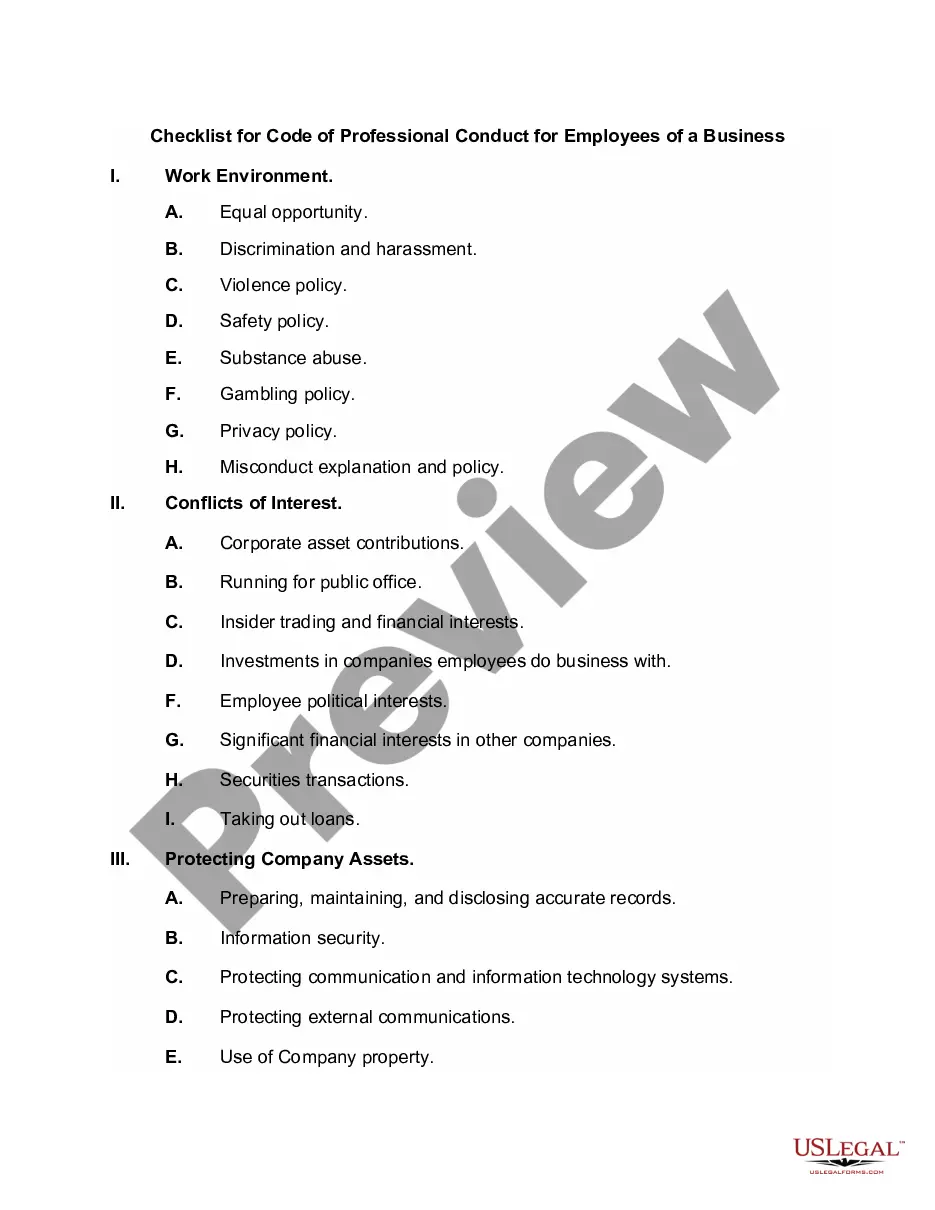
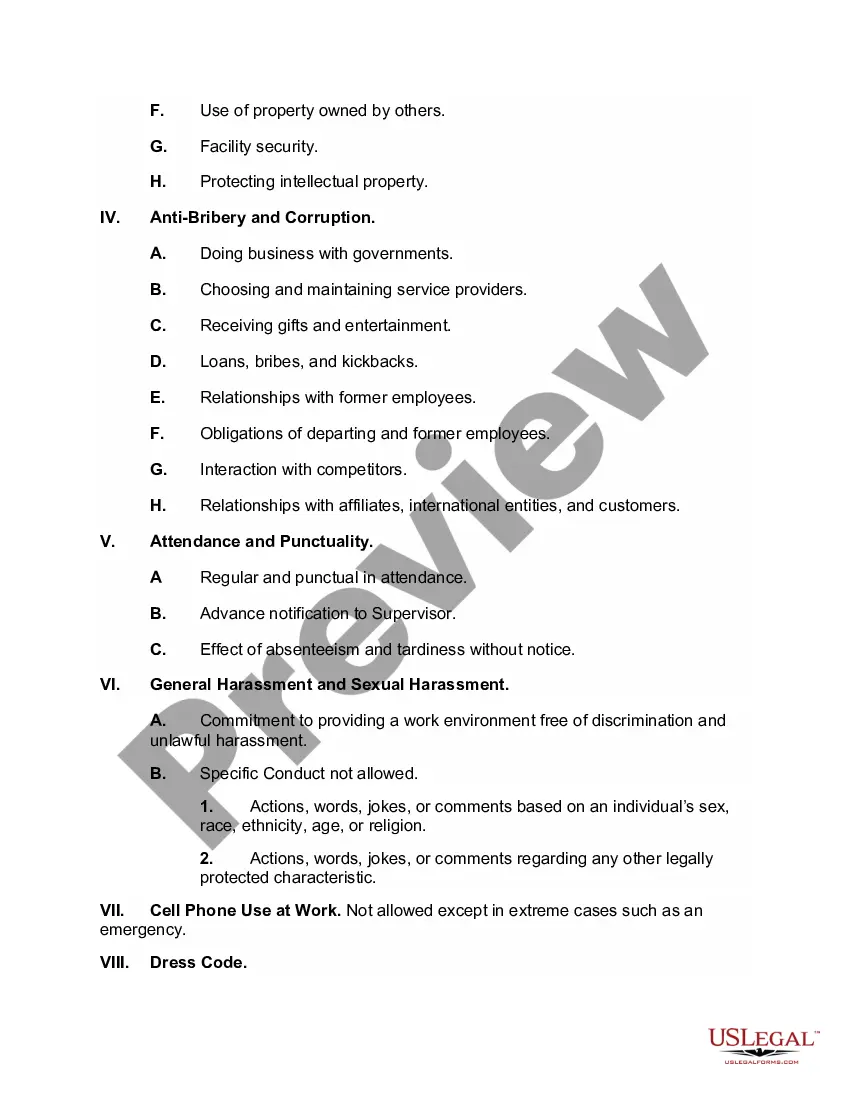
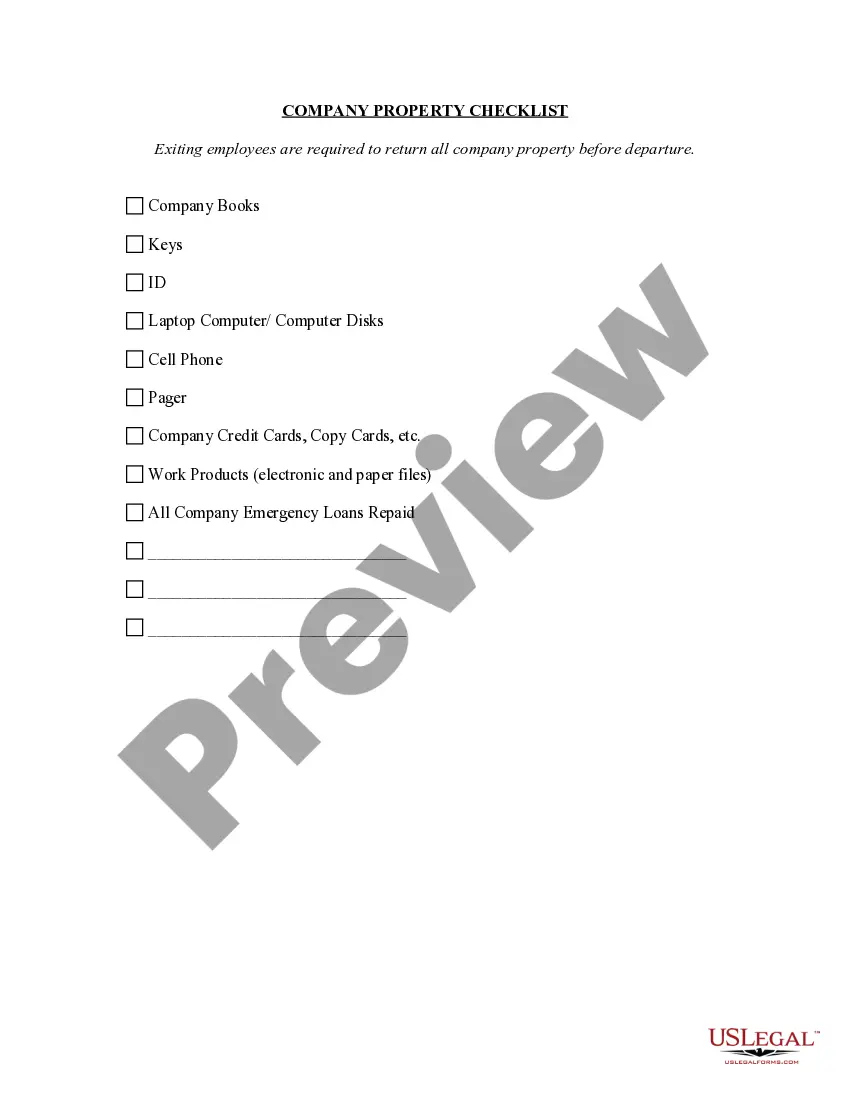
Nevada Checklist for Code of Professional Conduct for Employees of a Business
Description
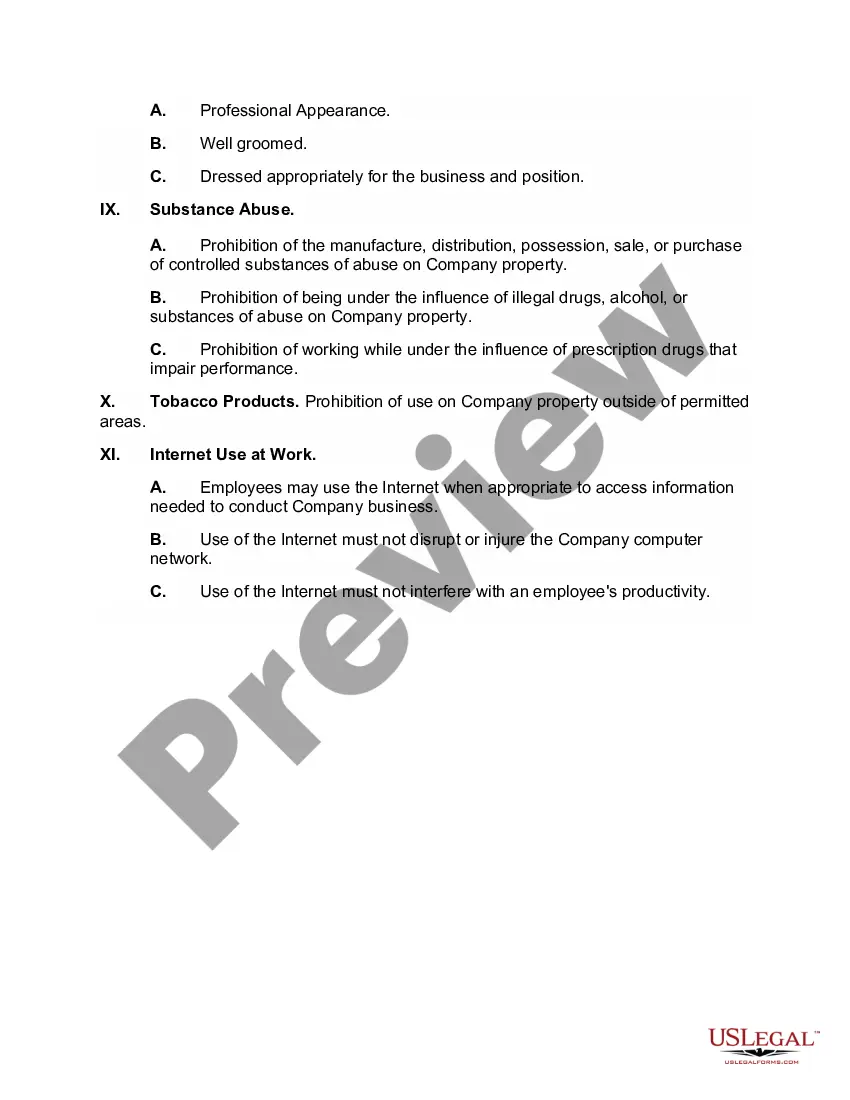
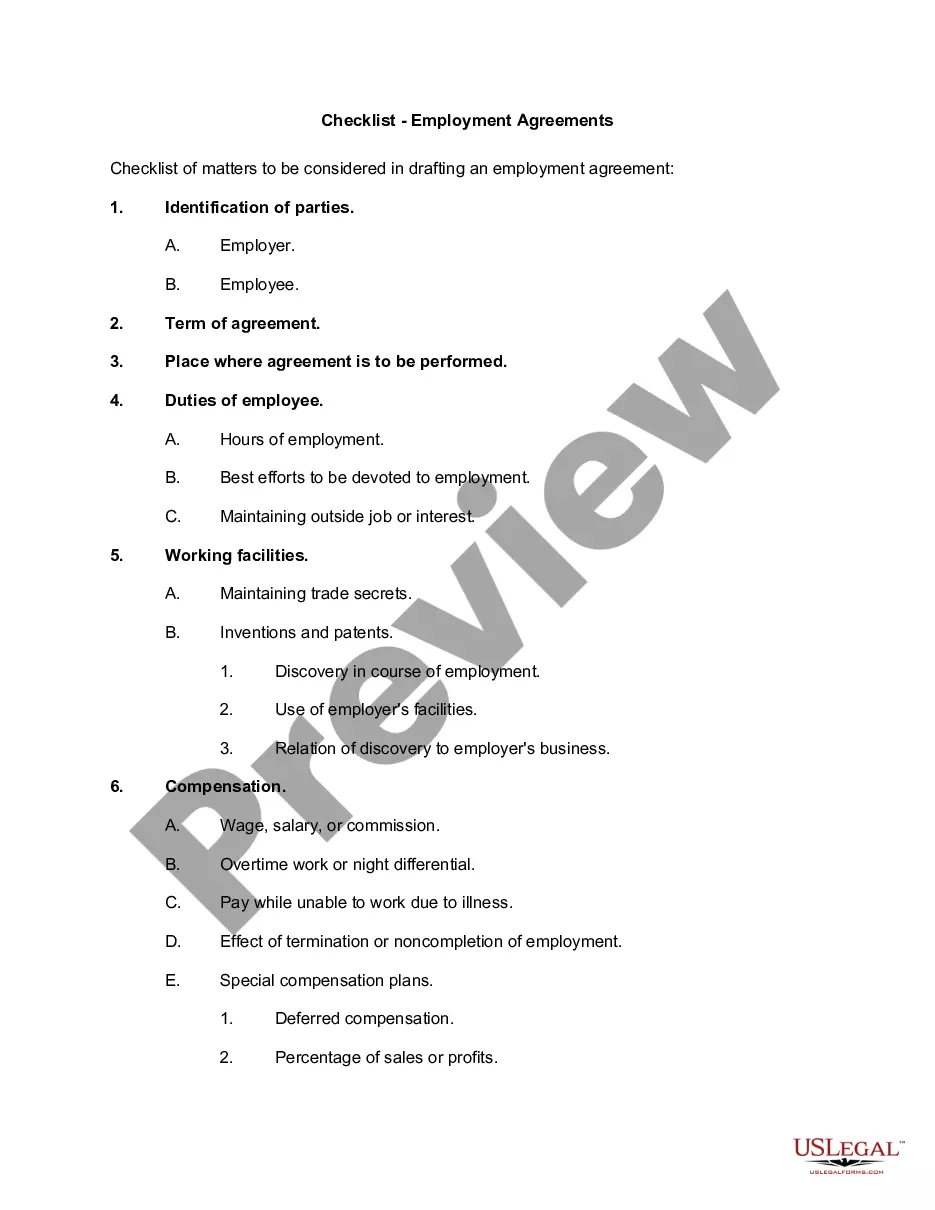
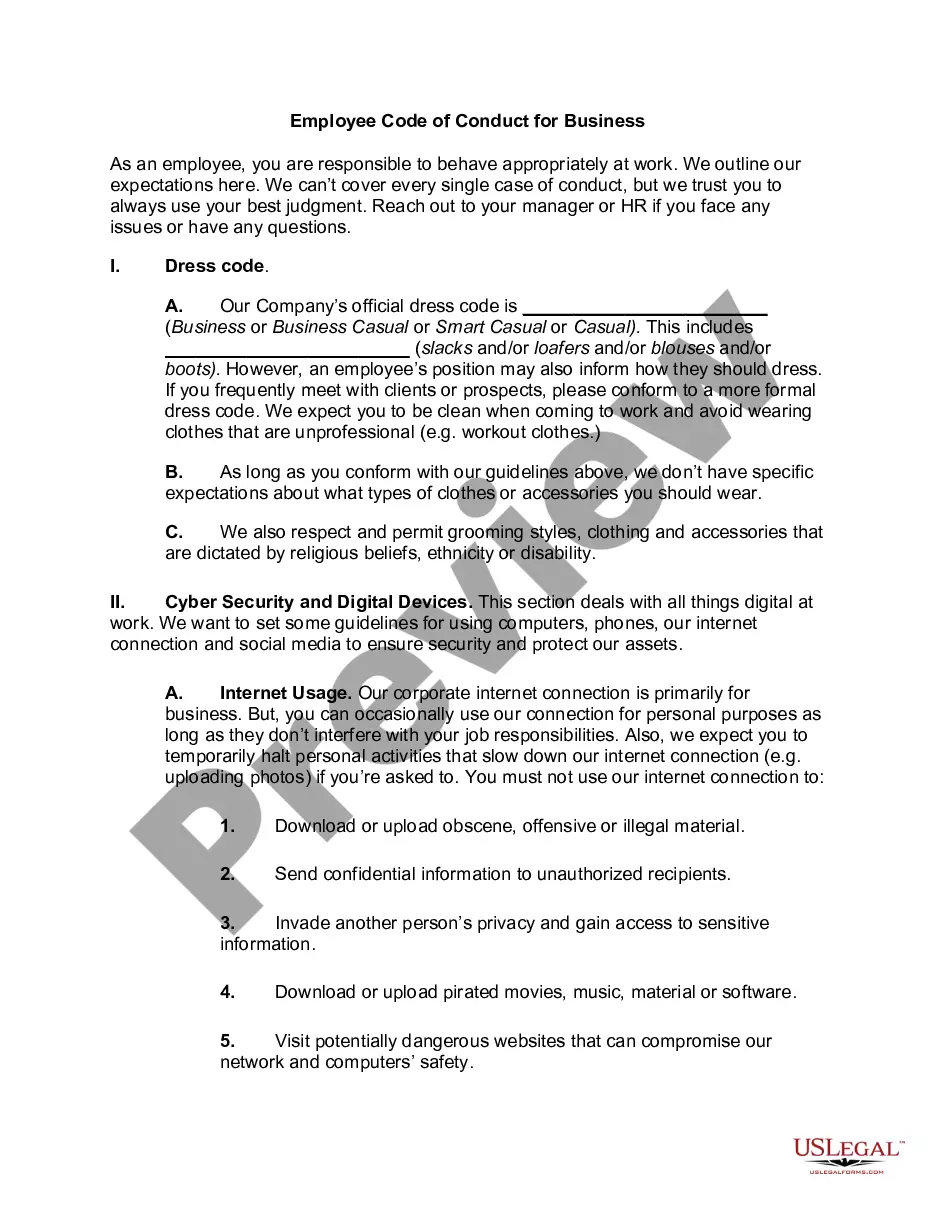
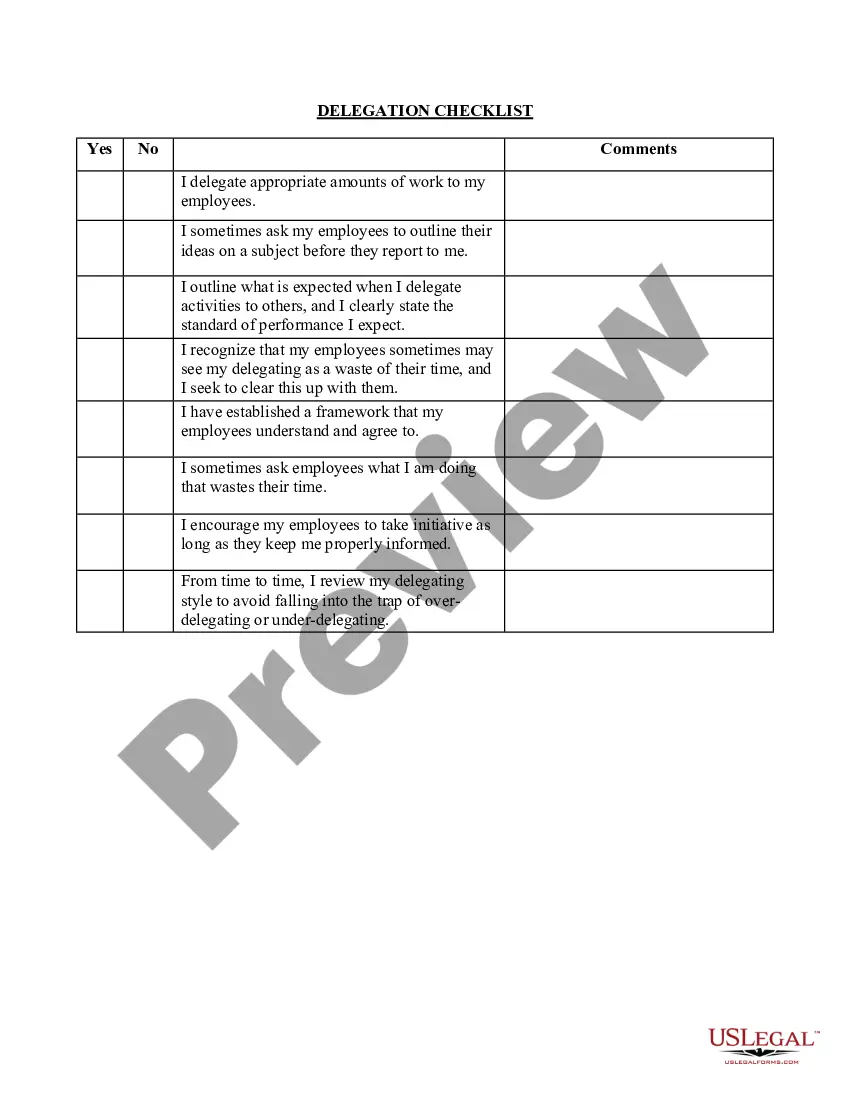
Get your form ready online
Our built-in tools help you complete, sign, share, and store your documents in one place.
Make edits, fill in missing information, and update formatting in US Legal Forms—just like you would in MS Word.
Download a copy, print it, send it by email, or mail it via USPS—whatever works best for your next step.
Sign and collect signatures with our SignNow integration. Send to multiple recipients, set reminders, and more. Go Premium to unlock E-Sign.
If this form requires notarization, complete it online through a secure video call—no need to meet a notary in person or wait for an appointment.
We protect your documents and personal data by following strict security and privacy standards.

Make edits, fill in missing information, and update formatting in US Legal Forms—just like you would in MS Word.

Download a copy, print it, send it by email, or mail it via USPS—whatever works best for your next step.

Sign and collect signatures with our SignNow integration. Send to multiple recipients, set reminders, and more. Go Premium to unlock E-Sign.

If this form requires notarization, complete it online through a secure video call—no need to meet a notary in person or wait for an appointment.

We protect your documents and personal data by following strict security and privacy standards.
Looking for another form?






How to fill out Checklist For Code Of Professional Conduct For Employees Of A Business?
If you desire to access, obtain, or download authorized document templates, utilize US Legal Forms, the largest repository of legal forms available online.
Employ the site's user-friendly search feature to find the documents you need.
Various templates for business and personal purposes are categorized by types and states or keywords.
Step 4. Once you have found the form you want, click the Purchase now button. Choose the pricing plan that suits you and enter your details to register for an account.
Step 5. Complete the transaction. You can use your credit card or PayPal account to finish the purchase.
- Use US Legal Forms to obtain the Nevada Checklist for Code of Professional Conduct for Employees of a Business in just a few clicks.
- If you are already a US Legal Forms customer, Log In to your account and click on the Download button to get the Nevada Checklist for Code of Professional Conduct for Employees of a Business.
- You can also access forms you previously downloaded in the My documents tab of your account.
- If you are using US Legal Forms for the first time, check the instructions below.
- Step 1. Verify that you have selected the form for the appropriate city/state.
- Step 2. Use the Review option to view the content of the form. Remember to read the description.
- Step 3. If you are dissatisfied with the form, use the Search box at the top of the screen to find other versions of the legal form template.
Form popularity
FAQ
A code of conduct states the rules, values, ethical principles and vision for your business. Having a code of conduct in your workplace provides staff with clear standards and expectations of how to do their job.
The SIX Code of Conduct sets the values and principles that we as employees follow in our interactions with each other and with our stakeholders such as customers and other business partners, our shareholders and the regulatory authorities. It forms the basis for our behavior and for the public image of SIX.
The employee code of conduct defines acceptable behavior and social norms that individuals in an organization should adopt on a day-to-day basis. It should reflect a company's vision, core values and the overall culture of a company.
An employer code of conduct outlines the company policy with regard to situations that put the company at risk in ethical matters. In addition, it details expected behavior to encourage employees to devote their on-the-clock hours to company business and information on how to properly treat the company's customers.
What are the five codes of ethics?Integrity.Objectivity.Professional competence.Confidentiality.Professional behavior.
State and federal employment laws protect an employee's workplace rights in Nevada. An employer cannot discriminate, withhold overtime pay, dictate when an employee can take time off work, and has to provide a safe working environment.
There are many types of code of conduct that an employer should include in their employee handbook....Here are some of the most important areas an employer should address:Company's values.Employee behaviors.Dress code.Tardiness/absenteeism.Leave policy.Employee break policy.Conflicts of interest.Communication.More items...?
A code of conduct states the rules, values, ethical principles and vision for your business. Having a code of conduct in your workplace provides staff with clear standards and expectations of how to do their job.
Here is a list of elements you might include in your code of conduct: Mission statement and values. Workplace policies and procedures. Industry compliance and regulations.
Set the wrong tone, perhaps one that is too legalistic or too vague. Contain the wrong degree of detail regarding expectations. Do not address the realities of conducting business. Do not provide employees with effective ways to address business challenges.