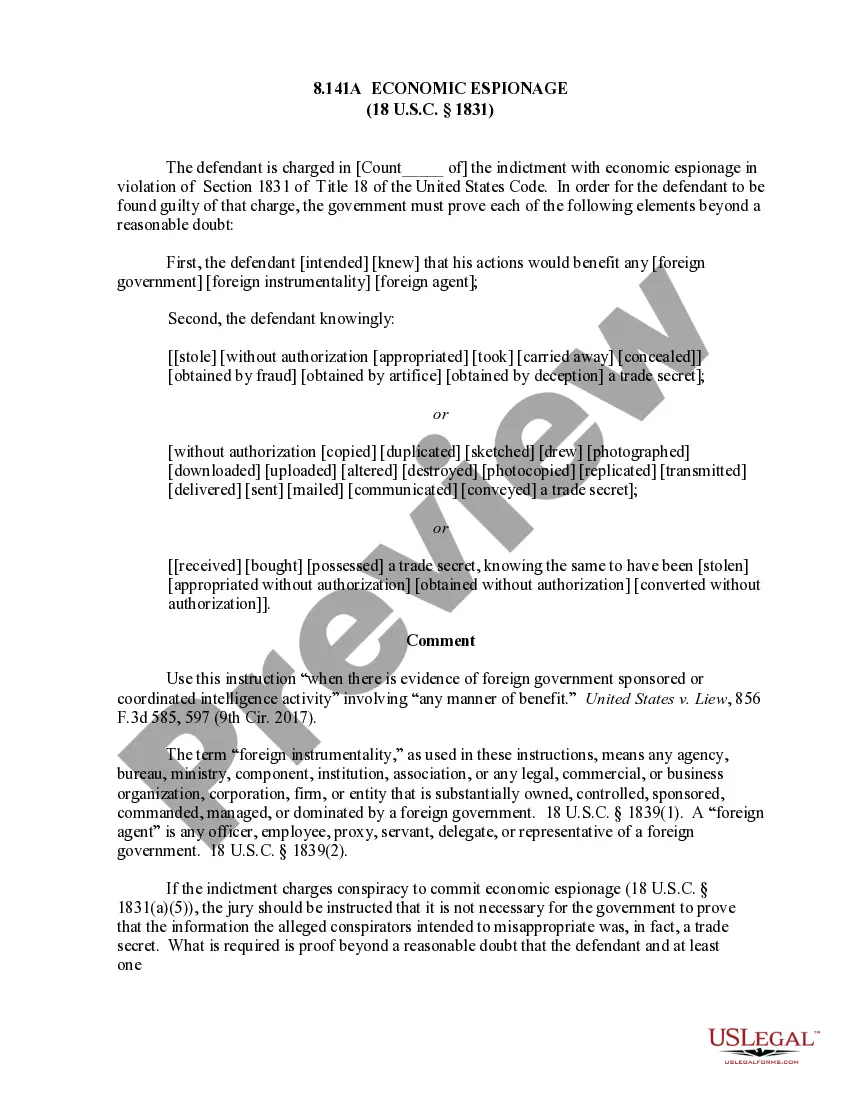
Nevada Exclusive License Agreement between Individual Inventor and Corporation
Description
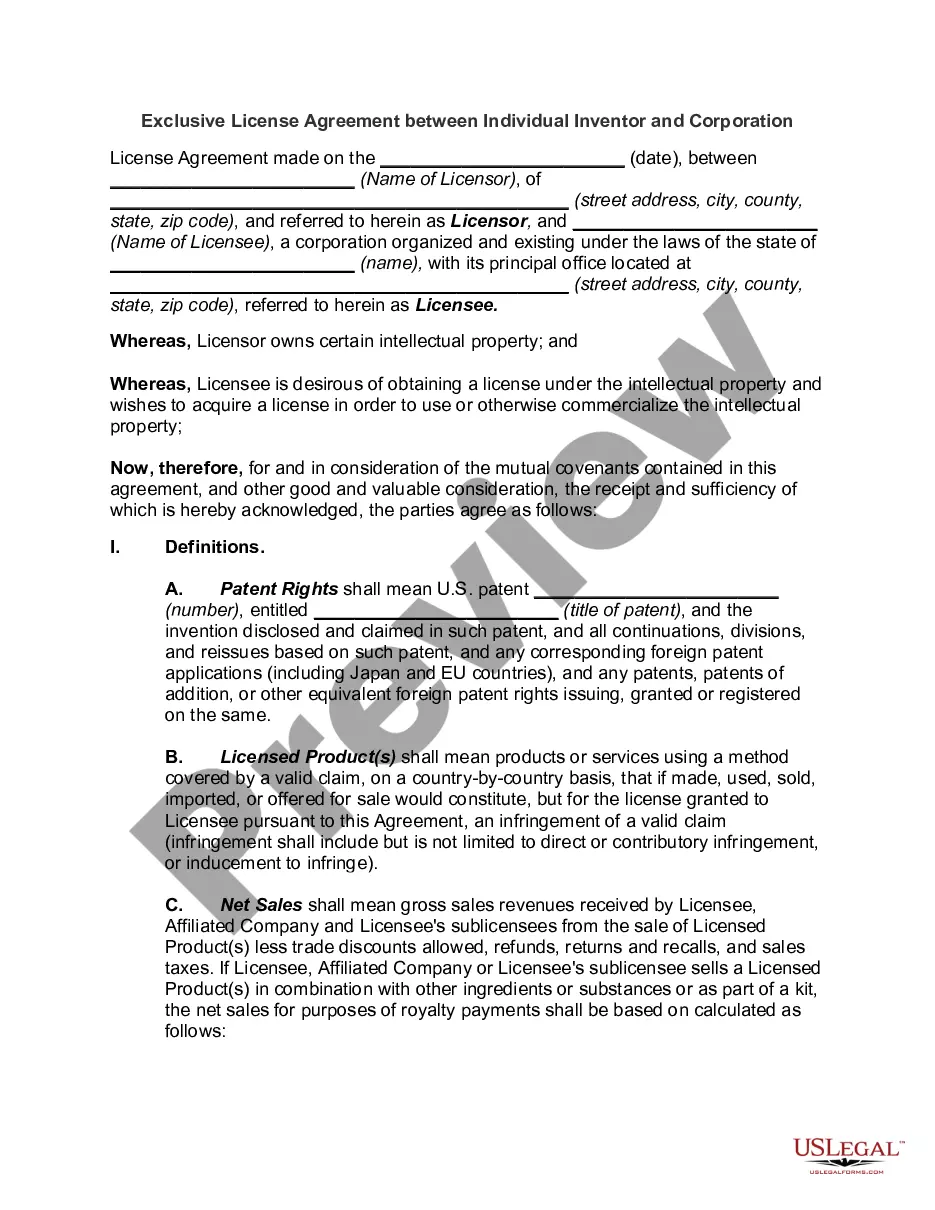


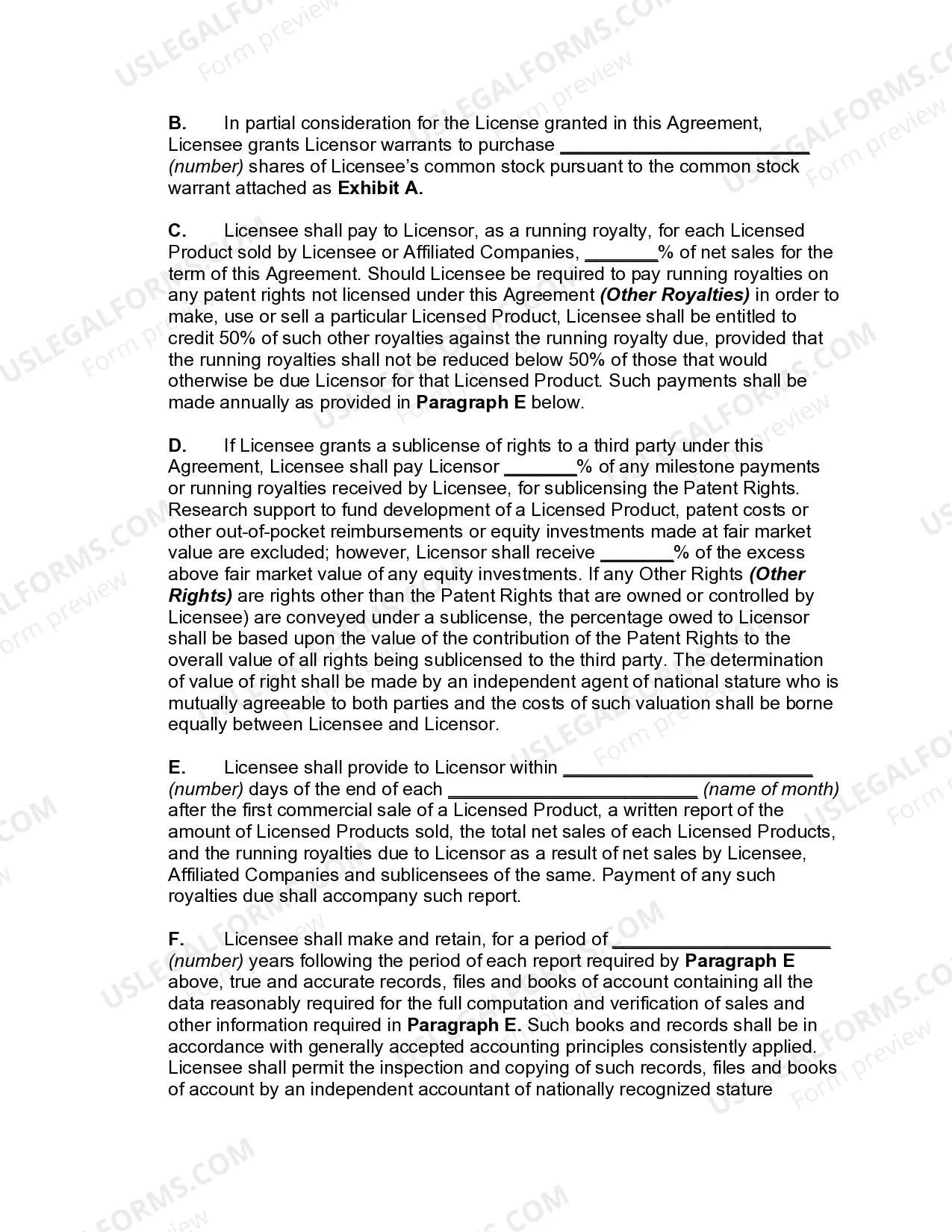
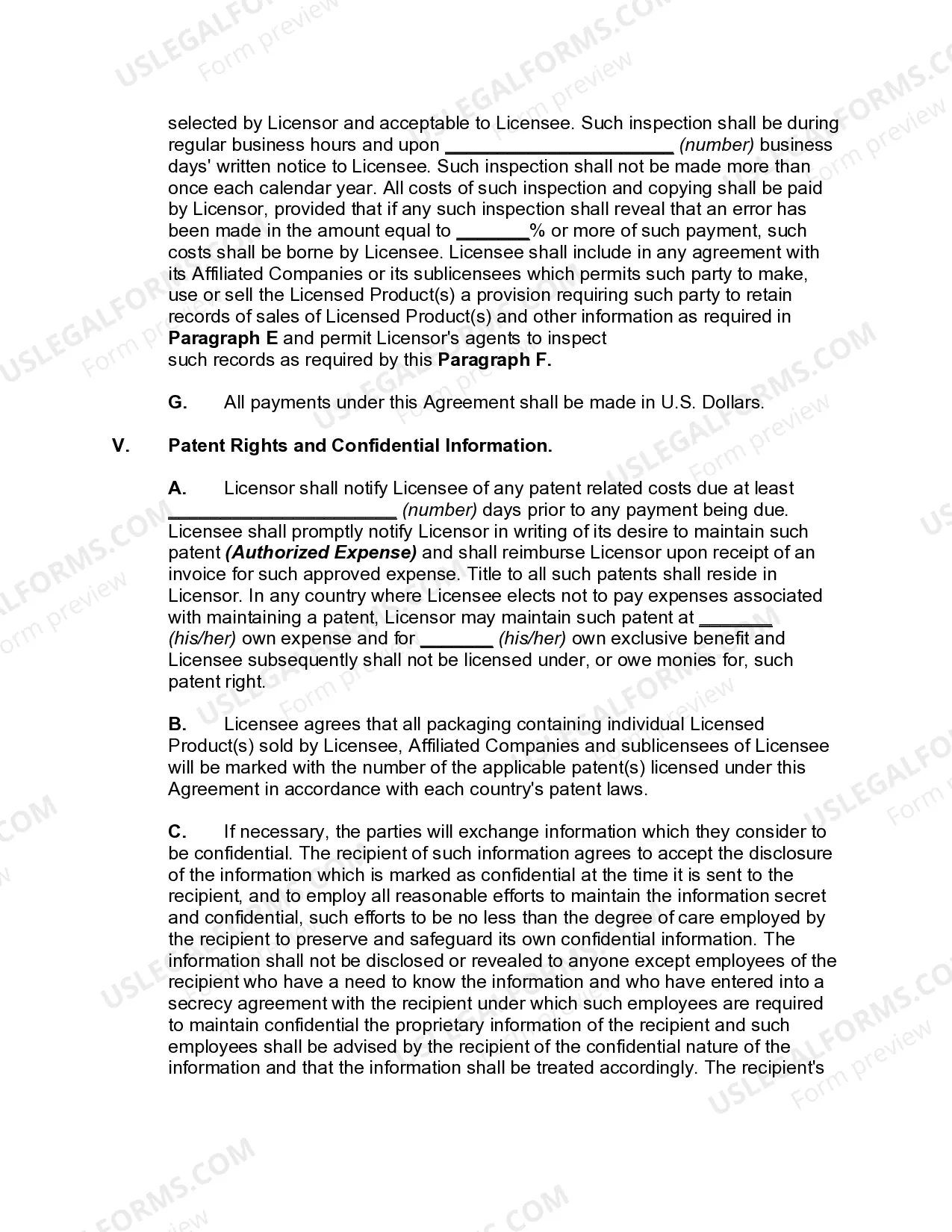
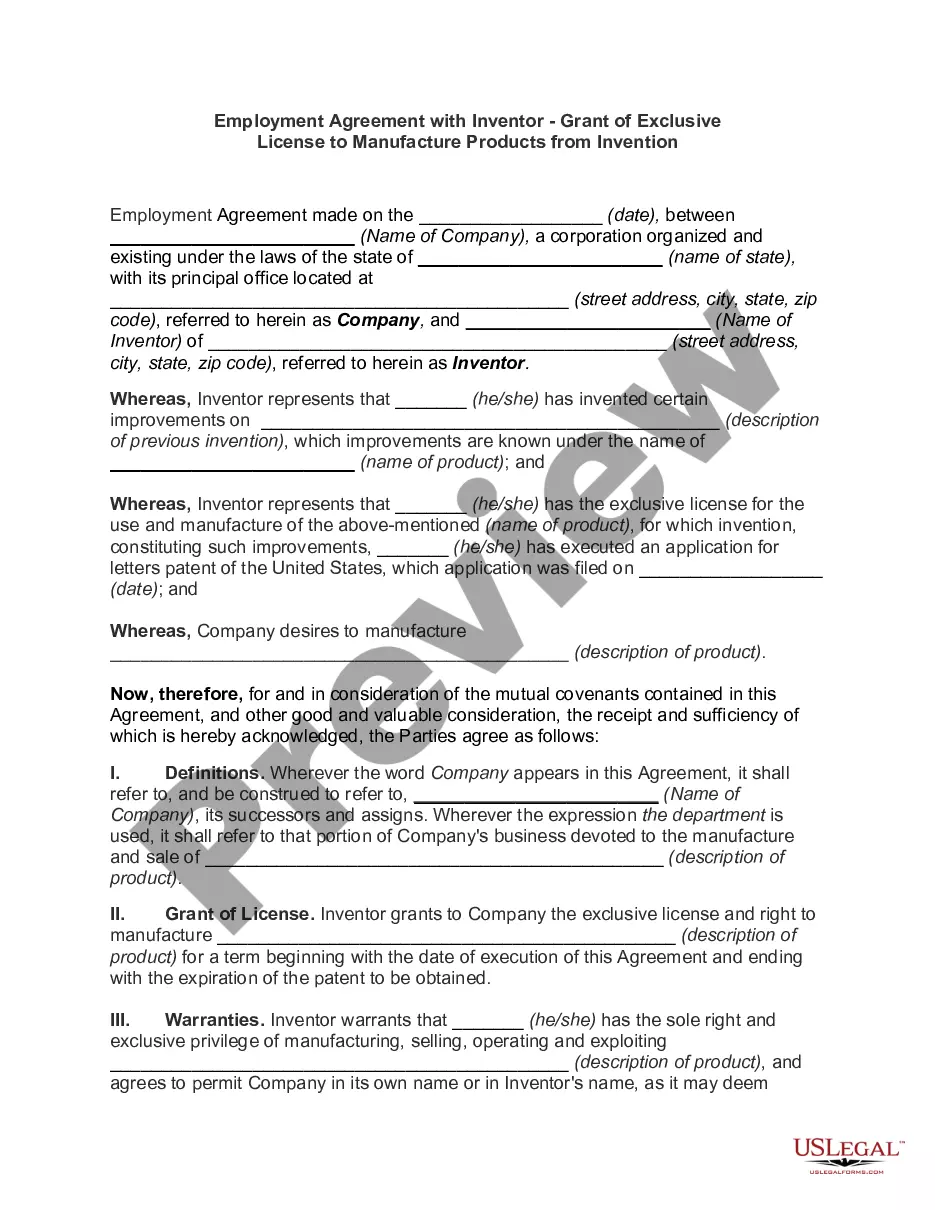
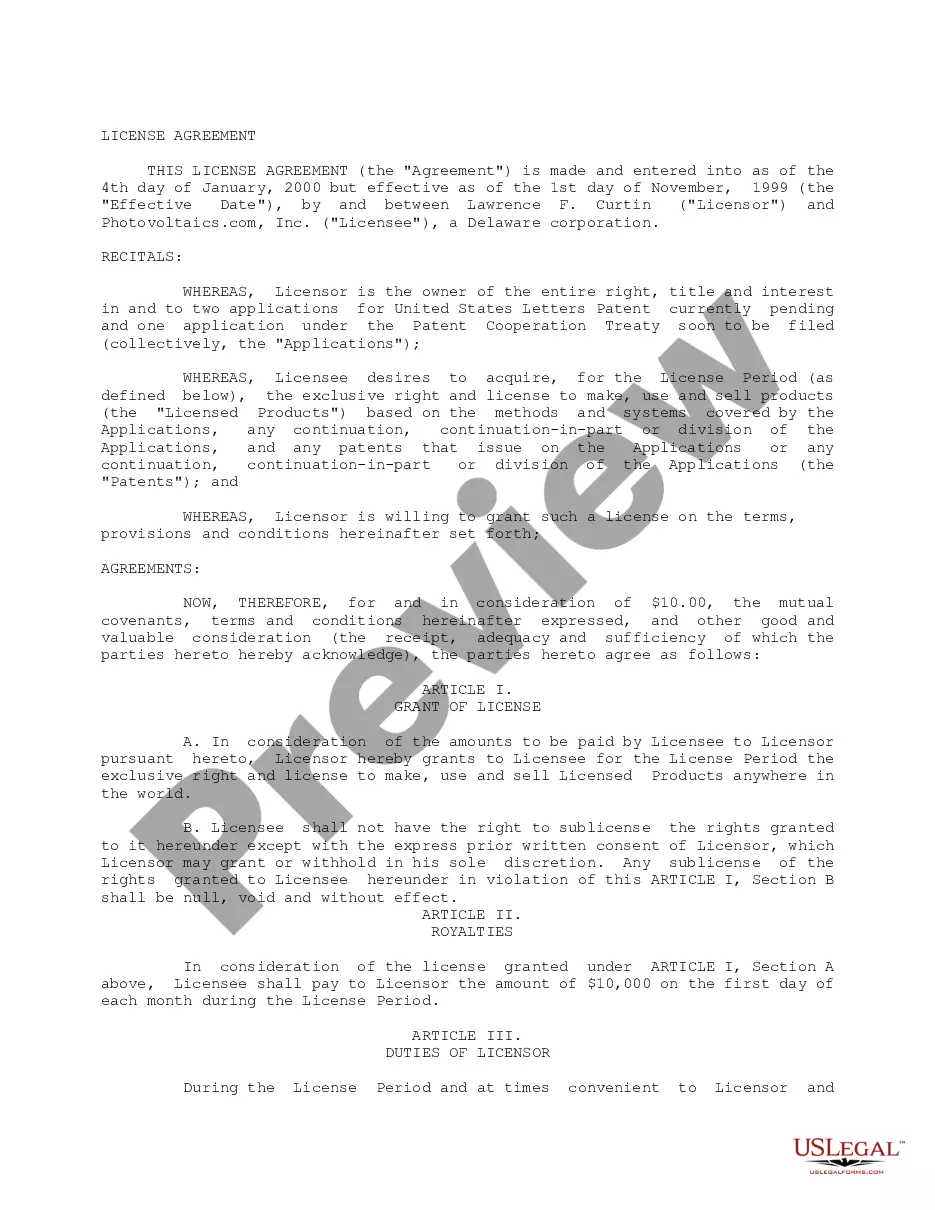
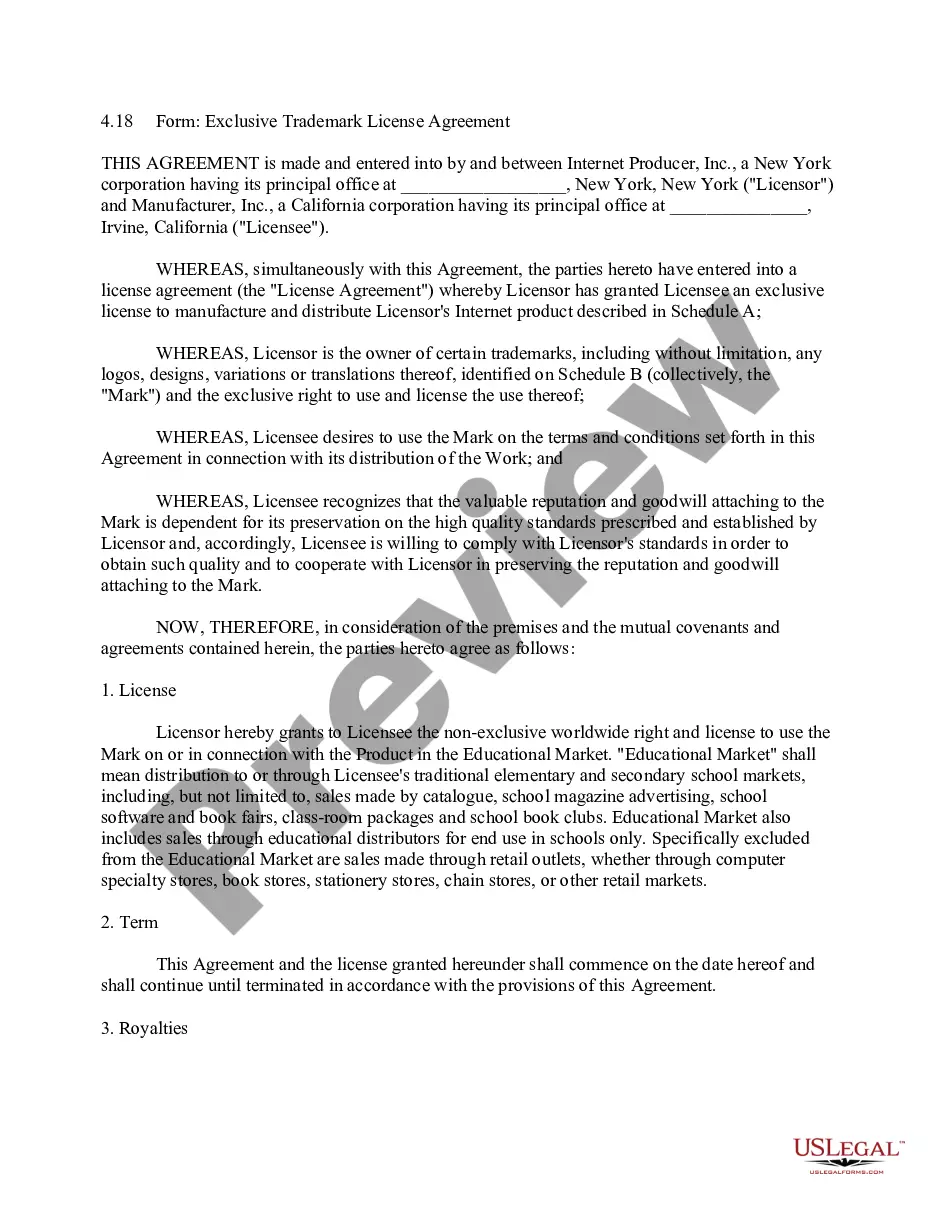
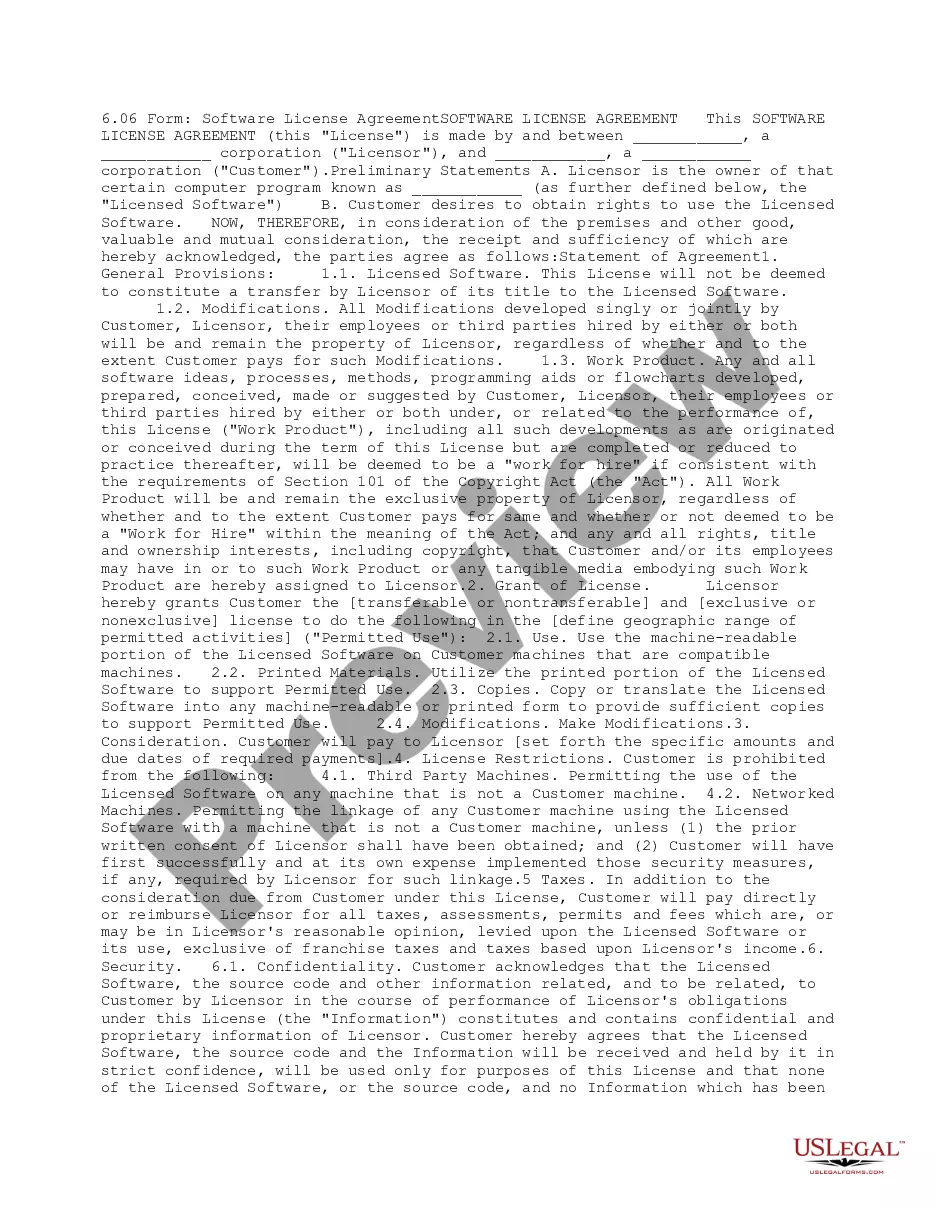




How to fill out Exclusive License Agreement Between Individual Inventor And Corporation?
Selecting the appropriate authorized document format can be challenging.
Certainly, there are numerous templates accessible online, but how can you find the official form you need.
Utilize the US Legal Forms website. The service provides a multitude of templates, including the Nevada Exclusive License Agreement between Individual Inventor and Corporation, suitable for business and personal needs.
You can preview the document using the Preview feature and read the description to confirm it is right for you.
- All templates are reviewed by professionals and comply with state and federal regulations.
- If you are already registered, Log Into your account and click on the Obtain button to locate the Nevada Exclusive License Agreement between Individual Inventor and Corporation.
- Use your account to search the legal documents you have previously purchased.
- Visit the My documents section of your account and download another copy of the document you require.
- For new users of US Legal Forms, here are simple steps you can follow.
- First, ensure you have selected the correct form for your locale.
Form popularity
FAQ
The two main types of licensing agreements are exclusive and non-exclusive agreements. An exclusive license restricts the patent holder from granting further licenses to others, making it key in situations like the Nevada Exclusive License Agreement between Individual Inventor and Corporation. In contrast, a non-exclusive license allows the patent holder to grant multiple licenses to different parties, often leading to widespread use of the invention.
Royalties often range from 2% to 10% of net revenues. Such inventors often choose to form a business and to manufacture and market the product themselves.
Licensing agreements are found in many different industries. An example of a licensing agreement is a contract between the copyright holders of software and another company, allowing the latter to use the computer software for their daily business operations.
Coercive Package Licensing- When patent owner licenses a patent, there may be requirement of licensing more than one patent in order to commercialize the invention. Such license for the multiple patents is called as package license. Such package license shall by volunteer and with consent of both parties.
Types of licensing agreement The unique feature of this type of agreement is that even the licensor is excluded to use or exploit the licensed property during the term of the agreement. Copyright, trademark and patent licenses are the best examples of an exclusive license agreement.
An exclusive license grants the licensee singular permission to exploit the intellectual property in question. No other entity, including the party granting the license (the licensor), is allowed to use the intellectual property covered by the license unless specific carve-outs are included in the agreement.
Which of the following is an example of an exclusive license agreement? a. The licensee is currently the only company using the intangible property, but the licensor has rights to add other licensees.
A copyright exclusive license is one in which ownership in one or more rights is transferred by the copyright owner. A copyright nonexclusive license occurs when the owner retains ownership of the copyright and/or may license the same right to others.
Practitioners and licensing executives often refer to three basic types of voluntary licenses: non-exclusive, sole, and exclusive. A non-exclusive licence allows the licensor to retain the right to use the licensed property and the right to grant additional licenses to third parties.
Exclusive license allows a licensor to share intellectual property with a licensee for a specific period of time that usually binds the licensor to not share the property with anyone else.