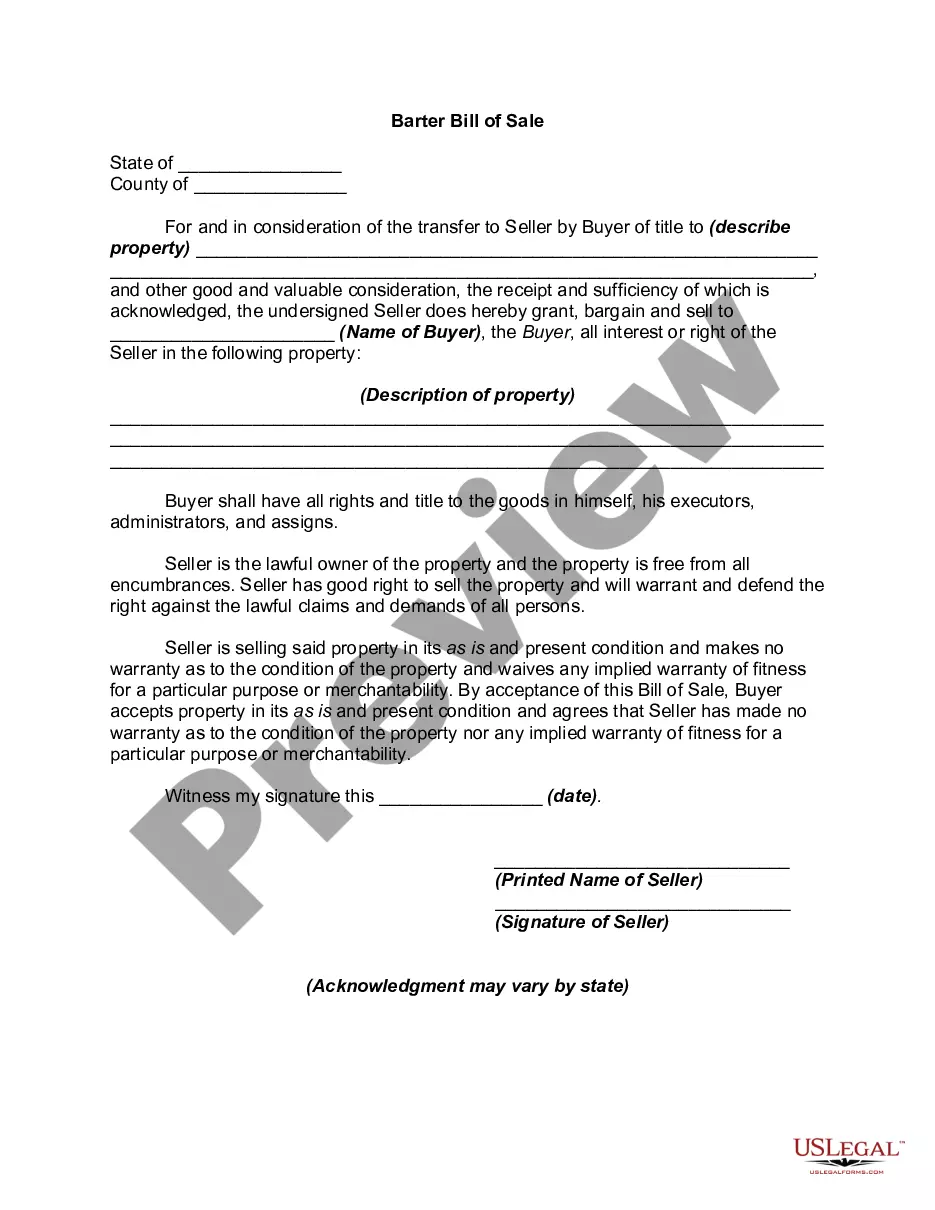
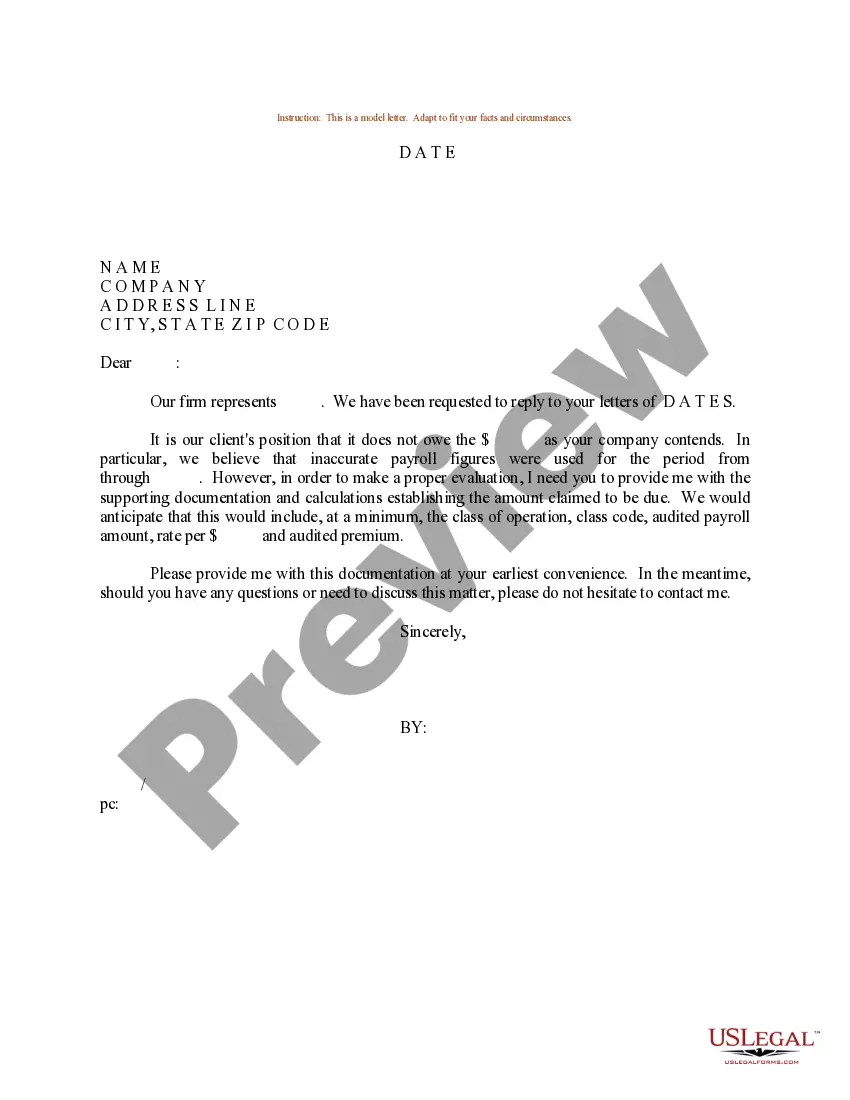
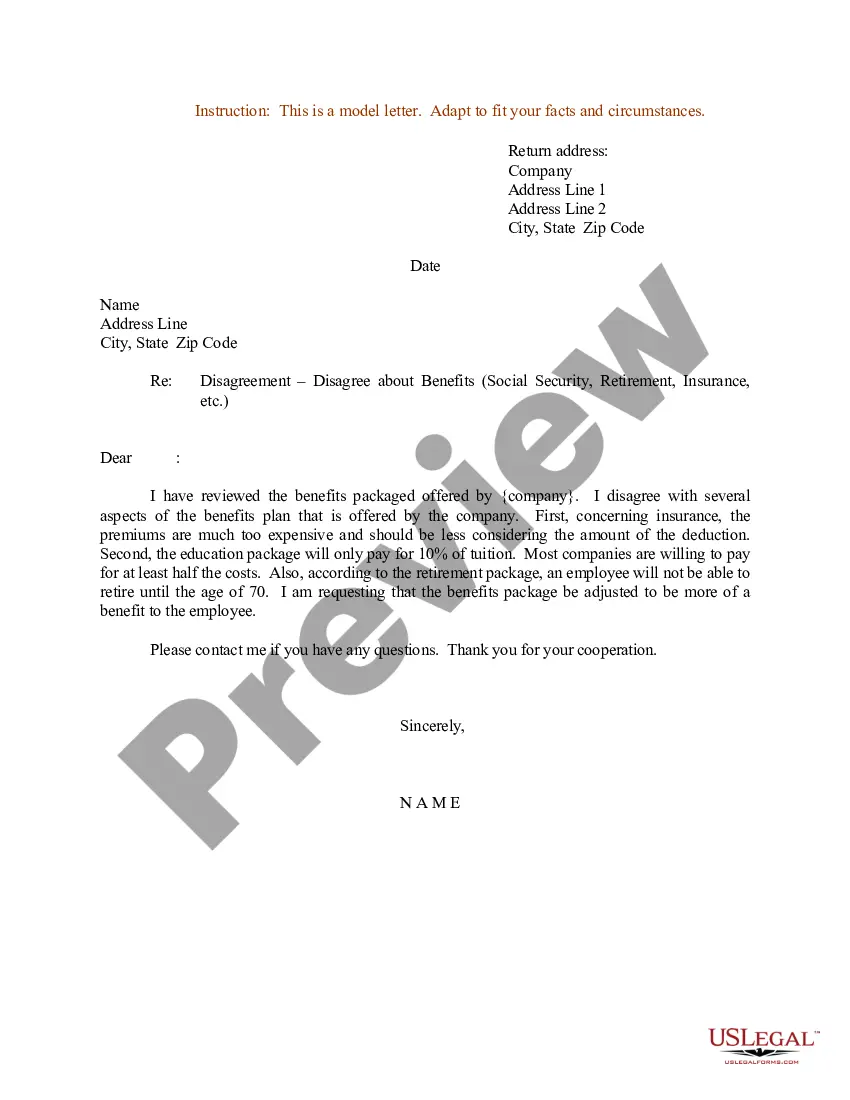
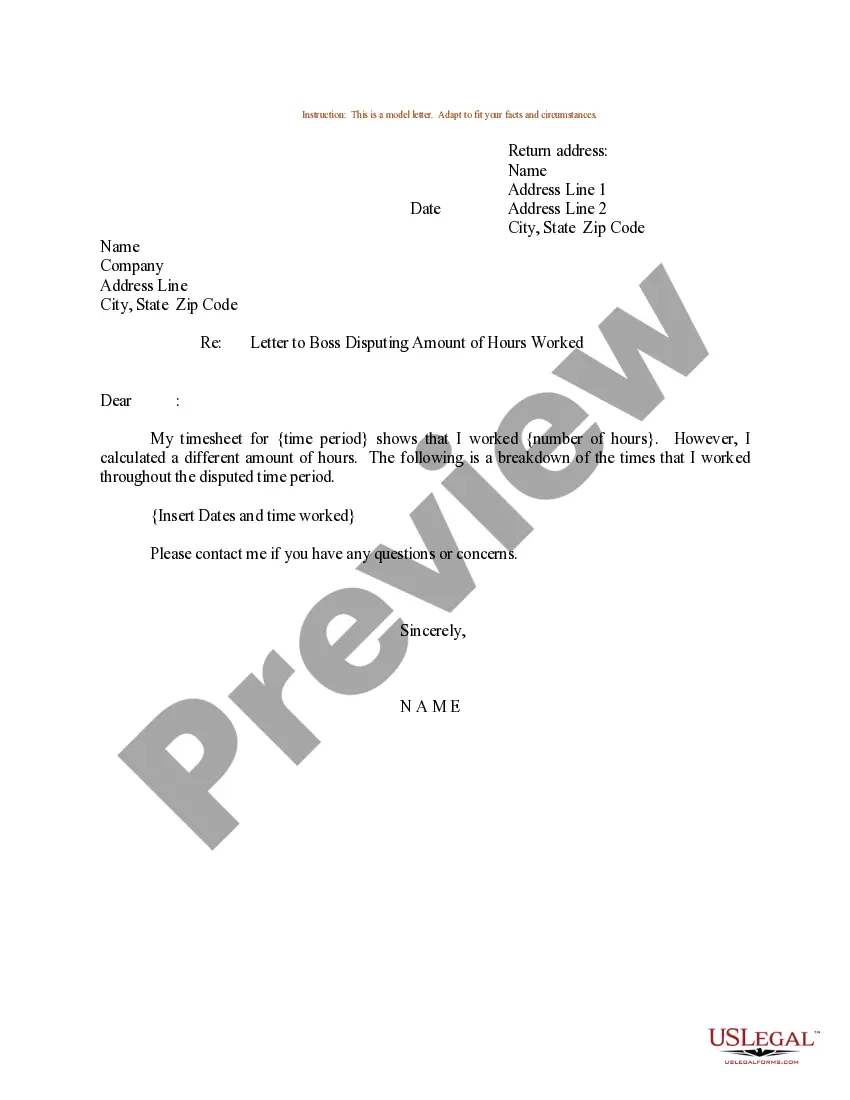
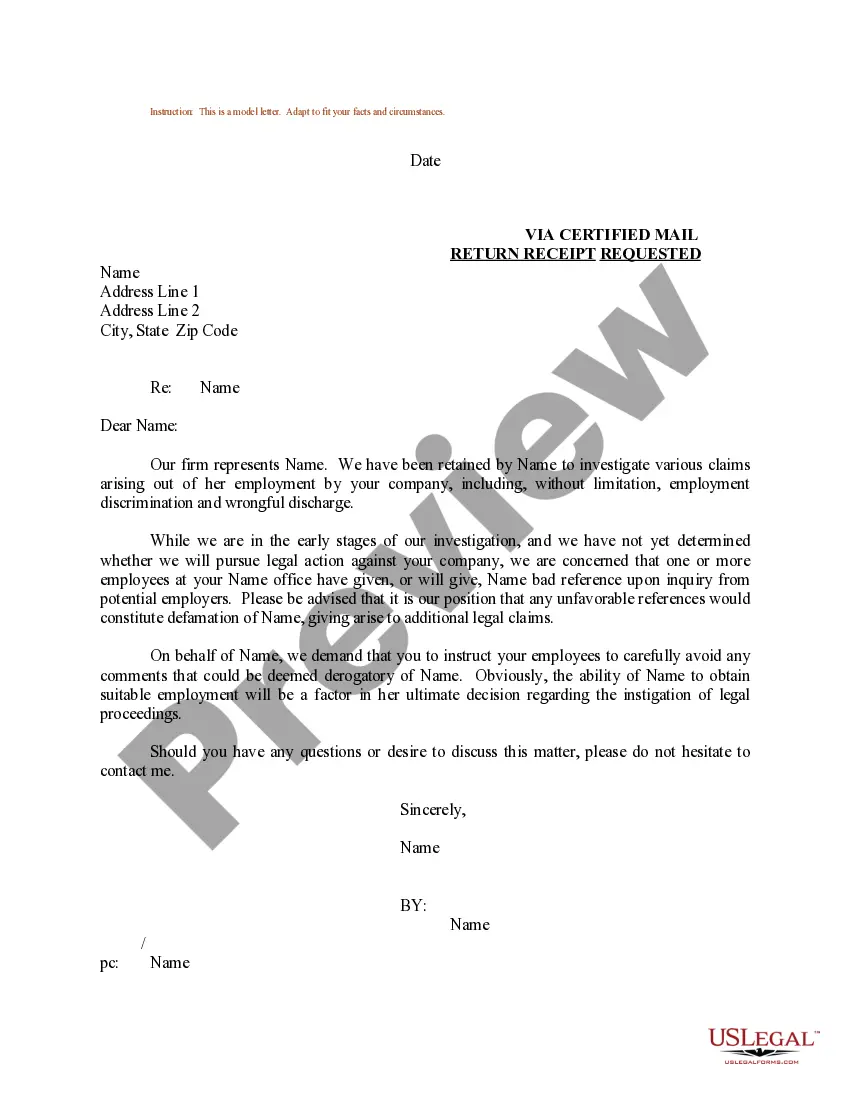
Nevada Sample Letter for Payroll Dispute
Description
Get your form ready online
Our built-in tools help you complete, sign, share, and store your documents in one place.
Make edits, fill in missing information, and update formatting in US Legal Forms—just like you would in MS Word.
Download a copy, print it, send it by email, or mail it via USPS—whatever works best for your next step.
Sign and collect signatures with our SignNow integration. Send to multiple recipients, set reminders, and more. Go Premium to unlock E-Sign.
If this form requires notarization, complete it online through a secure video call—no need to meet a notary in person or wait for an appointment.
We protect your documents and personal data by following strict security and privacy standards.

Make edits, fill in missing information, and update formatting in US Legal Forms—just like you would in MS Word.

Download a copy, print it, send it by email, or mail it via USPS—whatever works best for your next step.

Sign and collect signatures with our SignNow integration. Send to multiple recipients, set reminders, and more. Go Premium to unlock E-Sign.

If this form requires notarization, complete it online through a secure video call—no need to meet a notary in person or wait for an appointment.

We protect your documents and personal data by following strict security and privacy standards.
Looking for another form?

How to fill out Sample Letter For Payroll Dispute?
You can devote hours on-line trying to find the authorized file format that meets the federal and state requirements you want. US Legal Forms provides a large number of authorized types which are evaluated by specialists. It is possible to obtain or produce the Nevada Sample Letter for Payroll Dispute from the support.
If you have a US Legal Forms account, you may log in and click the Down load button. Following that, you may total, modify, produce, or sign the Nevada Sample Letter for Payroll Dispute. Each authorized file format you acquire is your own for a long time. To get yet another version of any acquired kind, proceed to the My Forms tab and click the corresponding button.
If you work with the US Legal Forms website for the first time, follow the simple recommendations under:
- Initially, be sure that you have selected the correct file format for your state/metropolis that you pick. Browse the kind description to ensure you have selected the proper kind. If readily available, use the Preview button to look with the file format as well.
- If you would like find yet another edition of your kind, use the Lookup area to find the format that meets your needs and requirements.
- After you have identified the format you would like, click on Get now to proceed.
- Select the prices prepare you would like, type your credentials, and register for a free account on US Legal Forms.
- Complete the purchase. You can use your bank card or PayPal account to purchase the authorized kind.
- Select the formatting of your file and obtain it to the device.
- Make adjustments to the file if needed. You can total, modify and sign and produce Nevada Sample Letter for Payroll Dispute.
Down load and produce a large number of file templates making use of the US Legal Forms site, that provides the most important assortment of authorized types. Use expert and status-particular templates to tackle your organization or person needs.
Form popularity
FAQ
Frequently Asked Questions (FAQ) Type your letter. ... Concisely review the main facts. ... Be polite. ... Write with your goal in mind. ... Ask for exactly what you want. ... Set a deadline. ... End the letter by stating you will promptly pursue legal remedies if the other party does not meet your demand. Make and keep copies.
A letter of demand is a demand for payment from a debtor or defendant. It is usually the first step in a legal dispute case. A letter of demand will outline the breaches of the law, foreshadow the legal action and consequences of not paying.
Dear [employer name]: This is a demand for my final wages. My last day of work was [last day of work]. I have worked and not been paid for [number of hours] hours and I am owed [dollar-amount owed] at this time.
How to Handle Payroll Errors Step 1: Briefly state the error and apologize. ... Step 2: Describe what caused the error and show the employee exactly how the correct pay should have been calculated. ... Step 3: Explain what steps are being taken to fix the error and to ensure it is not repeated.
Call the U.S. Department of Labor at (702) 388-6001 or the Worker Rights Center at 1-888-465-6008 or (702) 866-6008 for more information.
A letter of demand states how much the business owes you, what for and when they need to pay the invoice by. It may also include a warning that you'll consider legal action if the debt is not paid by a particular date.
To write a payroll processing error letter, follow these steps below: Define the error. Explain what led to the error and what you're doing to correct it. Follow up with a formal letter that documents your communication and process for handling the error.
What to Include in Your Demand Letter Background facts describing the wages that are owed. ... Use concise and polite language when discussing facts or making your demand. ... State how your employer can pay the wages. ... Include a deadline and intent to sue language. ... Add your signature.