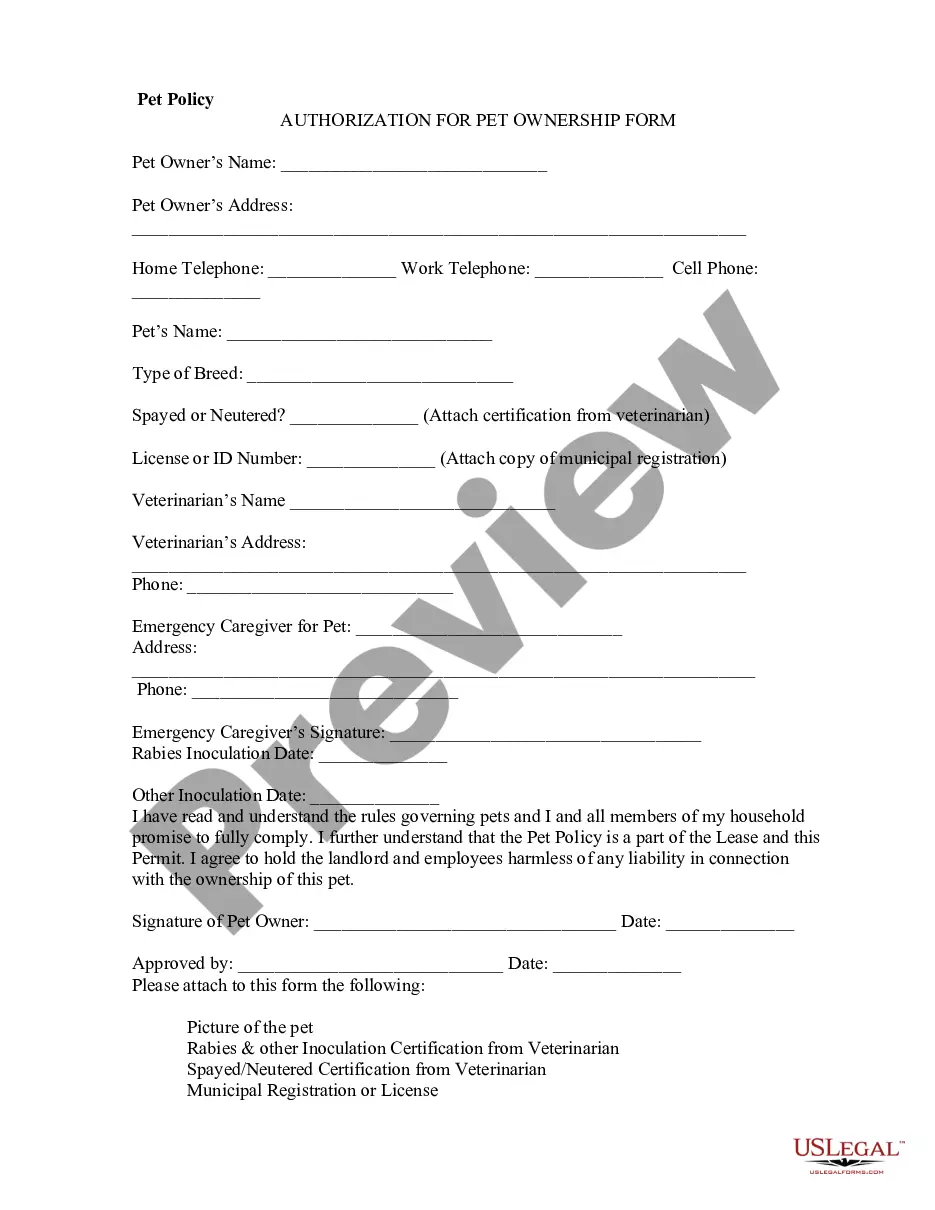
Nevada Waste Disposal Agreement for Municipality
Description
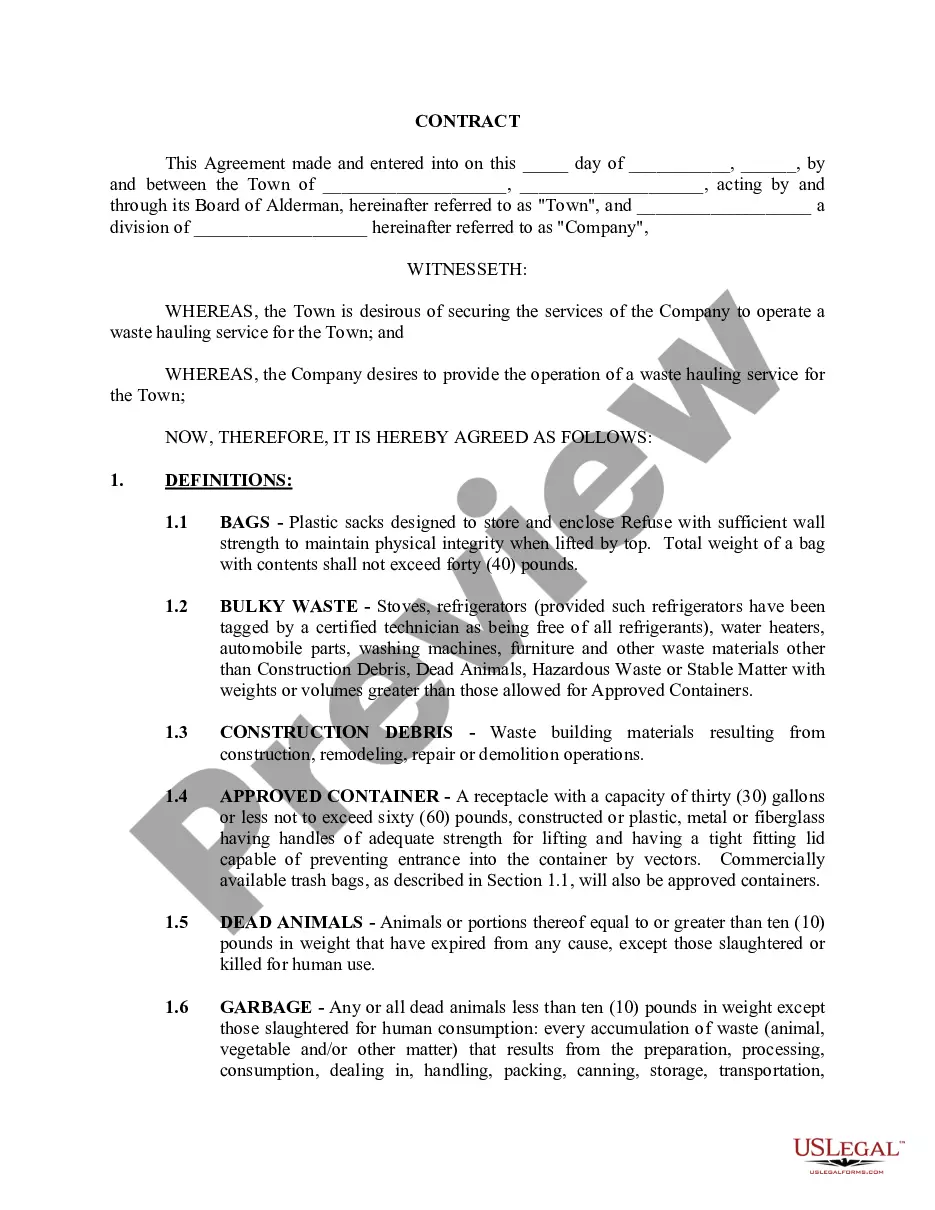
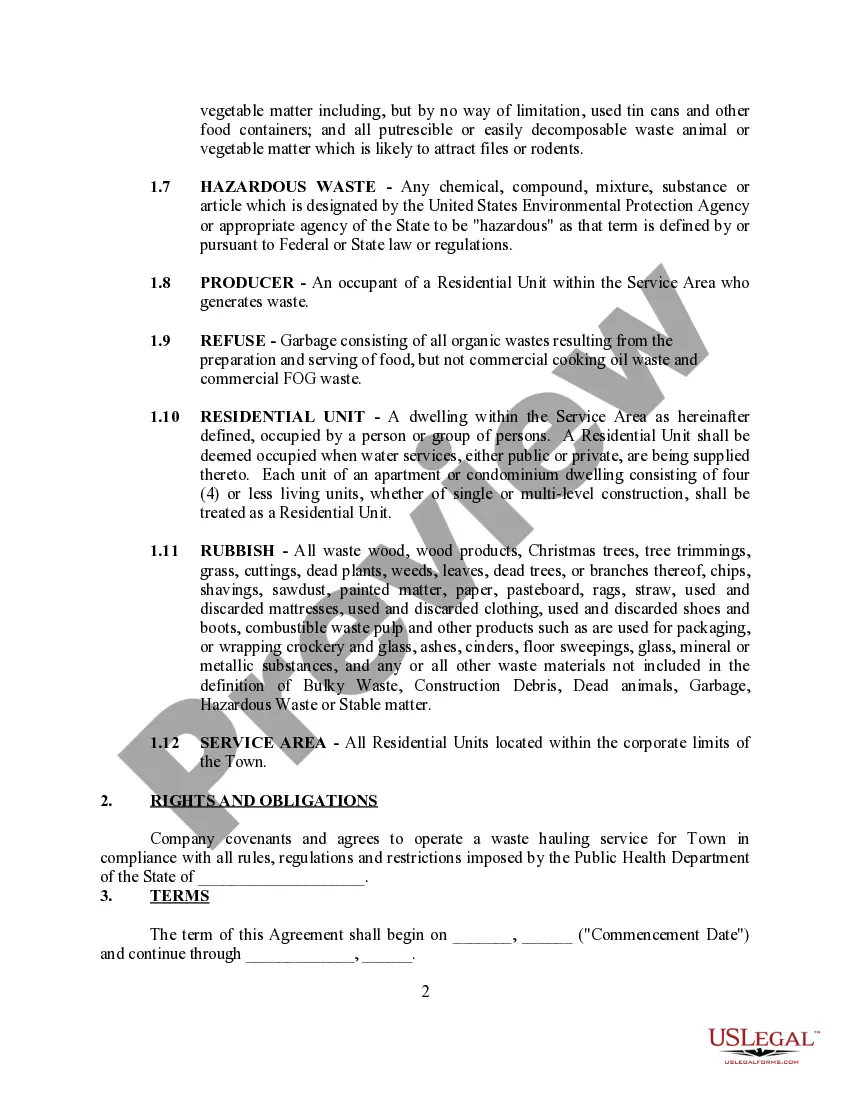
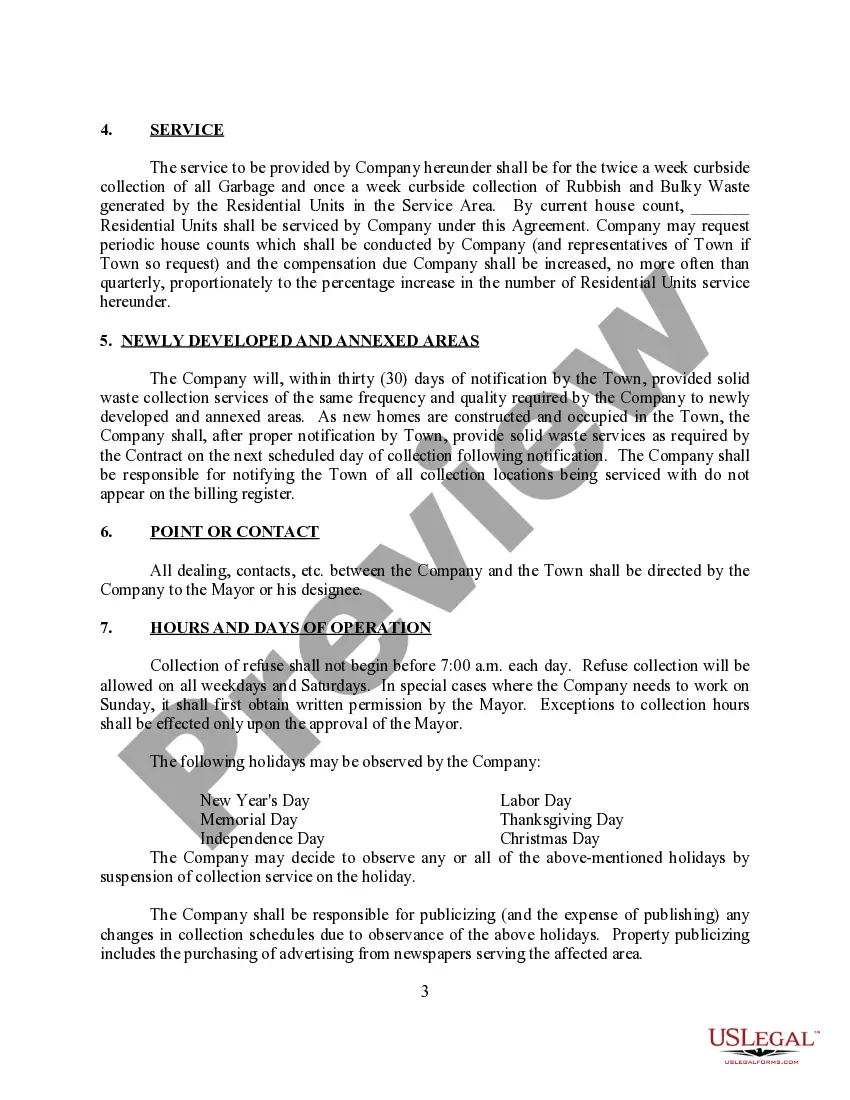
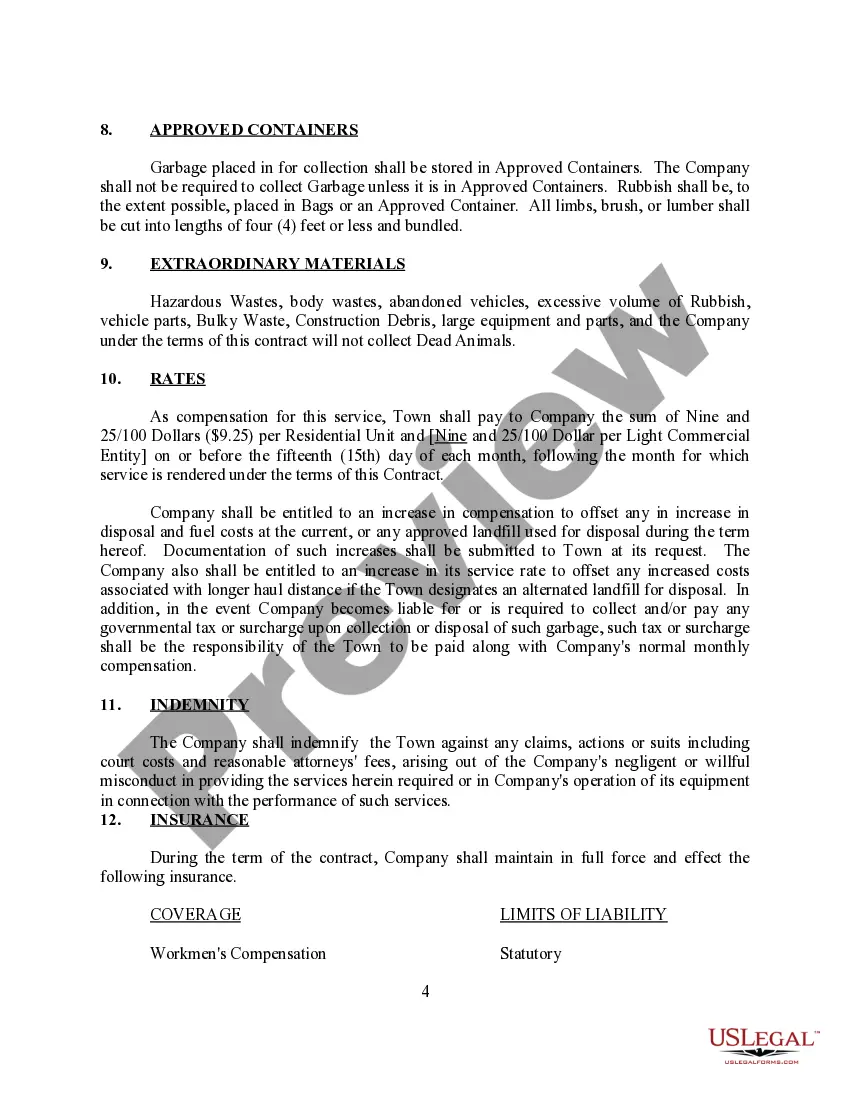
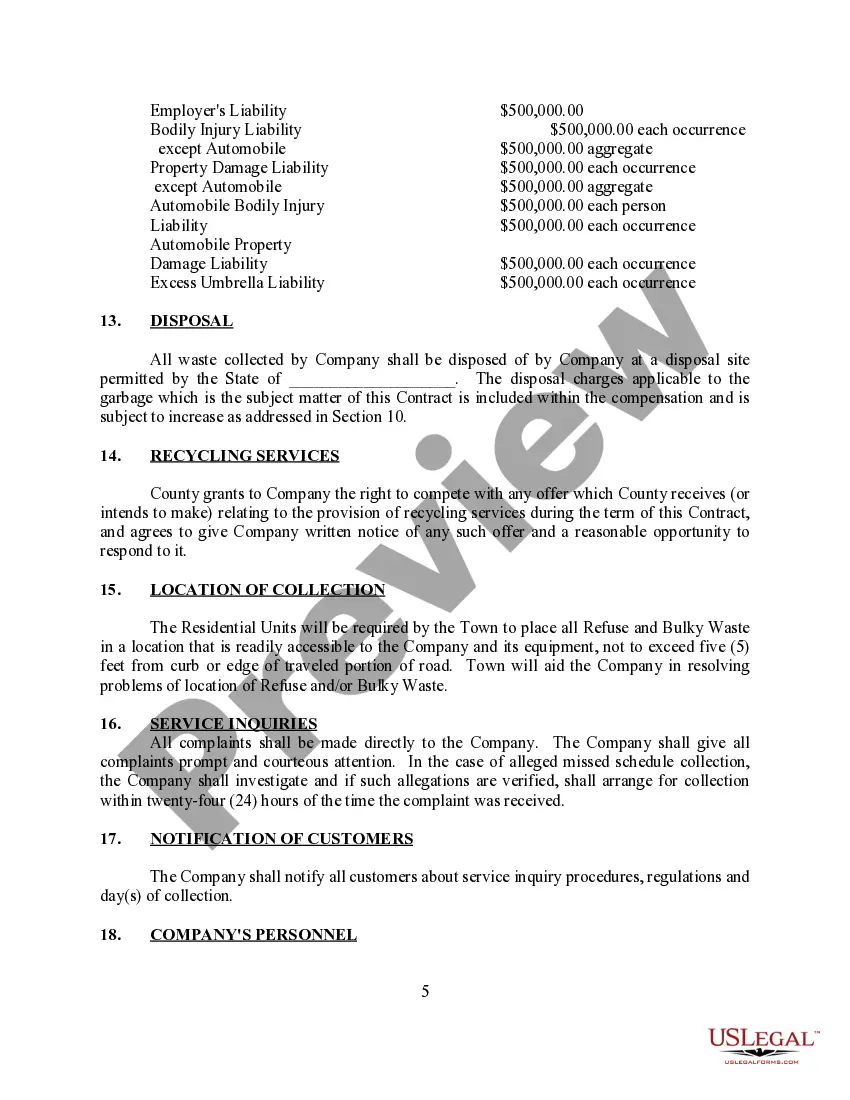
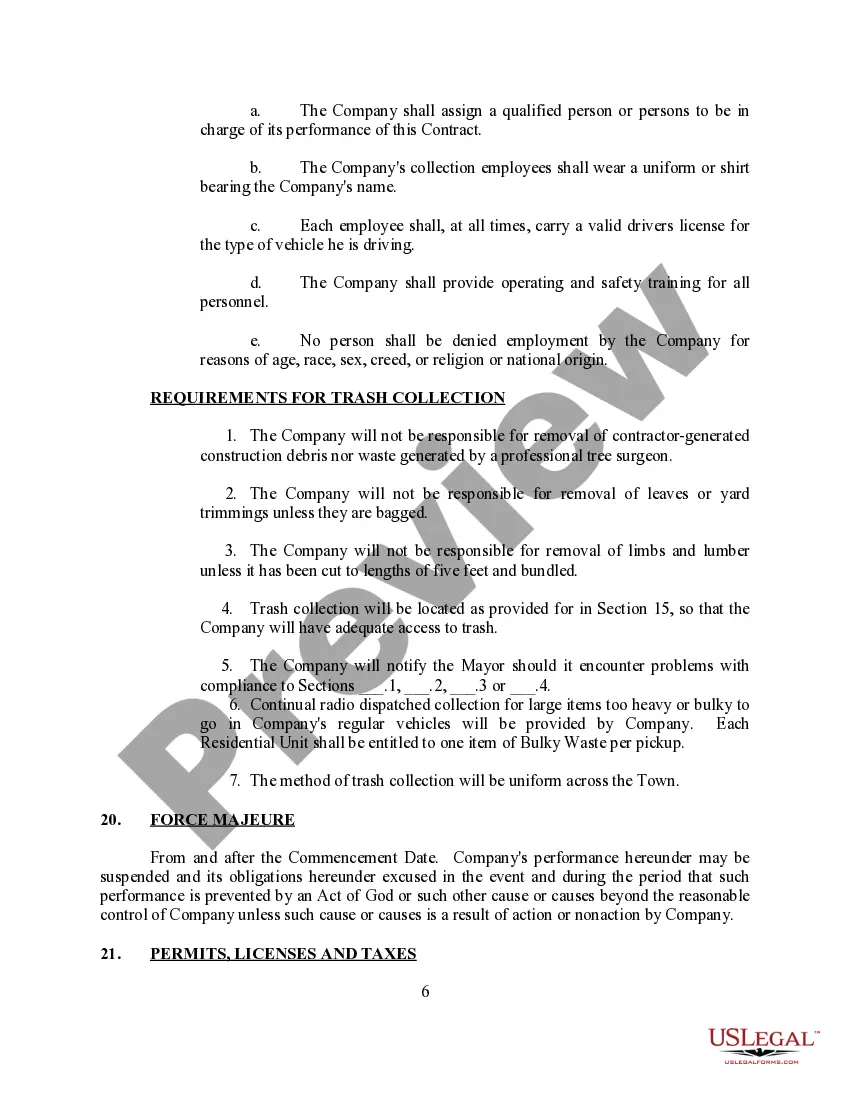
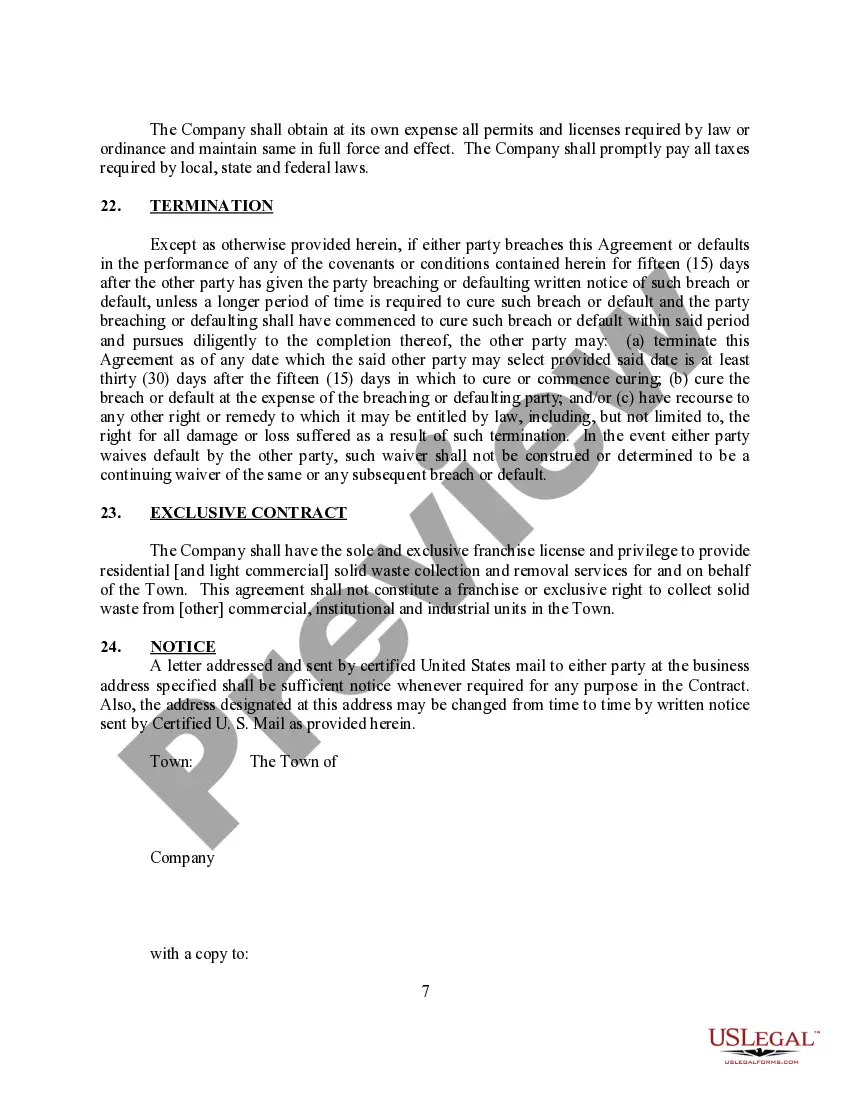
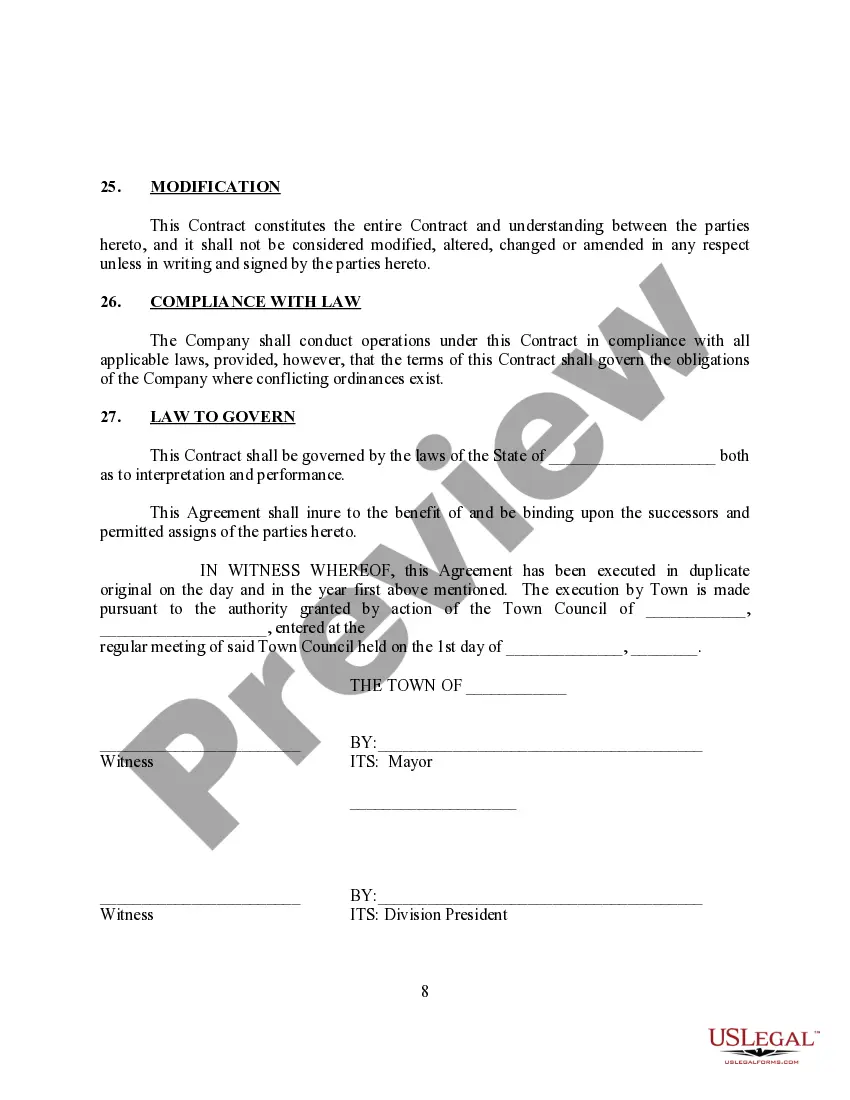

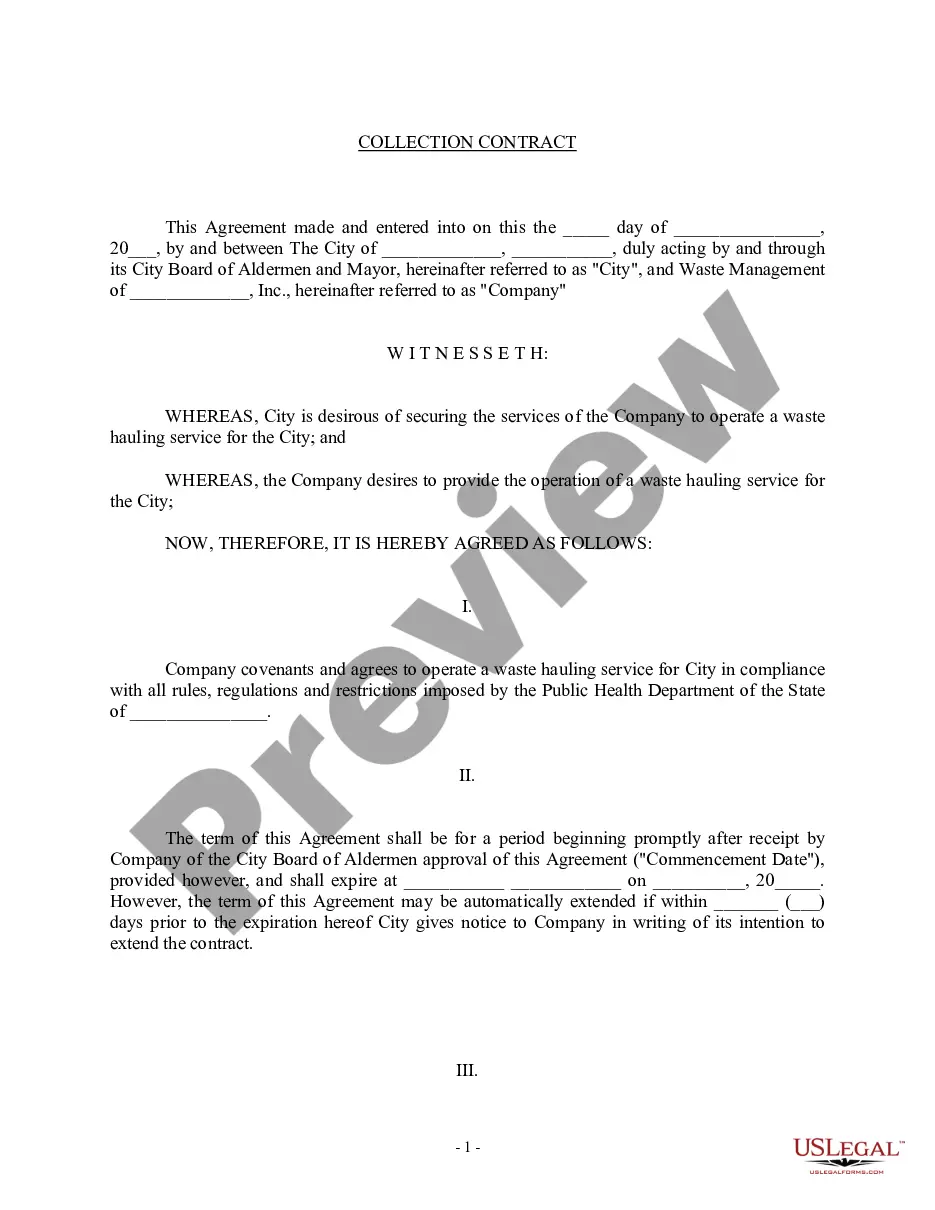
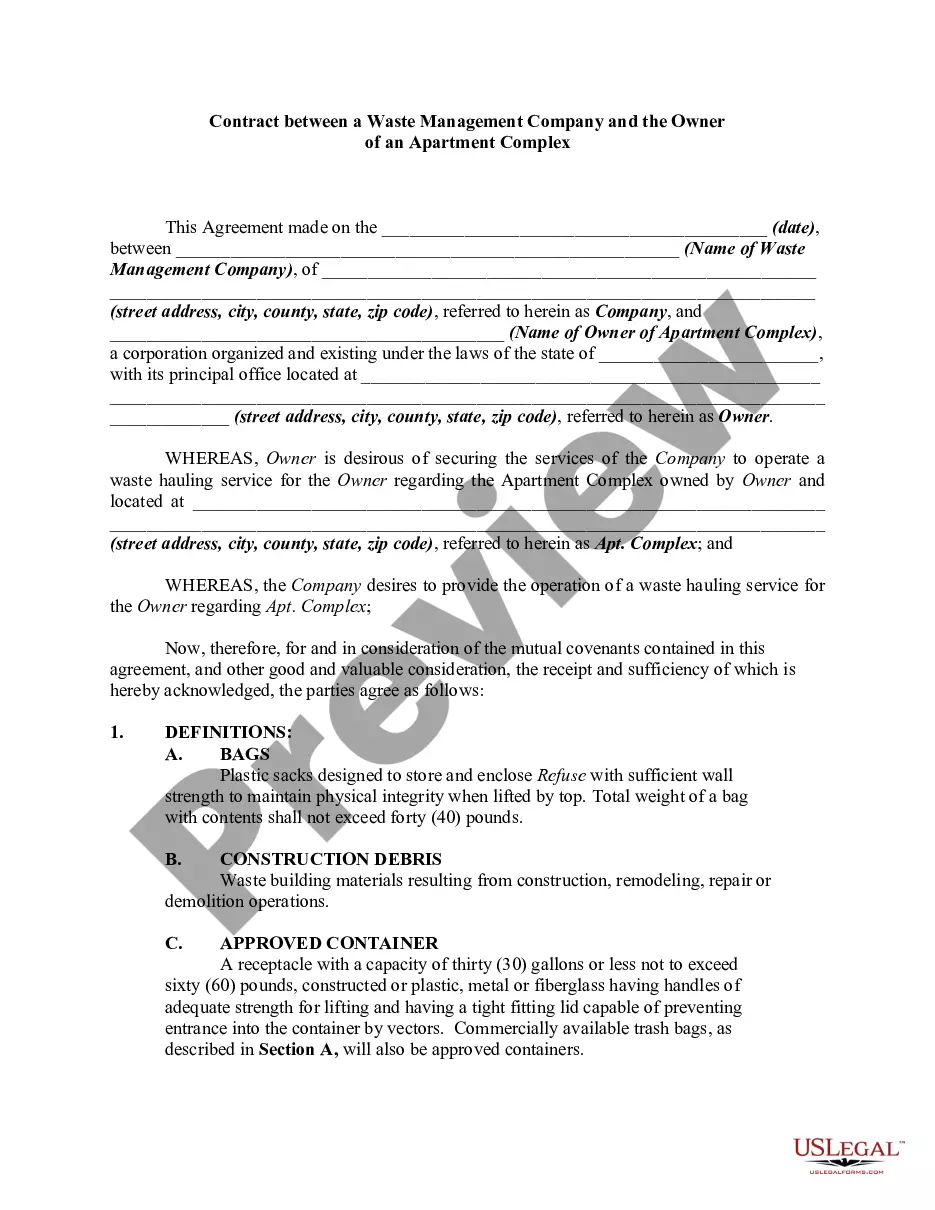
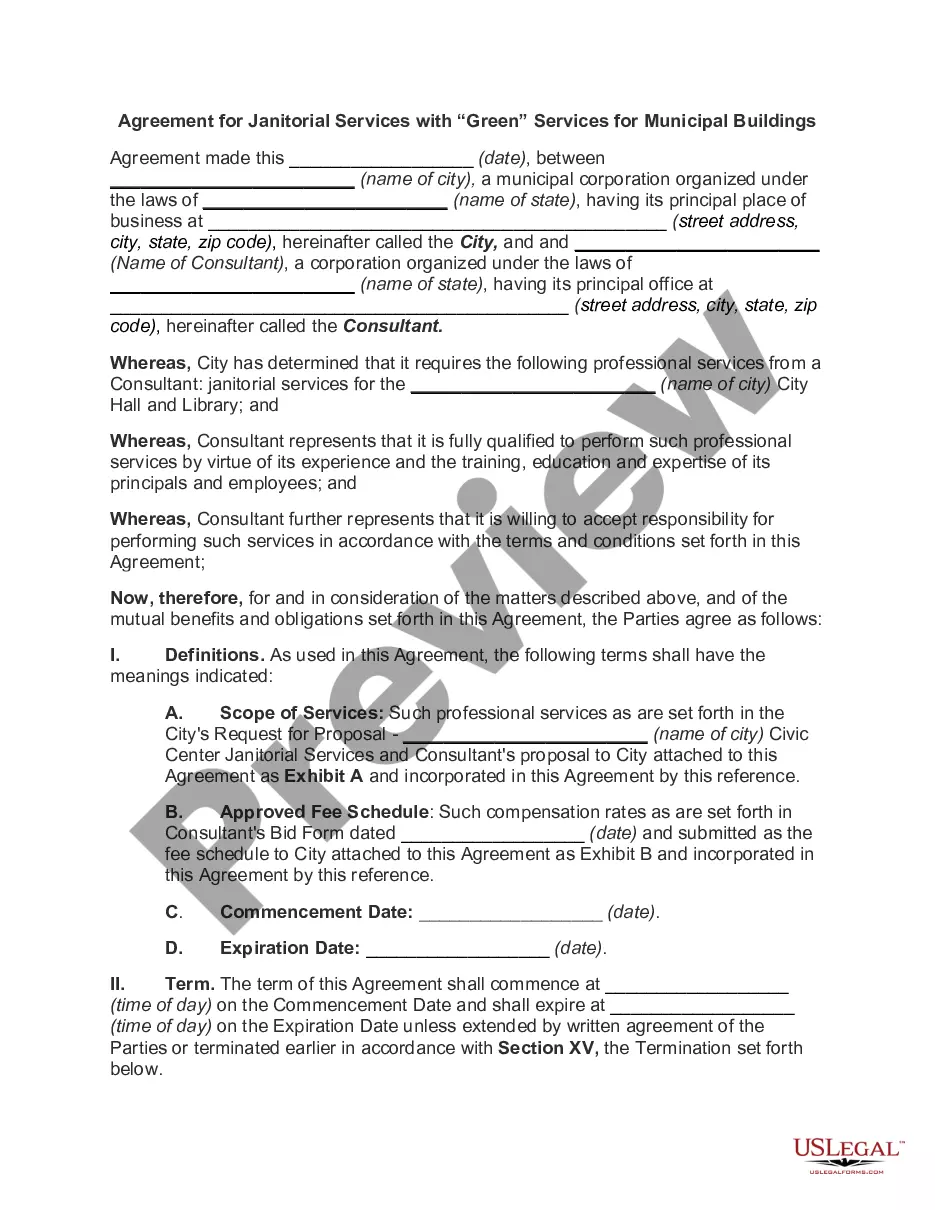
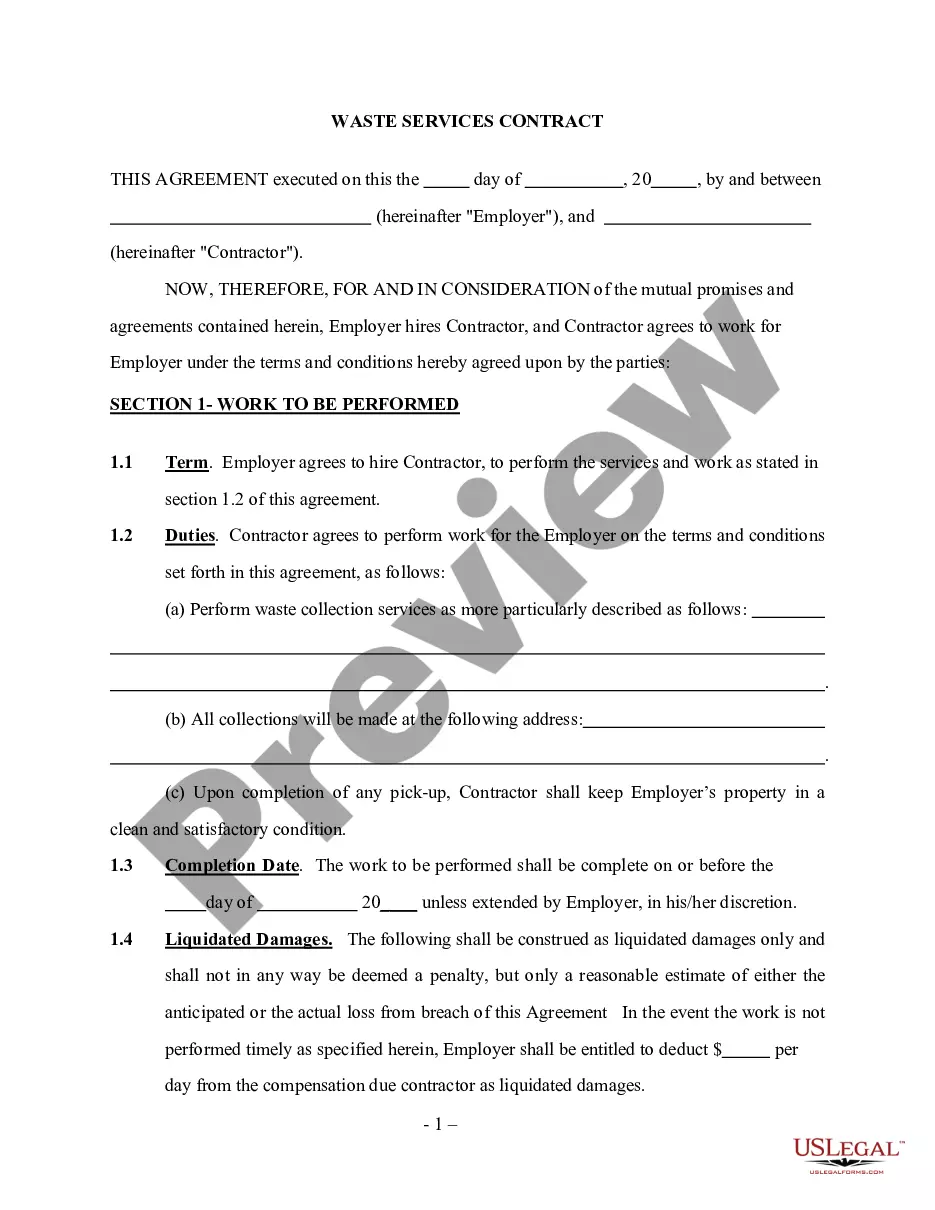
How to fill out Waste Disposal Agreement For Municipality?
US Legal Forms - one of the largest collections of legal documents in the USA - offers a variety of legal document templates that you can download or print. By using the website, you can access thousands of forms for business and personal purposes, categorized by groups, states, or keywords. You can find the latest versions of forms like the Nevada Waste Disposal Agreement for Municipality in moments.
If you already have a subscription, Log In and retrieve the Nevada Waste Disposal Agreement for Municipality from your US Legal Forms library. The Download button will appear on every form you view. You can access all previously saved forms from the My documents section of your account.
If you would like to use US Legal Forms for the first time, here are simple instructions to get you started: Ensure you have selected the correct form for your area/county. Click on the Preview button to check the form's content. Review the form details to confirm that you have chosen the right document. If the form does not meet your needs, utilize the Search field at the top of the screen to find one that does.
Access the Nevada Waste Disposal Agreement for Municipality with US Legal Forms, the most comprehensive collection of legal document templates. Utilize thousands of professional and state-specific templates that meet your business or personal needs and requirements.
- If you are satisfied with the form, confirm your selection by clicking the Get now button.
- Then, choose the payment plan you prefer and provide your credentials to sign up for the account.
- Complete the transaction. Use your credit card or PayPal account to finalize the payment.
- Select the file format and download the form to your device.
- Make modifications. Fill in, edit, print, and sign the saved Nevada Waste Disposal Agreement for Municipality.
- Each format you add to your account does not have an expiration date and is yours indefinitely. So, if you wish to download or print another copy, simply go to the My documents section and click on the form you need.
Form popularity
FAQ
First priority should be the source reduction. The second option, Recycling and composting. Disposal in the landfills should be the last option. Generally waste management methods include source reduction and reuse, recycling, composting, vermiculture, engineered landfills, incineration and land application.
Proper waste disposal and management can be done by applying the 3R ? Reduce, Reuse and Recycle. Reducing means lessening the amount of trash/garbage produced. Reusing refers to using materials more than once while recycling means creating new material or product out of trash/garbage.
A proper waste disposal plan ensures safe, sustainable waste disposal practices to prevent waste from contaminating nearby soil and groundwater. Staying compliant with regulations: A robust waste management program keeps your company in compliance with local and federal laws.
The Environmental Protection Act deals with issues relating to waste on land, defining all aspects of waste management and places a duty on local authorities to collect waste.
Waste disposal methods Recycling. Incineration. ... Other thermal treatment plants. Chemical-physical and biological treatment. ... Chemical-physical and biological treatment. Landfills. ... Landfills. Collection and logistics.
5 Simple Ways to Practise Waste Segregation Keep separate containers for dry and wet waste in the kitchen. Keep two bags for dry waste collection- paper and plastic, for the rest of the household waste. Keep plastic from the kitchen clean and dry and drop into the dry waste bin. ... Send wet waste out of your home daily.
Whenever there is no sewerage infrastructure, commonly two alternate arrangements for sewage disposal are applied like: Septic tanks and other inexpensive on-site sanitation systems. Composting restrooms: This is a dry restroom.
This method is based on the waste hierarchy, made up of five steps: reducing waste at the source, reuse of materials, recycling, energy recovery, and landfilling. The main objective of the Ministry of Environmental Protection's waste policy is to turn waste from a nuisance to a resource.