Nevada Fiduciary Deed for Condominium
What is this form?
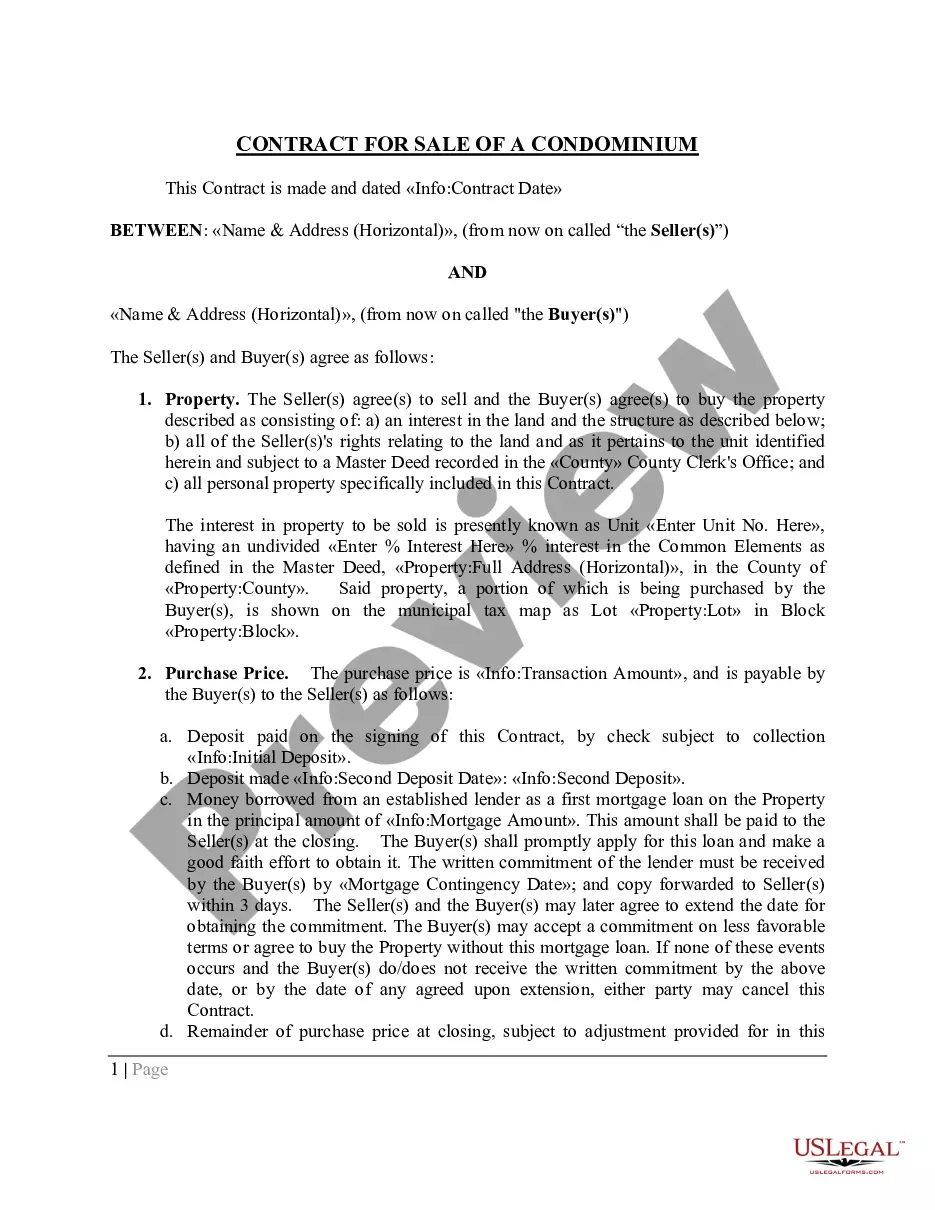
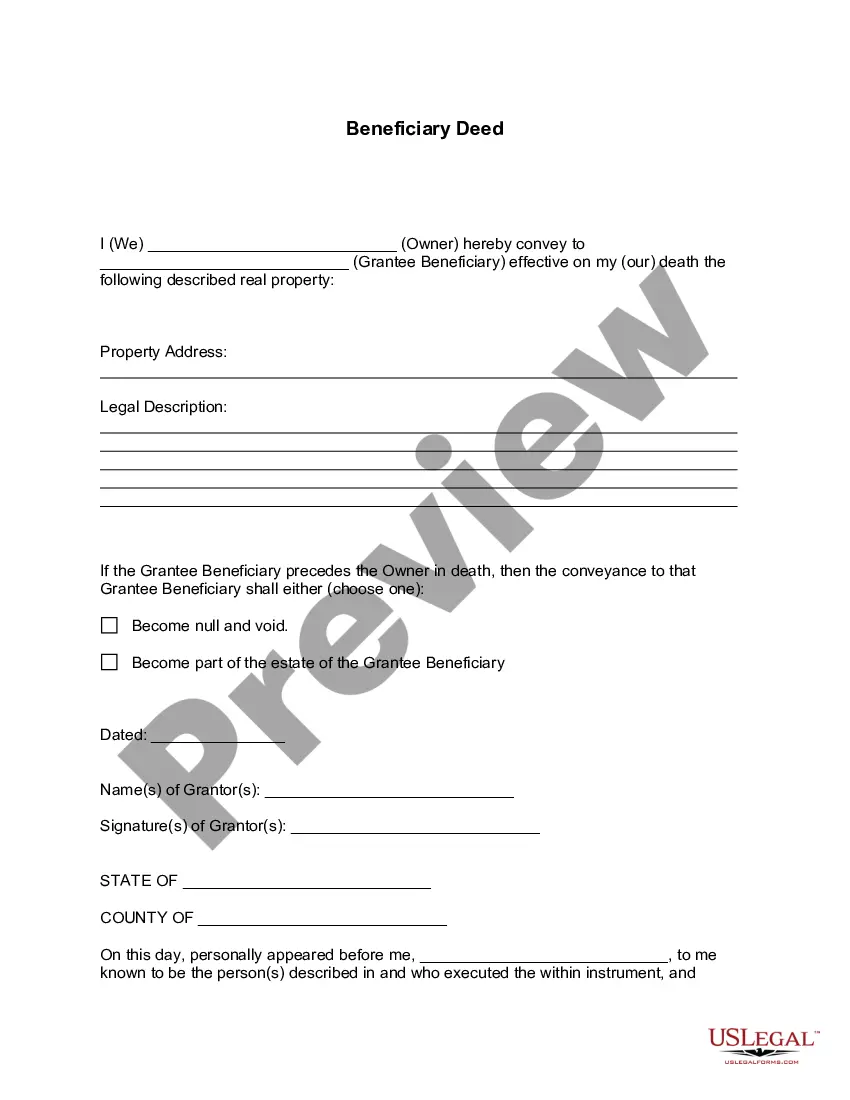
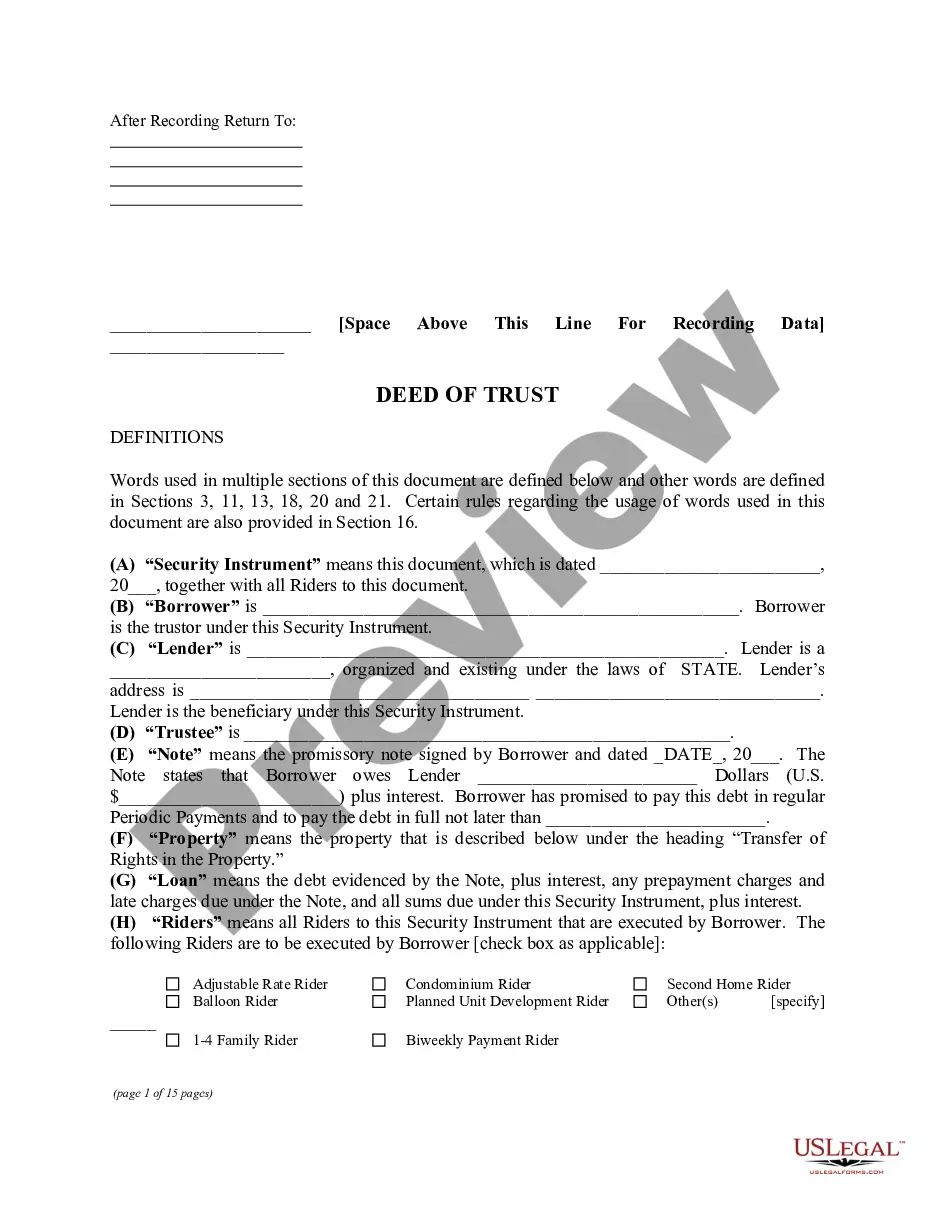
The Fiduciary Deed for Condominium is a legal document used to transfer ownership of a condominium from one party (the grantor) to another (the grantee). This deed is particularly important as it ensures compliance with state statutory laws governing property transfers. Unlike general warranty deeds or quitclaim deeds, a fiduciary deed is specifically utilized in fiduciary scenarios, such as transfers made by executors or guardians on behalf of another party.
Main sections of this form
- Identification of the grantor and grantee involved in the transaction.
- A description of the condominium being transferred, including its location and unit number.
- Legal language that binds the grantee to the terms of the condominium documents.
- Reference to common elements and limited common elements associated with the condominium unit.
- Signature lines for both the grantor and witnesses, if applicable.


Situations where this form applies
This form is necessary when an individual or entity needs to transfer ownership of a condominium, particularly when acting in a fiduciary capacity. Common scenarios include transferring property as part of an estate settlement or when a guardian is managing the assets of someone unable to act for themselves.
Intended users of this form
This form is suitable for:
- Executors managing the estate of a deceased individual.
- Guardians acting on behalf of minors or incapacitated individuals.
- Trustees transferring property held in a trust.
- Anyone involved in fiduciary transactions regarding condominiums.
Completing this form step by step
- Identify the grantor and grantee by entering their legal names and contact information.
- Clearly describe the condominium, including the unit number and location within the development.
- Include any references to the condominium's governing documents, including the declaration and bylaws.
- Ensure all required signatures are obtained, including the grantor's and any witnesses, if required.
- Double-check all entries for accuracy and compliance with local regulations before submitting the form.
Notarization guidance
This form does not typically require notarization unless specified by local law. It is always best to confirm requirements based on the jurisdiction where the property is located.
Get your form ready online
Our built-in tools help you complete, sign, share, and store your documents in one place.
Make edits, fill in missing information, and update formatting in US Legal Forms—just like you would in MS Word.
Download a copy, print it, send it by email, or mail it via USPS—whatever works best for your next step.
Sign and collect signatures with our SignNow integration. Send to multiple recipients, set reminders, and more. Go Premium to unlock E-Sign.
If this form requires notarization, complete it online through a secure video call—no need to meet a notary in person or wait for an appointment.
We protect your documents and personal data by following strict security and privacy standards.

Make edits, fill in missing information, and update formatting in US Legal Forms—just like you would in MS Word.

Download a copy, print it, send it by email, or mail it via USPS—whatever works best for your next step.

Sign and collect signatures with our SignNow integration. Send to multiple recipients, set reminders, and more. Go Premium to unlock E-Sign.

If this form requires notarization, complete it online through a secure video call—no need to meet a notary in person or wait for an appointment.

We protect your documents and personal data by following strict security and privacy standards.
Mistakes to watch out for
- Failing to include a complete description of the property.
- Omitting required signatures or witness confirmations.
- Not verifying that the grantor has the authority to sign on behalf of the estate or trust.
Benefits of using this form online
- Easy access: Download the form from anywhere at any time.
- Editability: Fill in the required fields digitally, ensuring clarity and neatness.
- Reliability: Forms are drafted by licensed attorneys to ensure compliance with state laws.
Quick recap
- The Fiduciary Deed for Condominium is essential for transferring ownership in fiduciary situations.
- Carefully complete all required fields to avoid common errors.
- Understand and follow state-specific requirements to ensure legal compliance.
Looking for another form?

Form popularity
FAQ
A fiduciary deed is used to transfer property when the executor is acting in his official capacity. A fiduciary deed warrants that the fiduciary is acting in the scope of his appointed authority but it does not guarantee title of the property.
States that allow TOD deeds are Alaska, Arizona, Arkansas, California, Colorado, District of Columbia, Hawaii, Illinois, Indiana, Kansas, Maine, Minnesota, Mississippi, Missouri, Montana, Nebraska, Nevada, New Mexico, North Dakota, Ohio, Oklahoma, Oregon, South Dakota, Texas, Utah, Virginia, Washington, West Virginia,
Fiduciary deeds are just one of several types of deeds used in property transfers. This type is used to transfer property such as real estate when the owner can't sign a deed for legal or other reasons.The fiduciary is required to act only in the best interests of the owner.
A grant, bargain, and sale deed is commonly used in Nevada for a conveyance of real property.A certificate of the acknowledgement or proof of execution, signed by the person taking the acknowledgment or proof, and under the seal or stamp of that person, will entitle the deed to be recorded (NRS 111.310).
A beneficiary form states who will directly inherit the asset at your death. Under a TOD arrangement, you keep full control of the asset during your lifetime and pay taxes on any income the asset generates as you own it outright. TOD arrangements require minimal paperwork to establish.
A transfer on death deed (TOD) lets a property owner pass land or real estate to a designated beneficiary outside of the probate process.While you can use a last will and testament to transfer your property to someone when you die, it must be proven during probate, which takes time.
Benefits of a California TOD Deed Form Probate Avoidance A transfer-on-death deed allows homeowners to avoid probate at death.Saving Legal Fees Although the goals of a transfer-on-death deed could also be accomplished with a living trust, a transfer-on-death deed provides a less expensive alternative.
The Nevada Deed Upon Death is like a regular deed you might use to transfer real estate located in Nevada, but with a crucial difference: It doesn't take effect until your death. At your death, the real estate goes automatically to the person you named to inherit it, without the need for probate court proceedings.
California mainly uses two types of deeds: the grant deed and the quitclaim deed. Most other deeds you will see, such as the common interspousal transfer deed, are versions of grant or quitclaim deeds customized for specific circumstances.