Nevada Release and Authorization
What this document covers
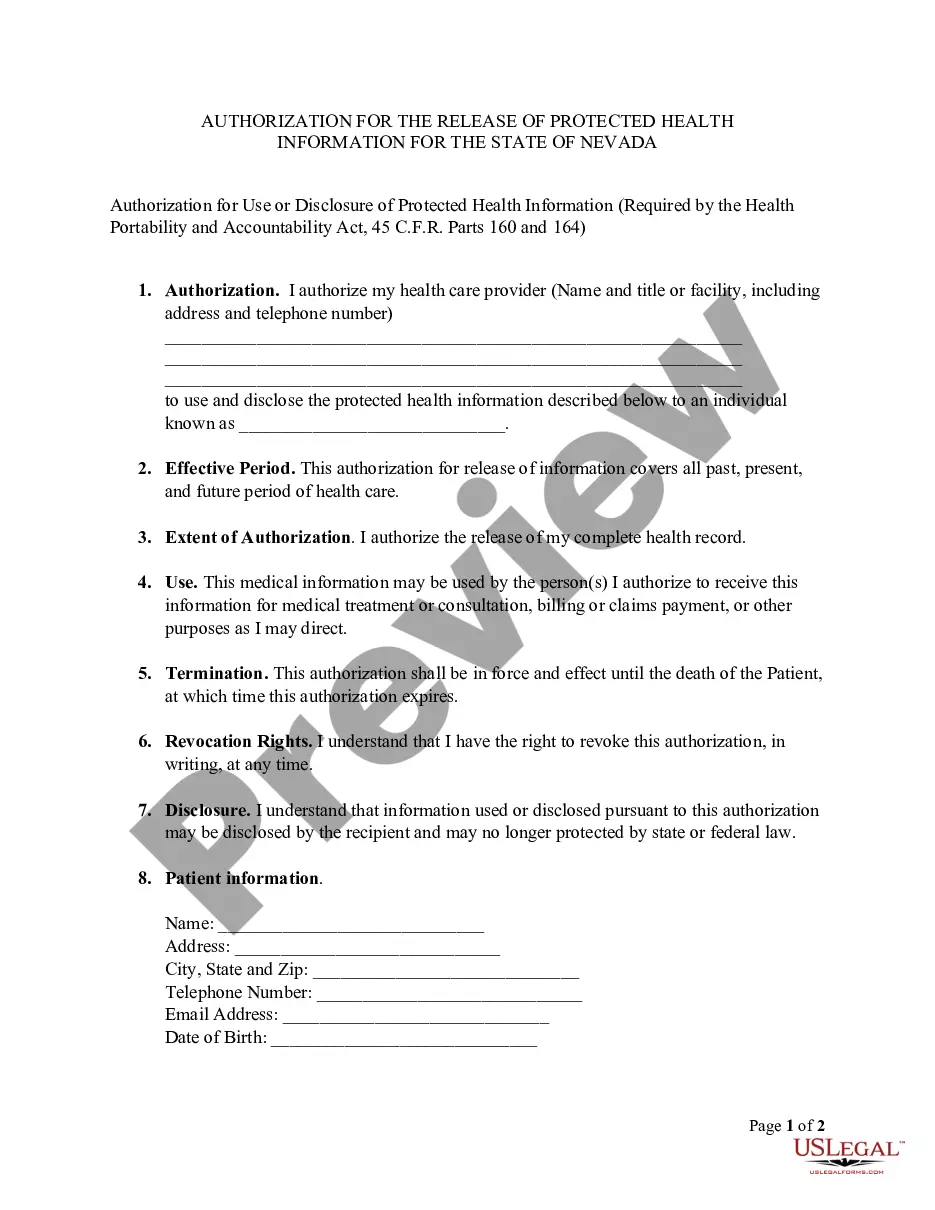
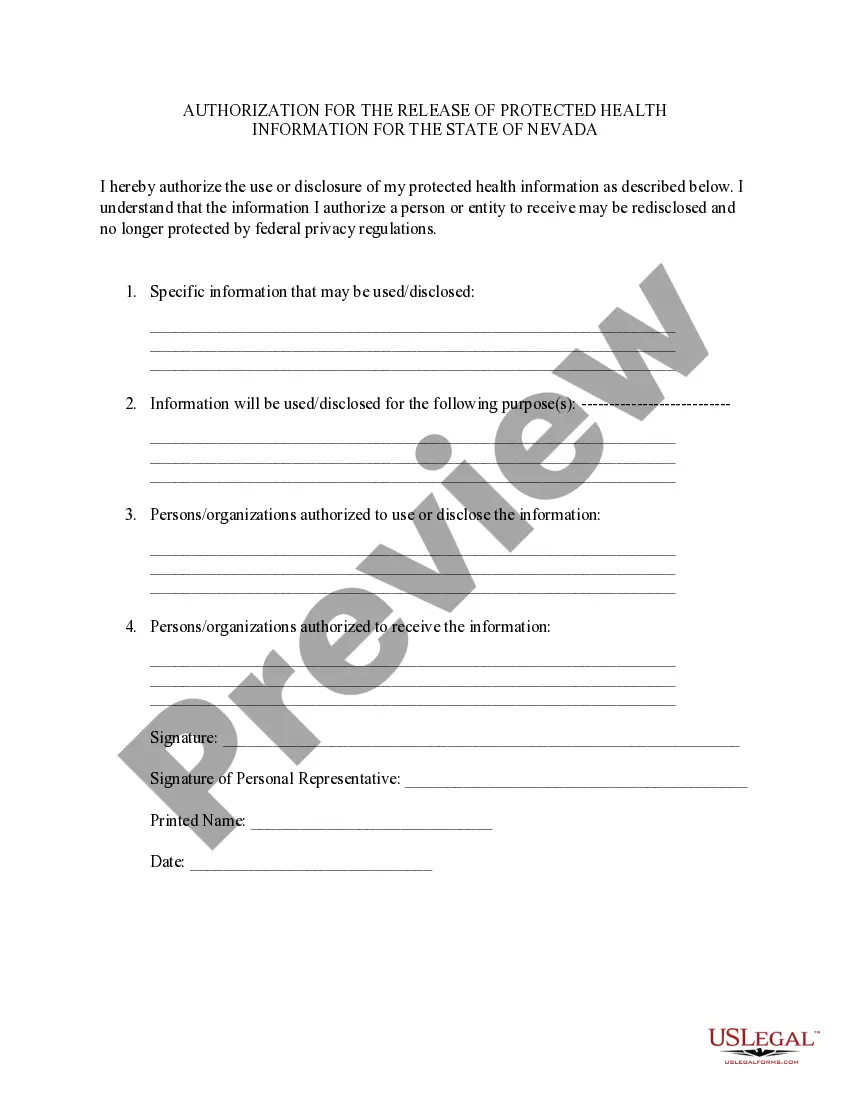
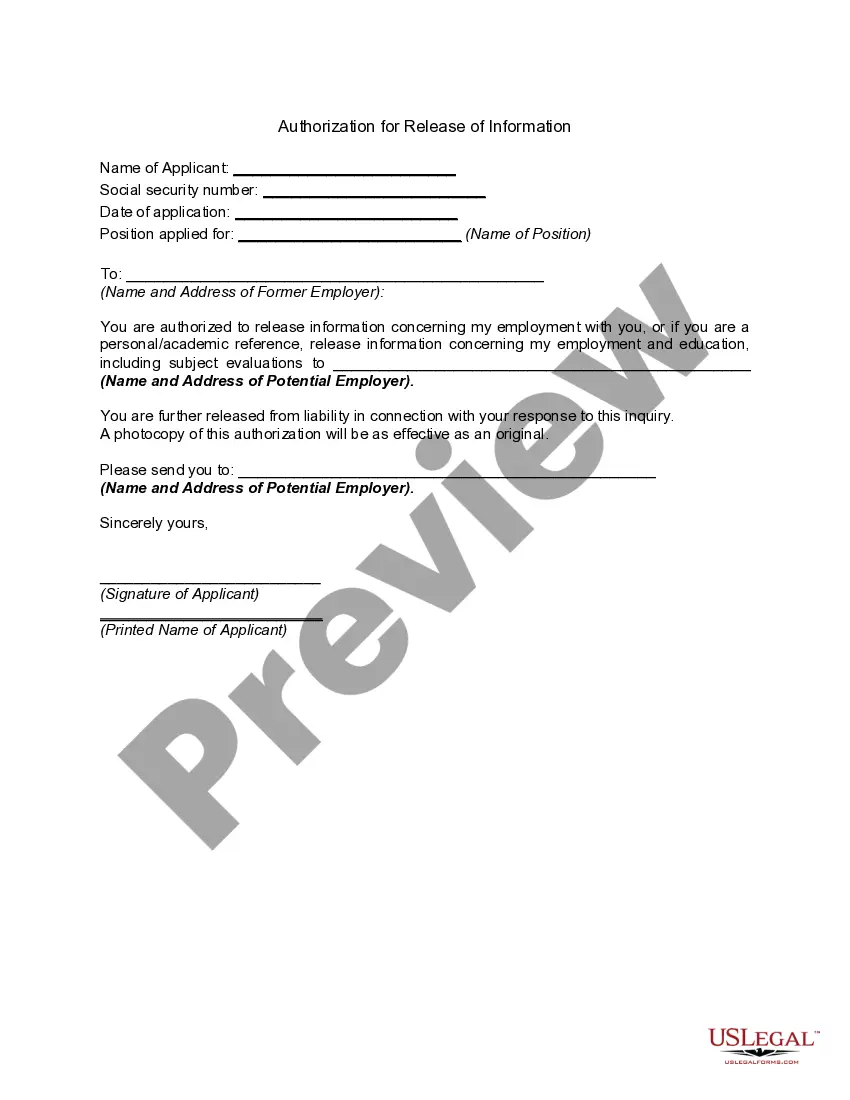
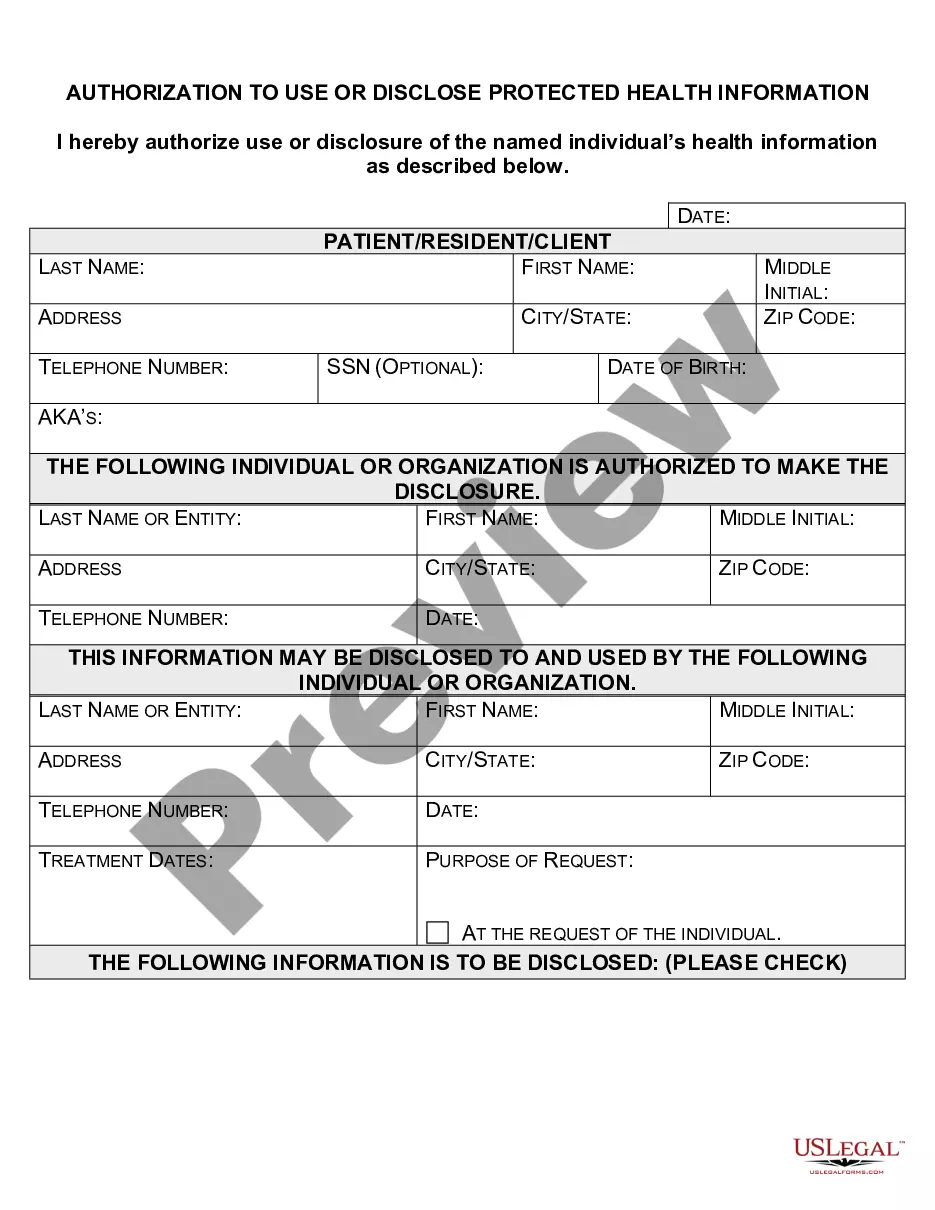
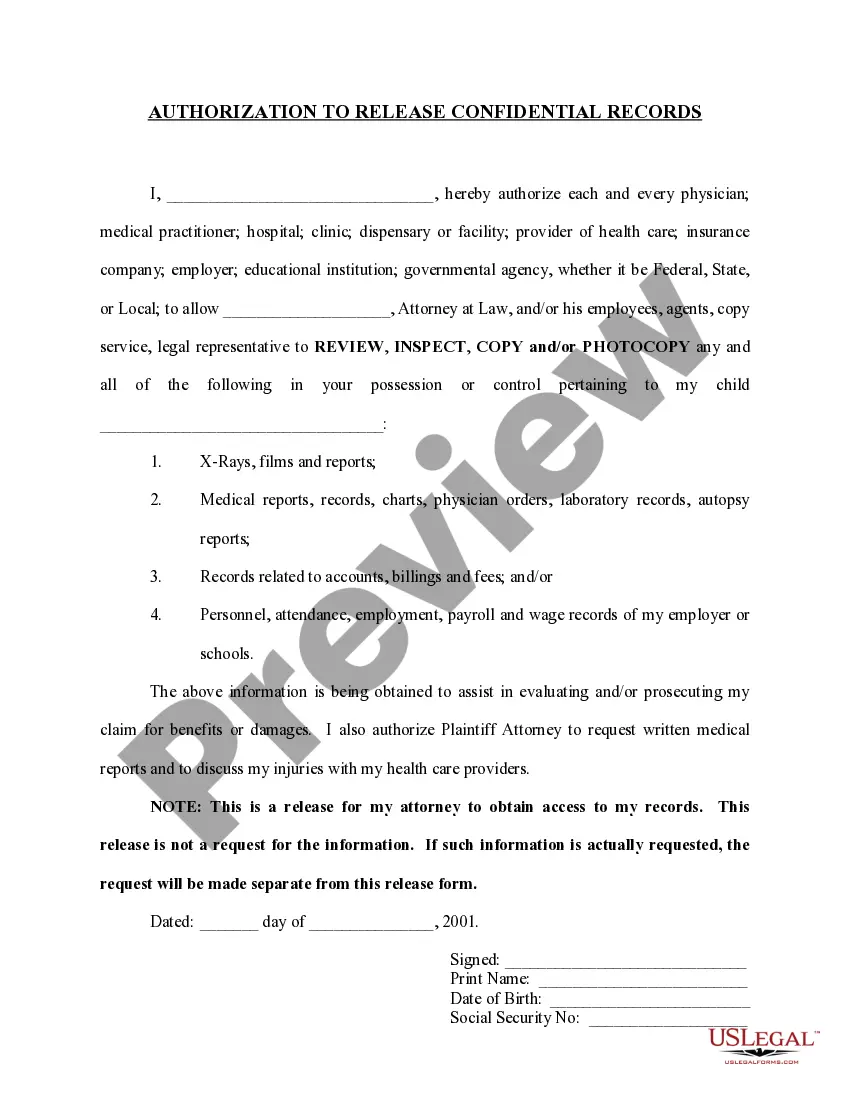
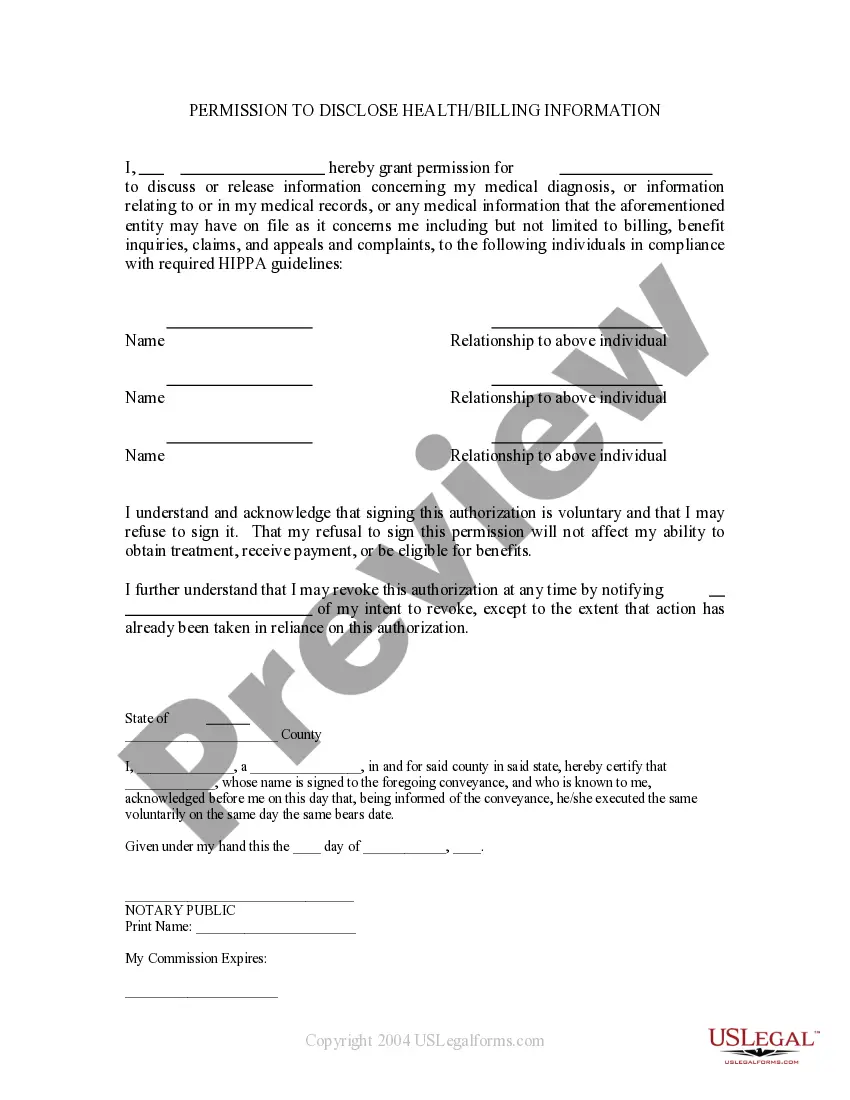
The Nevada Release and Authorization form is a HIPAA authorization specifically designed for residents of Nevada. It allows individuals to authorize their healthcare providers to disclose their protected health information to designated persons. This form is crucial for managing the sharing of medical records while adhering to state and federal privacy laws, ensuring that personal health information is handled appropriately.
Main sections of this form
- Authorization clause specifying the healthcare provider and the individual authorized to receive information.
- Effective period that covers all past, present, and future healthcare.
- Extent of authorization allowing the release of complete health records.
- Use clause detailing how the disclosed information can be used, including for medical treatment or billing purposes.
- Revocation rights clarifying the right to revoke the authorization in writing at any time.
- Patient information section to capture necessary personal details such as name and date of birth.
Common use cases
This form should be used when a patient needs to authorize the release of their medical information to another individual or organization. Common scenarios include sharing information with family members, legal representatives, or other healthcare providers for treatment purposes, billing, or insurance claims. It is particularly important in situations where medical information needs to be transferred for continuity of care.
Who needs this form
- Patients seeking to ensure their medical records are shared according to their expressed wishes.
- Legal representatives acting on behalf of a patient who requires access to their health information.
- Healthcare providers who must obtain patient consent before sharing medical information.
How to complete this form
- Identify your healthcare provider by filling in their name, title or facility, address, and phone number.
- Enter the name of the individual you authorize to receive your health information.
- Specify the period for which the authorization is valid, covering all applicable healthcare dates.
- Fill in your personal information, including name, address, date of birth, and contact details.
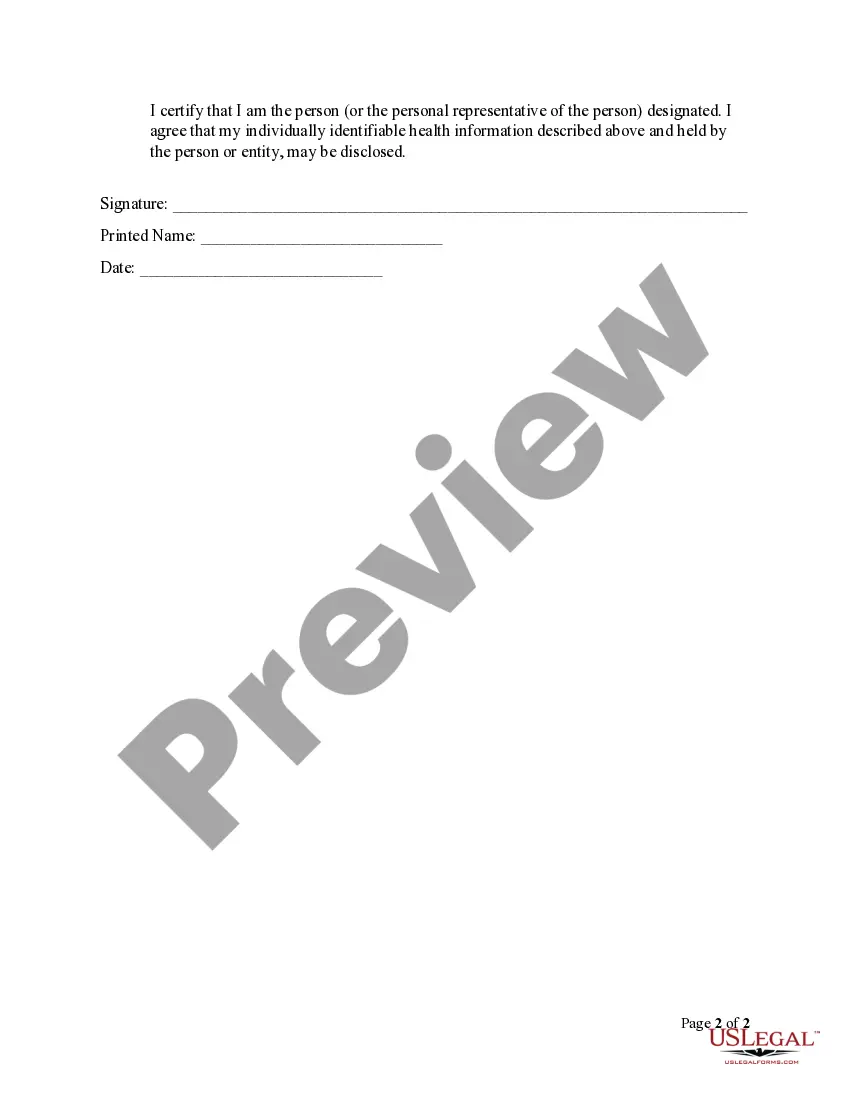
- Sign and date the form to authenticate your authorization.
Notarization guidance
This form does not typically require notarization unless specified by local law. However, it is always advisable to check if additional authentication is needed based on specific circumstances or requirements.
Get your form ready online
Our built-in tools help you complete, sign, share, and store your documents in one place.
Make edits, fill in missing information, and update formatting in US Legal Forms—just like you would in MS Word.
Download a copy, print it, send it by email, or mail it via USPS—whatever works best for your next step.
Sign and collect signatures with our SignNow integration. Send to multiple recipients, set reminders, and more. Go Premium to unlock E-Sign.
If this form requires notarization, complete it online through a secure video call—no need to meet a notary in person or wait for an appointment.
We protect your documents and personal data by following strict security and privacy standards.

Make edits, fill in missing information, and update formatting in US Legal Forms—just like you would in MS Word.

Download a copy, print it, send it by email, or mail it via USPS—whatever works best for your next step.

Sign and collect signatures with our SignNow integration. Send to multiple recipients, set reminders, and more. Go Premium to unlock E-Sign.

If this form requires notarization, complete it online through a secure video call—no need to meet a notary in person or wait for an appointment.

We protect your documents and personal data by following strict security and privacy standards.
Common mistakes to avoid
- Failing to specify the authorized individual's details accurately.
- Not including the healthcare provider's complete contact information.
- Neglecting to sign and date the form before submitting it.
- Leaving the effective period or extent of authorization blank.
Benefits of completing this form online
- Convenience of downloading and completing the form at your own pace.
- Editability allows for easy adjustments to meet specific needs.
- Access to legally accurate forms drafted by licensed attorneys, ensuring compliance.
Looking for another form?

Form popularity
FAQ
How to complete a Nevada title - private party sales - YouTube YouTube Start of suggested clip End of suggested clip And print their full legal name on the line labeled signature of buyer. This affirms that the buyerMoreAnd print their full legal name on the line labeled signature of buyer. This affirms that the buyer is aware of the odometer disclosure.
The seller must provide the buyer with a paper title for vehicles 2011 and newer. A Bill of Sale and Application for Duplicate Title or a non-secure Power of Attorney will not be accepted. 2011 vehicles will become exempt from odometer disclosure in the year 2031.
How do I get a DAC in Nevada? Applicants must go to a Nevada DMV office in person and bring the required documents: Proof of identity; Proof of Nevada residency; and.
What You'll Need to Transfer your Vehicle Title in Nevada The original title signed and dated by both the buyer(s) and seller(s). The Application for Vehicle Registration. Evidence of Insurance Card provided by your Nevada auto insurance carrier. An emissions inspection certificate if required.
Buyers have 30 days to title and register their new vehicles in Nevada. To complete the registration process, buyers must provide a: Vehicle title. Bill of sale.
We suggest the buyer and seller complete the transaction at a DMV office. A Bill of Sale by itself is not acceptable. If the vehicle is a 2011 model or newer, the seller must obtain a paper title to comply with the federal odometer disclosure laws.
Does a bill of sale have to be notarized in Nevada? No. A vehicle bill of sale does not need to be notarized in Nevada.
How to Write 1 ? The DMV Agent Appointment Form On This Page Should Be Opened.2 ? The Vehicle Owner And Vehicle Must Both Be Identified.3 ? The Agent Must Be Properly Named To Be Appointed With Principal Power.4 ? The Principal Vehicle Owner Must Supply Credentials With A Notarized Signature.