Nevada Certificate of Trust by Individual
What is this form?
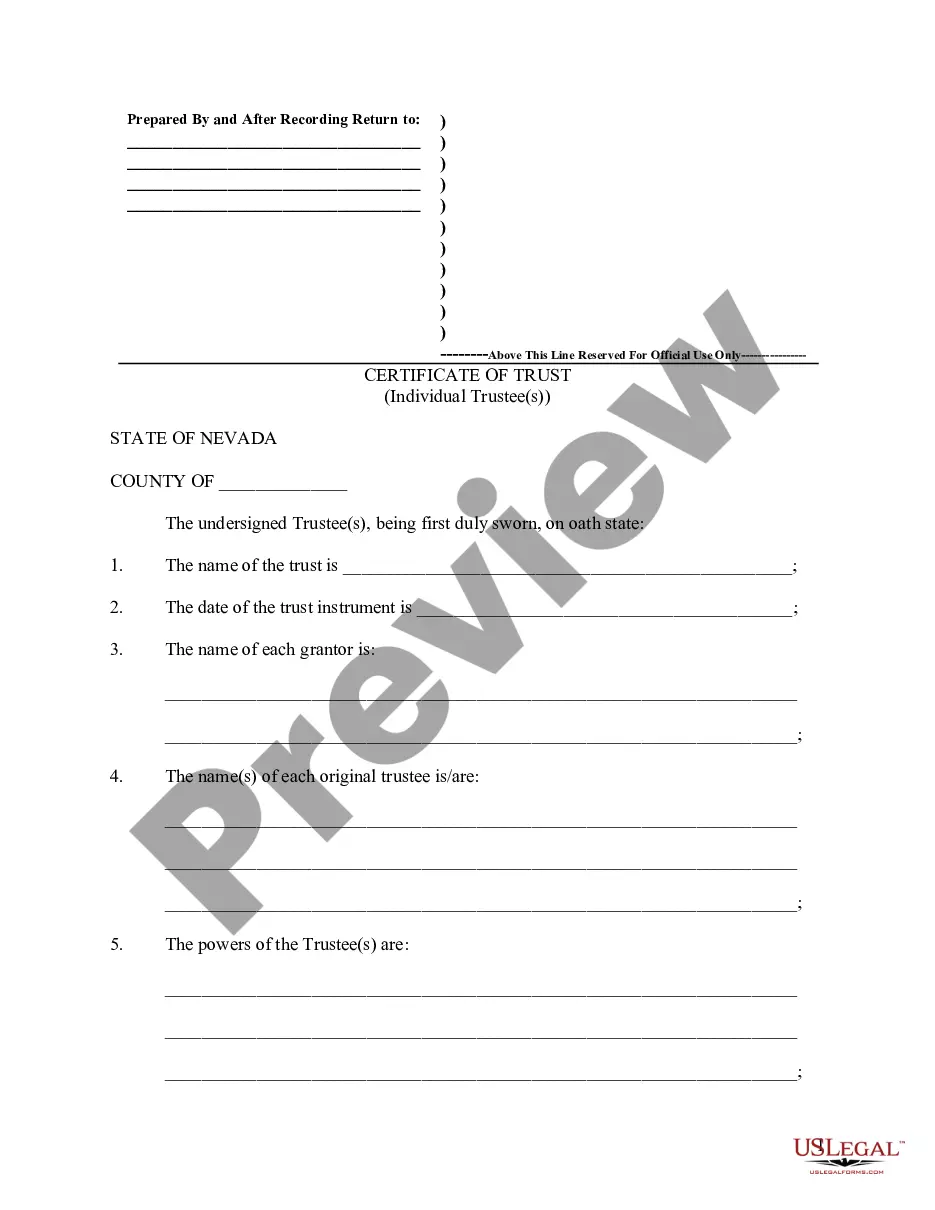
The Nevada Certificate of Trust by Individual is a legal document that provides evidence of a trust without having to disclose the entire trust document. This certificate allows the individual trustee to confirm the existence and terms of the trust to third parties. It is often preferred when confidentiality is crucial, as it omits detailed information included in the full trust instrument.
Key components of this form
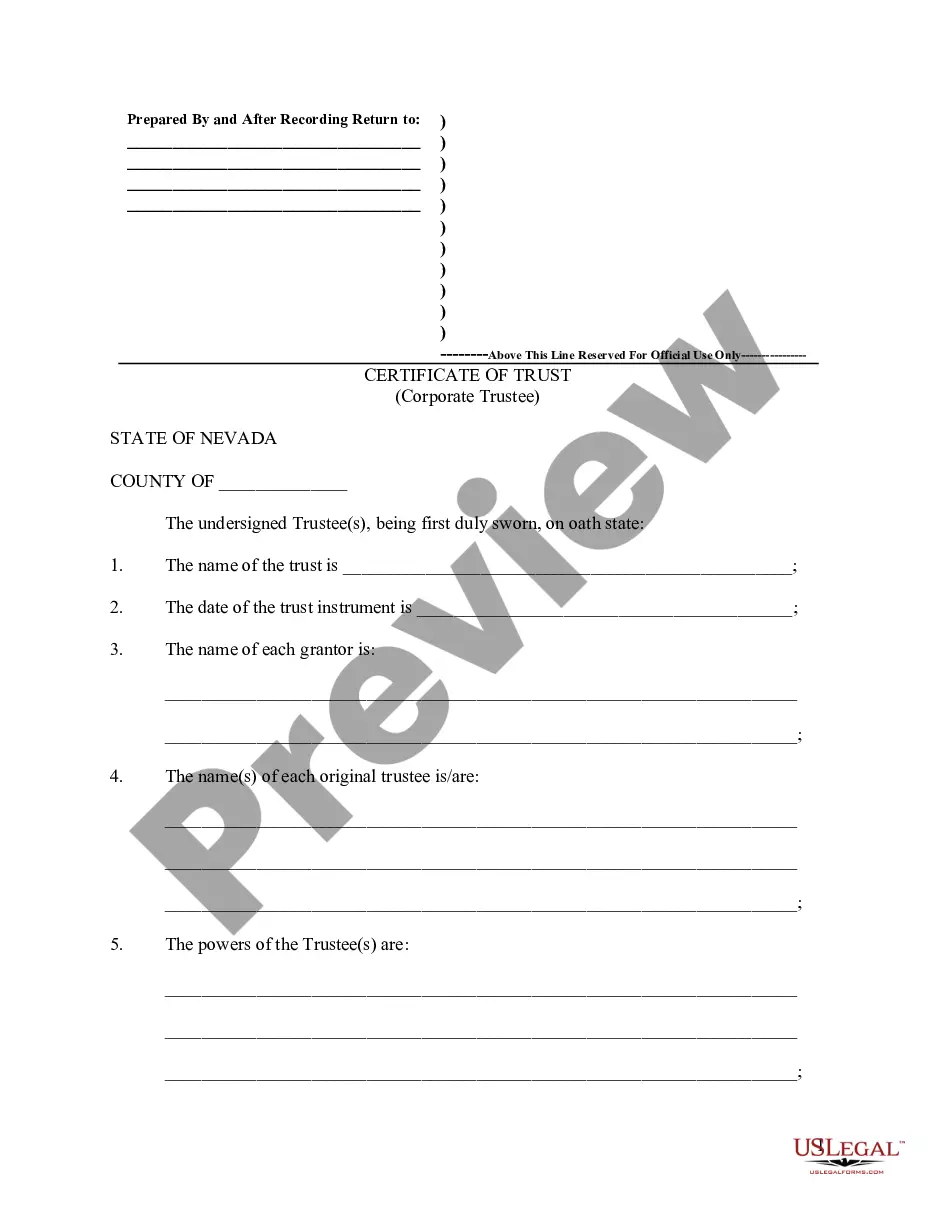
- Name of the trust
- Date of the trust instrument
- Name of each grantor
- Name(s) of original trustee(s)
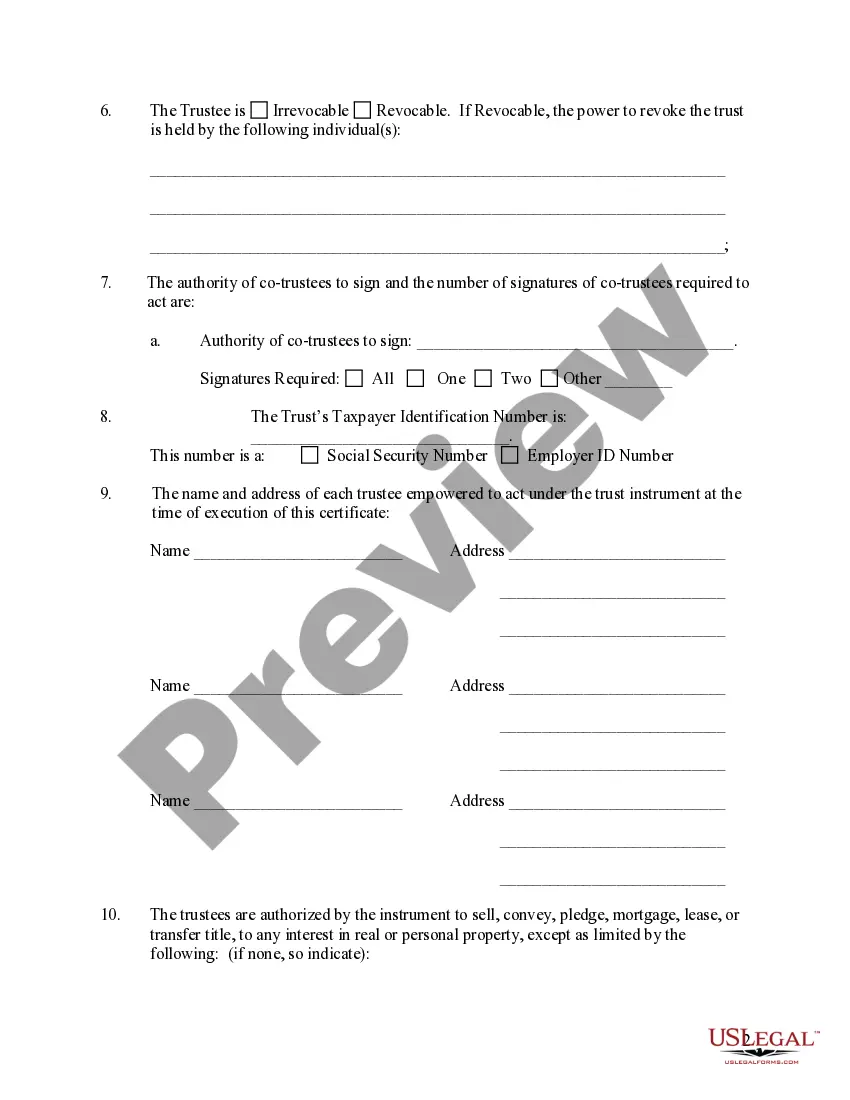
- Trustee's powers (irrevocable or revocable)
- Taxpayer Identification Number of the trust
- Authority of co-trustees to sign
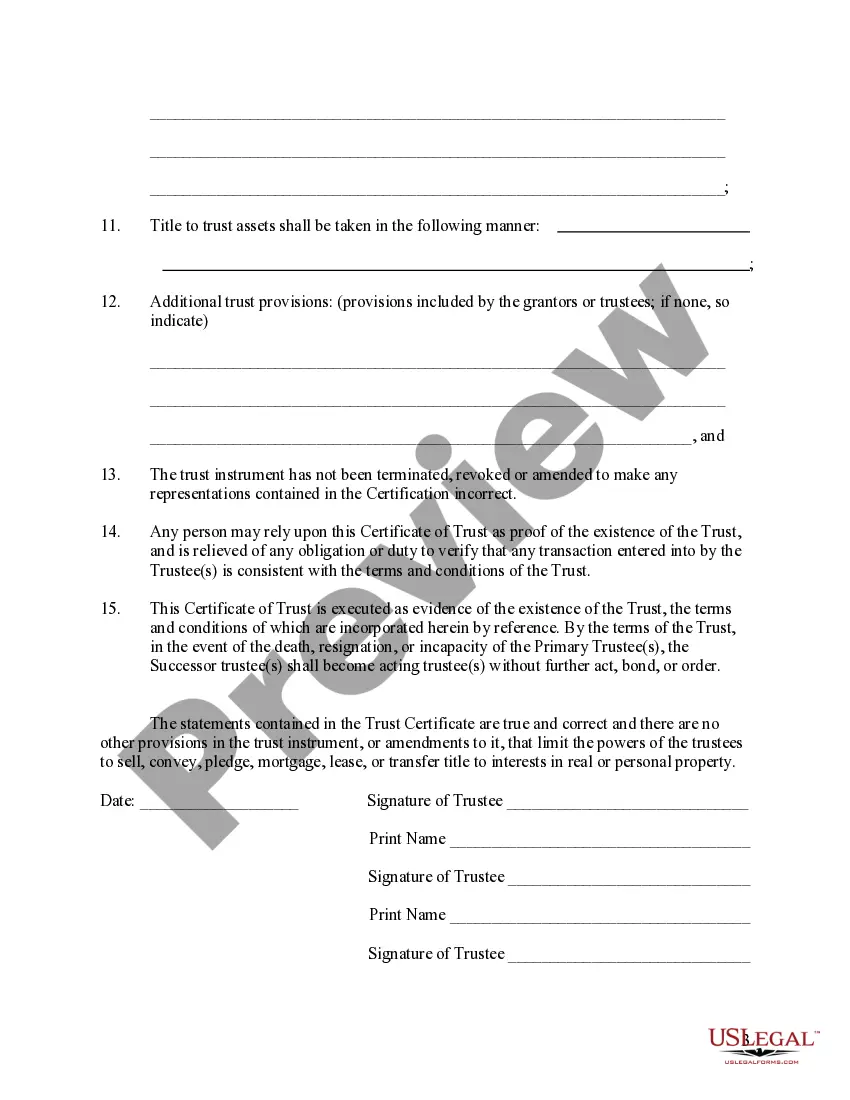
- Provisions for selling or transferring trust assets
- Certification of trust existence and its authenticity
When to use this form
This form should be used when an individual trustee needs to provide proof of a trust's existence without revealing the complete trust document. Scenarios include banking transactions, real estate dealings, or any legal matters where trust verification is required by a third party.
Who should use this form
- Individual trustees managing a trust
- Grantors who wish to confirm the existence of a trust without full disclosure
- Financial institutions or parties needing trust verification
Steps to complete this form
- Identify and enter the name of the trust in the designated field.
- Provide the date when the trust instrument was executed.
- List the names of all grantors and original trustees.
- Specify whether the trust is revocable or irrevocable, and indicate who can revoke it if applicable.
- Fill in the trustâs taxpayer identification number and signature of the trustee(s).
Is notarization required?
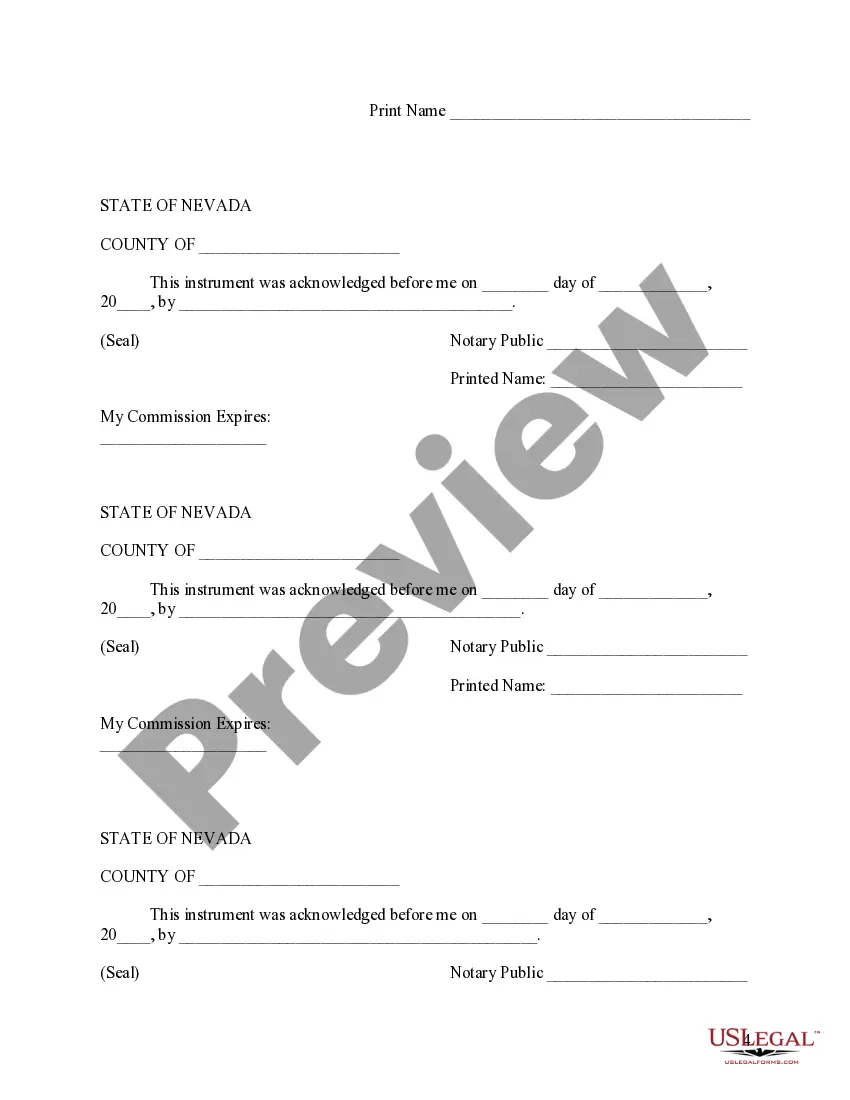
Yes, this form must be notarized to be legally valid. The certificate requires the trustee's signatures to be acknowledged before a notary public. US Legal Forms offers integrated online notarization, allowing you to complete this step securely and conveniently via video call, ensuring that the final document meets all legal standards.
Get your form ready online
Our built-in tools help you complete, sign, share, and store your documents in one place.
Make edits, fill in missing information, and update formatting in US Legal Forms—just like you would in MS Word.
Download a copy, print it, send it by email, or mail it via USPS—whatever works best for your next step.
Sign and collect signatures with our SignNow integration. Send to multiple recipients, set reminders, and more. Go Premium to unlock E-Sign.
If this form requires notarization, complete it online through a secure video call—no need to meet a notary in person or wait for an appointment.
We protect your documents and personal data by following strict security and privacy standards.

Make edits, fill in missing information, and update formatting in US Legal Forms—just like you would in MS Word.

Download a copy, print it, send it by email, or mail it via USPS—whatever works best for your next step.

Sign and collect signatures with our SignNow integration. Send to multiple recipients, set reminders, and more. Go Premium to unlock E-Sign.

If this form requires notarization, complete it online through a secure video call—no need to meet a notary in person or wait for an appointment.

We protect your documents and personal data by following strict security and privacy standards.
Typical mistakes to avoid
- Failing to accurately state the trust name or date.
- Not providing complete information for all trustees and grantors.
- Neglecting to mention any limitations on trustee powers.
Why complete this form online
- Convenience of downloading and filling out your certificate from home.
- Editable form allows for easy adjustments before finalizing.
- Reliability provided by forms drafted by licensed attorneys.
Legal use & context
- The certificate serves as proof of trust operations and assurances for third parties.
- Valid in legal contexts where verification of trustee authority is essential.
- Failure to provide accurate information may lead to complications or disputes regarding the trust.
What to keep in mind
- The Nevada Certificate of Trust provides a summary of trust details without disclosing the entire document.
- Accuracy in filling out the form is crucial to prevent legal challenges or misunderstandings.
- This form is particularly useful in real estate and financial transactions involving trust management.
Looking for another form?

Form popularity
FAQ
The Nevada Certificate of Trust by Individual is a short document that proves a trust exists without revealing the full trust agreement. It is used by an individual trustee when confidentiality matters or a third party needs verification in banking, real estate, or other legal dealings. Key components include the trust name, date, grantors, original trustees, powers, Taxpayer Identification Number of the trust, and certification of existence.
A certificate of trust is a shorter document that confirms the trust exists and lists essential details without revealing the full terms. The Nevada Certificate of Trust by Individual serves that purpose by providing enough information to prove the trust to third parties like banks or title companies while keeping confidentiality around the complete trust instrument.
You obtain it by completing the Nevada Certificate of Trust by Individual, which records essential details (trust name, date, grantors, original trustees, powers, Tax ID, co-trustee signing authority, asset transfer provisions) and serves to verify the trust for banks, title companies, and other parties.
Yes, an individual trustee can prepare this certificate using the Nevada Certificate of Trust by Individual. The form is designed to be filled out with key components and signed to certify the trust's existence, helping third parties verify the trust without exposing the full instrument.
Common mistakes include omitting required details like the trust name, date, or trustee identities; failing to specify co-trustee signing authority; and not including the certification of the trust's existence and authenticity, which can hinder third-party verification.
It is a concise document that proves the trust exists and lists only essential details, with no full terms disclosed. This confidentiality and simplicity make it different from the full trust instrument, which contains all terms and conditions of the trust.