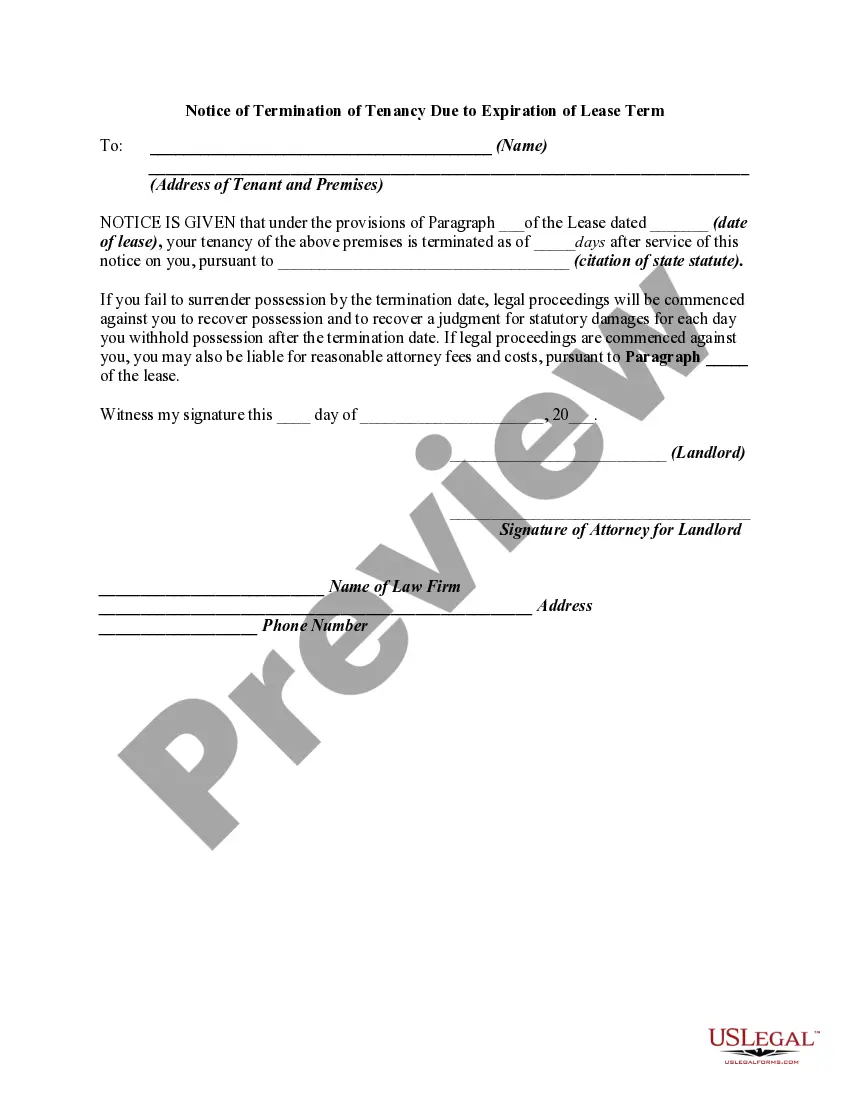
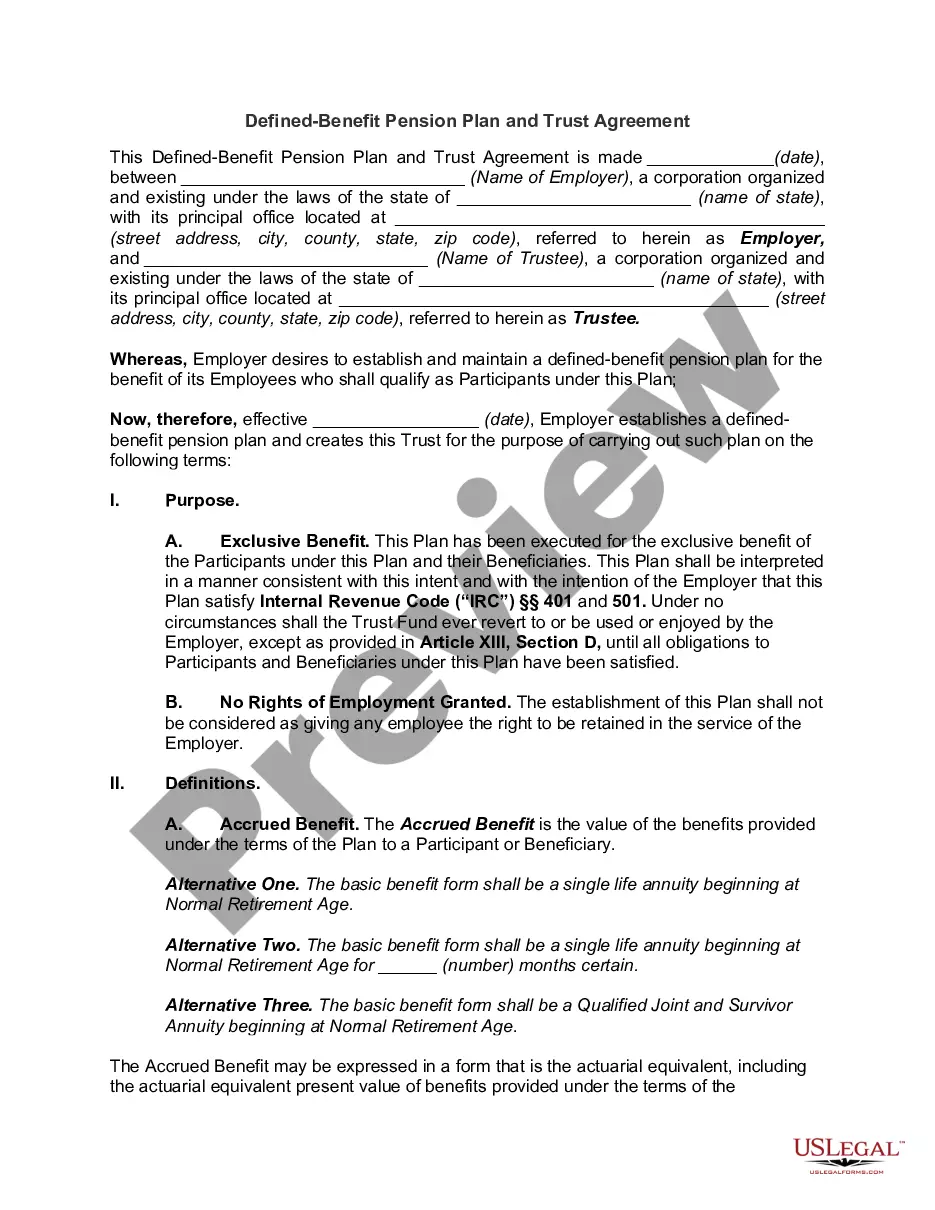
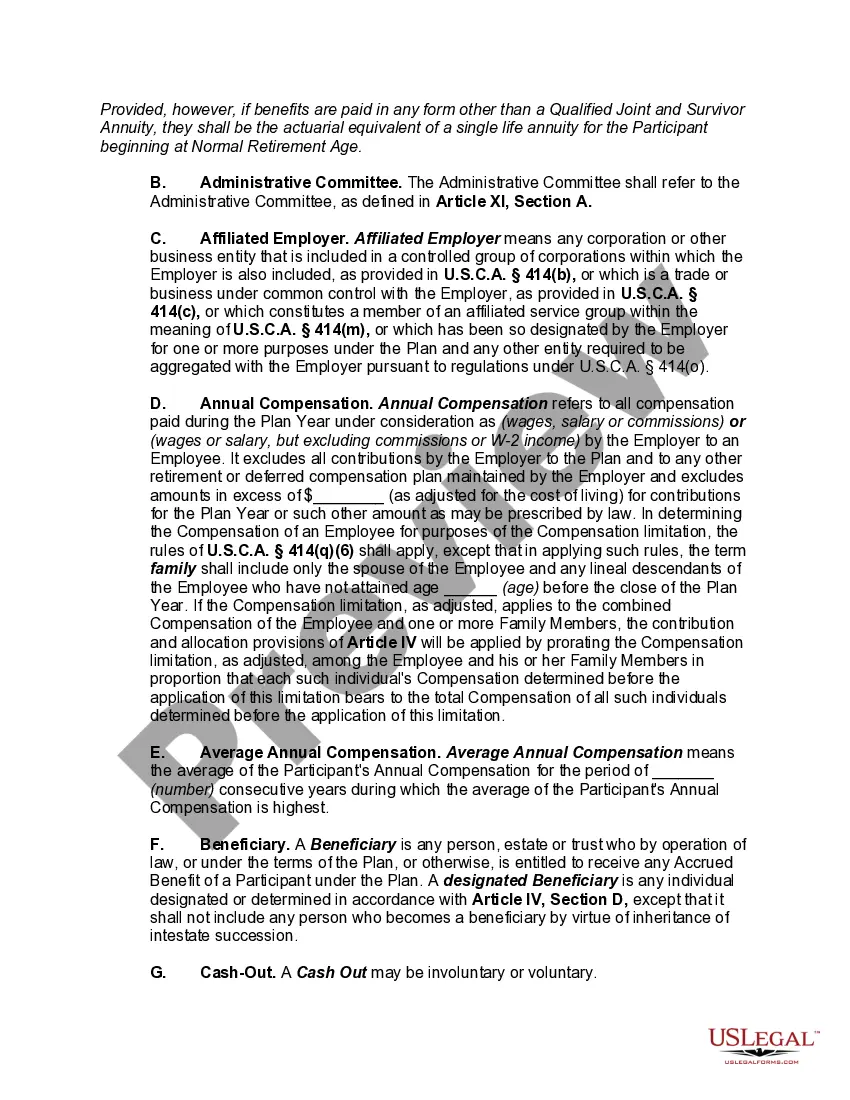
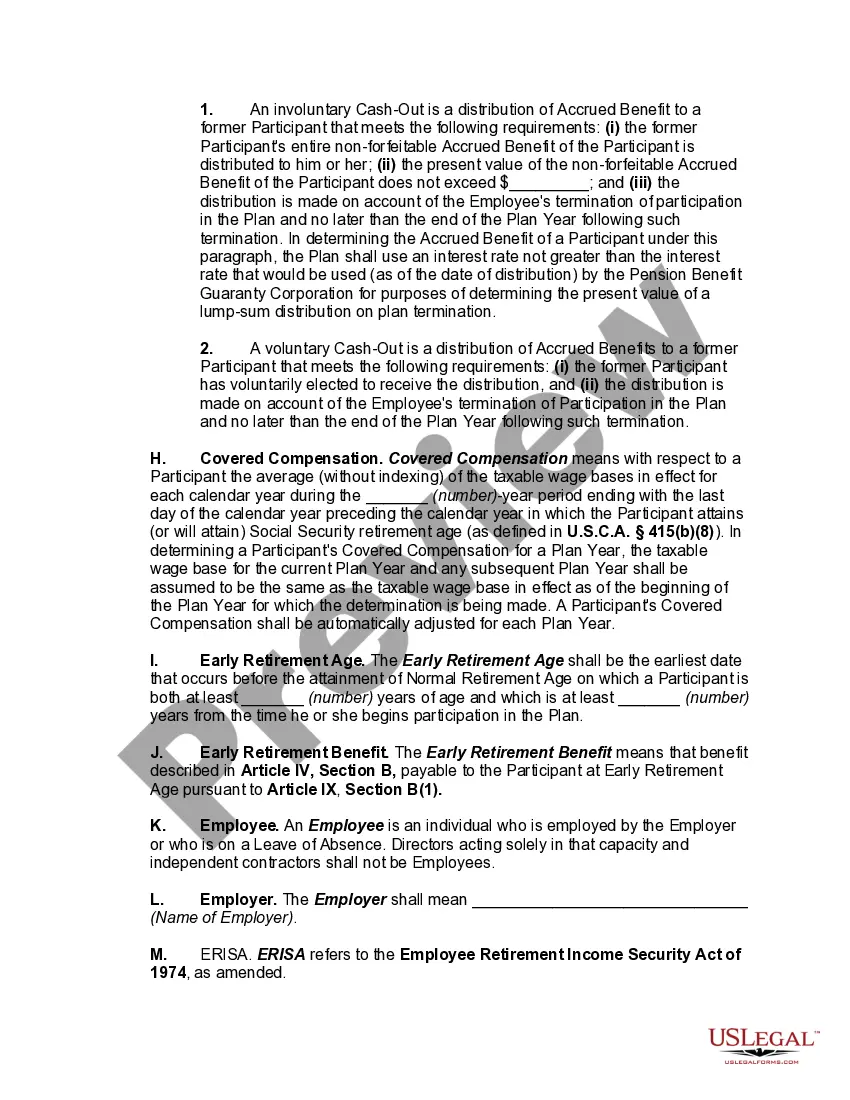
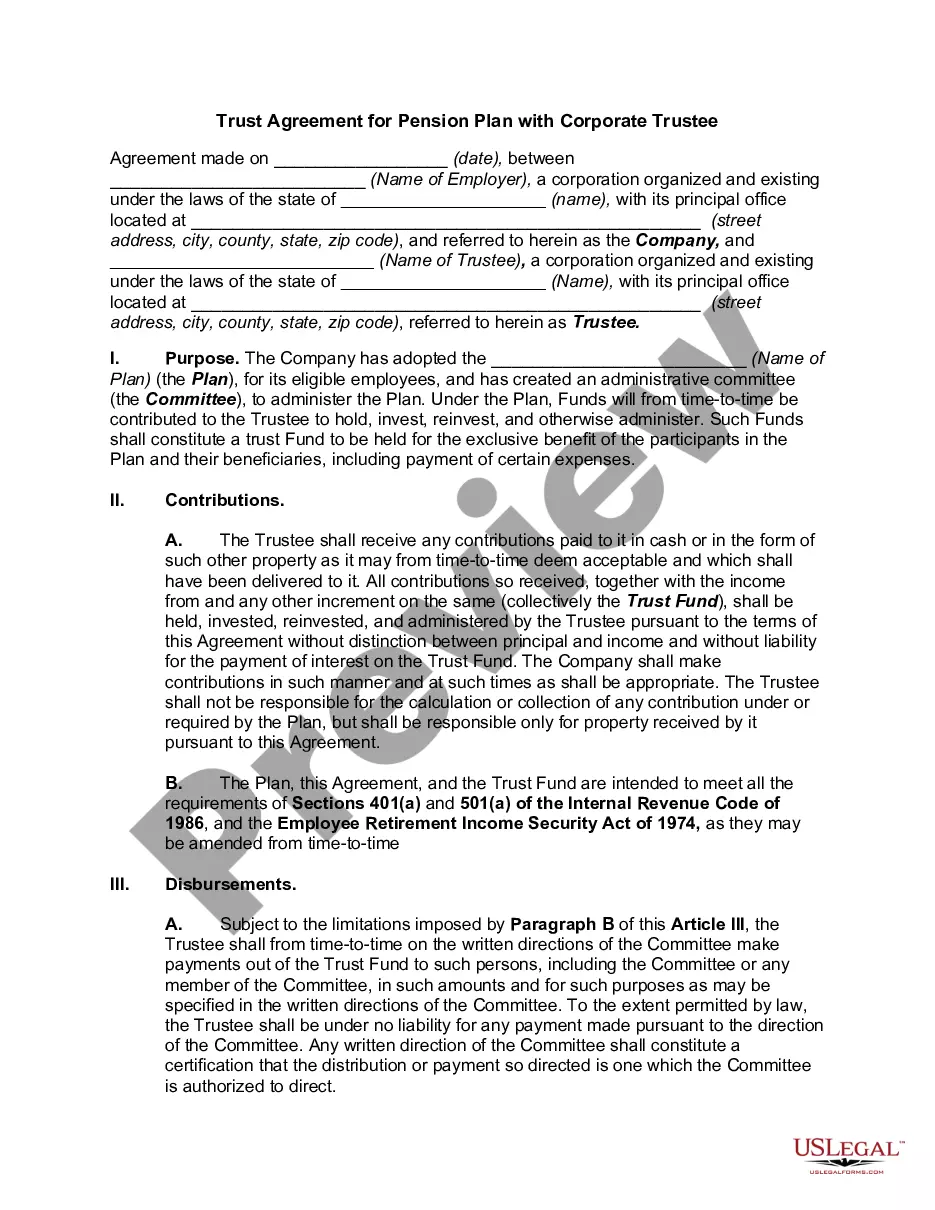
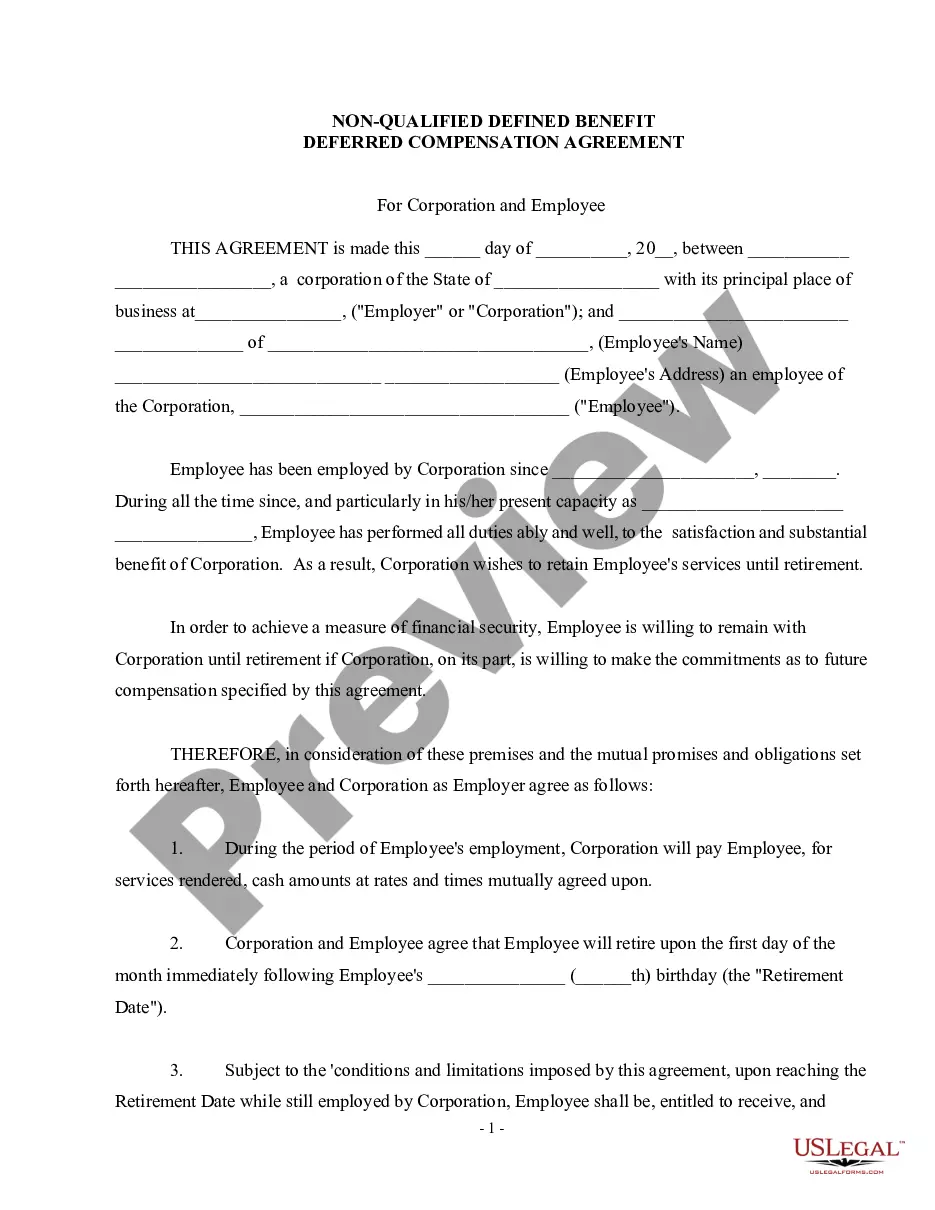
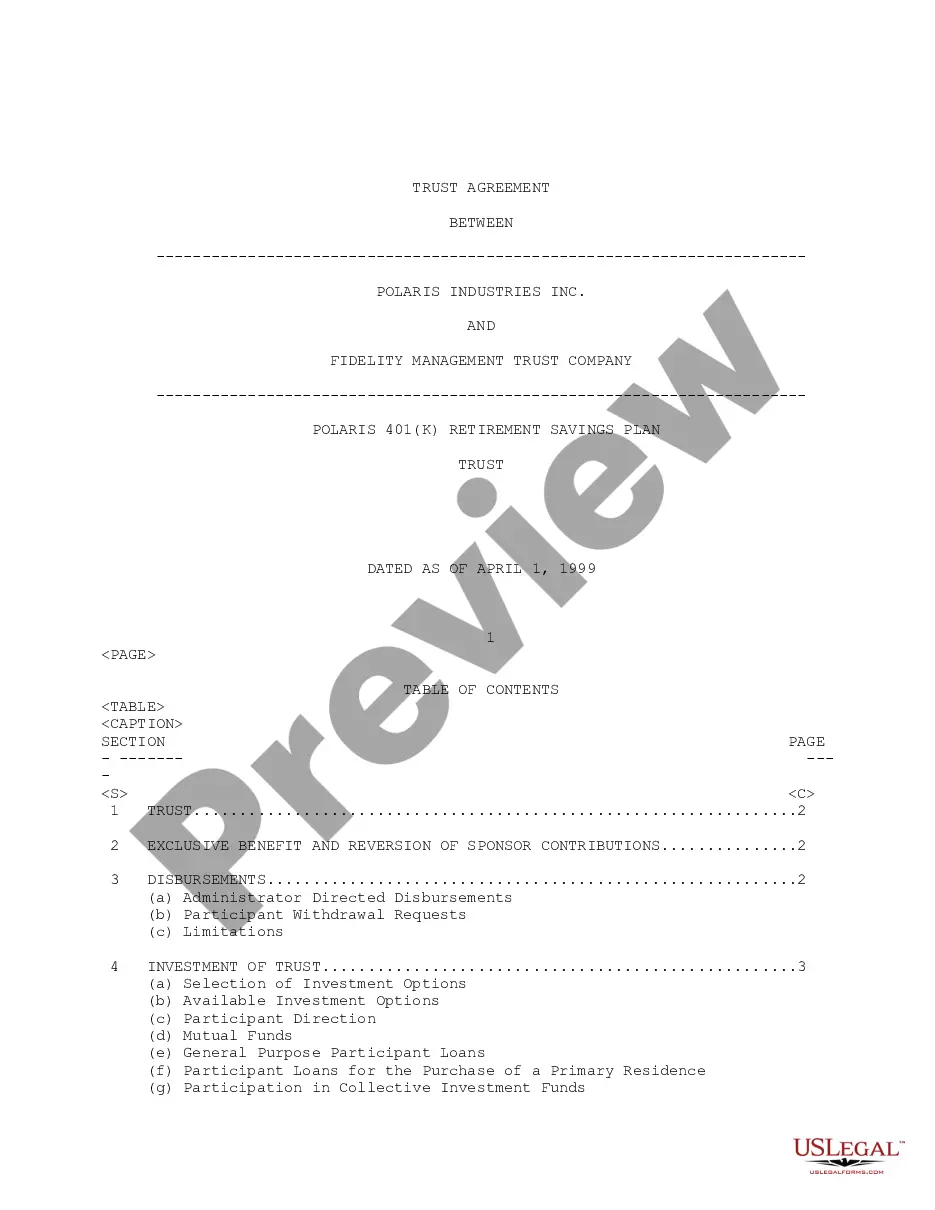
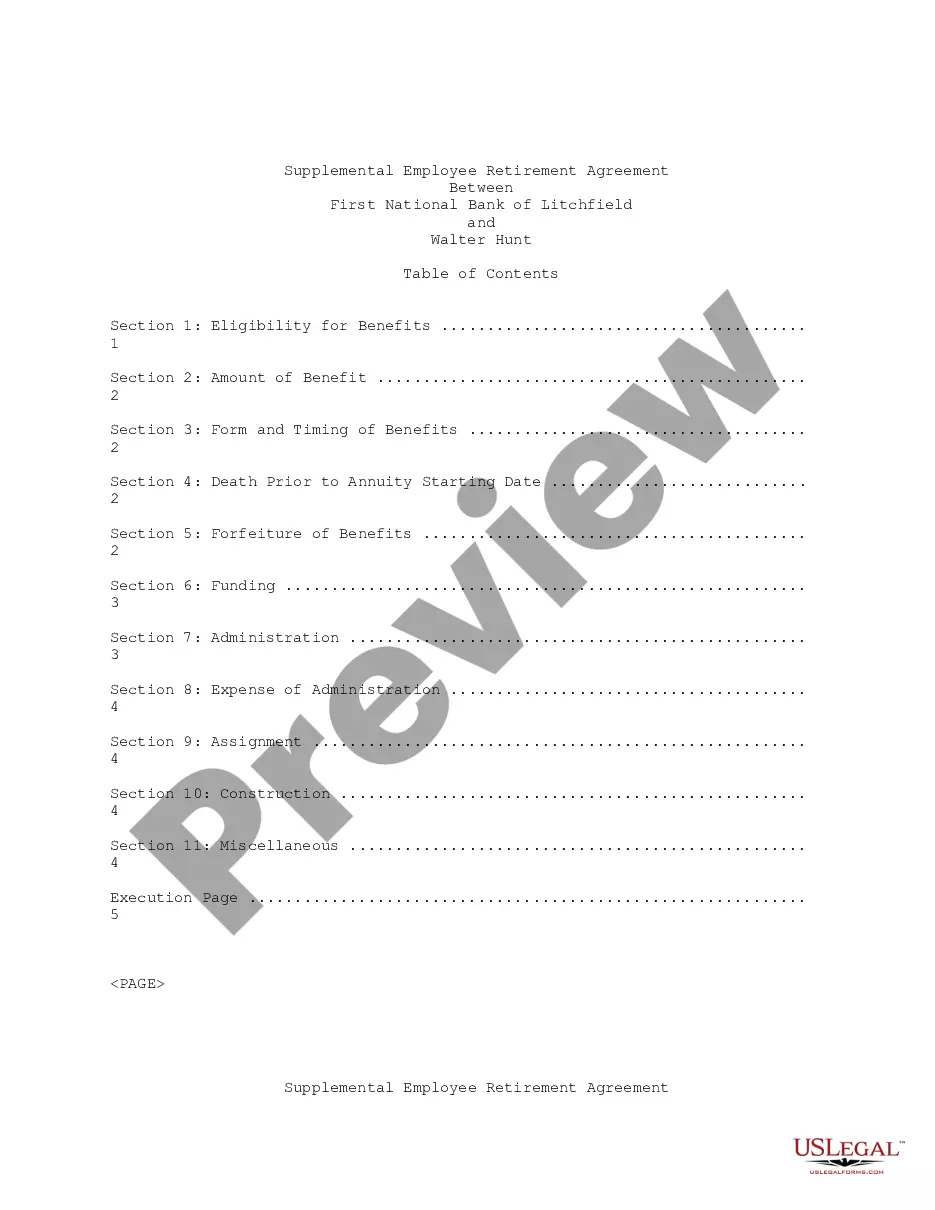
New Mexico Defined-Benefit Pension Plan and Trust Agreement
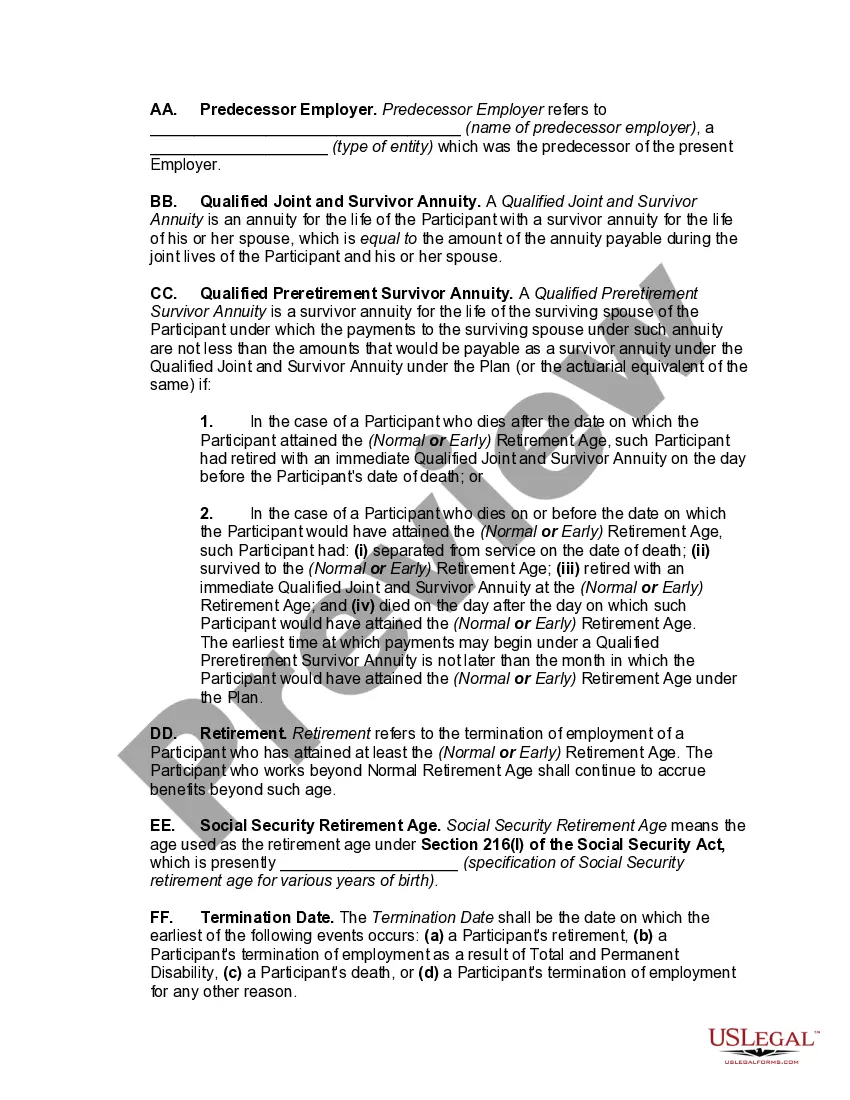
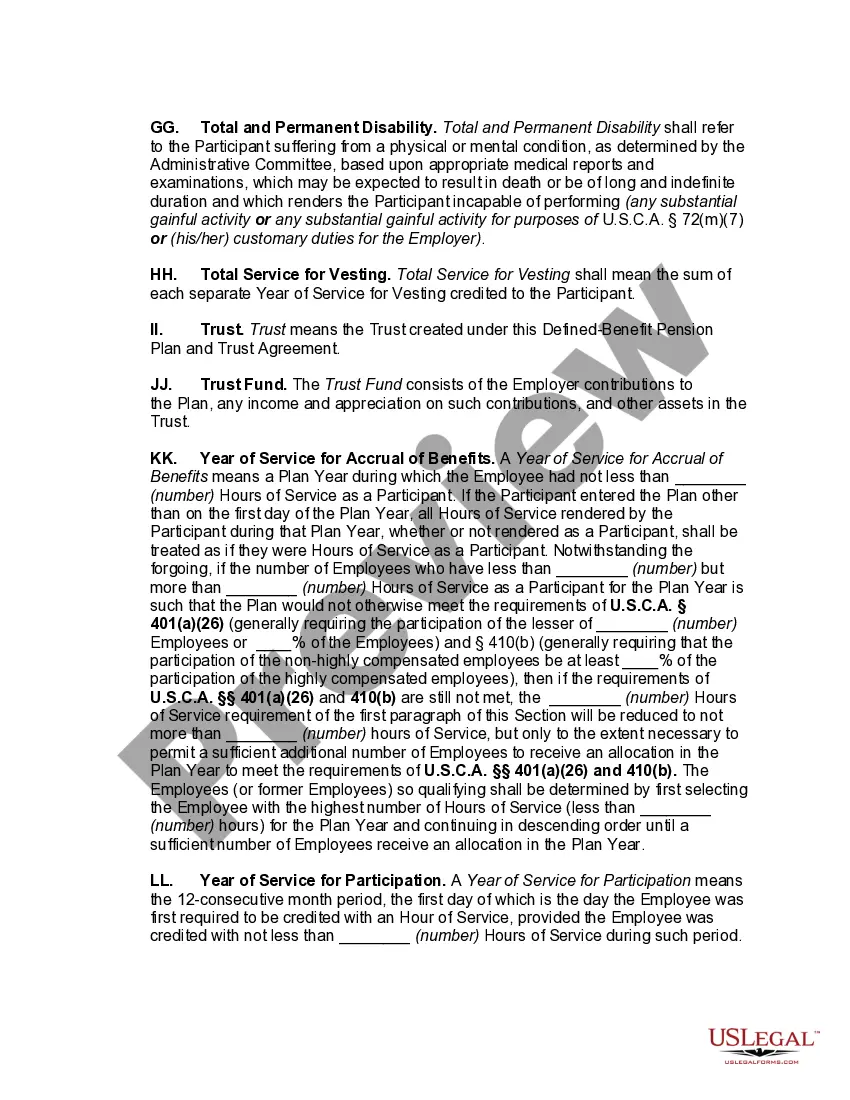
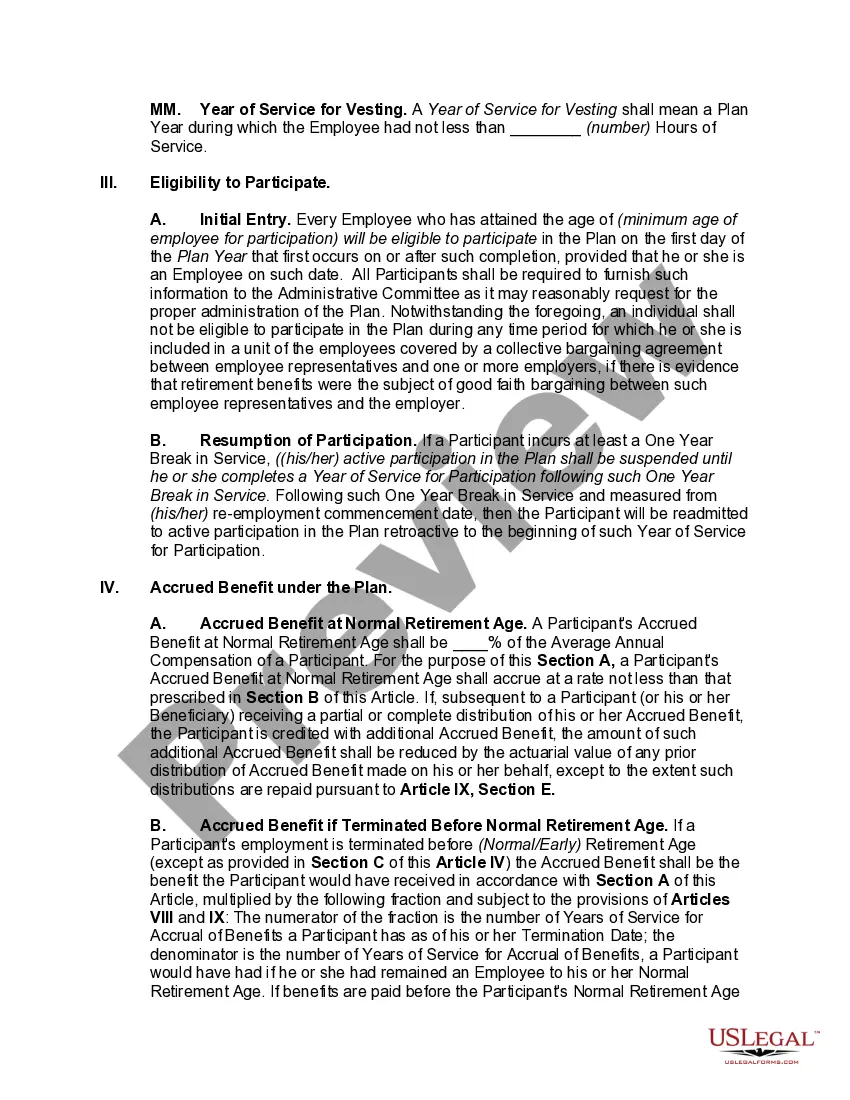
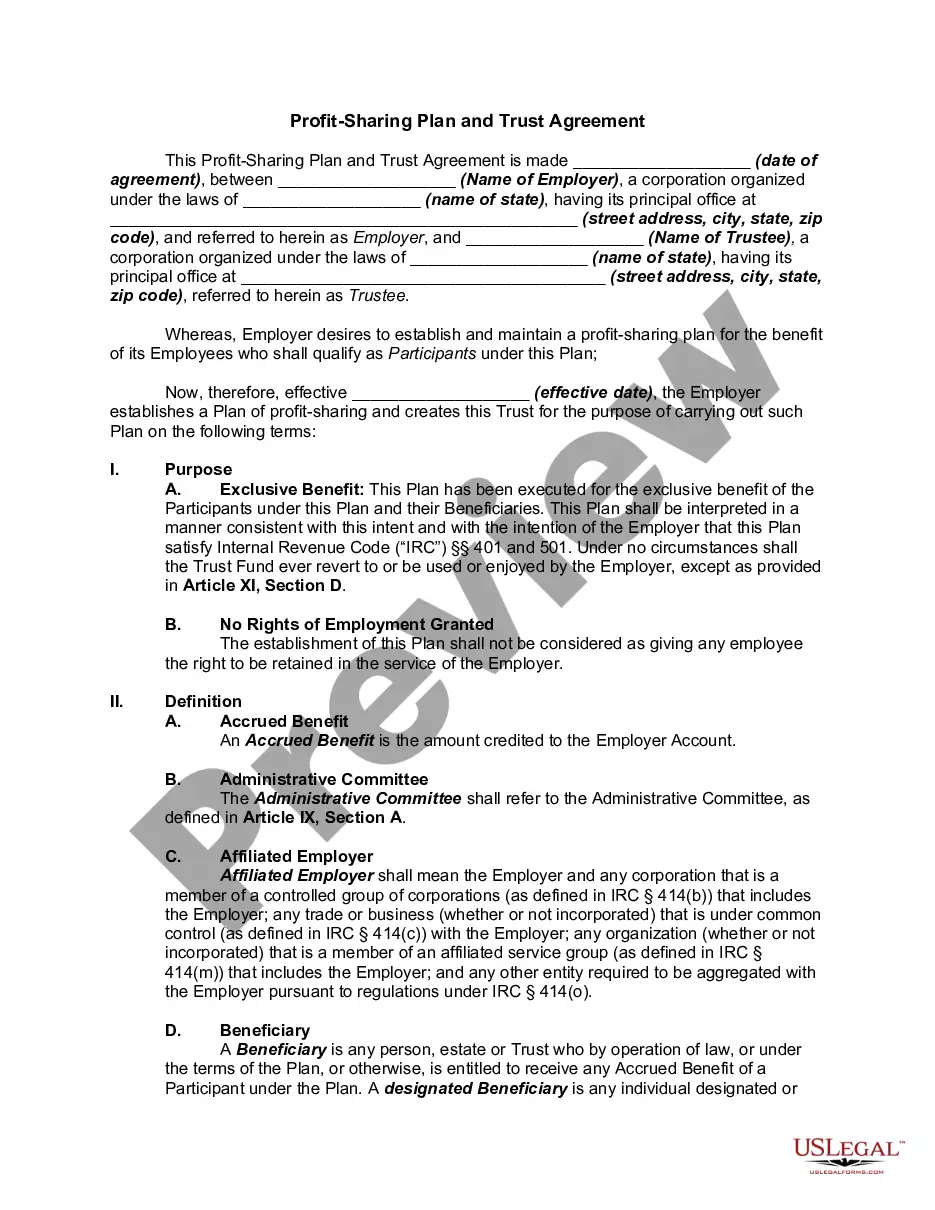
Description

Get your form ready online
Our built-in tools help you complete, sign, share, and store your documents in one place.
Make edits, fill in missing information, and update formatting in US Legal Forms—just like you would in MS Word.
Download a copy, print it, send it by email, or mail it via USPS—whatever works best for your next step.
Sign and collect signatures with our SignNow integration. Send to multiple recipients, set reminders, and more. Go Premium to unlock E-Sign.
If this form requires notarization, complete it online through a secure video call—no need to meet a notary in person or wait for an appointment.
We protect your documents and personal data by following strict security and privacy standards.

Make edits, fill in missing information, and update formatting in US Legal Forms—just like you would in MS Word.

Download a copy, print it, send it by email, or mail it via USPS—whatever works best for your next step.

Sign and collect signatures with our SignNow integration. Send to multiple recipients, set reminders, and more. Go Premium to unlock E-Sign.

If this form requires notarization, complete it online through a secure video call—no need to meet a notary in person or wait for an appointment.

We protect your documents and personal data by following strict security and privacy standards.
Looking for another form?


How to fill out Defined-Benefit Pension Plan And Trust Agreement?
US Legal Forms - one of the largest repositories of legal templates in the United States - offers a broad selection of legal document templates you can download or print.
By using the site, you can access thousands of documents for business and personal purposes, categorized by types, states, or keywords. You can locate the latest versions of documents such as the New Mexico Defined-Benefit Pension Plan and Trust Agreement in just a few minutes.
If you hold a subscription, Log In and obtain the New Mexico Defined-Benefit Pension Plan and Trust Agreement from the US Legal Forms library. The Download button will appear on each document you view. You can access all previously acquired documents within the My documents section of your account.
Complete the financial transaction. Use your credit card or PayPal account to finalize the purchase.
Choose the format and download the document to your device.
Make modifications. Fill in, edit, and print and sign the downloaded New Mexico Defined-Benefit Pension Plan and Trust Agreement.
Every template added to your account has no expiration date, allowing you to retain it forever. Therefore, if you wish to download or print another copy, simply navigate to the My documents section and click on the document you need.
Access the New Mexico Defined-Benefit Pension Plan and Trust Agreement with US Legal Forms, a vast library of legal document templates. Utilize thousands of professional and state-specific templates that fulfill your business or personal requirements.
- Make sure you have selected the correct document for your location/region.
- Click the Preview button to review the form's contents.
- Check the document details to confirm you have chosen the right form.
- If the document does not meet your requirements, utilize the Search field at the top of the screen to find one that does.
- If you are satisfied with the form, confirm your choice by selecting the Purchase now option.
- Then, select the pricing plan you desire and provide your information to register for an account.
Form popularity
FAQ
The main disadvantage of a defined benefit plan is that the employer will often require a minimum amount of service. Although private employer pension plans are backed by the Pension Benefit Guaranty Corp up to a certain amount, government pension plans don't have the same, albeit sometimes shaky guarantees.
Examples of defined contribution plans include 401(k) plans, 403(b) plans, employee stock ownership plans, and profit-sharing plans.
A surviving spouse can collect 100 percent of the late spouse's benefit if the survivor has reached full retirement age, but the amount will be lower if the deceased spouse claimed benefits before he or she reached full retirement age.
Defined benefit plans provide a fixed, pre-established benefit for employees at retirement. Employees often value the fixed benefit provided by this type of plan. On the employer side, businesses can generally contribute (and therefore deduct) more each year than in defined contribution plans.
Based on the language in the pension plan, the pension may go automatically to the spouse. If the employee is not married at the time of his or her death, it may go to the children or the employee's next of kin.
Some pensions end at death, but many pensions provide for payments to a surviving spouse or dependent children. Survivors may be entitled to part of the payments the person would have received. (Pensions for government employees are often generous when it comes to survivors benefits.)
When a retired worker passes away, pensions and other retirement benefits can pass on to loved ones. It is possible to inherit a pension from a parent, although retirement benefits typically pass on to surviving spouses before children.
In most cases, any pensions you have can be passed outside of your estate and so won't be subject to Inheritance Tax. However, for this to be the case, the pension scheme administrator would need to have discretion as to who the benefits are paid to.
Some may feel that this question is easy to answer: pension funds are legal entities separate from the corporation. This distinction was made more explicit with the enactment of the Employees Retirement Income Security Act of 1974 (ERISA).
A Pension Plan Trust Account is a subaccount that holds assets for a qualified pension. Pension Plan Trust client accounts are trust accounts containing assets beneficially owned by a number of underlying Pension Plan participants.