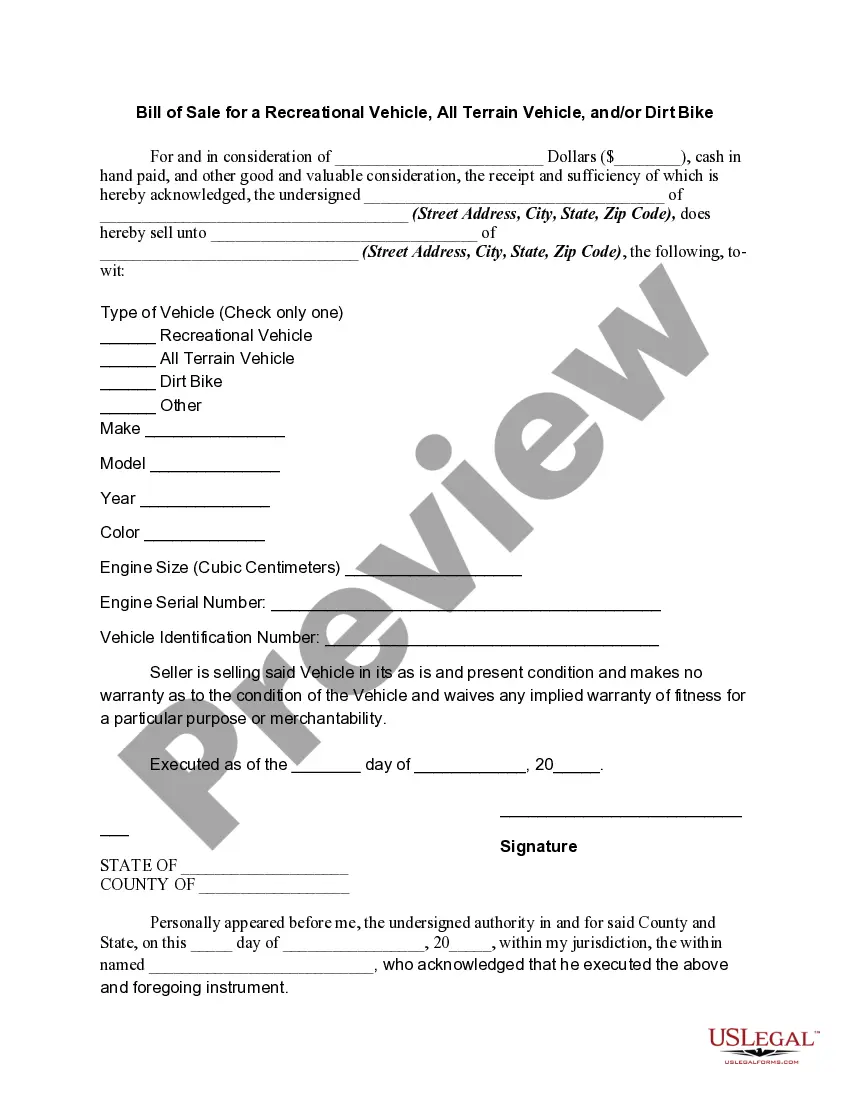
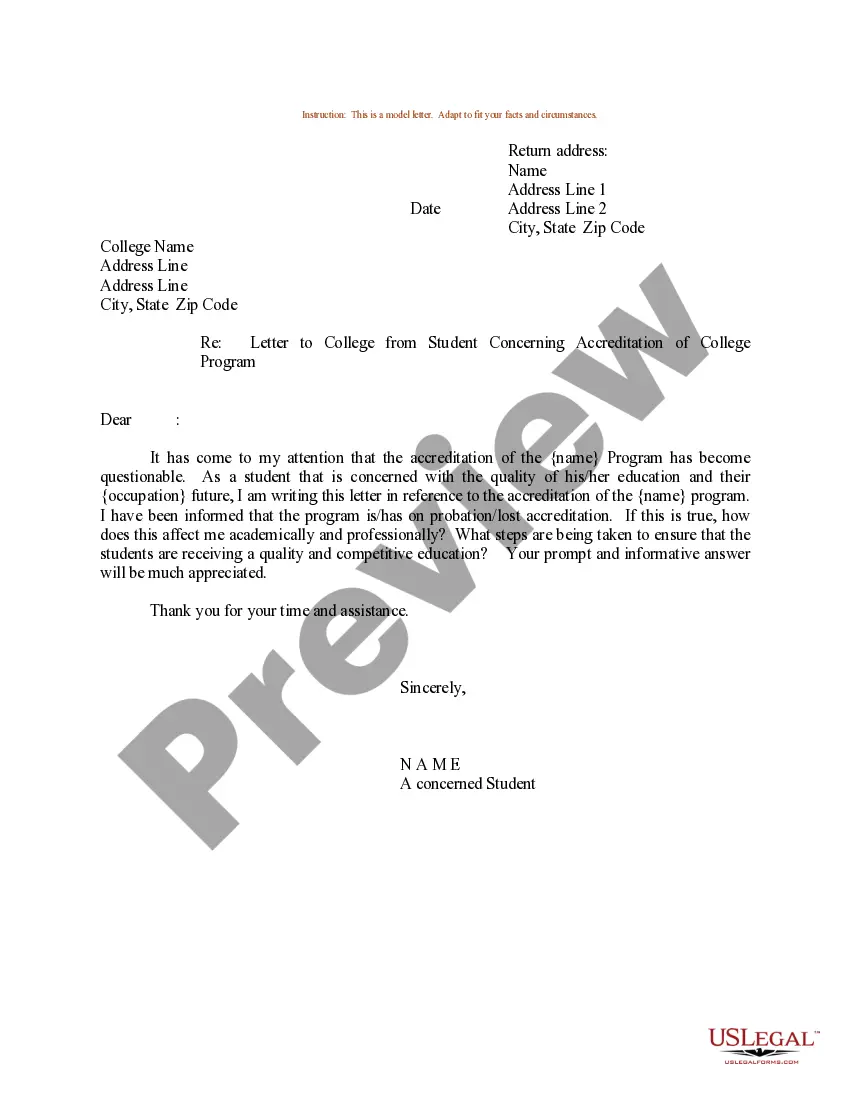
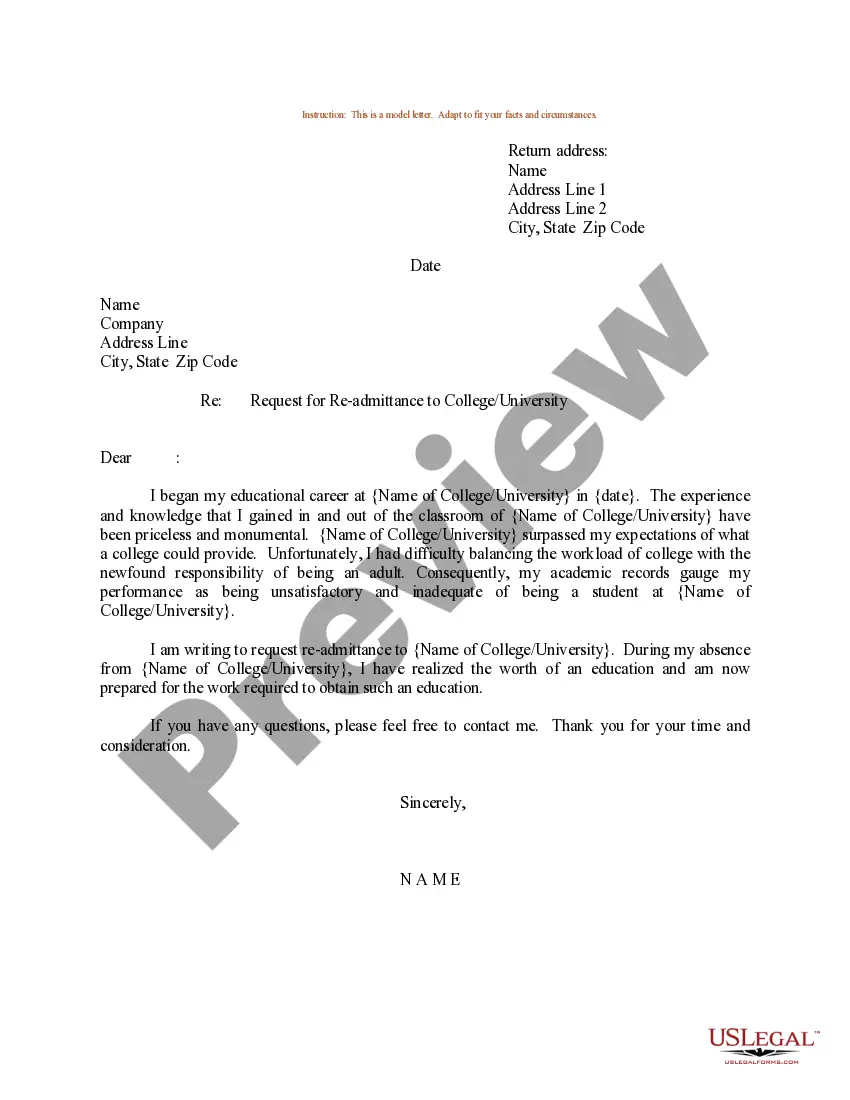
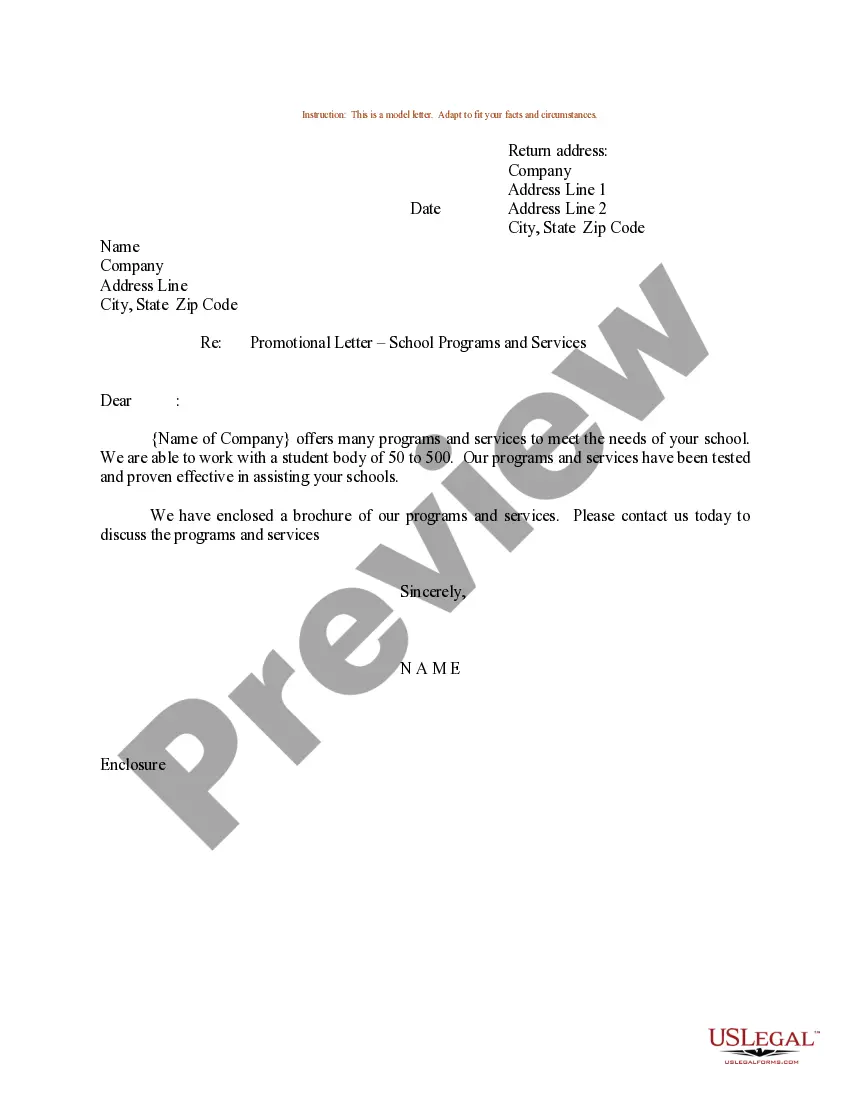
New Mexico Sample Letter from Student to College concerning Program Accreditation
Description
Get your form ready online
Our built-in tools help you complete, sign, share, and store your documents in one place.
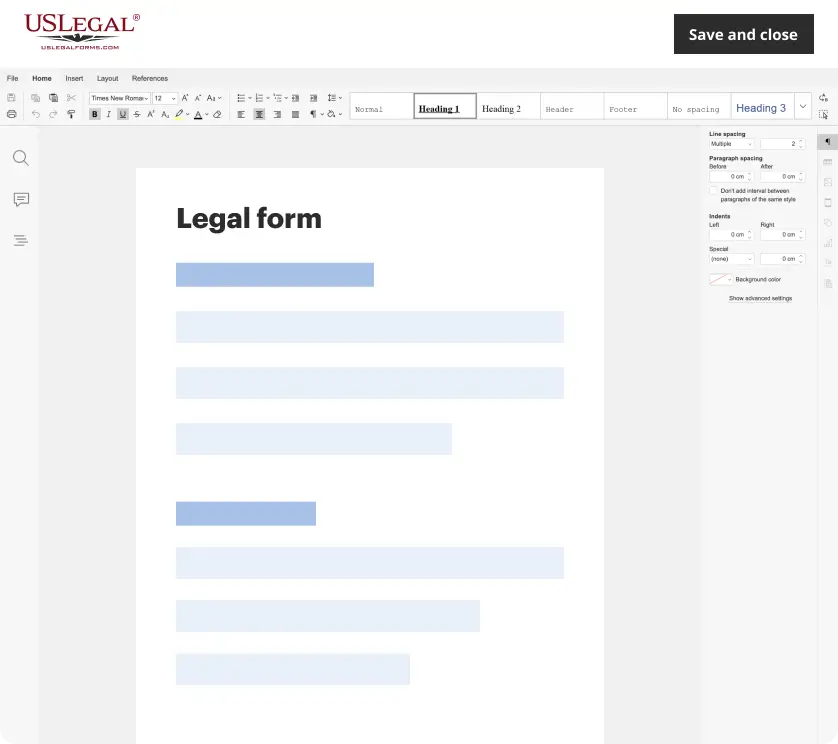
Make edits, fill in missing information, and update formatting in US Legal Forms—just like you would in MS Word.
Download a copy, print it, send it by email, or mail it via USPS—whatever works best for your next step.
Sign and collect signatures with our SignNow integration. Send to multiple recipients, set reminders, and more. Go Premium to unlock E-Sign.
If this form requires notarization, complete it online through a secure video call—no need to meet a notary in person or wait for an appointment.
We protect your documents and personal data by following strict security and privacy standards.
Make edits, fill in missing information, and update formatting in US Legal Forms—just like you would in MS Word.
Download a copy, print it, send it by email, or mail it via USPS—whatever works best for your next step.
Sign and collect signatures with our SignNow integration. Send to multiple recipients, set reminders, and more. Go Premium to unlock E-Sign.

If this form requires notarization, complete it online through a secure video call—no need to meet a notary in person or wait for an appointment.
We protect your documents and personal data by following strict security and privacy standards.
Looking for another form?


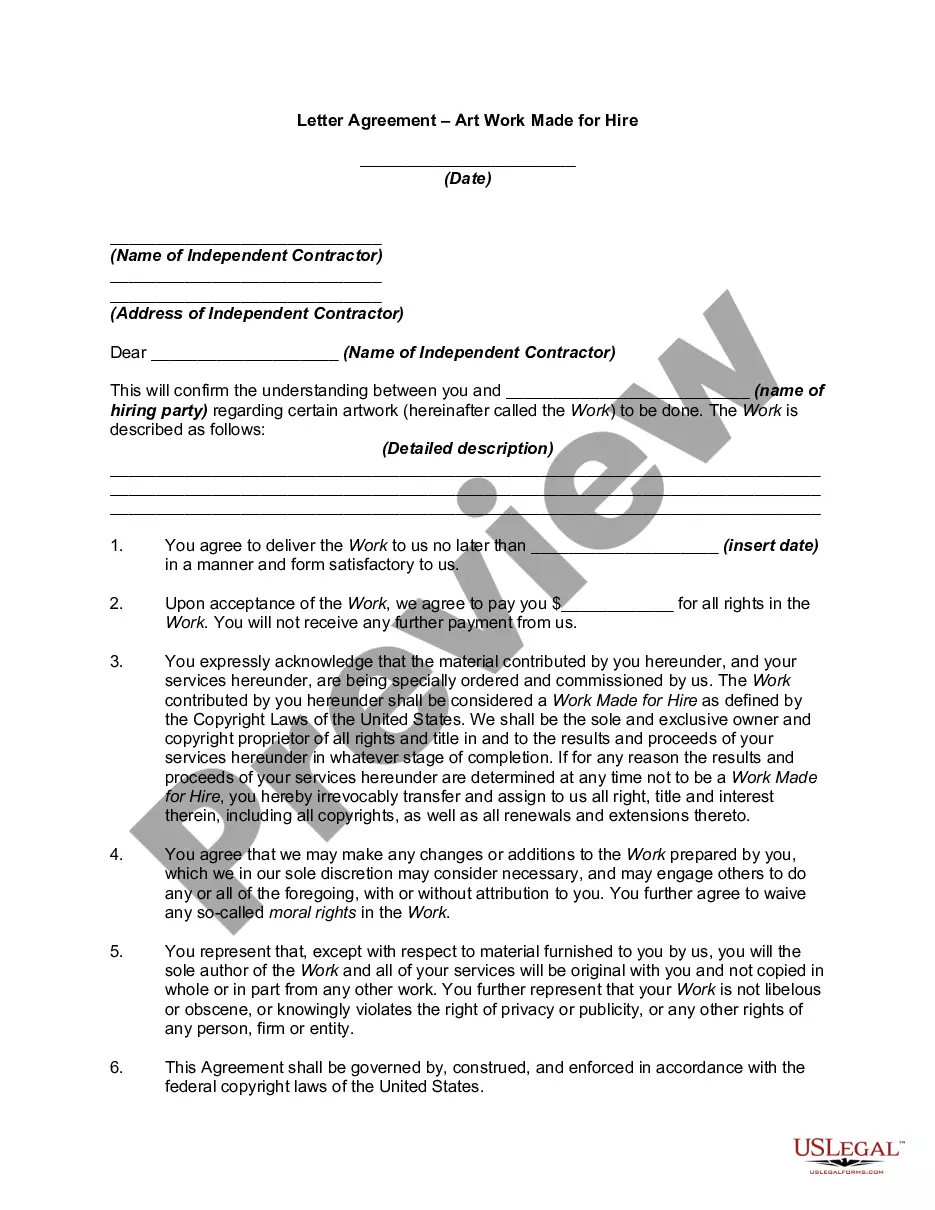



How to fill out Sample Letter From Student To College Concerning Program Accreditation?
US Legal Forms - one of the most extensive collections of authorized templates in the United States - offers a range of legal document templates that you can obtain or create.
By using the website, you can discover thousands of forms for business and personal purposes, organized by categories, states, or keywords.
You can access the latest versions of documents like the New Mexico Sample Letter from Student to College regarding Program Accreditation within moments.
- If you already have a subscription, Log In and get the New Mexico Sample Letter from Student to College regarding Program Accreditation from the US Legal Forms catalog.
- The Download button will appear on every form you view.
- You can access all previously downloaded forms in the My documents tab of your account.
- To use US Legal Forms for the first time, here are some basic tips to help you get started.
- Make sure you have selected the correct form for your area/state. Click on the Review button to check the form's details. Read the form information to confirm you have chosen the correct document.
- If the form doesn’t meet your needs, use the Search area at the top of the screen to find the one that does.
Form popularity
FAQ
Regional accreditation is a good thing. Attending a regionally accredited institution is important if you may want to transfer credits to another institution or if you want to attend a post-graduate program.
Central New Mexico Community College is accredited by the Higher Learning Commission. The Higher Learning Commission accredits degree-granting post-secondary educational institutions in the North Central region through the Standard and Open Pathways. As of Fall 2018, CNM is on the Open Pathway.
The goal of accreditation is to ensure that institutions of higher education meet acceptable levels of quality. Accreditation in the United States involves non-governmental entities (accrediting organizations) as well as federal and state government agencies (these three entities are formally known as the Triad).
Central Community College (CCC) is accredited by the Higher Learning Commission of the North Central Association of Colleges and Schools.
Accreditation is a voluntary evaluation process that institutions of higher education undergo in order to maintain standards of educational quality agreed upon by members of an accrediting body.
Central Piedmont Community College is accredited by the Southern Association of Colleges and Schools Commission on Colleges (SACSCOC) to award associate degrees, diplomas, and certificates.
The College is accredited by the Middle States Commission on Higher Education and is approved as an institution of higher learning by the State Board of Education of the Commonwealth of Pennsylvania. In addition, various academic programs offered by LCCC are accredited by external commissions.
Accreditation is the recognition from an accrediting agency that an institution maintains a certain level of educational standards. The U.S. Department of Education maintains a database of accrediting agencies it recognizes.
Highlands University is fully accredited by and in good standing with the Higher Learning Commission. The Higher Learning Commission accredits approximately 1,000 colleges and universities that have a home base in one of 19 states that stretch from West Virginia to Arizona.
Accreditation is important because it:Helps determine if an institution meets or exceeds minimum quality standards. Helps students determine acceptable institutions for enrollment. Assists institutions in determining acceptability of transfer credits.