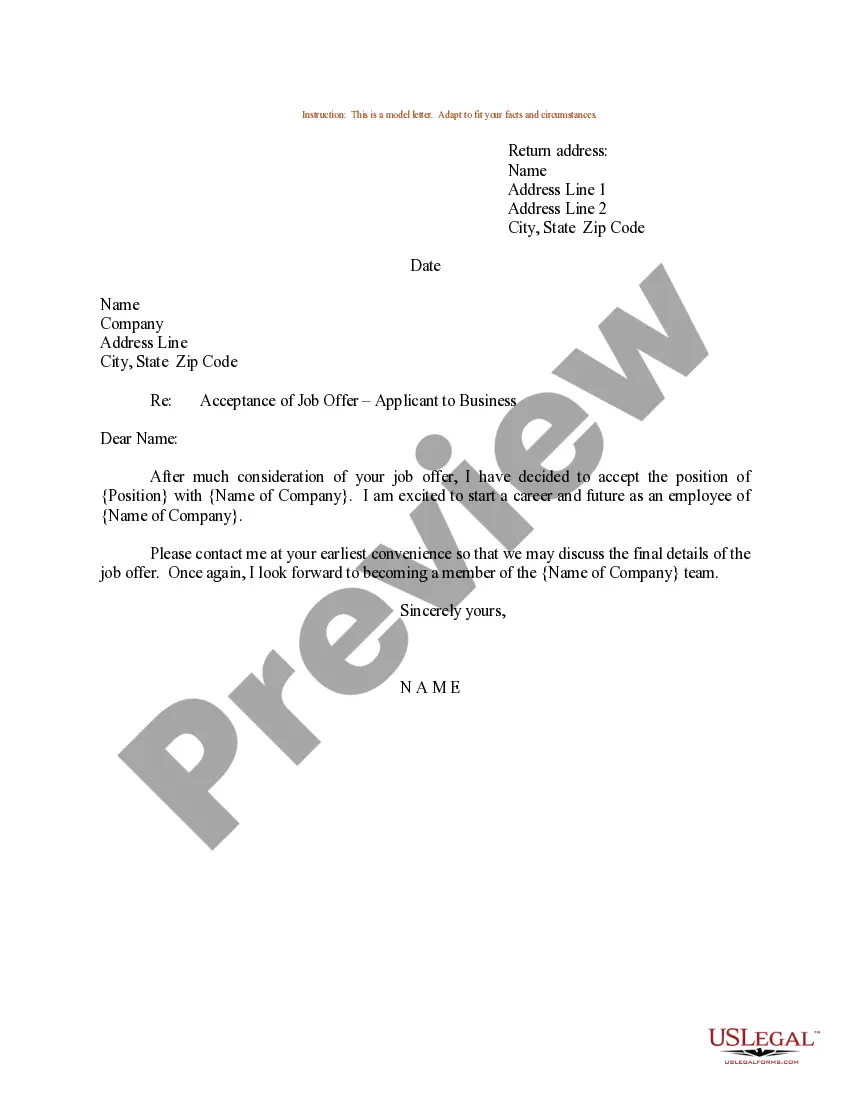
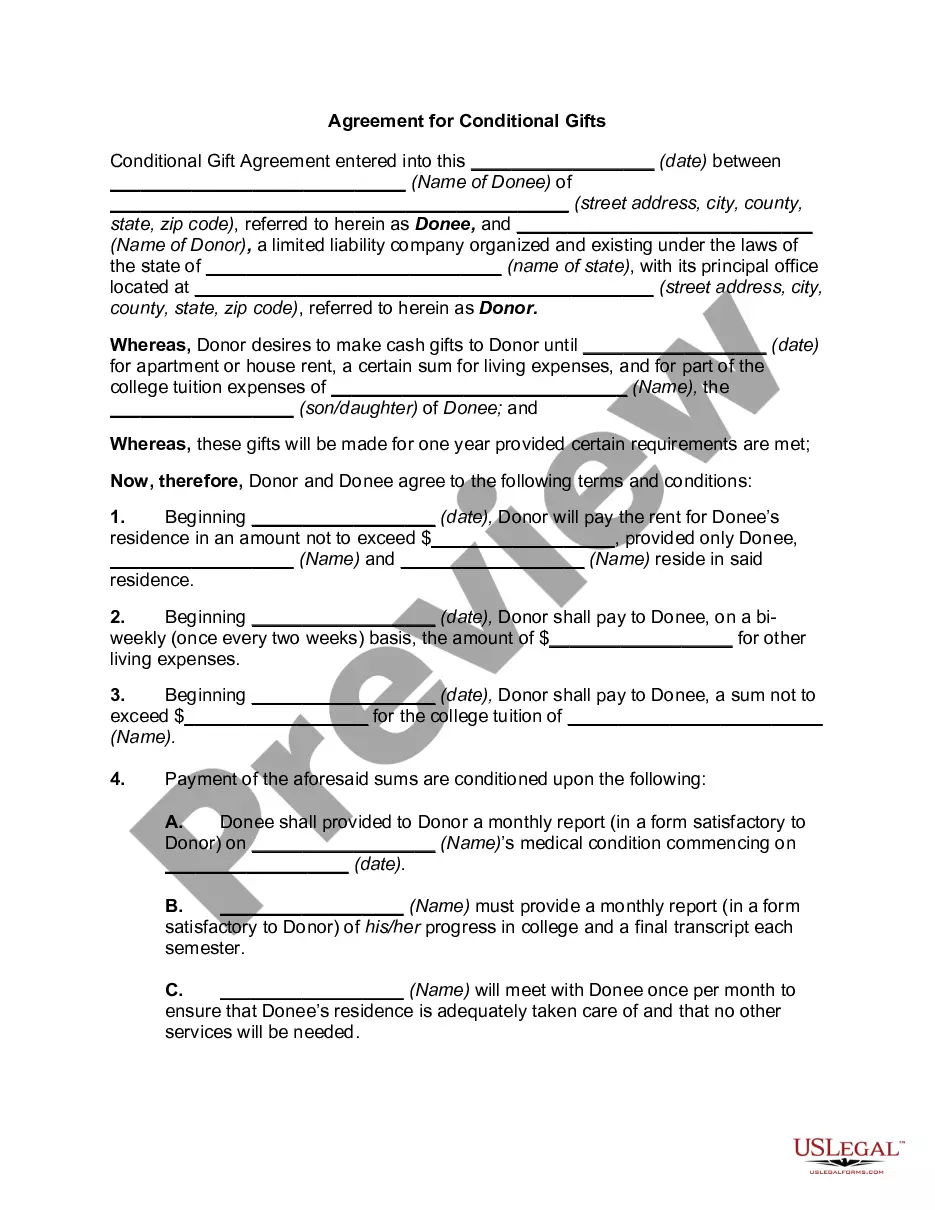
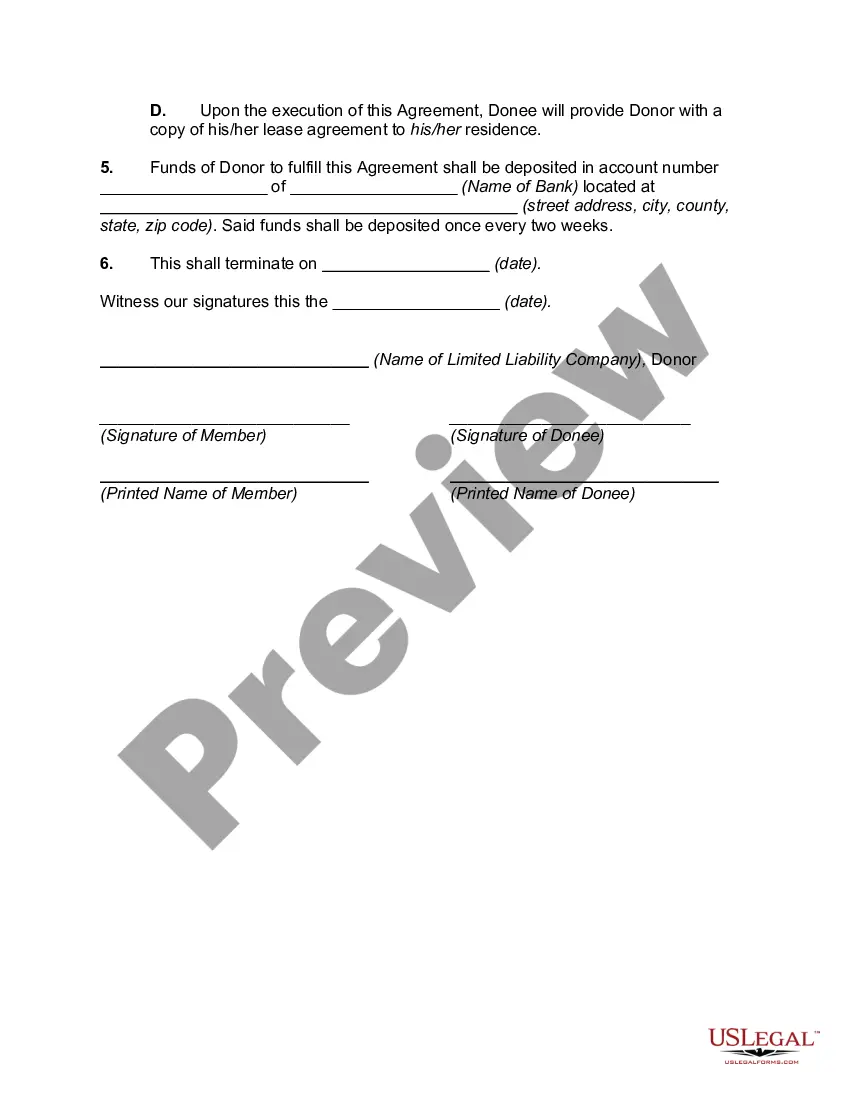
New Mexico Agreement for Conditional Gifts
Description
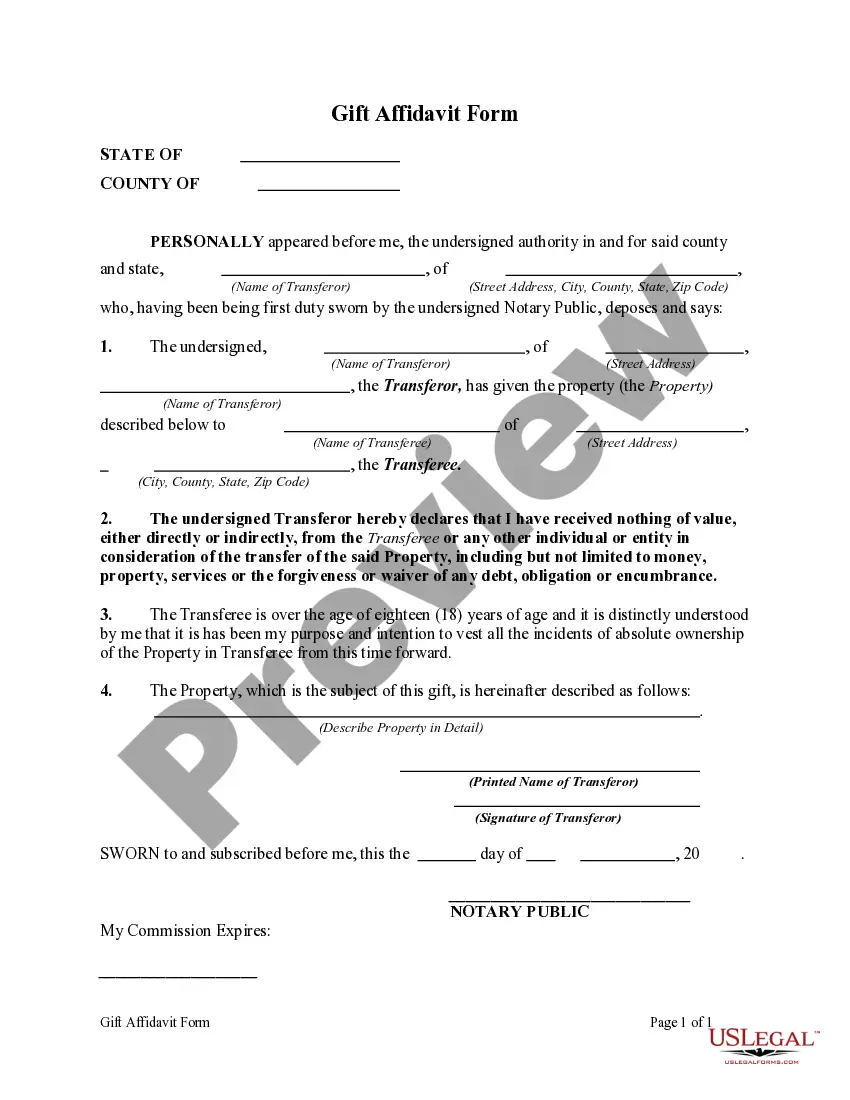
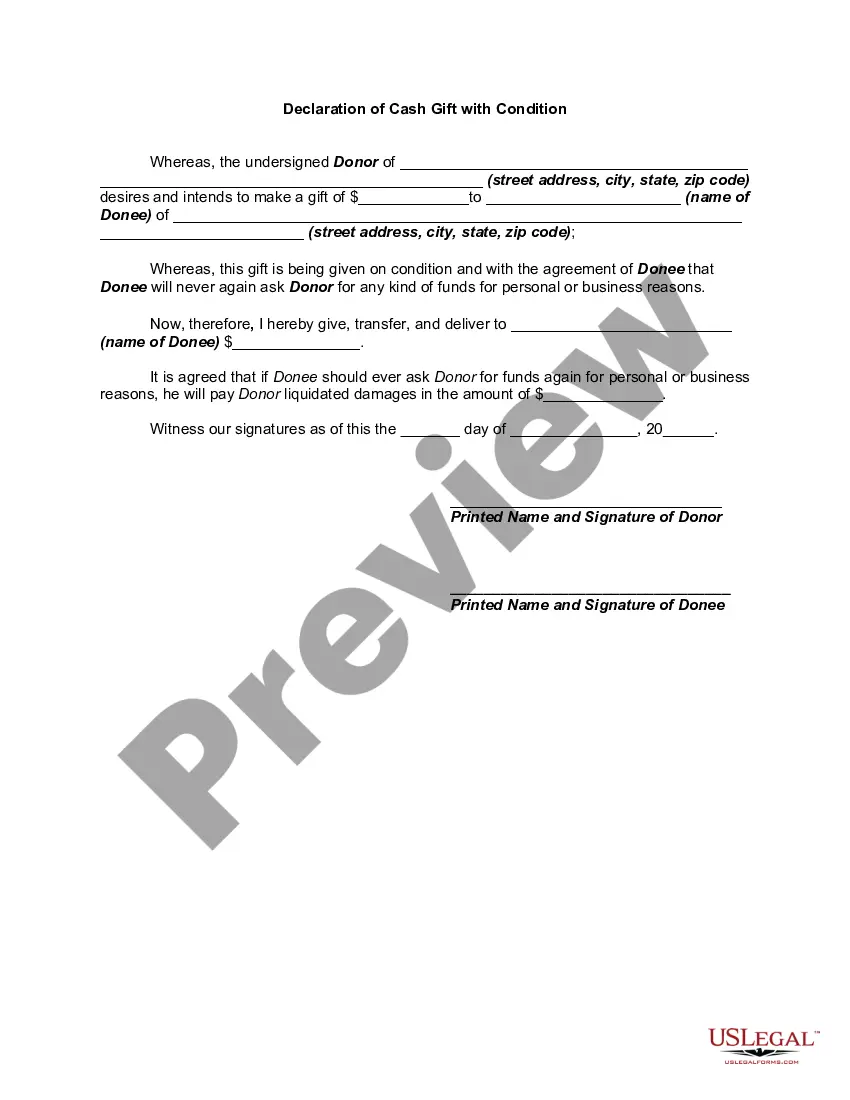
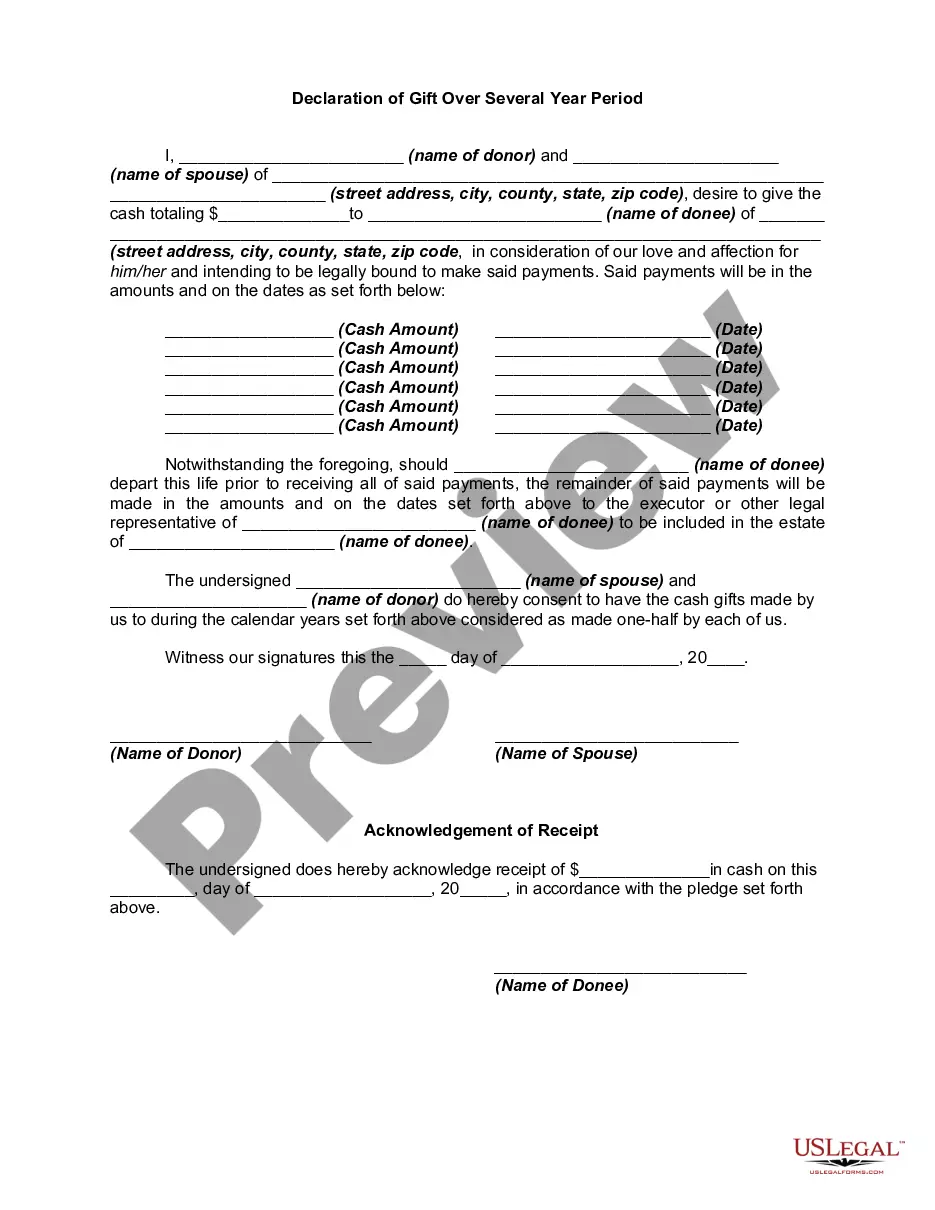
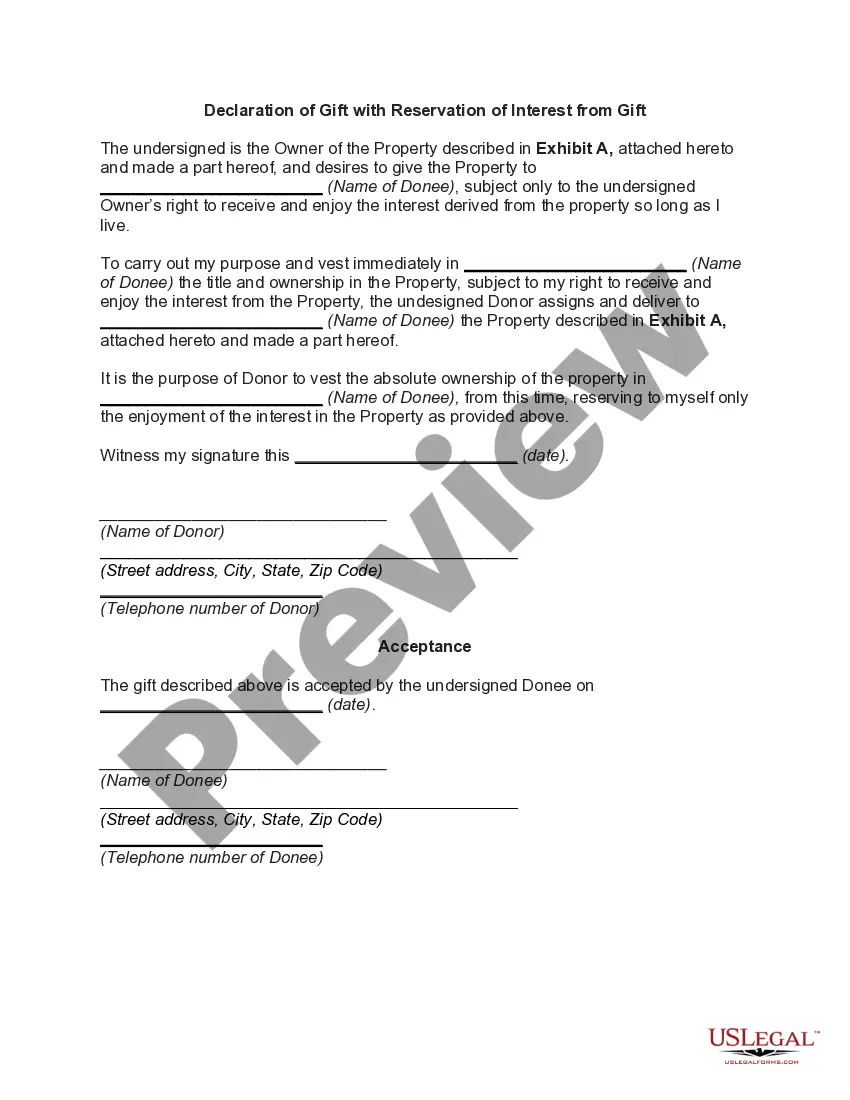
Get your form ready online
Our built-in tools help you complete, sign, share, and store your documents in one place.
Make edits, fill in missing information, and update formatting in US Legal Forms—just like you would in MS Word.
Download a copy, print it, send it by email, or mail it via USPS—whatever works best for your next step.
Sign and collect signatures with our SignNow integration. Send to multiple recipients, set reminders, and more. Go Premium to unlock E-Sign.
If this form requires notarization, complete it online through a secure video call—no need to meet a notary in person or wait for an appointment.
We protect your documents and personal data by following strict security and privacy standards.

Make edits, fill in missing information, and update formatting in US Legal Forms—just like you would in MS Word.

Download a copy, print it, send it by email, or mail it via USPS—whatever works best for your next step.

Sign and collect signatures with our SignNow integration. Send to multiple recipients, set reminders, and more. Go Premium to unlock E-Sign.

If this form requires notarization, complete it online through a secure video call—no need to meet a notary in person or wait for an appointment.

We protect your documents and personal data by following strict security and privacy standards.
Looking for another form?



How to fill out Agreement For Conditional Gifts?
Are you currently in a location where you frequently require documents for either business or personal activities.
There are numerous legal document templates available online, but locating reliable ones is not easy.
US Legal Forms offers thousands of template options, such as the New Mexico Agreement for Conditional Gifts, which can be customized to meet state and federal requirements.
Select a preferred document format and download your copy.
Access all the document templates you have purchased in the My documents menu. You can acquire another copy of the New Mexico Agreement for Conditional Gifts at any time if needed. Just select the required form to download or print the document template. Utilize US Legal Forms, the largest selection of legal forms, to save time and avoid errors. The service provides well-crafted legal document templates that can be used for various purposes. Create an account on US Legal Forms and start simplifying your life.
- If you are already familiar with the US Legal Forms website and have an account, simply Log In.
- Then you can download the New Mexico Agreement for Conditional Gifts template.
- If you do not have an account and would like to start using US Legal Forms, follow these steps.
- Select the form you need and ensure it is appropriate for your specific jurisdiction.
- Use the Preview feature to review the document.
- Check the summary to confirm that you've selected the correct form.
- If the form is not what you are looking for, use the Research section to find the form that fits your needs and requirements.
- Once you find the right form, click on Get now.
- Choose the pricing plan you want, enter the required information to create your account, and pay for the order using PayPal or a credit card.
Form popularity
FAQ
The ring is kept by the recipient, even if the marriage never occurs and no matter who broke the engagement. Once the marriage occurs, most states view the gifting of the ring as complete. In the event of a divorce, the recipient of the ring is entitled to keep the gift.
The giver of the engagement ring can ask for it back, especially if it was an heirloom piece or the couple lives in a state where the law views the ring as a conditional gift. In some instances, they may have to initiate an action or file a claim to get the ring back before it is sold or given away to someone else.
In most states within the United States, an engagement ring will be considered a gift. The timing of the gift (for tax purposes) depends on when the gift is considered completed. Some states say that the gift is completed when given. Others say that the gift is completed when the couple gets married.
Almost every court in the US will agree that marriage is the condition that needs to be met. This means in nearly every broken engagement case taken to court, the receiver will legally have to give the ring back to the giver.
A conditional gift is one which is based on some future event or action taking place. If the event doesn't occur, then the gift-giver has the right to get the gift back. Most courts classify engagement rings as a conditional gift and award the engagement ring to the giver in broken engagement cases.
Most people consider an engagement ring to be a gift and, once given, the recipient can do with it what she or he wishes. A minority of states agree and consider the ring an unconditional gift. If either person breaks off the engagement, the woman gets to keep the ring.
Most people consider an engagement ring to be a gift and, once given, the recipient can do with it what she or he wishes. A minority of states agree and consider the ring an unconditional gift. If either person breaks off the engagement, the woman gets to keep the ring.
While the law varies on who is entitled to keep the ring, from an etiquette standpoint it is generally considered good manners to return the ring if the engagement is called off.
A conditional gift is one which is based on some future event or action taking place. If the event doesn't occur, then the gift-giver has the right to get the gift back. Most courts classify engagement rings as a conditional gift and award the engagement ring to the giver in broken engagement cases.
In UK law the giving of an engagement ring is presumed to be a gift so it is assumed the person who receives it should keep it. This presumption can be rebutted by proving that the gift was given as a condition in expectation that a future event or action will take place.