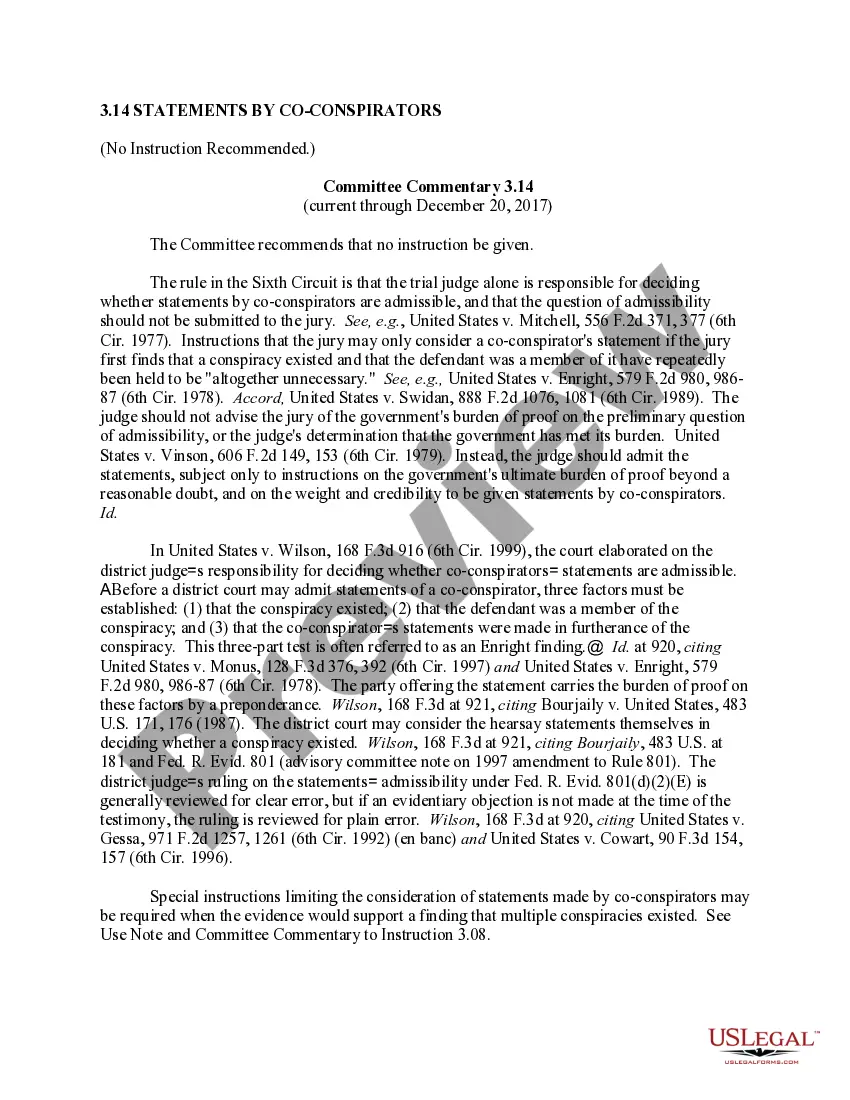
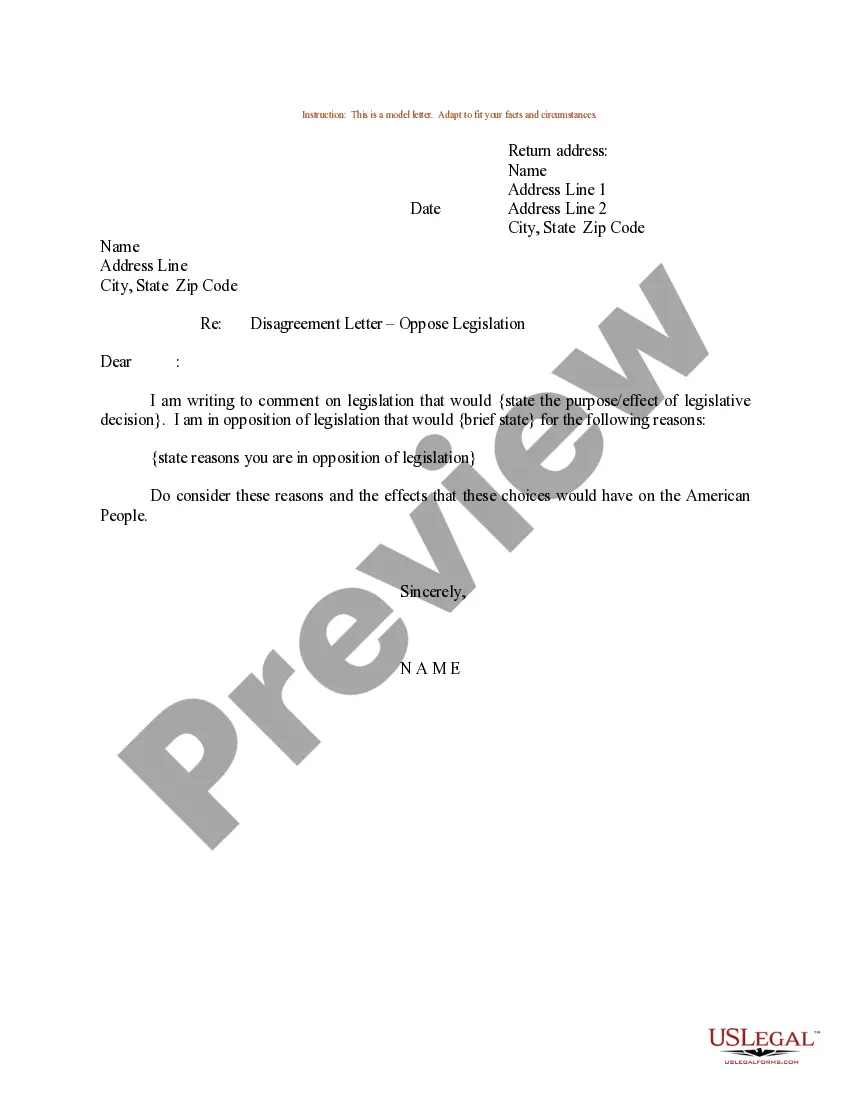
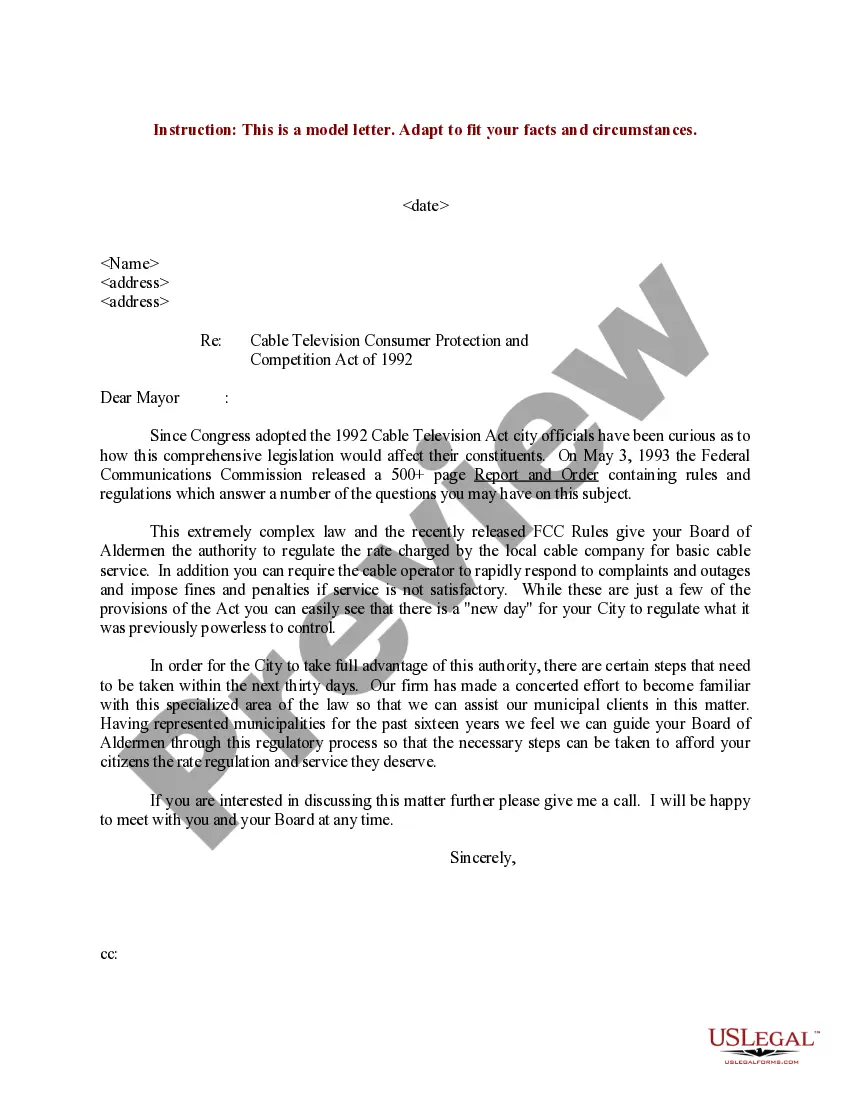
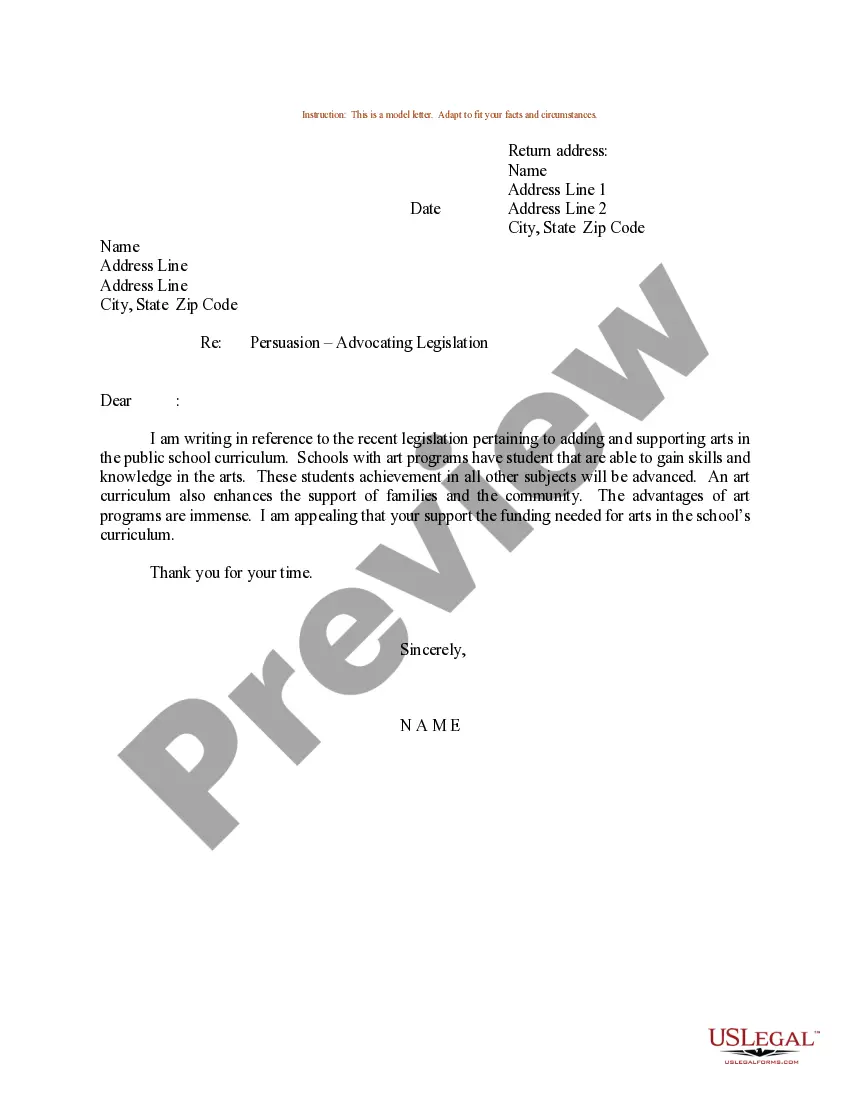
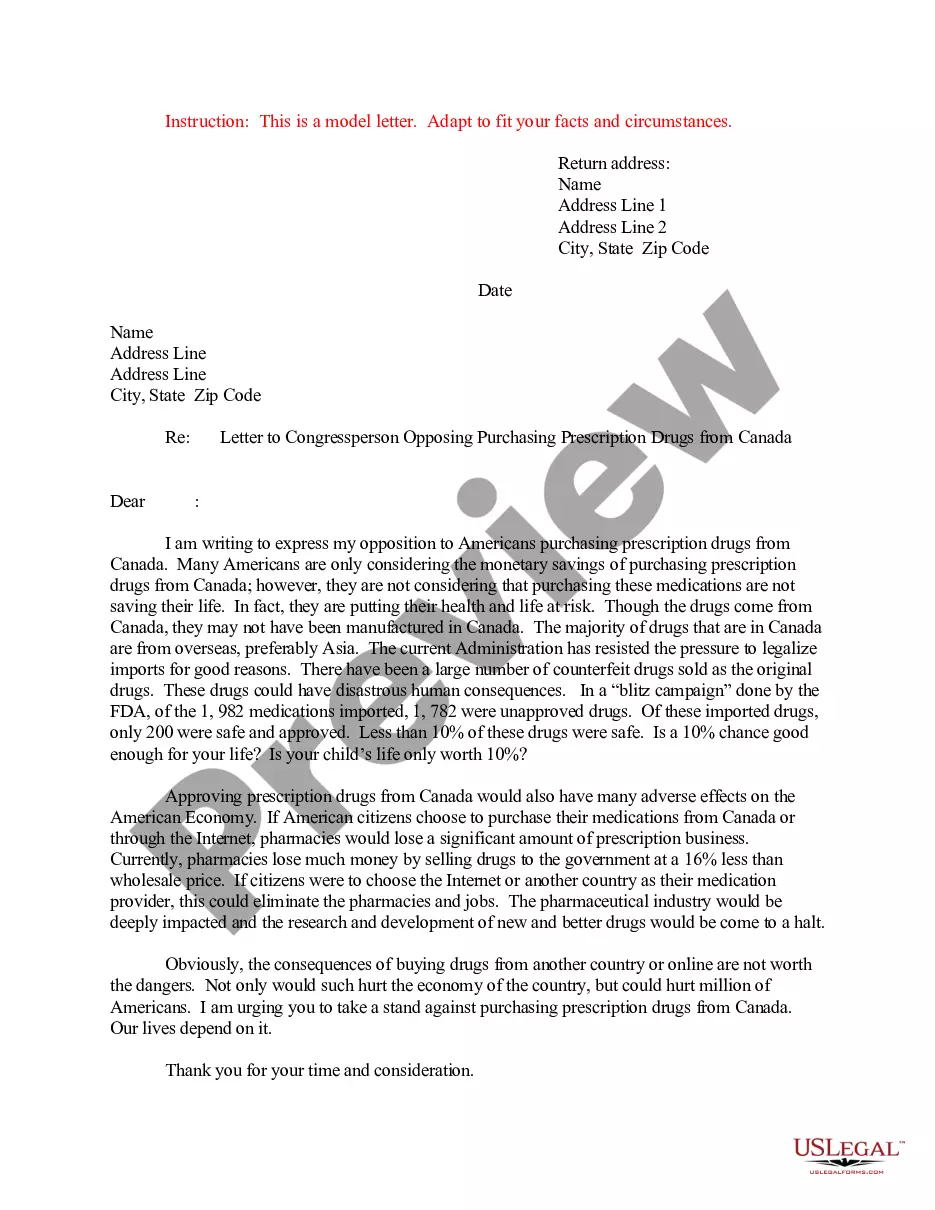
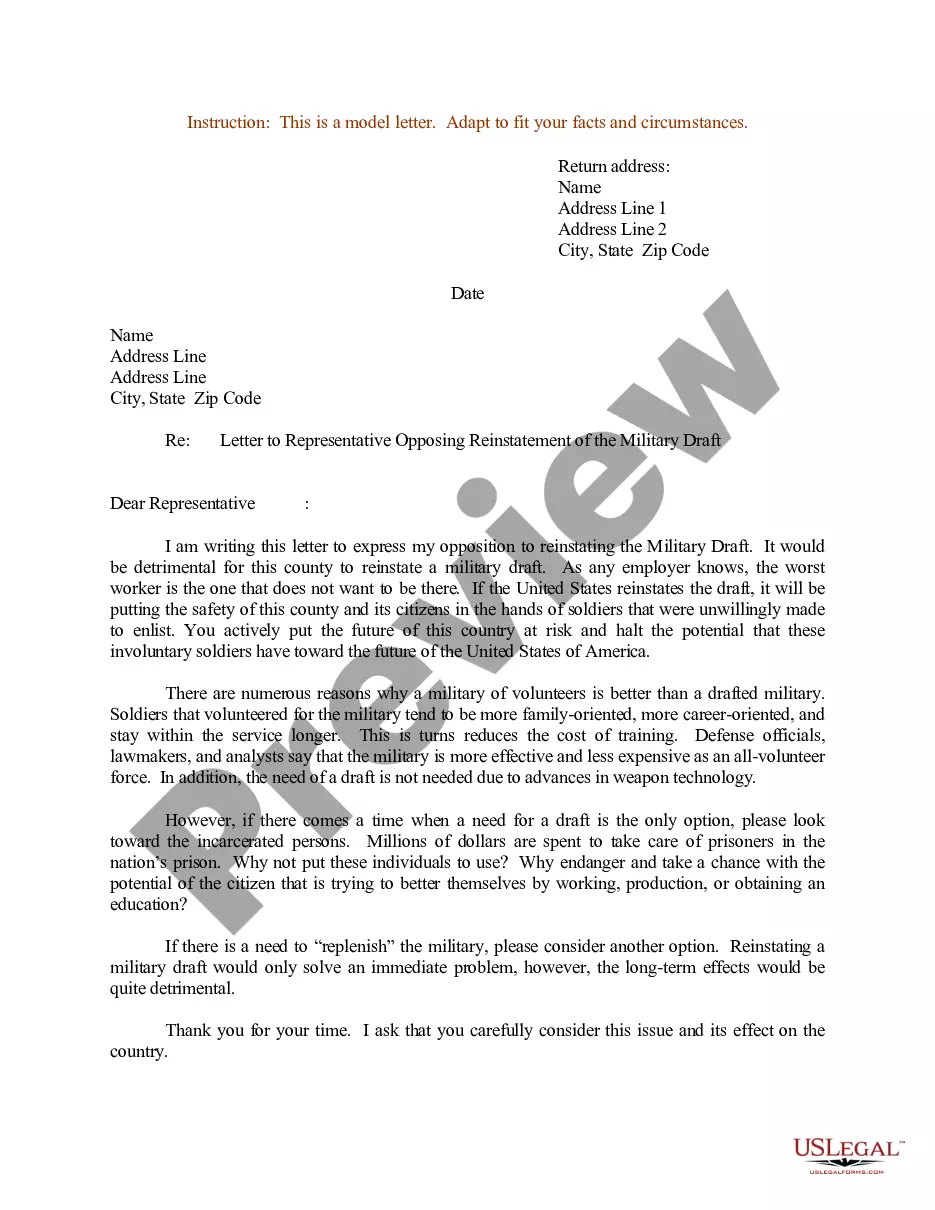
New Mexico Sample Letter for Opposition to Legislation
Description
Get your form ready online
Our built-in tools help you complete, sign, share, and store your documents in one place.
Make edits, fill in missing information, and update formatting in US Legal Forms—just like you would in MS Word.
Download a copy, print it, send it by email, or mail it via USPS—whatever works best for your next step.
Sign and collect signatures with our SignNow integration. Send to multiple recipients, set reminders, and more. Go Premium to unlock E-Sign.
If this form requires notarization, complete it online through a secure video call—no need to meet a notary in person or wait for an appointment.
We protect your documents and personal data by following strict security and privacy standards.

Make edits, fill in missing information, and update formatting in US Legal Forms—just like you would in MS Word.

Download a copy, print it, send it by email, or mail it via USPS—whatever works best for your next step.

Sign and collect signatures with our SignNow integration. Send to multiple recipients, set reminders, and more. Go Premium to unlock E-Sign.

If this form requires notarization, complete it online through a secure video call—no need to meet a notary in person or wait for an appointment.

We protect your documents and personal data by following strict security and privacy standards.
Looking for another form?




How to fill out Sample Letter For Opposition To Legislation?
It is feasible to spend numerous hours online searching for the valid document format that satisfies the federal and state criteria you require.
US Legal Forms provides thousands of valid templates that are evaluated by experts.
You can download or print the New Mexico Sample Letter for Opposition to Legislation from this service.
If available, utilize the Preview button to review the document format as well.
- If you already possess a US Legal Forms account, you can Log In and click the Obtain button.
- Subsequently, you can complete, modify, print, or sign the New Mexico Sample Letter for Opposition to Legislation.
- Every valid document template you obtain is yours permanently.
- To retrieve another copy of the purchased form, visit the My documents tab and click the corresponding button.
- If you are using the US Legal Forms website for the first time, follow the simple instructions outlined below.
- First, ensure you have chosen the correct file format for your area/town of interest.
- Check the form description to confirm you have selected the appropriate form.
Form popularity
FAQ
Here are some important tips for your letter:Use letterhead.Verify the correct spelling of the legislator's name.Verify the correct title to use when addressing the legislator.Keep it short (one page maximum).Identify the issue.If the issue is a particular bill, verify the full name and bill number.More items...
Use your personal or. business address.Address your. legislator properly.State your. relafionship to the.Be factual. Be personal.Request a response. Include your fitle.Concentrate on a. single issue.Be specific about. what you want.Keep your letter. to one page.
VETO - The formal action when the Governor disapproves a bill. A two-thirds vote of each house is necessary to override the veto and make the bill become law .
Use Proper Salutation. The salutation should be "Dear Representative Smith" or Dear Senator Smith" or "Dear Assemblyman Smith" depending on the office held. The address should read: Honorable Jim Smith, Address, City, State, Zip.
Explore this articleWriting Your Legislator.Address your legislator by his or her official title.Identify your issue.Make a compelling argument.Anticipate opposition.Ask your legislature to take action.
Here are some important tips for your letter:Use letterhead.Verify the correct spelling of the legislator's name.Verify the correct title to use when addressing the legislator.Keep it short (one page maximum).Identify the issue.If the issue is a particular bill, verify the full name and bill number.More items...
State your subject clearly in the email subject line or first sentence of the letter. Stick to just one issue in the letter. Identify yourself as a constituent. State your views, support them with your expert knowledge and, when appropriate, cite the bill number of relevant legislation (e.g., H.R.
Use Proper Salutation. The salutation should be "Dear Representative Smith" or Dear Senator Smith" or "Dear Assemblyman Smith" depending on the office held. The address should read: Honorable Jim Smith, Address, City, State, Zip.
Here are some important tips for your letter:Use letterhead.Verify the correct spelling of the legislator's name.Verify the correct title to use when addressing the legislator.Keep it short (one page maximum).Identify the issue.If the issue is a particular bill, verify the full name and bill number.More items...
First Paragraph: My name is Your Name and I'm writing to ask that you Action.Establish the relationship. Introduce yourself and how you're related to the recipient.State your what and your why. Limit yourself to one specific action so as to not draw attention away from the issues you may find more important!