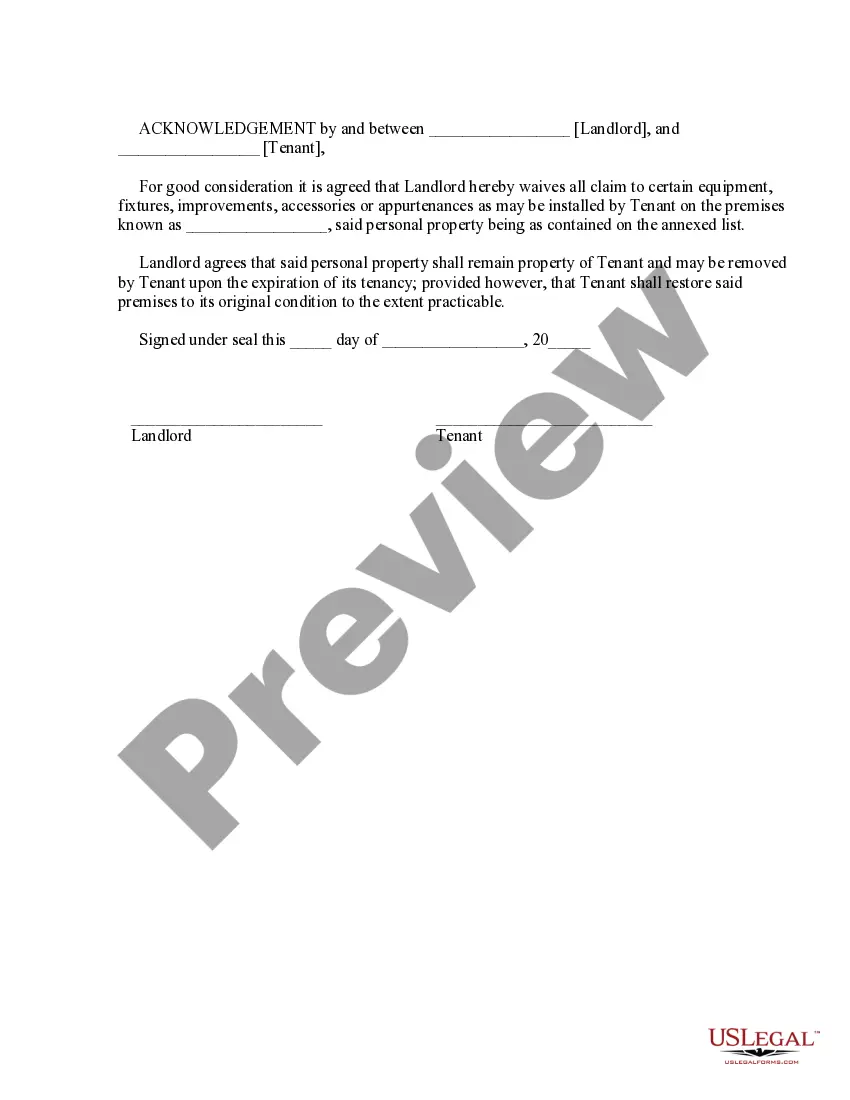
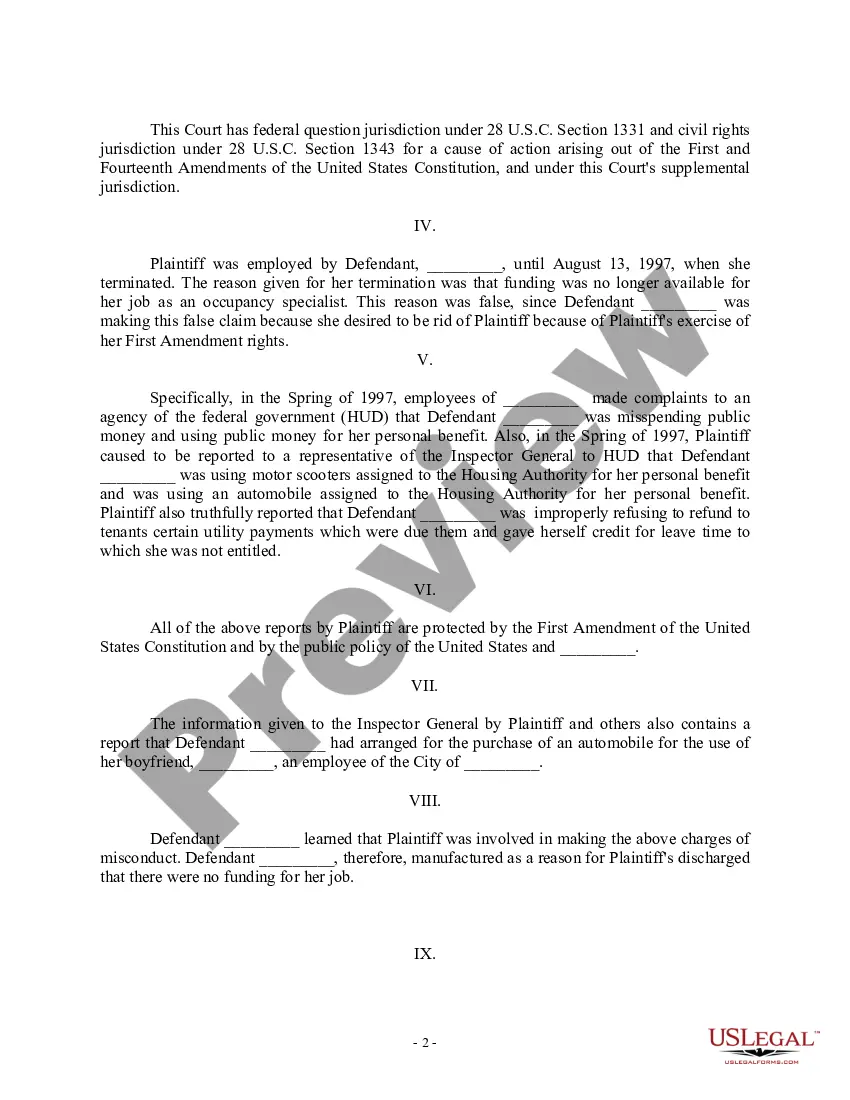
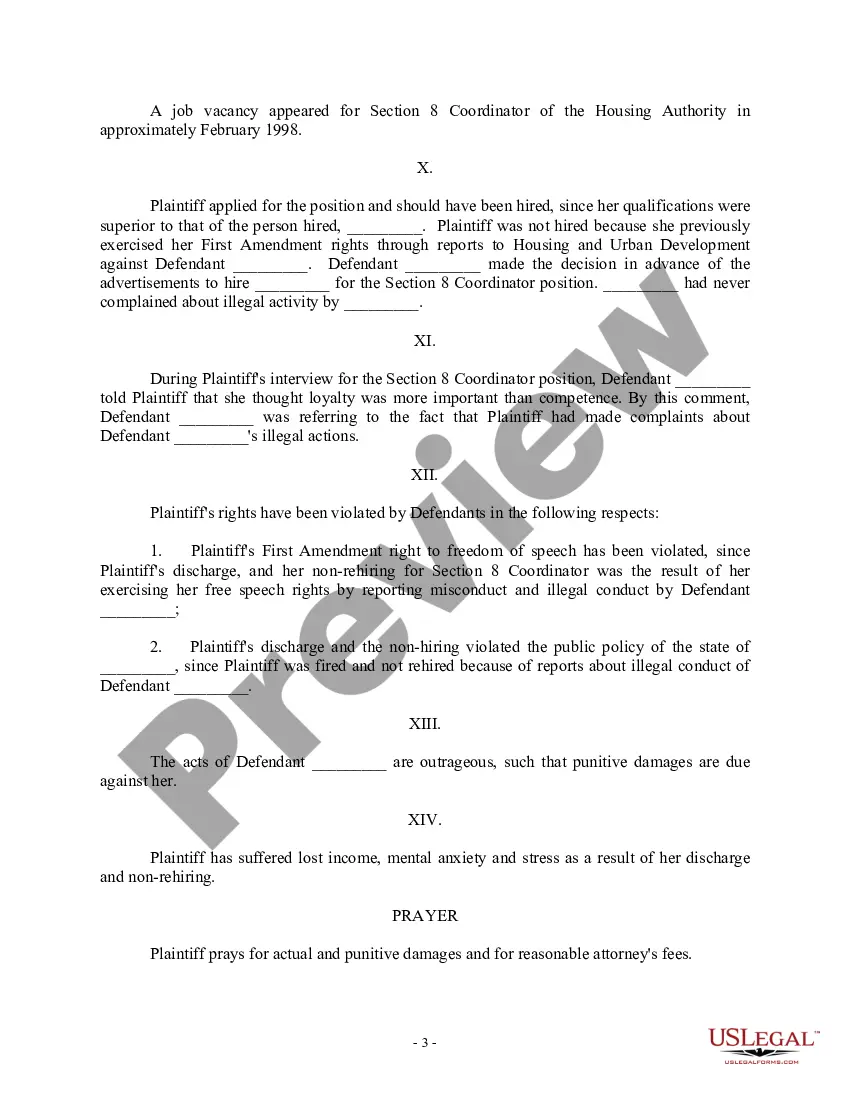
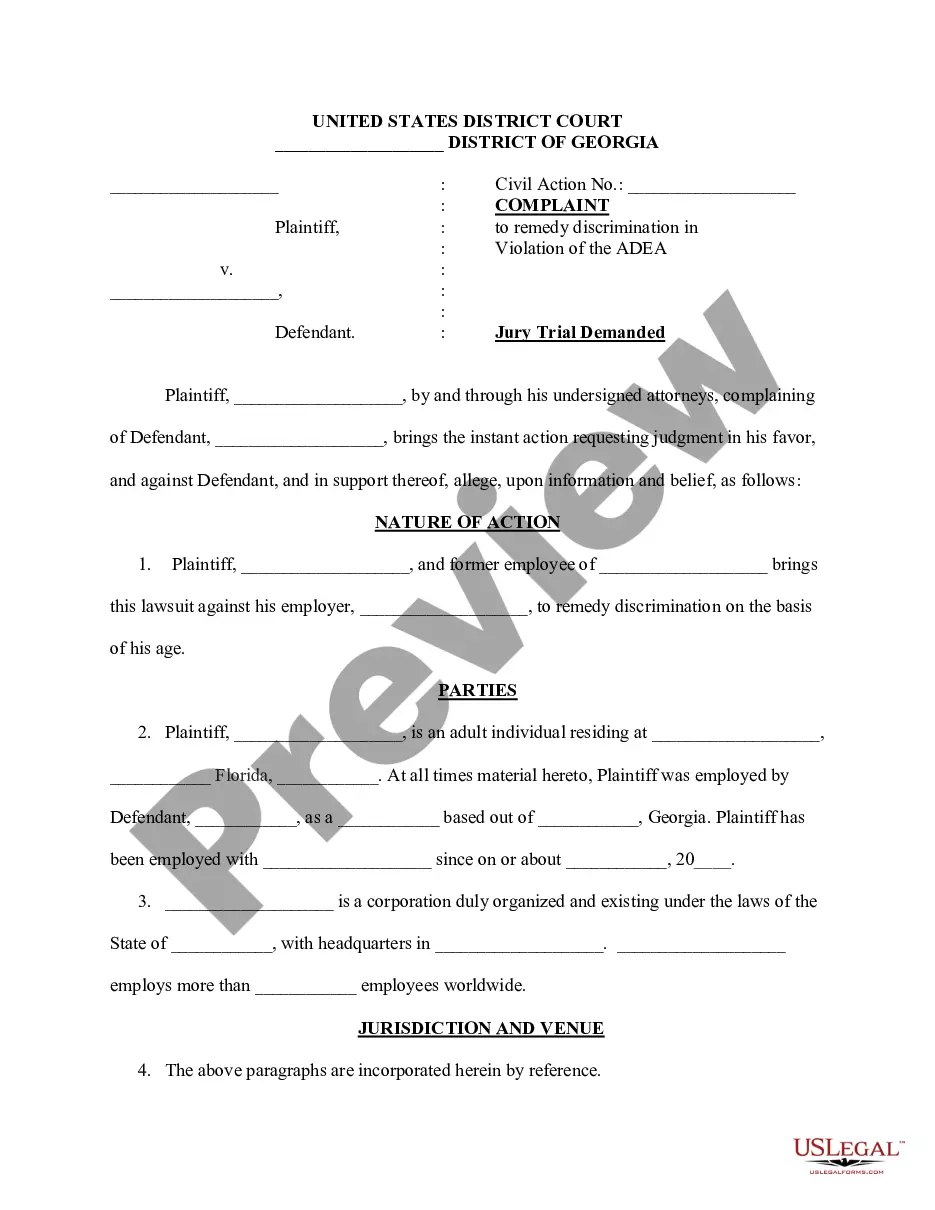
This form is a Complaint. This action is to recover damages for a violation of the First Amendment of the United States Constitution. The plaintiff is seeking punitive damages and reasonable attorney's fees.
New Mexico Complaint for Violation of Civil Rights and for Wrongful Discharge and Failure To Rehire - 1st, 14th Amendments, US Constitution - Jury Trial Demand
Category:
State:
Multi-State
Control #:
US-000285
Format:
Word;
Rich Text
Instant download
Description
Free preview





How to fill out Complaint For Violation Of Civil Rights And For Wrongful Discharge And Failure To Rehire - 1st, 14th Amendments, US Constitution - Jury Trial Demand?
Have you ever been in a situation where you constantly require documents for either business or personal reasons? There are numerous legal document templates available online, but finding reliable ones can be challenging. US Legal Forms provides a vast array of form templates, such as the New Mexico Complaint for Violation of Civil Rights and for Wrongful Discharge and Failure To Rehire - 1st, 14th Amendments, US Constitution - Jury Trial Demand, designed to comply with federal and state requirements.
If you are already familiar with the US Legal Forms website and have an account, simply Log In. After that, you can download the New Mexico Complaint for Violation of Civil Rights and for Wrongful Discharge and Failure To Rehire - 1st, 14th Amendments, US Constitution - Jury Trial Demand template.
If you do not have an account and wish to start using US Legal Forms, follow these instructions: Obtain the form you need and ensure it is for the correct jurisdiction. Utilize the Preview feature to review the document. Check the description to confirm you have selected the correct form. If the form is not what you are looking for, use the Search field to find the form that meets your needs and requirements. When you find the appropriate form, click on Buy now. Choose the pricing plan you prefer, enter the necessary information to create your account, and complete your purchase using PayPal or a credit card. Select a convenient document format and download your copy.
- Access all of the form templates you have purchased in the My documents section. You can obtain another copy of the New Mexico Complaint for Violation of Civil Rights and for Wrongful Discharge and Failure To Rehire - 1st, 14th Amendments, US Constitution - Jury Trial Demand at any time, if needed. Simply click on the desired form to download or print the document template.
- Utilize US Legal Forms, the most extensive collection of legal templates, to save time and avoid mistakes.
- The service offers professionally crafted legal document templates that you can use for various purposes.
- Create an account on US Legal Forms and start simplifying your life.
Form popularity
FAQ
To file a civil lawsuit in New Mexico, you should first gather all relevant documentation and evidence related to your case. Next, draft your complaint, clearly outlining your claims, including any allegations of civil rights violations. Utilizing platforms like USLegalForms can simplify this process and help ensure your New Mexico Complaint for Violation of Civil Rights and for Wrongful Discharge and Failure To Rehire - 1st, 14th Amendments, US Constitution - Jury Trial Demand meets all legal requirements. Finally, file your complaint with the appropriate court and serve the defendant.
A civil rights violation occurs when an individual's rights, as outlined in the U.S. Constitution, are infringed upon by government actions or policies. This includes violations of the First and Fourteenth Amendments, such as discrimination or wrongful termination. Understanding these violations is essential for filing a New Mexico Complaint for Violation of Civil Rights and for Wrongful Discharge and Failure To Rehire - 1st, 14th Amendments, US Constitution - Jury Trial Demand. By recognizing your rights, you can take appropriate action.
In New Mexico, the statute of limitations for filing a complaint under the Civil Rights Act is typically three years. This time frame begins from the date of the alleged violation. It is crucial to act swiftly to ensure your New Mexico Complaint for Violation of Civil Rights and for Wrongful Discharge and Failure To Rehire - 1st, 14th Amendments, US Constitution - Jury Trial Demand is filed within this period. Delaying could result in losing your right to seek justice.
In New Mexico, wrongful termination occurs when an employee is fired for illegal reasons, such as discrimination based on race, gender, or religion. Additionally, an employee may have a claim if they are terminated for exercising their rights under the 1st and 14th Amendments of the US Constitution. If you believe your termination violates your civil rights, you can file a New Mexico Complaint for Violation of Civil Rights and for Wrongful Discharge and Failure To Rehire, demanding a jury trial. For assistance in navigating this process, consider using USLegalForms, which provides valuable resources and guidance.
Under Rule 64, a court may issue a writ or order for the seizure of property in order to secure the satisfaction of a judgment, to preserve the property, or for other reasons.
Passed by the Senate on June 8, 1866, and ratified two years later, on July 9, 1868, the Fourteenth Amendment granted citizenship to all persons "born or naturalized in the United States," including formerly enslaved people, and provided all citizens with ?equal protection under the laws,? extending the provisions of ...
Jury Trial of Right. (a) Right Preserved . The right of trial by jury as declared by the Seventh Amendment to the Constitution or as given by a statute of the United States shall be preserved to the parties inviolate.
The Due Process Clause declared that states may not deny any person "life, liberty or property, without due process of law." The Equal Protection Clause said that a state may not deny to any person within its jurisdiction the equal protection of the laws.
RULE 48 (A) PROVIDES IN PART THAT THE ATTORNEY GENERAL OR THE US ATTORNEY MAY BY LEAVE OF COURT FILE A DISMISSAL OF AN INDICTMENT, INFORMATION, OR COMPLAINT TO TERMINATE PROSECUTION.
The Equal Protection Clause of the 14th Amendment prohibits states from denying any person within its jurisdiction the equal protection of the law. In other words, the laws of a state must treat an individual in the same manner as other people in similar conditions and circumstances.