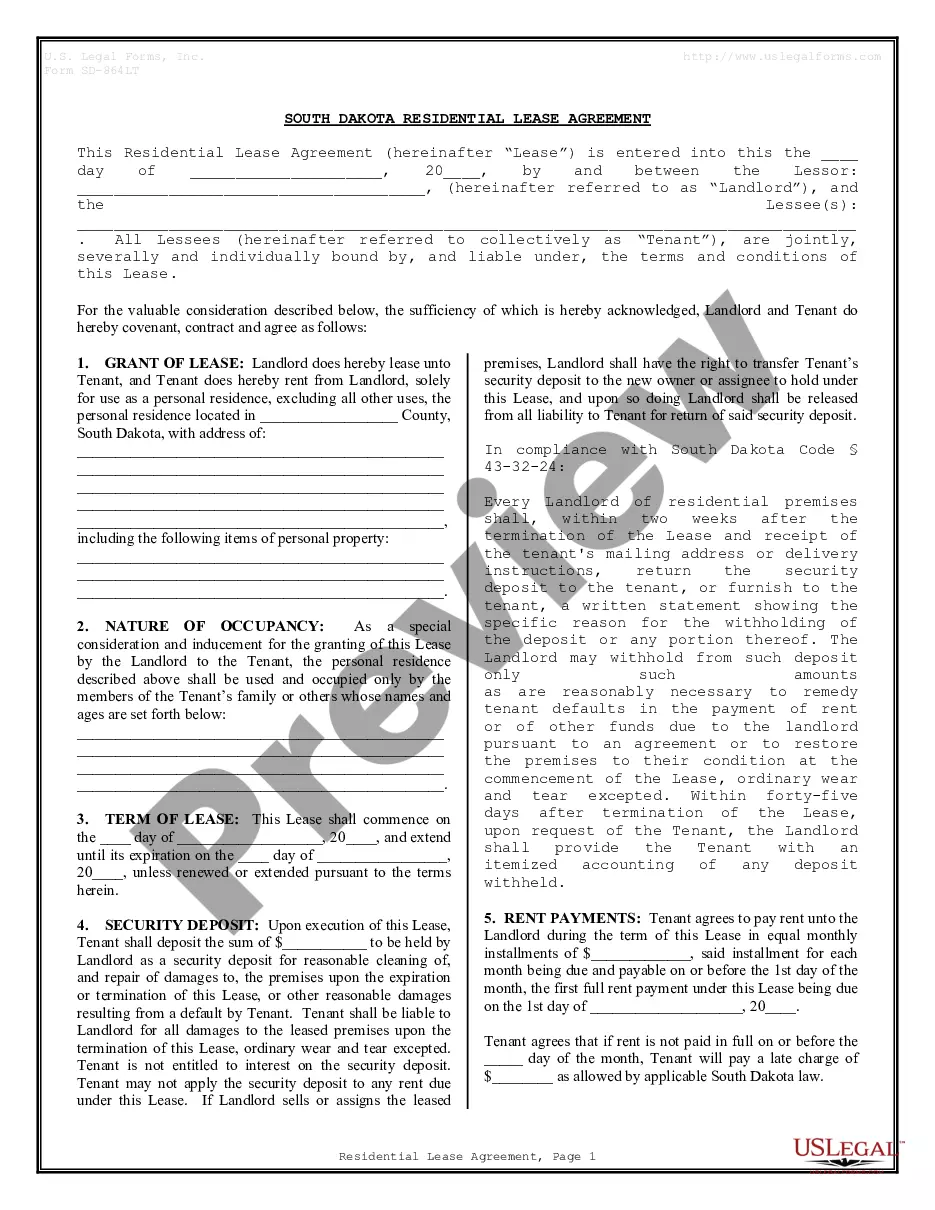
New Mexico Residential Real Estate Sales Disclosure Statement
Overview of this form
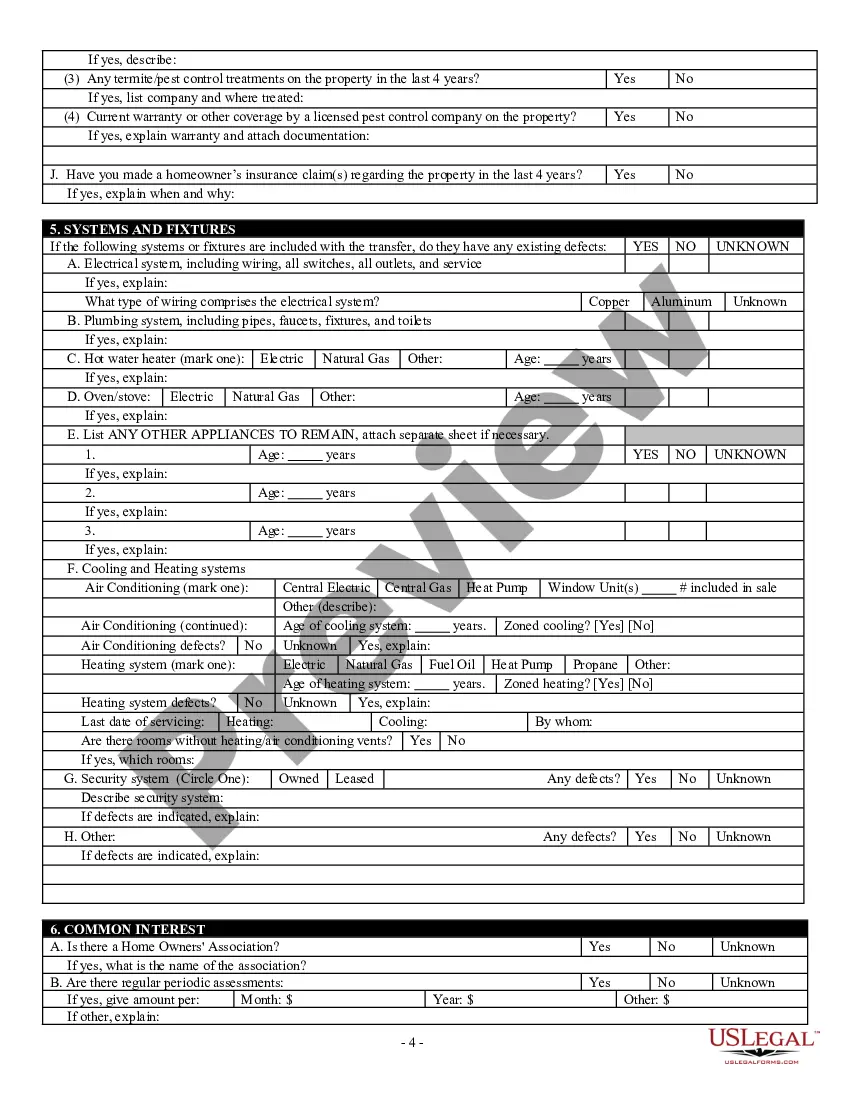
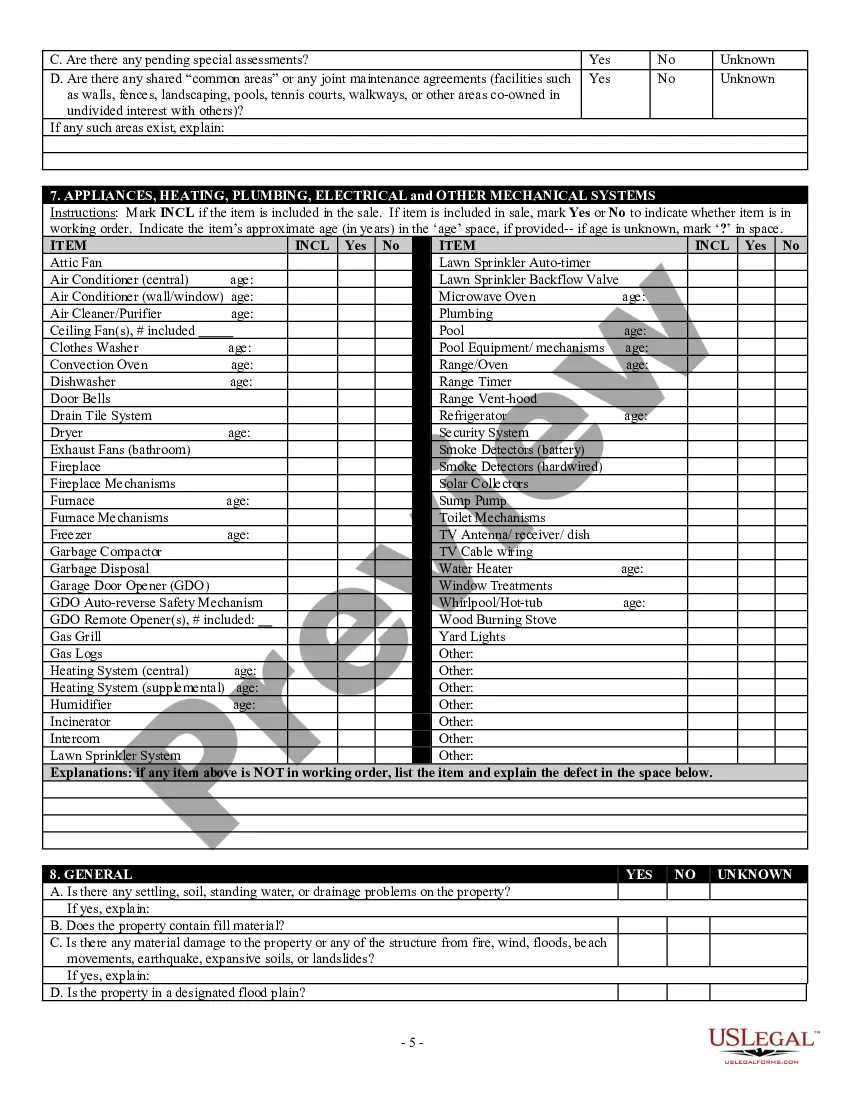
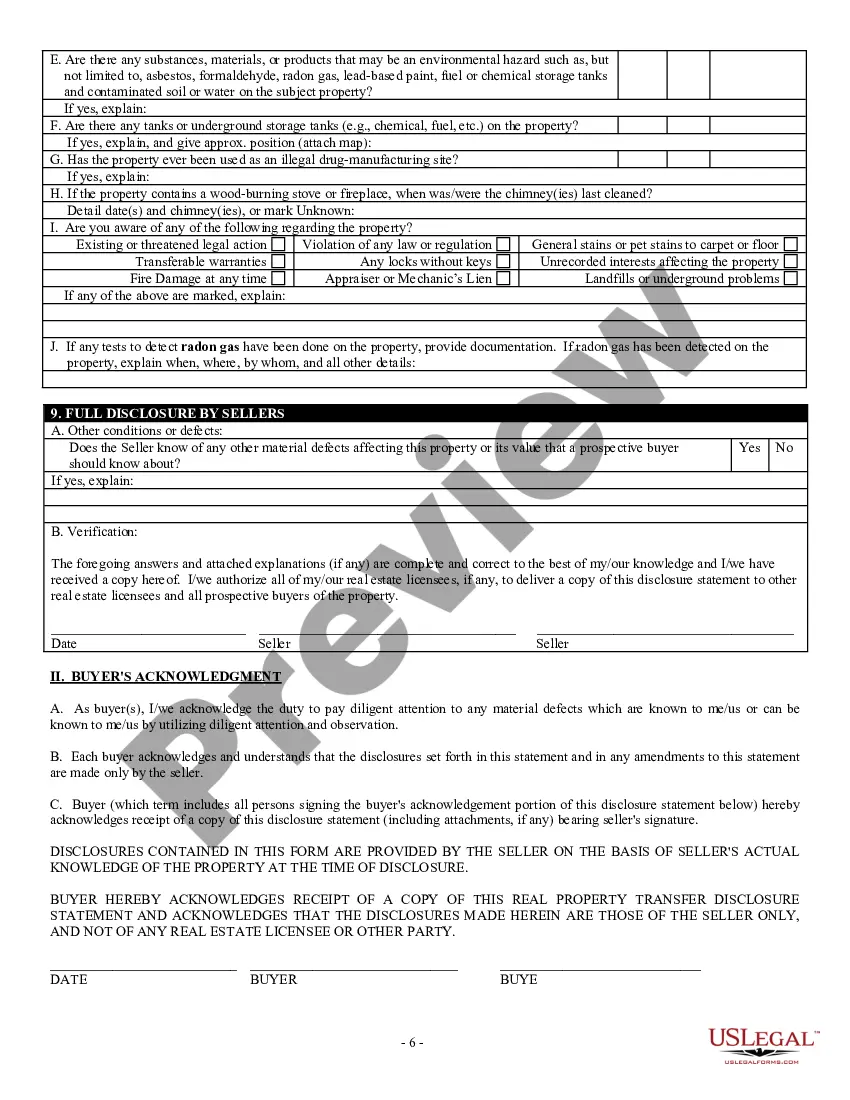
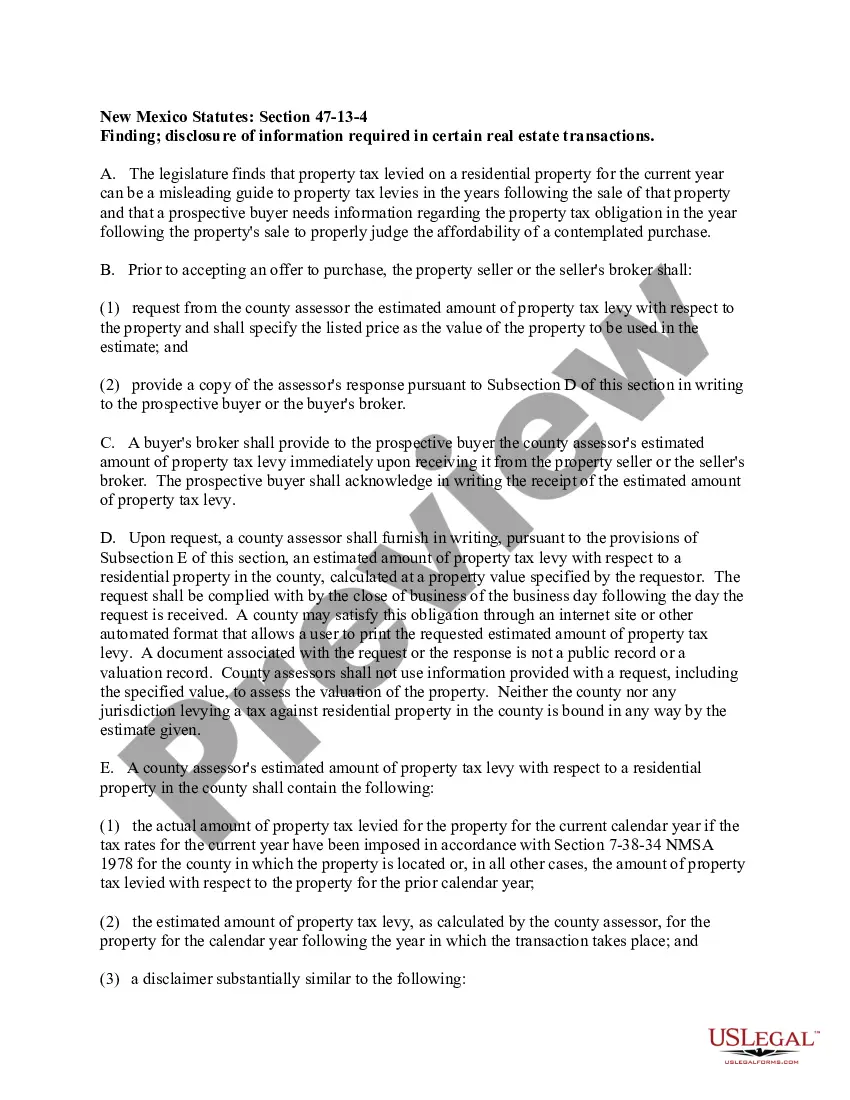
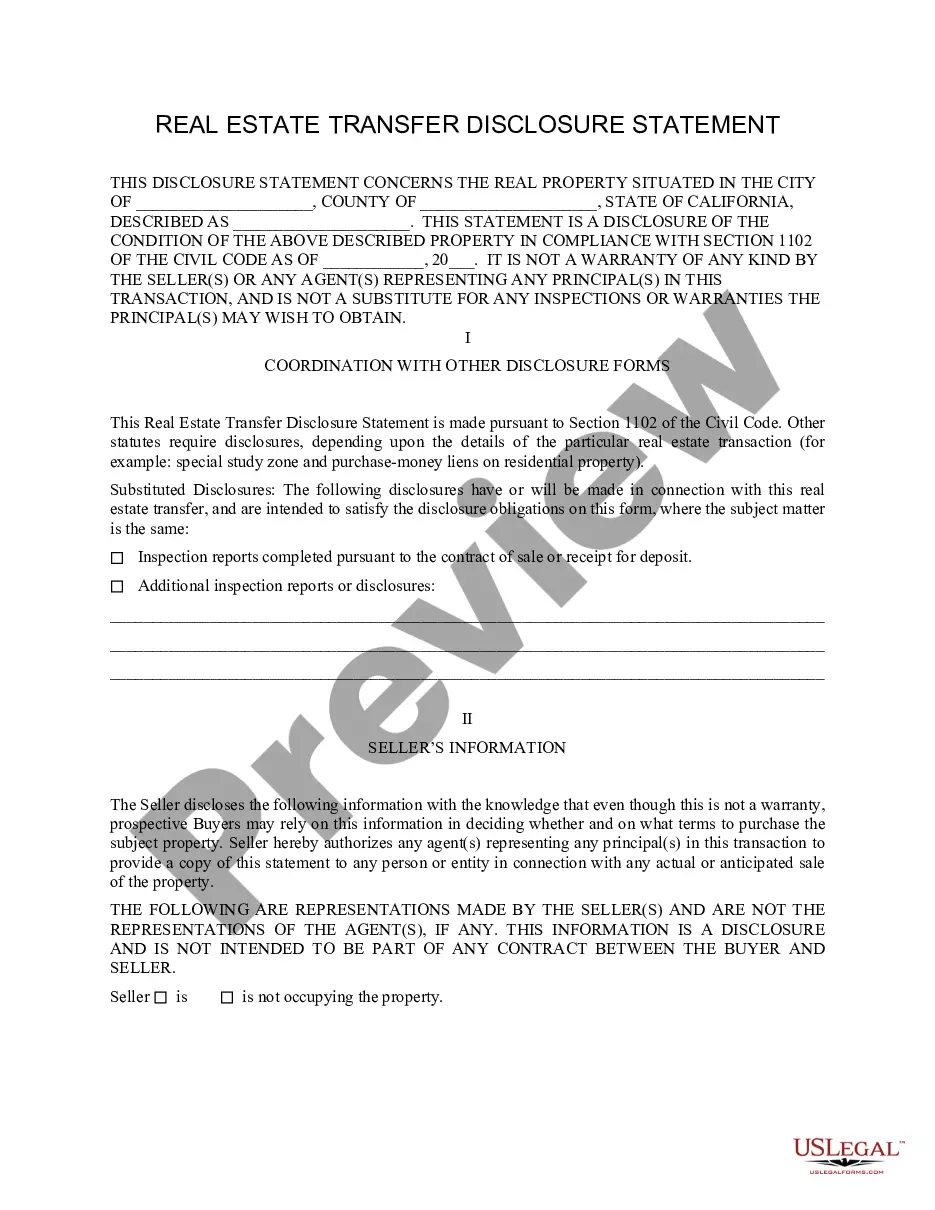
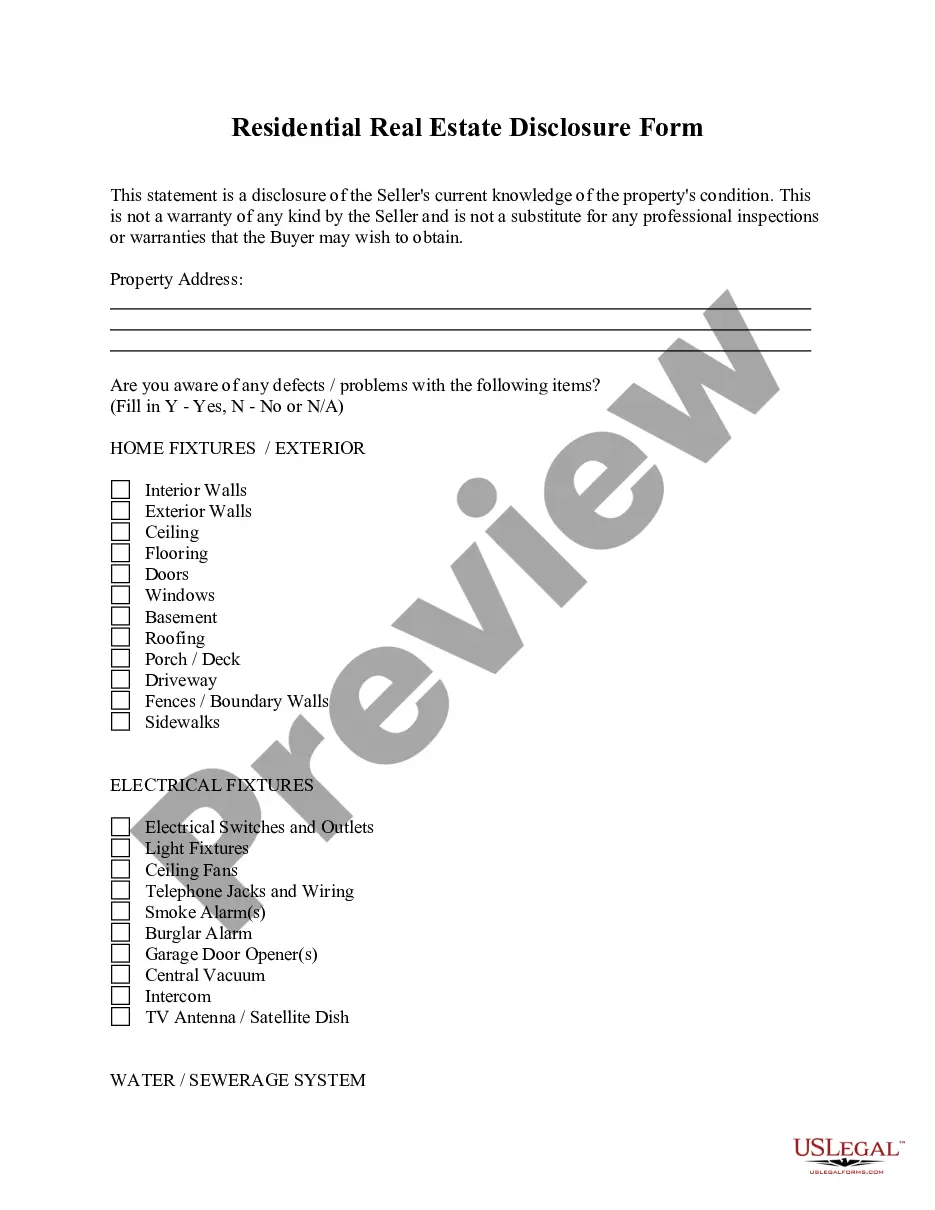
The Residential Real Estate Sales Disclosure Statement is a vital document used in residential property sales in New Mexico. This form is completed by the seller to disclose the condition of the property to the buyer. It helps ensure transparency during the transaction, setting it apart from standard sales agreements by focusing specifically on property condition disclosures.
Key components of this form
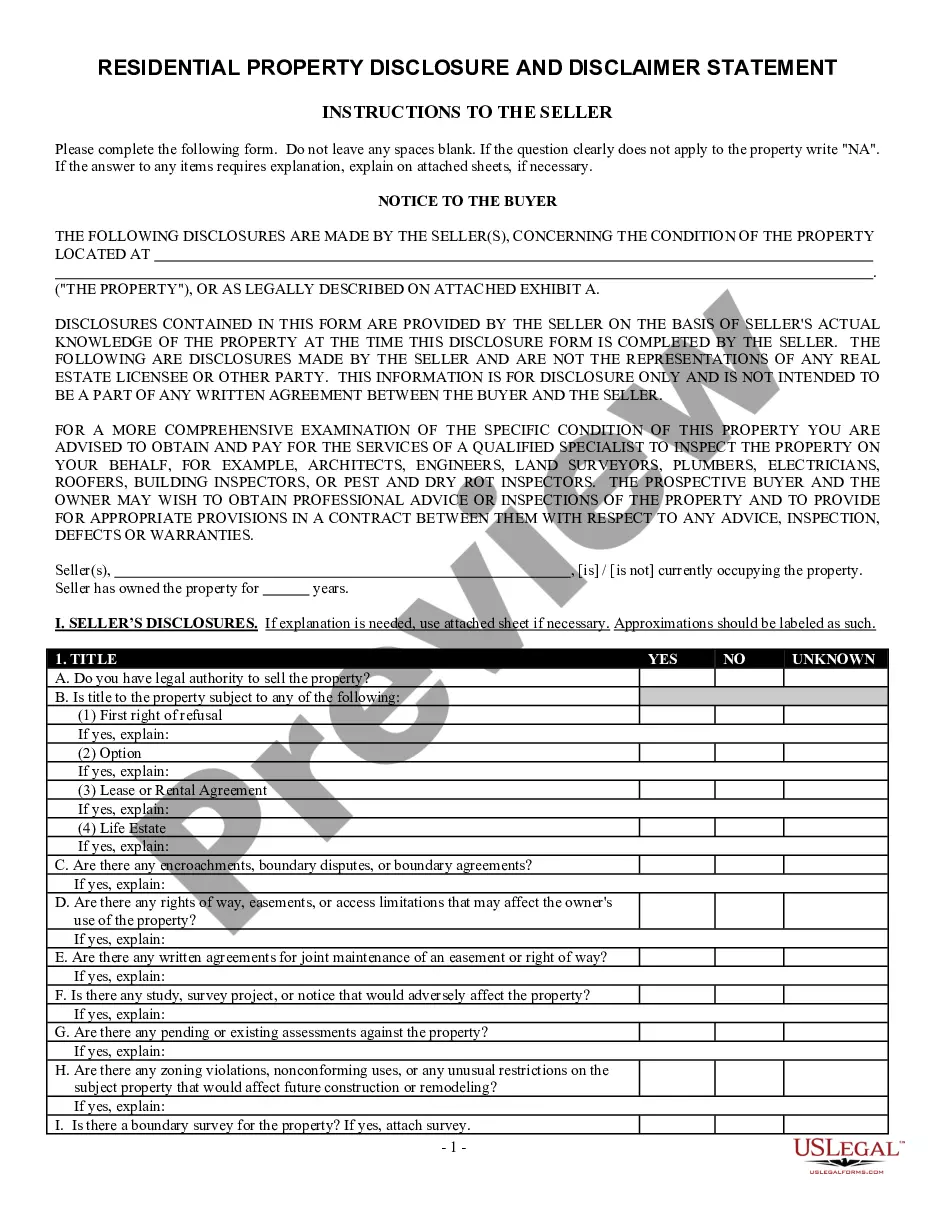
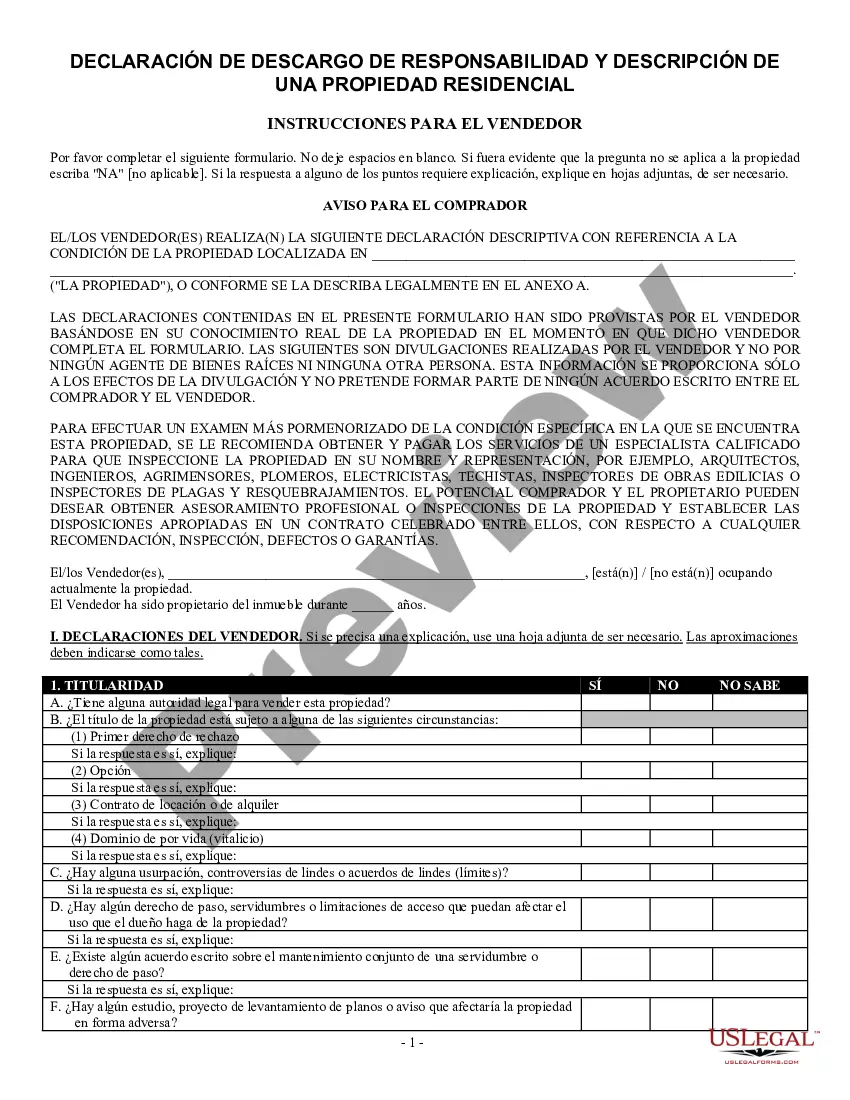
- Instructions to the Seller: Guidance on completing the disclosure accurately.
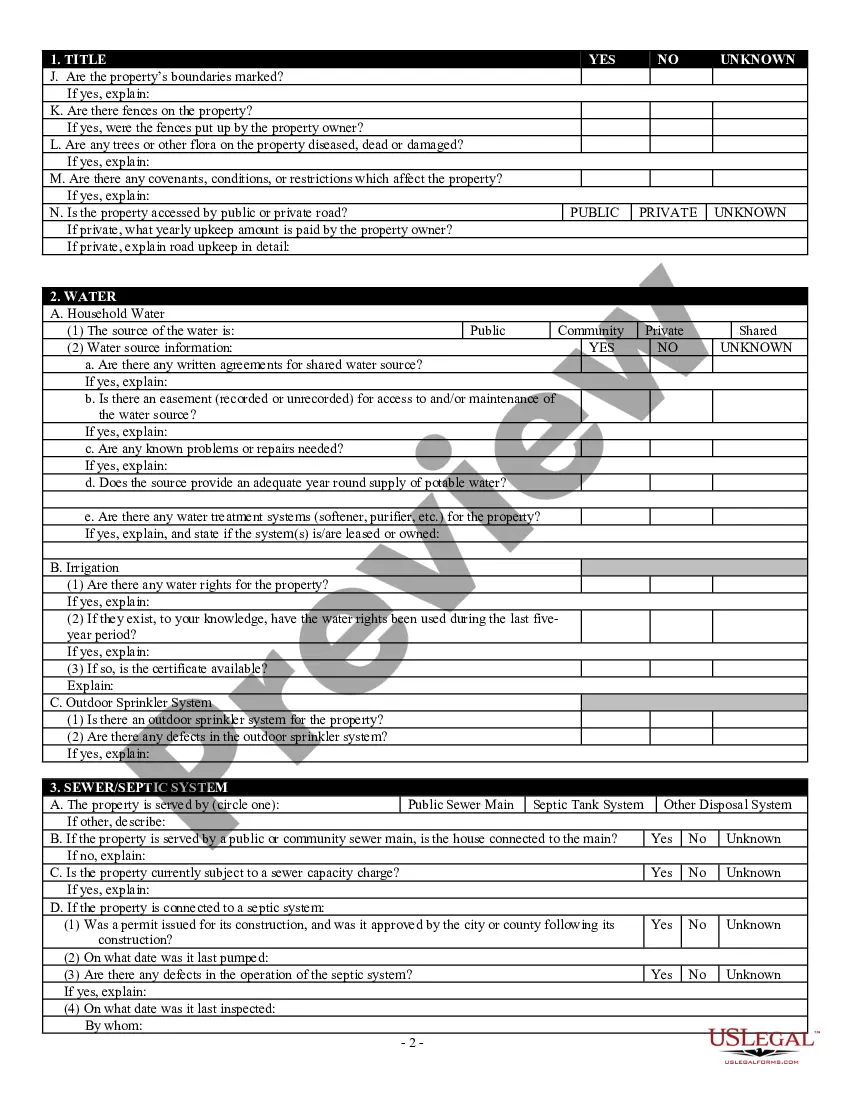
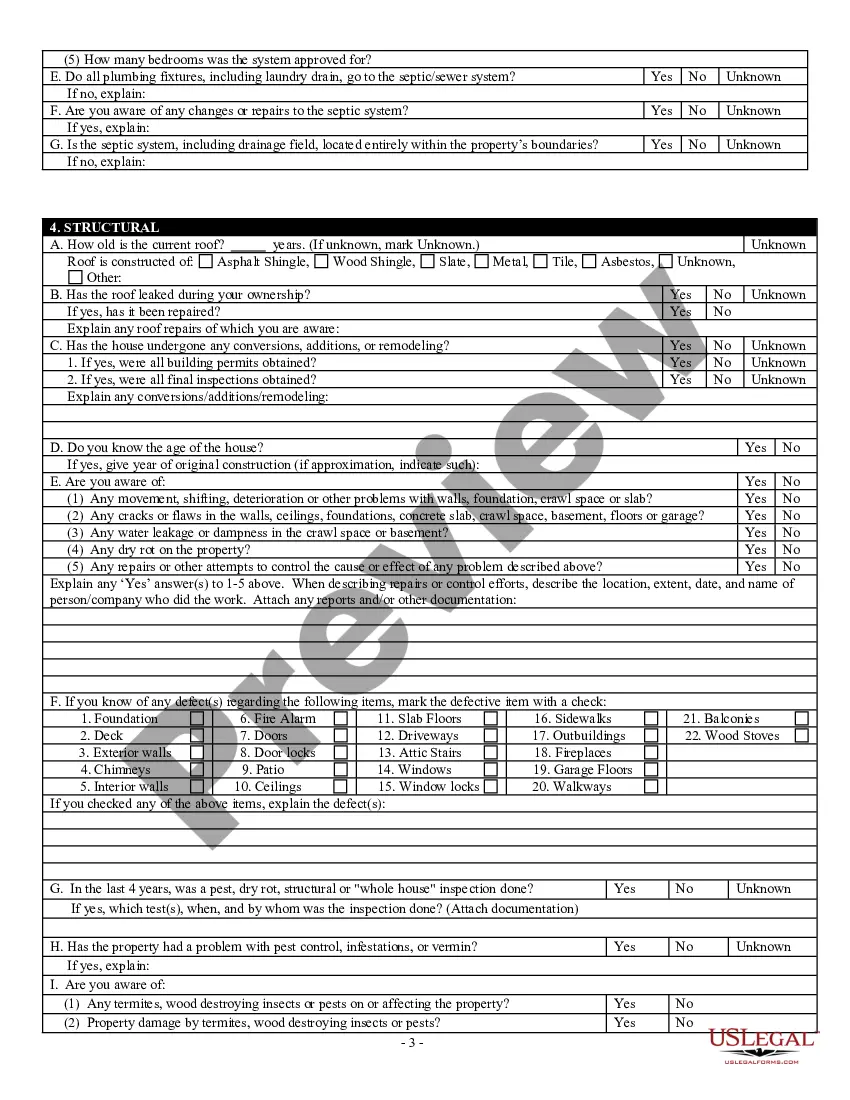
- Condition Statements: Questions pertaining to specific issues or conditions of the property.
- Explanatory Notes: Space for additional details if answers require clarification.
- Advisory Notice: A recommendation for the buyer to obtain professional inspections.
Situations where this form applies
This form should be used when a seller is involved in a residential real estate transaction in New Mexico. It is crucial when the seller needs to disclose pertinent property condition information to potential buyers, helping to prevent future disputes or misunderstandings.
Who needs this form
- Home sellers in New Mexico looking to complete a property sale.
- Real estate agents representing sellers in residential transactions.
- Potential buyers who wish to understand the property's condition before making an offer.
Completing this form step by step
- Begin by identifying the parties involved in the transaction.
- Thoroughly review each question regarding the property condition, and provide accurate responses.
- If a question does not apply, indicate "NA" to avoid leaving blanks.
- Attach additional sheets if any answers require further explanation.
- Ensure the document is signed and dated by the seller once completed.
Notarization guidance
This form usually doesn’t need to be notarized. However, local laws or specific transactions may require it. Our online notarization service, powered by Notarize, lets you complete it remotely through a secure video session, available 24/7.
Get your form ready online
Our built-in tools help you complete, sign, share, and store your documents in one place.
Make edits, fill in missing information, and update formatting in US Legal Forms—just like you would in MS Word.
Download a copy, print it, send it by email, or mail it via USPS—whatever works best for your next step.
Sign and collect signatures with our SignNow integration. Send to multiple recipients, set reminders, and more. Go Premium to unlock E-Sign.
If this form requires notarization, complete it online through a secure video call—no need to meet a notary in person or wait for an appointment.
We protect your documents and personal data by following strict security and privacy standards.

Make edits, fill in missing information, and update formatting in US Legal Forms—just like you would in MS Word.

Download a copy, print it, send it by email, or mail it via USPS—whatever works best for your next step.

Sign and collect signatures with our SignNow integration. Send to multiple recipients, set reminders, and more. Go Premium to unlock E-Sign.

If this form requires notarization, complete it online through a secure video call—no need to meet a notary in person or wait for an appointment.

We protect your documents and personal data by following strict security and privacy standards.
Common mistakes
- Leaving questions unanswered instead of marking with "NA."
- Failing to attach explanations when necessary.
- Not signing or dating the form, which could render it invalid.
Why complete this form online
- Convenience of downloading and filling out the form at your own pace.
- Editability to ensure all information is accurate before submission.
- Access to attorney-drafted templates for reliability and legal compliance.
Main things to remember
- The Residential Real Estate Sales Disclosure Statement is crucial for transparency in property sales.
- Sellers must provide full and honest disclosures about the condition of their property.
- This form can help prevent disputes during and after the selling process.
Looking for another form?


Form popularity
FAQ
The New Mexico Residential Real Estate Sales Disclosure Statement is a seller-completed document used in New Mexico residential property sales to disclose known property conditions to the buyer. It promotes transparency by focusing on property condition disclosures rather than general contract terms. The form includes Instructions to the Seller, Condition Statements, Explanatory Notes, and an advisory notice encouraging buyers to obtain professional inspections.
This form itself serves as an example of a disclosure statement used in NM real estate. It shows how a seller discloses known property conditions, organized into Instructions to the Seller, Condition Statements, Explanatory Notes, and an Advisory Notice that recommends buyers hire professional inspectors to assess the property before closing.
This form is used in New Mexico to disclose known property conditions to buyers in a residential sale. It reflects NM practice of providing a formal disclosure as part of the sale process. Buyers and sellers should use the form to communicate conditions, and if in doubt, consult a licensed attorney for state-specific guidance.
To fill it out, start with the Instructions to the Seller for how to complete the form, then answer each Condition Statement about specific issues or property conditions. Use the Explanatory Notes for extra details, and review the Advisory Notice to understand recommended buyer actions, such as obtaining professional inspections.
Home sellers in New Mexico, their listing agents, and potential buyers who want to understand the property's condition should use or review this form during a NM residential sale. Doing so helps communicate known issues and may help prevent later disputes.
It is a NM-specific disclosure form built around four components: Instructions to the Seller, Condition Statements, Explanatory Notes, and an Advisory Notice. It focuses specifically on property condition disclosures and explicitly advises buyers to obtain professional inspections, which distinguishes it from more generic disclosure forms.