New Mexico Notice of Existing Lien
Overview of this form
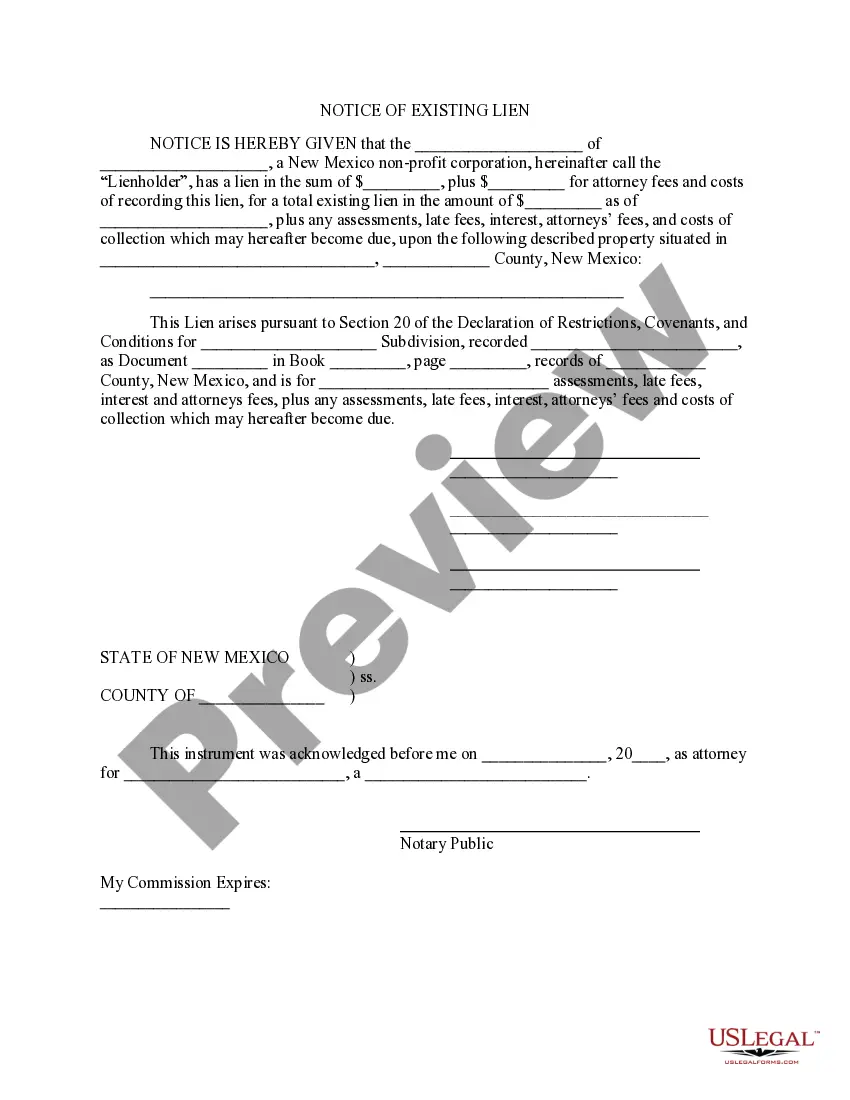
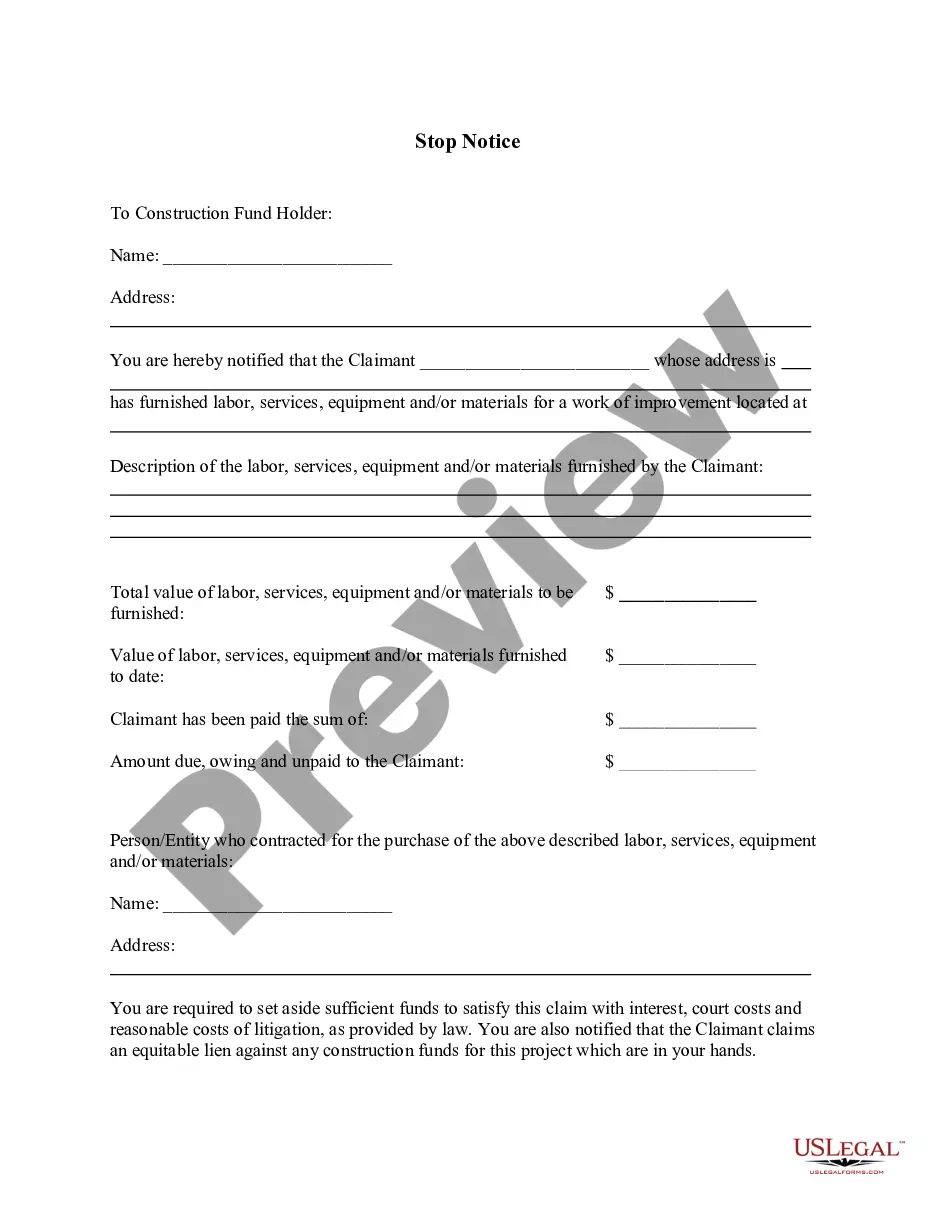
The Notice of Existing Lien is a legal document that alerts parties regarding an existing lien placed by a non-profit corporation due to unpaid assessments, late fees, and associated costs. This form is essential for ensuring that all parties are aware of the outstanding financial obligations related to a specific property. Unlike other lien forms, this notice is specifically tailored to situations involving non-profit corporations and allows for the inclusion of future assessments and costs.
Key components of this form
- Identification of the lienholder and the property involved.
- Details of the total lien amount, including specific fees and costs.
- Reference to the governing Declaration of Restrictions, Covenants, and Conditions.
- Assured inclusion of future assessments and related charges.
- Notary acknowledgment to affirm the authenticity of the document.
Situations where this form applies
This form should be used when a non-profit corporation needs to formally notify property owners of an existing lien due to nonpayment of assessments and late fees. Examples include situations where homeowners have failed to pay dues for community maintenance or other obligations set forth in the governing documents of a community or subdivision.
Who can use this document
- Non-profit corporations seeking to enforce a lien on a property.
- Members of homeowners' associations needing to collect unpaid assessments.
- Attorneys representing non-profit organizations in collection matters.
How to complete this form
- Identify the lienholder by entering the name of the non-profit corporation.
- Specify the total lien amount, including assessments and attorney fees.
- Detail the property description accurately to ensure clear identification.
- Reference the Declaration of Restrictions, including recording information.
- Have the document notarized to validate its authenticity.
Does this document require notarization?
Yes, this form must be notarized to be legally valid. Notarization helps ensure the integrity of the document and that it is executed correctly. US Legal Forms provides integrated online notarization services that are convenient and secure, allowing you to complete this process from home without the need to travel.
Get your form ready online
Our built-in tools help you complete, sign, share, and store your documents in one place.
Make edits, fill in missing information, and update formatting in US Legal Forms—just like you would in MS Word.
Download a copy, print it, send it by email, or mail it via USPS—whatever works best for your next step.
Sign and collect signatures with our SignNow integration. Send to multiple recipients, set reminders, and more. Go Premium to unlock E-Sign.
If this form requires notarization, complete it online through a secure video call—no need to meet a notary in person or wait for an appointment.
We protect your documents and personal data by following strict security and privacy standards.

Make edits, fill in missing information, and update formatting in US Legal Forms—just like you would in MS Word.

Download a copy, print it, send it by email, or mail it via USPS—whatever works best for your next step.

Sign and collect signatures with our SignNow integration. Send to multiple recipients, set reminders, and more. Go Premium to unlock E-Sign.

If this form requires notarization, complete it online through a secure video call—no need to meet a notary in person or wait for an appointment.

We protect your documents and personal data by following strict security and privacy standards.
Common mistakes
- Failing to provide an accurate total lien amount, leading to confusion.
- Omitting necessary property details that can delay the enforcement process.
- Not referencing the correct Declaration of Restrictions, which may invalidate the lien.
Advantages of online completion
- Convenience of accessing and downloading the form at any time.
- Editability allows users to tailor the document to their specific needs.
- Reliability of having legally vetted templates drafted by licensed attorneys.
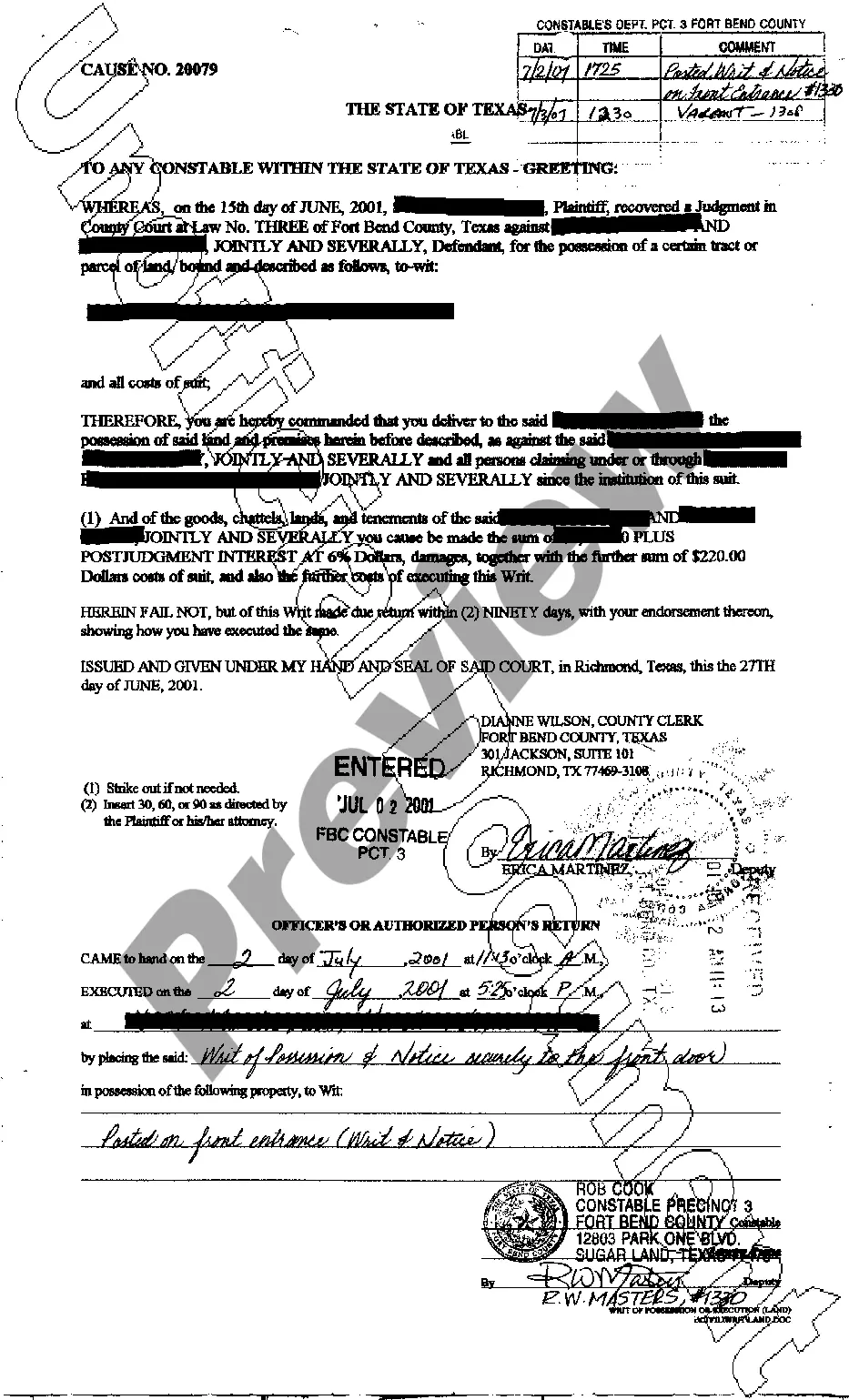
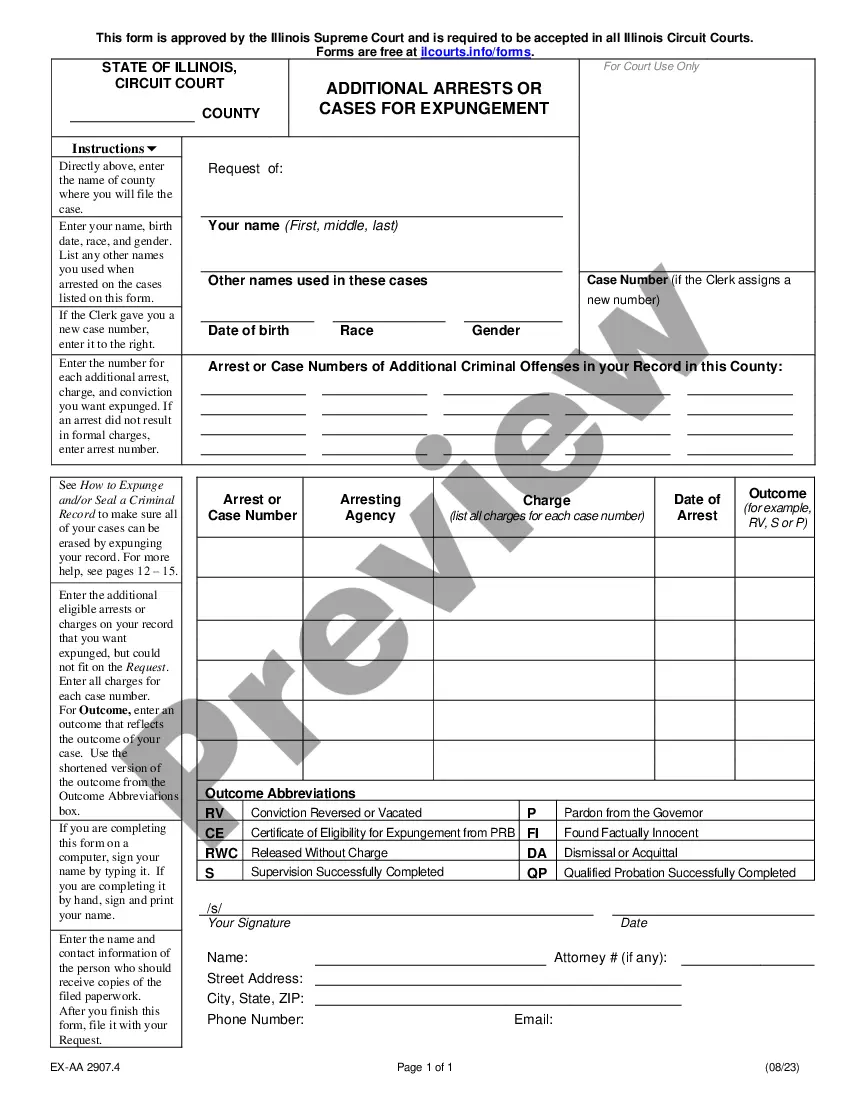
Looking for another form?
Form popularity
FAQ
Subject to some exceptions, a lien for materials, services, or wages may be registered any time up to 45 days from the day the last materials, services, or wages were provided, or since the contract was abandoned. After those 45 days elapse, the lien expires.
Statutory and judgment liens have a negative impact on your credit score and report, and they impact your ability to obtain financing in the future. Consensual liens (that are repaid) do not adversely affect your credit, while statutory and judgment liens have a negative impact on your credit score and report.
A Lien Demand Letter or Notice of Intent to Lien is a formal demand for payment.A lien demand letter puts a debtor on notice of your intent to lien the job site property by a specific date deadline. Increase your odds of getting paid with a lien demand letter.
If a creditor puts a lien on your property, you may make an offer to settle the amount for less than you owe. As part of the negotiations, get the creditor to agree to release the lien. If you need help in the negotiations, consider hiring a debt settlement lawyer to help you.
New Mexico is known primarily as a lien theory state where the property acts as security for the underlying loan.It should be noted that New Mexico does have a non-judicial foreclosure process however this is rarely used by lenders in a residential context.
Formalize a defense for disputing the amount of the lien. Gather supporting documentation for your rebuttal, depending on the type of lien. Contact the agent representing the creditor to dispute the amount of the claim. Negotiate a payment settlement with the creditor if you cannot pay the amount you owe in full.
How Liens Work. A lien provides a creditor with the legal right to seize and sell the collateral property or asset of a borrower who fails to meet the obligations of a loan or contract. The property that is the subject of a lien cannot be sold by the owner without the consent of the lien holder.
Who you are. The services or materials you provided. The last date you provided the services or materials. How much payment should be. The date on which you will file a lien if you do not receive payment. How the debtor should pay.
A lien is a legal right or claim against a property by a creditor. Liens are commonly placed against property, such as homes and cars, so creditors, such as banks and credit unions, can collect what is owed to them. Liens can also be removed, giving the owner full and clear title to the property.