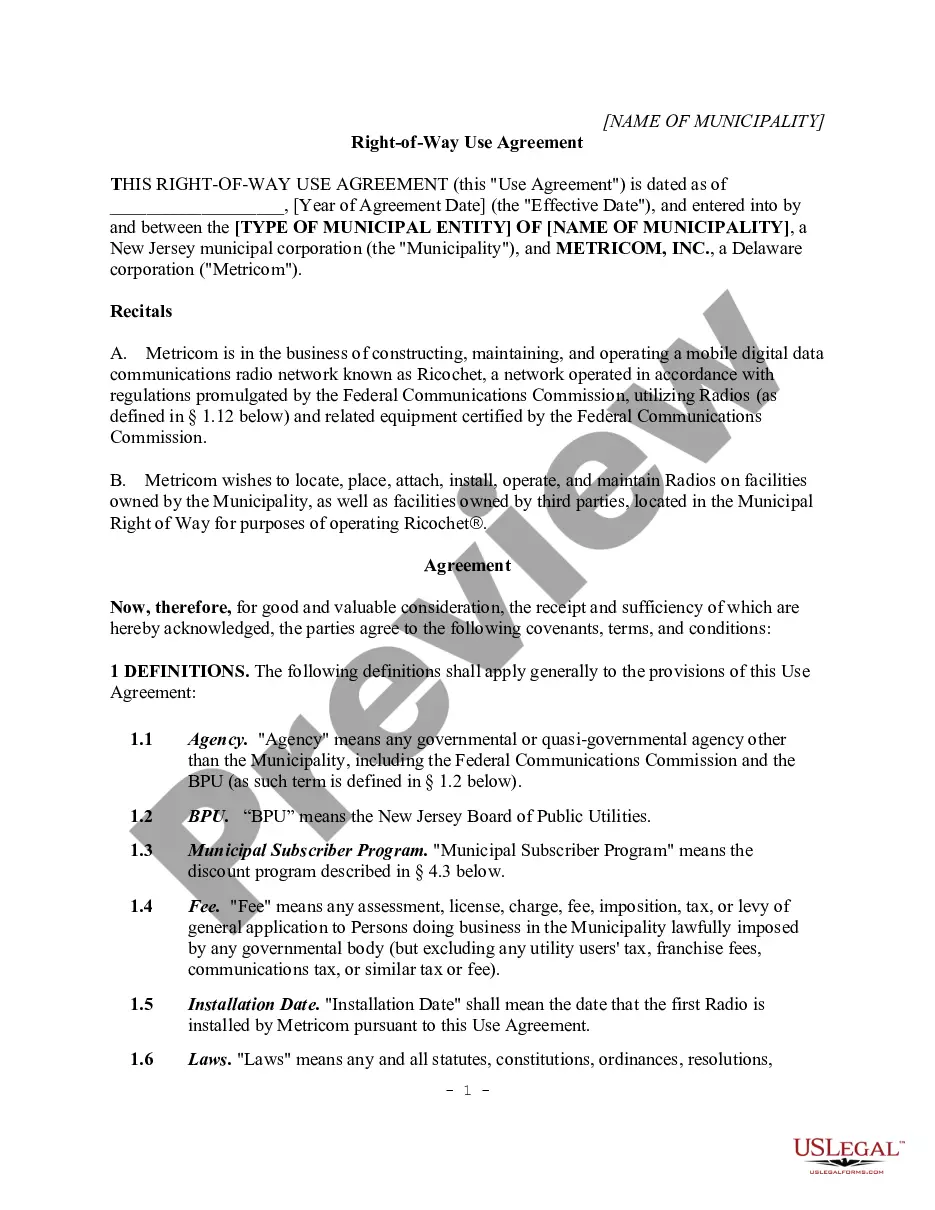
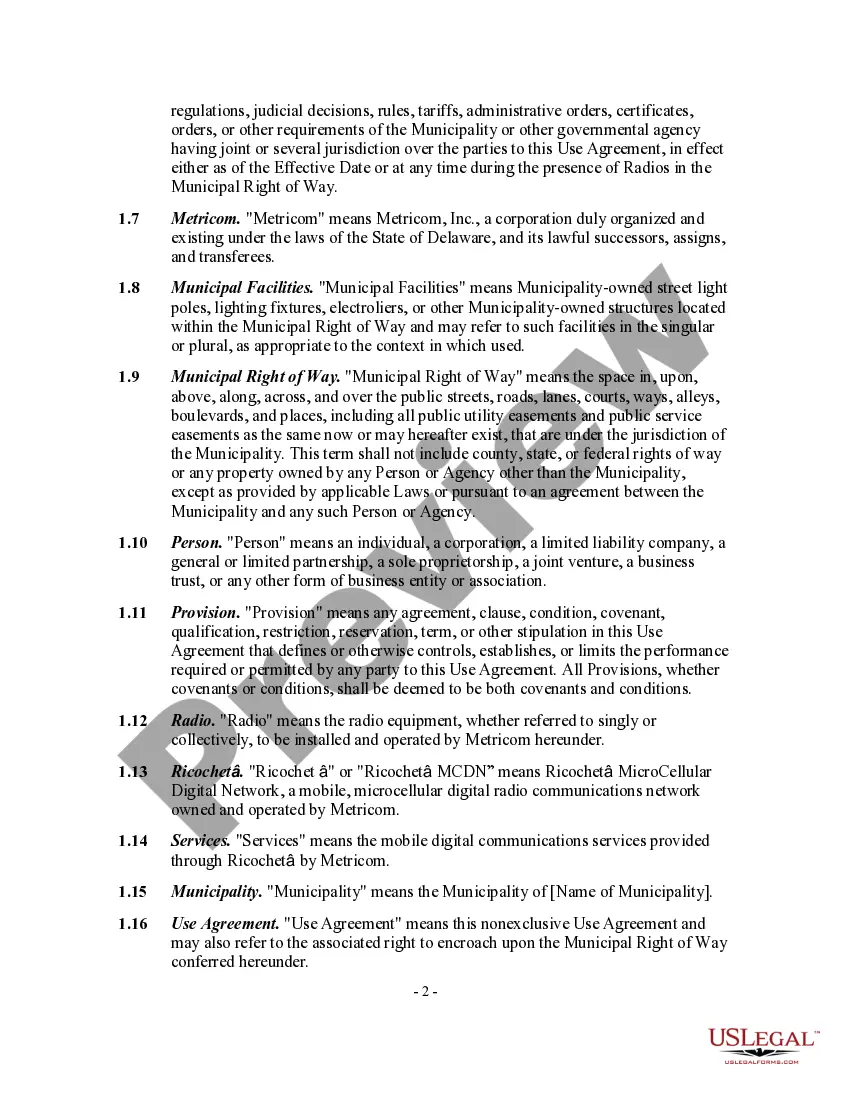
New Jersey Right of Way Agreement
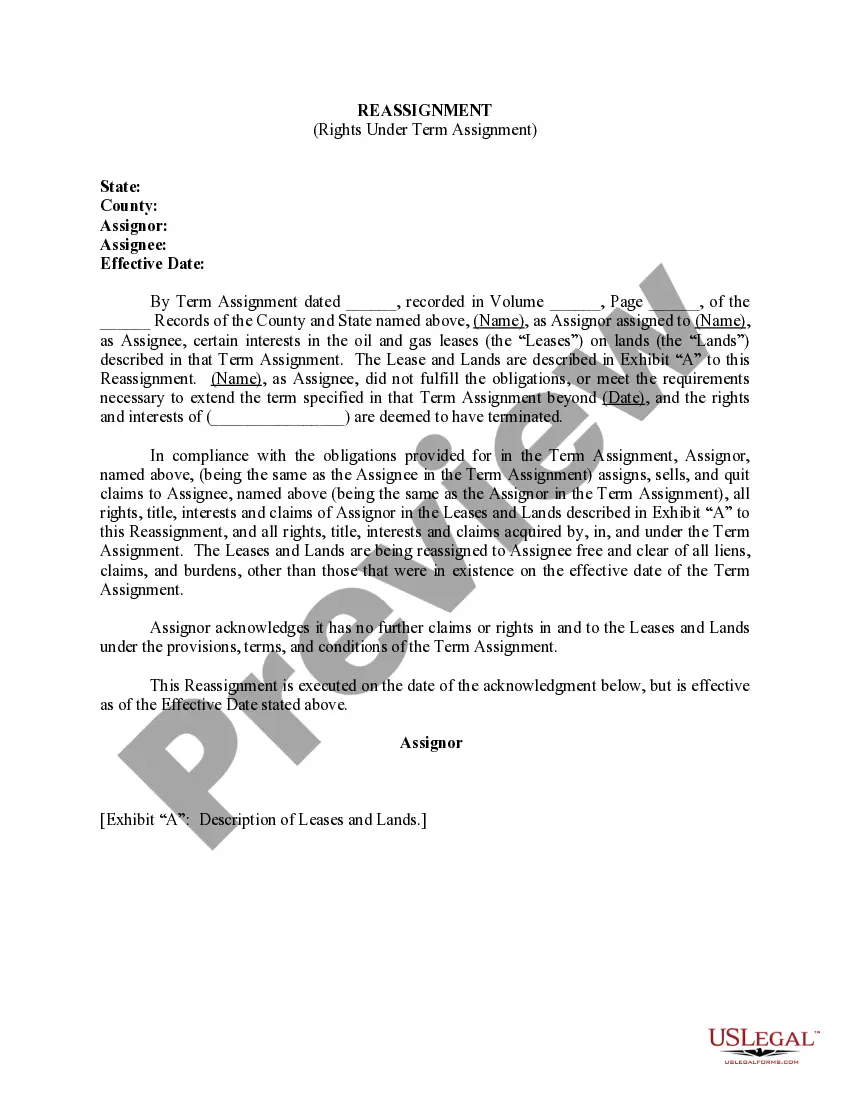
Description
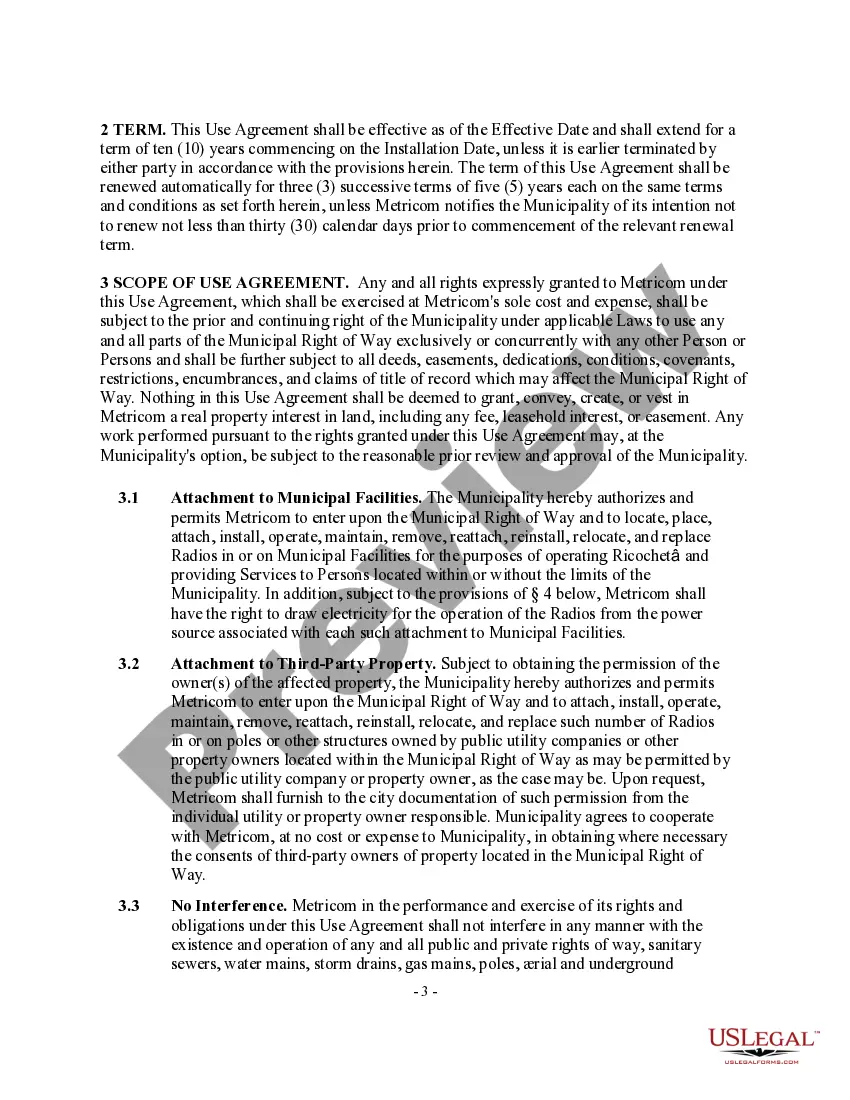
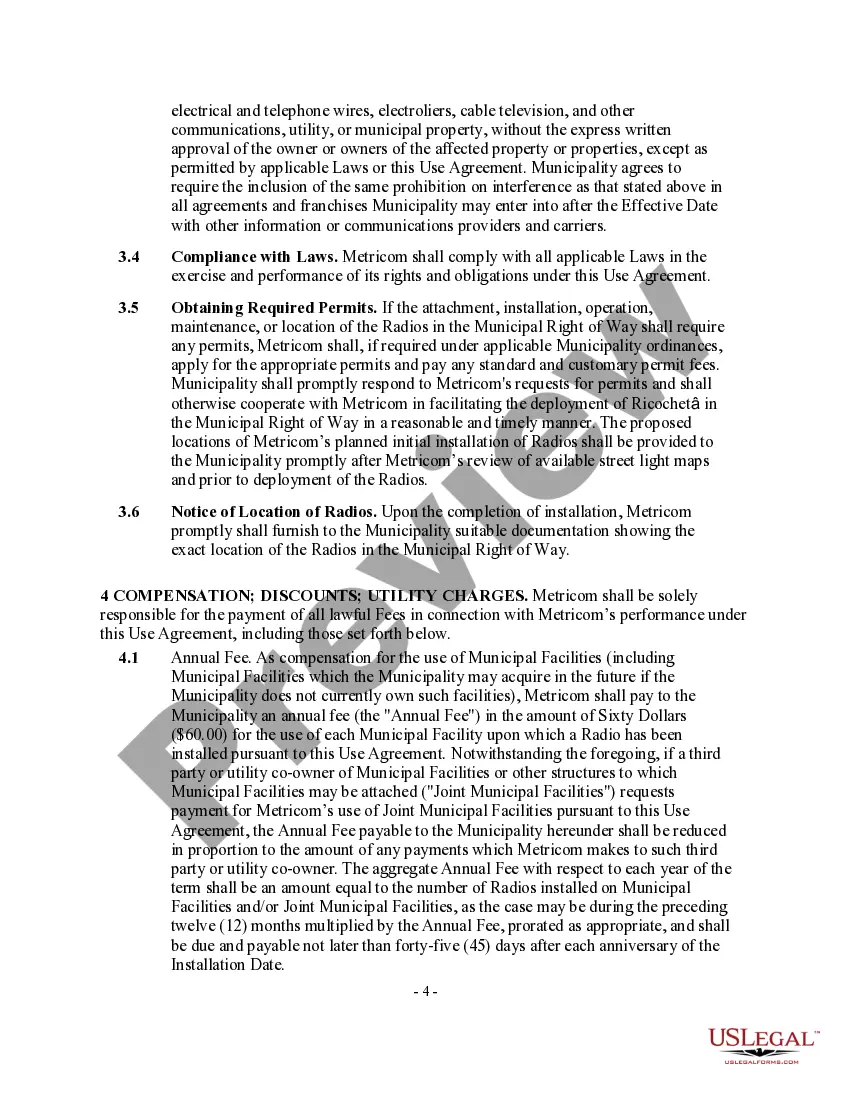
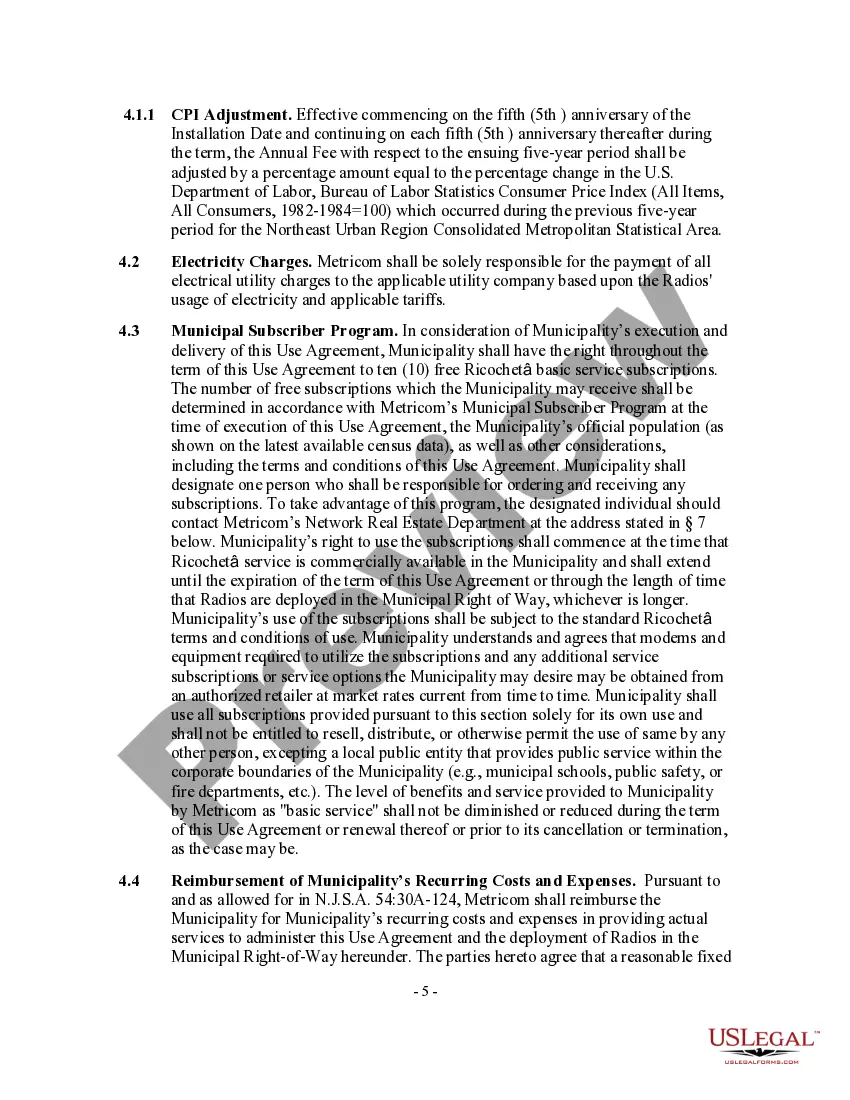
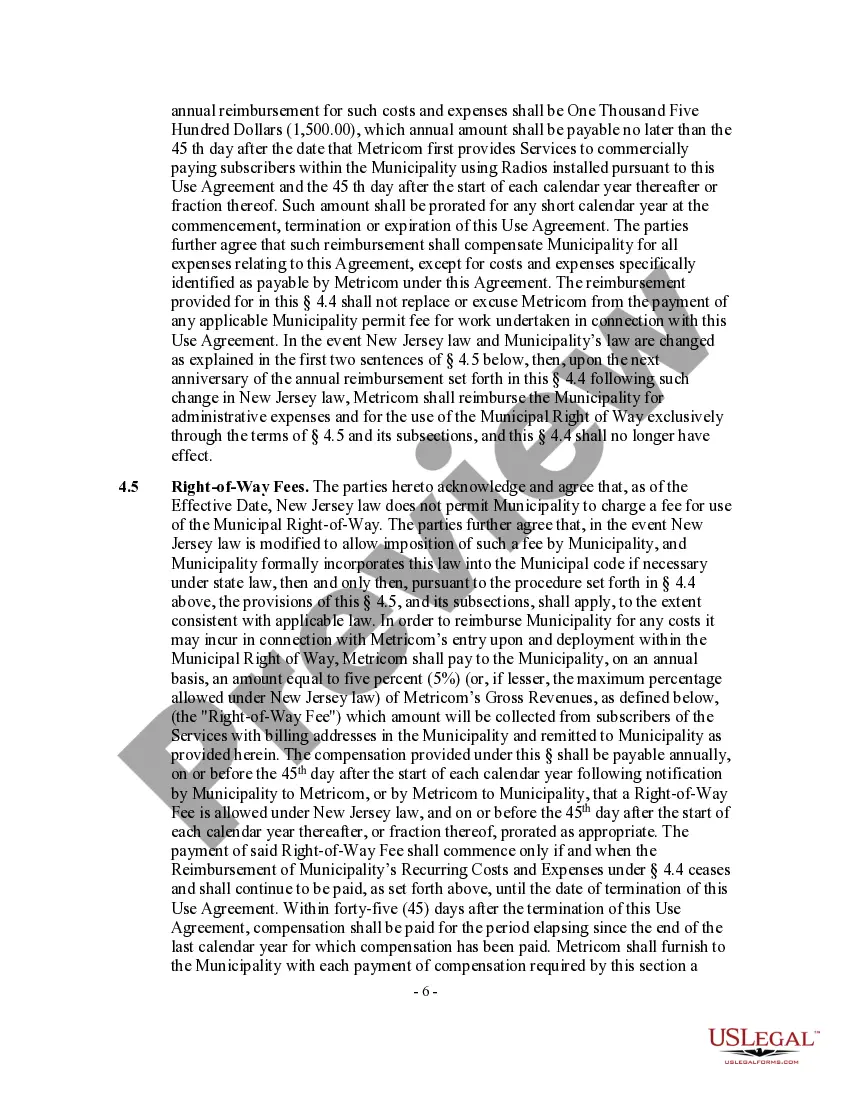
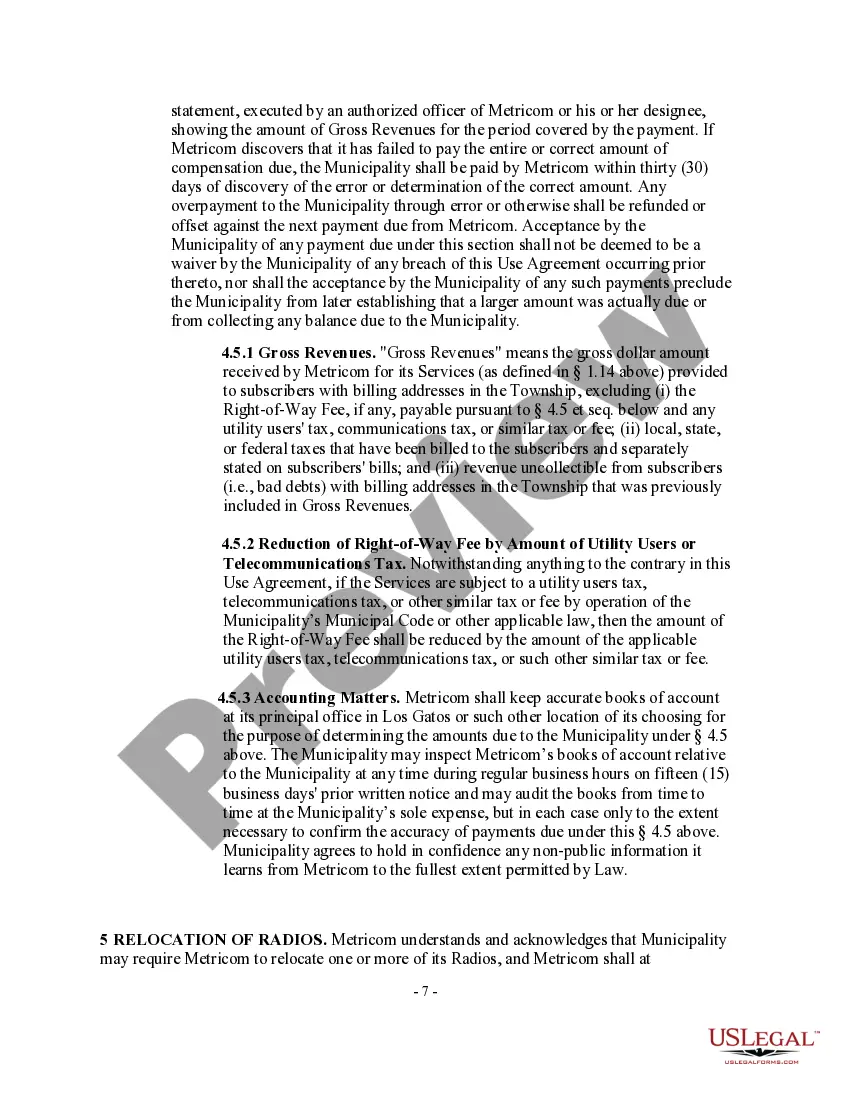
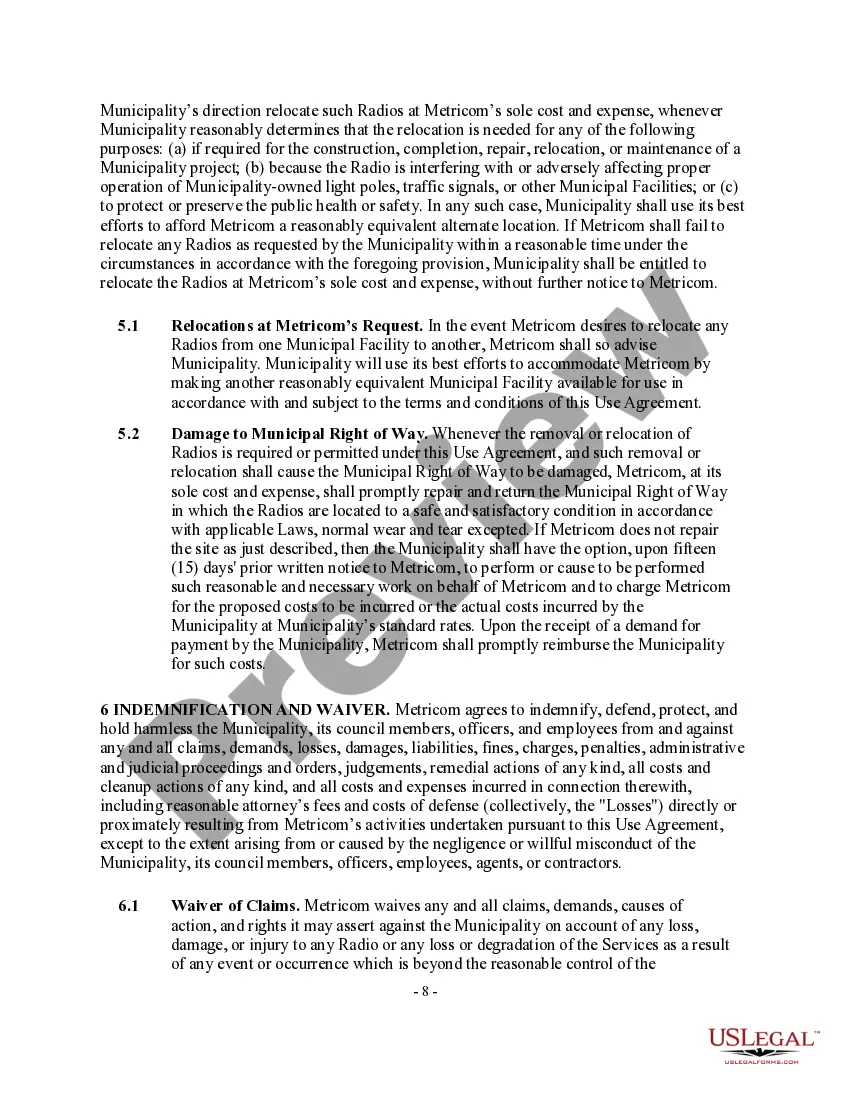
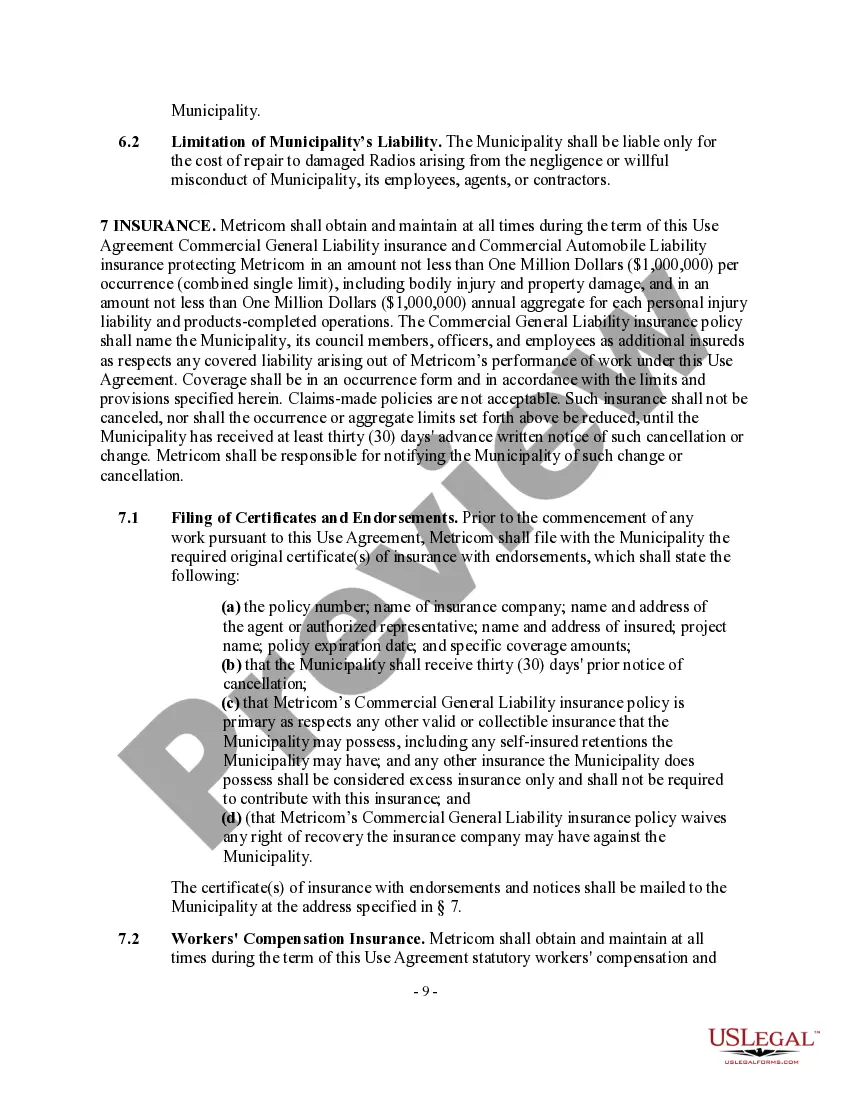
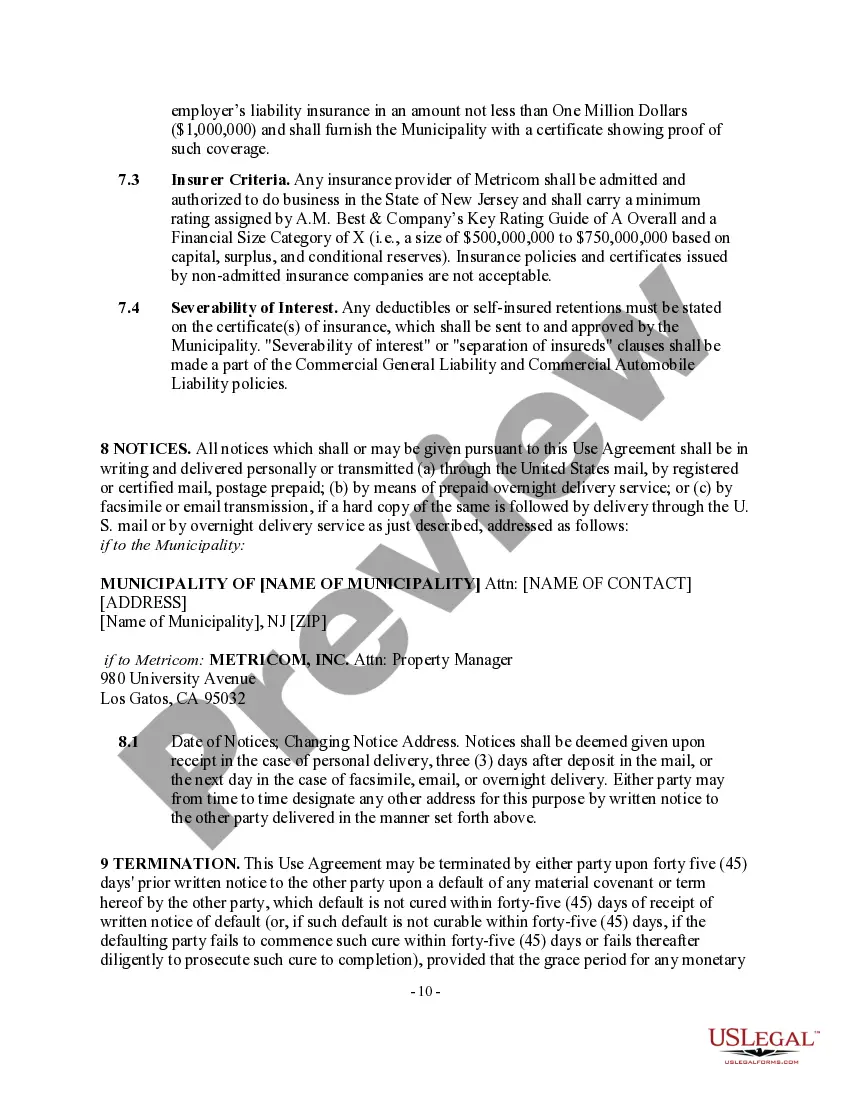

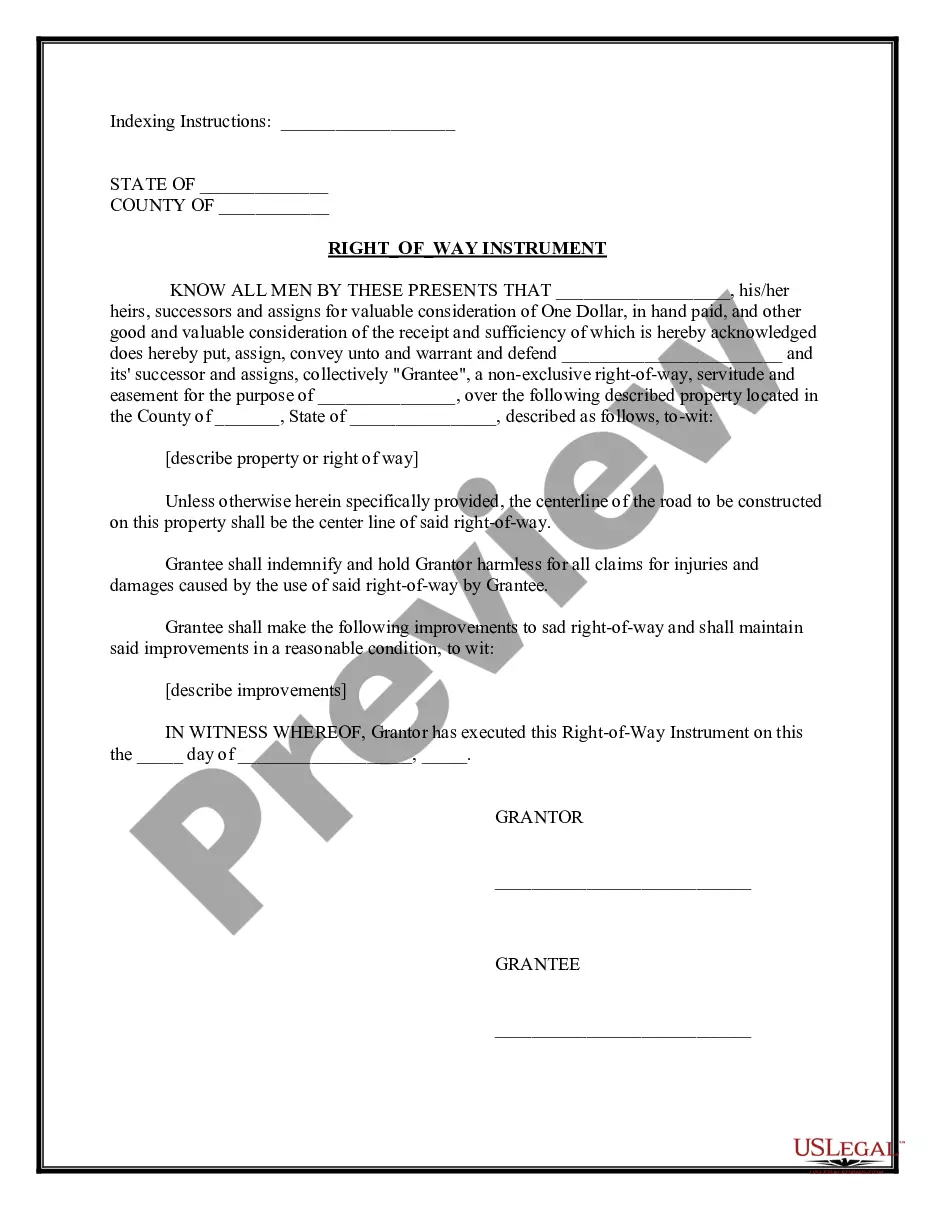
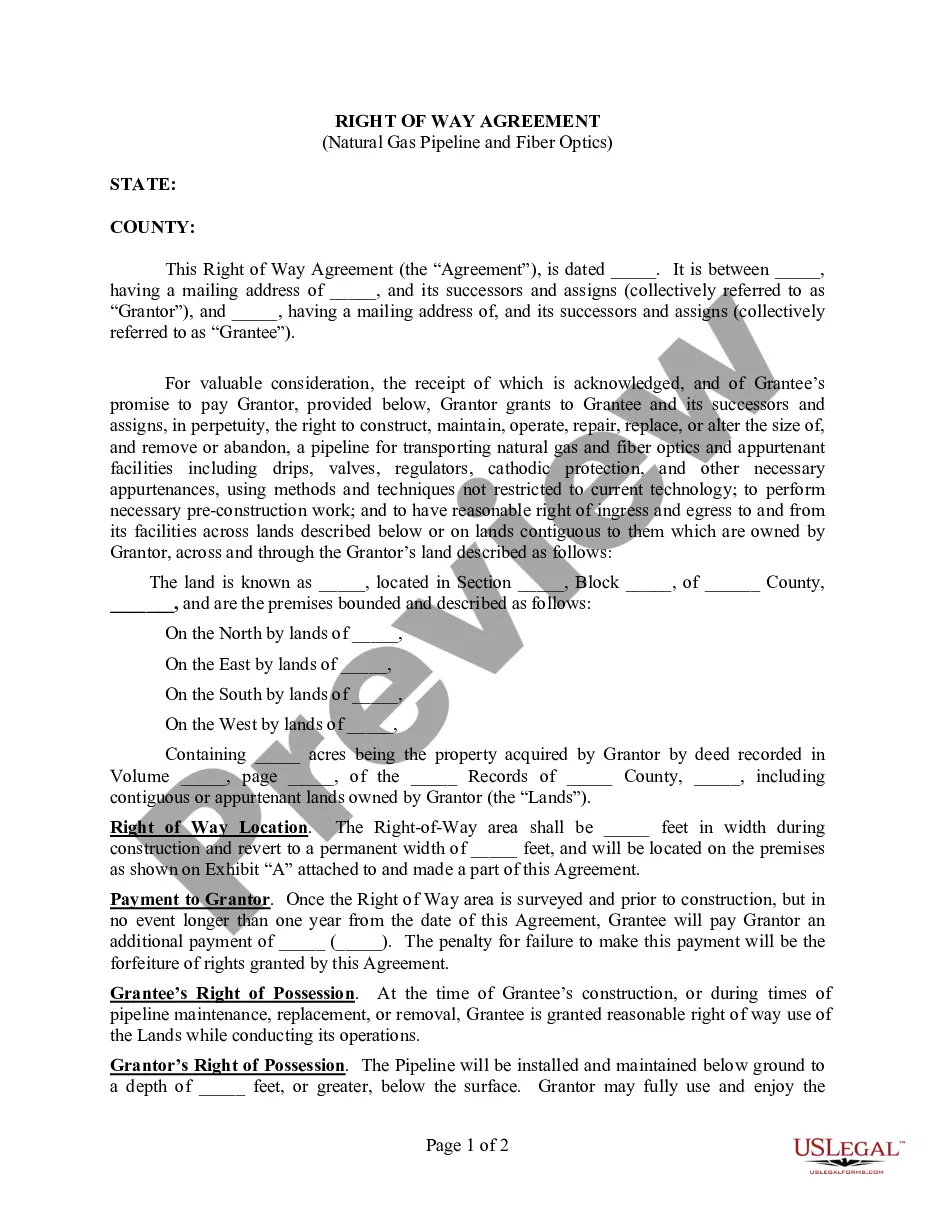
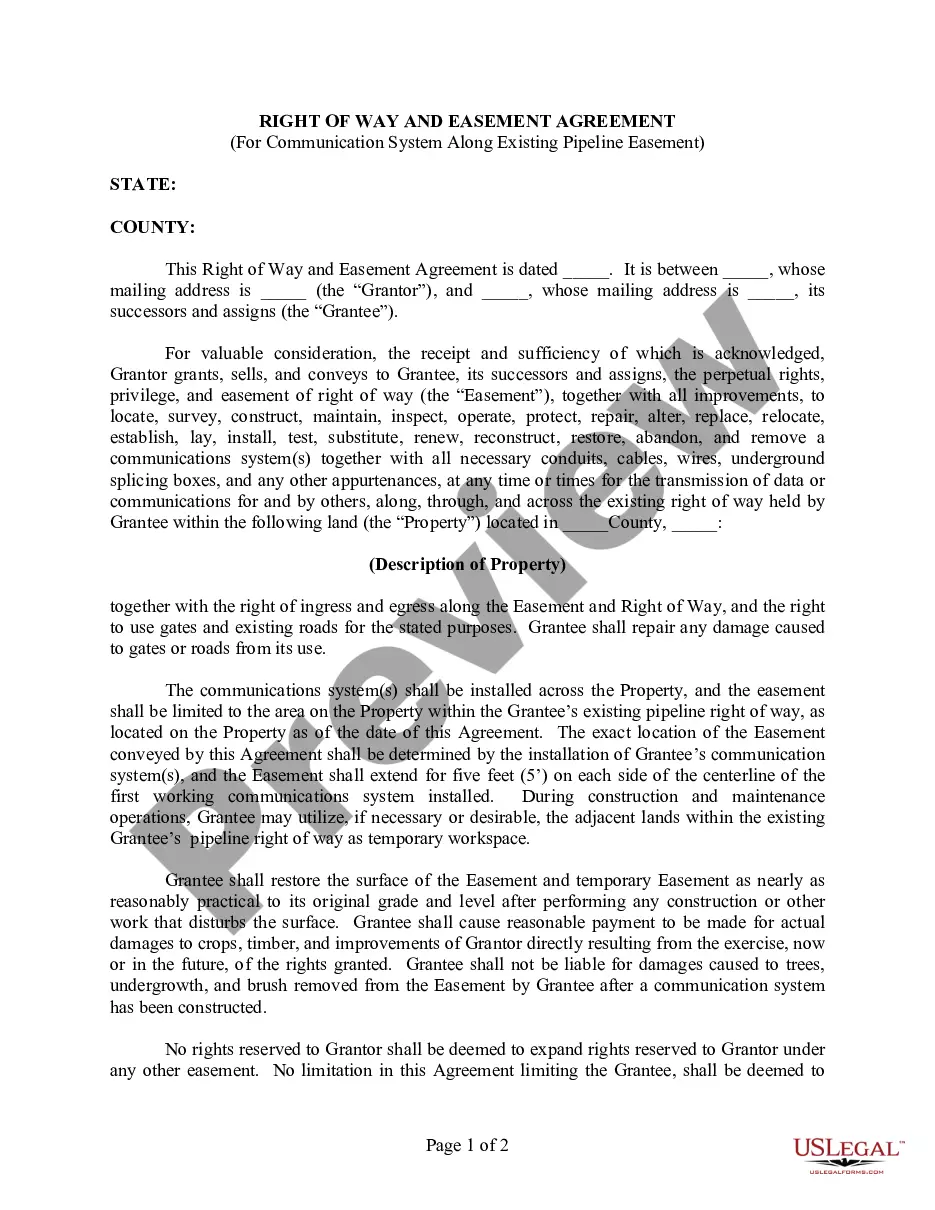
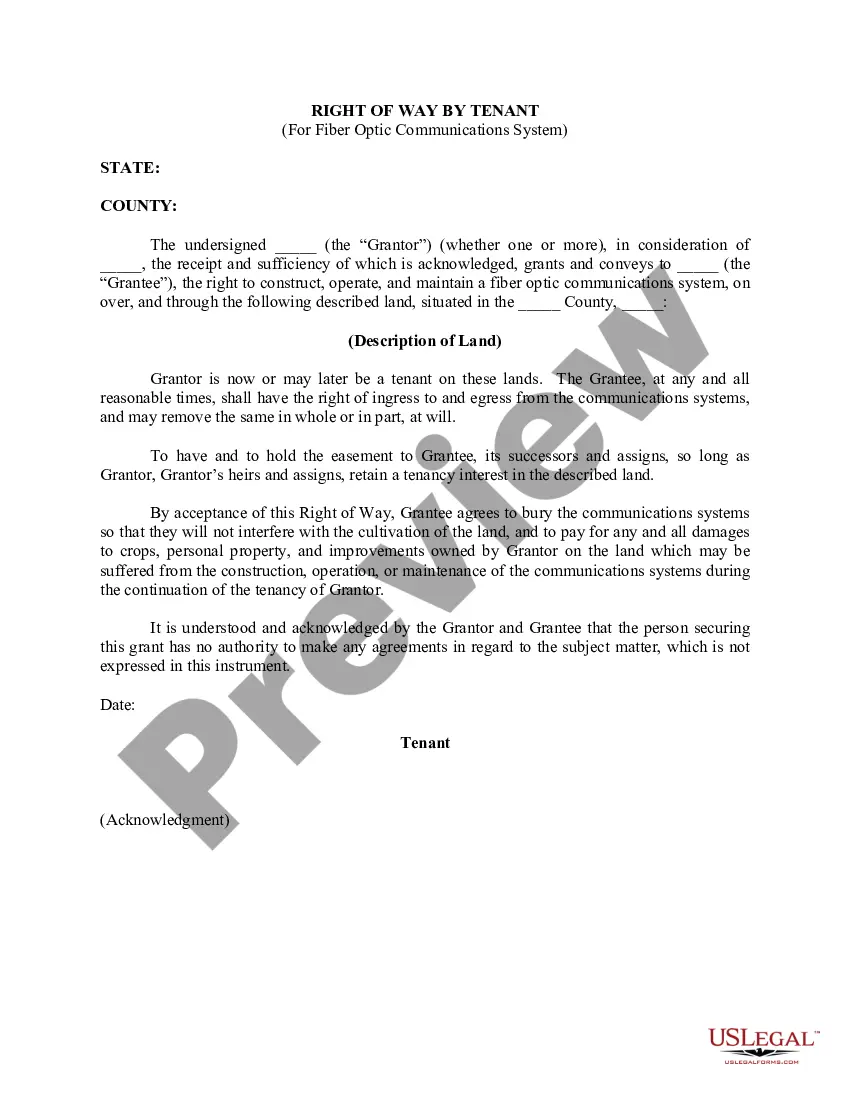
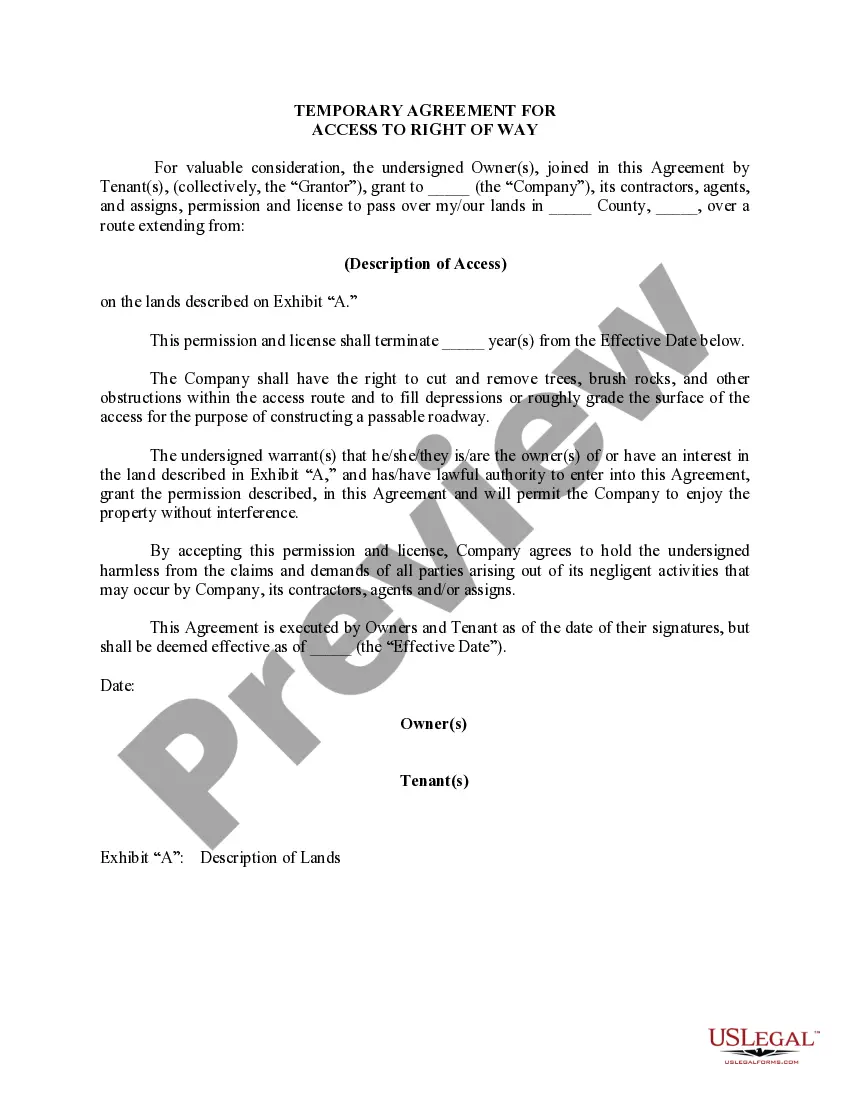
How to fill out Right Of Way Agreement?
Locating the appropriate legal document template can be challenging. Naturally, there are numerous templates available online, but how do you find the legal form you need? Utilize the US Legal Forms website. The platform offers thousands of templates, including the New Jersey Right of Way Agreement, which you can use for both business and personal purposes. All forms are vetted by experts and comply with federal and state regulations.
If you are already registered, Log In to your account and click the Download button to obtain the New Jersey Right of Way Agreement. Use your account to browse the legal forms you have previously acquired. Navigate to the My documents section in your account and retrieve another copy of the document you need.
If you are a new user of US Legal Forms, here are simple instructions you can follow: First, ensure you have selected the correct form for your region/county. You can review the form using the Review button and read the form description to ensure it is suitable for you. If the form does not meet your requirements, use the Search field to find the right form. Once you are confident the form is correct, select the Get now button to obtain the form. Choose the pricing plan you prefer and enter the required information. Create your account and pay for the order using your PayPal account or Visa or Mastercard. Choose the document format and download the legal document template to your device. Finally, complete, modify, and print and sign the acquired New Jersey Right of Way Agreement.
US Legal Forms is the largest repository of legal forms where you will find numerous document templates. Use the service to download professionally crafted documents that adhere to state requirements.
- Utilize US Legal Forms for a variety of templates.
- Forms are vetted for compliance with regulations.
- Existing users can easily download previously acquired forms.
- New users can find forms by region/county.
- Review and search functions available for convenience.
- Secure payment options including PayPal and credit cards.
Form popularity
FAQ
The legal difference lies in their specific purposes. An easement grants certain rights over property, while a right of way specifically allows passage across the property. Both are important components of property law, especially in a New Jersey Right of Way Agreement. Understanding these distinctions can empower property owners to make informed decisions regarding land use and rights.
In New Jersey, property owners generally cannot block an established easement without legal justification. If a right of way exists, the property owner must adhere to the terms set forth in the New Jersey Right of Way Agreement. However, if there are valid concerns or changes in circumstances, seeking legal advice can help clarify your options. UsLegalForms offers resources to assist property owners in navigating these legal complexities effectively.
No, an easement and a right of way are not the same, although they are related. A right of way is a specific type of easement that allows a person to pass through someone else's property. In the context of a New Jersey Right of Way Agreement, this legal document outlines the terms under which the right of way can be used. Understanding the distinction is important for property owners looking to navigate land use rights.
The rules of the right of way generally involve yielding to the appropriate party based on traffic laws. These rules aim to prevent accidents and ensure safe travel. In the context of a New Jersey Right of Way Agreement, understanding these rules helps property owners and drivers maintain compliance and avoid disputes. Always stay informed about local regulations that may further clarify these rules.
A landowner typically cannot legally block a right-of-way road if it affects the rights of others. Doing so can lead to legal challenges and may violate a New Jersey Right of Way Agreement. It's crucial for landowners to understand existing agreements and the implications of blocking access. Seeking legal advice can help navigate this complex situation.
Generally, a property owner cannot block an easement if it has been legally established. Doing so may lead to legal disputes and could violate a New Jersey Right of Way Agreement. Property owners should understand their rights and responsibilities regarding easements to avoid potential conflicts. Consulting a legal expert can provide clarity on this issue.
The right of way law in New Jersey governs who has priority in various traffic situations, ensuring safety and order on the roads. This law outlines the responsibilities of drivers at intersections and other critical points. By understanding these laws, individuals can better navigate their rights and obligations under a New Jersey Right of Way Agreement. It is essential to stay informed, as violations can lead to penalties.
In New Jersey, the right of way typically belongs to the driver on the main road, while other drivers must yield. However, specific situations, such as intersections and pedestrian crossings, may alter who has the right of way. A New Jersey Right of Way Agreement can clarify these rights for property owners and ensure compliance with local laws. Always consider local ordinances as they may influence right of way rules.
In New Jersey, a right of way easement allows one party to pass through another party's property. This legal arrangement is often established through a New Jersey Right of Way Agreement, which outlines the terms and conditions of use. Easements can be permanent or temporary, depending on the needs of the parties involved. Understanding this concept is vital for property owners who may be affected by such agreements.
The three basic rules of right of way typically include yielding to the vehicle that arrived first, yielding to vehicles on the main road, and yielding to pedestrians. In the context of a New Jersey Right of Way Agreement, understanding these rules is crucial for property owners and drivers alike. These rules help prevent accidents and ensure a smooth flow of traffic. Therefore, familiarity with them can aid in navigating legal rights and obligations.