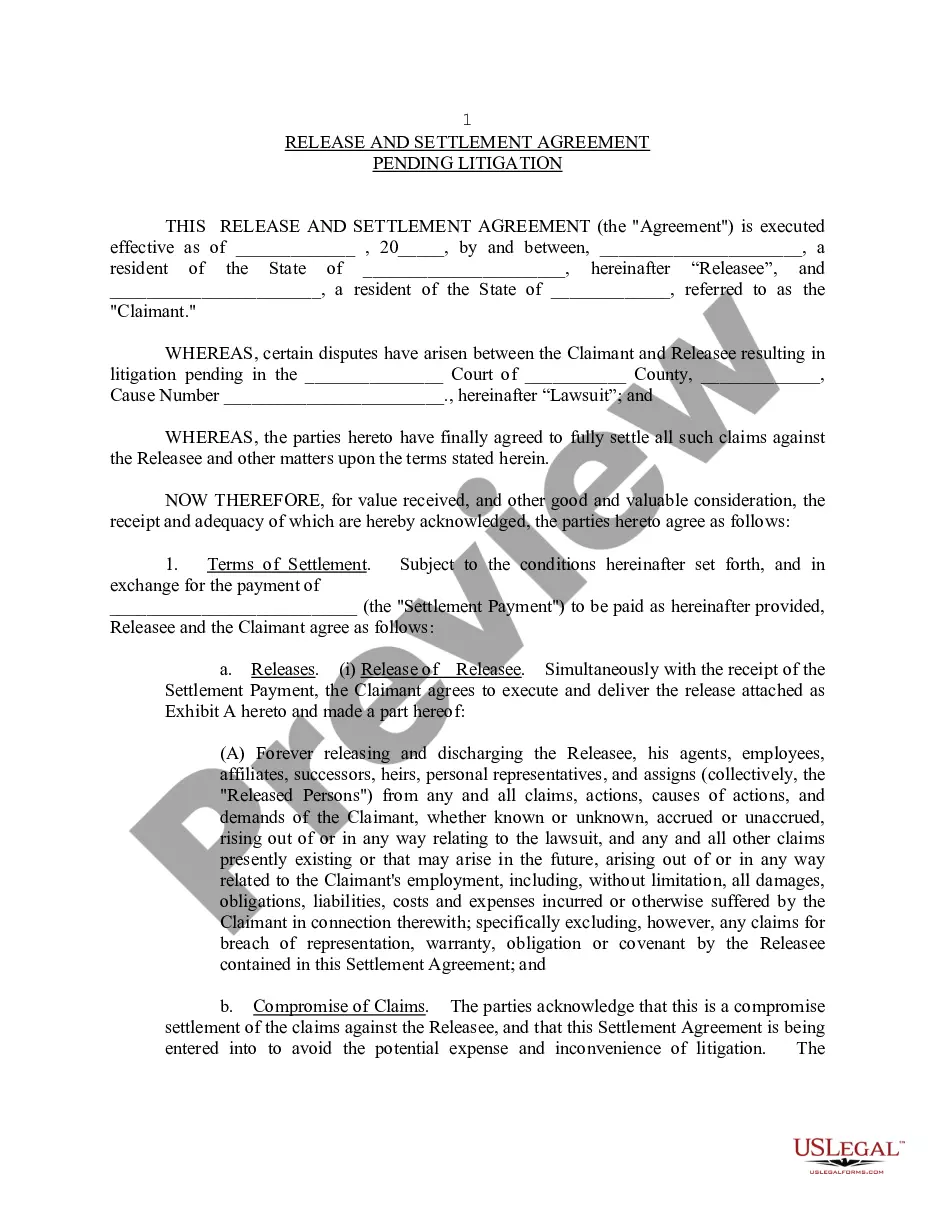
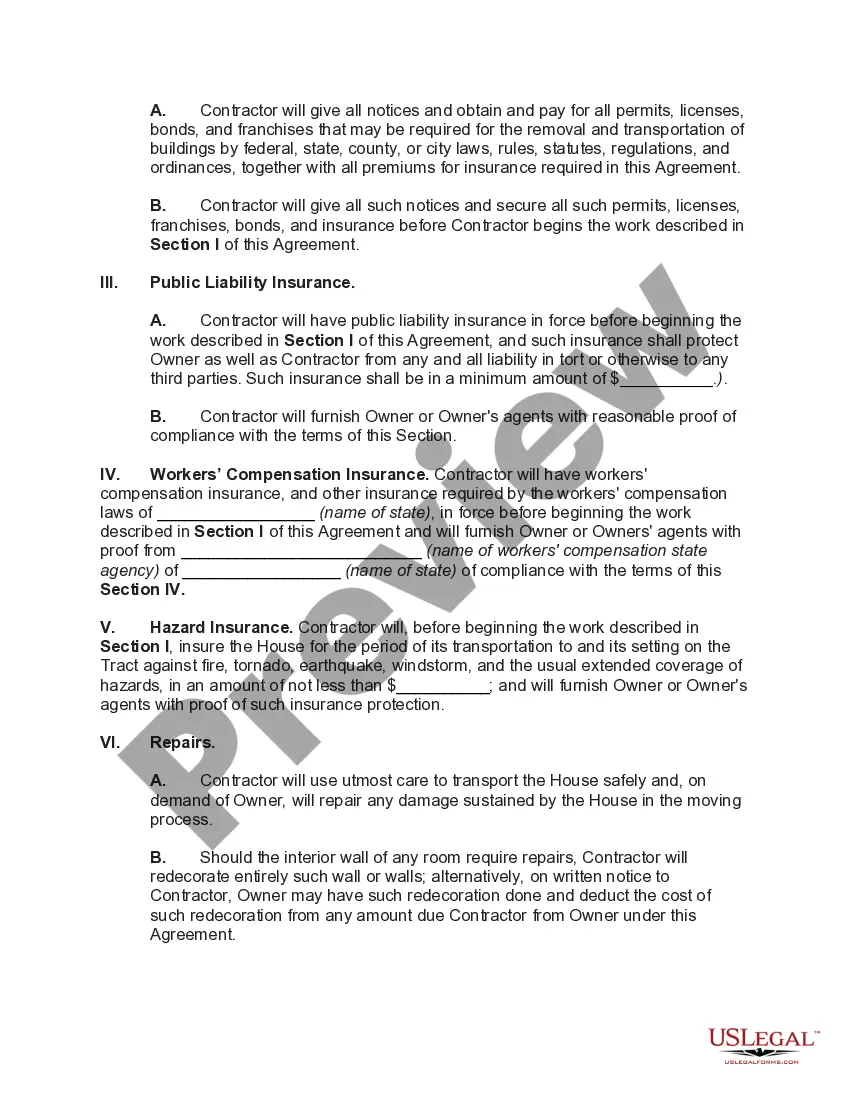
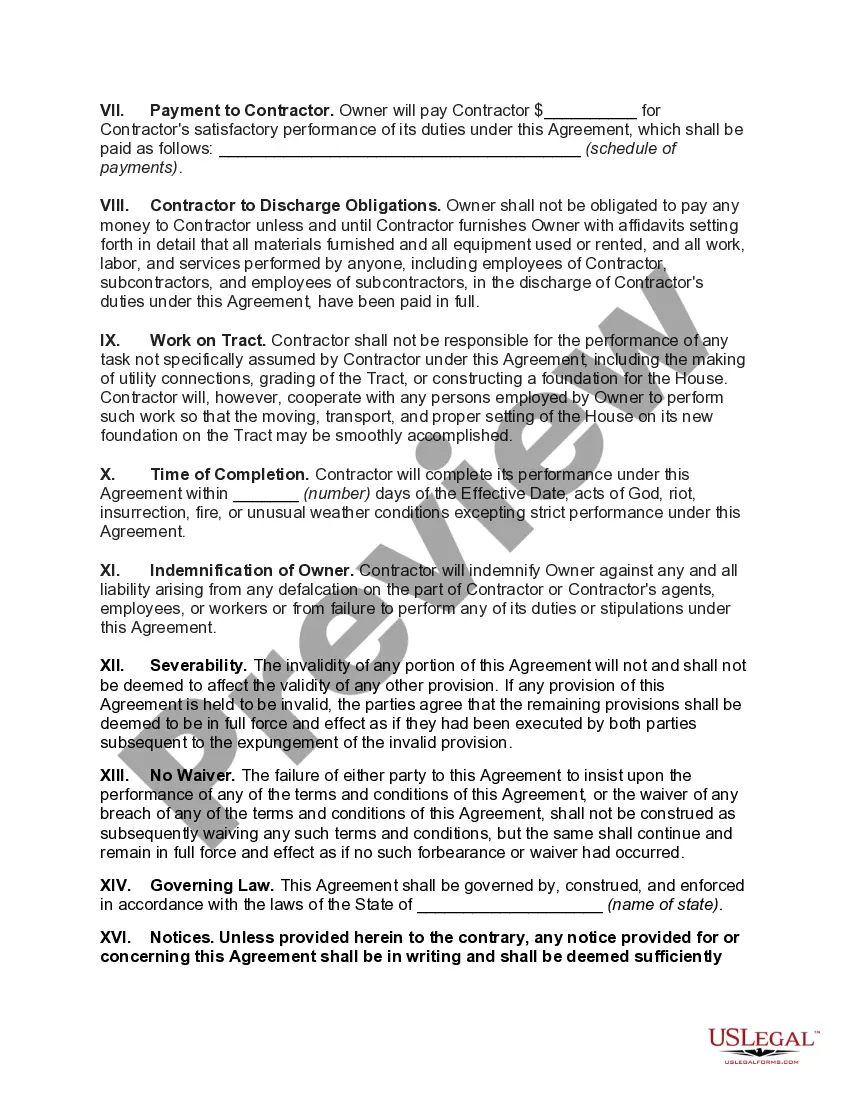
New Jersey Agreement to Move House
Description
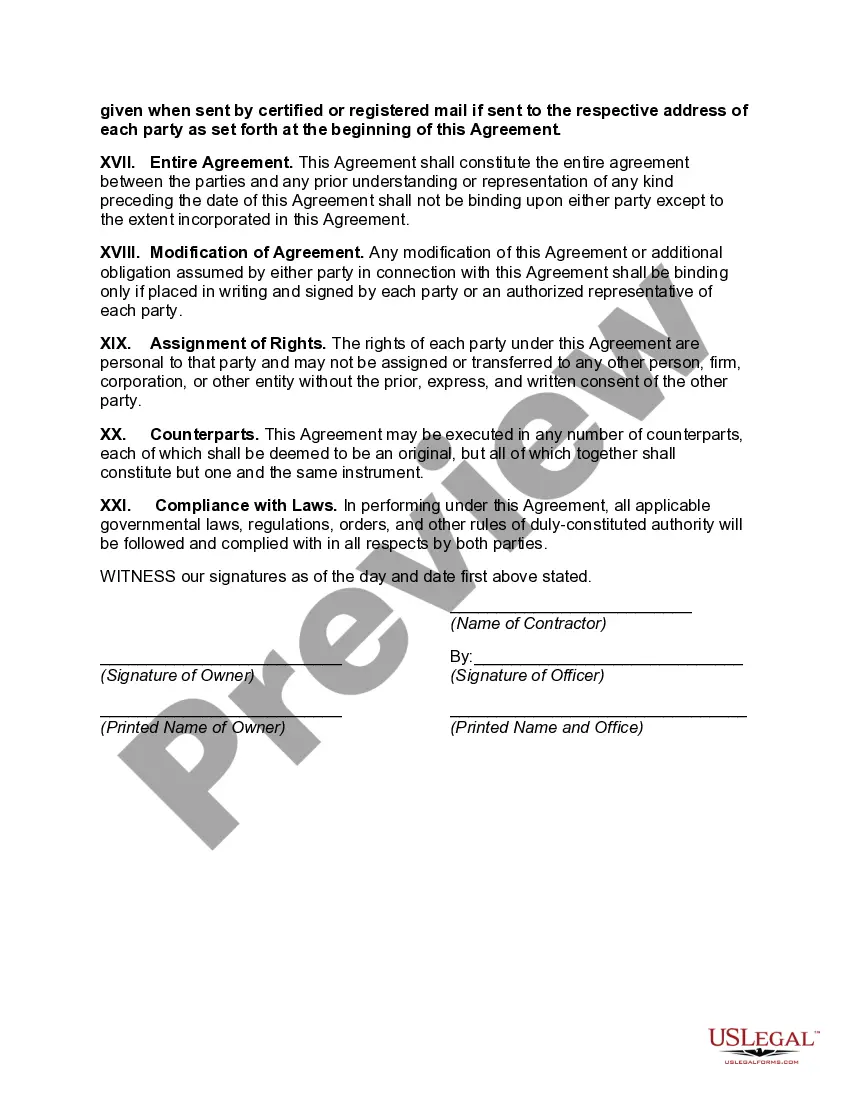
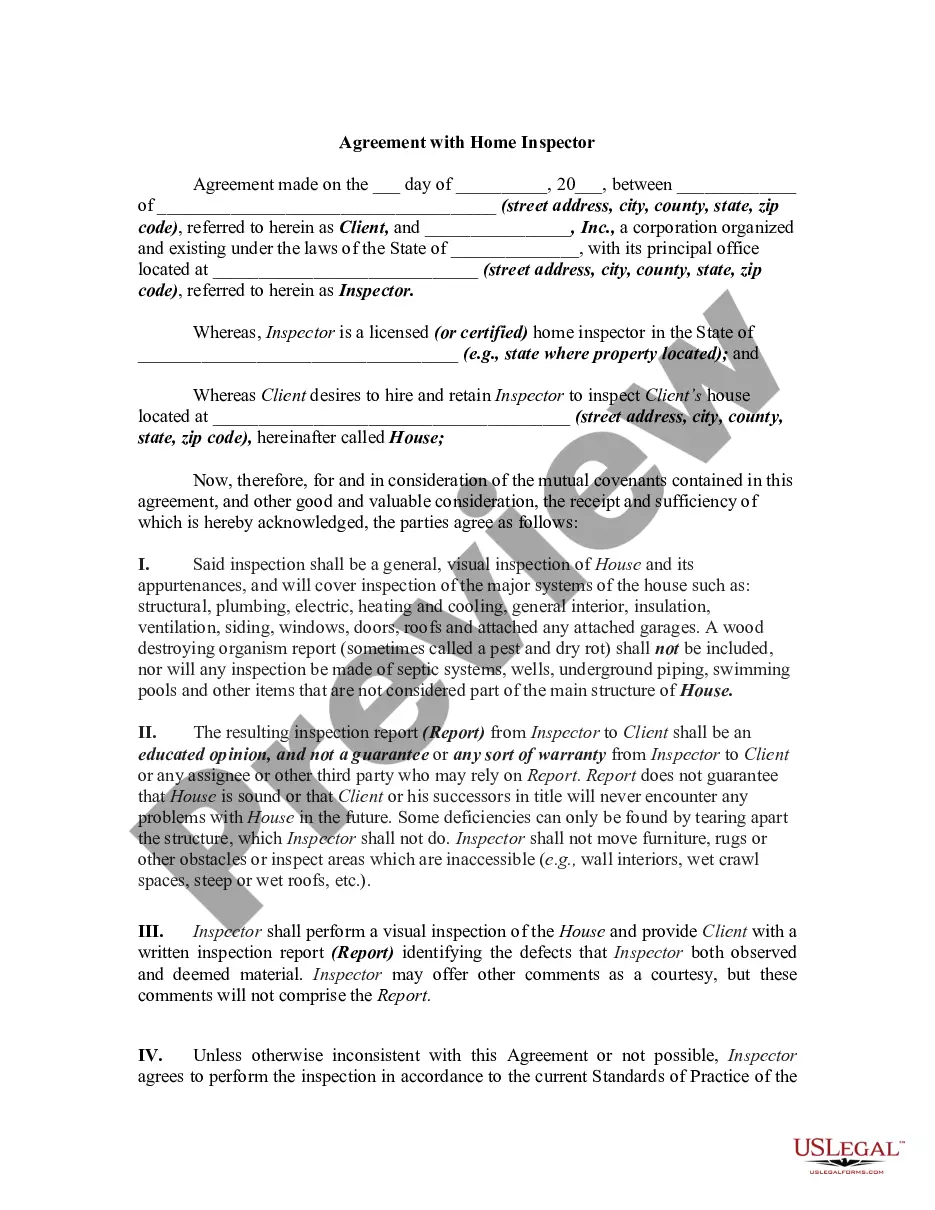
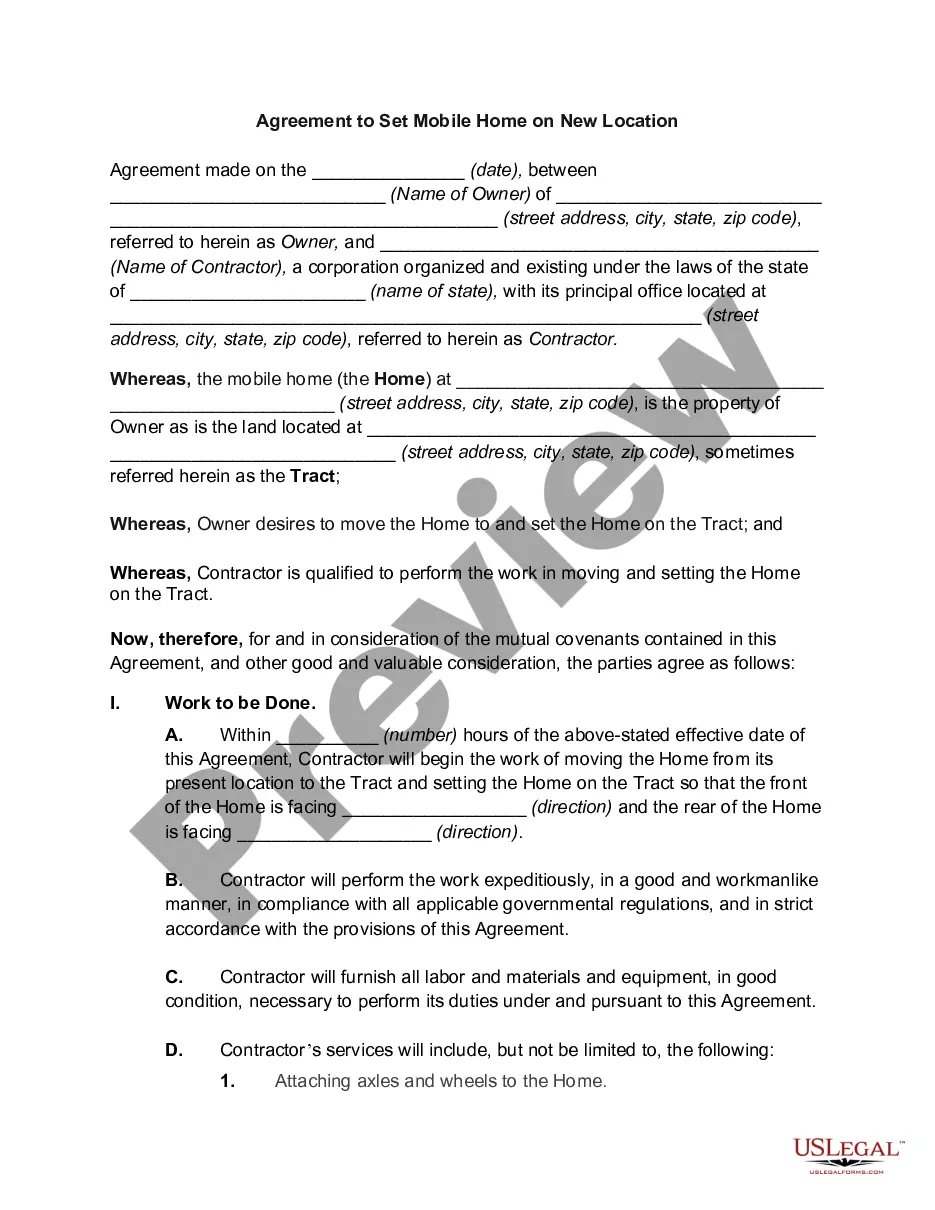
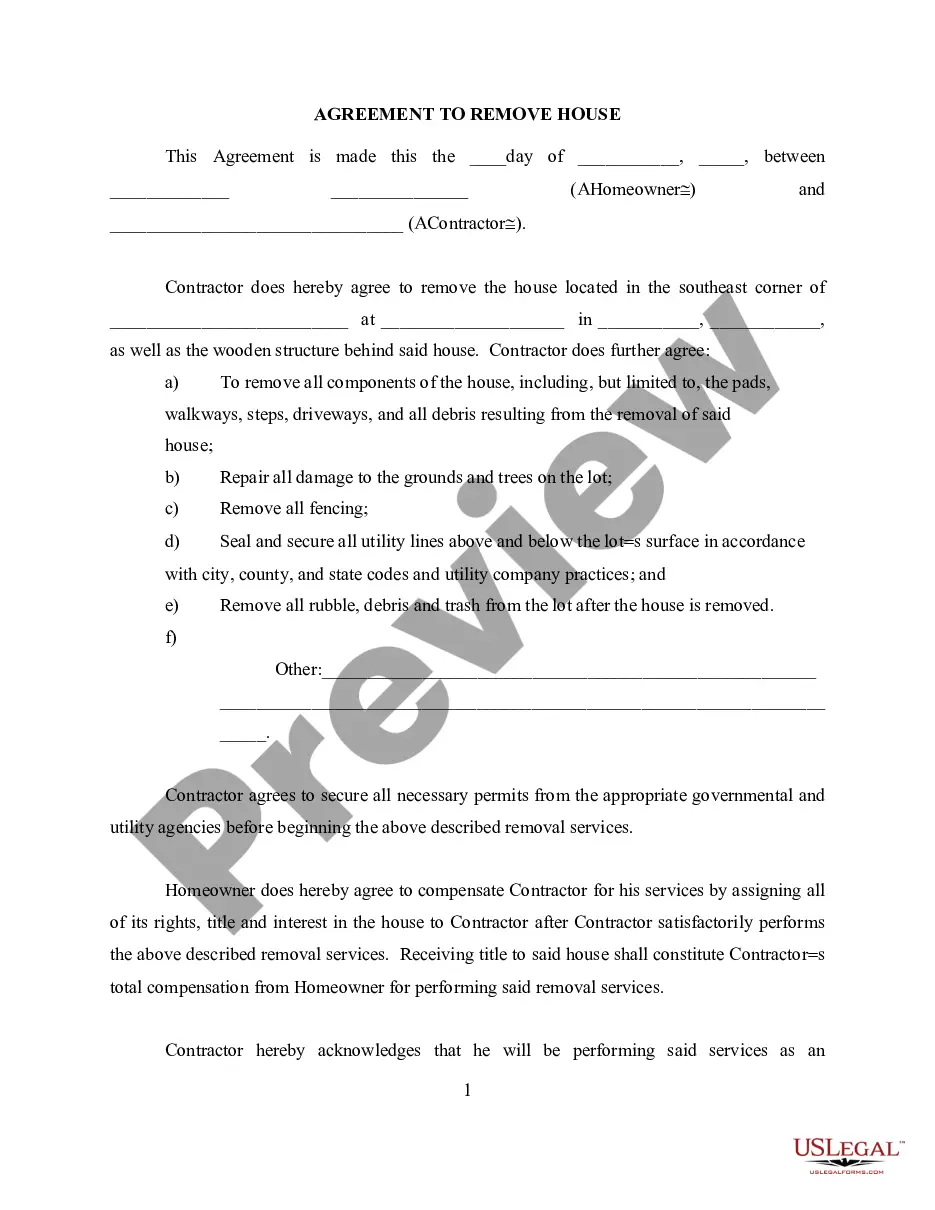
Get your form ready online
Our built-in tools help you complete, sign, share, and store your documents in one place.
Make edits, fill in missing information, and update formatting in US Legal Forms—just like you would in MS Word.
Download a copy, print it, send it by email, or mail it via USPS—whatever works best for your next step.
Sign and collect signatures with our SignNow integration. Send to multiple recipients, set reminders, and more. Go Premium to unlock E-Sign.
If this form requires notarization, complete it online through a secure video call—no need to meet a notary in person or wait for an appointment.
We protect your documents and personal data by following strict security and privacy standards.

Make edits, fill in missing information, and update formatting in US Legal Forms—just like you would in MS Word.

Download a copy, print it, send it by email, or mail it via USPS—whatever works best for your next step.

Sign and collect signatures with our SignNow integration. Send to multiple recipients, set reminders, and more. Go Premium to unlock E-Sign.

If this form requires notarization, complete it online through a secure video call—no need to meet a notary in person or wait for an appointment.

We protect your documents and personal data by following strict security and privacy standards.
Looking for another form?
How to fill out Agreement To Move House?
Locating the appropriate authorized document template can be a challenge. Obviously, there are many templates available on the web, but how can you find the legal form you need? Utilize the US Legal Forms website. The platform offers a multitude of templates, including the New Jersey Agreement to Relocate Residence, that you can utilize for business and personal purposes. All of the forms are vetted by professionals and comply with federal and state regulations.
If you are currently registered, sign in to your account and click on the Download button to obtain the New Jersey Agreement to Relocate Residence. Use your account to browse the legal forms you have previously purchased. Navigate to the My documents section of your account and download another copy of the document you need.
If you are a new user of US Legal Forms, here are some simple instructions you should follow: Firstly, ensure you have selected the correct form for your locality. You can preview the form using the Review button and read the form description to confirm this is the right choice for you. If the form does not meet your requirements, use the Search field to find the appropriate document. Once you are confident the form is suitable, click on the Acquire now button to obtain the form. Choose the pricing plan you need and enter the necessary information. Create your account and pay for the transaction using your PayPal account or credit card. Select the document format and download the legal document template to your device. Fill out, modify, print, and sign the downloaded New Jersey Agreement to Relocate Residence.
US Legal Forms is the largest repository of legal forms where you can find various document templates. Use the service to download professionally crafted documents that meet state regulations.
- Ensure you have selected the correct form.
- Preview the form using the Review button.
- Read the form description.
- Use the Search field for other documents.
- Click on the Acquire now button to purchase.
- Fill out and sign the document after downloading.
Form popularity
FAQ
Sales Tax: Sales Tax is not due on home sales. Realty Transfer Fee: Sellers pay a 1% Realty Transfer Fee on all home sales. The buyer is not responsible for this fee. However, buyers may pay an additional 1% fee on all home sales of $1 million or more.
While not legally required in New Jersey, earnest money is a two-step process in the state. A smaller deposit will accompany the initial offer, usually around $1000. Once the offer is accepted, a larger deposit, typically 10% of the purchase price is submitted when the purchase agreement is signed.
In order to even be subject to the IRS covered expatriate and exit tax rules, a person must be a U.S citizen or long-term legal permanent resident. Therefore, the easiest way to avoid the long-term resident exit tax trap it is to simply avoid becoming a legal permanent resident.
When New Jersey residents sell their homes and prepare to move out of state, you must pay a standard tax rate on the profit from the sale. You need to pay this tax when you move, rather than at the time you would normally file your state income tax return.
In order to qualify for this gain exclusion, you must have used the home that was sold as your primary residence for two out of the last five years. If you instead rent someplace in New Jersey after you sell the home, you would again look at Form GIT/REP3. It appears that you would qualify for Exemption No.
When New Jersey residents sell their homes and prepare to move out of state, you must pay a standard tax rate on the profit from the sale. You need to pay this tax when you move, rather than at the time you would normally file your state income tax return.
The real property sold or transferred is used exclusively as a principal residence as defined in 26 U.S. Code section 12. Since your home was your principal residence for at least 24 out of the prior 60 months there will be no taxable gain and no estimated tax payment will be required, Kiely said.
The exit tax is not actually a separate tax, but an estimated tax payment to cover the income tax resulting from the gain on the sale of real estate in New Jersey, said Bernie Kiely, a certified financial planner and certified public accountant with Kiely Capital Management in Morristown.
Exemptions to the NJ Exit Tax The New Jersey Exit Tax is no different. If you remain a New Jersey resident, you'll need to file a GIT/REP-3 form (due at closing) and it will exempt you from paying estimated taxes on the sale of your home.
Certificates of occupancy are not required in New Jersey for all sales. A temporary certificate of occupancy may be granted for a set time period to accomplish necessary repairs. A certificate of transfer title is sometimes used to transfer ownership where a property fails the municipal inspection.