New Jersey Judgment
Description
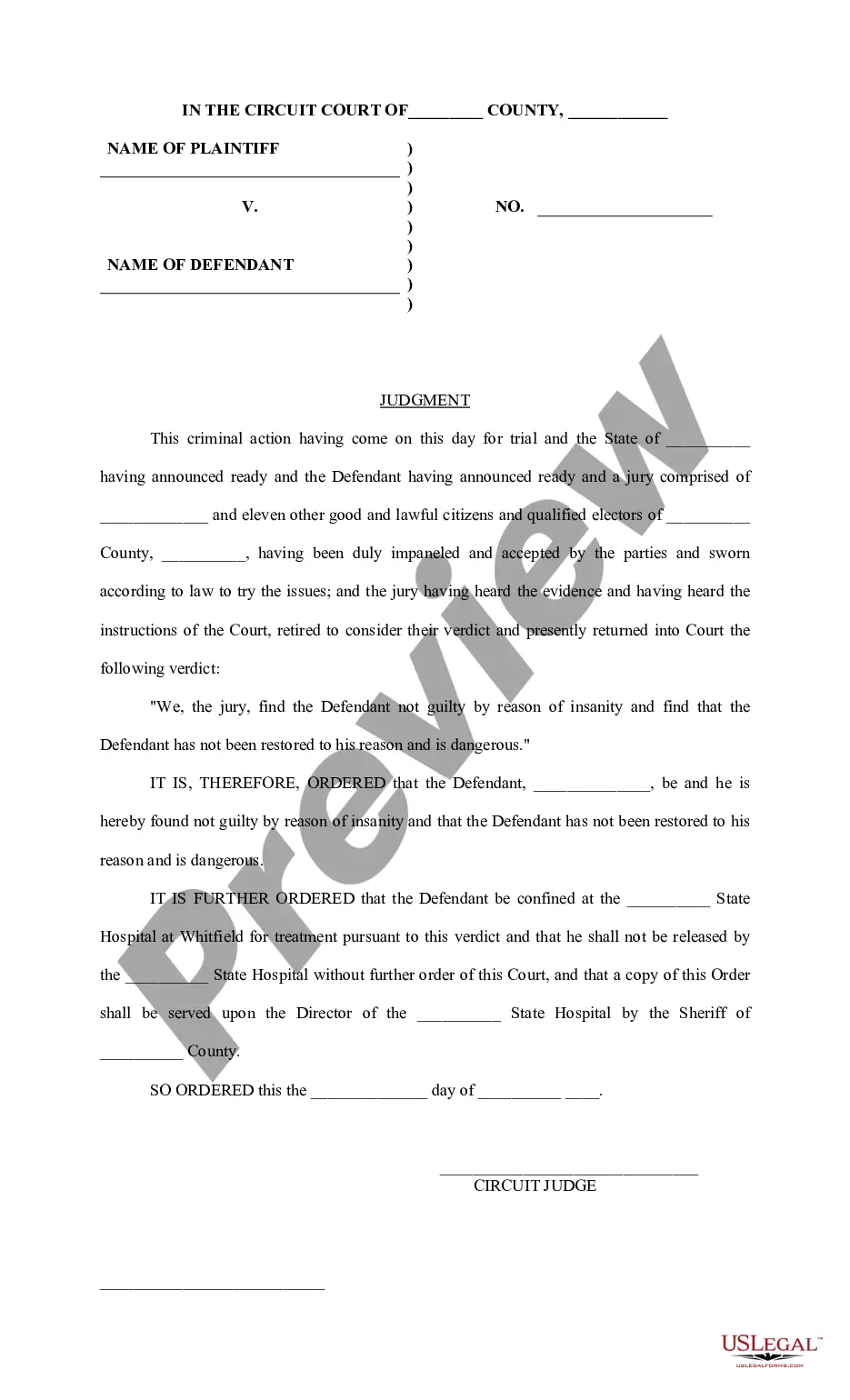
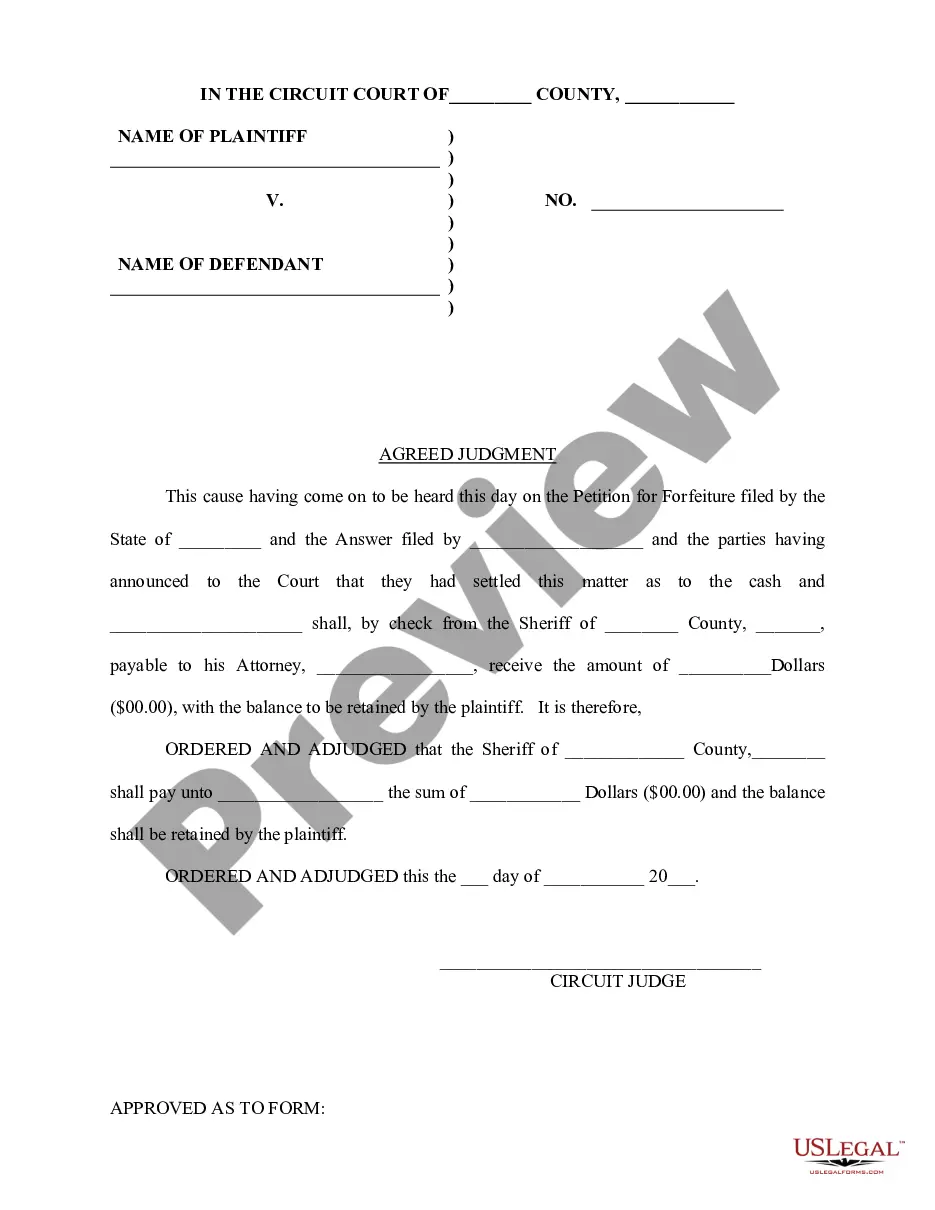
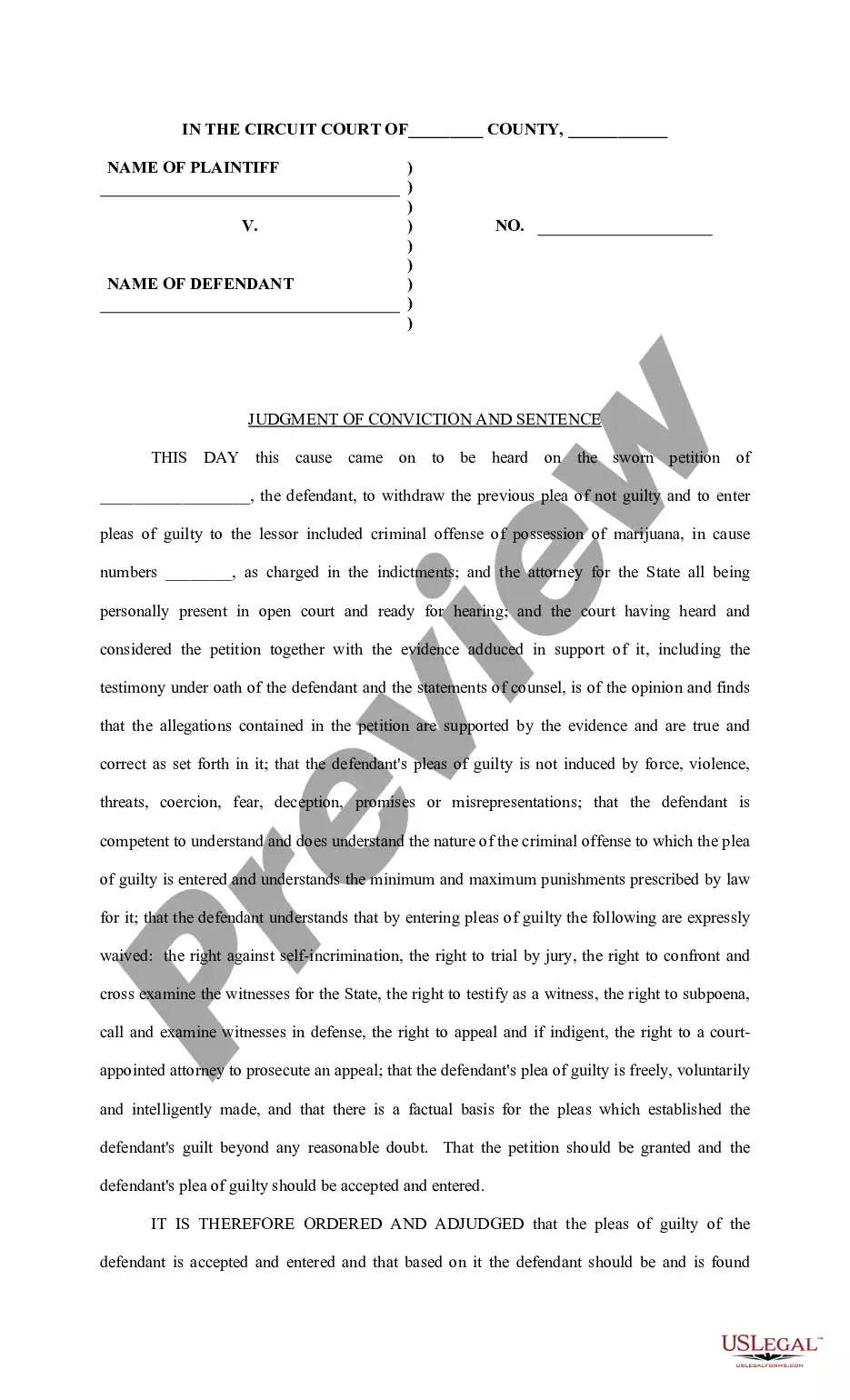
Get your form ready online
Our built-in tools help you complete, sign, share, and store your documents in one place.
Make edits, fill in missing information, and update formatting in US Legal Forms—just like you would in MS Word.
Download a copy, print it, send it by email, or mail it via USPS—whatever works best for your next step.
Sign and collect signatures with our SignNow integration. Send to multiple recipients, set reminders, and more. Go Premium to unlock E-Sign.
If this form requires notarization, complete it online through a secure video call—no need to meet a notary in person or wait for an appointment.
We protect your documents and personal data by following strict security and privacy standards.

Make edits, fill in missing information, and update formatting in US Legal Forms—just like you would in MS Word.

Download a copy, print it, send it by email, or mail it via USPS—whatever works best for your next step.

Sign and collect signatures with our SignNow integration. Send to multiple recipients, set reminders, and more. Go Premium to unlock E-Sign.

If this form requires notarization, complete it online through a secure video call—no need to meet a notary in person or wait for an appointment.

We protect your documents and personal data by following strict security and privacy standards.
Looking for another form?
How to fill out Judgment?
You can spend hours online trying to find the legal document template that complies with the federal and state regulations you require. US Legal Forms offers thousands of legal forms that have been reviewed by professionals. You can download or print the New Jersey Judgment from the service.
If you already possess a US Legal Forms account, you can Log In and select the Download option. Afterwards, you can complete, modify, print, or sign the New Jersey Judgment. Every legal document template you purchase is yours permanently. To obtain another copy of a purchased form, visit the My documents tab and click the appropriate option.
If you are using the US Legal Forms website for the first time, follow the simple instructions below: Initially, make sure that you have selected the correct document template for the county/region of your choice. Check the form description to ensure you have chosen the right form. If available, use the Review option to look through the document template as well.
- If you wish to find another version of your form, utilize the Search field to locate the template that suits your needs and specifications.
- Once you have found the template you desire, click Purchase now to proceed.
- Select the pricing plan you prefer, enter your credentials, and sign up for an account on US Legal Forms.
- Complete the transaction. You can use your credit card or PayPal account to pay for the legal form.
- Choose the format of your document and download it to your device.
- Make modifications to your document if necessary. You can complete, edit, sign, and print the New Jersey Judgment.
- Download and print thousands of document templates using the US Legal Forms Website, which provides the largest assortment of legal forms. Use professional and state-specific templates to address your business or personal needs.
Form popularity
FAQ
NEW JERSEY A judgment is valid for a period of twenty years, but can be renewed within the twenty year period by the filing of a notice with the court clerk. N.J. Stat. Ann. § 2A:14-5.
A judgment is a court order that declares one party (the debtor) owes a debt to another party (the creditor). In New Jersey, a judgment can be entered against a debtor in a variety of legal actions, including breach of contract cases, personal injury lawsuits, and foreclosure actions.
The statute of limitations on a judgment is 20 years ? not six. Further, a creditor can renew the judgment. Also, he said, there is an exception to NJ Statute of Limitation law. ?The six-year statute of limitation does not apply to contracts between merchants or a sale of goods under NJ's Commercial Code.
A judgment can be fully satisfied by paying the judgment creditor (the person who has the judgment against you) in full and receiving from the creditor a Warrant of Satisfaction.
To set aside a default judgment, the defendant must demonstrate that its failure to answer or otherwise appear and defend was due to excusable neglect under the circumstances and that it has a meritorious defense either to the cause of action itself or the quantum of damages assessed.
After a default judgment has been entered in the court record, the Office of the Special Civil Part will mail you a postcard that shows the date and amount of the judgment entered by the court against the defendant.
And some states also allow judgment liens on the debtor's personal property -- things like jewelry, art, antiques, and other valuables. In New Jersey, a judgment lien can be attached to real estate only (not personal property).
If the money is not collected (liens) Request to have the judgment recorded as a lien against any real estate the debtor owns. Once the judgment is recorded in the Superior Court, the debtor cannot sell with clear title any real estate owned in New Jersey until the debt is paid.