New Jersey Commercial Sublease
Overview of this form
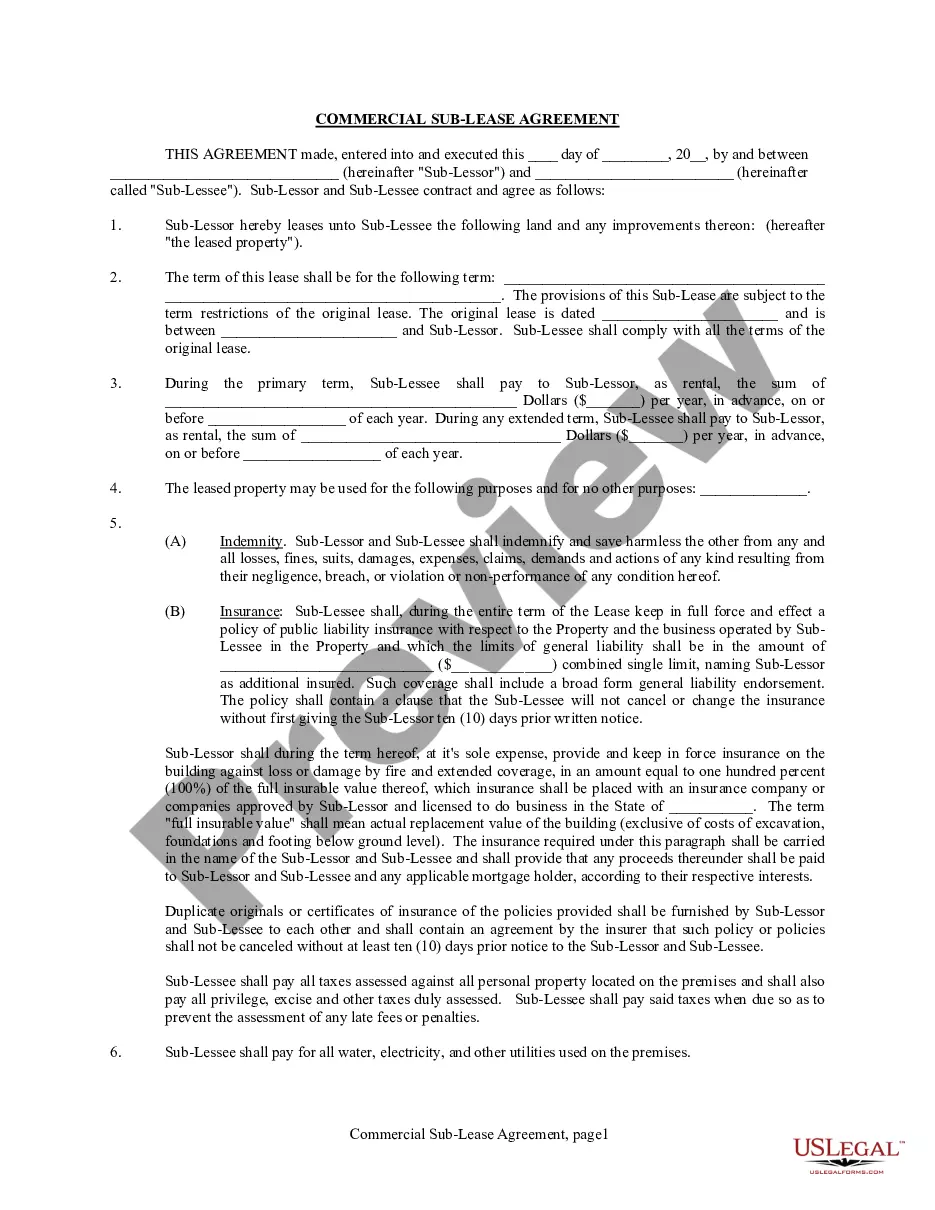
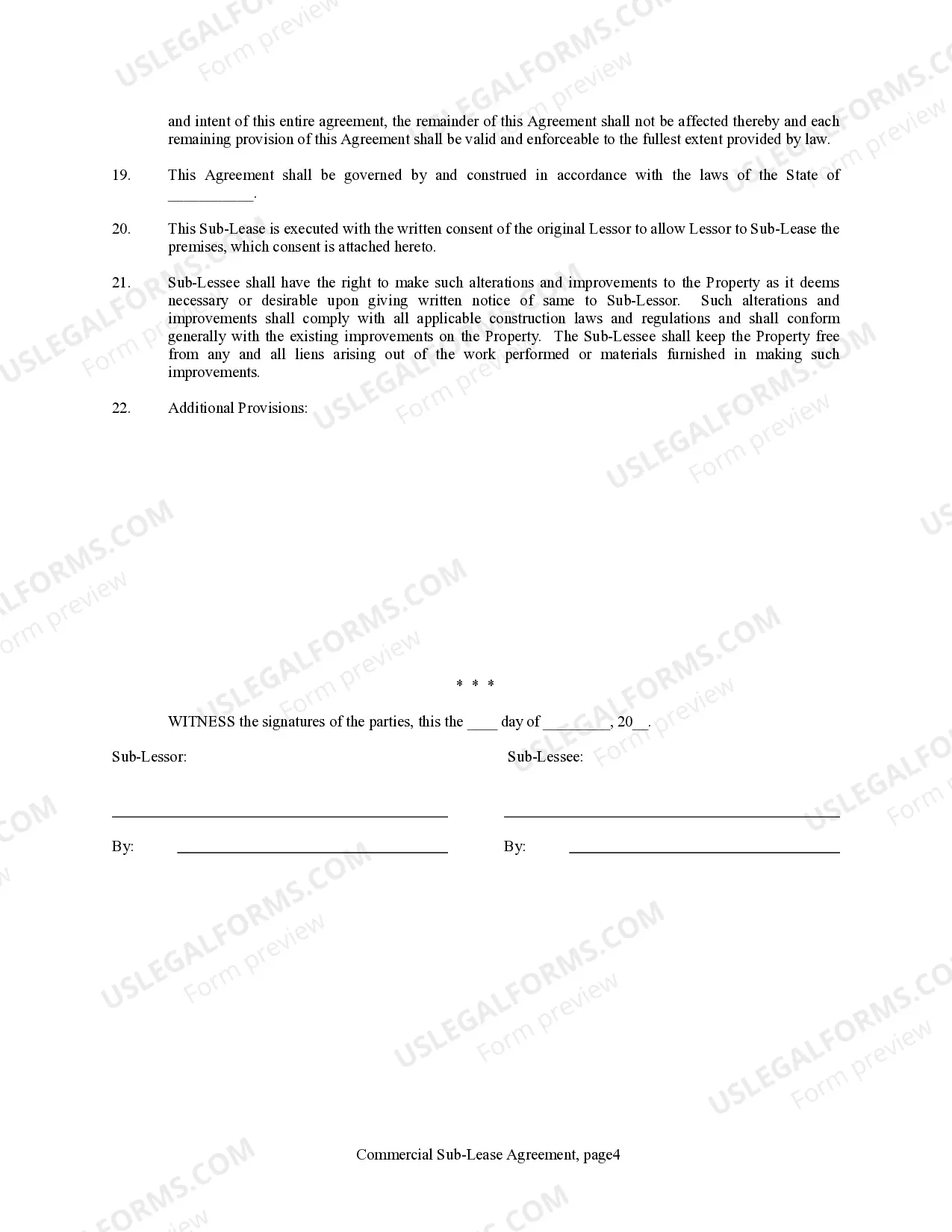
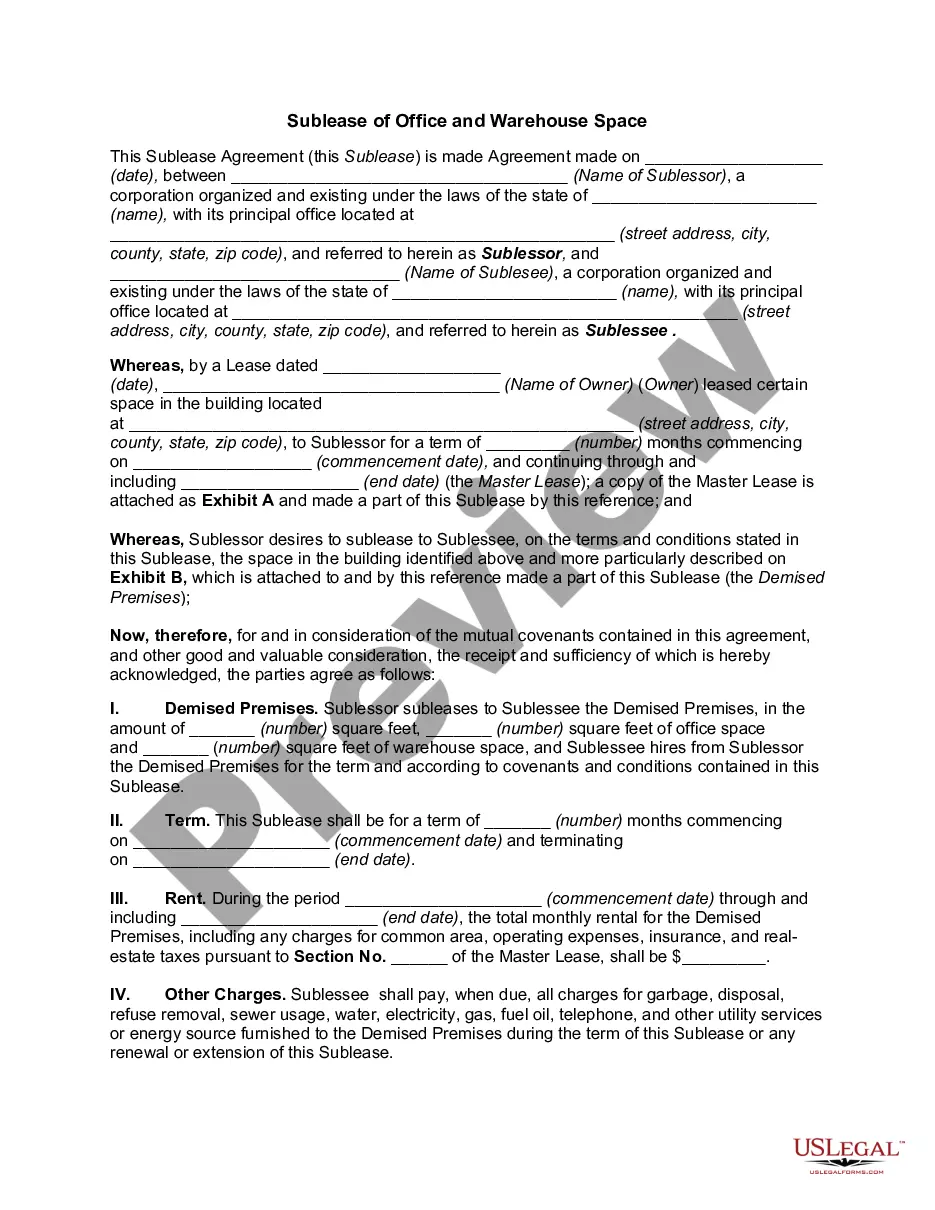
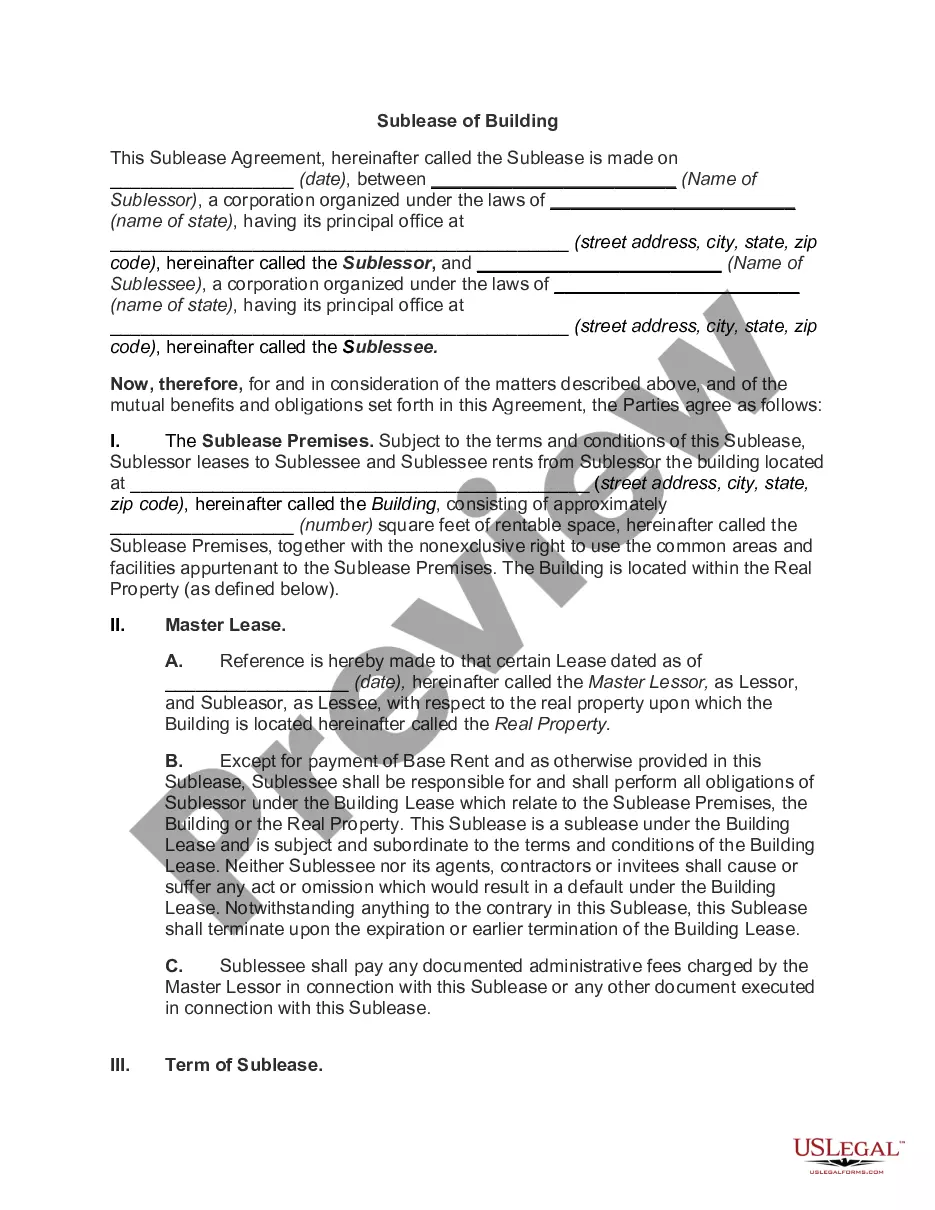
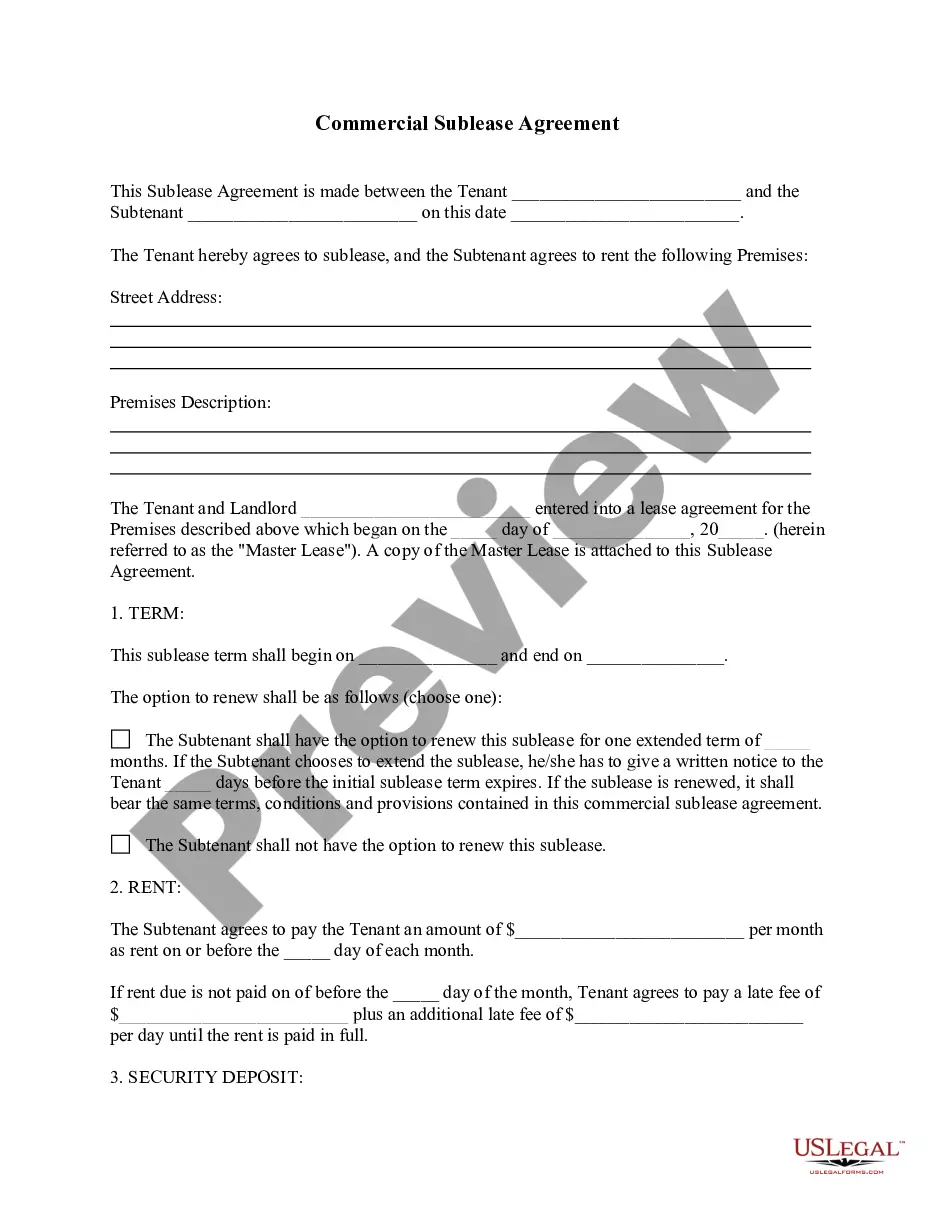
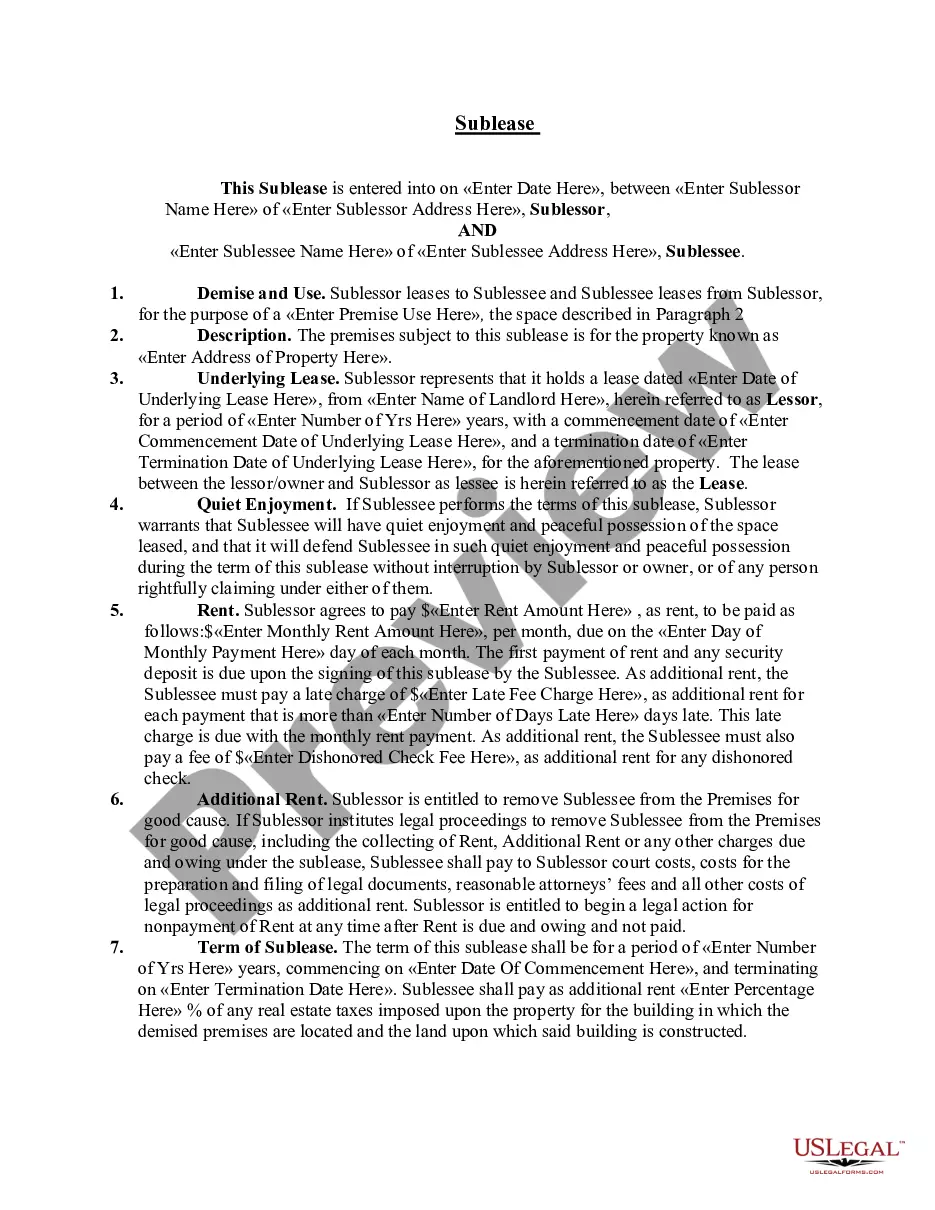
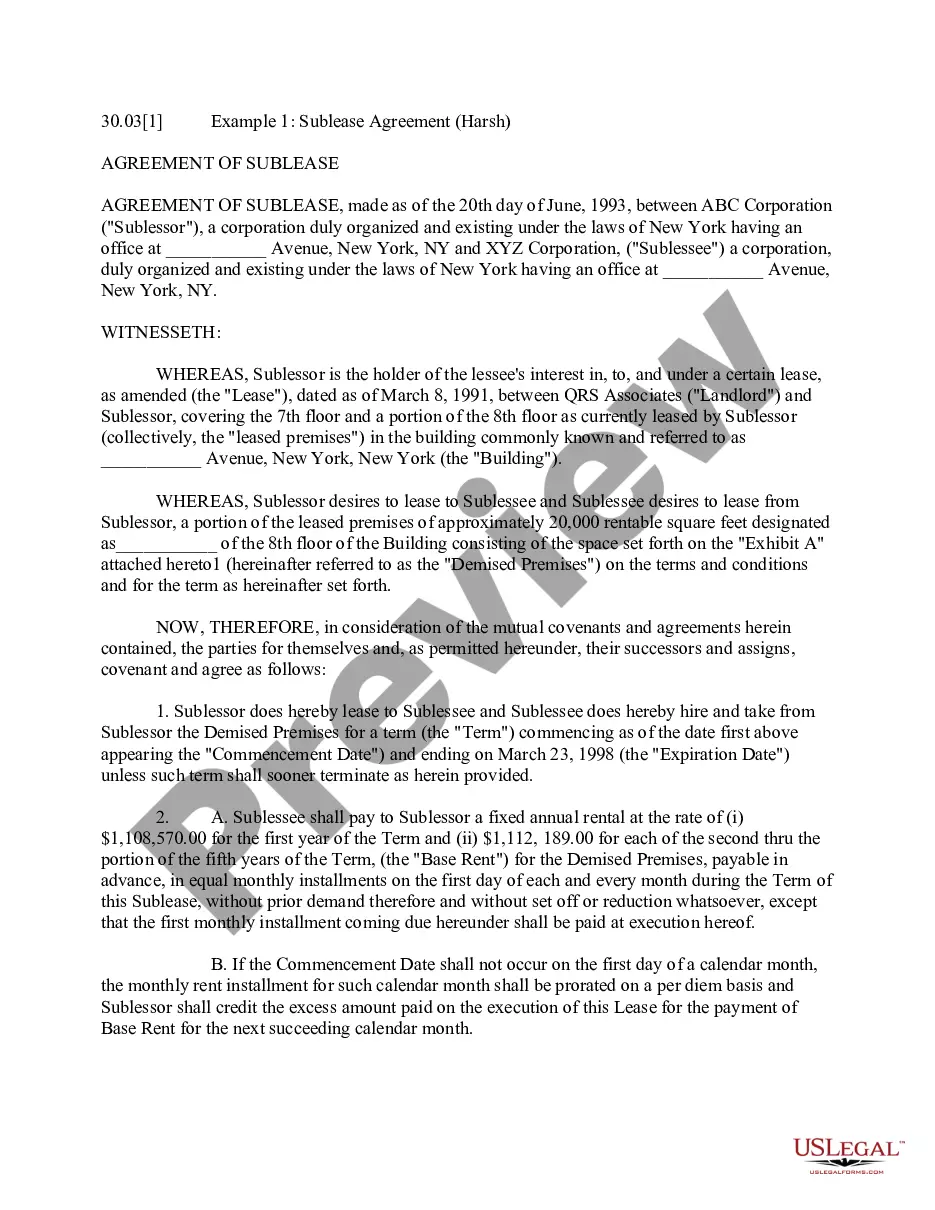
The Commercial Sublease form is a legal document that allows a tenant (known as the Sub-Lessor) to lease a commercial property to another party (the Sub-Lessee) while remaining bound by the original lease agreement with the property owner. This form details the terms of the sublease and ensures that all aspects comply with the original lease's conditions, making it an essential tool for tenants looking to relocate or sublet part of their business premises. It is distinct from simple rental agreements as it requires adherence to prior contractual obligations established in the original lease.
Key components of this form
- Identification of Sub-Lessor and Sub-Lessee, including their addresses.
- Description of the property being subleased, including any improvements.
- Terms of the lease, including duration and rental payment details.
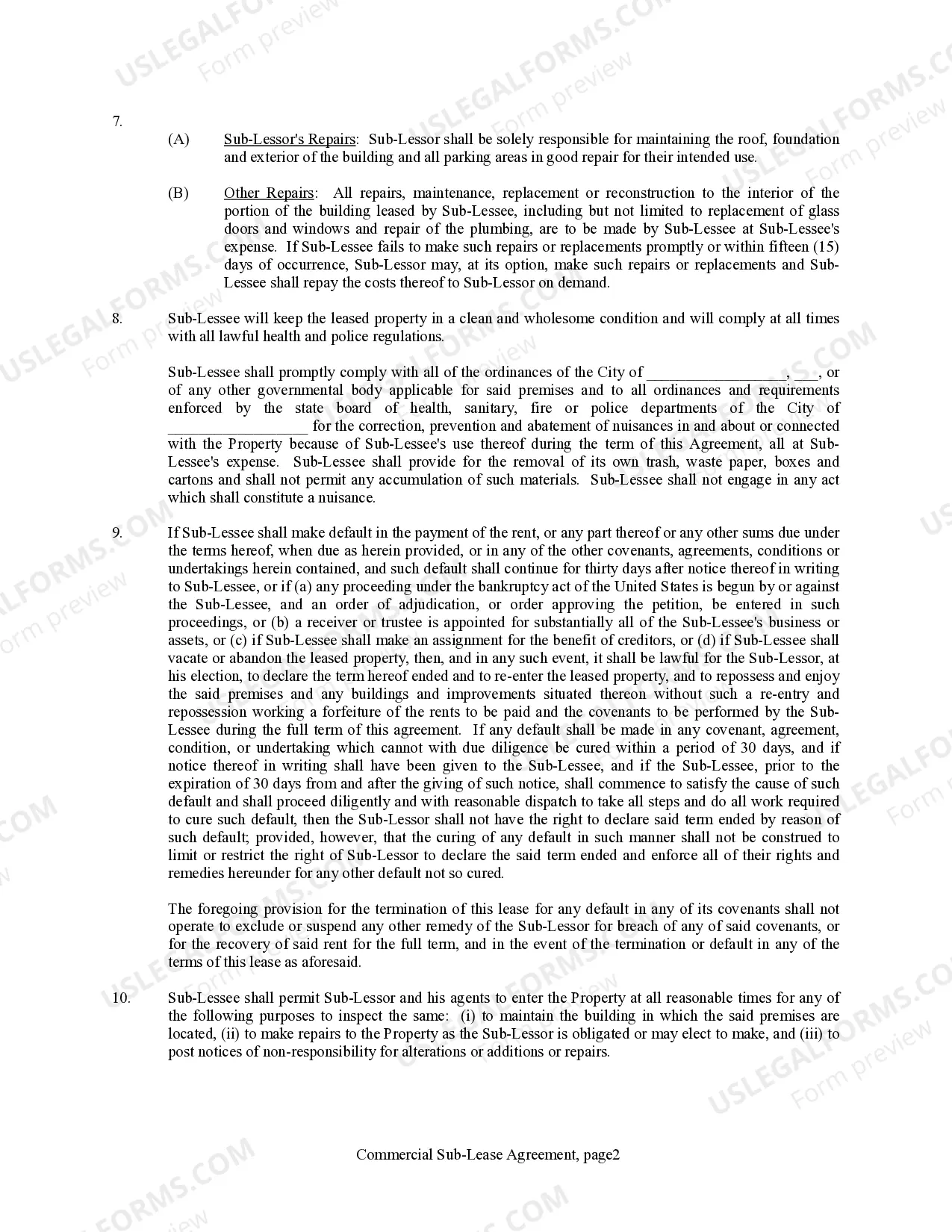
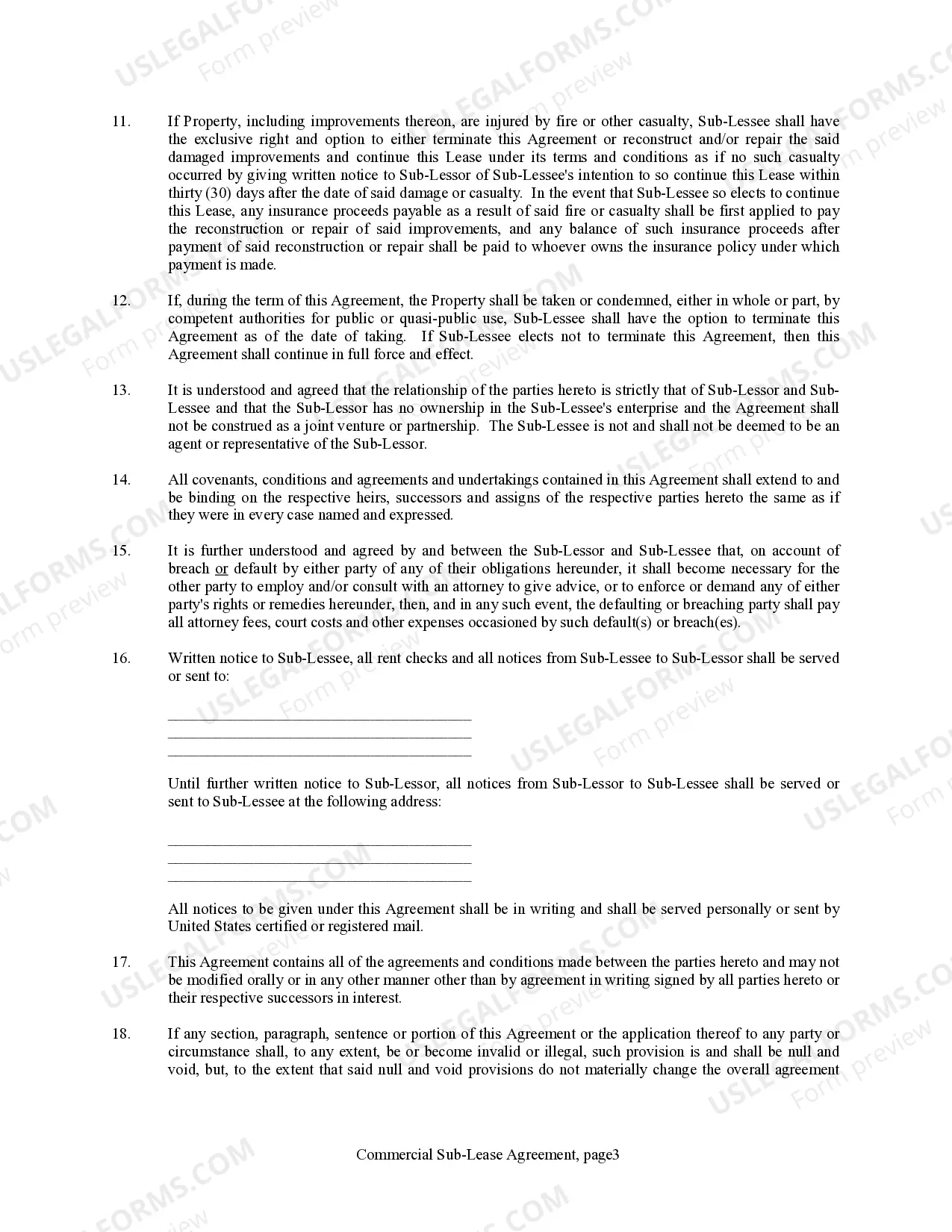
- Indemnity and insurance clauses to protect both parties.
- Responsibilities for repairs and maintenance of the property.
- Terms regarding property use and compliance with local ordinances.
Common use cases
This form is ideal for commercial tenants who wish to temporarily transfer their leasing rights to another party without fully relinquishing the original lease. Common scenarios include expanding businesses needing to share or sublet office space, a tenant relocating or downsizing, or when original lease obligations allow for subletting. This document provides clarity and protects both parties during the subleasing period.
Who should use this form
- Current tenants seeking to sublet their commercial space.
- Individuals or businesses looking to rent commercial space from an existing tenant.
- Landlords who allow subleasing under specific conditions.
- Real estate agents facilitating commercial property transactions.
How to complete this form
- Identify the parties involved: fill in the names and addresses of the Sub-Lessor and Sub-Lessee.
- Describe the property: provide a detailed description, including any improvements included in the lease.
- Specify the lease term: clearly state the duration of the sublease and the rental payment schedule.
- Complete the indemnity and insurance requirements as outlined in the form.
- Ensure all parties sign and date the document to make the agreement legally binding.
Does this document require notarization?
Notarization is generally not required for this form. However, certain states or situations might demand it. You can complete notarization online through US Legal Forms, powered by Notarize, using a verified video call available anytime.
Get your form ready online
Our built-in tools help you complete, sign, share, and store your documents in one place.
Make edits, fill in missing information, and update formatting in US Legal Forms—just like you would in MS Word.
Download a copy, print it, send it by email, or mail it via USPS—whatever works best for your next step.
Sign and collect signatures with our SignNow integration. Send to multiple recipients, set reminders, and more. Go Premium to unlock E-Sign.
If this form requires notarization, complete it online through a secure video call—no need to meet a notary in person or wait for an appointment.
We protect your documents and personal data by following strict security and privacy standards.

Make edits, fill in missing information, and update formatting in US Legal Forms—just like you would in MS Word.

Download a copy, print it, send it by email, or mail it via USPS—whatever works best for your next step.

Sign and collect signatures with our SignNow integration. Send to multiple recipients, set reminders, and more. Go Premium to unlock E-Sign.

If this form requires notarization, complete it online through a secure video call—no need to meet a notary in person or wait for an appointment.

We protect your documents and personal data by following strict security and privacy standards.
Mistakes to watch out for
- Failing to obtain the original landlord's written consent for the sublease.
- Not adhering to the terms set forth in the original lease, leading to default.
- Neglecting to specify property usage limitations, which can lead to disputes.
- Overlooking the inclusion of indemnity and insurance provisions necessary for protection.
Why complete this form online
- Convenient access to downloadable and customizable legal forms anytime.
- Easy editability allows for quick adjustments based on specific leasing arrangements.
- Reliable templates crafted by licensed attorneys ensure compliance with legal standards.
- Time-efficient as it eliminates the need for face-to-face consultations with legal professionals.
Quick recap
- The Commercial Sublease form enables tenants to sublease their commercial property legally.
- It is essential to adhere to the original lease terms when drafting this agreement.
- Properly detailing rental terms and property use can avoid potential disputes.
Looking for another form?
Form popularity
FAQ
A sublet, sometimes called a sublease, is a contract under which a tenant rents out their apartment to another individual while their name is still on the lease.When subleasing, only the original tenant's name is on the lease. In a roommate situation, all tenants are named on the lease.
A sublease is the re-renting of property by an existing tenant to a new third party for a portion of the tenant's existing lease contract.Even if a sublease is permitted, the original tenant is still liable for the obligations stated in the lease agreement, such as the payment of rent each month.
Recording a lease means that it (or a Notice of Lease) is submitted to the public record, usually at the local Registry of Deeds following the signing of it by both parties. Generally, recording of the lease protects the tenant against subsequent claims to the property.
A sublease is a legally binding contract made between a tenant and a new tenant (also known as a subtenant or a sublessee).Usually, the first tenant must get consent from the landlord before he/she is allowed to sublease the premises.
Tenants in New Jersey can legally sublet with landlord approval as long as the lease agreement doesn't expressly forbid it. Landlords in New Jersey have the ability to stop you from subletting by putting a term in your lease contract to that effect.
In short, subletting allows a new renter to take over the lease directly with the landlord, while subleasing involves renting all or part of the space to another renter through the original renter.
Commercial landlords with multiple properties, or developments with more than one tenant, are generally loath to disclose to potential tenants the terms of leases into which they have previously entered.
A commercial sublease is an agreement between a tenant currently leasing a property, a new tenant looking for space, and the property owner. When you sublease your space you are the sublessor (or sublandlord) and your new tenant is the sublessee (or subtenant).
Anyone renting a building, whether for commercial or personal use, has the right to privacy. You are entitled to do anything on the property that you wish, so long as whatever you are doing is legal. The landlord cannot prevent you from operating your business nor from allowing guests or patrons on the property.