New Jersey Seller's Disclosure of Forfeiture Rights for Contract for Deed
What this document covers
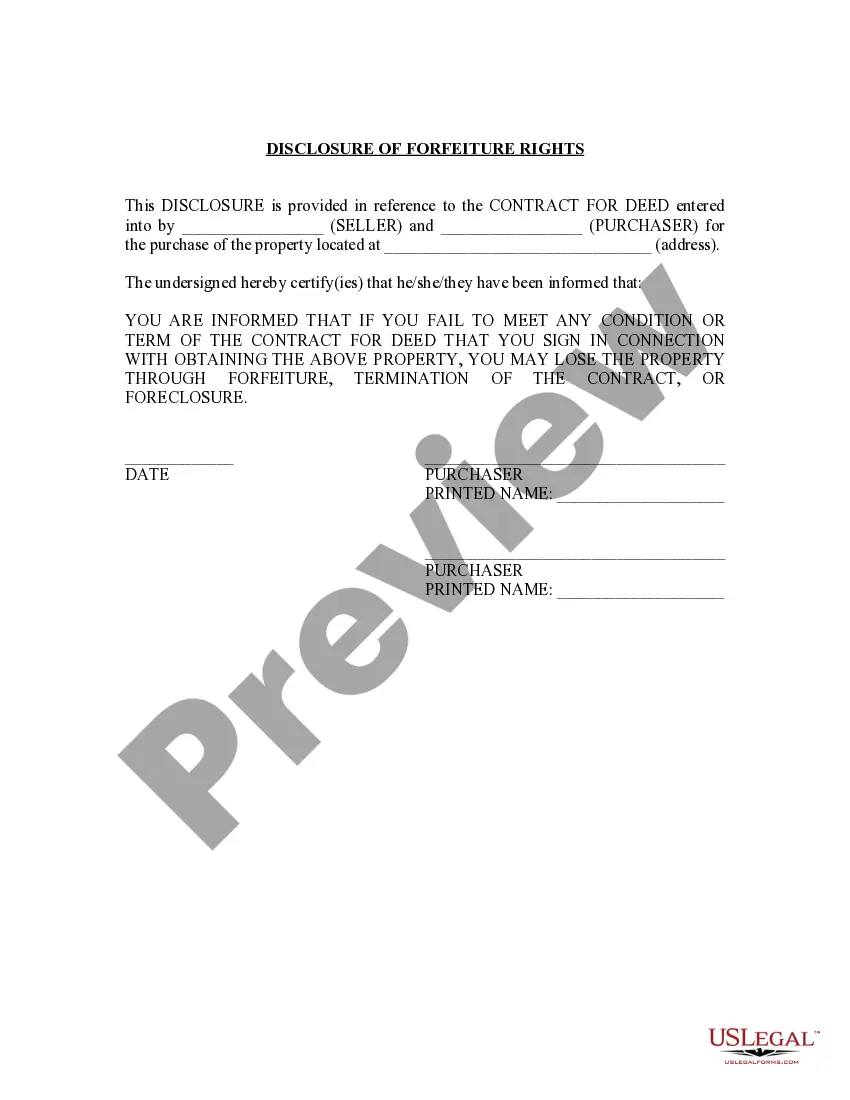
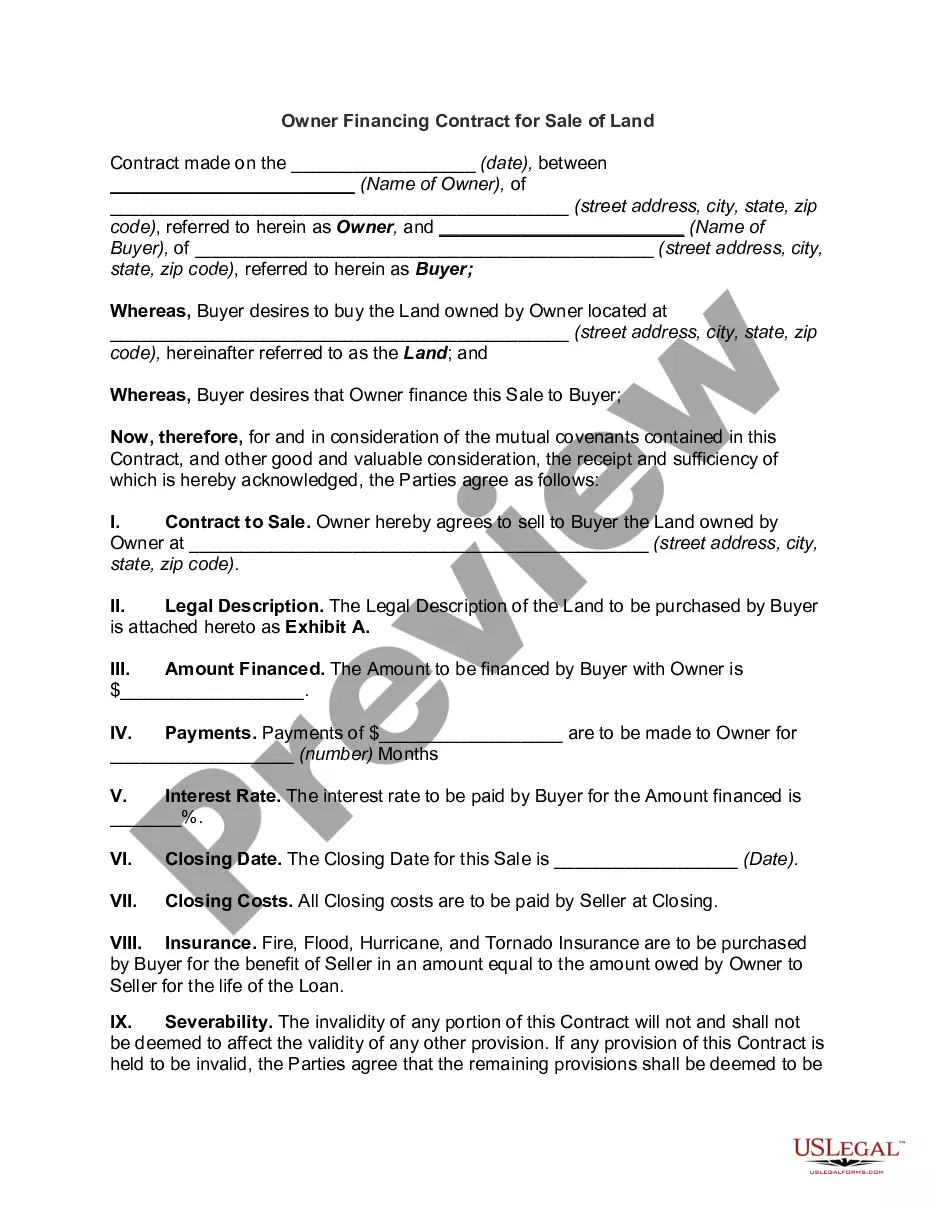
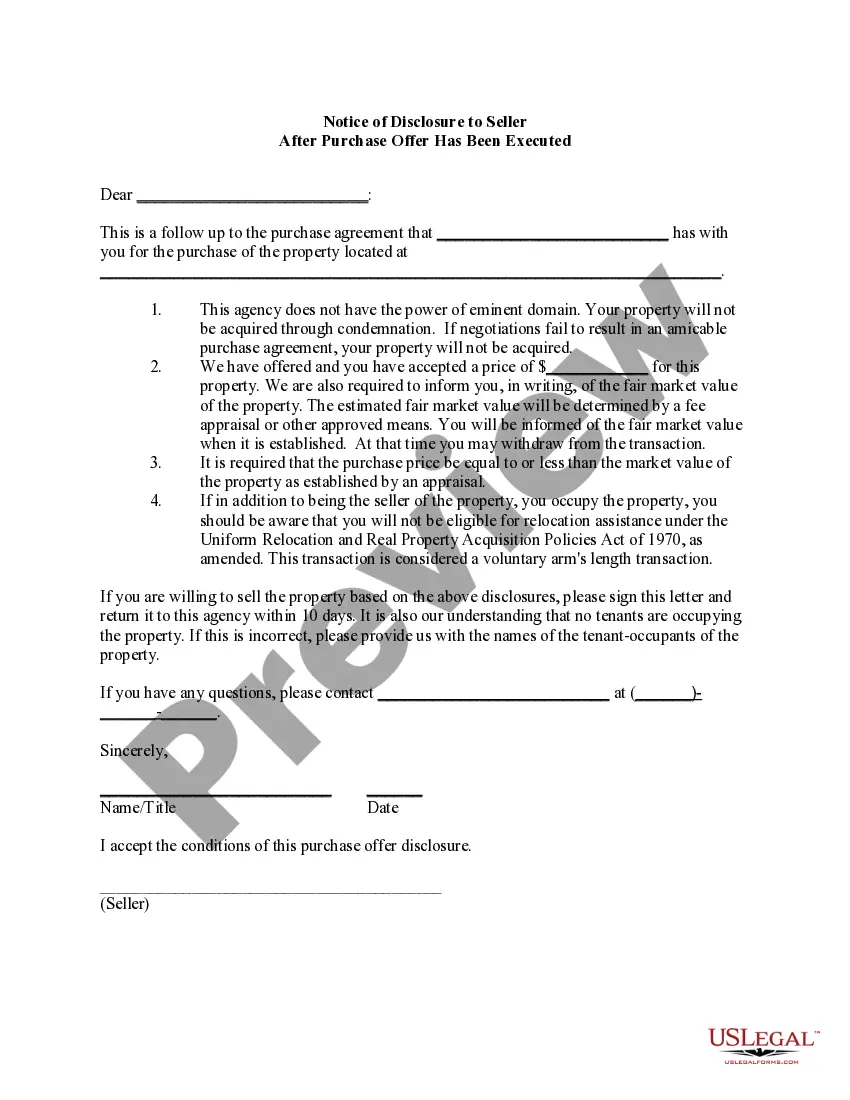
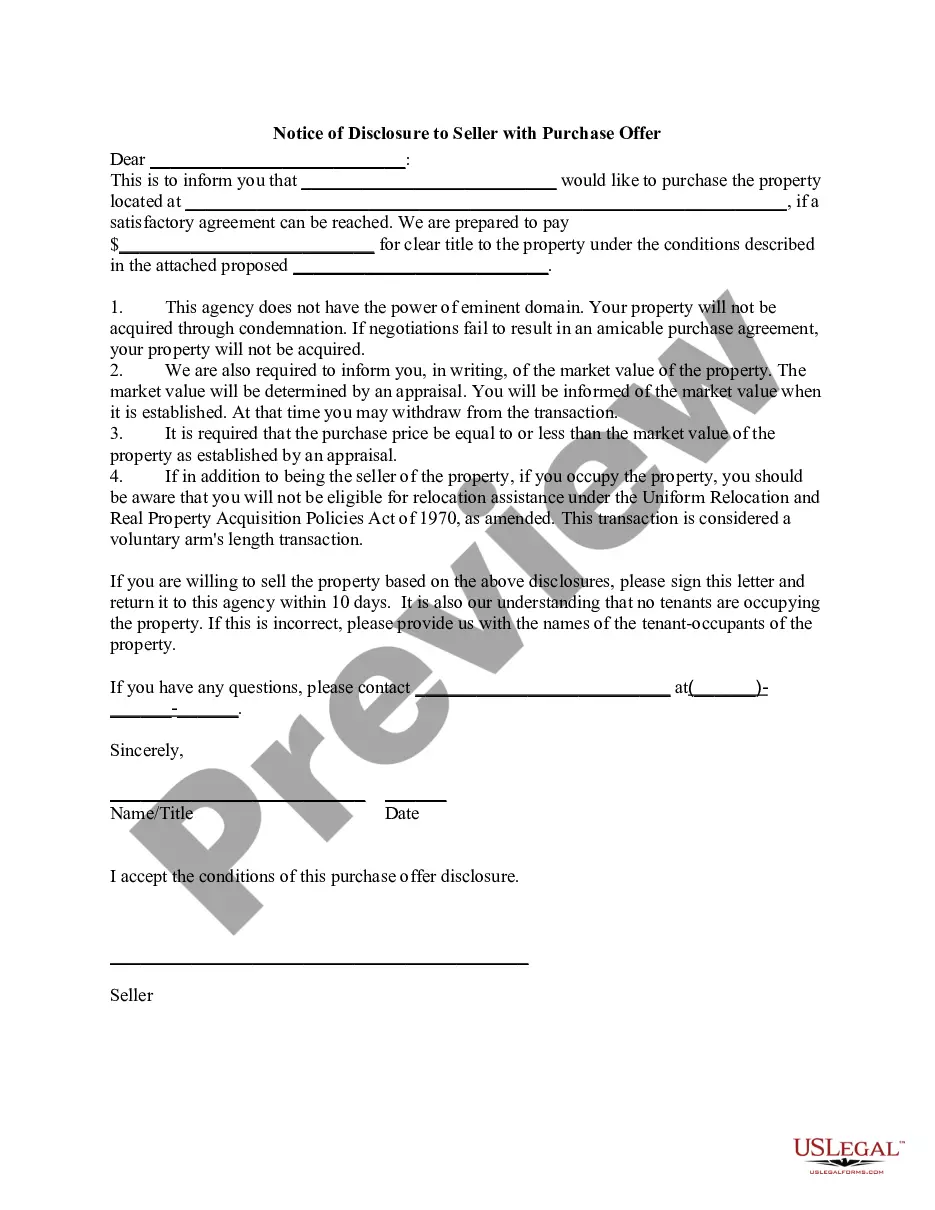
The Seller's Disclosure of Forfeiture Rights for Contract for Deed is a legal document provided by a seller to a purchaser at the time of contract signing. This form serves to inform the purchaser of their rights and obligations under the contract, specifically regarding forfeiture in case of default. While it is not mandatory in most cases, its use can offer clarity to the purchaser about potential consequences, should any disputes arise later.
Form components explained
- The seller's certification acknowledging that the purchaser has been informed of forfeiture rights.
- Clear wording on what happens if a term of the contract is not met.
- A section for signatures to confirm understanding and agreement of the terms.
Situations where this form applies
This form should be utilized during the signing of a contract for deed, particularly when the seller wants to ensure that the purchaser fully understands the implications of failing to meet the contract's terms. It is particularly useful in scenarios where buyers may not be familiar with forfeiture rights, providing them with essential information about the risk of losing the property if they default.
Who can use this document
- Sellers entering into a contract for deed with a purchaser.
- Purchasers of property through a contract for deed who need to understand their rights and obligations.
- Real estate professionals seeking to provide clear documentation during property transactions.
How to complete this form
- Identify and enter the names of the seller and purchaser.
- Clearly reference the property connected to the contract for deed.
- Include the effective date of the contract.
- Sign and date the form to affirm that both parties understand the disclosure.
- Provide a copy of the completed form to all involved parties.
Is notarization required?
This form usually doesn’t need to be notarized. However, local laws or specific transactions may require it. Our online notarization service, powered by Notarize, lets you complete it remotely through a secure video session, available 24/7.
Get your form ready online
Our built-in tools help you complete, sign, share, and store your documents in one place.
Make edits, fill in missing information, and update formatting in US Legal Forms—just like you would in MS Word.
Download a copy, print it, send it by email, or mail it via USPS—whatever works best for your next step.
Sign and collect signatures with our SignNow integration. Send to multiple recipients, set reminders, and more. Go Premium to unlock E-Sign.
If this form requires notarization, complete it online through a secure video call—no need to meet a notary in person or wait for an appointment.
We protect your documents and personal data by following strict security and privacy standards.
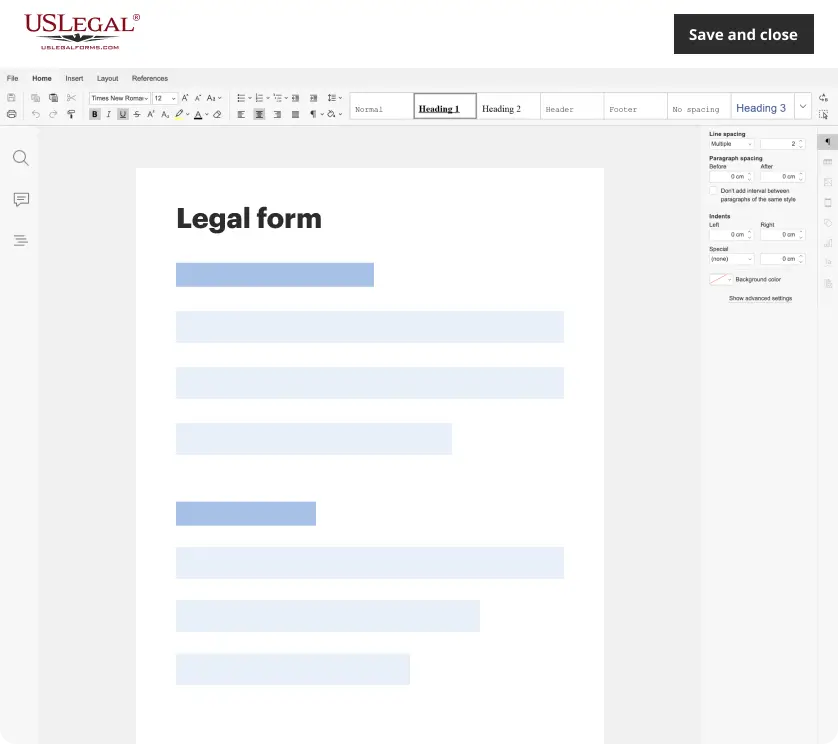
Make edits, fill in missing information, and update formatting in US Legal Forms—just like you would in MS Word.
Download a copy, print it, send it by email, or mail it via USPS—whatever works best for your next step.
Sign and collect signatures with our SignNow integration. Send to multiple recipients, set reminders, and more. Go Premium to unlock E-Sign.

If this form requires notarization, complete it online through a secure video call—no need to meet a notary in person or wait for an appointment.
We protect your documents and personal data by following strict security and privacy standards.
Common mistakes to avoid
- Failing to provide the form to the purchaser at the time of signing.
- Not ensuring all parties have signed the form to confirm understanding.
- Omitting key information about the property or the contract terms.
Why complete this form online
- Easy access to the form allows for immediate completion and download.
- Editable templates ensure you can customize the form to suit your specific circumstances.
- The reliability of forms drafted by licensed attorneys ensures legal compliance.
Legal use & context
- This form is used to reinforce the seller's obligations in a contract for deed.
- It provides a clear understanding of forfeiture rights which is important in legal disputes.
- Proper use of this form can help both parties demonstrate awareness of their rights in the event of a conflict.
Quick recap
- The Seller's Disclosure of Forfeiture Rights is essential for understanding contract terms.
- Using this form helps prevent misunderstandings about the consequences of defaulting on a contract for deed.
- It is beneficial for both sellers and purchasers to ensure all parties are informed and protected.
Looking for another form?
Form popularity
FAQ
But if it can be proven that something was known and omitted, a seller can get in big trouble. A seller may be liable to the buyer for the nondisclosure of material facts, negligent misrepresentation of facts, intentional misrepresentation of facts, or suppression or concealment of facts, Zuetel explains.
You will need to include information about all appliances in the home, including which are included in the sale as well as whether they are operational. You will also need to disclose any room additions, damage, or neighborhood noise problems.
Although there's no list of required disclosures a seller must make according to New Jersey's statutes, the state's courts have carved out rules (under what's called the "common law") to protect buyers against sellers who fail to disclose material facts or who hide information about their property.
Requirements concerning the filing of this form are found in N.J.S.A. 18A:12-21 et seq. School Officials, who are required to complete annual Disclosure Statements as defined in the definitions, must complete online all of the PERSONAL, RELATIVE and FINANCIAL DISCLOSURE STATEMENTS.
Although there's no list of required disclosures a seller must make according to New Jersey's statutes, the state's courts have carved out rules (under what's called the "common law") to protect buyers against sellers who fail to disclose material facts or who hide information about their property.
A realtor has a duty to make a reasonable inquiry of the seller, and to perform a visual inspection of the property, to determine material facts related to the property.However, an accidental death in a home caused by some physical condition there, may require disclose even absent a specific inquiry about the event.
Among the numerous types of things a seller in New Jersey is required to disclose are electrical system hazards; structural problems; roof leakage; termites; environmental hazards; and plumbing, water, and sewage issues.