New Hampshire Stockholder derivative actions
Description
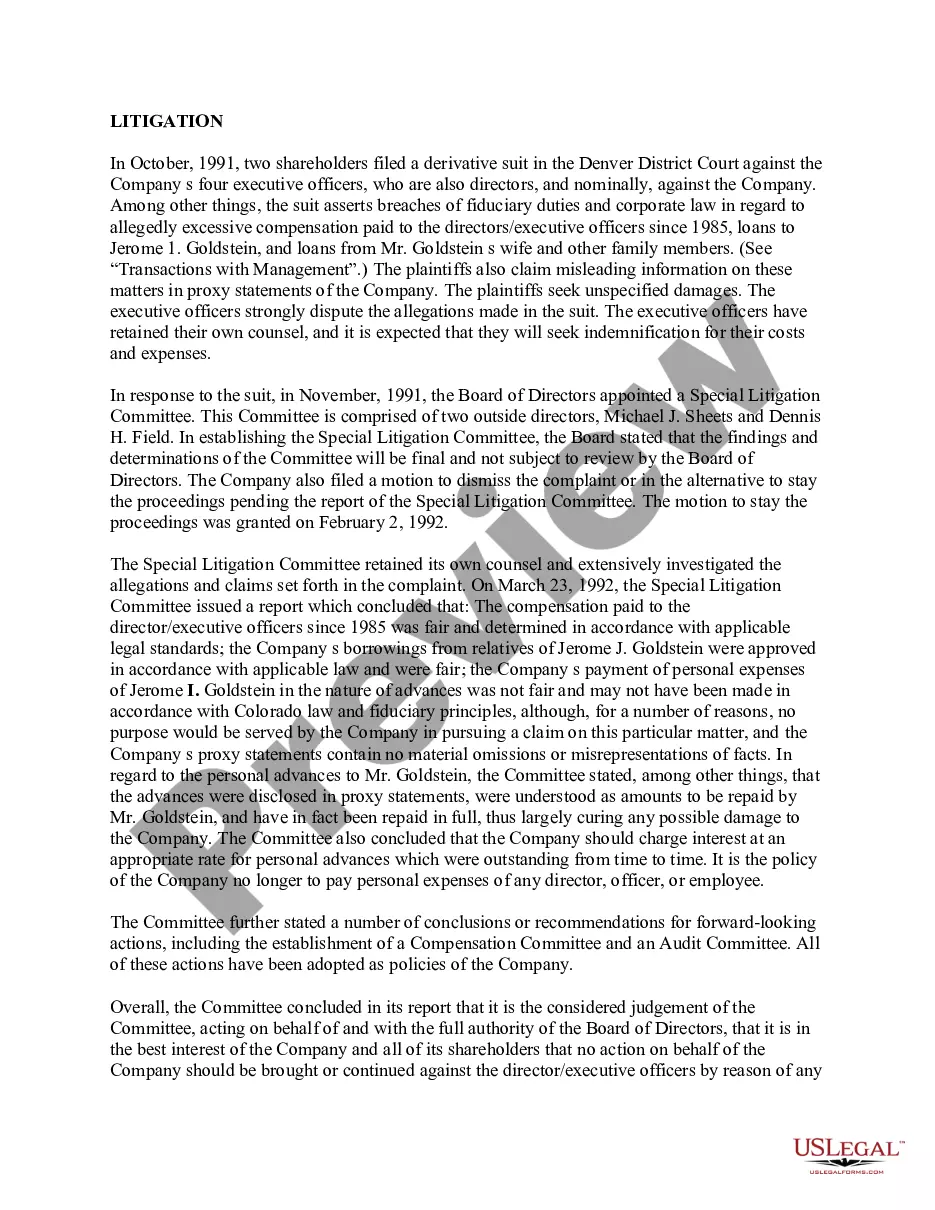
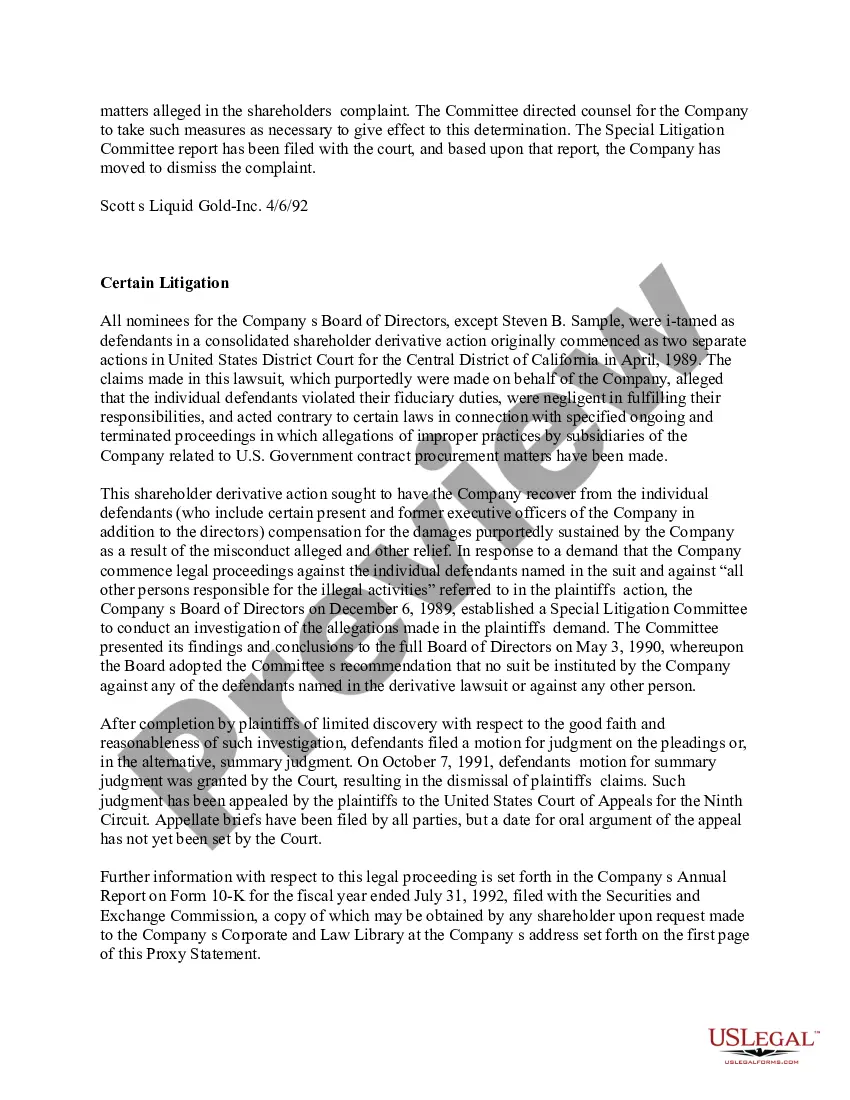
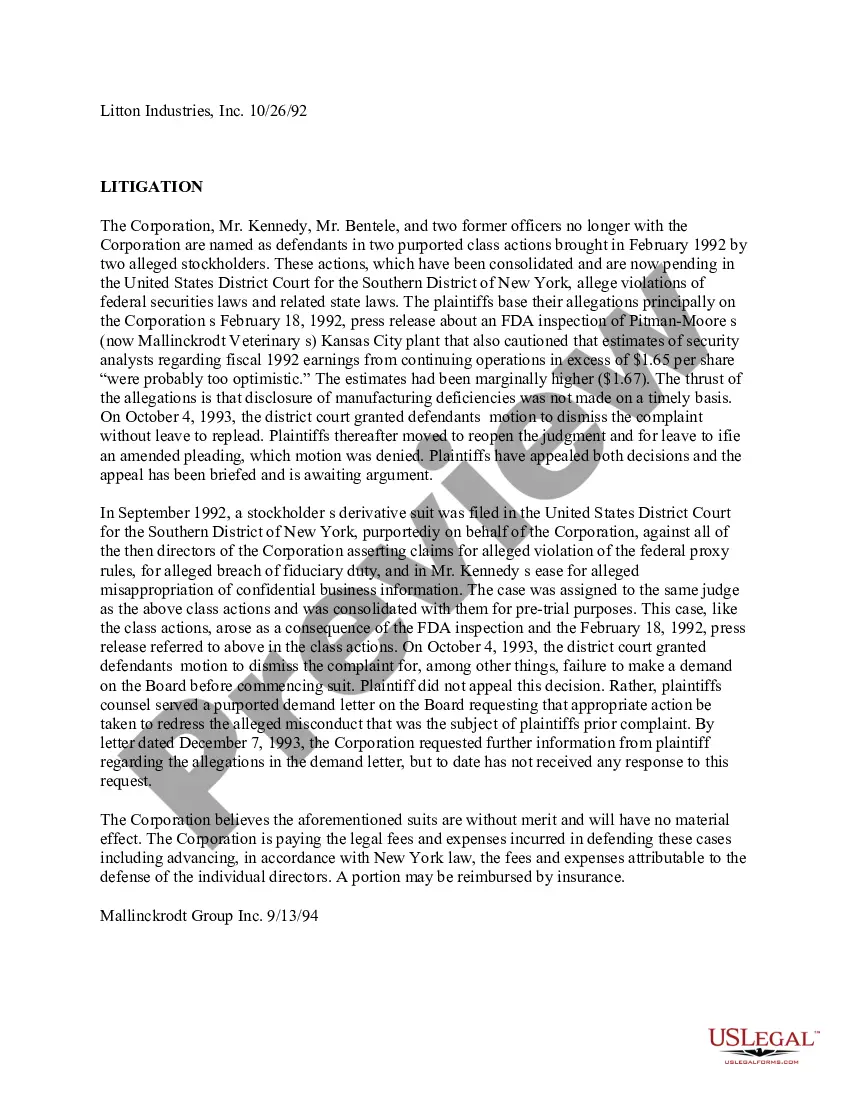
How to fill out Stockholder Derivative Actions?
Choosing the best authorized document design can be a struggle. Naturally, there are plenty of web templates available online, but how would you discover the authorized develop you will need? Utilize the US Legal Forms internet site. The support offers thousands of web templates, for example the New Hampshire Stockholder derivative actions, which can be used for business and private needs. All of the types are inspected by professionals and meet up with federal and state demands.
When you are already signed up, log in in your profile and click on the Obtain key to have the New Hampshire Stockholder derivative actions. Use your profile to appear throughout the authorized types you may have acquired in the past. Go to the My Forms tab of your profile and get one more copy of the document you will need.
When you are a new user of US Legal Forms, listed here are straightforward directions for you to comply with:
- First, make certain you have chosen the proper develop for the area/state. You are able to examine the shape utilizing the Review key and browse the shape explanation to ensure it is the best for you.
- In the event the develop fails to meet up with your requirements, utilize the Seach field to discover the appropriate develop.
- Once you are certain that the shape is proper, select the Acquire now key to have the develop.
- Pick the pricing strategy you would like and enter the needed information. Build your profile and buy your order with your PayPal profile or bank card.
- Choose the data file file format and acquire the authorized document design in your gadget.
- Total, revise and printing and signal the acquired New Hampshire Stockholder derivative actions.
US Legal Forms will be the largest library of authorized types where you can find various document web templates. Utilize the service to acquire skillfully-produced paperwork that comply with express demands.
Form popularity
FAQ
The plaintiff shareholder brings his own claim in his own name to vindicate the violation of legal duties to himself and seeking a legal remedy for his own benefit. "Derivative" claims are very different. The cause of action in a derivative claim belongs to the corporation, not the shareholder.
What Are The Shareholder's Remedies In A Private Corporation? Voting Rights. This is a shareholder's primary right. ... Meeting Rights. The shareholders have the right to attend annual meetings. ... Right to Information. ... Court Ordered Meetings. ... Derivative Action. ... Oppression Remedy.
The derivative action is the route by which shareholders, usually minority shareholders, are able to enforce the company's rights where directors have breached their duties (since in these circumstances it is unlikely that the directors, who usually act on behalf of the company, will want to take action).
A derivative action is brought by a shareholder on behalf of the company; this means that if a derivative action is successful, any damages awarded are awarded to the company and not the shareholder(s) who brought it.
Remedies commonly sought in derivative actions include corporate governance reforms designed to prevent future fiduciary misconduct, the removal of officers or directors whose misconduct injured the corporation, monetary payments to remedy damages incurred by the company, and repayment of funds obtained illegally.
A shareholder (stockholder) derivative suit is a lawsuit brought by a shareholder or group of shareholders on behalf of the corporation against the corporation's directors, officers, or other third parties who breach their duties. The claim of the suit is not personal but belongs to the corporation.
Commonly, derivative suits allege improper actions by those in charge of the entity including, self-dealing by those in charge, entity mismanagement, or breaches of the duties of loyalty and care owed to the entity and the entity's owners. Direct claims are those seeking redress to the individual directly.
Derivative claim remedies Damages payable to the company from the director(s) held to be at fault. An injunction to prevent the director(s) at fault against taking any further unlawful action/committing any further breaches. The setting aside of transactions which have personally benefitted the director(s) at fault.