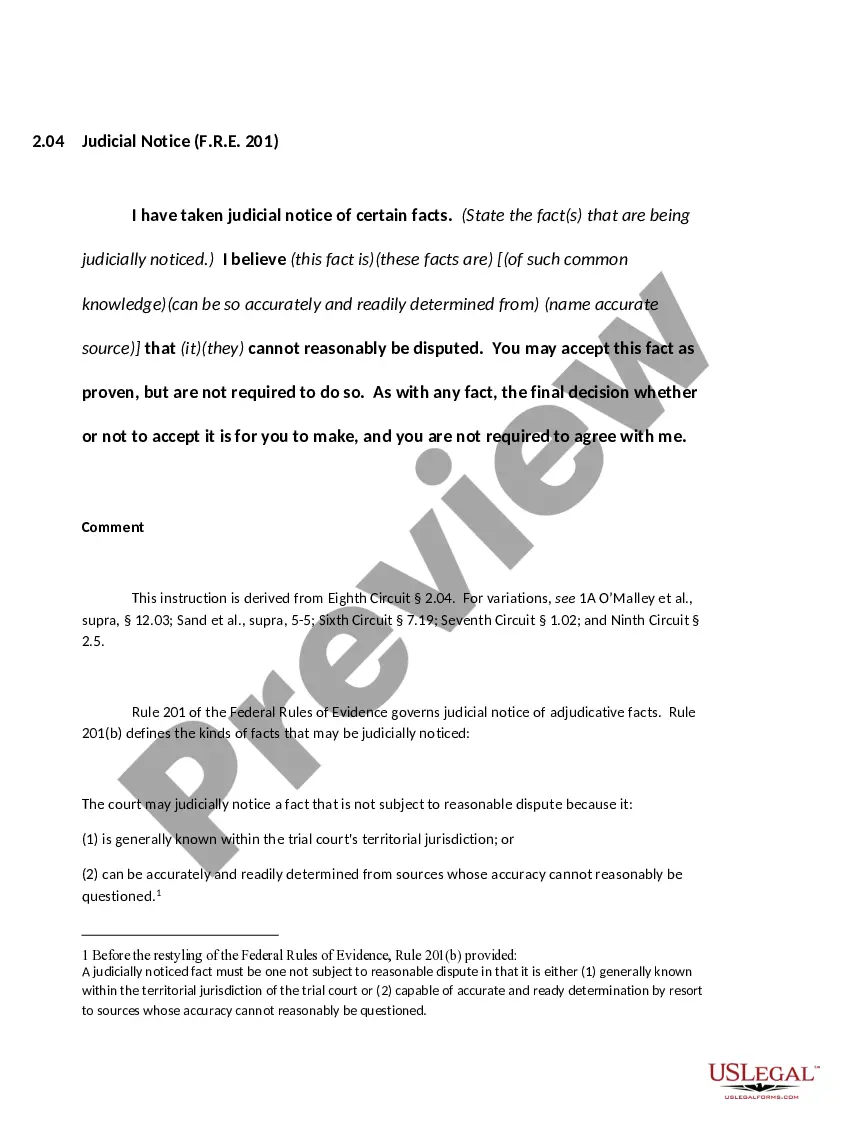
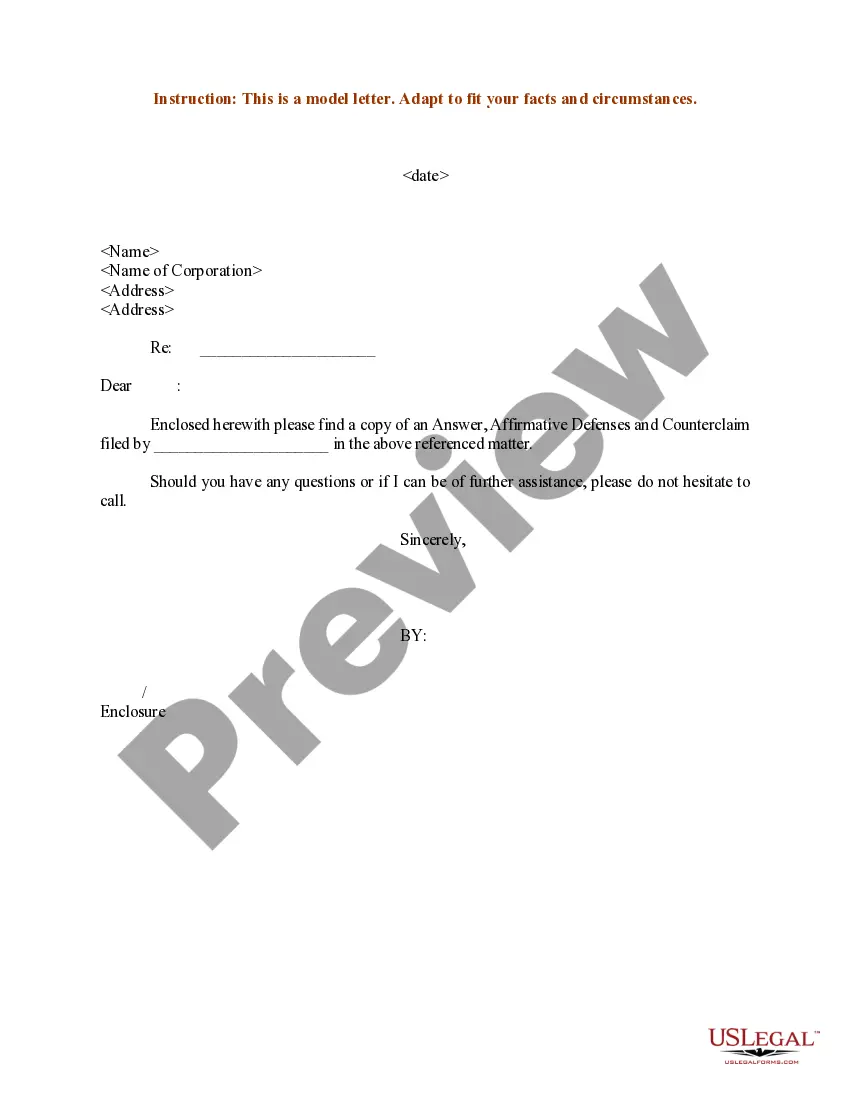
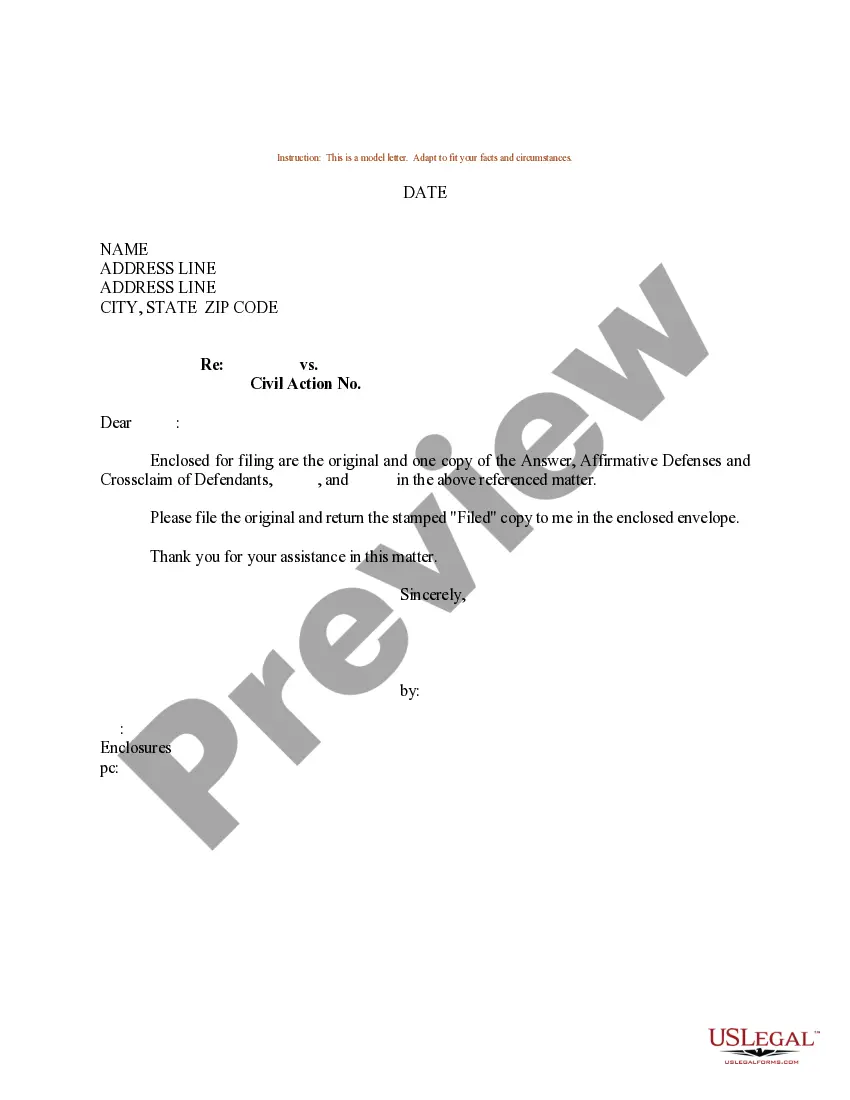
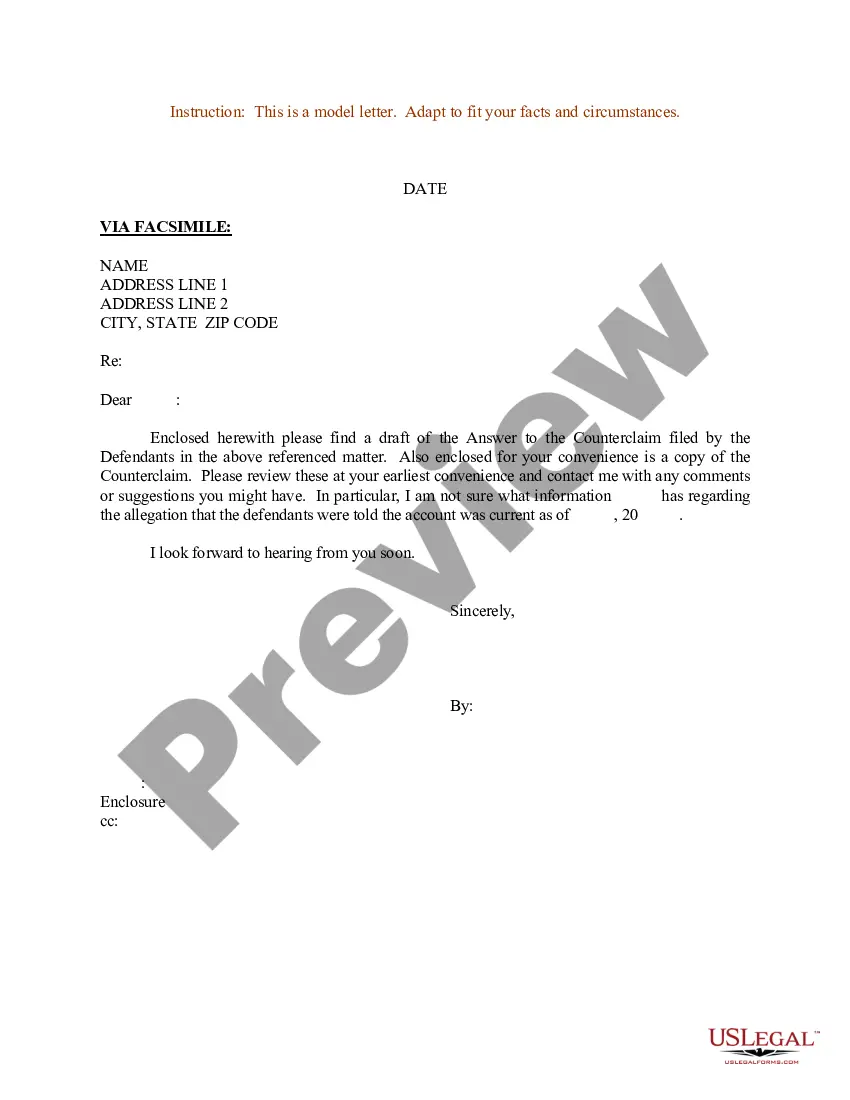
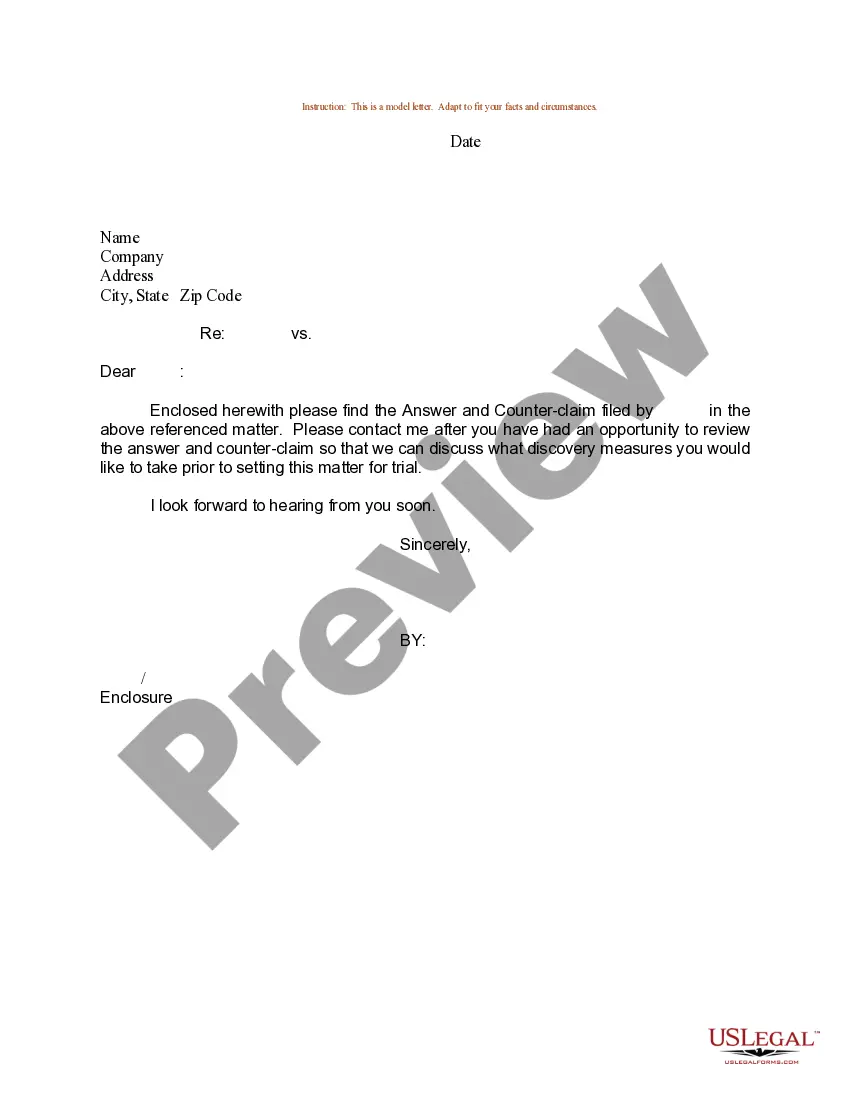
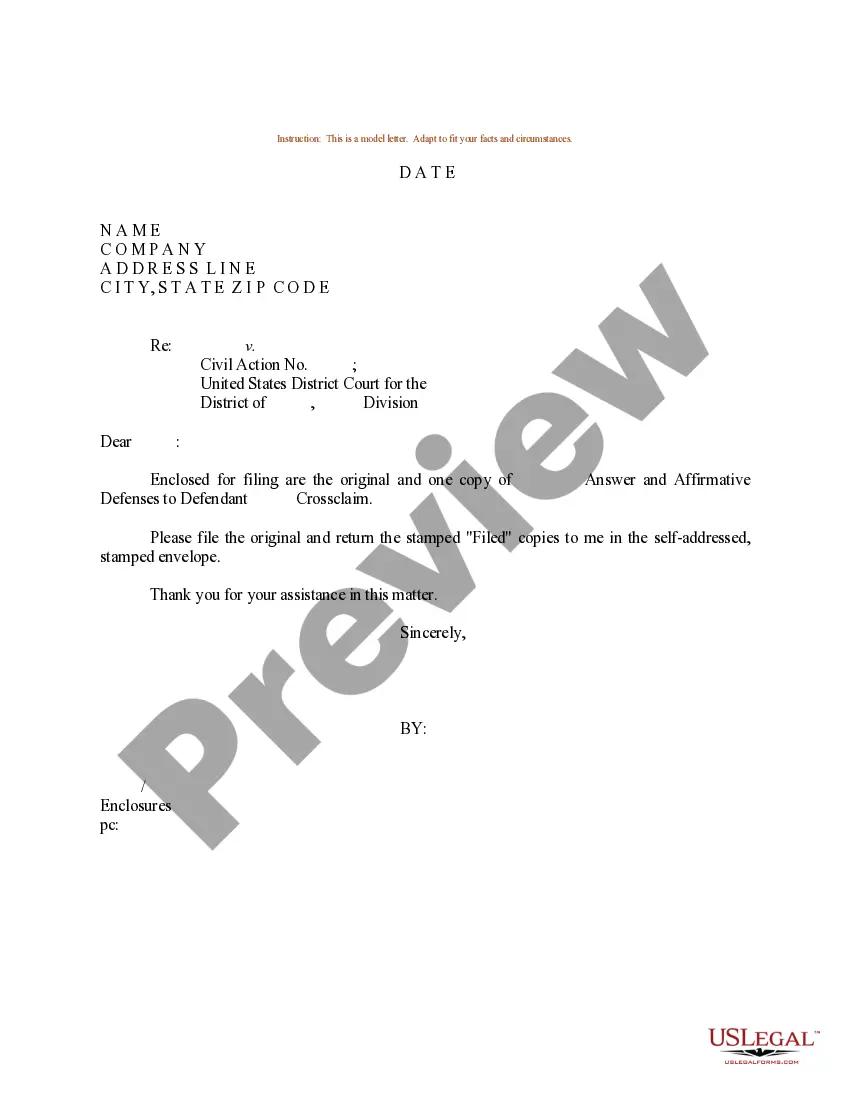
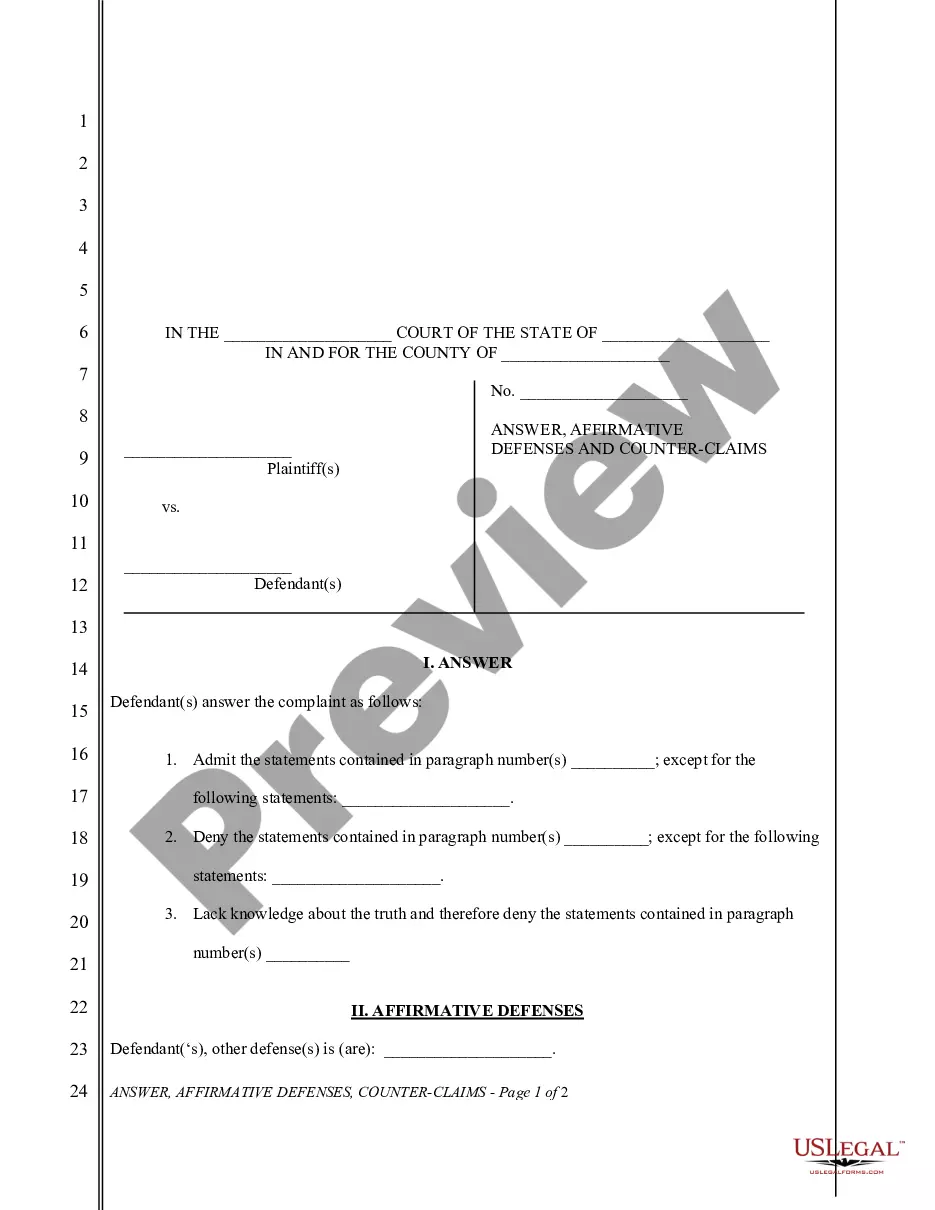
New Hampshire Sample Letter regarding Answer, Affirmative Defenses, and Counterclaim
Description
Get your form ready online
Our built-in tools help you complete, sign, share, and store your documents in one place.
Make edits, fill in missing information, and update formatting in US Legal Forms—just like you would in MS Word.
Download a copy, print it, send it by email, or mail it via USPS—whatever works best for your next step.
Sign and collect signatures with our SignNow integration. Send to multiple recipients, set reminders, and more. Go Premium to unlock E-Sign.
If this form requires notarization, complete it online through a secure video call—no need to meet a notary in person or wait for an appointment.
We protect your documents and personal data by following strict security and privacy standards.

Make edits, fill in missing information, and update formatting in US Legal Forms—just like you would in MS Word.

Download a copy, print it, send it by email, or mail it via USPS—whatever works best for your next step.

Sign and collect signatures with our SignNow integration. Send to multiple recipients, set reminders, and more. Go Premium to unlock E-Sign.

If this form requires notarization, complete it online through a secure video call—no need to meet a notary in person or wait for an appointment.

We protect your documents and personal data by following strict security and privacy standards.
Looking for another form?




How to fill out Sample Letter Regarding Answer, Affirmative Defenses, And Counterclaim?
You can spend time online trying to find the legal document template that satisfies the state and federal criteria you will require.
US Legal Forms offers thousands of legal forms that can be reviewed by professionals.
You can download or print the New Hampshire Sample Letter regarding Answer, Affirmative Defenses, and Counterclaim from the service.
If available, utilize the Review button to look through the document template as well. To obtain another version of the form, use the Search field to find the template that fits your needs and requirements. Once you have found the template you want, click Purchase now to proceed. Select the pricing plan you desire, enter your credentials, and create your account on US Legal Forms. Complete the transaction. You may use your credit card or PayPal account to pay for the legal form. Choose the format of the document and download it to your device. Make changes to your document if necessary. You can complete, modify, and sign and print the New Hampshire Sample Letter regarding Answer, Affirmative Defenses, and Counterclaim. Download and print thousands of document templates using the US Legal Forms website, which provides the largest selection of legal forms. Utilize professional and state-specific templates to address your business or personal needs.
- If you already have a US Legal Forms account, you can Log In and click the Obtain button.
- After that, you can complete, modify, print, or sign the New Hampshire Sample Letter regarding Answer, Affirmative Defenses, and Counterclaim.
- Each legal document template you obtain is yours forever.
- To obtain another copy of any acquired form, go to the My documents tab and click the relevant button.
- If you are using the US Legal Forms website for the first time, follow the simple instructions below.
- First, ensure that you have selected the correct document template for your state/city of choice.
- Check the form description to make sure you have chosen the right form.
Form popularity
FAQ
"An affirmative defense is a justification for the defendant having committed the accused crime. It differs from other defenses because the defendant admits that he did, in fact, break the law.
In law, an answer refers to a defendant's first formal written statement to a plaintiff's initial petition or complaint. This opening written statement will admit or deny the allegations, or demand more information about the claims of wrongdoing.
Depositions. (a) A party may take as many depositions as necessary to adequately prepare a case for trial so long as the combined total of deposition hours does not exceed 20 unless otherwise stipulated by counsel or ordered by the court for good cause shown.
On a separate page or pages, write a short and plain statement of the answer to the allegations in the complaint. Number the paragraphs. The answer should correspond to each paragraph in the complaint, with paragraph 1 of the answer corresponding to paragraph 1 of the complaint, etc.
Affirmative defense?Examples On [Date], after making the contract and the alleged breach, and before this action was commenced, defendant paid to the plaintiff the sum of [specify amount], which was accepted by the plaintiff in full satisfaction and discharge of the damages claimed in the petition.
Typically, a defendant will respond to a complaint one of two ways: by filing a motion to dismiss or an answer, sometimes including affirmative defenses, counter-claims, cross-claims and/or third party claims as part of the answer.
For each paragraph in the complaint, state whether: the defendant admits the allegations in that paragraph; denies the allegations; lacks sufficient knowledge to admit or deny the allegations; or admits certain allegations but denies, or lacks sufficient knowledge to admit or deny, the rest.
If the allegations in the paragraph are not true, write: Defendant denies each and every allegation contained in paragraph 2 of the complaint. If the paragraph contains some allegations that are true and other allegations that are not, specify in your answer which parts of the paragraph are true and which are not.