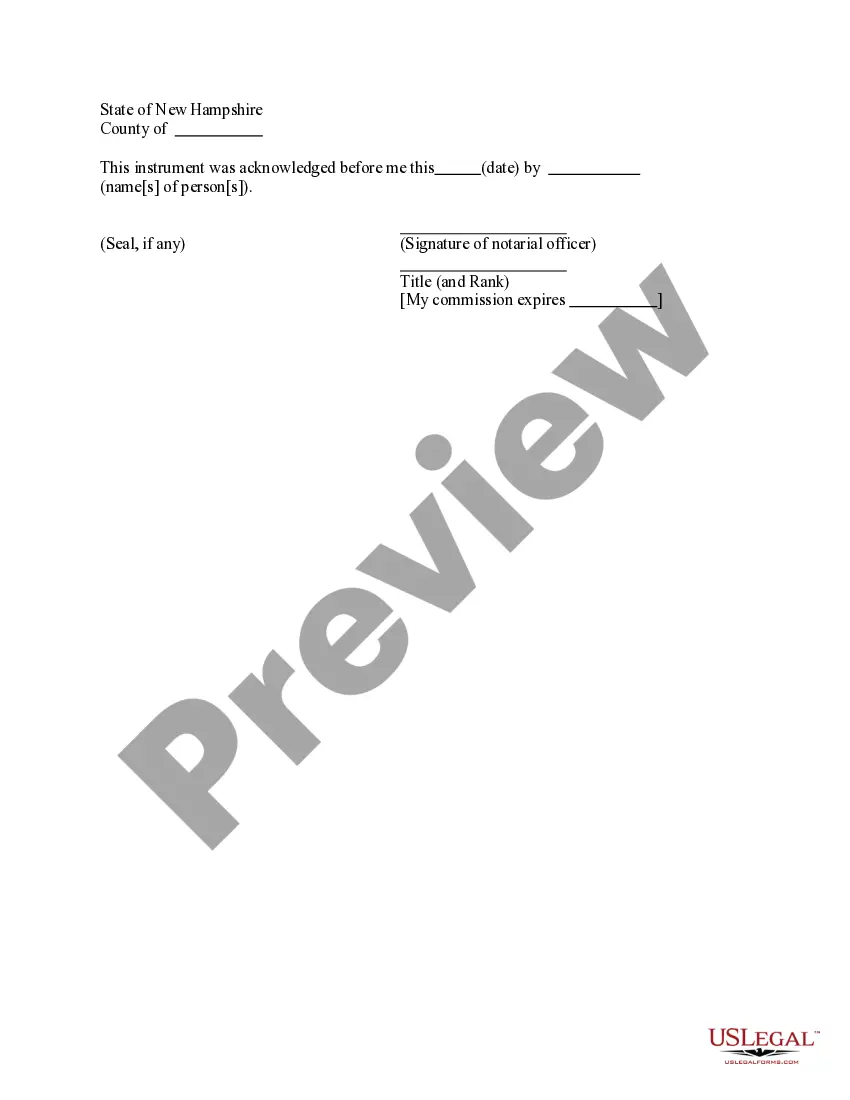
New Hampshire Acknowledgment for an individual
What is this form?
The Acknowledgment for an Individual form is a legal document used to confirm the authenticity of a signature provided by an individual in the presence of a notary. This form serves a crucial role in ensuring that the signing party is willingly entering into an agreement or acknowledging a particular fact. Unlike other acknowledgment forms that may cater to more complex situations, this form is straightforward and specifically tailored for individual acknowledgments, providing clarity and security for both parties involved.
Key components of this form
- Identifying information of the individual acknowledging the signature.
- Details indicating the date when the acknowledgment takes place.
- Signature section for both the individual and the notary public.
- Any necessary seals or stamps that substantiate the notarial act.
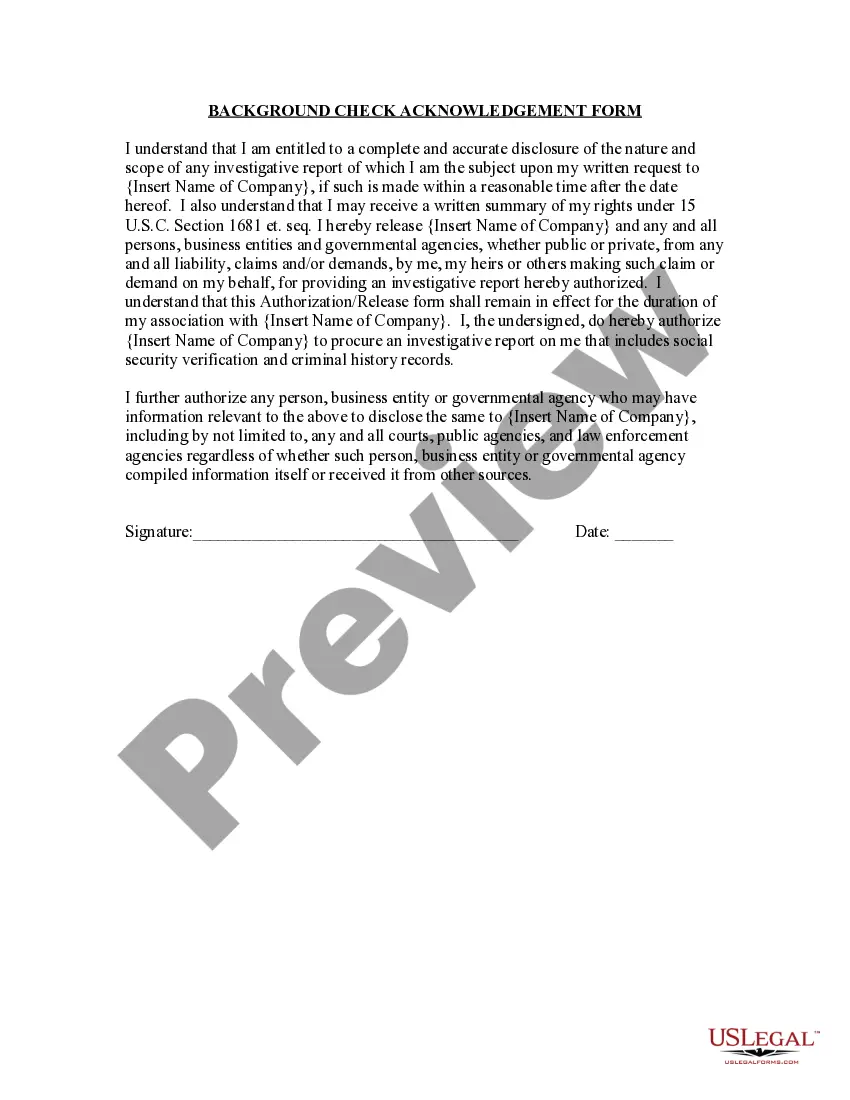
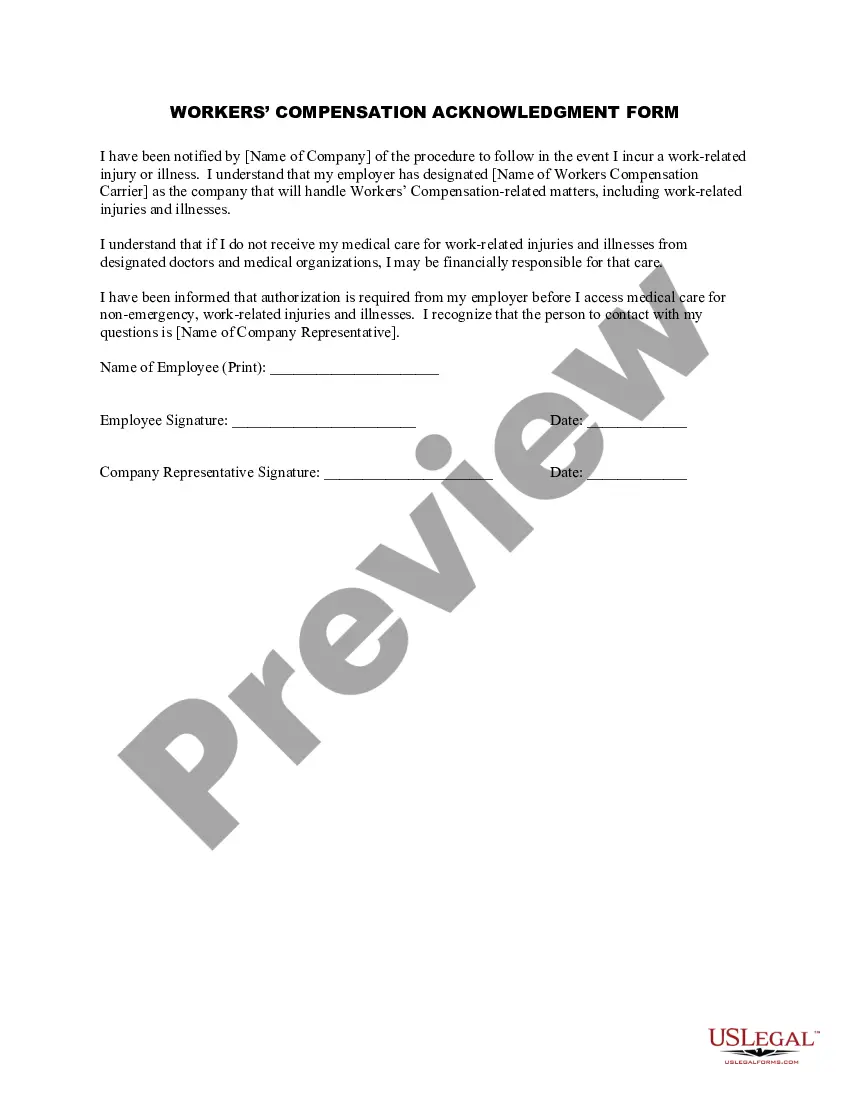
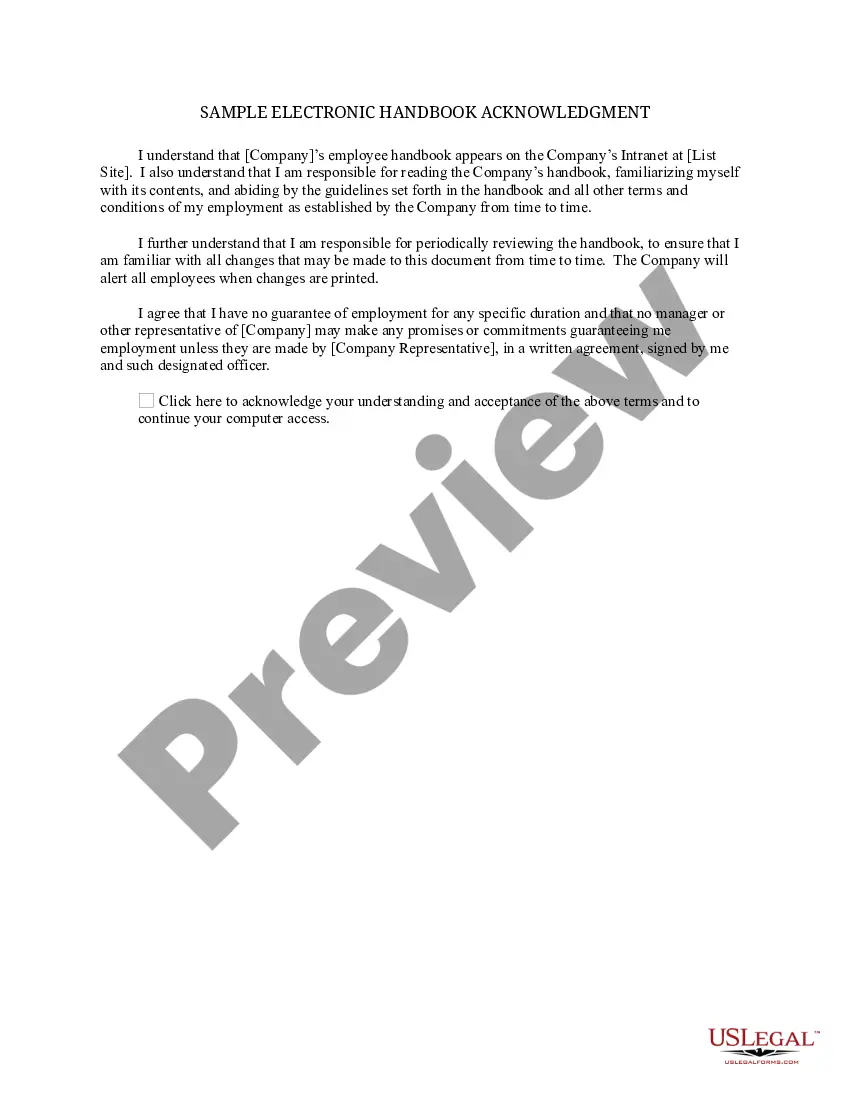
When to use this form
This form should be used in situations where an individual needs to formally acknowledge their signature on a document, often during real estate transactions, legal agreements, or other formal agreements. It ensures that the individual is present and verifies their identity when consenting to the terms laid out in the document. This is particularly important for preventing fraud and confirming that the signatory's intentions are clear.
Who should use this form
- Individuals entering into legal agreements or contracts.
- Anyone needing to provide evidence of their acknowledgment of a document in front of a notary.
- Parties involved in real estate transactions requiring a notarized signature.
- Legal professionals assisting clients with document validation.
Instructions for completing this form
- Identify the parties involved by entering their full names.
- Specify the date on which the acknowledgment is taking place.
- Have the individual sign the form in the designated area.
- Present the form to the notary public for acknowledgment and signature.
- Ensure that the notary public adds their seal and any necessary information related to their commission.
Does this form need to be notarized?
This form must be notarized to be legally valid. US Legal Forms provides secure online notarization powered by Notarize, allowing you to complete the process through a verified video call.
Get your form ready online
Our built-in tools help you complete, sign, share, and store your documents in one place.
Make edits, fill in missing information, and update formatting in US Legal Forms—just like you would in MS Word.
Download a copy, print it, send it by email, or mail it via USPS—whatever works best for your next step.
Sign and collect signatures with our SignNow integration. Send to multiple recipients, set reminders, and more. Go Premium to unlock E-Sign.
If this form requires notarization, complete it online through a secure video call—no need to meet a notary in person or wait for an appointment.
We protect your documents and personal data by following strict security and privacy standards.

Make edits, fill in missing information, and update formatting in US Legal Forms—just like you would in MS Word.

Download a copy, print it, send it by email, or mail it via USPS—whatever works best for your next step.

Sign and collect signatures with our SignNow integration. Send to multiple recipients, set reminders, and more. Go Premium to unlock E-Sign.

If this form requires notarization, complete it online through a secure video call—no need to meet a notary in person or wait for an appointment.

We protect your documents and personal data by following strict security and privacy standards.
Mistakes to watch out for
- Failing to sign the form, which invalidates the acknowledgment.
- Not including the date of signature, leading to potential disputes.
- Using an incorrect or outdated version of the form.
- Forgetting to obtain the notary's signature and seal.
Benefits of completing this form online
- Immediate access to legal templates crafted by licensed attorneys, ensuring accuracy.
- Convenience of downloading and editing the form from home.
- Clear instructions and guidance available for completing the document correctly.
- Quick turnaround with no need to visit a lawyer's office in person.
Looking for another form?
Form popularity
FAQ
An acknowledgment is a formal declaration before an authorized official such as a notary, by a person who has signed a document, that the document is his or her act. Acknowledgments are governed by the Uniform Acknowledgment Act. The person acknowledging the document must personally appear before the notary.
Unlike jurats, an acknowledgment does not need to be signed in the presence of a notary. However, the affiant does need to swear or affirm that they signed under their own free will.
This is a form that shows that a notary public has established the identity of the signer(s) and witnessed the signature of a document. It only demonstrates that the document has been signed and does not make any claims about the information in the document.
The Individual Acknowledgment certificate is used when an individual is signing and acknowledging on his or her own behalf.
What Is An Acknowledgment? The purpose of an acknowledgment is for a signer, whose identity has been verified, to declare to a Notary or notarial officer that he or she has willingly signed a document.The signer may either sign the document before appearing before you, or in your presence.
Step 1: Require Personal Appearance. Almost every state requires the signer to personally appear before you during the notarization. Step 2: Check Over The Document. Step 3: Carefully Identify The Signer. Step 4: Record Your Journal Entry. Step 5: Complete The Notarial Certificate.
Stelk, known to me to be the person nained in and who executed the above Mutual Release and Settlement Agreement, and he acknowledged to me that he executed the same as his free act and deed.
A notary public who has a direct or indirect financial (or other beneficial) interest in a document may not notarize such a document. The better practice is not to notarize for a spouse or family member in order to preserve the integrity of the notarization and to prevent a challenge to the notarization.
What Is An Acknowledgment? The purpose of an acknowledgment is for a signer, whose identity has been verified, to declare to a Notary or notarial officer that he or she has willingly signed a document.The signer may either sign the document before appearing before you, or in your presence.