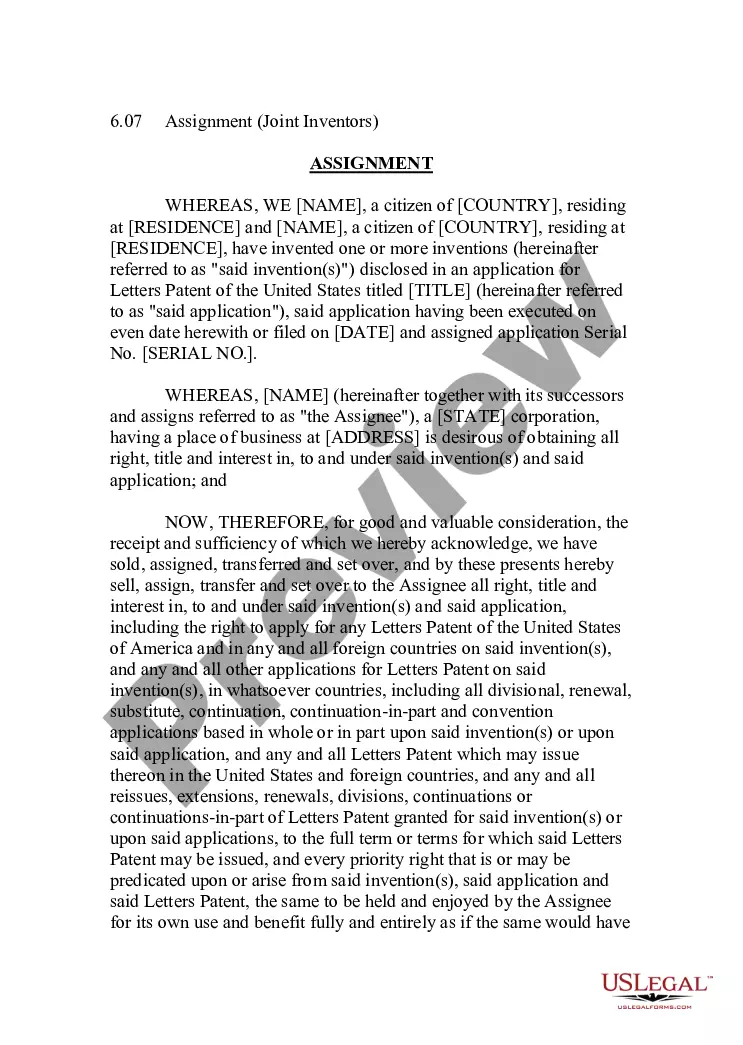
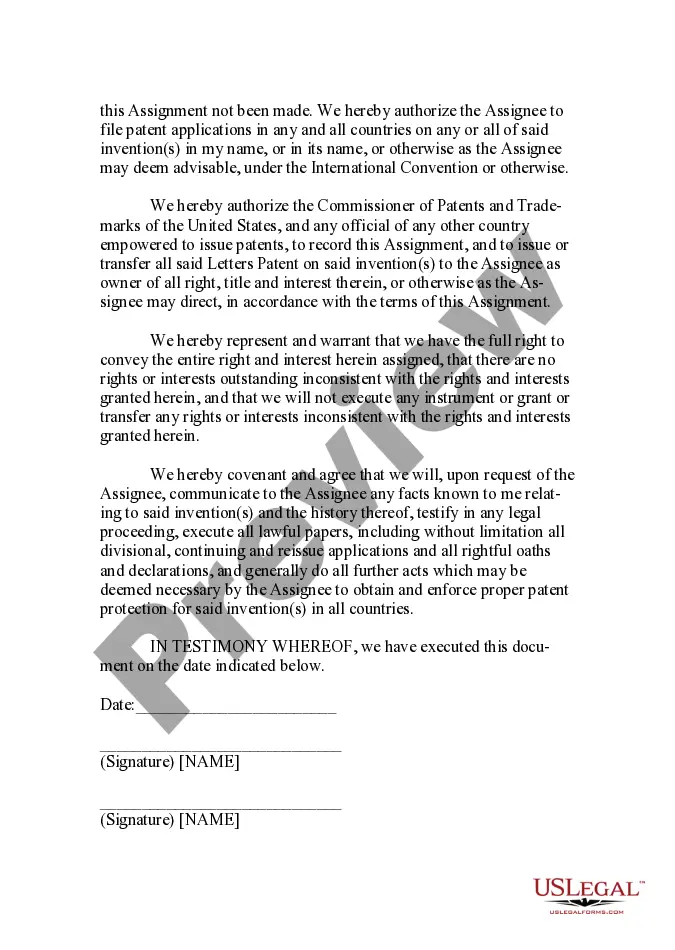
Nebraska Assignment - Joint Inventors
Description
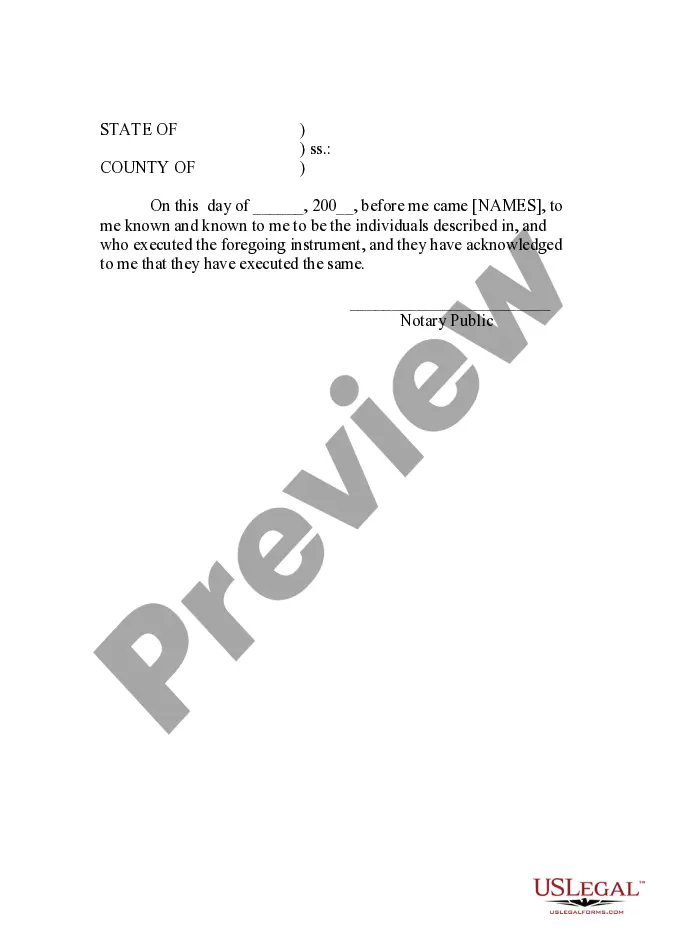

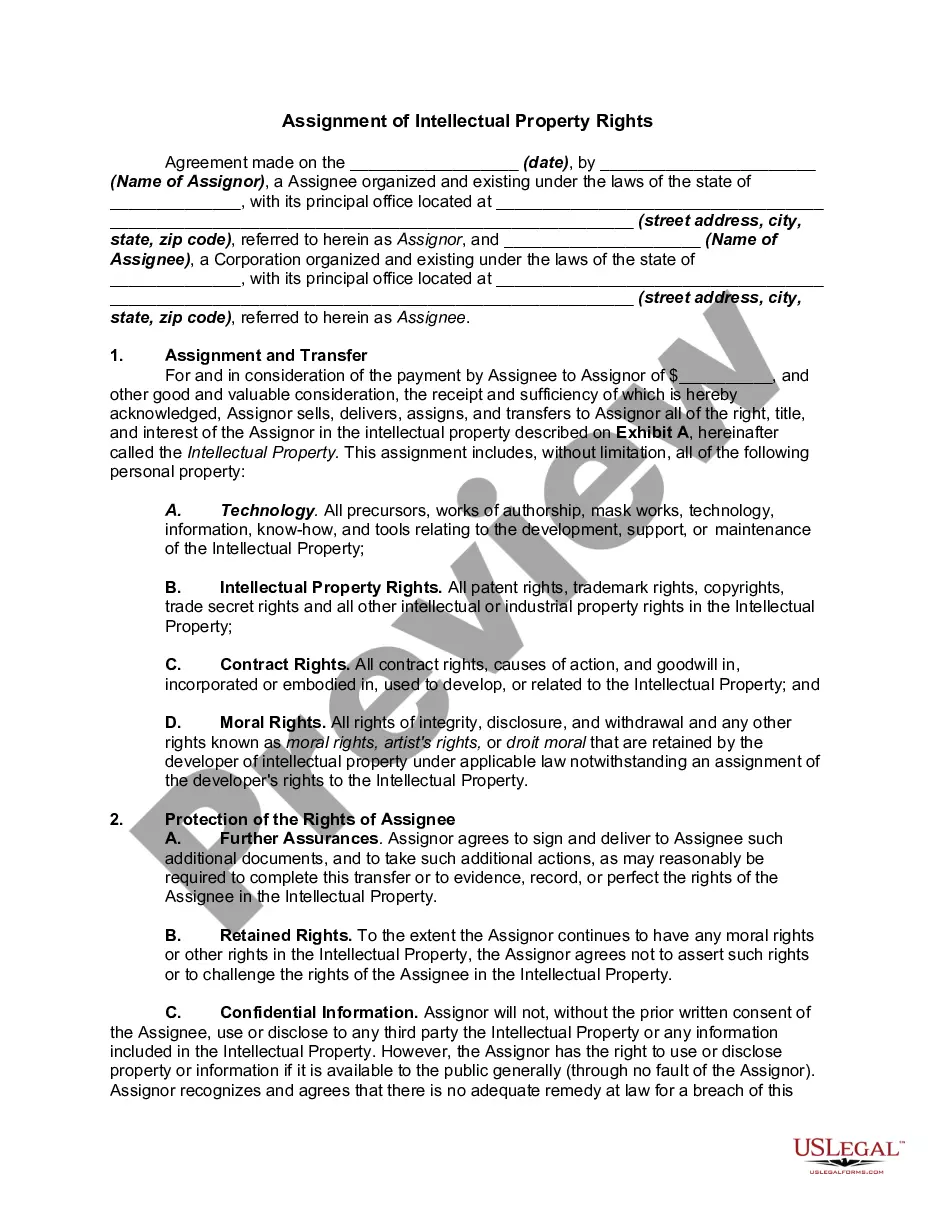
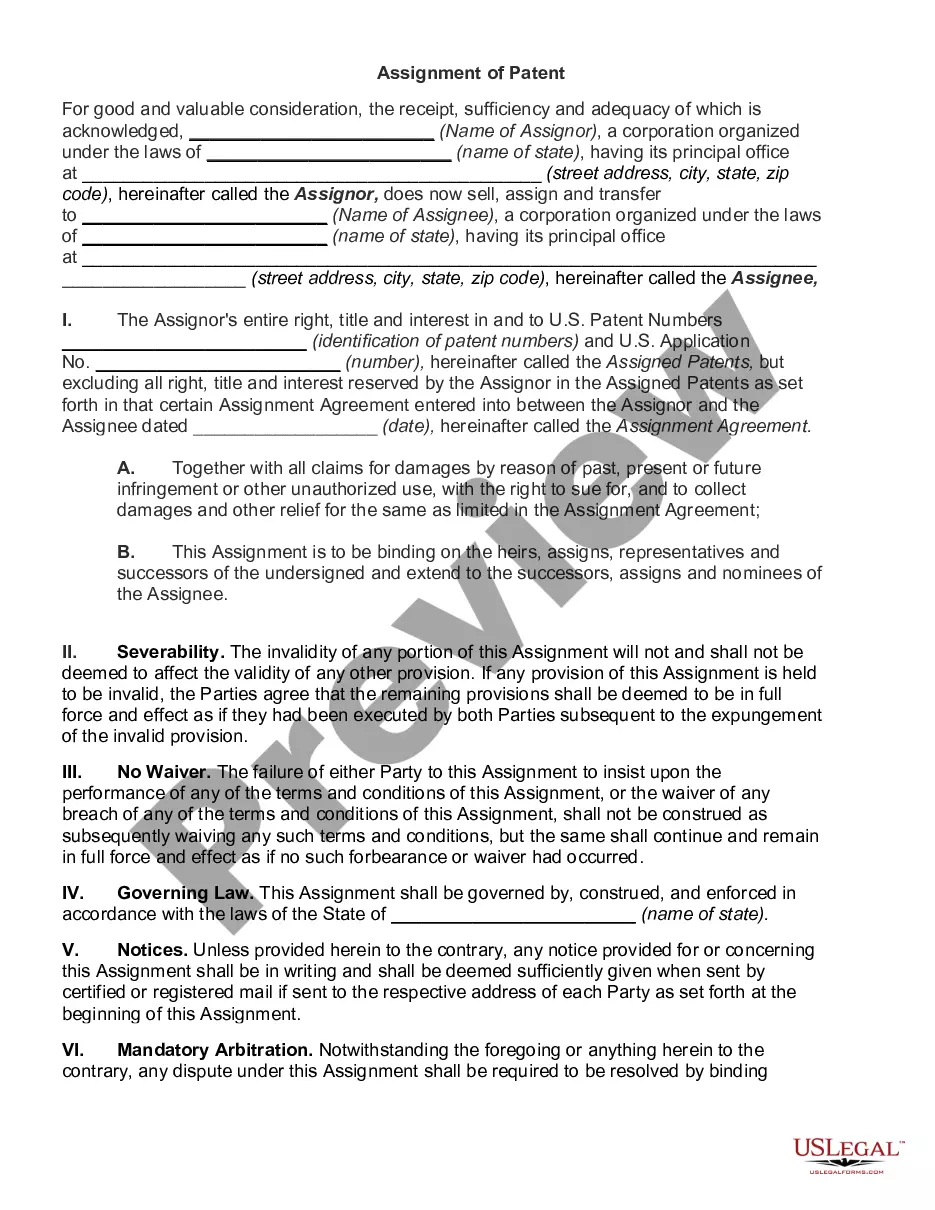
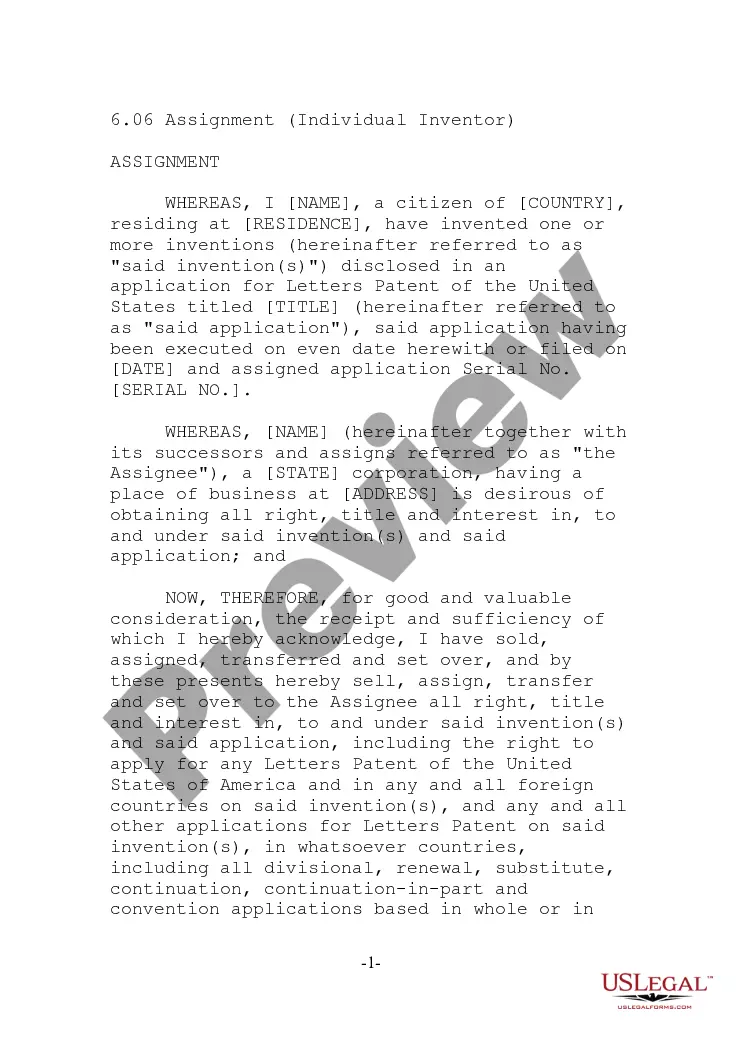
Get your form ready online
Our built-in tools help you complete, sign, share, and store your documents in one place.
Make edits, fill in missing information, and update formatting in US Legal Forms—just like you would in MS Word.
Download a copy, print it, send it by email, or mail it via USPS—whatever works best for your next step.
Sign and collect signatures with our SignNow integration. Send to multiple recipients, set reminders, and more. Go Premium to unlock E-Sign.
If this form requires notarization, complete it online through a secure video call—no need to meet a notary in person or wait for an appointment.
We protect your documents and personal data by following strict security and privacy standards.

Make edits, fill in missing information, and update formatting in US Legal Forms—just like you would in MS Word.

Download a copy, print it, send it by email, or mail it via USPS—whatever works best for your next step.

Sign and collect signatures with our SignNow integration. Send to multiple recipients, set reminders, and more. Go Premium to unlock E-Sign.

If this form requires notarization, complete it online through a secure video call—no need to meet a notary in person or wait for an appointment.

We protect your documents and personal data by following strict security and privacy standards.
Looking for another form?





How to fill out Assignment - Joint Inventors?
Discovering the right legal document format can be a have difficulties. Of course, there are tons of themes available online, but how will you get the legal type you want? Take advantage of the US Legal Forms web site. The services provides a large number of themes, including the Nebraska Assignment - Joint Inventors, that you can use for enterprise and personal demands. Each of the forms are examined by pros and satisfy state and federal specifications.
In case you are already registered, log in to the accounts and click the Down load option to have the Nebraska Assignment - Joint Inventors. Utilize your accounts to check from the legal forms you possess acquired in the past. Go to the My Forms tab of your respective accounts and get yet another version from the document you want.
In case you are a whole new consumer of US Legal Forms, allow me to share basic guidelines for you to adhere to:
- Initial, make sure you have chosen the proper type to your city/region. You may check out the shape making use of the Review option and read the shape outline to ensure this is basically the right one for you.
- When the type is not going to satisfy your needs, make use of the Seach industry to find the proper type.
- Once you are sure that the shape would work, click on the Purchase now option to have the type.
- Pick the rates program you would like and enter the needed information. Make your accounts and pay for your order making use of your PayPal accounts or charge card.
- Choose the file file format and obtain the legal document format to the device.
- Comprehensive, change and print out and signal the obtained Nebraska Assignment - Joint Inventors.
US Legal Forms may be the biggest catalogue of legal forms in which you can discover different document themes. Take advantage of the service to obtain expertly-manufactured papers that adhere to status specifications.
Form popularity
FAQ
An inventor is: A person who conceives the subject matter of at least one claim of the patent. Two or more persons who collaborate to produce the invention through aggregate efforts.
While the inventor who first created the invention historically received priority in the U.S. system, the America Invents Act changed this rule in 2013. Now, the applicant who first files their patent application receives priority.
An oath or declaration must: (1) identify the inventor or joint inventor executing the oath or declaration by their legal name; (2) identify the application to which it is directed; (3) include a statement the person executing the oath or declaration believes the named inventor or joint inventors to be the original ...
Inventorship identifies the creator of an invention whereas ownership recognises the right to possess that invention, namely a proprietary right that prevent others from using their IP. Moreover, the inventor is not necessarily the author.
Who is not an inventor? An individual who was involved in the reduction to practice of an invention, but not the conception, is not an inventor. A department head or dean who did not have any direct role in the making of the invention is not an inventor.
Legally, an inventor is anyone who has contributed to the conception (not the realization) of what is claimed as the invention you wish to protect. So, if an employee conceived of Feature 4, but you only wish to Patent Features 1-3 and 5, the inventor does not need to be listed in the patent application.
A person who shares in the conception of a claimed invention is a joint inventor of that invention.
What's important to understand is that you must include as named inventors anyone who conceived of an invention in any claim ? even dependent claims.