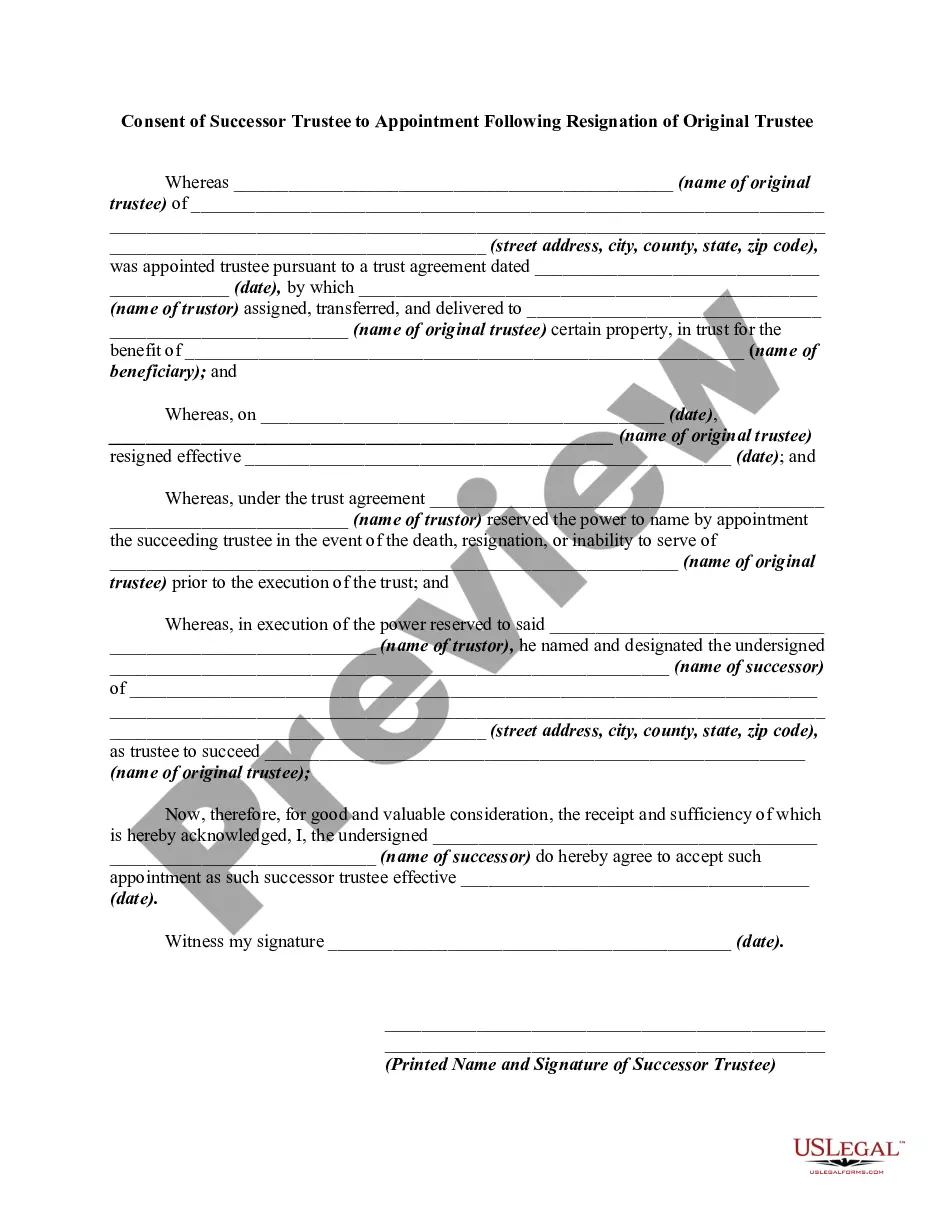
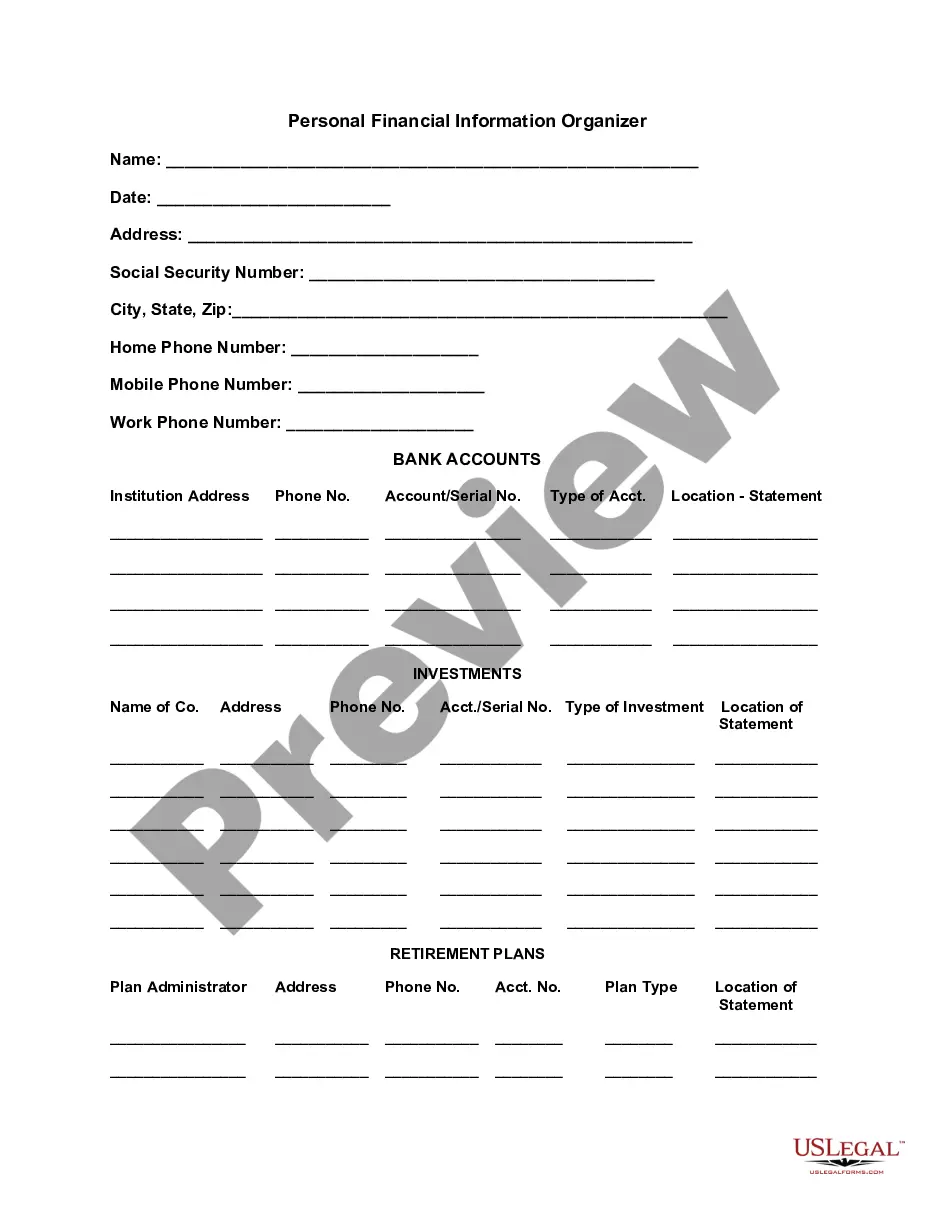
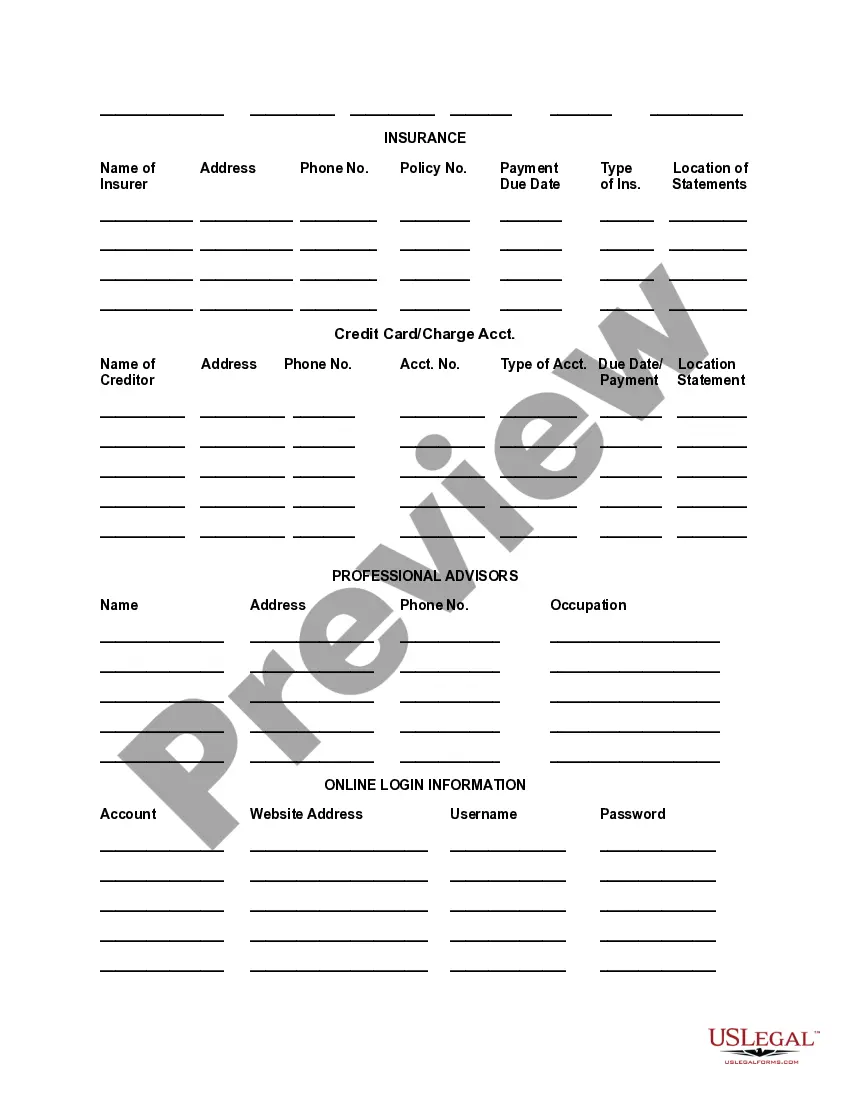
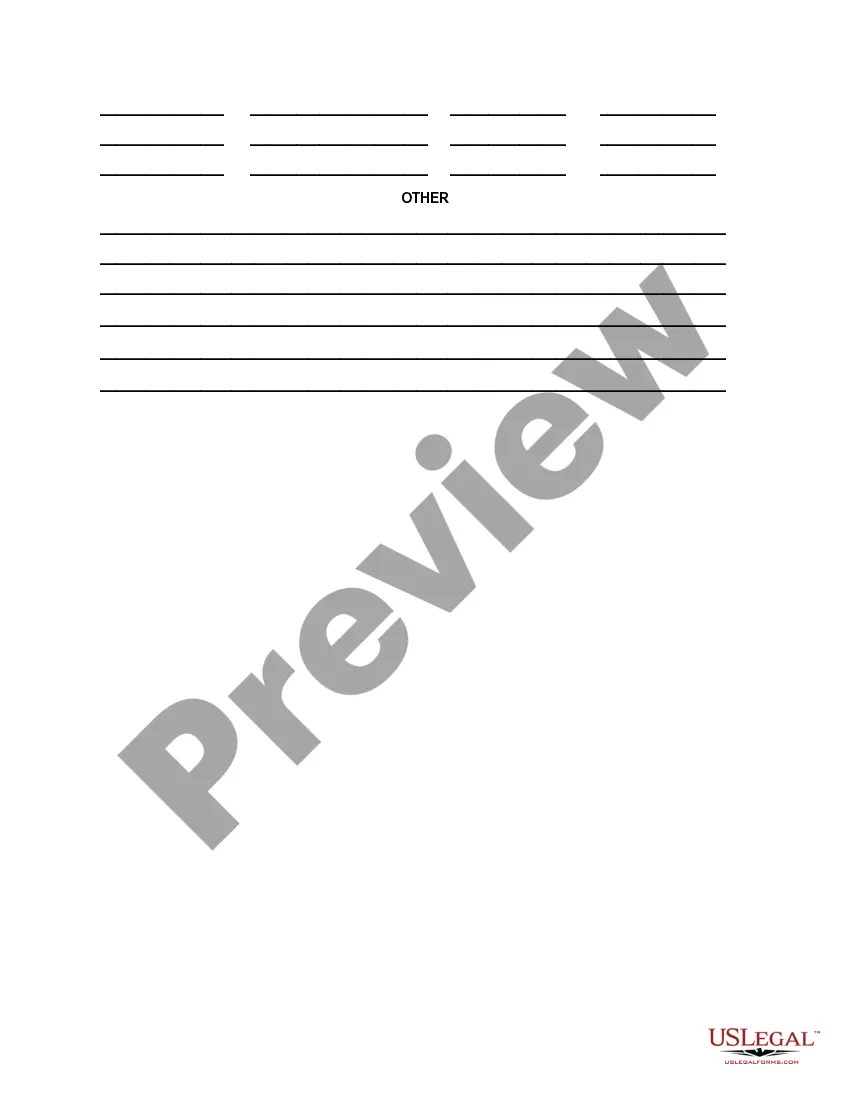
Nebraska Personal Financial Information Organizer
Description
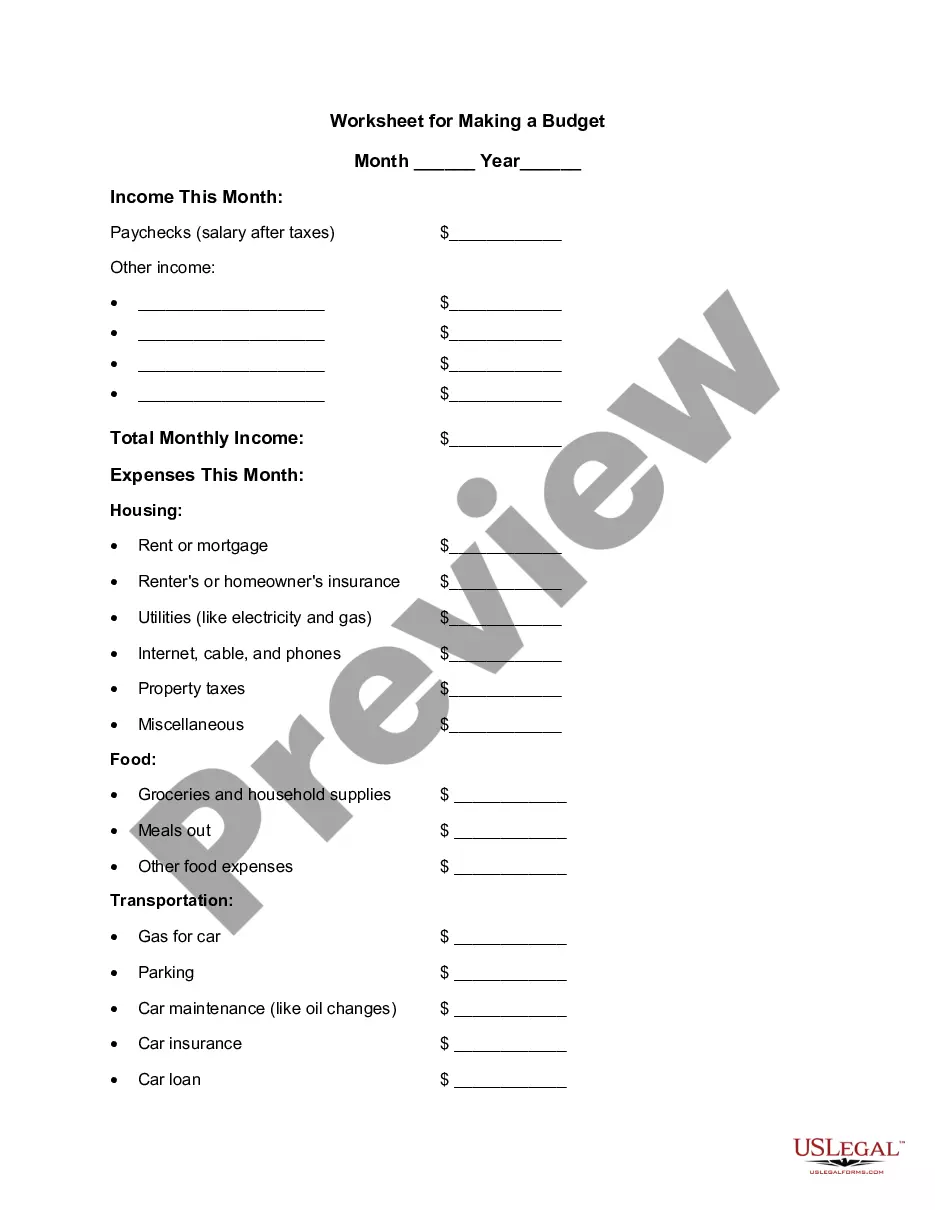
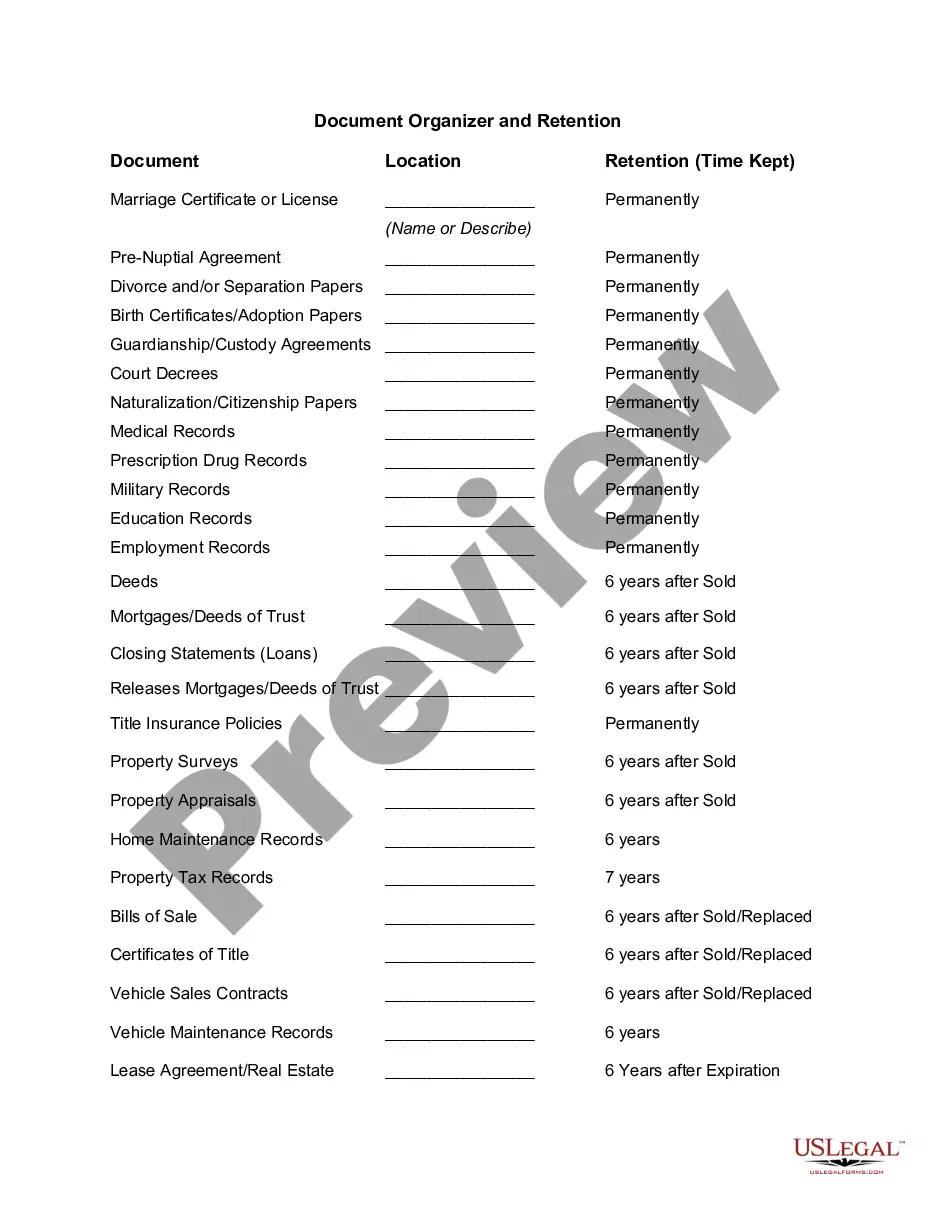
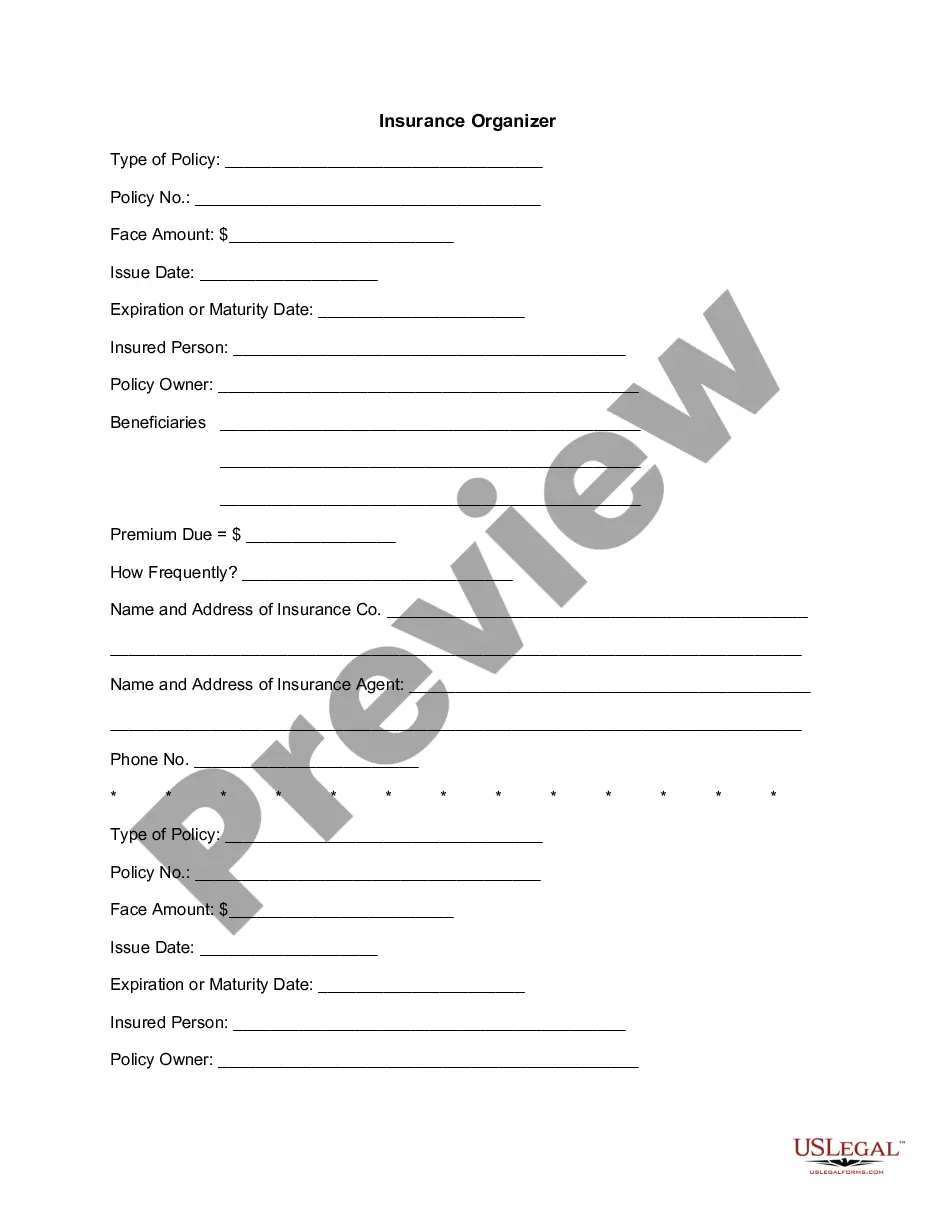
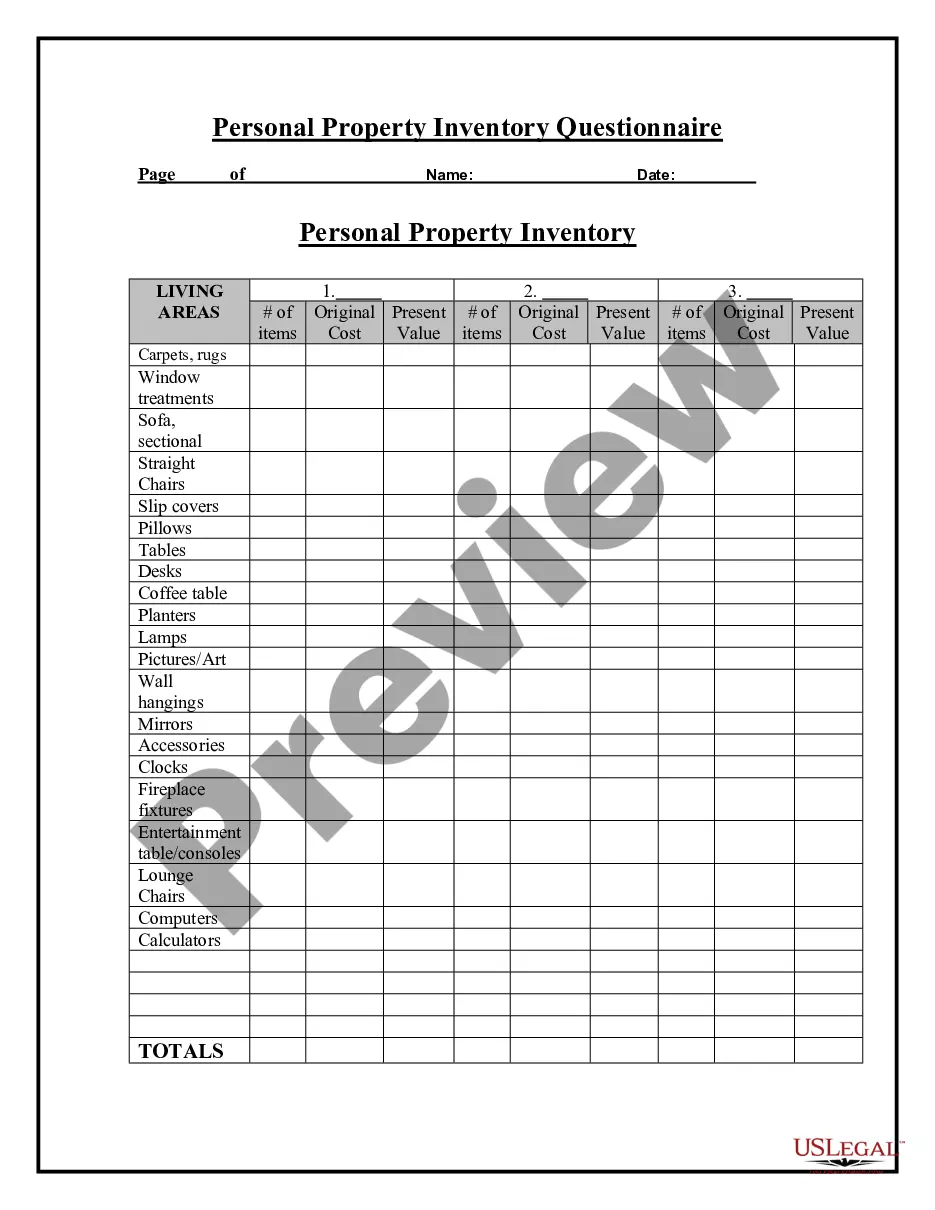
Get your form ready online
Our built-in tools help you complete, sign, share, and store your documents in one place.
Make edits, fill in missing information, and update formatting in US Legal Forms—just like you would in MS Word.
Download a copy, print it, send it by email, or mail it via USPS—whatever works best for your next step.
Sign and collect signatures with our SignNow integration. Send to multiple recipients, set reminders, and more. Go Premium to unlock E-Sign.
If this form requires notarization, complete it online through a secure video call—no need to meet a notary in person or wait for an appointment.
We protect your documents and personal data by following strict security and privacy standards.

Make edits, fill in missing information, and update formatting in US Legal Forms—just like you would in MS Word.

Download a copy, print it, send it by email, or mail it via USPS—whatever works best for your next step.

Sign and collect signatures with our SignNow integration. Send to multiple recipients, set reminders, and more. Go Premium to unlock E-Sign.

If this form requires notarization, complete it online through a secure video call—no need to meet a notary in person or wait for an appointment.

We protect your documents and personal data by following strict security and privacy standards.
Looking for another form?

How to fill out Personal Financial Information Organizer?
Selecting the optimal legal document design could be a challenge.
Of course, there are numerous templates accessible online, but how will you find the legal form you need.
Utilize the US Legal Forms website. The service offers a vast selection of templates, such as the Nebraska Personal Financial Information Organizer, which can be utilized for both business and personal purposes.
You can review the form using the Preview button and read the form description to confirm this is indeed the correct one for you.
- All documents are verified by experts and comply with federal and state regulations.
- If you are already registered, Log In to your account and click the Download button to acquire the Nebraska Personal Financial Information Organizer.
- Use your account to access the legal forms you have previously purchased.
- Visit the My documents section of your account and download another copy of the documents you need.
- If you are a new user of US Legal Forms, here are simple instructions for you to follow.
- First, ensure you have selected the appropriate form for your city/area.
Form popularity
FAQ
How to Organize Your Affairs For The Day AfterGet your legal affairs in order now.Make a list of your assets and liabilities.Check the title of your assets and beneficiary designations.Make a list of your computer passwords and logins.Make a list of the important people to contact on the Day After.More items...?
Organize regular bills and financial statements by the month or by the account (your preference). It is usually easiest to stick with either hanging files or an expanding file. When organizing by account, be sure to arrange documents in chronological order within each file so they are easier to find later on.
Put hard-to-replace documents in a water-tight container and/or fire-safe box. Place these records in a lockable cabinet. Create a folder for receipts and place in an easy-to-reach spot. At the end of every day, organize your receipts, either by date or type of purchase.
You could go the traditional route and use a simple set of labeled folders in a file drawer. More important documents should be kept in a fire-resistant file cabinet, safe, or safe-deposit box. If space is tight and you need to reduce clutter, you might consider electronic storage for some of your financial records.
Organize regular bills and financial statements by the month or by the account (your preference). It is usually easiest to stick with either hanging files or an expanding file. When organizing by account, be sure to arrange documents in chronological order within each file so they are easier to find later on.
You could go the traditional route and use a simple set of labeled folders in a file drawer. More important documents should be kept in a fire-resistant file cabinet, safe, or safe-deposit box. If space is tight and you need to reduce clutter, you might consider electronic storage for some of your financial records.
A personal information form provides the logistical and biographical information of a person and including their contact details and other information like address, education, community, and social activities, and so on.
Put hard-to-replace documents in a water-tight container and/or fire-safe box. Place these records in a lockable cabinet. Create a folder for receipts and place in an easy-to-reach spot. At the end of every day, organize your receipts, either by date or type of purchase.
You could go the traditional route and use a simple set of labeled folders in a file drawer. More important documents should be kept in a fire-resistant file cabinet, safe, or safe-deposit box. If space is tight and you need to reduce clutter, you might consider electronic storage for some of your financial records.
Back up digital documents. Keenan suggests backing up digital docs on a thumb drive or a secured digital card that you can easily remove from your device. Periodically, you should make a copy of that storage and put it somewhere offsite, like a safety deposit box.