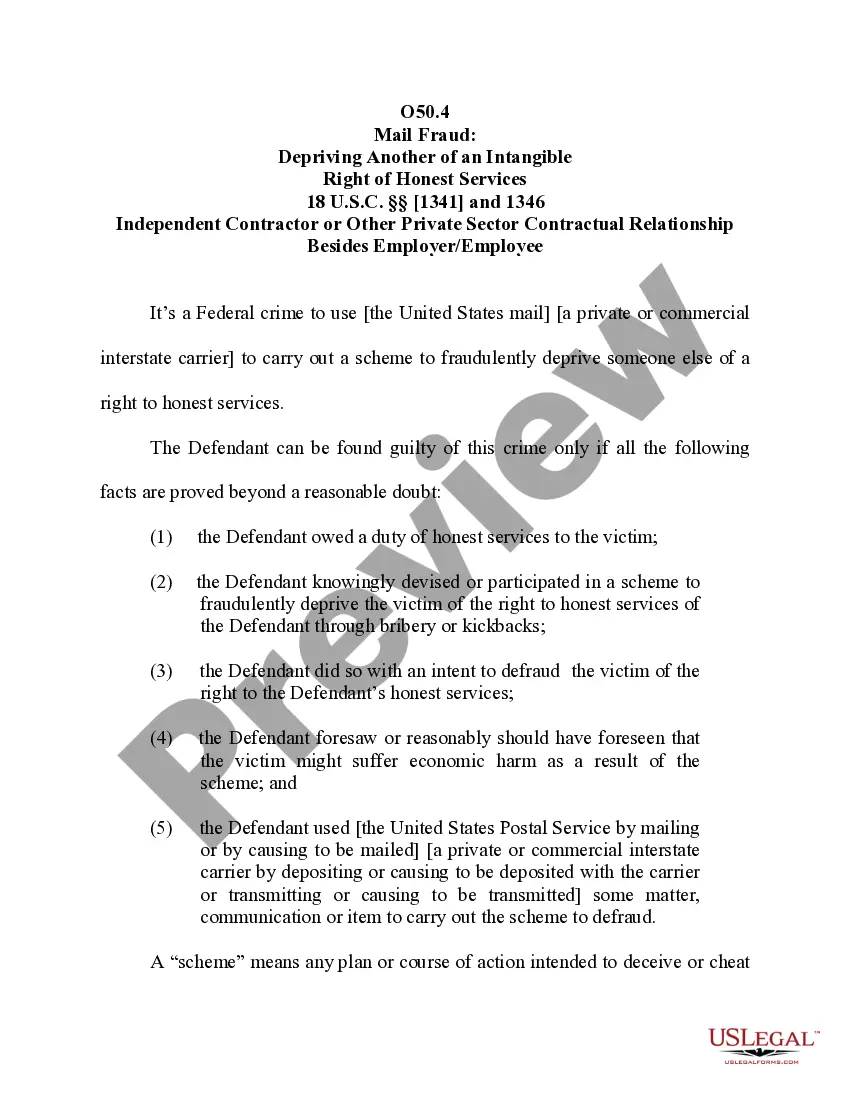
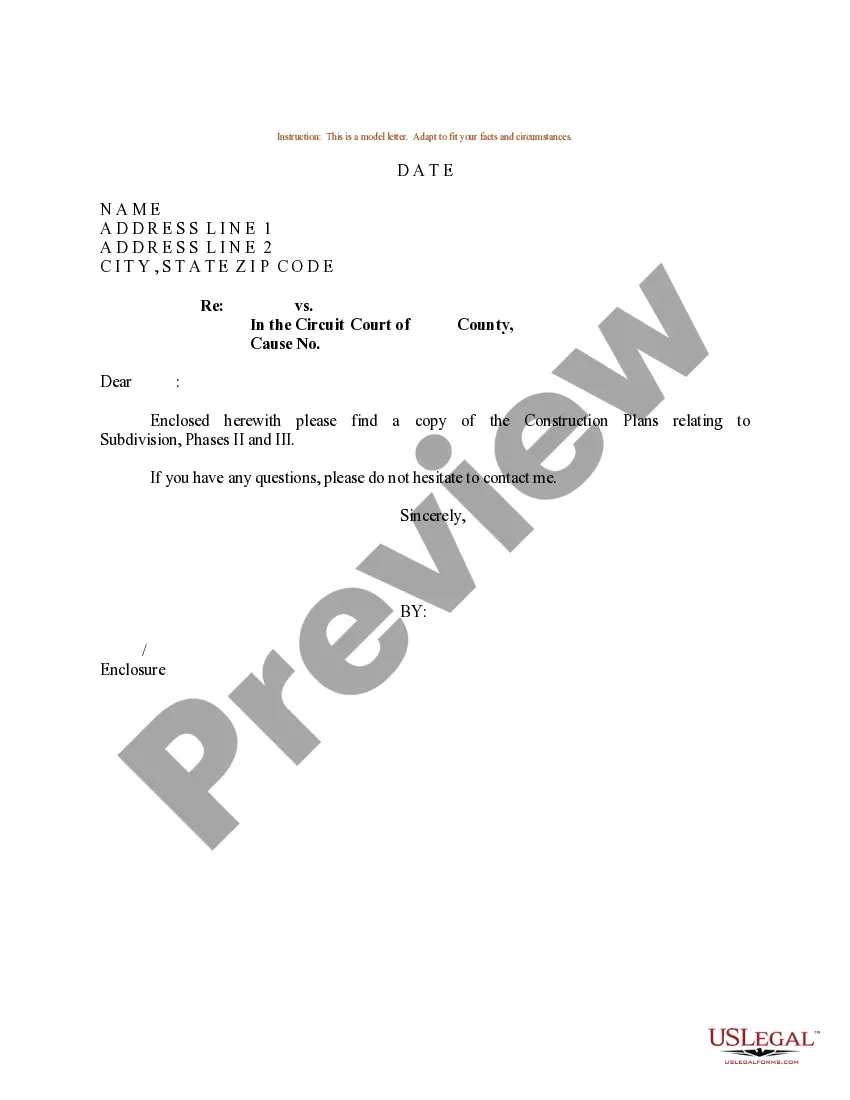
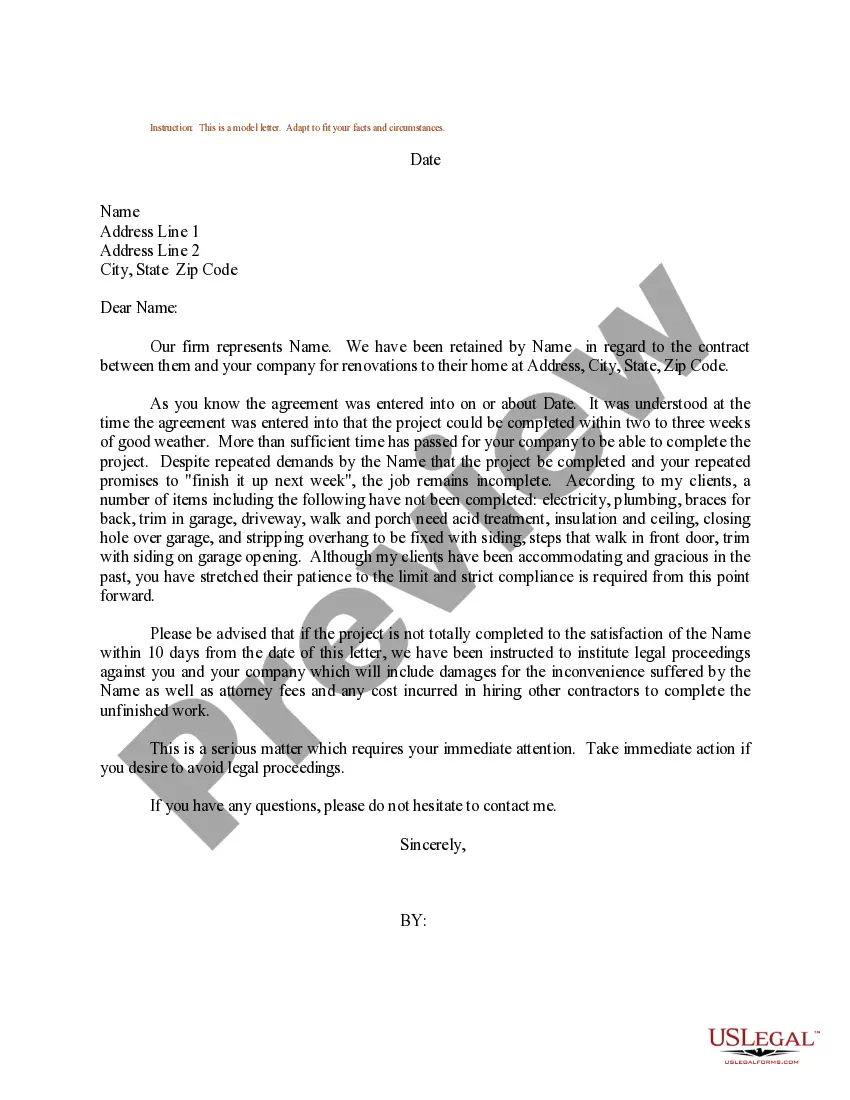
Nebraska Sample Letter for Subdivision Construction
Description

Get your form ready online
Our built-in tools help you complete, sign, share, and store your documents in one place.
Make edits, fill in missing information, and update formatting in US Legal Forms—just like you would in MS Word.
Download a copy, print it, send it by email, or mail it via USPS—whatever works best for your next step.
Sign and collect signatures with our SignNow integration. Send to multiple recipients, set reminders, and more. Go Premium to unlock E-Sign.
If this form requires notarization, complete it online through a secure video call—no need to meet a notary in person or wait for an appointment.
We protect your documents and personal data by following strict security and privacy standards.

Make edits, fill in missing information, and update formatting in US Legal Forms—just like you would in MS Word.

Download a copy, print it, send it by email, or mail it via USPS—whatever works best for your next step.

Sign and collect signatures with our SignNow integration. Send to multiple recipients, set reminders, and more. Go Premium to unlock E-Sign.

If this form requires notarization, complete it online through a secure video call—no need to meet a notary in person or wait for an appointment.

We protect your documents and personal data by following strict security and privacy standards.
Looking for another form?



How to fill out Sample Letter For Subdivision Construction?
You can spend time online looking for the legal document format that meets the federal and state requirements you desire. US Legal Forms offers thousands of legal templates that are reviewed by experts.
You can download or print the Nebraska Sample Letter for Subdivision Construction from this service. If you have a US Legal Forms account, you can sign in and click on the Download button. After that, you can complete, modify, print, or sign the Nebraska Sample Letter for Subdivision Construction.
Every legal document format you acquire belongs to you indefinitely. To obtain another copy of any purchased document, go to the My documents section and click on the corresponding button.
Make changes to the document if necessary. You can complete, modify, sign, and print the Nebraska Sample Letter for Subdivision Construction. Obtain and print thousands of document templates using the US Legal Forms website, which offers the largest selection of legal forms. Utilize professional and state-specific templates to address your business or personal needs.
- If you are using the US Legal Forms website for the first time, follow the simple instructions below.
- First, ensure you have selected the correct document format for the jurisdiction/area of your choice. Review the document description to confirm you have chosen the appropriate form. If available, use the Preview button to look through the document format as well.
- To find another version of the document, utilize the Search field to discover the format that meets your needs and requirements.
- Once you have found the format you want, click on Purchase now to proceed.
- Choose the pricing plan you prefer, enter your credentials, and create an account on US Legal Forms.
- Complete the transaction. You can use your credit card or PayPal account to pay for the legal document.
- Select the format of the document and download it to your device.
Form popularity
FAQ
For many years, Nebraska has been a fence-in state, in which livestock owners are liable for any damages caused by trespassing livestock. This trespass liability created an obligation on the part of livestock owners to restrain the animals, but not a specific requirement that the animals be fenced in.
To subdivide land in Nebraska, the land developer must submit an application to the Real Estate Commission. Once an application has been received, the Commission will provide an estimate of the probable expenses to inspect the property.
What is a Subdivision? ing to Nebraska State Statutes, the creation of any parcel of land 10 acres or less in area is considered a subdivision, and subject to local regulation. Title 26 of Lincoln Municipal Code regulates land subdivision and includes the requirements for subdividing land, also known as platting.
(1) When two vehicles approach or enter an intersection from different roadways at approximately the same time, the driver of the vehicle on the left shall yield the right-of-way to the vehicle on the right.
At four-way stop signs, no driver has a preferred or favored status, and all have a duty to stop followed by a duty to use ordinary care as they proceed through the intersection. Salazar v. Nemec, 253 Neb.