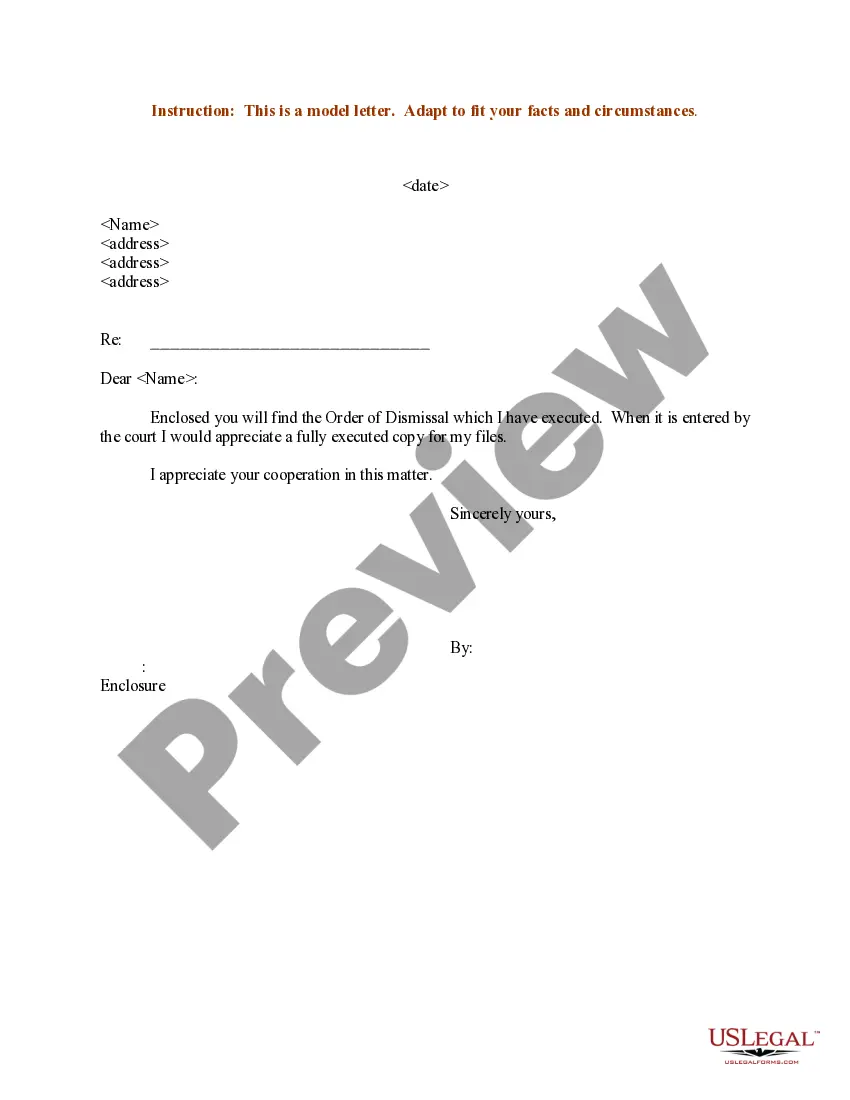
Nebraska Sample Letter for Agreed Order of Dismissal with Prejudice with Envelope
Description
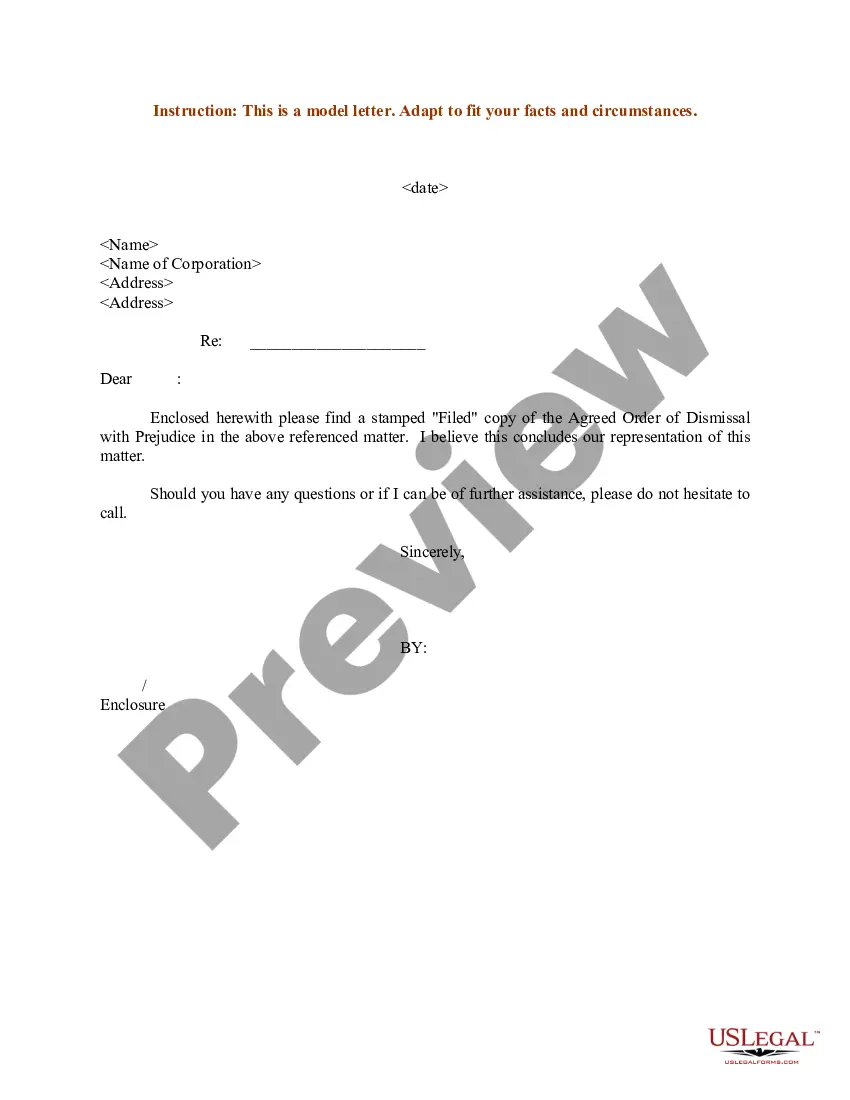


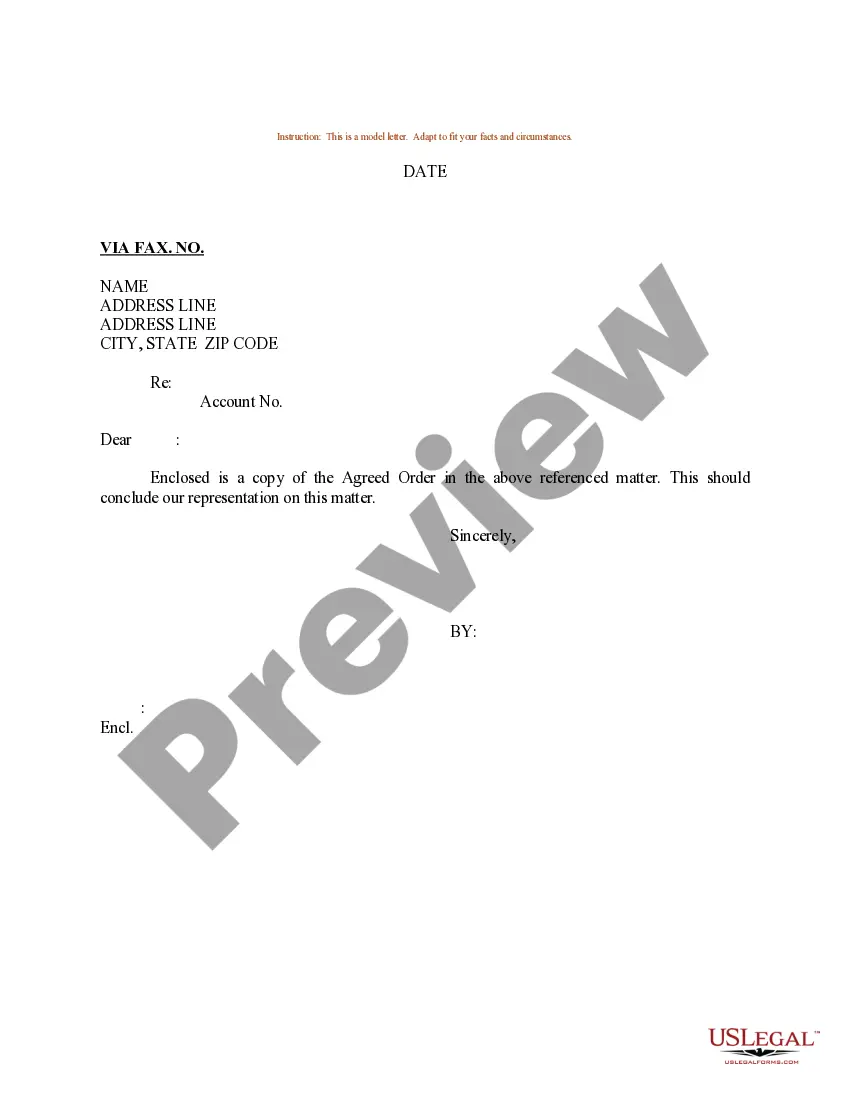
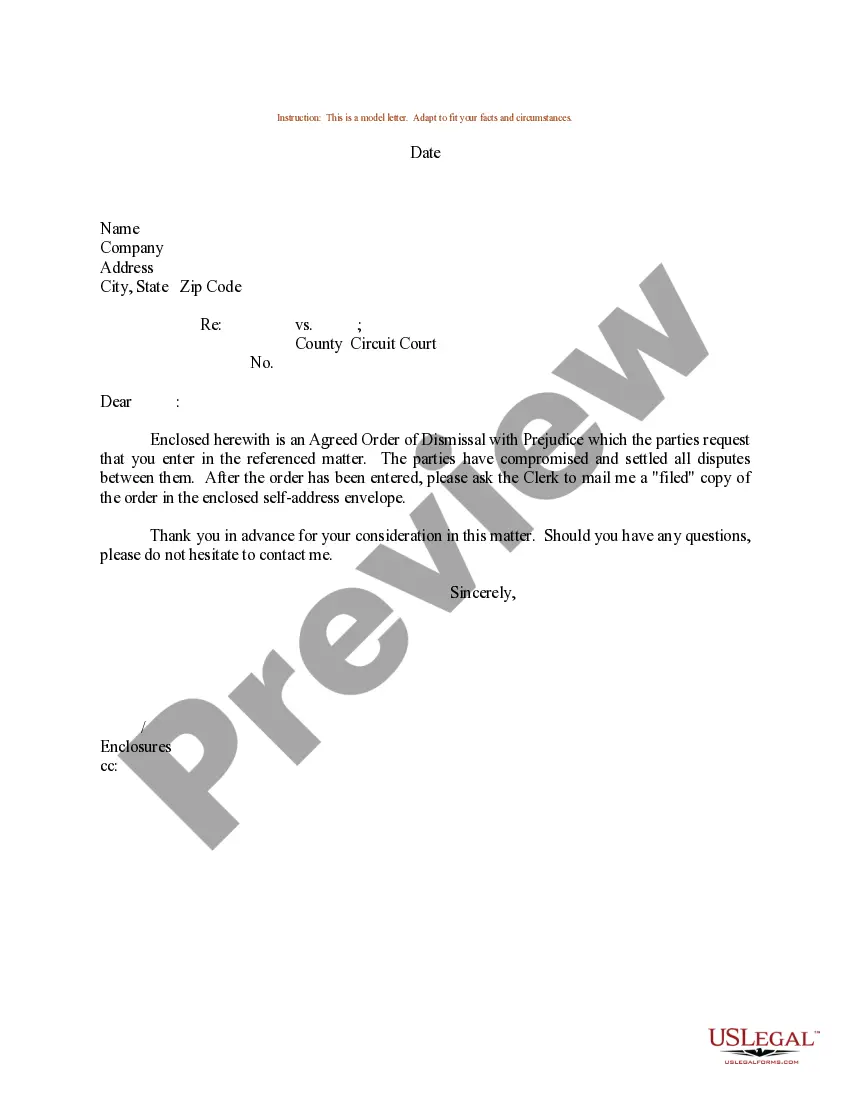

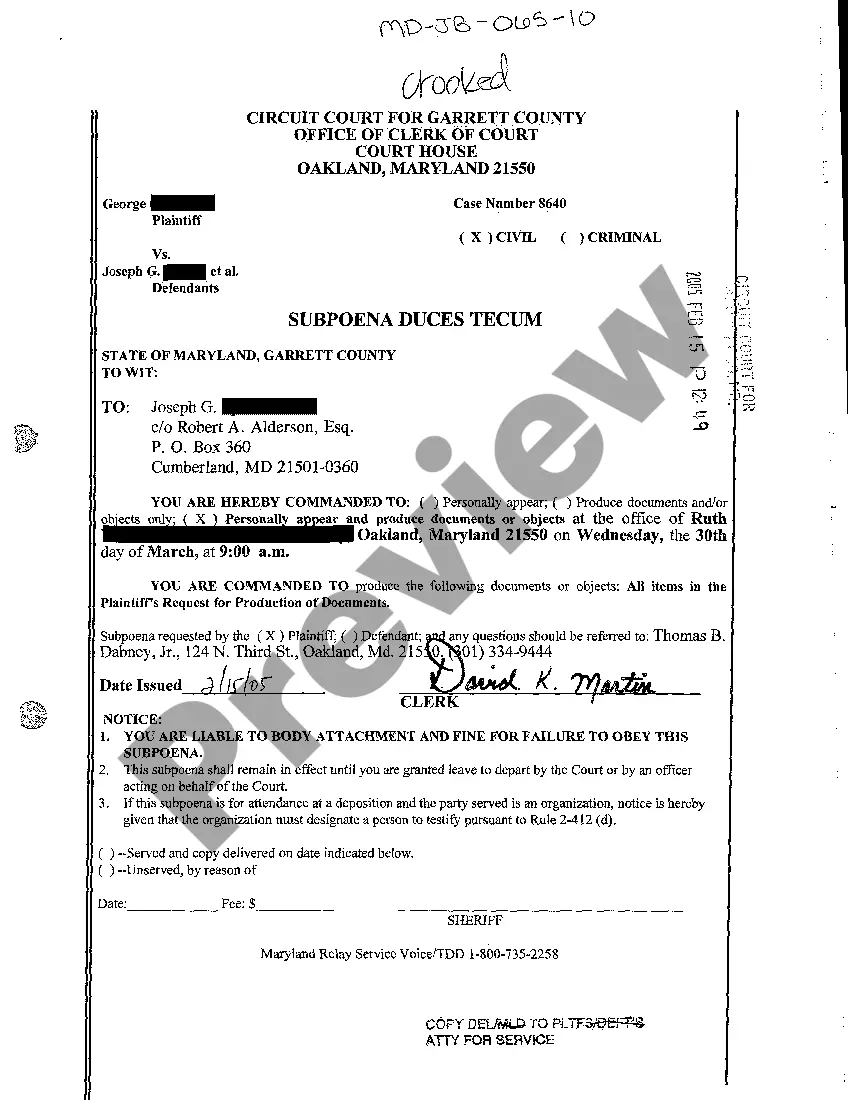
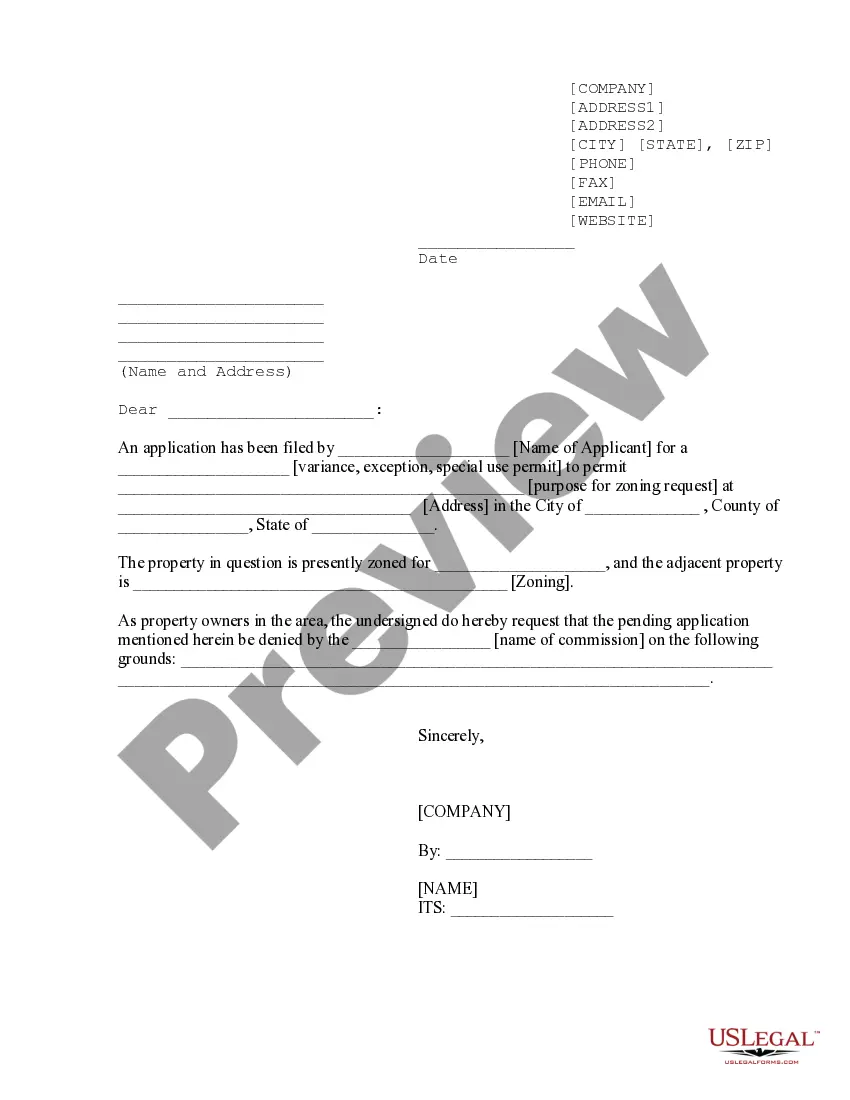
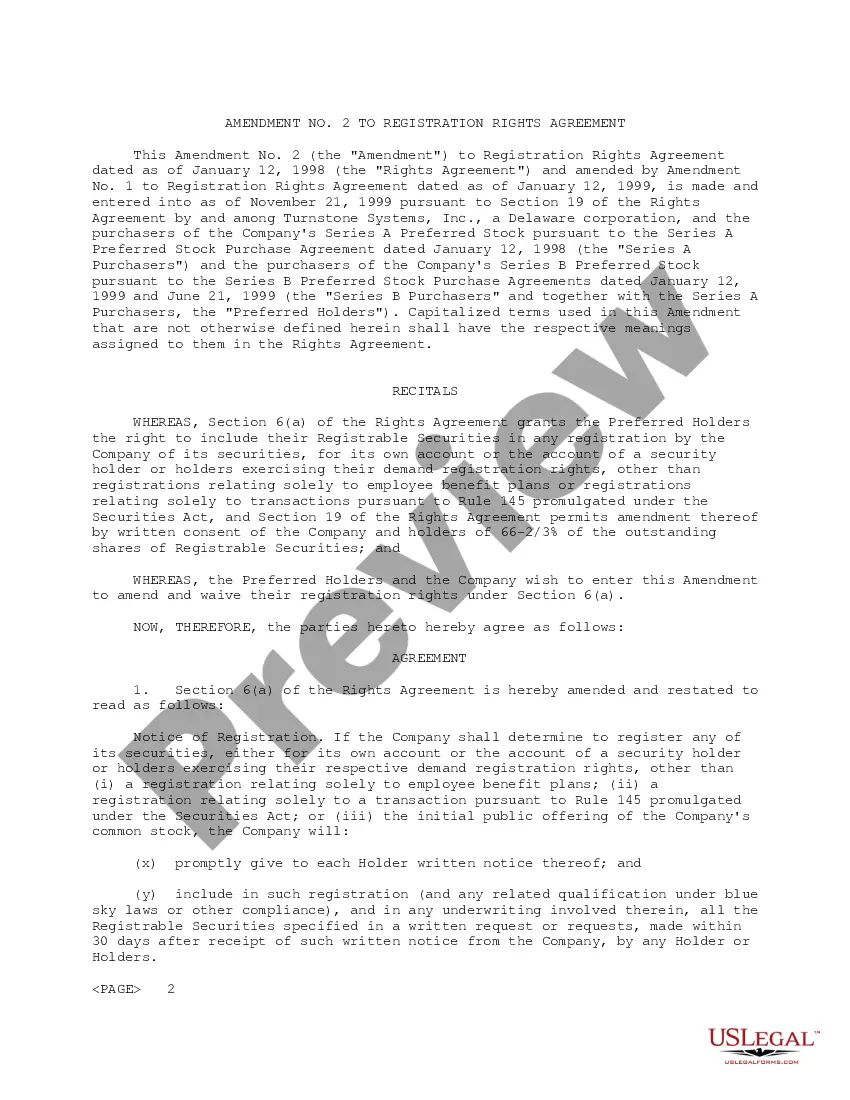
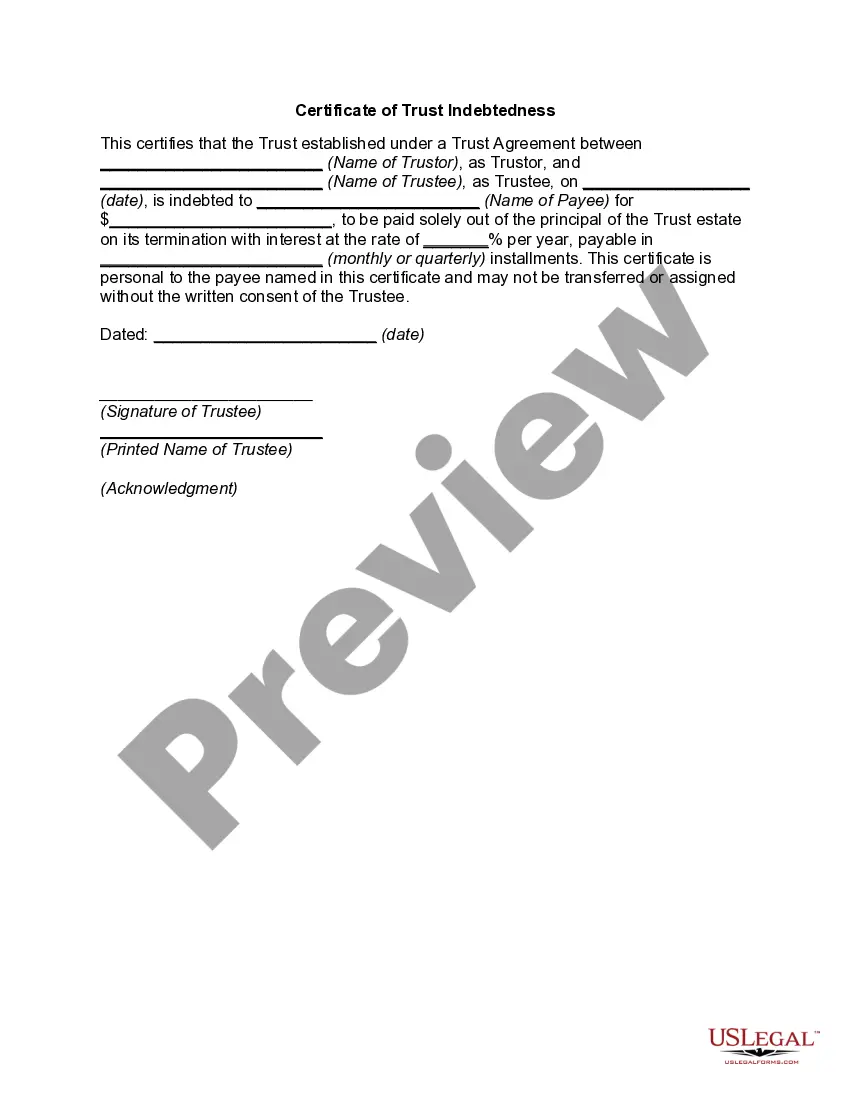
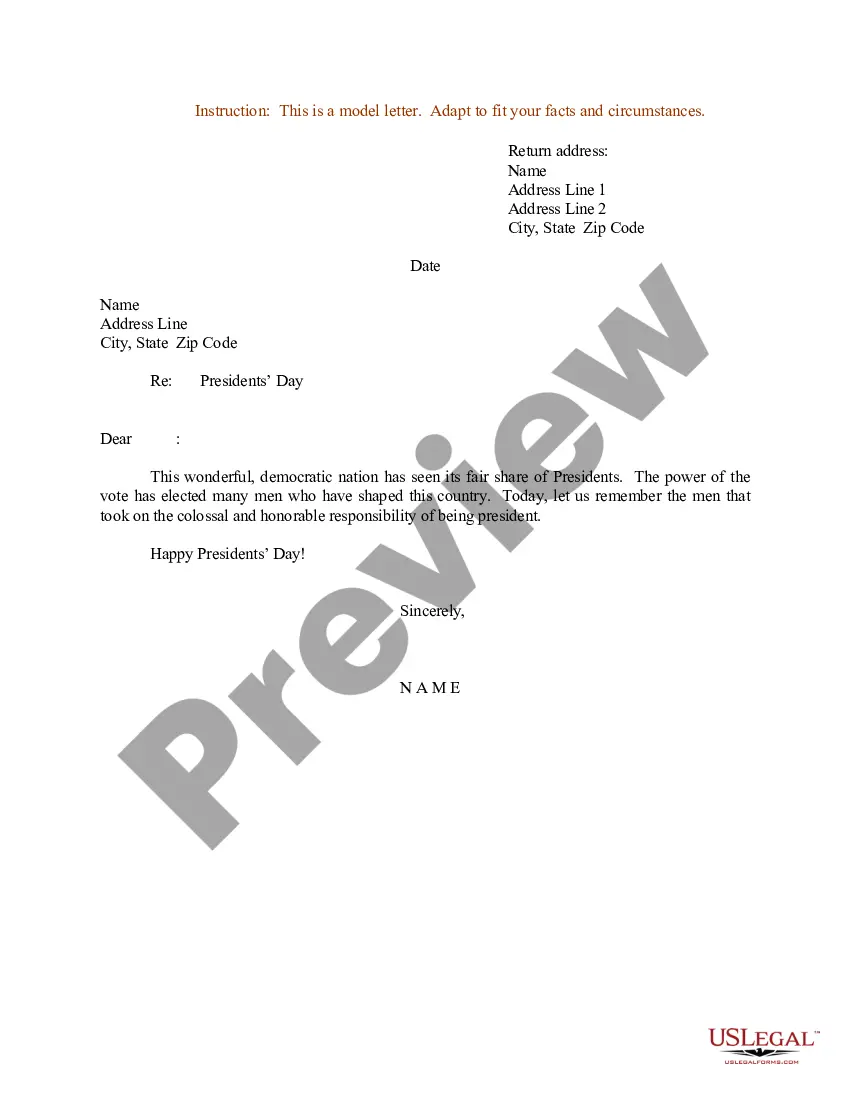
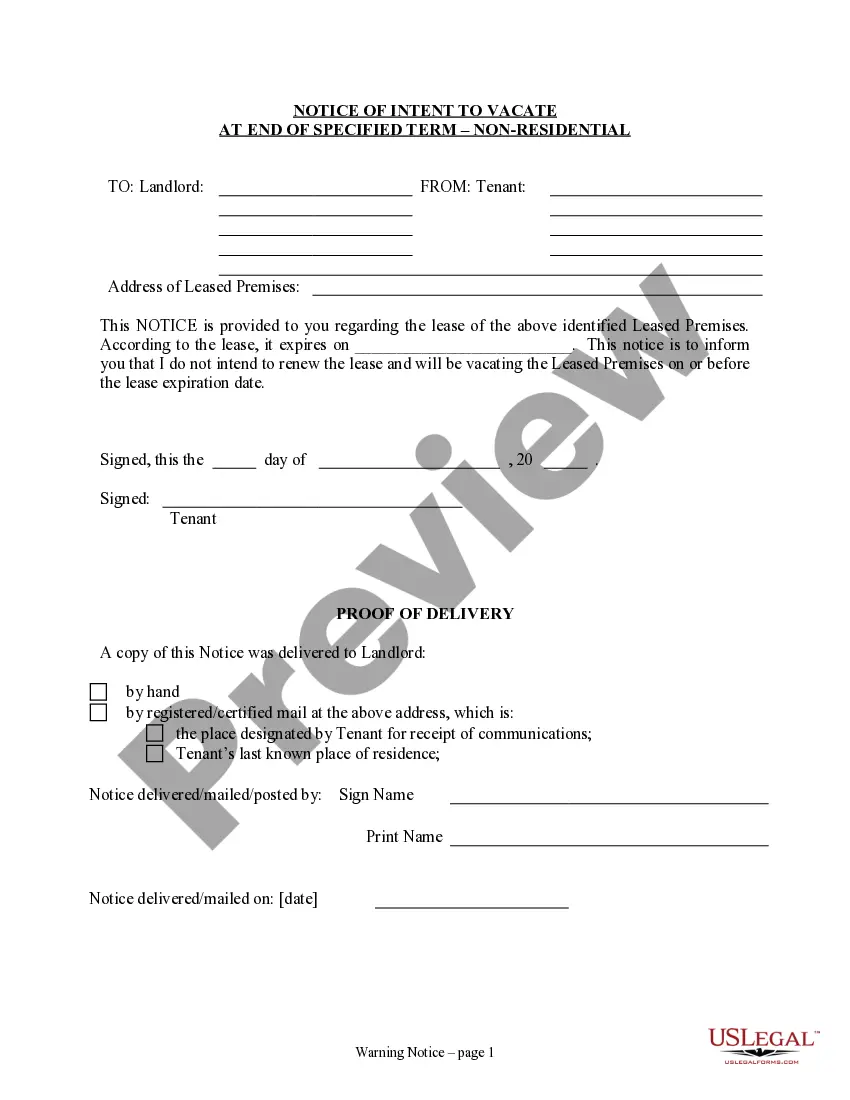
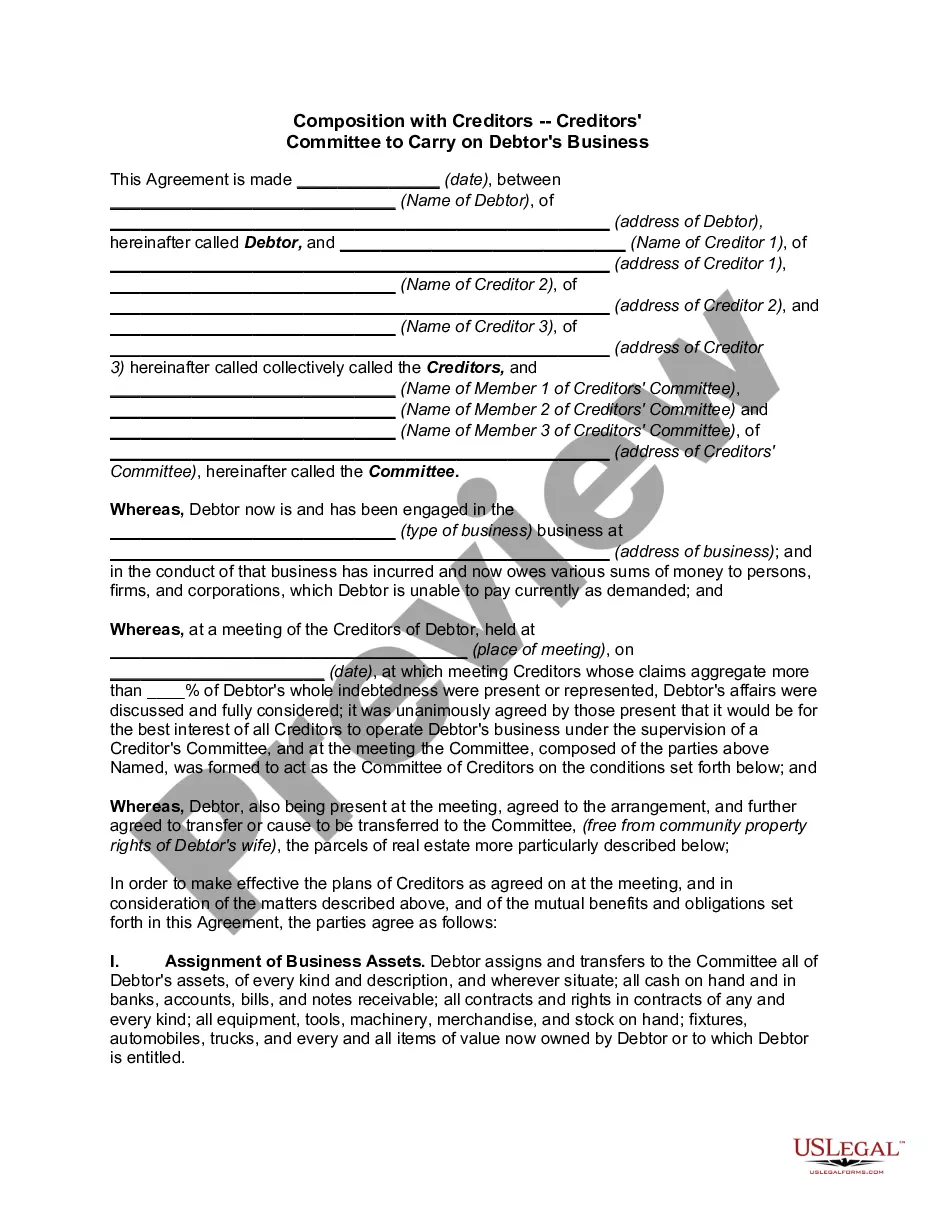
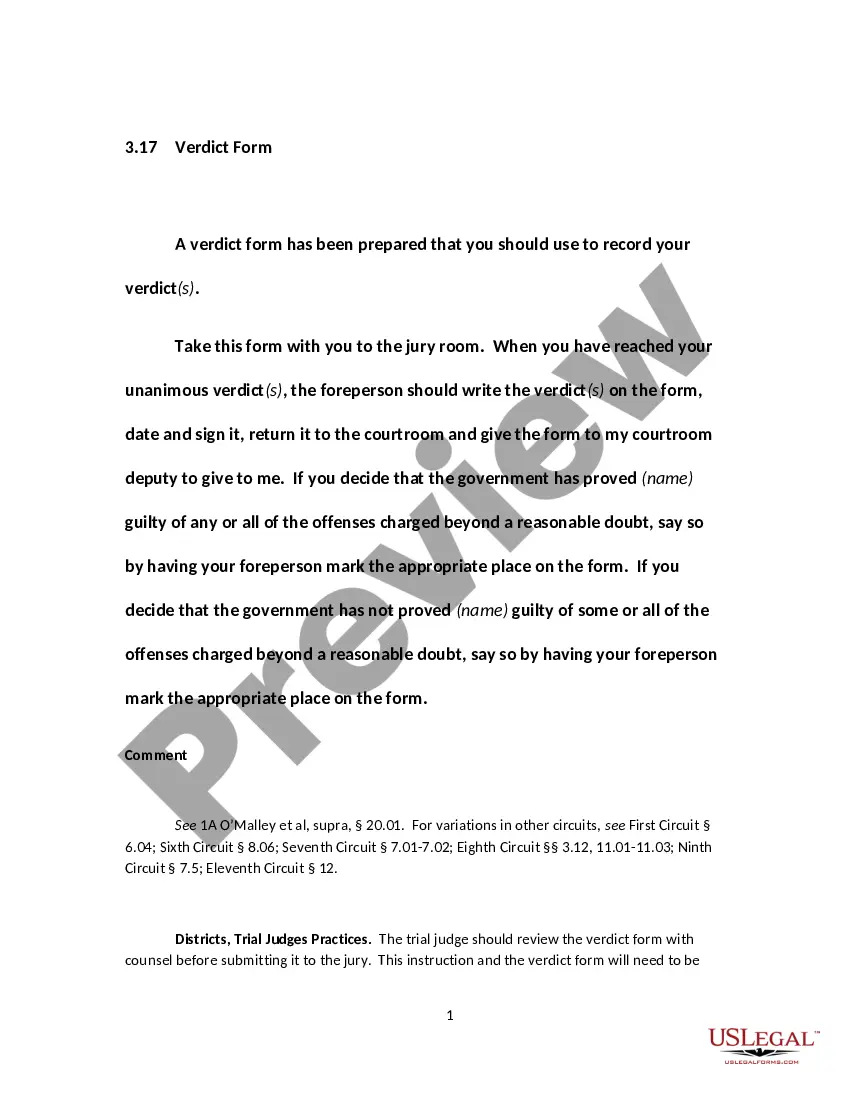
How to fill out Sample Letter For Agreed Order Of Dismissal With Prejudice With Envelope?
If you want to be thorough, download, or print legal document templates, utilize US Legal Forms, the largest repository of legal forms, available online.
Take advantage of the site's user-friendly and efficient search feature to locate the documents you require.
Various templates for business and personal uses are organized by types and categories, or keywords and phrases.
Step 4. Once you have found the form you need, click on the Buy now button. Choose the pricing plan you prefer and provide your information to register for an account.
Step 5. Process the payment. You can use your credit card or PayPal account to complete the transaction.
- Utilize US Legal Forms to quickly find the Nebraska Sample Letter for Agreed Order of Dismissal with Prejudice with Envelope.
- If you are already a US Legal Forms user, sign in to your account and click the Purchase button to obtain the Nebraska Sample Letter for Agreed Order of Dismissal with Prejudice with Envelope.
- You can also access forms you previously saved in the My documents section of your account.
- If you are using US Legal Forms for the first time, follow the instructions below.
- Step 1. Ensure you have selected the form for the correct state/region.
- Step 2. Use the Preview option to review the form's details. Remember to read the description.
- Step 3. If you are not satisfied with the form, utilize the Search field at the top of the screen to find other versions of the legal form template.
Form popularity
FAQ
Under Federal Rules of Civil Procedure Rule 41(b), the default rule is that a dismissal is considered an ?adjudication on the merits,? and therefore with prejudice. Contrast with dismissal without prejudice, where the plaintiff may subsequently bring their claim in another court.
These include dismissals for: (b)(1) a lack of subject-matter jurisdiction. (b)(2) a lack of personal jurisdiction. (b)(3) improper venue.
For example, an arrest without probable cause, violation of the right to a speedy trial, or an illegal search can lead to a case being dismissed with prejudice. Other errors in a case also may lead a court to dismiss a case with prejudice.
?With prejudice? means that you cannot re-file your case ever. ?Without prejudice? means that you can re-file your case at a later date (as long as you are still within the statute of limitations).
?With prejudice? means the decision is final. ?Without prejudice? means it's not final and subject to future inquiry. If the judge announces a case is dismissed with prejudice, that means it's permanently dismissed and can't be retried.
In a California civil or criminal case, either party can file a motion for dismissal that will terminate the case. Dismiss with prejudice is when the charges are dropped, and you are free. You cannot be tried for the same case in another court as that would constitute Double Jeopardy.
A court may allow a plaintiff to voluntarily withdraw from the suit through a Rule 41(a) dismissal without prejudice if the plaintiff would suffer hardship from continuing the suit. Also, under Rule 37(b)(2), a court may dismiss without prejudice to sanction a party acting in bad faith.
When a court dismisses a claim and the plaintiff is barred from bringing that claim in another court. Under Federal Rules of Civil Procedure Rule 41(b), the default rule is that a dismissal is considered an ?adjudication on the merits,? and therefore with prejudice.