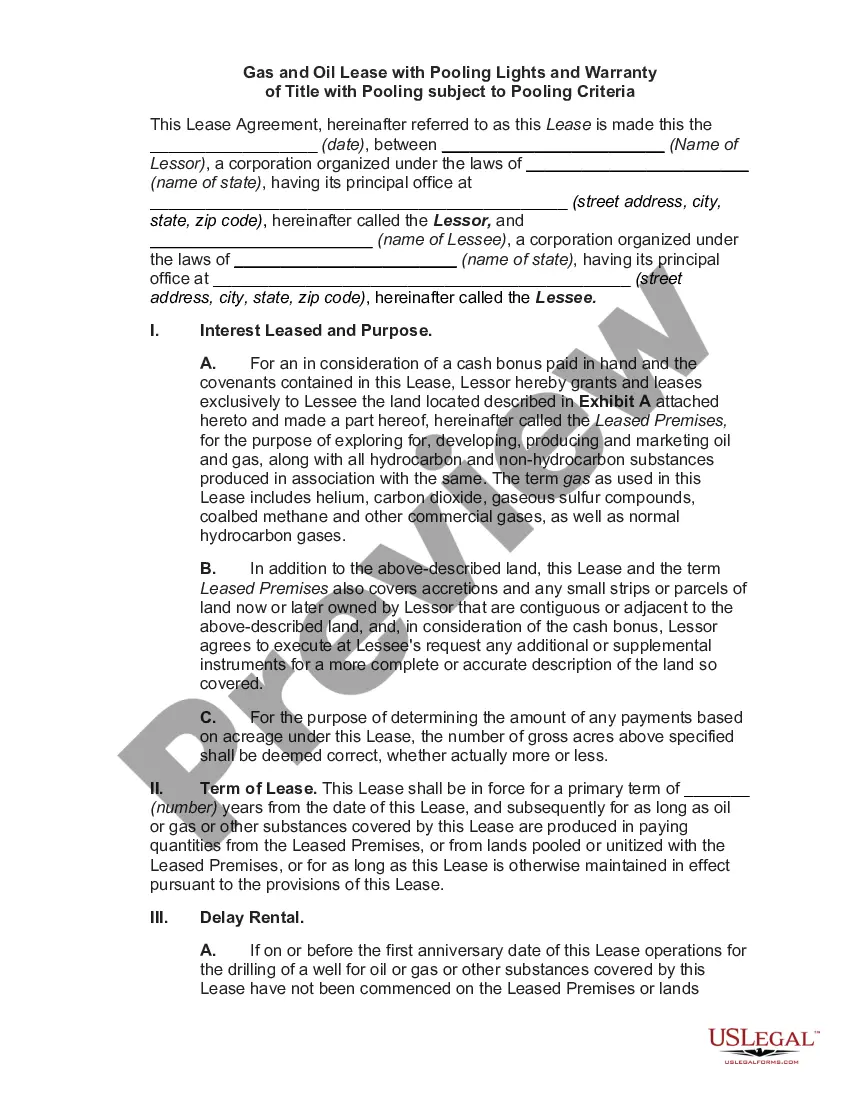
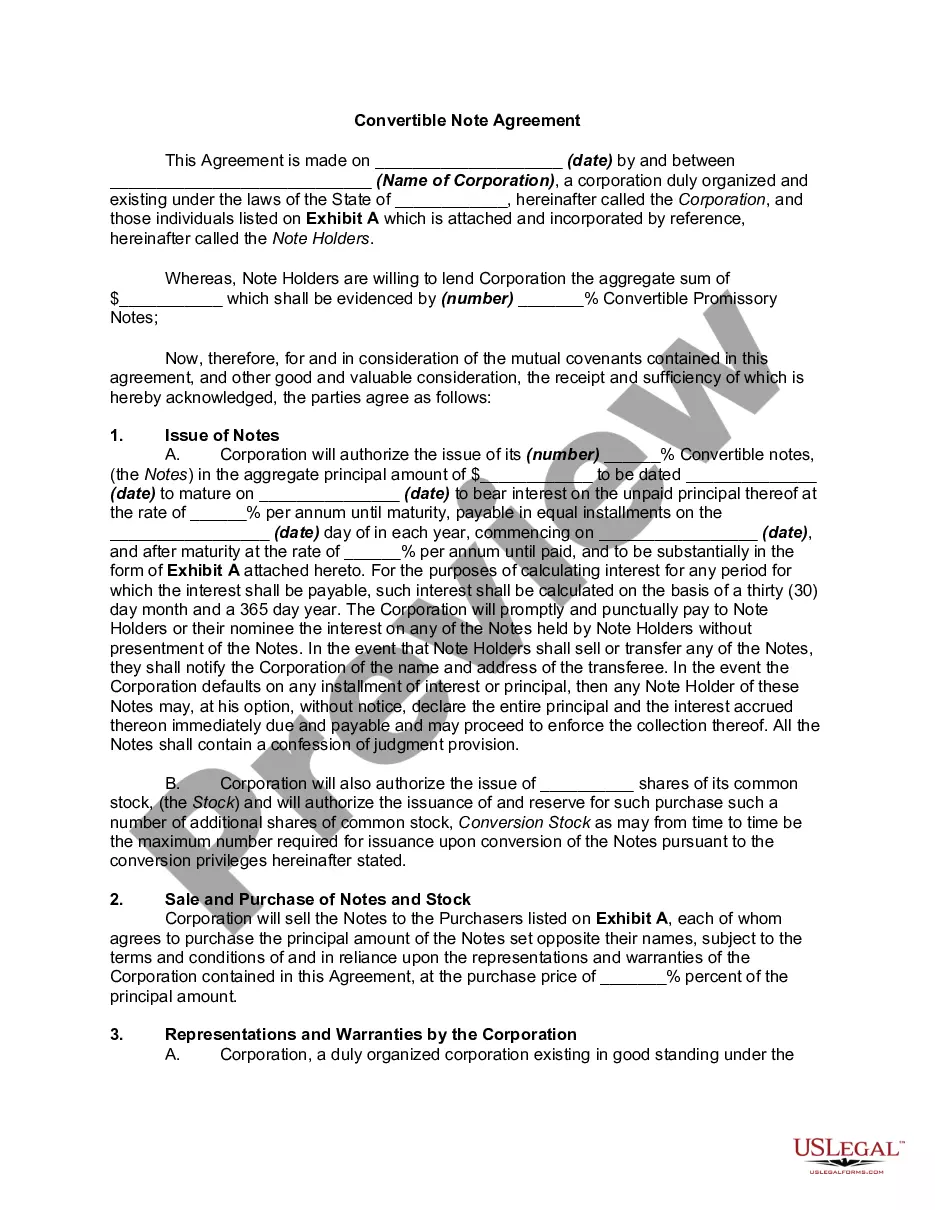
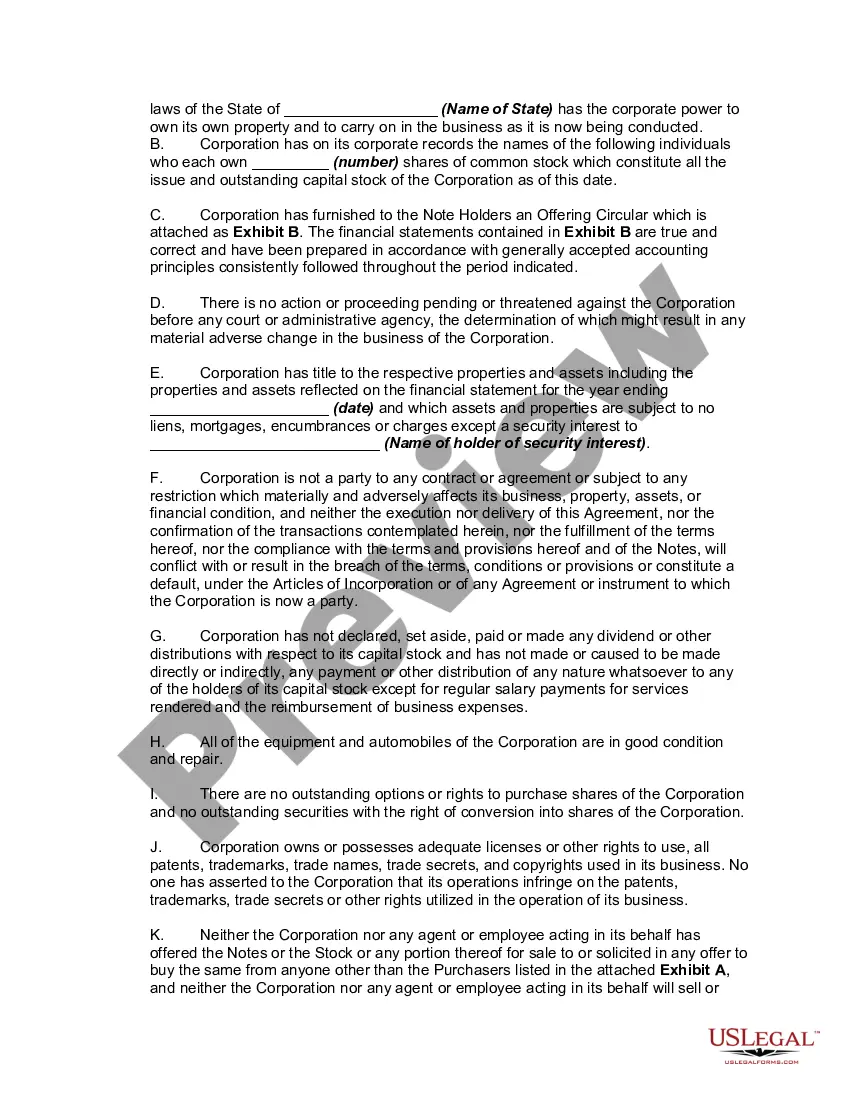
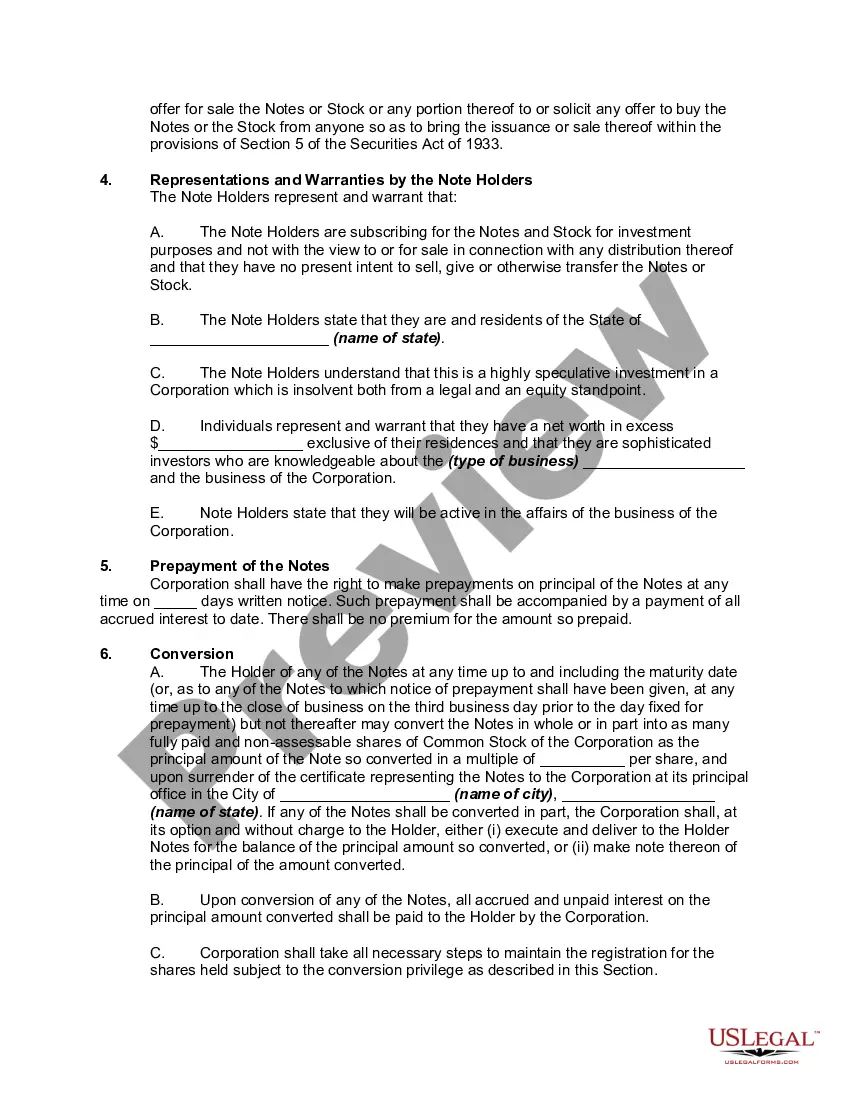
North Dakota Convertible Note Agreement
Description
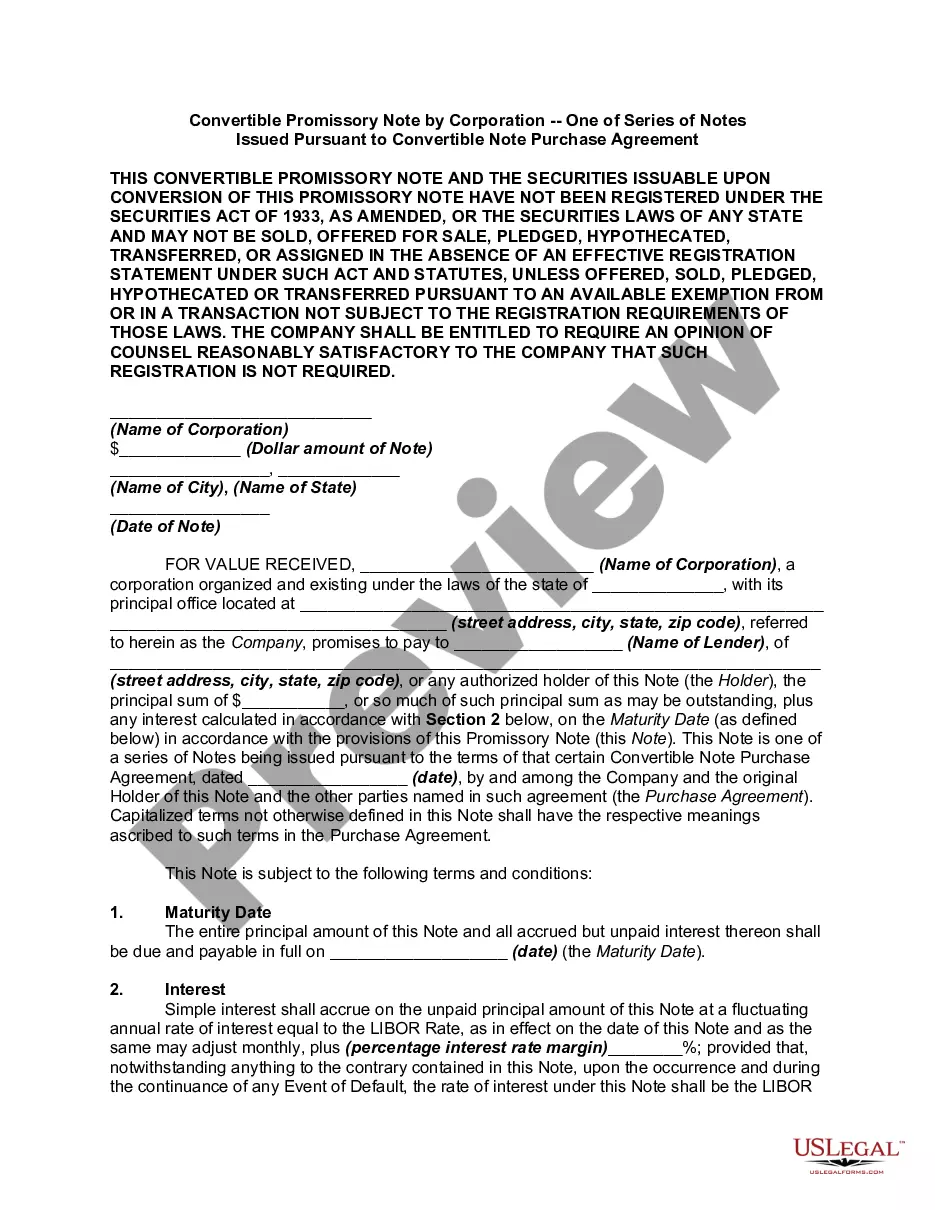
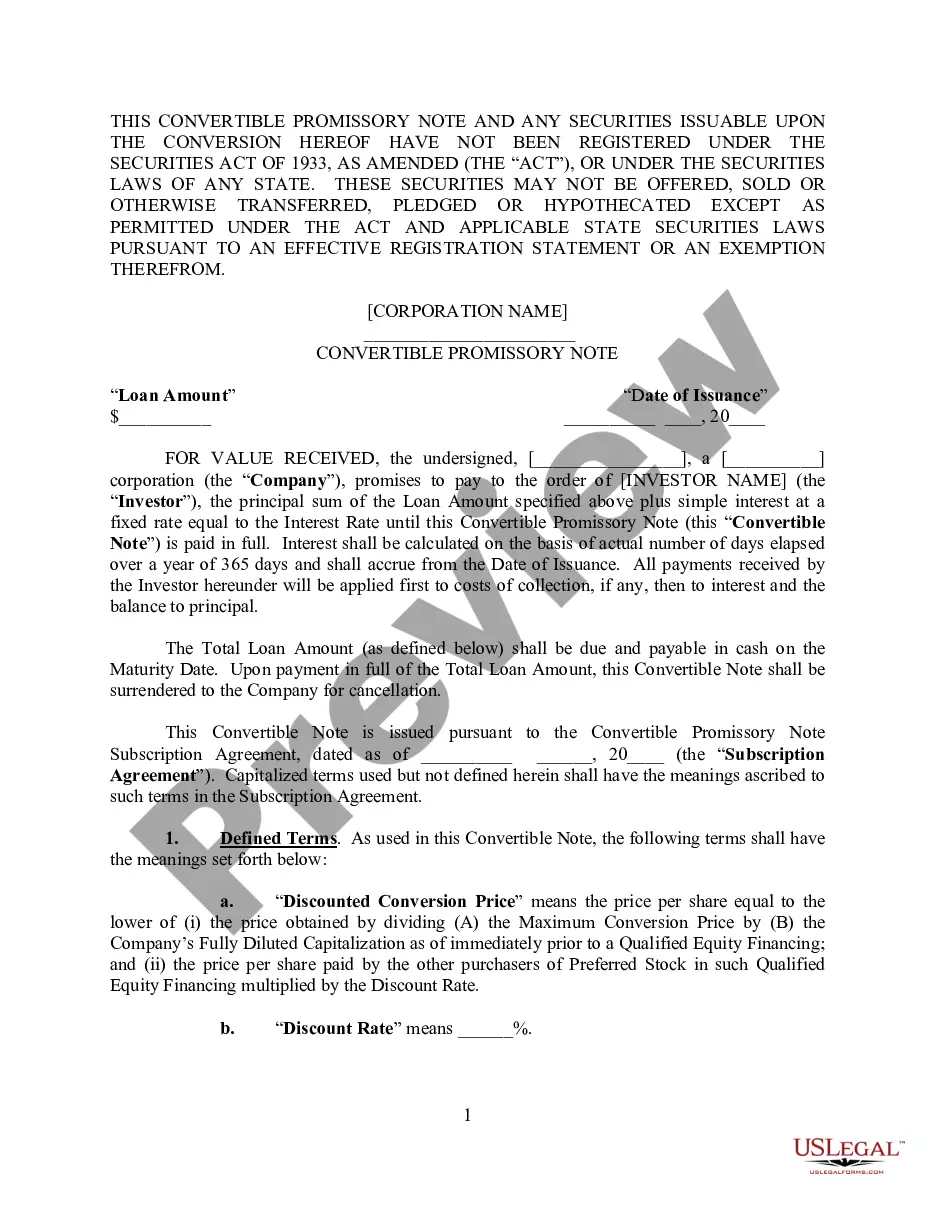
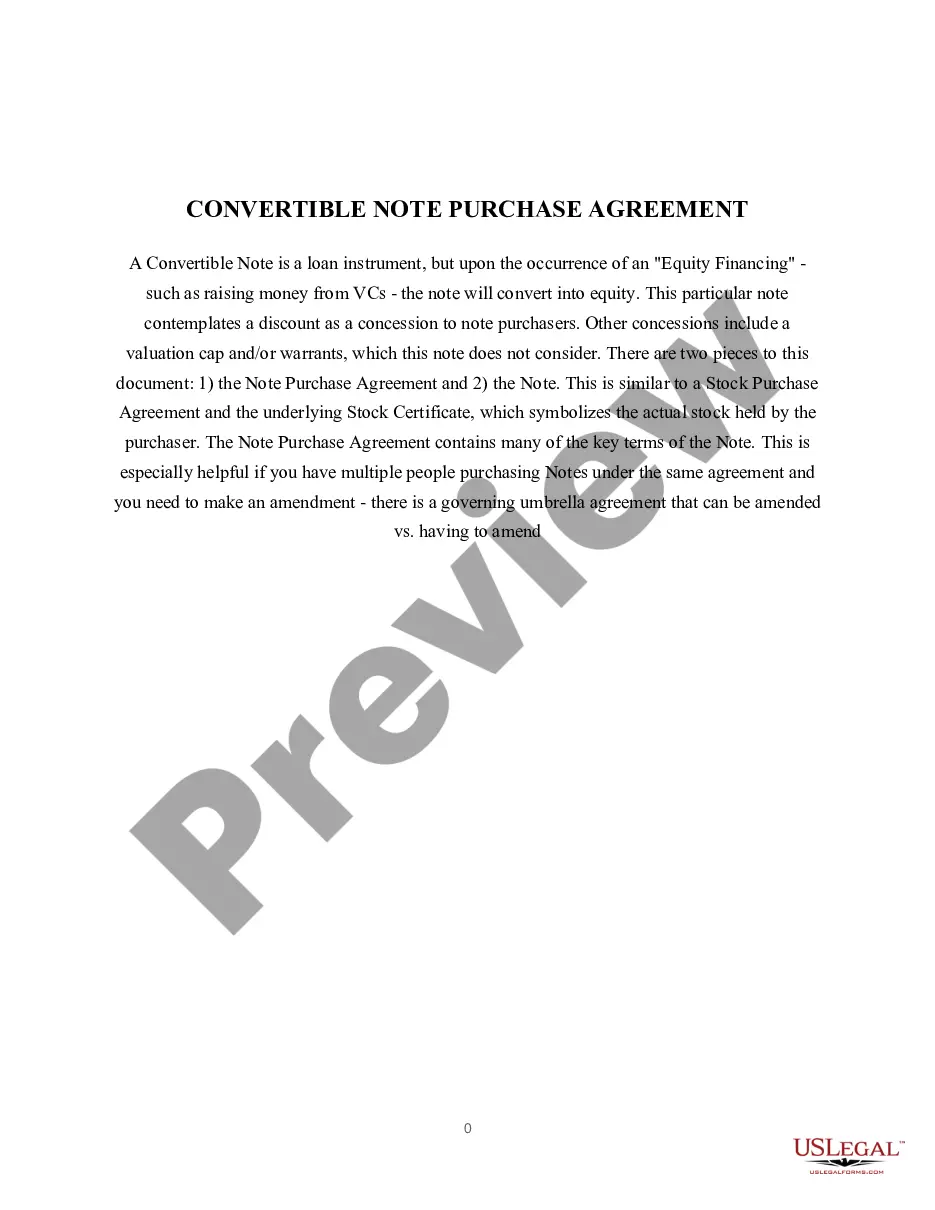
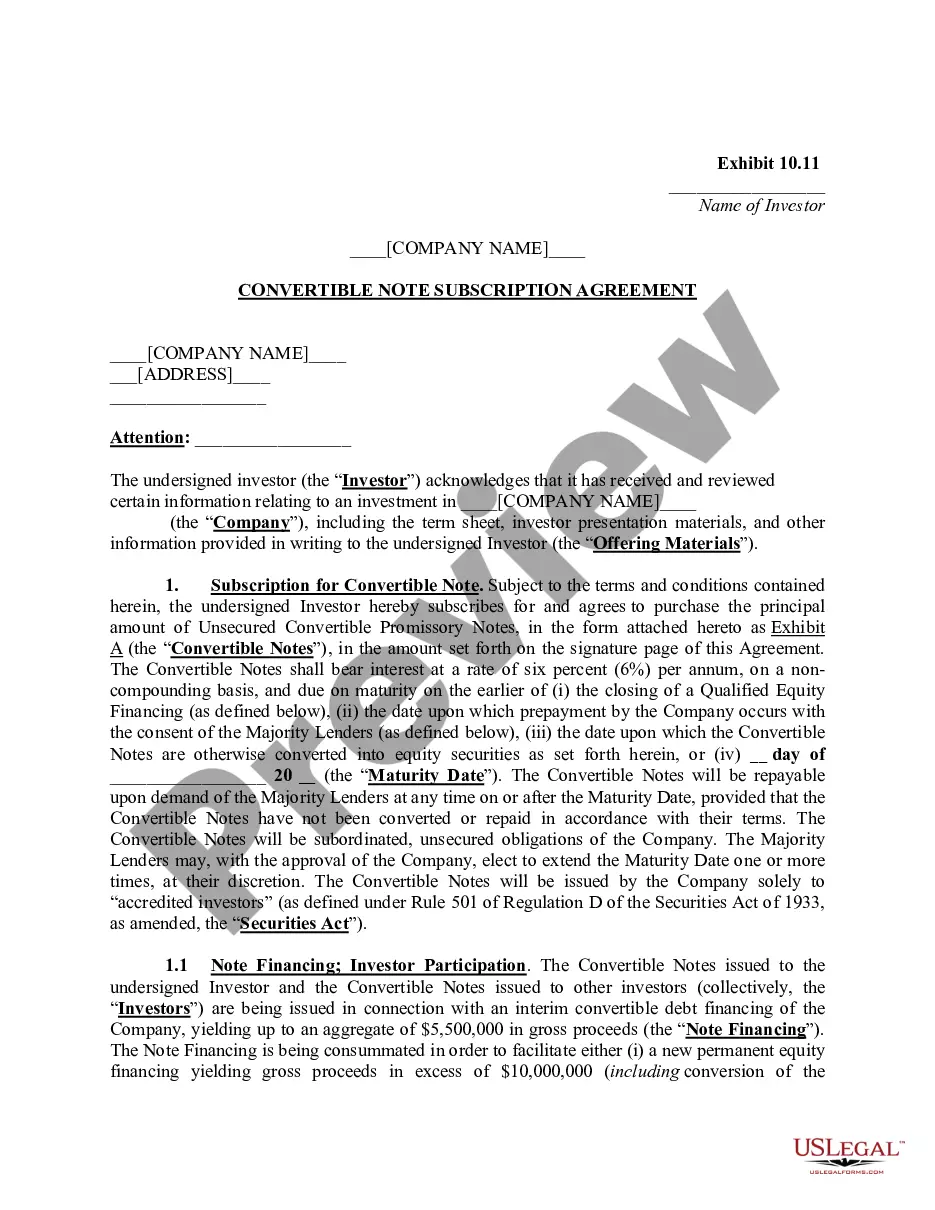
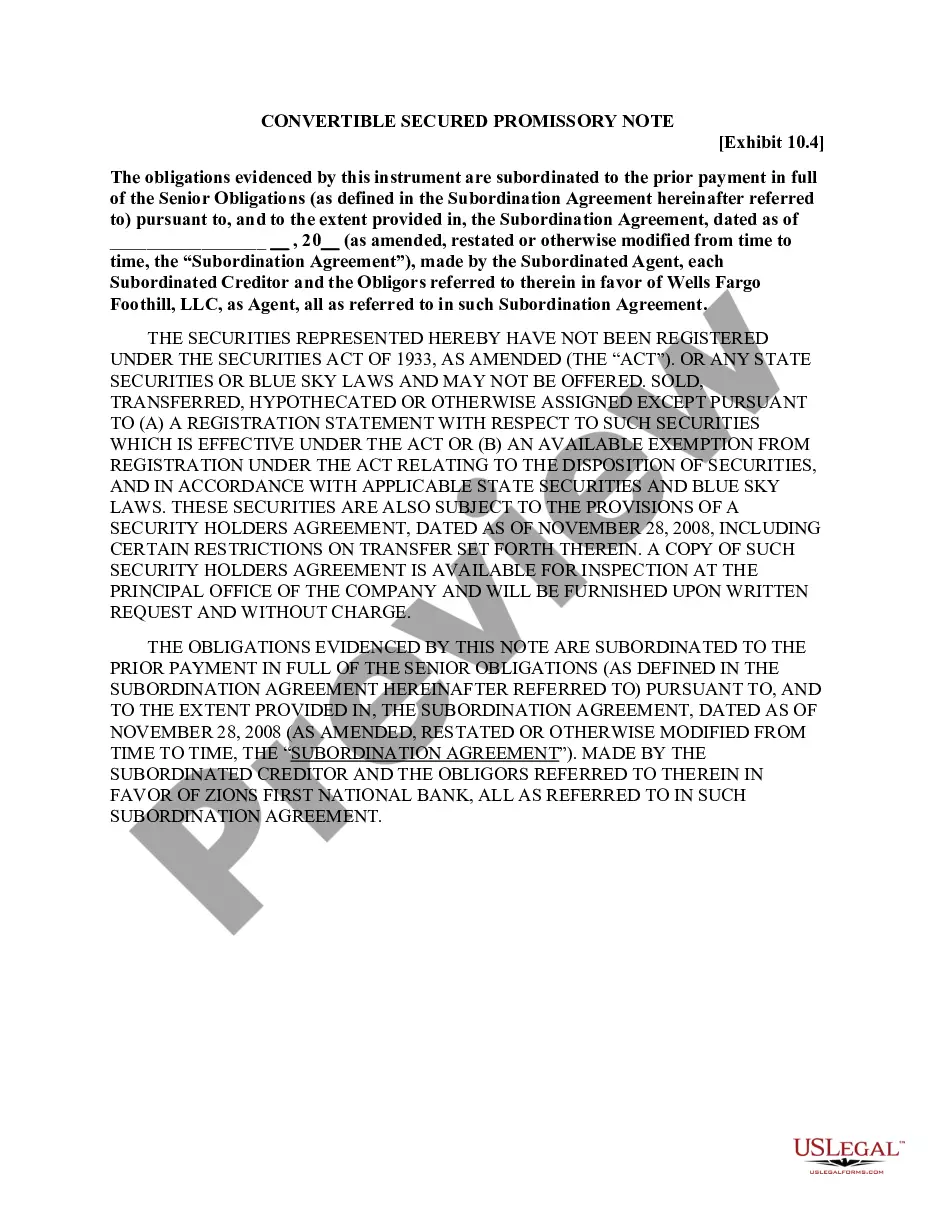
Get your form ready online
Our built-in tools help you complete, sign, share, and store your documents in one place.
Make edits, fill in missing information, and update formatting in US Legal Forms—just like you would in MS Word.
Download a copy, print it, send it by email, or mail it via USPS—whatever works best for your next step.
Sign and collect signatures with our SignNow integration. Send to multiple recipients, set reminders, and more. Go Premium to unlock E-Sign.
If this form requires notarization, complete it online through a secure video call—no need to meet a notary in person or wait for an appointment.
We protect your documents and personal data by following strict security and privacy standards.

Make edits, fill in missing information, and update formatting in US Legal Forms—just like you would in MS Word.

Download a copy, print it, send it by email, or mail it via USPS—whatever works best for your next step.

Sign and collect signatures with our SignNow integration. Send to multiple recipients, set reminders, and more. Go Premium to unlock E-Sign.

If this form requires notarization, complete it online through a secure video call—no need to meet a notary in person or wait for an appointment.

We protect your documents and personal data by following strict security and privacy standards.
Looking for another form?
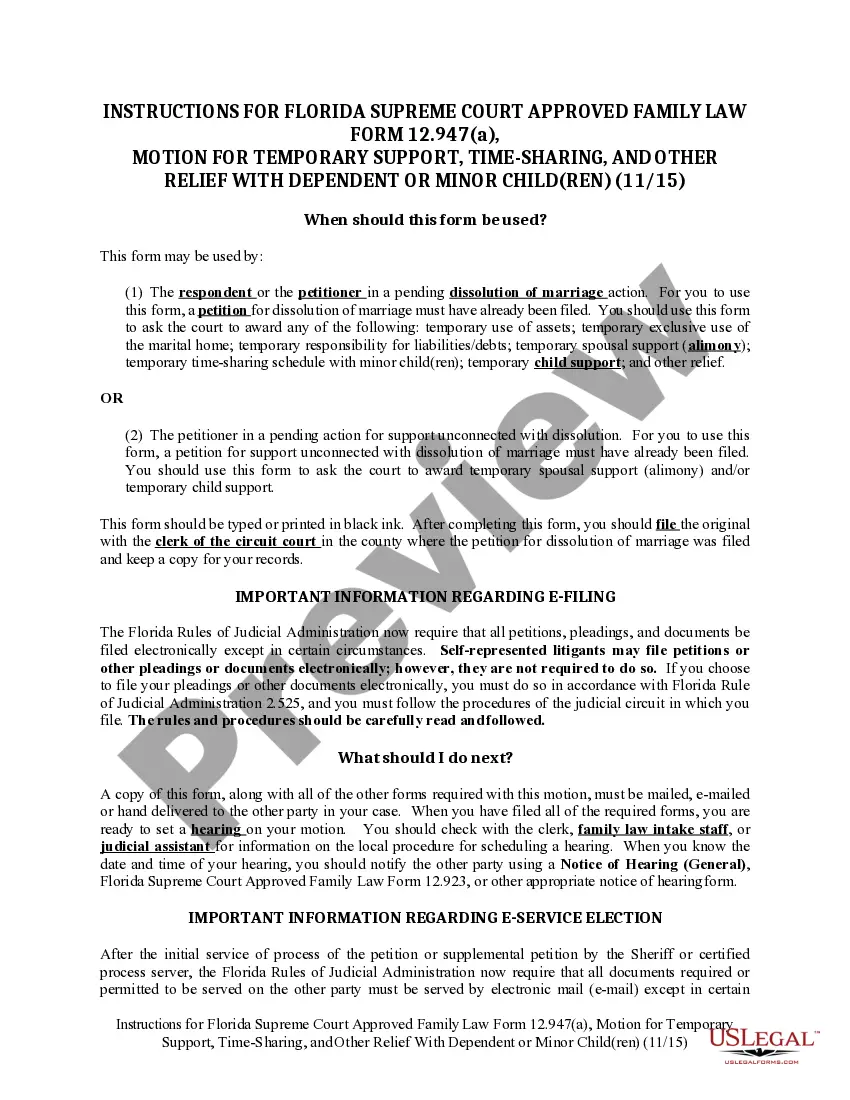



How to fill out Convertible Note Agreement?
Are you presently in a position where you require documentation for potential business or personal reasons almost daily.
There are numerous legal document templates accessible on the internet, but finding ones you can trust is challenging.
US Legal Forms offers a wide array of document templates, including the North Dakota Convertible Note Agreement, designed to comply with federal and state regulations.
Once you find the appropriate document, click Get now.
Select the pricing plan you prefer, provide the necessary information to set up your account, and complete the payment with your PayPal or credit card. Choose a convenient document format and download your copy. Access all the document templates you have purchased in the My documents menu. You can retrieve another copy of the North Dakota Convertible Note Agreement at any time if needed. Simply click the desired document to download or print the template.
- If you are already familiar with the US Legal Forms website and have an account, simply Log In.
- After that, you can download the North Dakota Convertible Note Agreement template.
- If you don’t have an account and want to start using US Legal Forms, follow these steps.
- Obtain the document you need and ensure it's for the correct area/county.
- Use the Review option to evaluate the form.
- Check the outline to ensure you've selected the right document.
- If the document is not what you are looking for, utilize the Search field to find the template that suits your needs.
Form popularity
FAQ
Issuing convertible notes involves several steps, starting with drafting the note agreement, outlining the terms such as interest rate and duration. Following this, you should present the note to potential investors, detailing how they can convert their investment into equity. Finally, ensure compliance with state regulations, utilizing resources like the North Dakota Convertible Note Agreement from uslegalforms can help you manage this process effectively.
Convertible notes typically classify as short-term or long-term liabilities based on their maturity dates. If a note is expected to convert to equity within the year, it is generally considered a short-term liability. However, long-term notes remain classified as structured debt until conversion or repayment occurs. Adopting the North Dakota Convertible Note Agreement streamlines this classification process with clear legal definitions.
Convertible notes are accounted for as debt until conversion occurs. Initially, the note will show on the balance sheet as a liability, reflecting the obligation of repayment. Upon conversion to equity, the liability is removed, and the equity accounts are updated accordingly. Utilizing the North Dakota Convertible Note Agreement provides clarity on these transitions, helping you manage accounting requirements efficiently.
To record a convertible note on a balance sheet, categorize the note as a liability. The total amount of the note should appear under long-term liabilities until it converts into equity or is repaid. When using the North Dakota Convertible Note Agreement, make sure it specifies how the note will convert, which may affect its classification and reporting. For clarity, consulting with financial professionals can also be beneficial.
A convertible note is a form of short-term debt that converts into equity, typically in conjunction with a future financing round; in effect, the investor would be loaning money to a startup and instead of a return in the form of principal plus interest, the investor would receive equity in the company.
A Convertible Note is a type of financial document, which allows companies to exchange equity or other non-tangible assets for a typically short-term loan. The Convertible Note, like a promissory note, offers something such as equity in exchange for a payment.
Convertible Notes are loans so they are recorded on the Balance Sheet of a company as a liability when they are made. Depending on the debt's maturity date, they can either be shown as a current liability (loans maturing within 12 months) or as a Long-term liability (loans maturing over 12 months).
Convertible bonds are corporate bonds that can be exchanged for common stock in the issuing company. Companies issue convertible bonds to lower the coupon rate on debt and to delay dilution.
No, issuers generally are not required to file resale registration statements with respect to convertible notes issued in a Rule 144A offering, or the underlying shares.
A convertible note is a way for seed investors to invest in a startup that isn't ready for valuation. They start as short-term debt and are converted into equity in the issuing company. Investors loan money to the startup and are repaid with equity in the company rather than principal and interest.