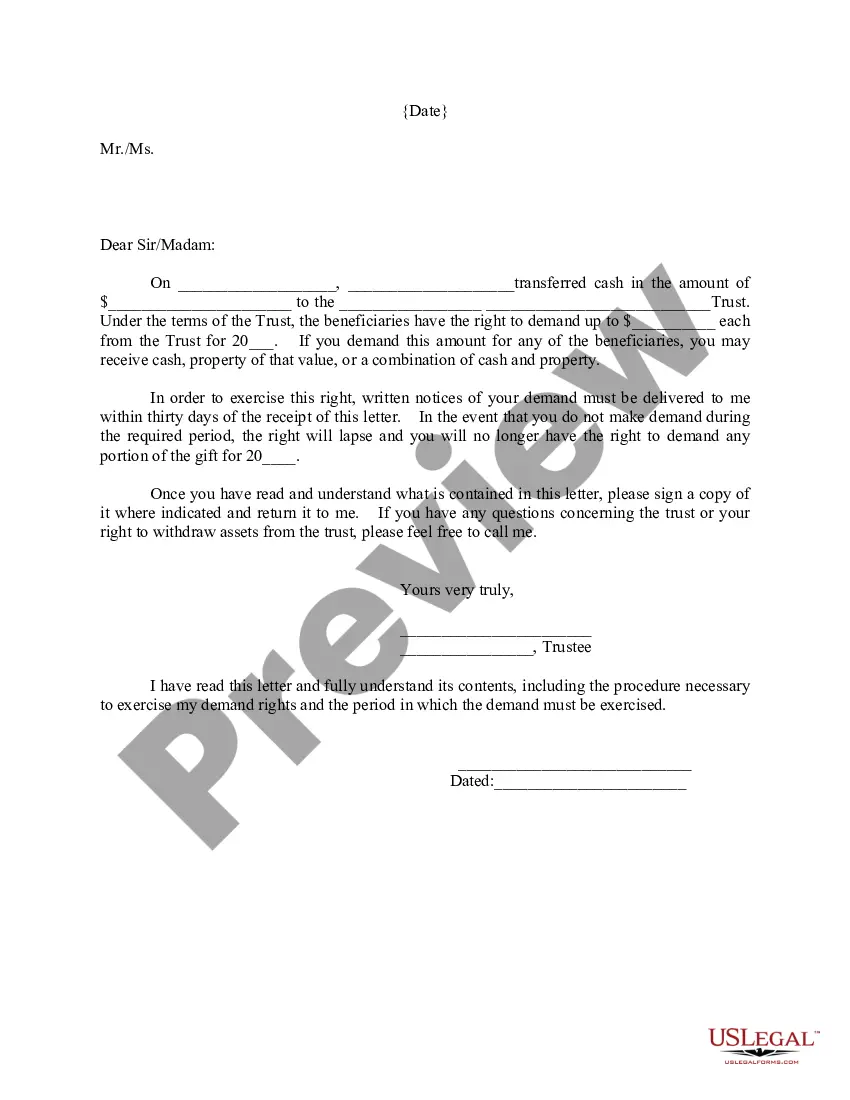
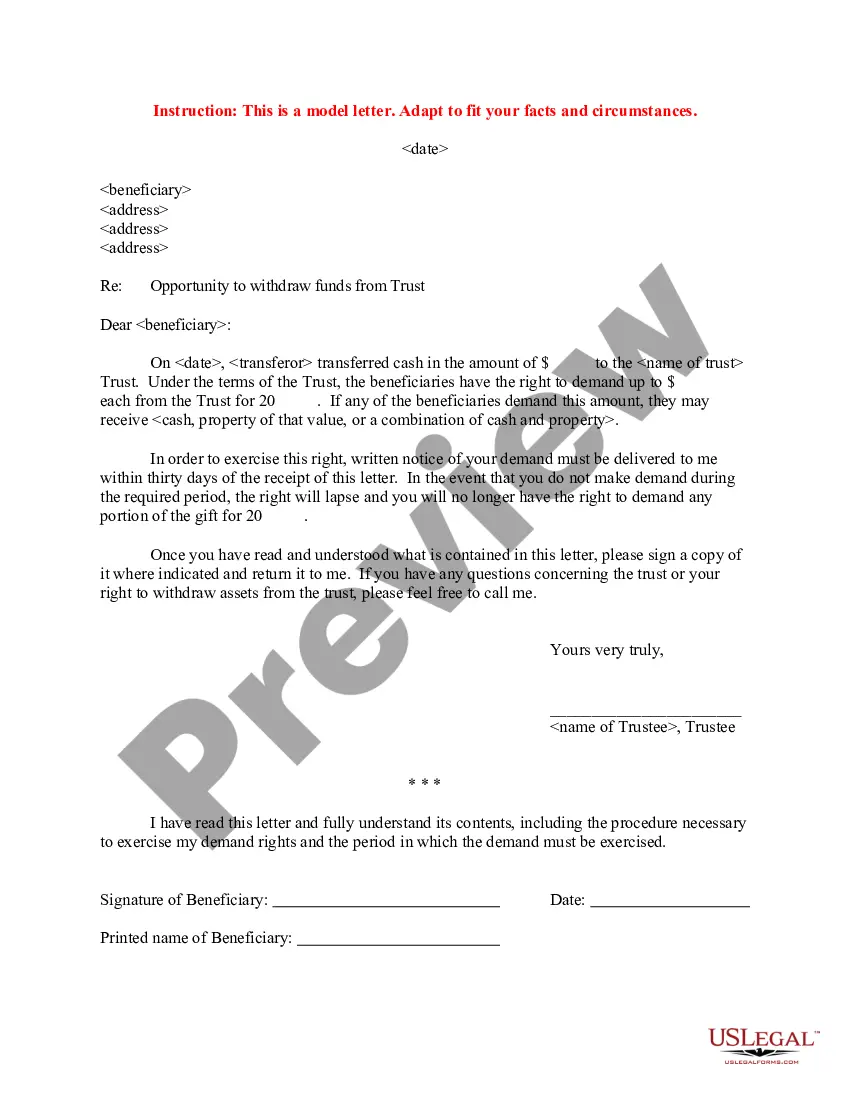
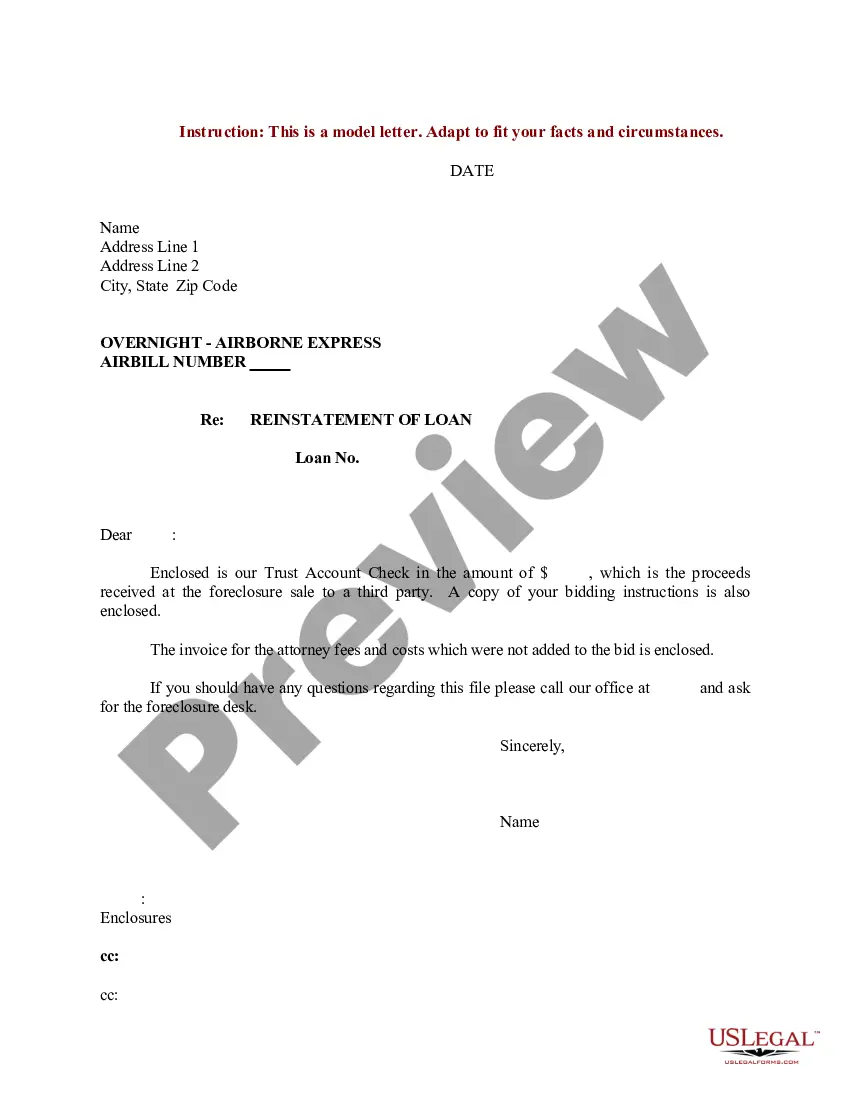
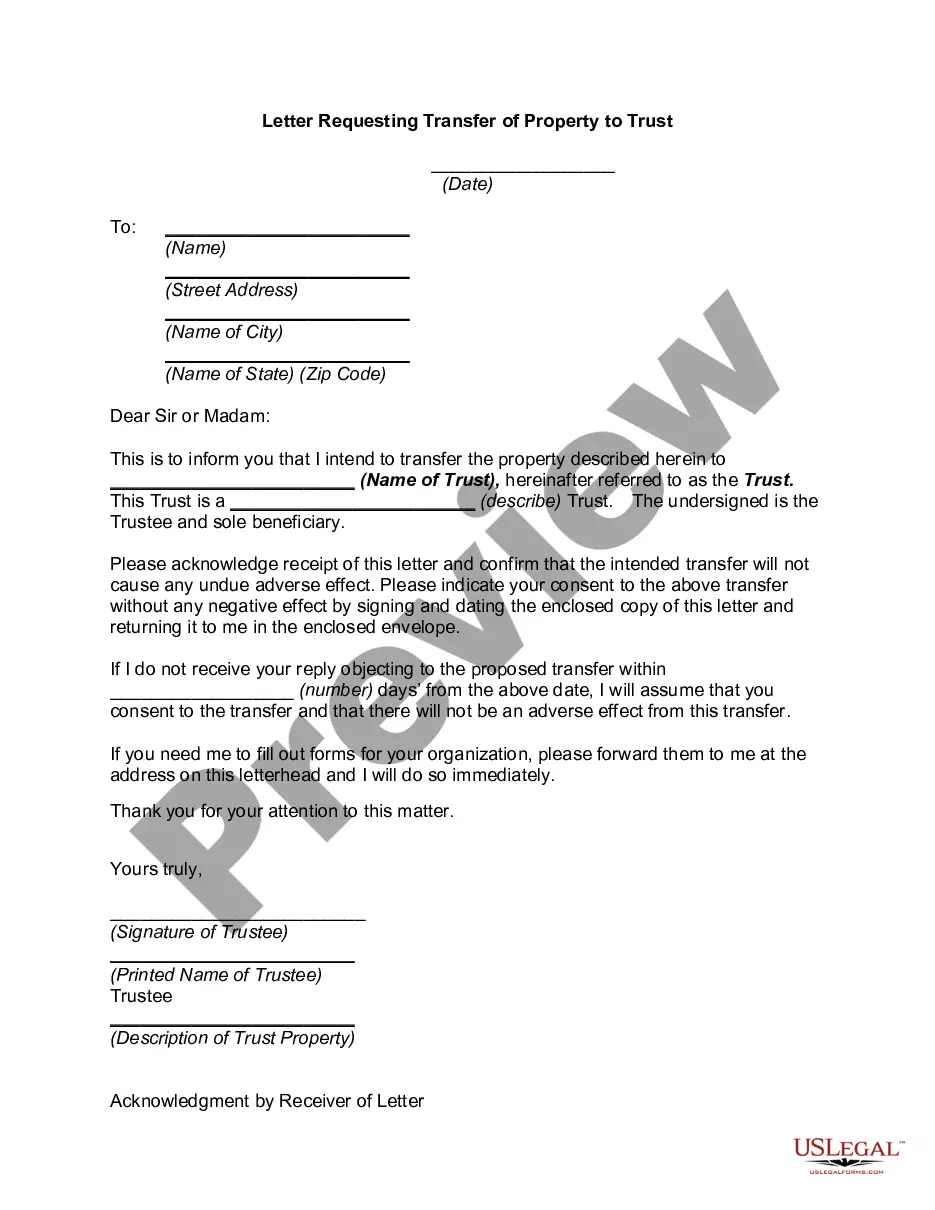
Trustee informs the trustor that he/she has the right to demand a certain amount of funds from the trust during the year. If the trustor demands a withdrawal for any of the beneficiaries, he/she may receive cash, property of that value, or a combination of cash and property.
North Dakota Letter regarding trust money
Instant download
Description
Get your form ready online
Our built-in tools help you complete, sign, share, and store your documents in one place.
Built-in online Word editor
Make edits, fill in missing information, and update formatting in US Legal Forms—just like you would in MS Word.
Export easily
Download a copy, print it, send it by email, or mail it via USPS—whatever works best for your next step.
E-sign your document
Sign and collect signatures with our SignNow integration. Send to multiple recipients, set reminders, and more. Go Premium to unlock E-Sign.
Notarize online 24/7
If this form requires notarization, complete it online through a secure video call—no need to meet a notary in person or wait for an appointment.
Store your document securely
We protect your documents and personal data by following strict security and privacy standards.

Make edits, fill in missing information, and update formatting in US Legal Forms—just like you would in MS Word.

Download a copy, print it, send it by email, or mail it via USPS—whatever works best for your next step.

Sign and collect signatures with our SignNow integration. Send to multiple recipients, set reminders, and more. Go Premium to unlock E-Sign.

If this form requires notarization, complete it online through a secure video call—no need to meet a notary in person or wait for an appointment.

We protect your documents and personal data by following strict security and privacy standards.
Looking for another form?


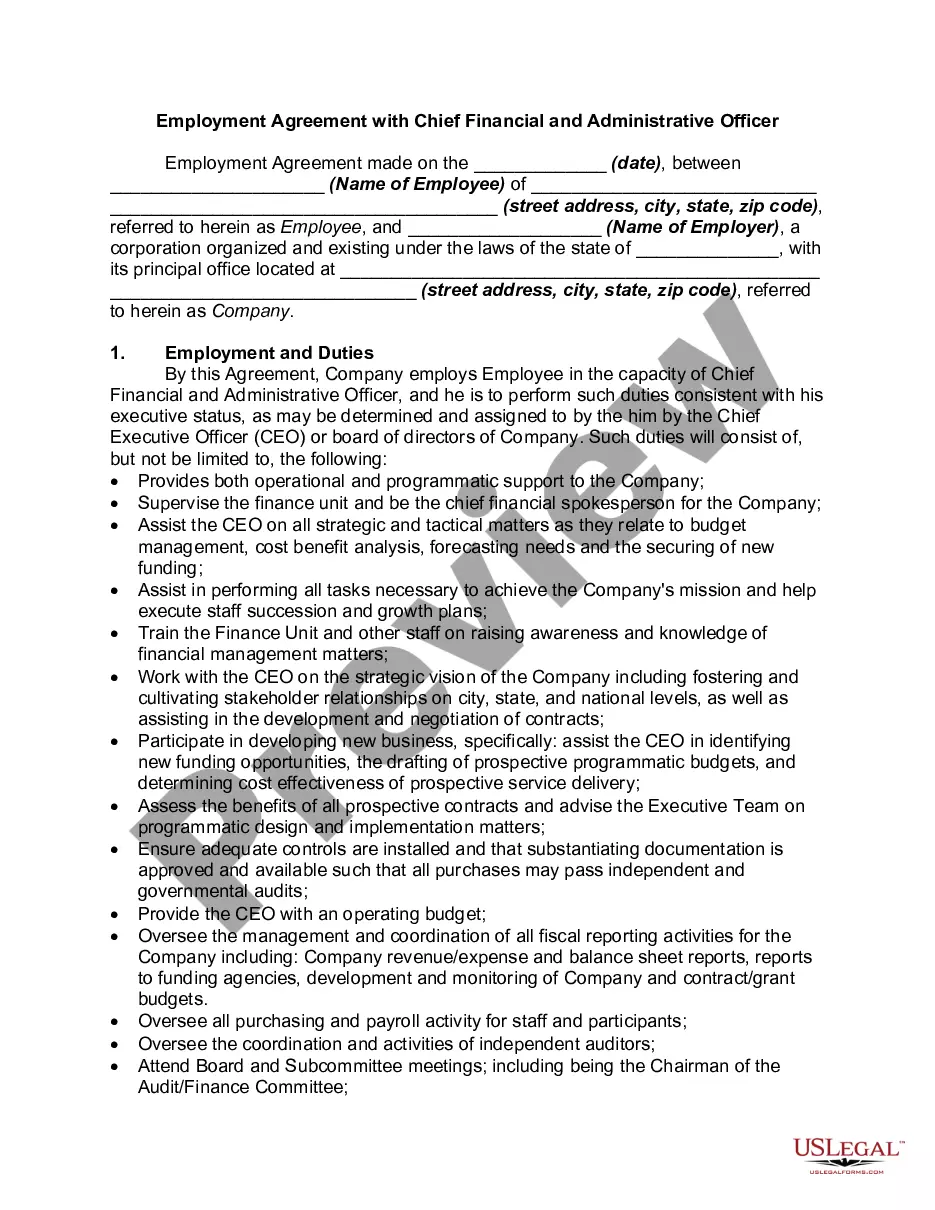





How to fill out Letter Regarding Trust Money?
Locating the appropriate legal document template can be challenging.
Naturally, there are numerous templates accessible online, but how do you identify the legal design you need.
Utilize the US Legal Forms website. The platform offers a wide array of templates, such as the North Dakota Letter regarding trust funds, suitable for both business and personal needs.
You can preview the form using the Preview button and review the form description to confirm it is the right one for your needs.
- All forms are verified by experts and conform to federal and state regulations.
- If you are already registered, Log In to your account and click the Download button to obtain the North Dakota Letter regarding trust funds.
- Use your account to browse the legal forms you may have previously acquired.
- Visit the My documents section of your account to download another version of the document you need.
- For first-time users of US Legal Forms, here are some straightforward steps to follow.
- First, ensure you have selected the correct form for your jurisdiction.
Form popularity
FAQ
The dormancy period refers to the length of time that an asset remains inactive or unused, leading to it being classified as unclaimed. In North Dakota, assets that have not had any owner activity for a specific period, typically three years, can fall into this category. Recognizing the dormancy period is essential to ensure that you are not losing access to your properties or funds.
The dormancy period for unclaimed property in North Dakota is generally three years. This means that if there has been no owner activity for three years, the property may be considered abandoned and reported to the state. Understanding this period can help you manage your assets effectively and take necessary actions before they are declared unclaimed.
Yes, North Dakota does accept federal extensions for trusts. It allows fiduciaries to utilize the same extensions granted by the federal government for filing and paying taxes. However, it’s important to consult local regulations to ensure compliance with state-specific rules that may apply.
Updated December 05, 2021. The North Dakota living trust is a legal instrument used to bypass the probate process when distributing a person's estate.
How long does Probate take? Probate will likely take at least 6 months after the initial court date to open the estate. A more realistic minimum time would be 9 to 12 months.
North Dakota has adopted the Uniform Probate Code, which allows a person to informally probate a Will and have a personal representative appointed without the necessity of a court appearance or a court hearing, as long as the proper forms are filed and the correct procedures followed.
This is a legal document which gives you the authority to share out the estate of the person who has died according to the instructions in the will. You do not always need probate to be able to deal with the estate. If you have been named in a will as an executor, you don't have to act if you don't want to.
North Dakota has adopted the Uniform Probate Code, which allows a person to informally probate a Will and have a personal representative appointed without the necessity of a court appearance or a court hearing, as long as the proper forms are filed and the correct procedures followed.
The most common and straightforward situation where a grant of probate will not be needed is where the deceased owned assets in joint names. This may be property, bank accounts, or life policies, that continue in the name of the survivor.
The Top Three Ways to Avoid ProbateWrite a Living Trust. The most straightforward way to avoid probate is simply to create a living trust.Name Beneficiaries on Your Retirement and Bank Accounts.Hold Property Jointly.