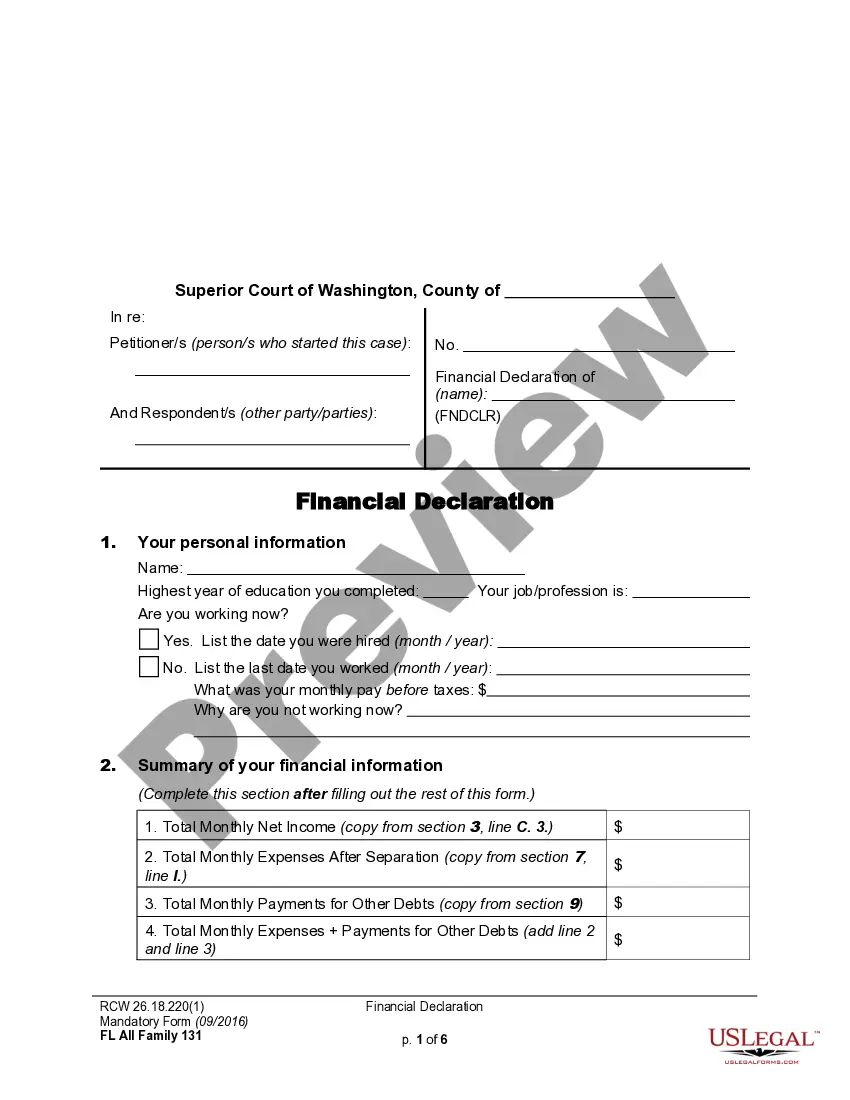
North Dakota Identity Theft by Known Imposter Package
What this form package covers
The North Dakota Identity Theft by Known Imposter Package is designed to help victims clear their name after their identity has been stolen by someone they know. This package contains essential forms that facilitate communication with creditors and other entities to address the damage caused by identity theft. Unlike generic identity theft packages, this Form Package focuses specifically on situations involving known imposters, providing tailored documents for effective resolution.
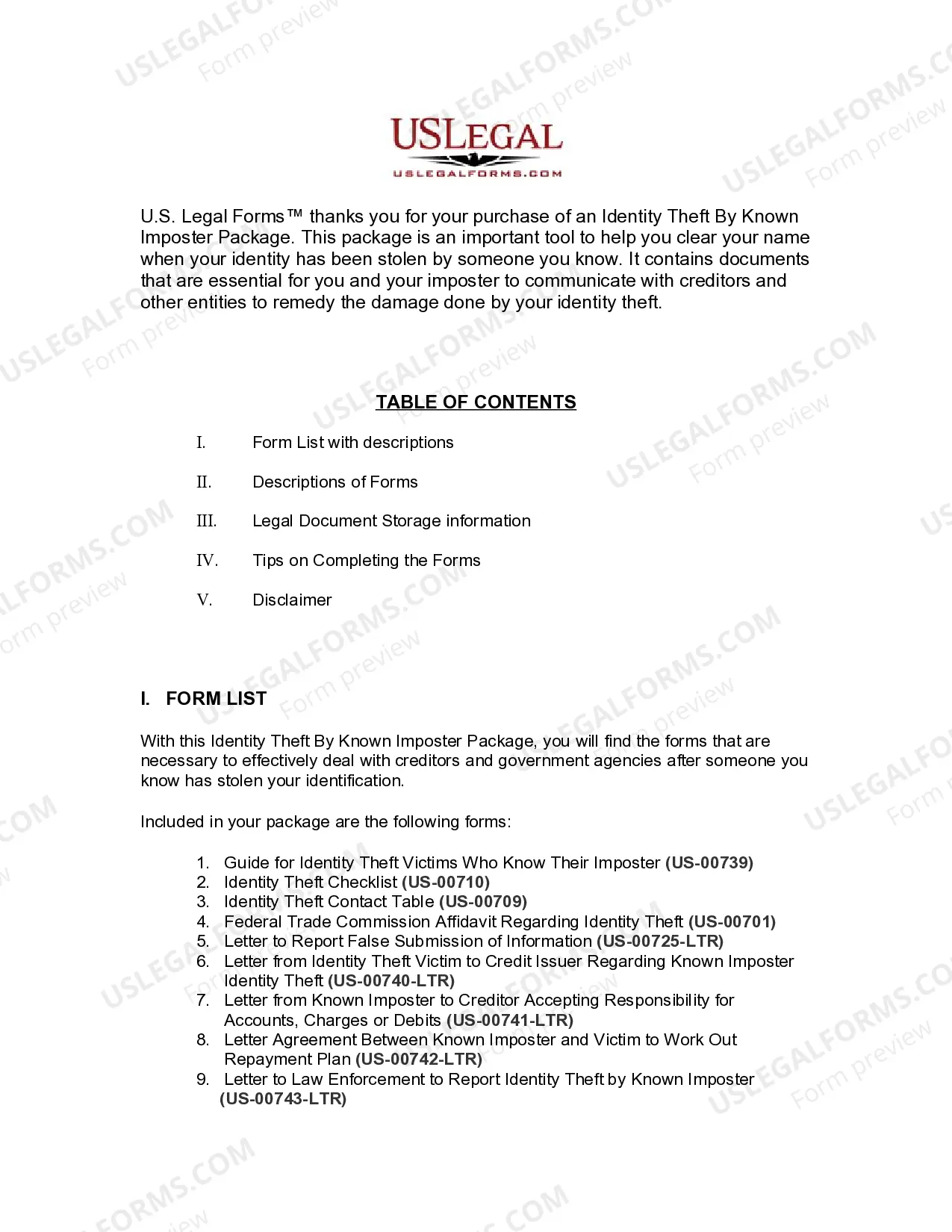
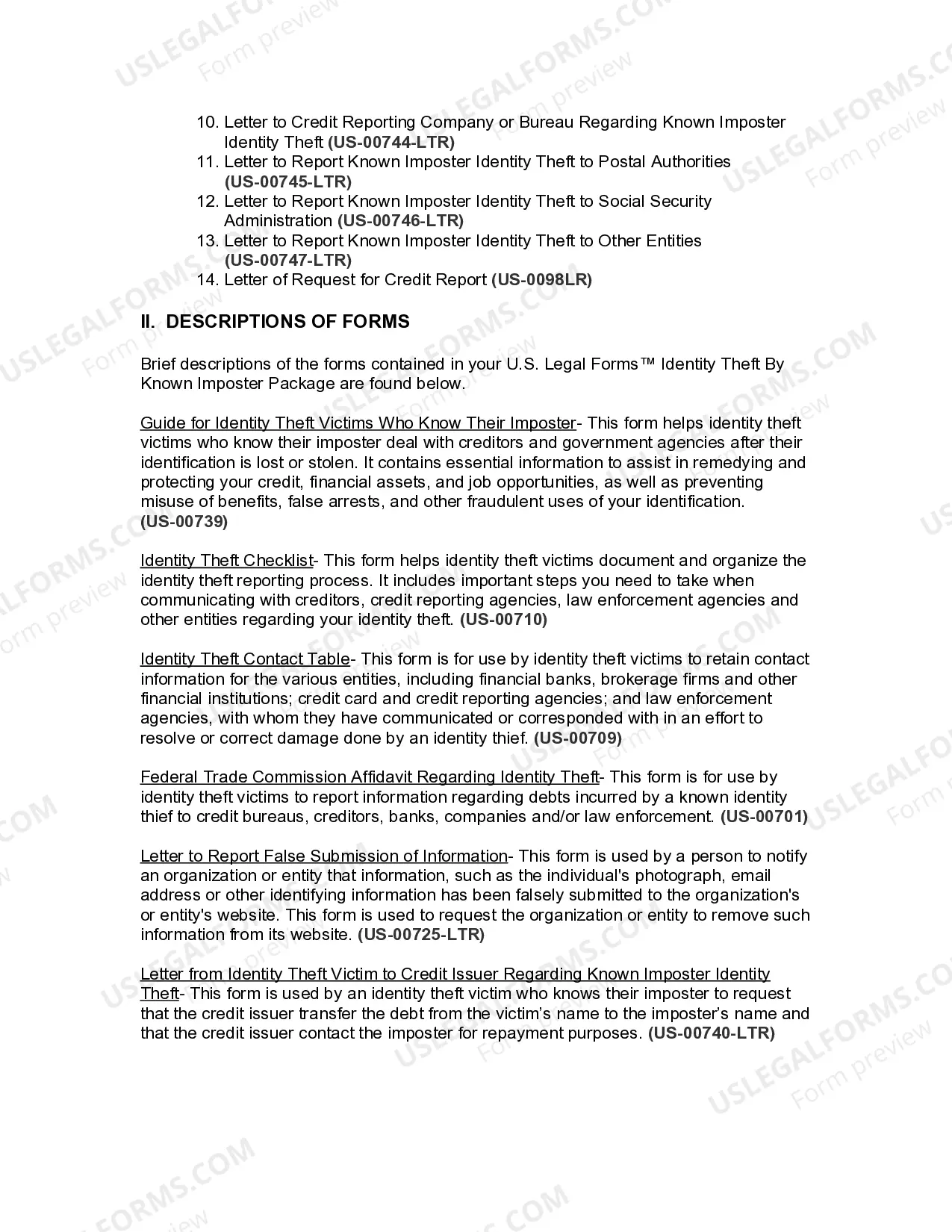
Forms you’ll find in this package
- Federal Trade Commission Affidavit regarding Identity Theft
- Identity Theft Contact Table
- Identity Theft Checklist
- Sample Letter to Report False Submission of Information
- Guide for Identity Theft Victims Who Know Their Imposter
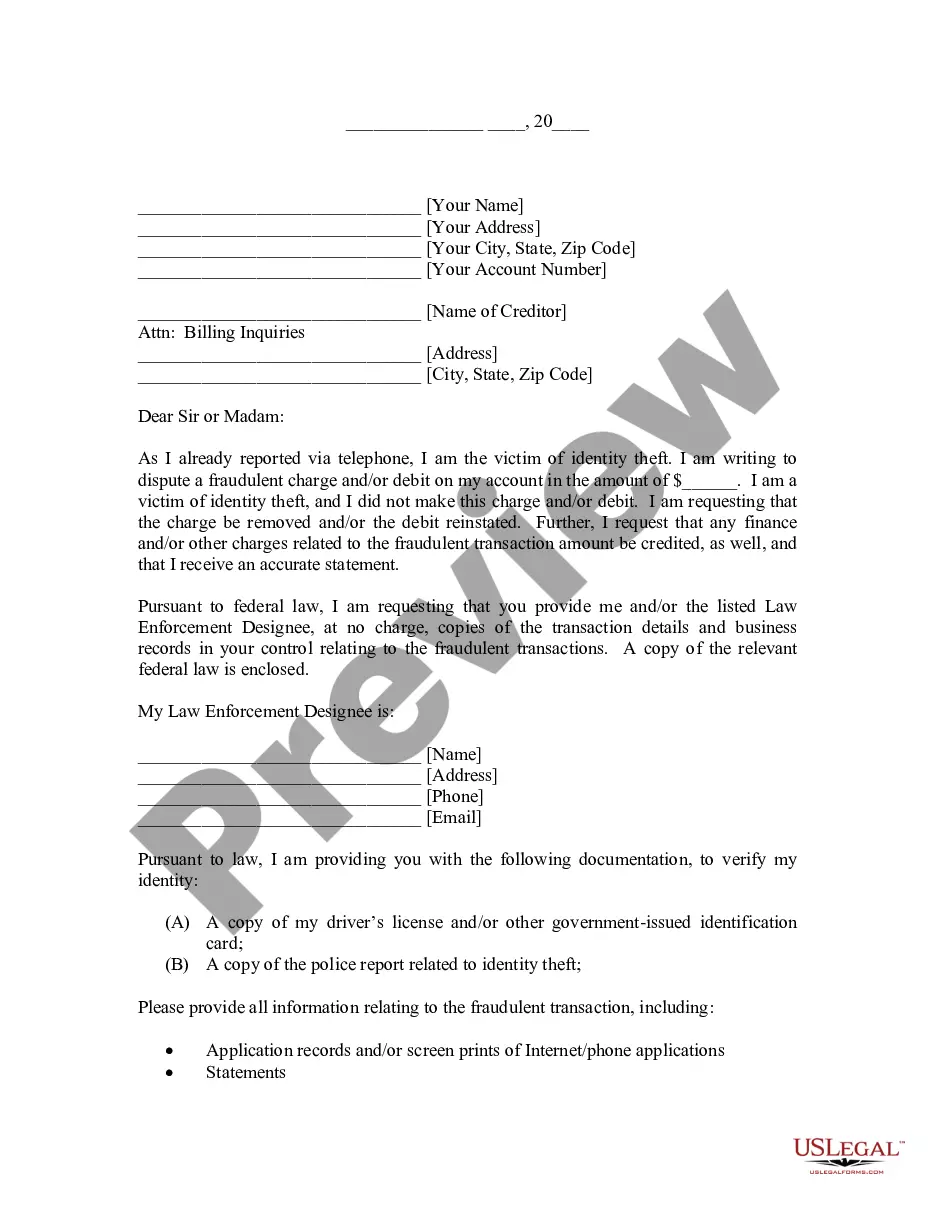
- Letter from Identity Theft Victim to Credit Issuer Regarding Known Imposter Identity Theft
- Letter from Known Imposter to Creditor Accepting Responsibility for Accounts, Charges or Debits
- Letter Agreement Between Known Imposter and Victim to Work Out Repayment Plan
- Letter to Law Enforcement to Report Identity Theft by Known Imposter
- Letter to Credit Reporting Company or Bureau Regarding Known Imposter Identity Theft
- Letter to Report Known Imposter Identity Theft to Postal Authorities
- Letter to Report Known Imposter Identity Theft to Social Security Administration
- Letter to Report Known Imposter Identity Theft to Other Entities
- Sample Letter for Request for Free Credit Report Allowed by Federal Law
When to use this form package
This form package is useful in various scenarios, including:
- When someone you know has stolen your personal information.
- When you need to communicate with creditors about fraudulent debts.
- When law enforcement involvement is required to report known identity theft.
- When you wish to establish clear agreements regarding repayment plans with the known imposter.
Who this form package is for
- Individuals whose identity has been stolen by a familiar person.
- Victims seeking to remedy the effects of identity theft on their credit history.
- Those needing to communicate formally with creditors and law enforcement.
How to prepare this document
- Review the included forms to familiarize yourself with the documentation process.
- Gather necessary information about the identity theft incident and the known imposter.
- Complete the Identity Theft Checklist to track communications with various entities.
- Fill out specific forms such as letters to creditors and law enforcement as needed.
- Sign and date all forms as required, ensuring accuracy in your information.
- Store completed documents securely and consider notifying relevant parties.
Do documents in this package require notarization?
Some forms in this package need notarization to be legally binding. Our online notarization service, powered by Notarize, lets you verify and sign documents remotely through an encrypted video session, available 24/7.
Get your form ready online
Our built-in tools help you complete, sign, share, and store your documents in one place.
Make edits, fill in missing information, and update formatting in US Legal Forms—just like you would in MS Word.
Download a copy, print it, send it by email, or mail it via USPS—whatever works best for your next step.
Sign and collect signatures with our SignNow integration. Send to multiple recipients, set reminders, and more. Go Premium to unlock E-Sign.
If this form requires notarization, complete it online through a secure video call—no need to meet a notary in person or wait for an appointment.
We protect your documents and personal data by following strict security and privacy standards.

Make edits, fill in missing information, and update formatting in US Legal Forms—just like you would in MS Word.

Download a copy, print it, send it by email, or mail it via USPS—whatever works best for your next step.

Sign and collect signatures with our SignNow integration. Send to multiple recipients, set reminders, and more. Go Premium to unlock E-Sign.

If this form requires notarization, complete it online through a secure video call—no need to meet a notary in person or wait for an appointment.

We protect your documents and personal data by following strict security and privacy standards.
Common mistakes to avoid
- Failing to keep copies of all correspondence sent to creditors and agencies.
- Not providing accurate details about the imposter when filling out forms.
- Overlooking the need to notify multiple entities about the identity theft.
Advantages of online completion
- Convenience of downloading forms immediately after purchase.
- Editability allows you to customize each form to your specific situation.
- Reliable access to documents prepared by licensed attorneys.
Legal use & context
- These forms are legally valid for reporting identity theft and rectifying associated issues.
- Proper completion and submission of these forms can aid in restoring your identity.
- It's important to comply with local laws when applying the forms in specific situations.
Looking for another form?
Form popularity
FAQ
Police departments can do very little to investigate and prosecute identity theft.You can use the Identity Theft Report to help get false information taken off your credit reports, stop a company from collecting debts and place an extended fraud alert on your credit reports.
Someone who uses another person's identifying information to fraudulently or illegally obtain some kind of benefit commits the crime of identity theft.Likewise, depending on the state in which you live, using a fake ID to get into a bar or buy alcohol can be identity theft or a related crime.
The four types of identity theft include medical, criminal, financial and child identity theft.
You receive unexpected credit cards or account statements. You're denied credit for no apparent reason. You receive calls or letters from unknown debt collectors. Your bills and bank statements don't arrive in the mail.
Account Takeover Fraud. Debit Card Fraud or Credit Card Fraud. Driver's License Identity Theft. Mail Identity Theft. Online Shopping Fraud. Social Security Number Identity Theft. Senior Identity Theft and Scams. Child Identity Theft.
You may be able to have your identity theft charges dropped if: You didn't obtain use a person's information unlawfully If you did not obtain or use someone else's personal information unlawfully, you are not guilty of identity theft.
Financial Identity Theft. Financial identity theft is by far the most common type of identity theft. Medical Identity Theft. Criminal Identity Theft. Child Identity Theft. Identity Cloning & Concealment. Synthetic Identity Theft. Mitigate Your Risk.
Under California law, you can report identity theft to your local police department. Ask the police to issue a police report of identity theft. Give the police as much information on the theft as possible. One way to do this is to provide copies of your credit reports showing the items related to identity theft.
Stolen Checks. If you have had checks stolen or bank accounts set up fraudulently, report it to the check verification companies. ATM Cards. Fraudulent Change of Address. Social Security Number Misuse. Passports. Phone Service. Driver License Number Misuse. False Civil and Criminal Judgements.