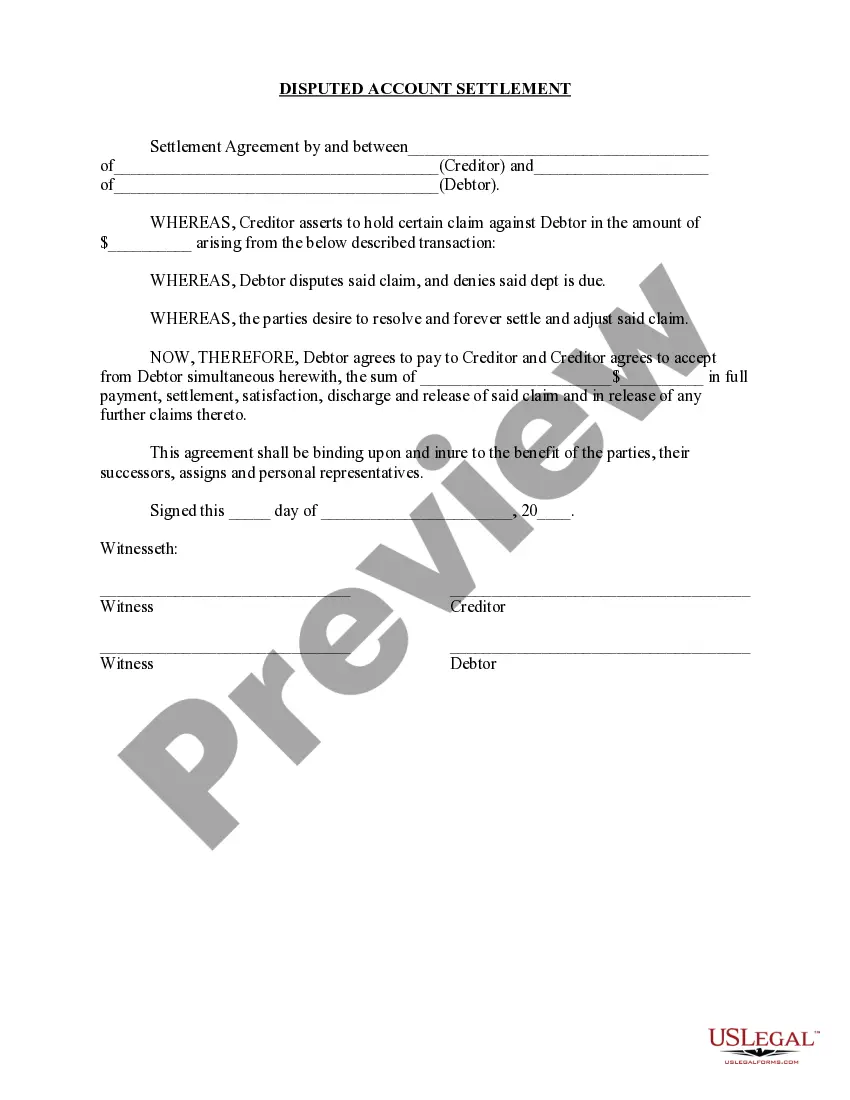
North Carolina Disputed Open Account Settlement
Description
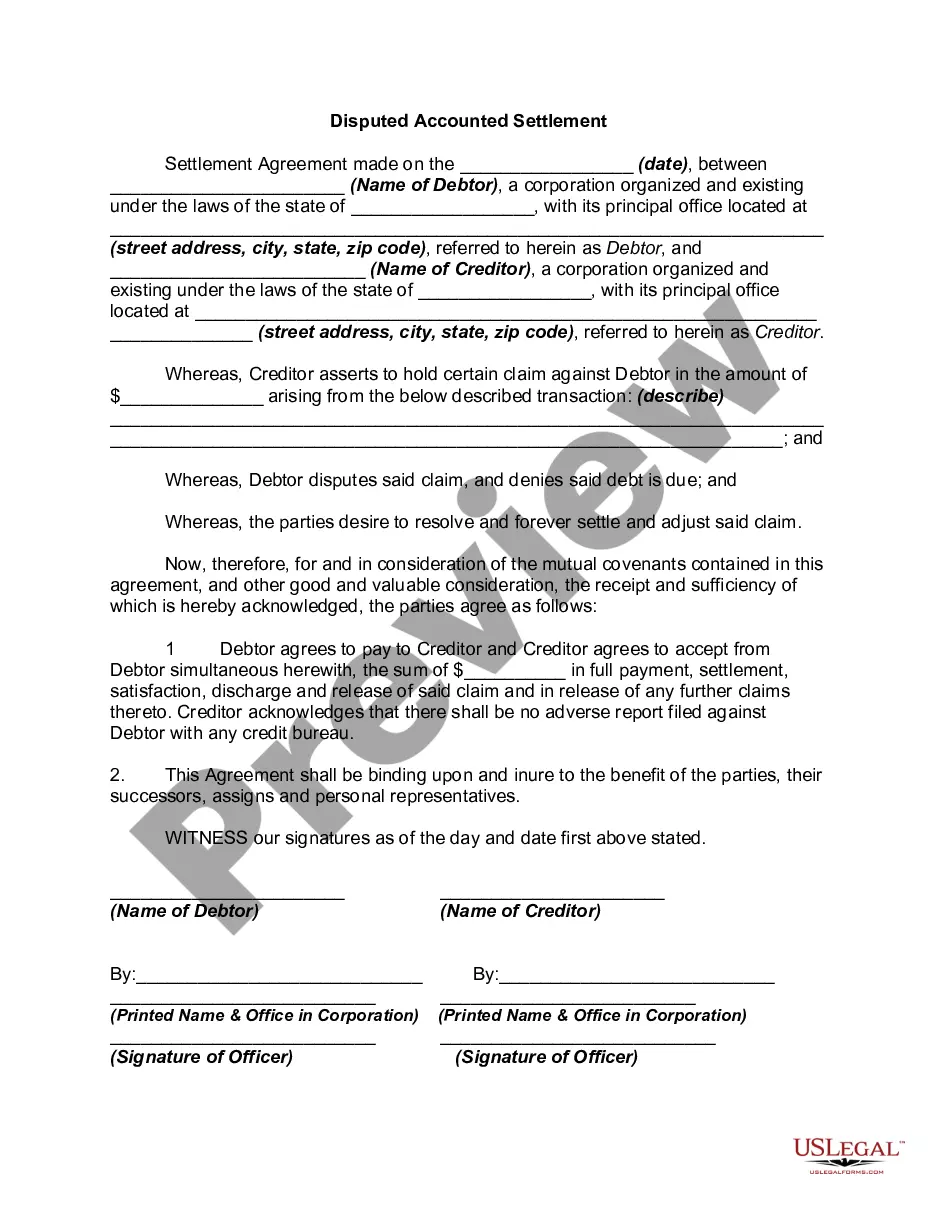
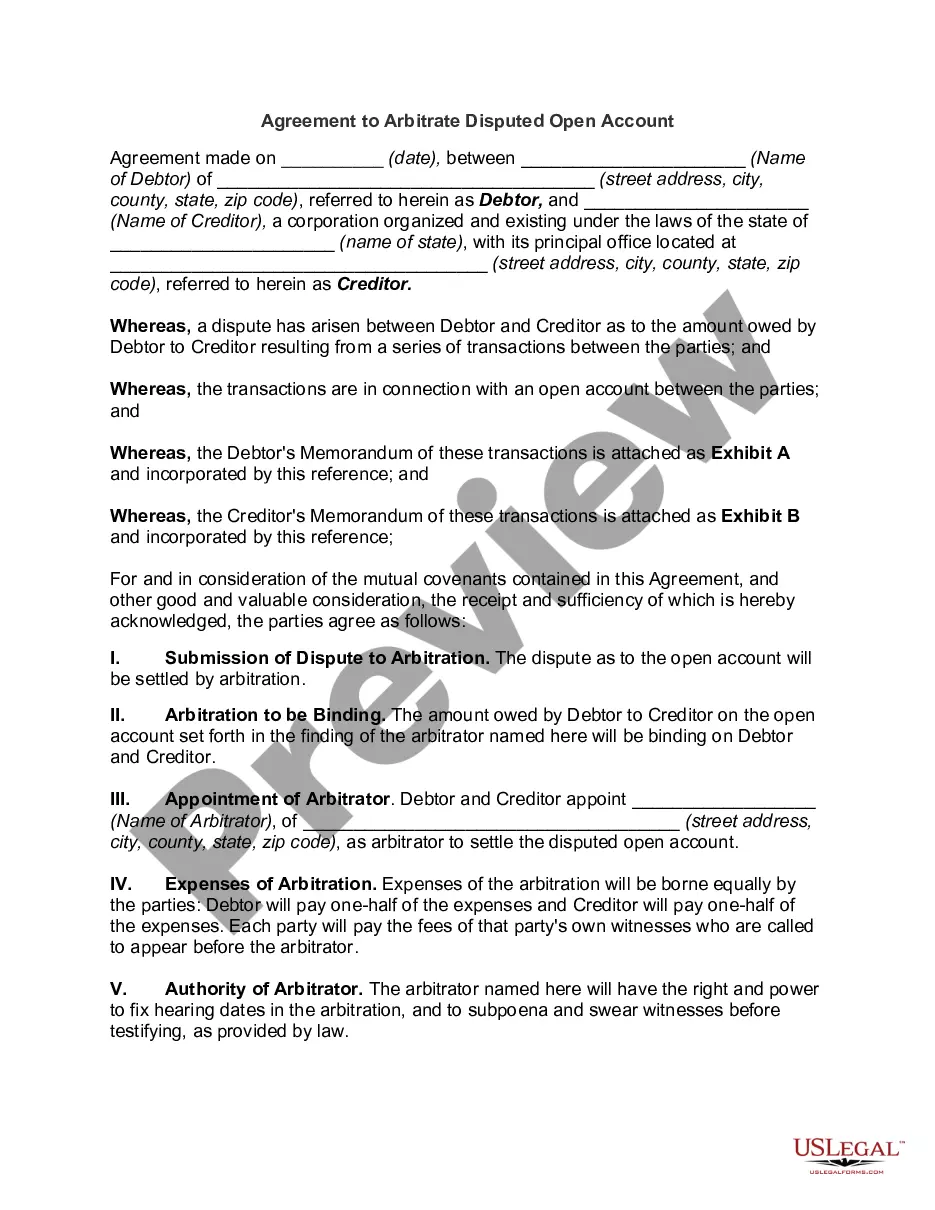
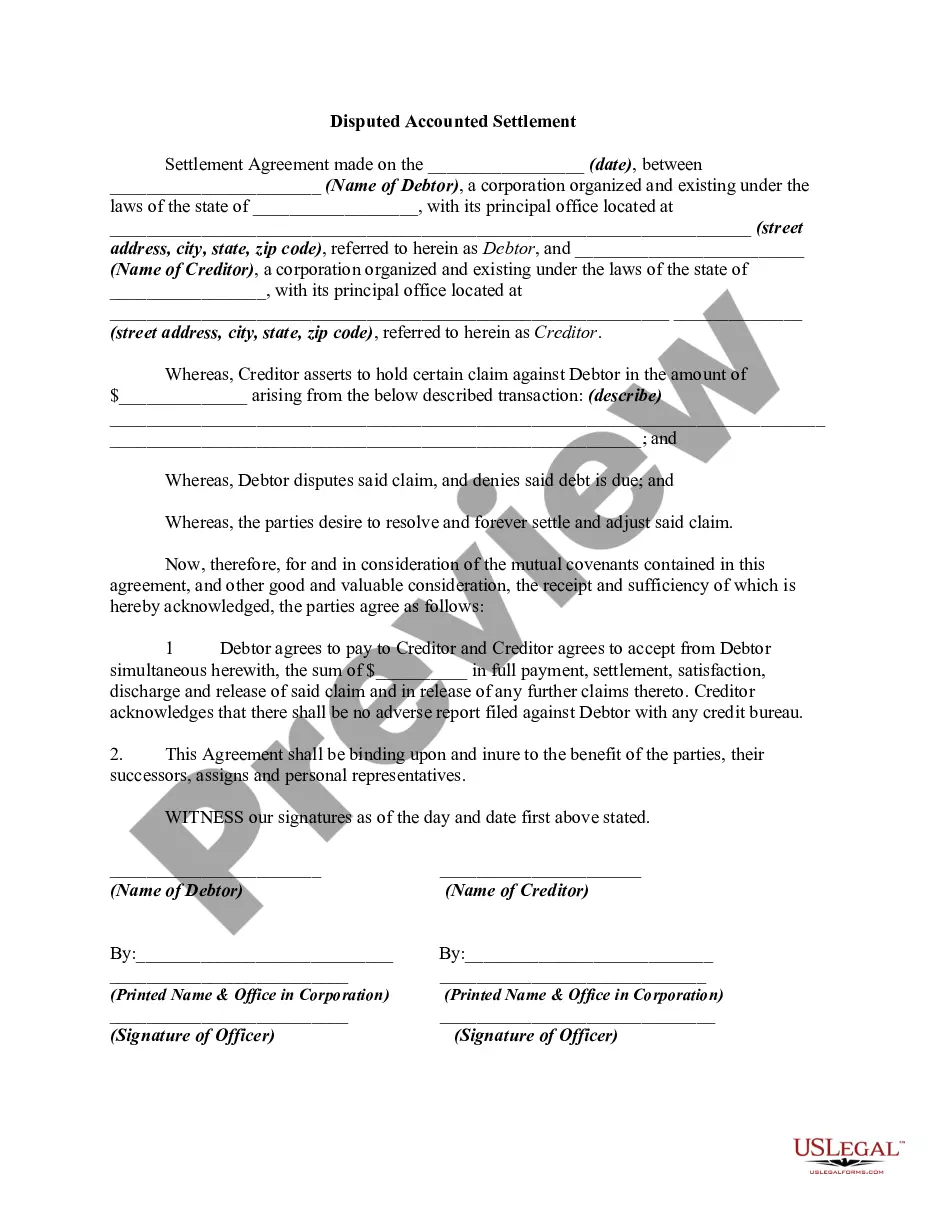
Get your form ready online
Our built-in tools help you complete, sign, share, and store your documents in one place.
Make edits, fill in missing information, and update formatting in US Legal Forms—just like you would in MS Word.
Download a copy, print it, send it by email, or mail it via USPS—whatever works best for your next step.
Sign and collect signatures with our SignNow integration. Send to multiple recipients, set reminders, and more. Go Premium to unlock E-Sign.
If this form requires notarization, complete it online through a secure video call—no need to meet a notary in person or wait for an appointment.
We protect your documents and personal data by following strict security and privacy standards.

Make edits, fill in missing information, and update formatting in US Legal Forms—just like you would in MS Word.

Download a copy, print it, send it by email, or mail it via USPS—whatever works best for your next step.

Sign and collect signatures with our SignNow integration. Send to multiple recipients, set reminders, and more. Go Premium to unlock E-Sign.

If this form requires notarization, complete it online through a secure video call—no need to meet a notary in person or wait for an appointment.

We protect your documents and personal data by following strict security and privacy standards.
Looking for another form?

How to fill out Disputed Open Account Settlement?
It is feasible to dedicate hours online attempting to find the authentic document template that meets the federal and state requirements you need.
US Legal Forms offers a vast array of valid forms that are reviewed by professionals.
You can conveniently download or print the North Carolina Disputed Open Account Settlement from the service.
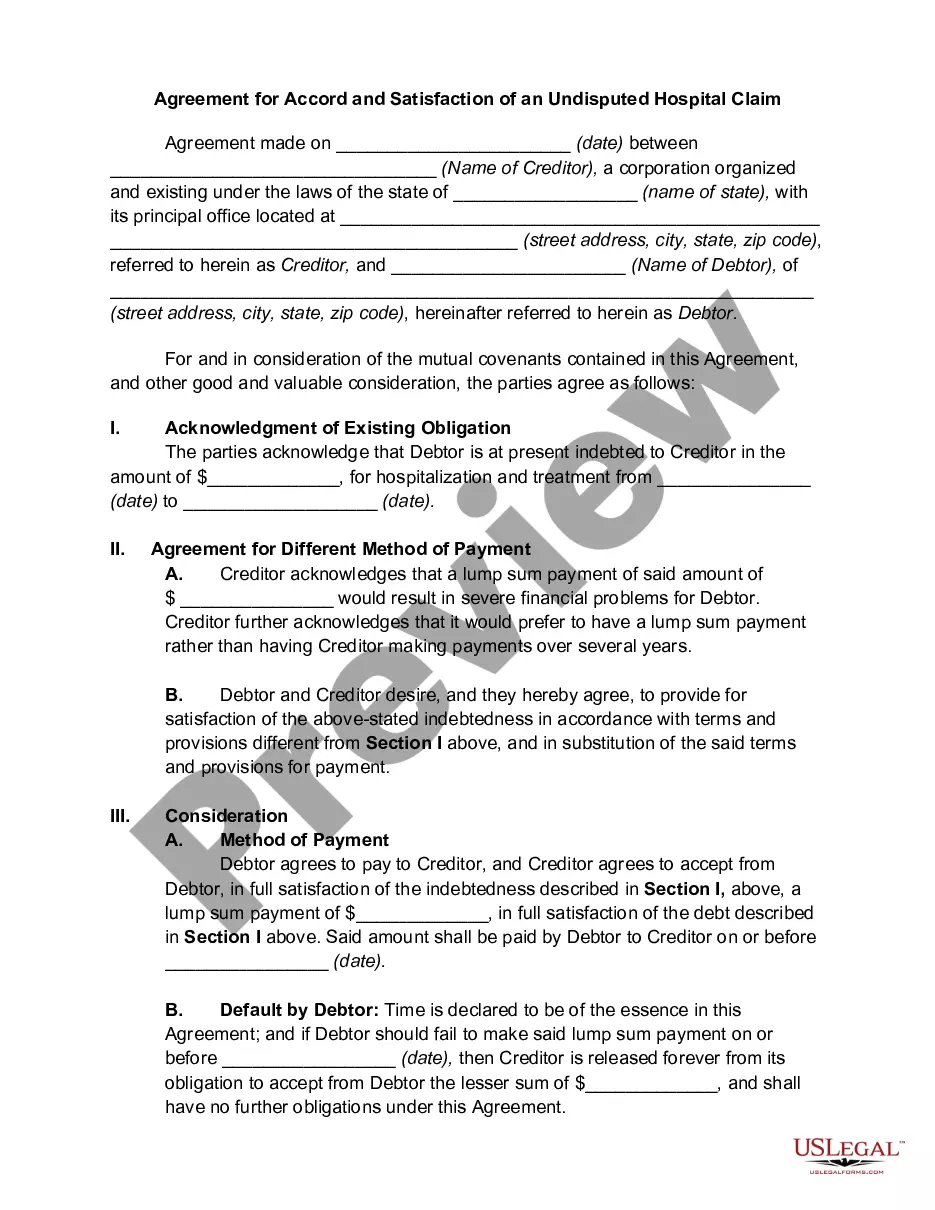
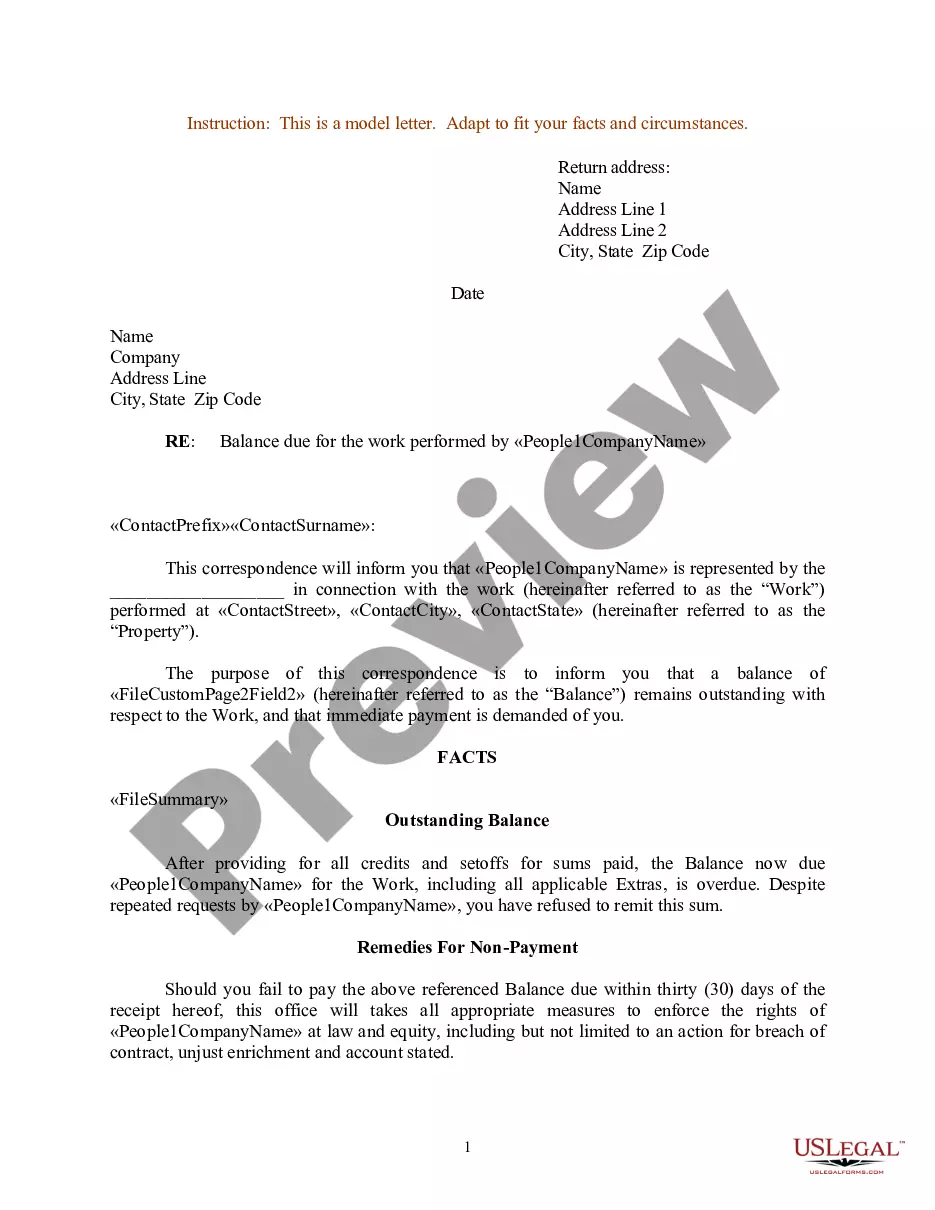
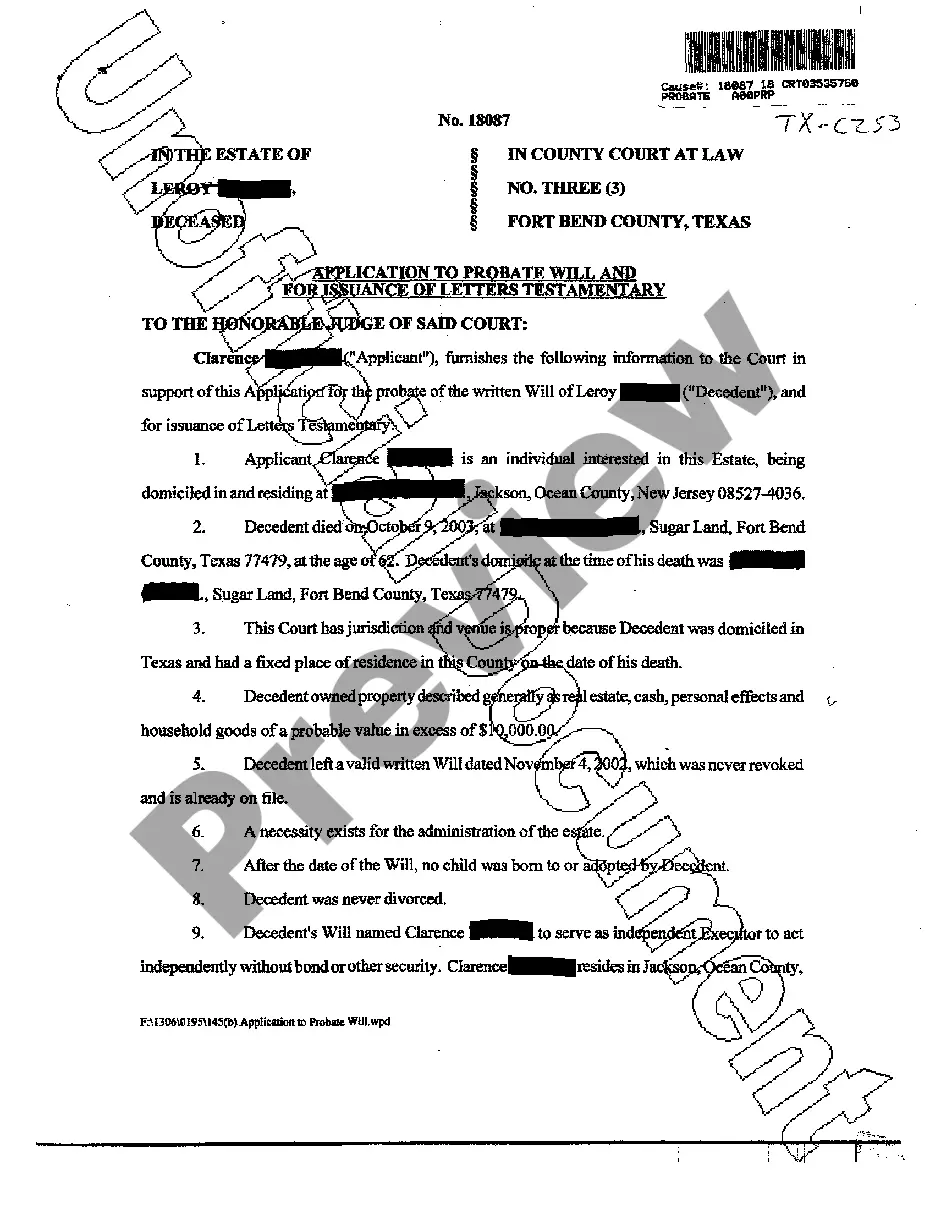
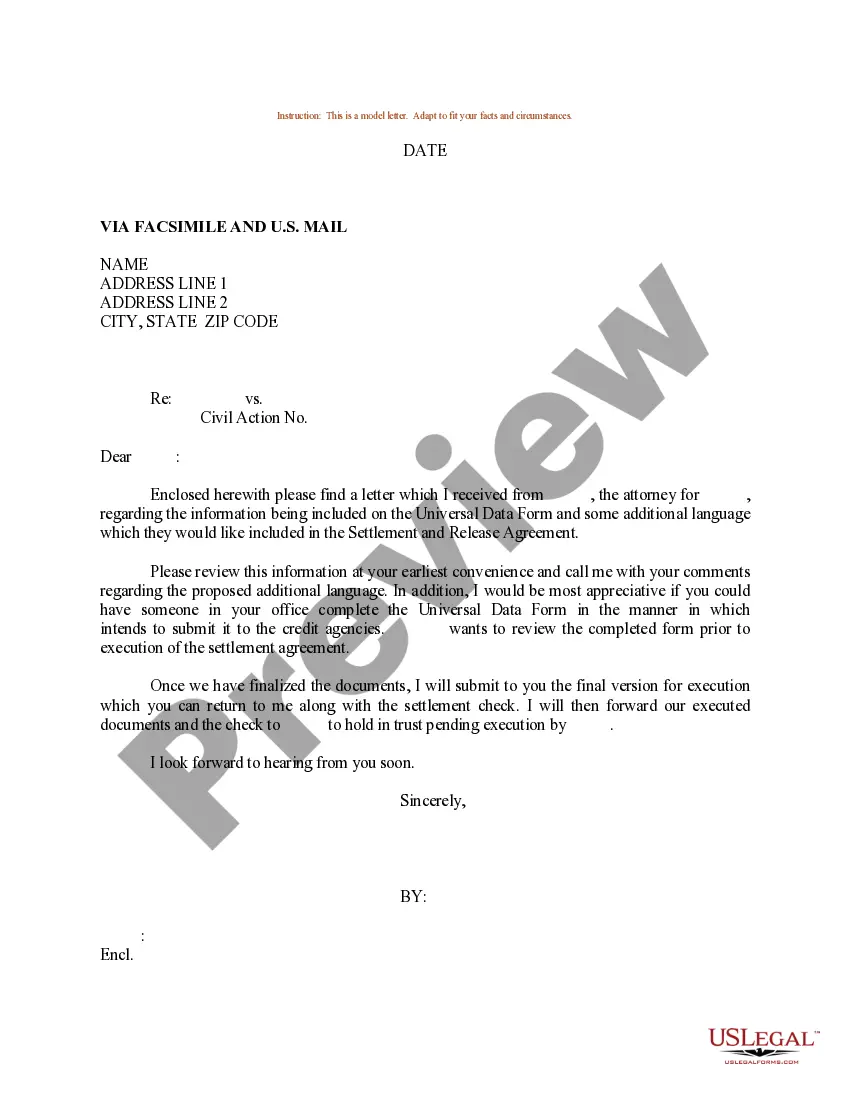
Read the form description to ensure you have chosen the appropriate form. If available, utilize the Preview button to review the document template as well.
- If you already possess a US Legal Forms account, you can Log In and click the Obtain button.
- After that, you can complete, alter, print, or sign the North Carolina Disputed Open Account Settlement.
- Every legal document template you acquire is yours permanently.
- To obtain another copy of an acquired form, navigate to the My documents tab and click the relevant button.
- If this is your first time using the US Legal Forms website, follow the simple instructions below.
- First, ensure you have selected the correct document template for the state/region of your choice.
Form popularity
FAQ
In some types of cases, North Carolina law requires that the litigants to engage in mediation before a lawsuit is filed. Those types of cases include farm nuisance disputes, some insurance claims, public records disputes, and condominium and homeowners' association disputes.
Under North Carolina law, mediation is mandatory in cases that involve equitable distribution. The majority of equitable distribution cases filed in Buncombe County are settled outside of court, either through negotiations or mediation.
Only at the time if recording his evidence his presence in court is compulsory.
A Dispute Resolution Conference (DRC) is a process used to assist in the early resolution of care applications other than judicial determination. It is a form of Alternative Dispute Resolution (ADR) and is therefore a confidential process.
In some types of cases, North Carolina law requires that the litigants to engage in mediation before a lawsuit is filed. Those types of cases include farm nuisance disputes, some insurance claims, public records disputes, and condominium and homeowners' association disputes.
While courts can mandate that certain cases go to mediation, the process remains "voluntary" in that the parties are not required to come to agreement. The mediator does not have the power to make a decision for the parties, but can help the parties find a resolution that is mutually acceptable.
A judicial settlement conference is an informal process in which a retired circuit court judge, trained in mediation and settlement conference skills, actively facilitates a process whereby parties in conflict may reach a mutually satisfactory resolution.
Arbitrator listens to facts and evidence and renders an award. Mediator helps the parties define and understand the issues and each side's interests.