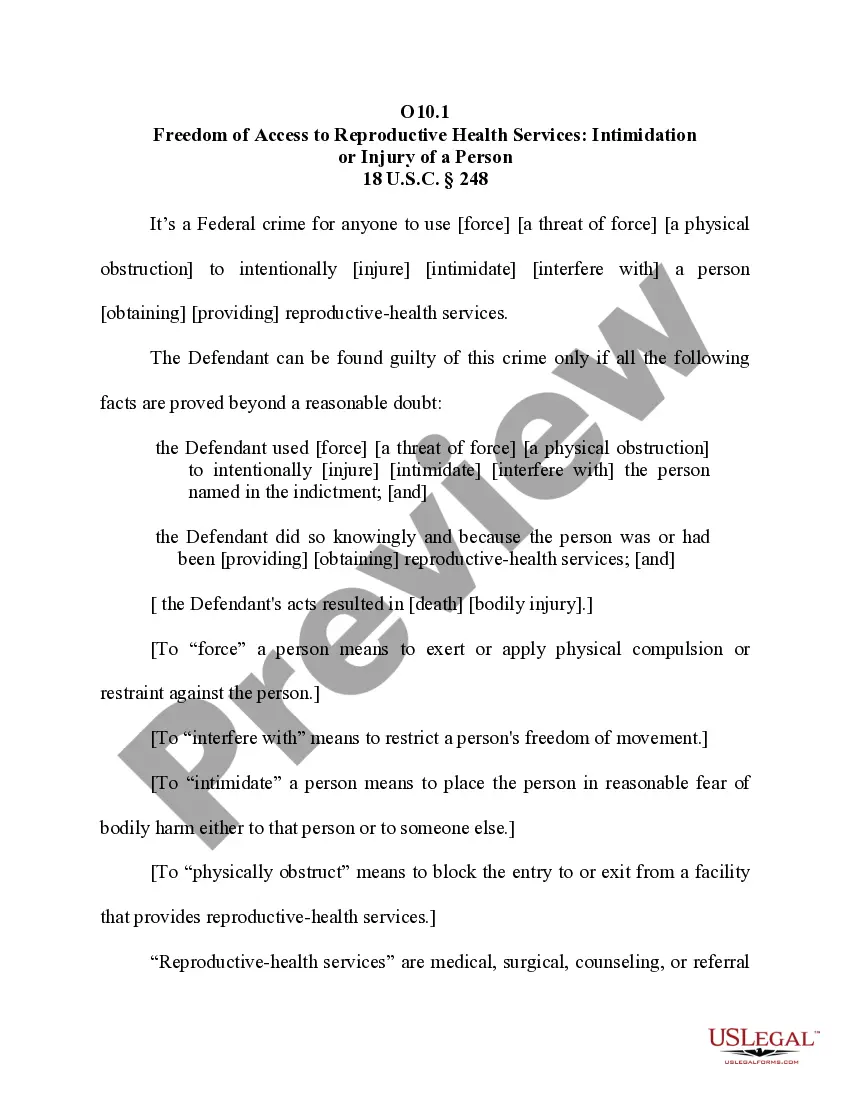
North Carolina Complaint for Malicious Prosecution, False Imprisonment, Abuse of Process
Description




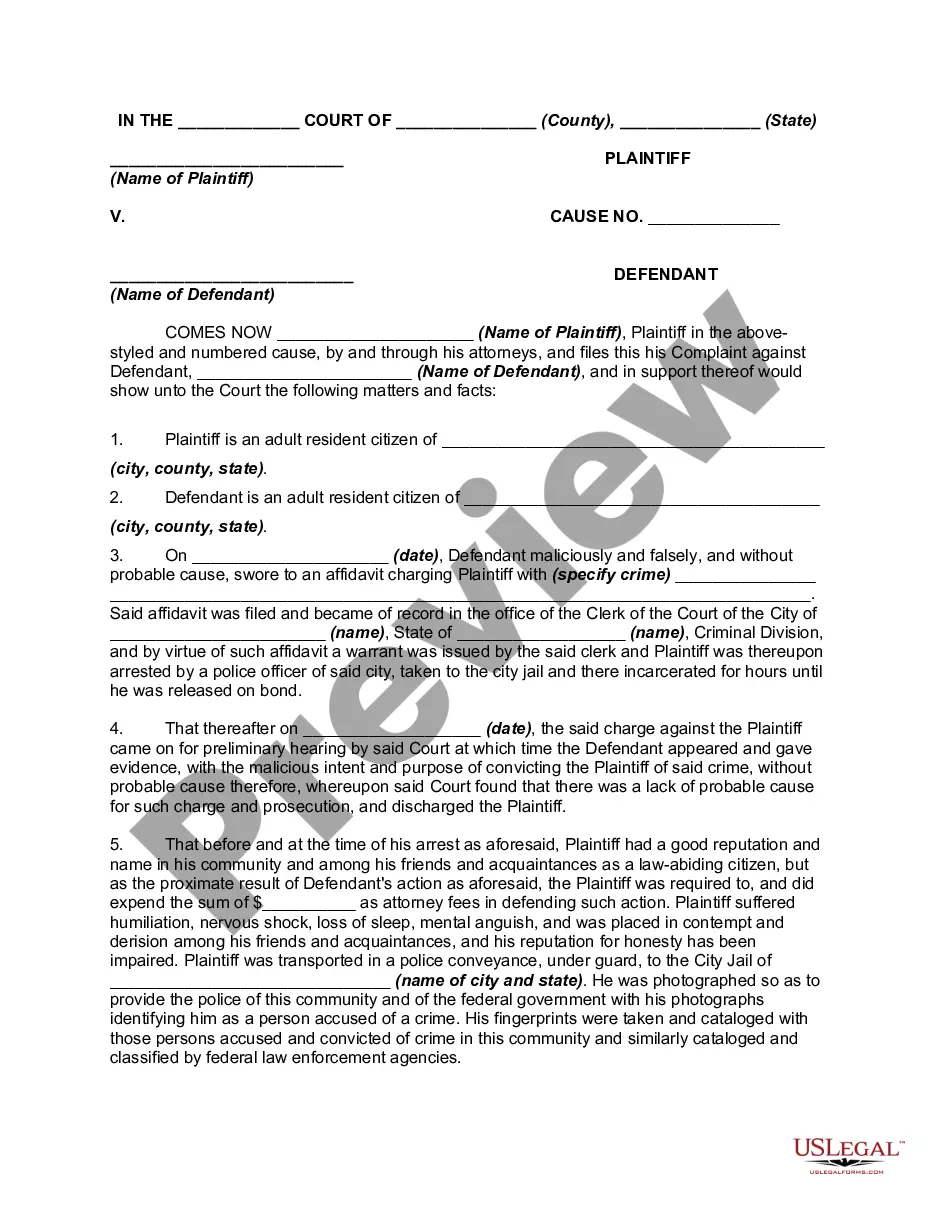
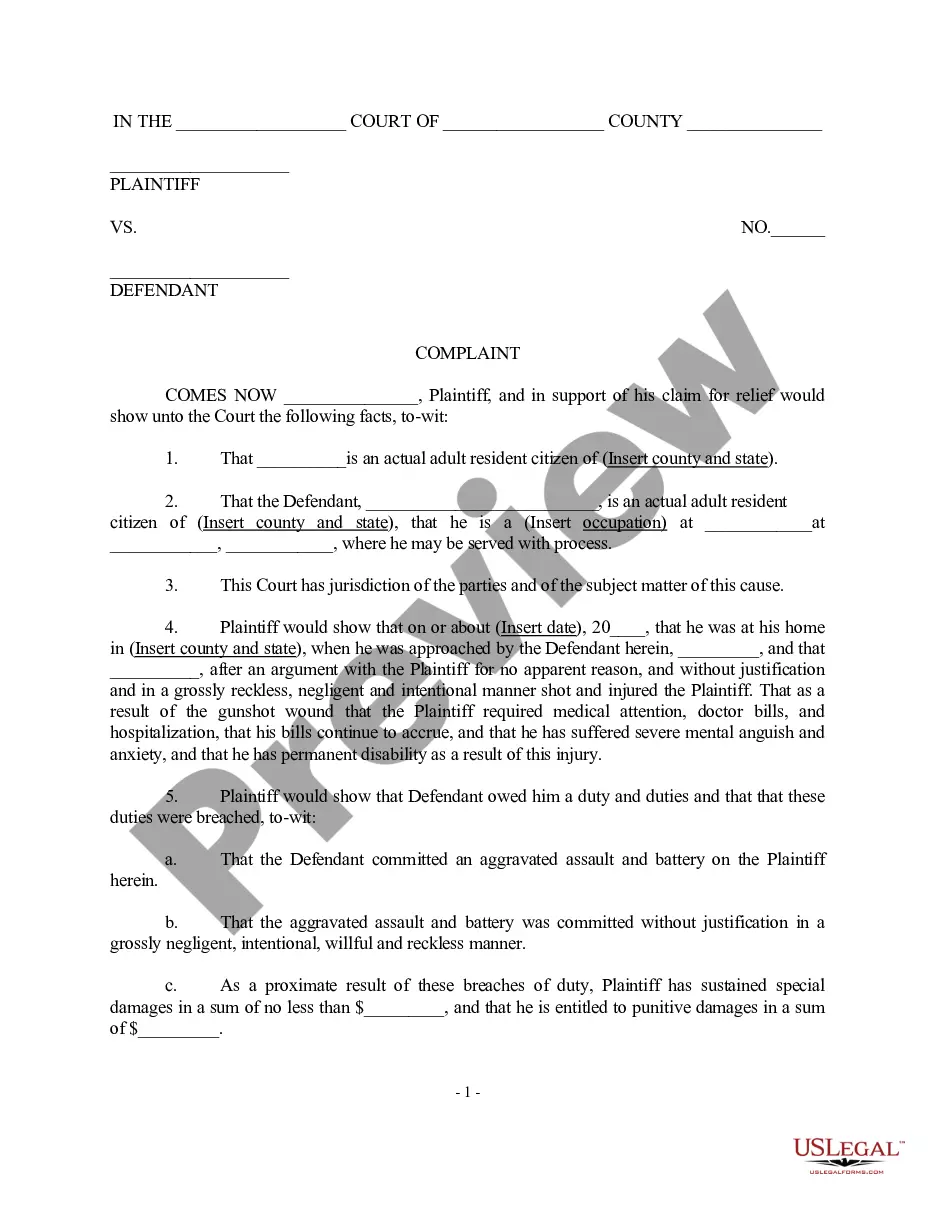
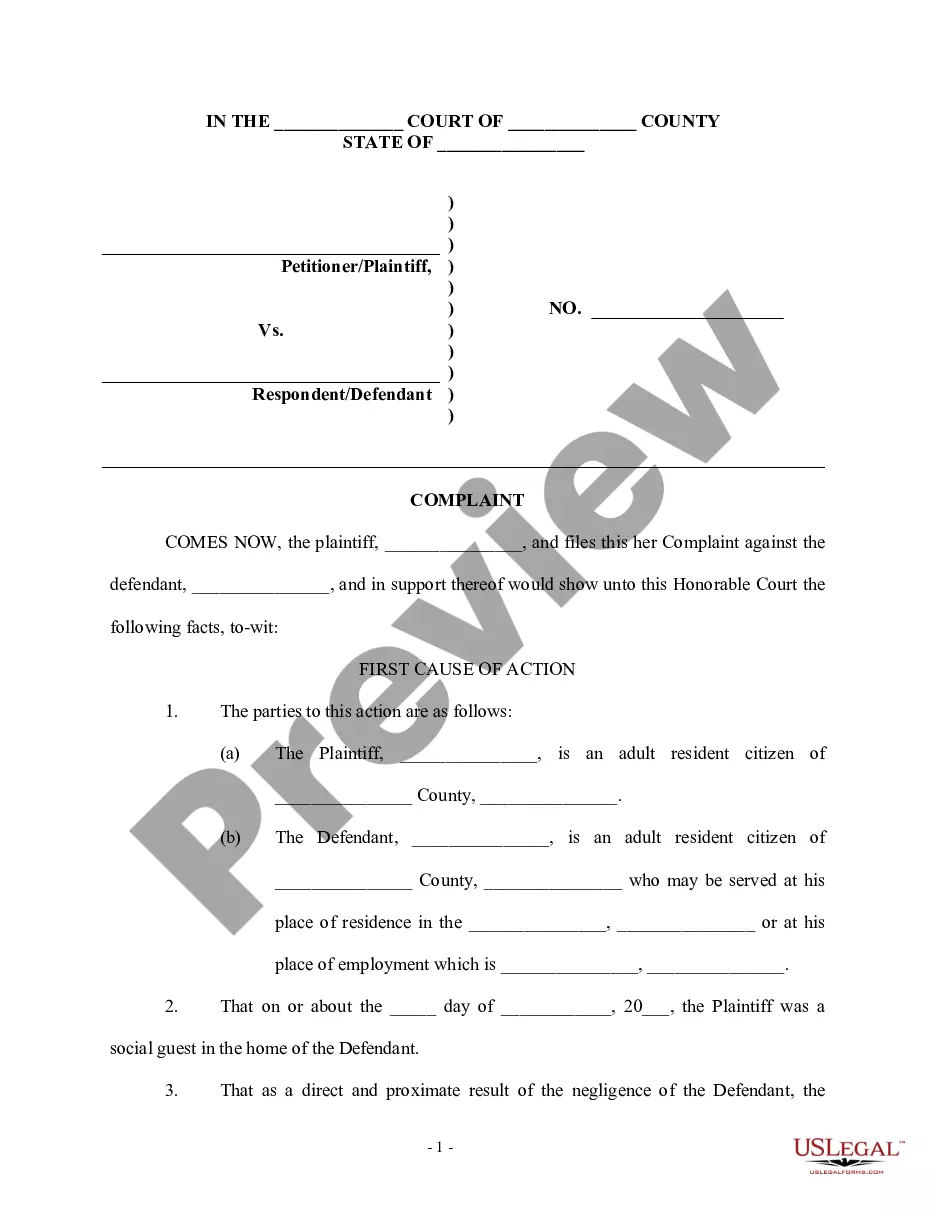
Get your form ready online
Our built-in tools help you complete, sign, share, and store your documents in one place.
Make edits, fill in missing information, and update formatting in US Legal Forms—just like you would in MS Word.
Download a copy, print it, send it by email, or mail it via USPS—whatever works best for your next step.
Sign and collect signatures with our SignNow integration. Send to multiple recipients, set reminders, and more. Go Premium to unlock E-Sign.
If this form requires notarization, complete it online through a secure video call—no need to meet a notary in person or wait for an appointment.
We protect your documents and personal data by following strict security and privacy standards.

Make edits, fill in missing information, and update formatting in US Legal Forms—just like you would in MS Word.

Download a copy, print it, send it by email, or mail it via USPS—whatever works best for your next step.

Sign and collect signatures with our SignNow integration. Send to multiple recipients, set reminders, and more. Go Premium to unlock E-Sign.

If this form requires notarization, complete it online through a secure video call—no need to meet a notary in person or wait for an appointment.

We protect your documents and personal data by following strict security and privacy standards.
Looking for another form?








How to fill out Complaint For Malicious Prosecution, False Imprisonment, Abuse Of Process?
If you desire to finalize, acquire, or print legal document templates, utilize US Legal Forms, the largest assortment of legal documents available online.
Take advantage of the site's straightforward and user-friendly search to locate the documents you require.
A range of templates for commercial and personal purposes are categorized and recommended, or searchable by keywords.
Step 4. Once you have located the form you need, click the Purchase now button. Select your preferred pricing plan and enter your details to create an account.
Step 5. Complete the payment process. You can use your Visa, Mastercard, or PayPal account to finalize the payment. Step 6. Access the template in the legal document and download it to your device. Step 7. Complete, modify, and print or sign the North Carolina Complaint for Malicious Prosecution, False Imprisonment, Abuse of Process. Every legal document template you purchase is yours indefinitely. You will have access to every document you saved in your account. Visit the My documents section and select a document to print or download again. Stay proactive and acquire, and print the North Carolina Complaint for Malicious Prosecution, False Imprisonment, Abuse of Process with US Legal Forms. There are numerous professional and state-specific documents available for your business or personal requirements.
- Utilize US Legal Forms to procure the North Carolina Complaint for Malicious Prosecution, False Imprisonment, Abuse of Process in just a few clicks.
- If you are already a US Legal Forms user, Log In to your account and click the Download button to access the North Carolina Complaint for Malicious Prosecution, False Imprisonment, Abuse of Process.
- You can also retrieve forms you previously saved from the My documents section of your account.
- If you are using US Legal Forms for the first time, adhere to the guidelines below.
- Step 1. Ensure you have chosen the form for the appropriate city/state.
- Step 2. Use the Preview option to review the form's content. Remember to read through the details.
- Step 3. If you are unhappy with the form, utilize the Search box at the top of the page to find alternative templates in the legal document format.
Form popularity
FAQ
An action for malicious prosecution or an action for abuse of process is not barred until the expiration of three years after the accrual of the cause of action. G.S. 1-52. The one year statute of limitations applies to an action for false imprisonment.
Malicious prosecution occurs when someone sues you or brings criminal charges against you without probable cause and with harmful intent. Examples could include someone providing false evidence to the police that you committed a crime or someone suing you for hurting them even if you never caused them harm.
Under North Carolina law, it is considered malicious prosecution to wrongfully initiate criminal proceedings against someone. The person must have intentionally caused the criminal action, without probable cause, with some intent other than obtaining a legal judgment, and which was ultimately dismissed in court.
Although the Crown Prosecutor and the police officers can be named as Defendants in a malicious prosecution action, most jurisdictions provide for the assumption of liability by and vicarious liability of the Crown, which may thus be the only Defendant.
An action for malicious prosecution or an action for abuse of process is not barred until the expiration of three years after the accrual of the cause of action. G.S. 1-52. The one year statute of limitations applies to an action for false imprisonment.
Generally, the elements for abuse of process are: (1) the use of an illegal or improper use of process; (2) an ulterior motive or improper purpose; and in some jurisdictions (3) harm to a litigant. For the purposes of abuse of process, an arbitration proceeding is a judicial proceeding.
In North Carolina, felony crimes have no statutes of limitations?meaning a felony criminal case can be filed at any time. Most misdemeanor cases must be charged by the prosecutor within two years of the crime. Exceptions to the two-year limit are noted below.