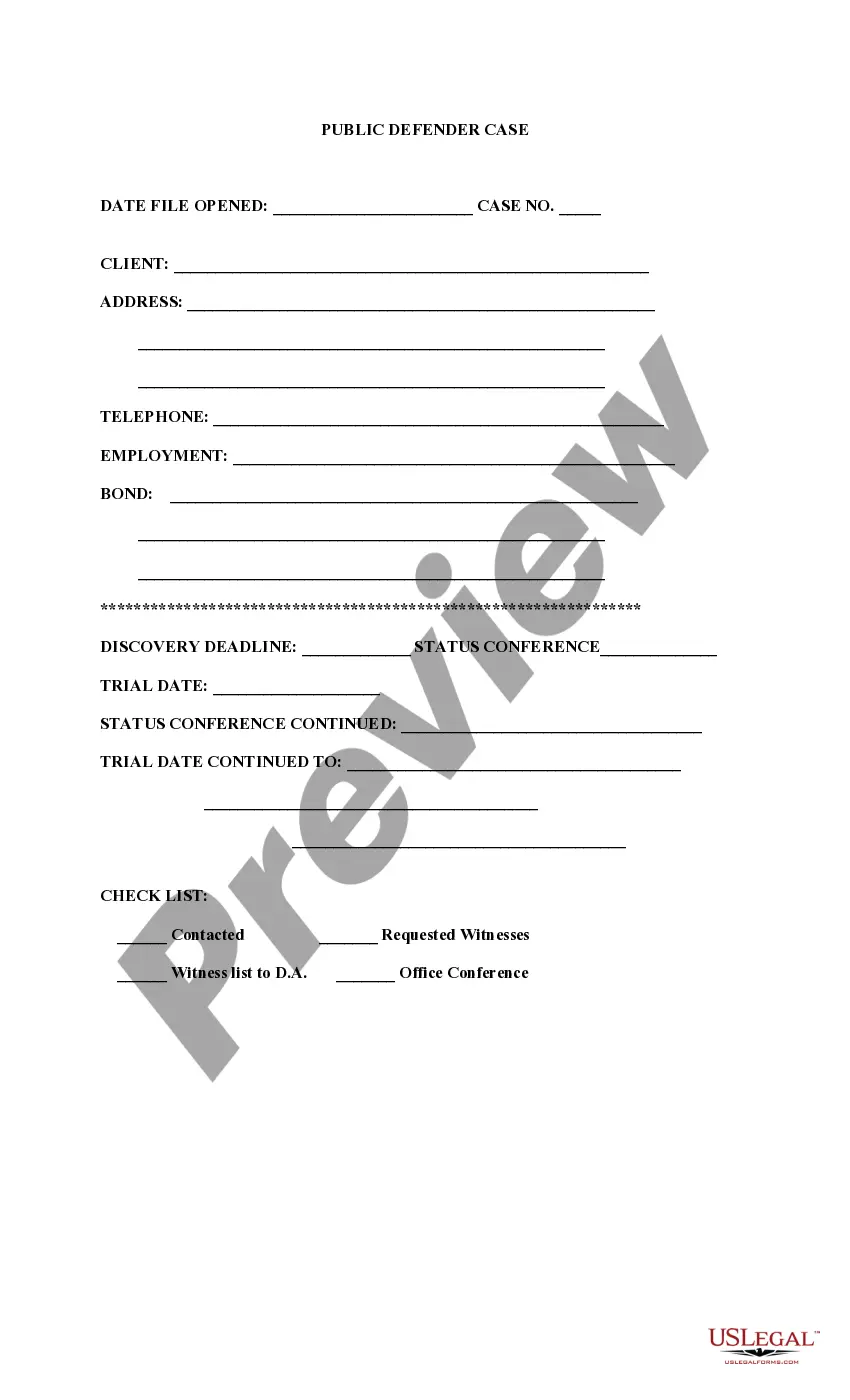
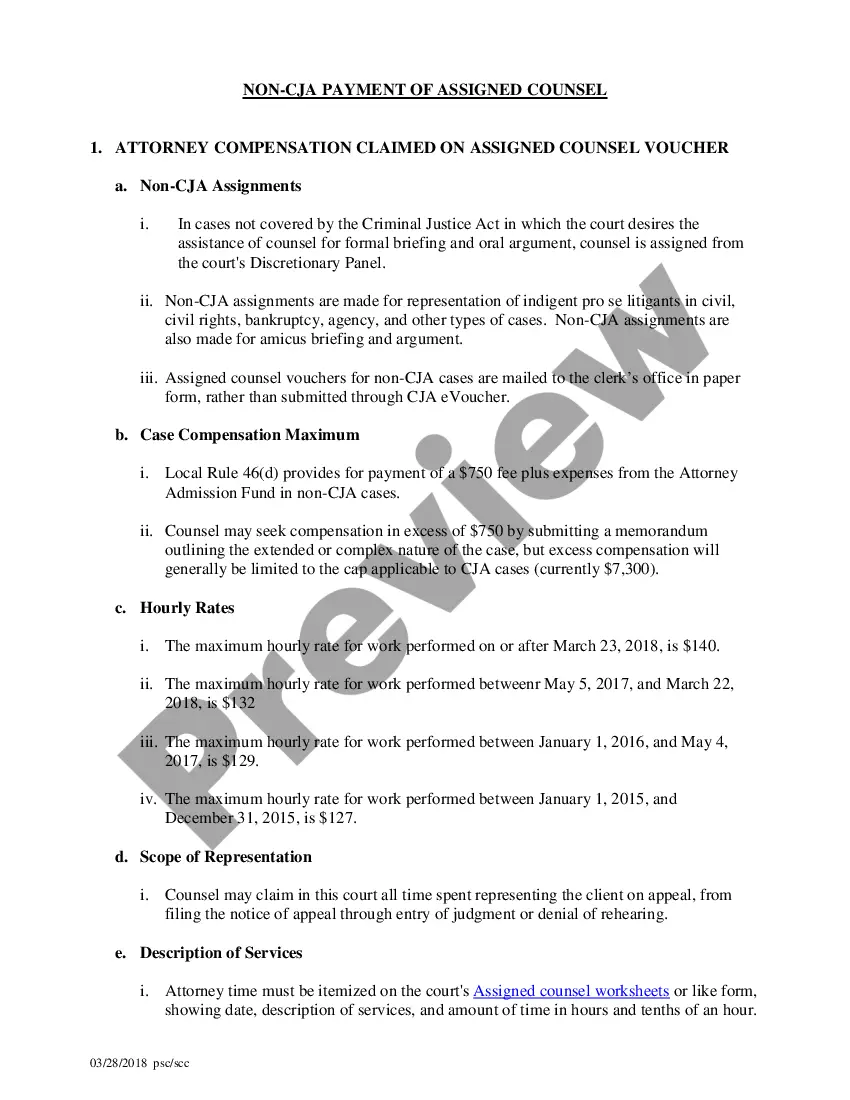
North Carolina Public Defender Case
Description
Get your form ready online
Our built-in tools help you complete, sign, share, and store your documents in one place.
Make edits, fill in missing information, and update formatting in US Legal Forms—just like you would in MS Word.
Download a copy, print it, send it by email, or mail it via USPS—whatever works best for your next step.
Sign and collect signatures with our SignNow integration. Send to multiple recipients, set reminders, and more. Go Premium to unlock E-Sign.
If this form requires notarization, complete it online through a secure video call—no need to meet a notary in person or wait for an appointment.
We protect your documents and personal data by following strict security and privacy standards.

Make edits, fill in missing information, and update formatting in US Legal Forms—just like you would in MS Word.

Download a copy, print it, send it by email, or mail it via USPS—whatever works best for your next step.

Sign and collect signatures with our SignNow integration. Send to multiple recipients, set reminders, and more. Go Premium to unlock E-Sign.

If this form requires notarization, complete it online through a secure video call—no need to meet a notary in person or wait for an appointment.

We protect your documents and personal data by following strict security and privacy standards.
Looking for another form?




How to fill out Public Defender Case?
US Legal Forms - one of the largest collections of legal documents in the USA - offers a vast selection of legal form templates that you can download or create.
By using the website, you can access thousands of forms for both business and personal use, organized by categories, states, or keywords. You can find the most recent versions of forms like the North Carolina Public Defender Case in moments.
If you already possess a membership, Log In and download the North Carolina Public Defender Case from the US Legal Forms library. The Download button will be available on every form you view. You will have access to all previously downloaded forms in the My documents section of your account.
Process the payment. Use your Visa or Mastercard or PayPal account to finalize the transaction.
Select the format and download the form onto your device. Make adjustments. Complete, modify, print, and sign the downloaded North Carolina Public Defender Case. Each template you add to your account has no expiration date and belongs to you indefinitely. Therefore, if you wish to download or create another copy, simply go to the My documents section and click on the form you need. Access the North Carolina Public Defender Case with US Legal Forms, the most extensive collection of legal document templates. Utilize a vast array of professional and state-specific templates that meet your business or personal needs and requirements.
- Ensure you have selected the correct form for your city/region.
- Click on the Preview button to review the form's content.
- Check the form description to confirm you have selected the right form.
- If the form does not meet your needs, utilize the Search box at the top of the page to find one that does.
- If you are satisfied with the form, validate your choice by clicking the Acquire now button.
- Then, choose your preferred payment option and provide your credentials to register for the account.
Form popularity
FAQ
To qualify for a public defender, you must demonstrate indigency, or financial hardship. Additionally, you must be accused of a crime that could result in imprisonment.
§ 7A-450. Indigency; definition; entitlement; determination; change of status. (a) An indigent person is a person who is financially unable to secure legal representation and to provide all other necessary expenses of representation in an action or proceeding enumerated in this Subchapter.
If you want a court-appointed attorney, you may need to give the court information under oath about your income and expenses, so that the judge can determine whether you can afford to hire an attorney. Depending on your county, you may be appointed a public defender or a private attorney from an appointment list.
In 1963, the Supreme Court ruled unanimously in favor of Gideon, guaranteeing the right to legal counsel for criminal defendants in federal and state courts. Following the decision, Gideon was given another trial with an appointed lawyer and was acquitted of the charges.
Sixth Amendment Right to Counsel The right to an attorney has applied in federal prosecutions for most of the nation's history, but it did not extend to all state-level felony cases, based on the Fourteenth Amendment, until the U.S. Supreme Court decided Gideon v. Wainwright, 372 U.S. 335 (1963).
1963 ? The United States Supreme Court decides Gideon v. Wainwright, ruling that the Sixth Amendment creates a right to court appointed counsel in felony cases in all criminal proceedings.
In Gideon v. Wainwright (1963), the Supreme Court ruled that the Constitution requires the states to provide defense attorneys to criminal defendants charged with serious offenses who cannot afford lawyers themselves. The case began with the 1961 arrest of Clarence Earl Gideon.
In Gideon v. Wainwright, the U.S. Supreme Court held that this means the State must provide an attorney to any criminal defendant who cannot afford to hire one.