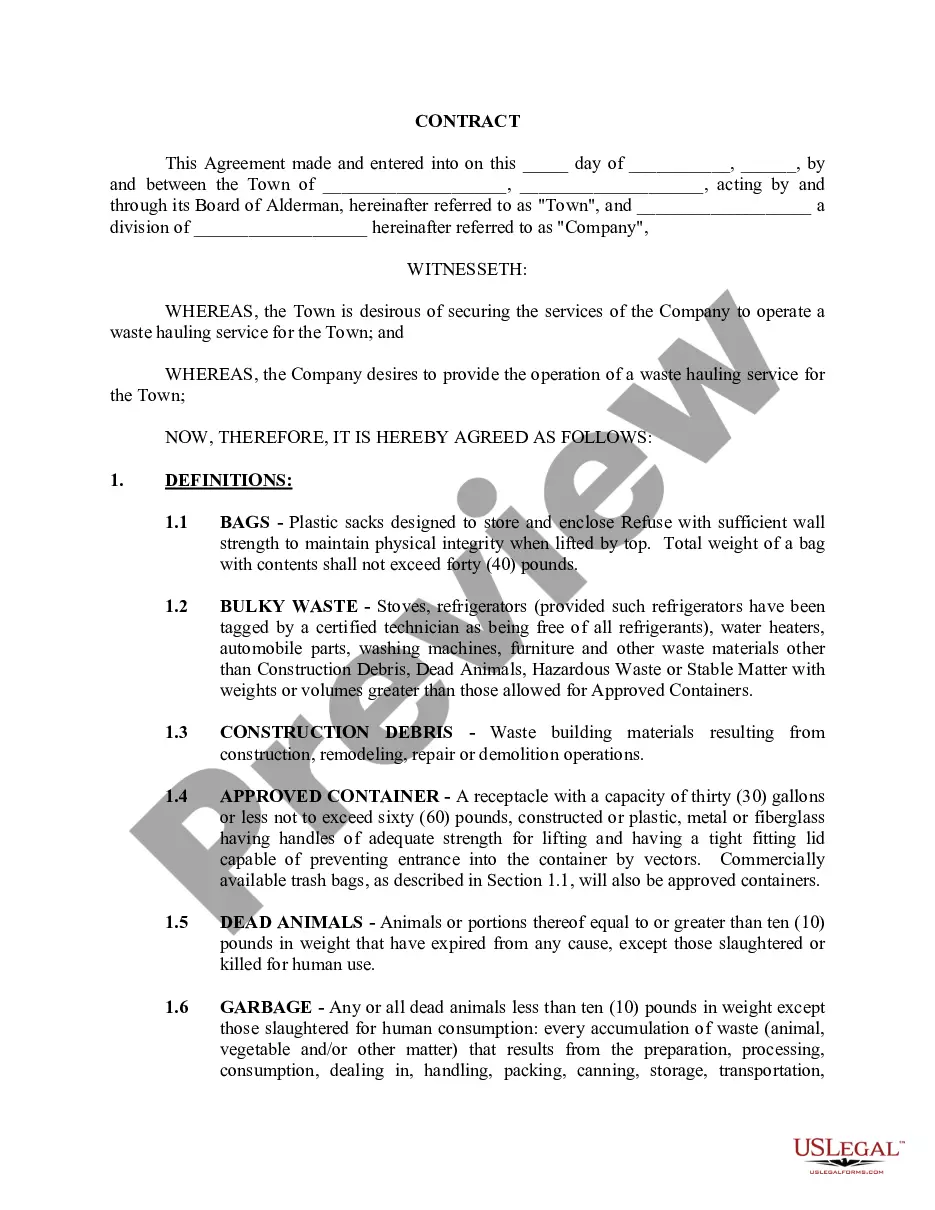
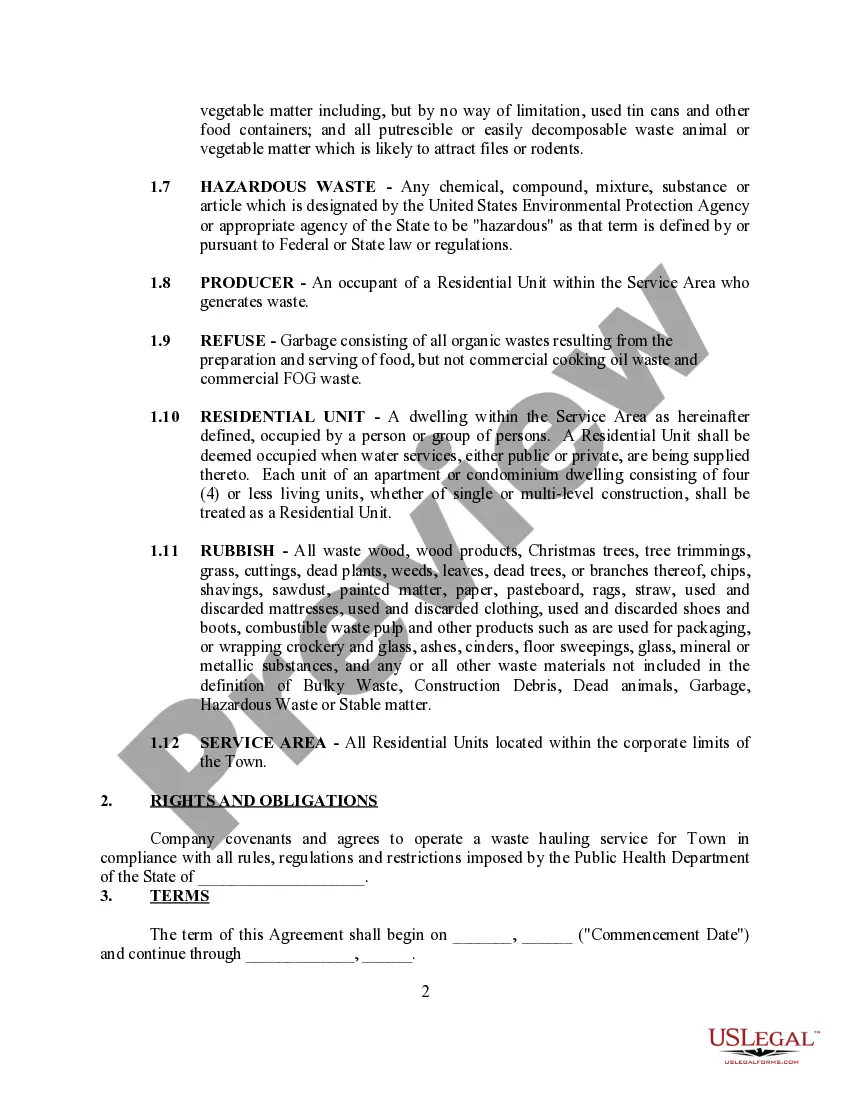
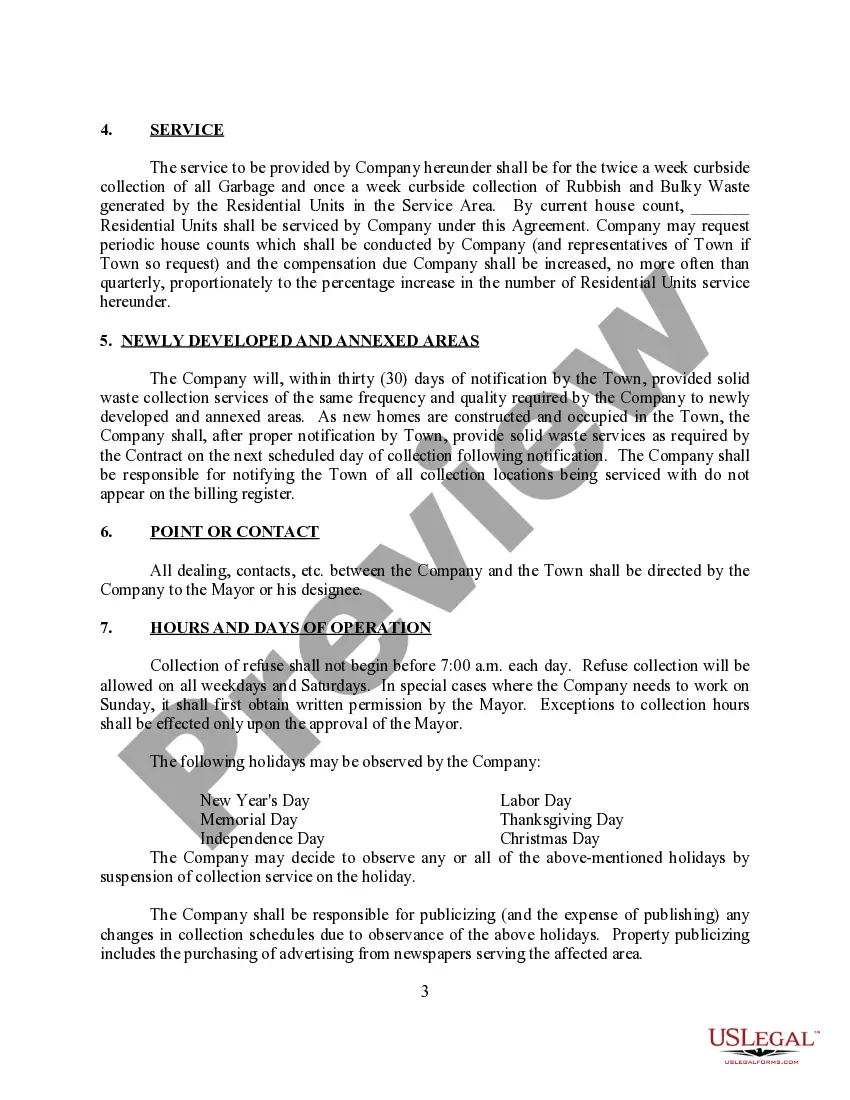
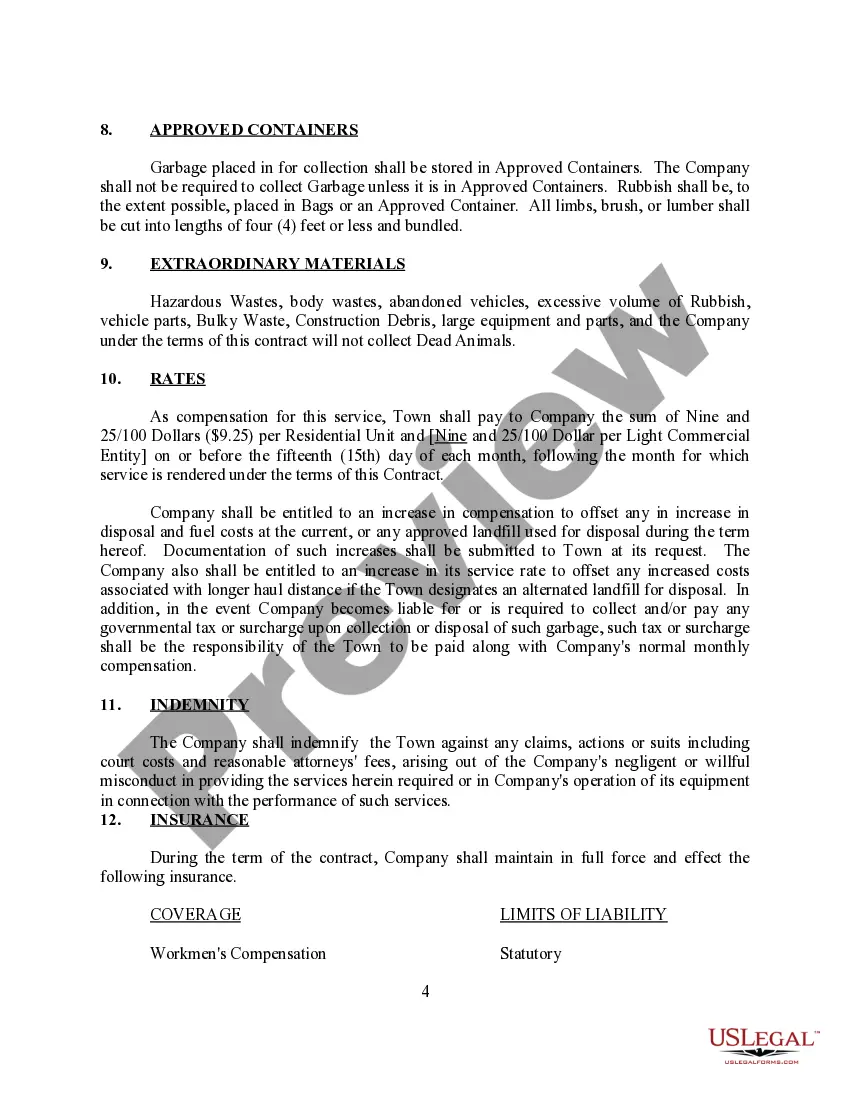
North Carolina Waste Disposal Agreement for Municipality
Description
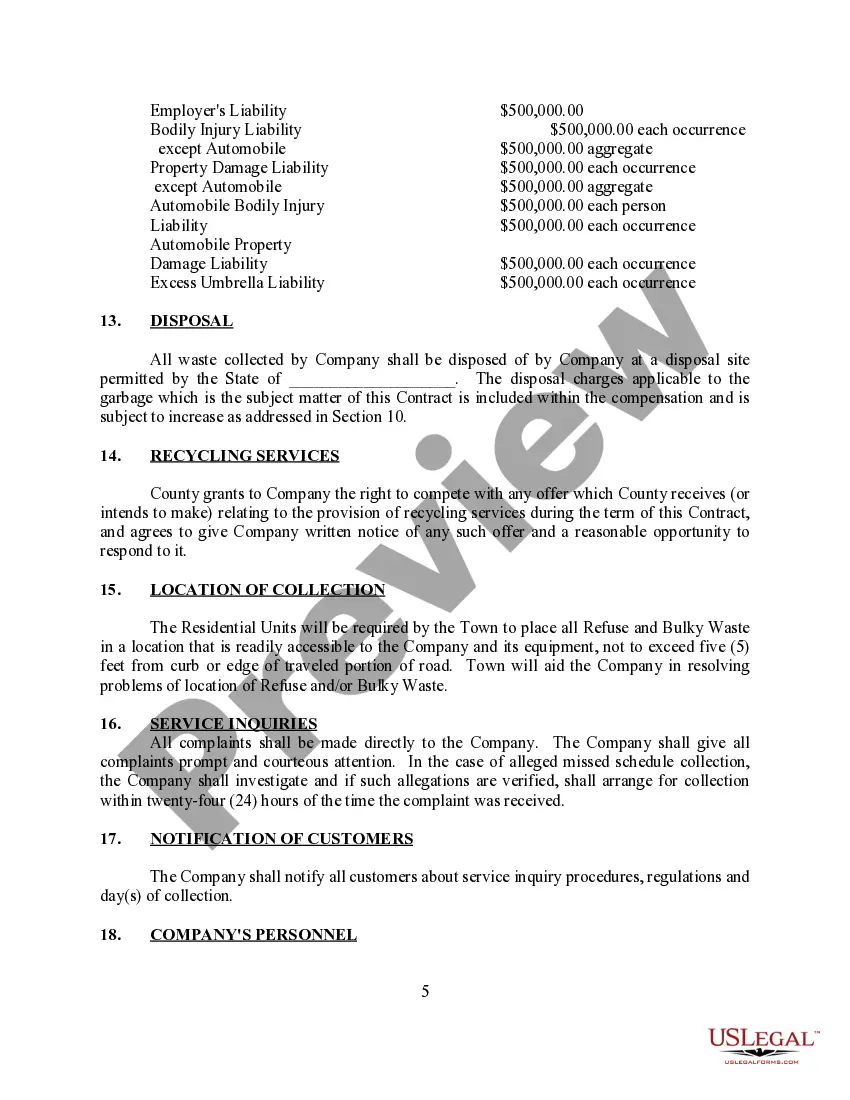
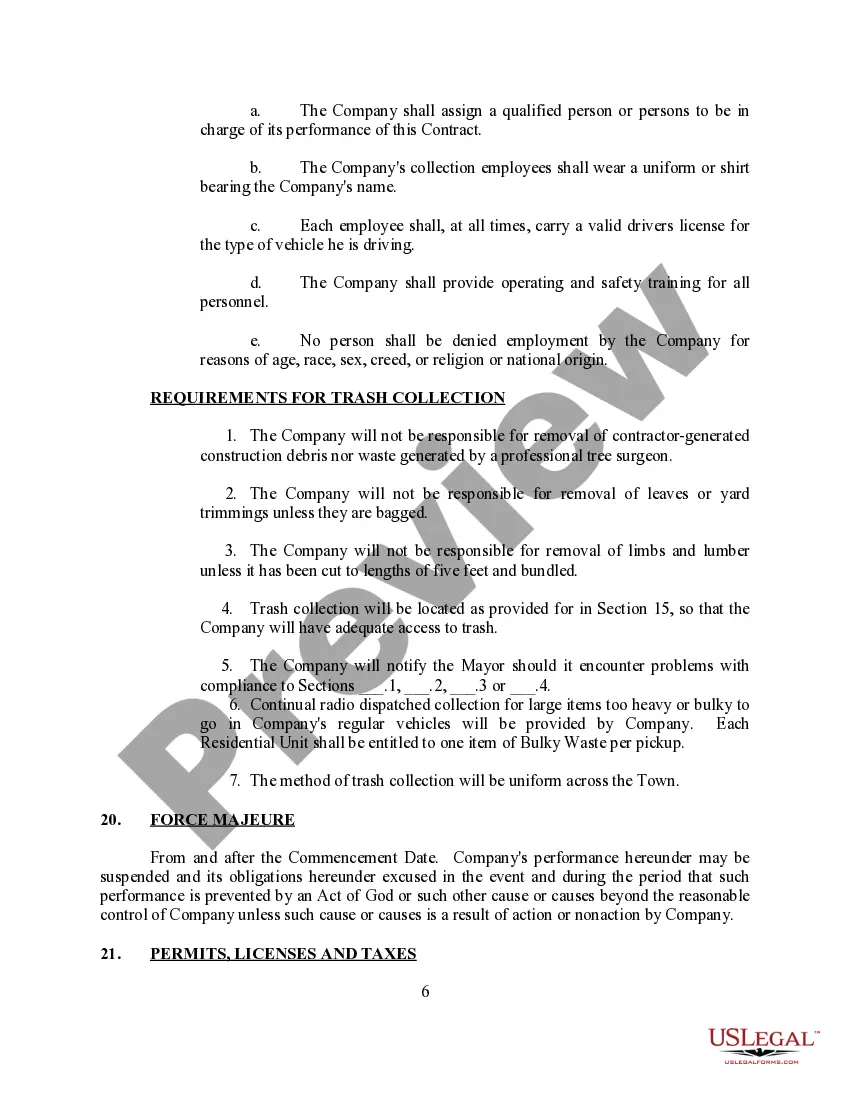
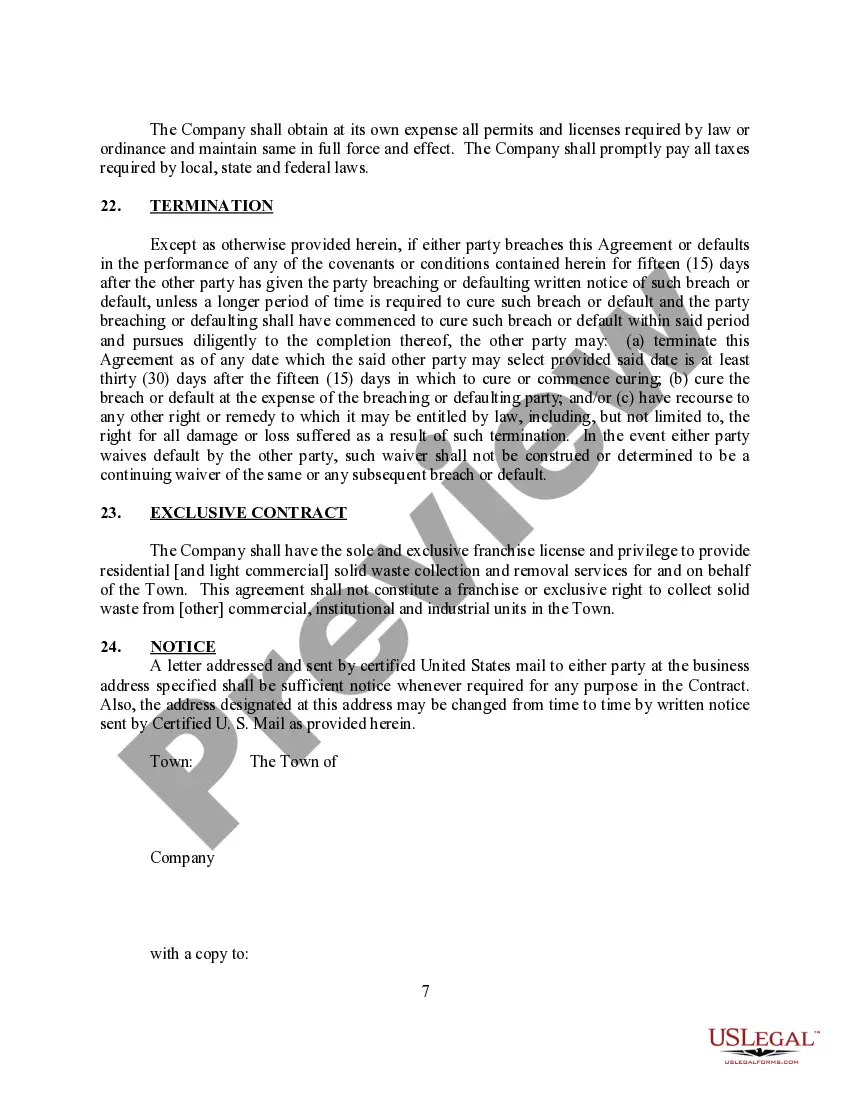
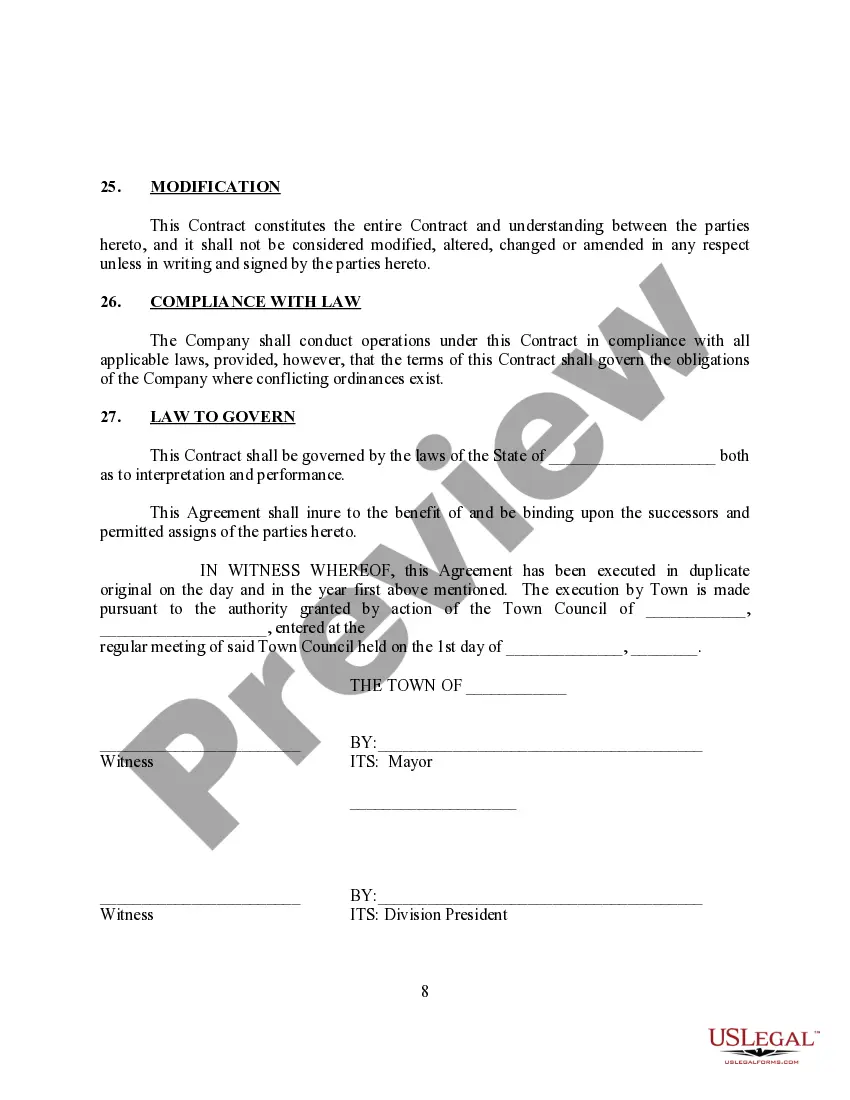

Get your form ready online
Our built-in tools help you complete, sign, share, and store your documents in one place.
Make edits, fill in missing information, and update formatting in US Legal Forms—just like you would in MS Word.
Download a copy, print it, send it by email, or mail it via USPS—whatever works best for your next step.
Sign and collect signatures with our SignNow integration. Send to multiple recipients, set reminders, and more. Go Premium to unlock E-Sign.
If this form requires notarization, complete it online through a secure video call—no need to meet a notary in person or wait for an appointment.
We protect your documents and personal data by following strict security and privacy standards.

Make edits, fill in missing information, and update formatting in US Legal Forms—just like you would in MS Word.

Download a copy, print it, send it by email, or mail it via USPS—whatever works best for your next step.

Sign and collect signatures with our SignNow integration. Send to multiple recipients, set reminders, and more. Go Premium to unlock E-Sign.

If this form requires notarization, complete it online through a secure video call—no need to meet a notary in person or wait for an appointment.

We protect your documents and personal data by following strict security and privacy standards.
Looking for another form?

How to fill out Waste Disposal Agreement For Municipality?
Are you in a circumstance where you require documents for both business or specific purposes almost every day? There are numerous legitimate document templates available online, but finding ones you can trust isn’t easy. US Legal Forms offers a vast array of template options, including the North Carolina Waste Disposal Agreement for Municipality, that are designed to comply with state and federal regulations.
If you are already acquainted with the US Legal Forms website and have an account, simply Log In. After that, you will be able to download the North Carolina Waste Disposal Agreement for Municipality template.
If you do not have an account and wish to start using US Legal Forms, follow these steps.
Access all the document templates you have purchased in the My documents section. You can download another copy of the North Carolina Waste Disposal Agreement for Municipality at any time, if necessary. Just click on the desired template to download or print the document template.
Use US Legal Forms, the most extensive collection of legal templates, to save time and avoid mistakes. The service provides correctly crafted legal document templates that can be used for a variety of purposes. Create an account on US Legal Forms and start making your life easier.
- Locate the template you need and ensure it is for the correct city/region.
- Utilize the Review button to examine the form.
- Check the details to confirm you have selected the right template.
- If the template isn’t what you’re looking for, use the Search field to find the document that meets your requirements.
- Once you find the correct template, click Buy now.
- Choose the pricing plan you prefer, enter the required information to set up your account, and complete your order using your PayPal or credit card.
- Select a convenient document format and download your copy.
Form popularity
FAQ
First priority should be the source reduction. The second option, Recycling and composting. Disposal in the landfills should be the last option. Generally waste management methods include source reduction and reuse, recycling, composting, vermiculture, engineered landfills, incineration and land application.
Waste Management has many services available in your neighborhood and throughout most of the Charlotte, North Carolina area. As one of North Carolina's largest trash and recycling service partners, we pride ourselves on customer service and environmental stewardship.
5 Simple Ways to Practise Waste Segregation Keep separate containers for dry and wet waste in the kitchen. Keep two bags for dry waste collection- paper and plastic, for the rest of the household waste. Keep plastic from the kitchen clean and dry and drop into the dry waste bin. ... Send wet waste out of your home daily.
First priority should be the source reduction. The second option, Recycling and composting. Disposal in the landfills should be the last option. Generally waste management methods include source reduction and reuse, recycling, composting, vermiculture, engineered landfills, incineration and land application.
The two most common methods of municipal waste disposal are sanitary landfills and incinerators.
Section 156(1)(a) of the Constitution, read with Schedule 5, assigns responsibility for refuse removal, refuse dumps, solid waste disposal and cleansing to local government.
Landfills are engineered areas where waste is placed into the land. Landfills usually have liner systems and other safeguards to prevent polluting the groundwater. Energy Recovery from Waste is the conversion of non-recyclable waste materials into useable heat, electricity, or fuel.
Everyday items like food scraps, clothing, furniture, batteries, and appliances ? otherwise known as municipal solid waste ? are disposed of, where it can take one of three paths: sorted and recycled, diverted to a waste-to-energy facility (e.g., incinerator), or tossed in a landfill.