North Carolina Affidavit and Indemnity Bond
What this document covers
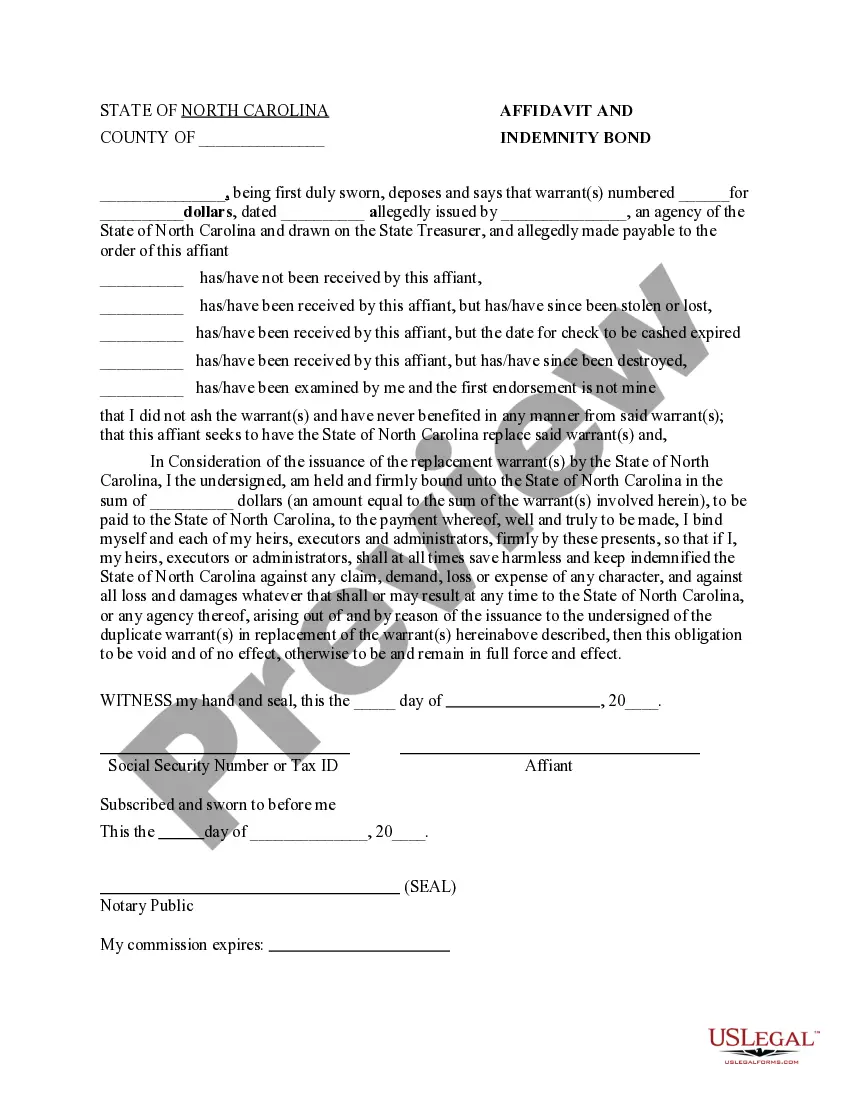
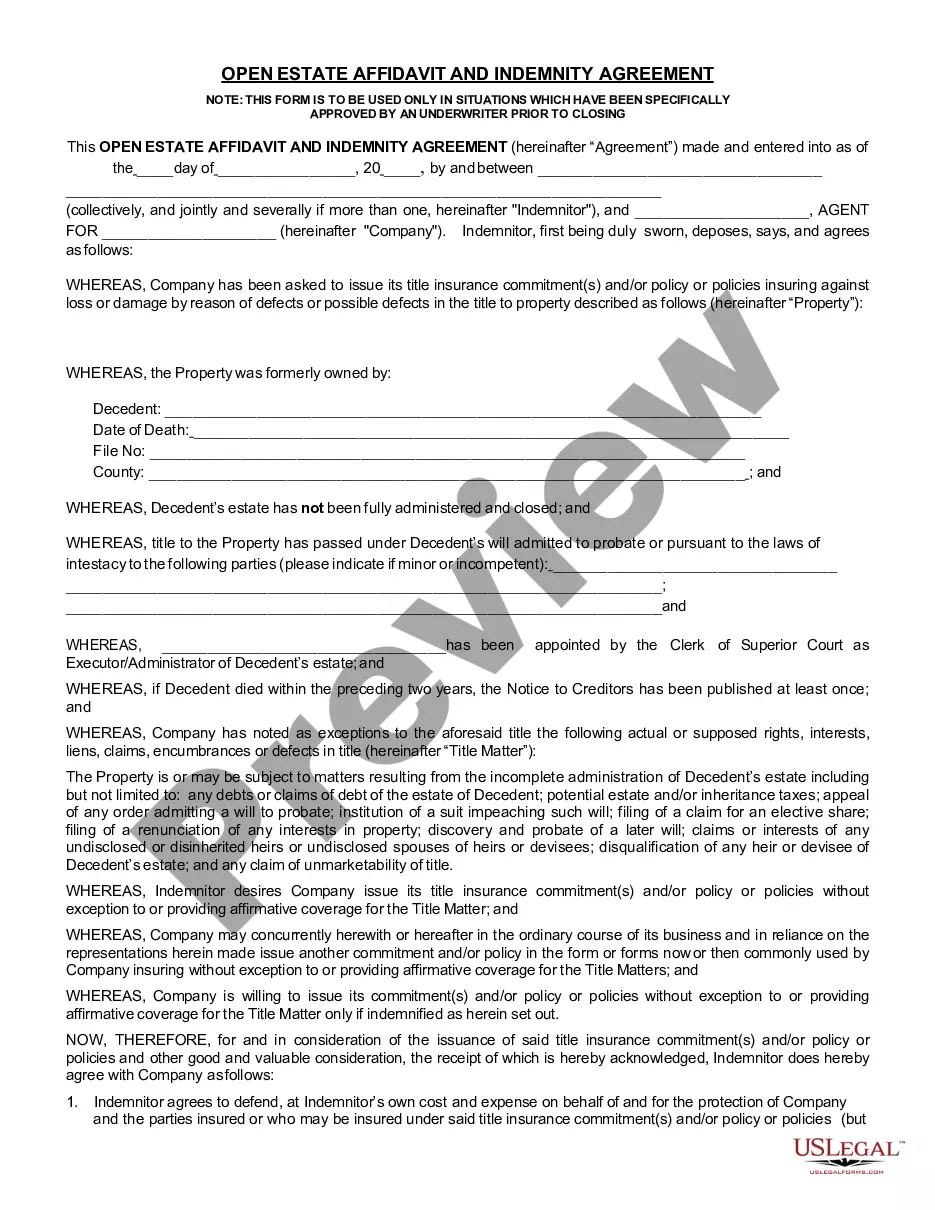
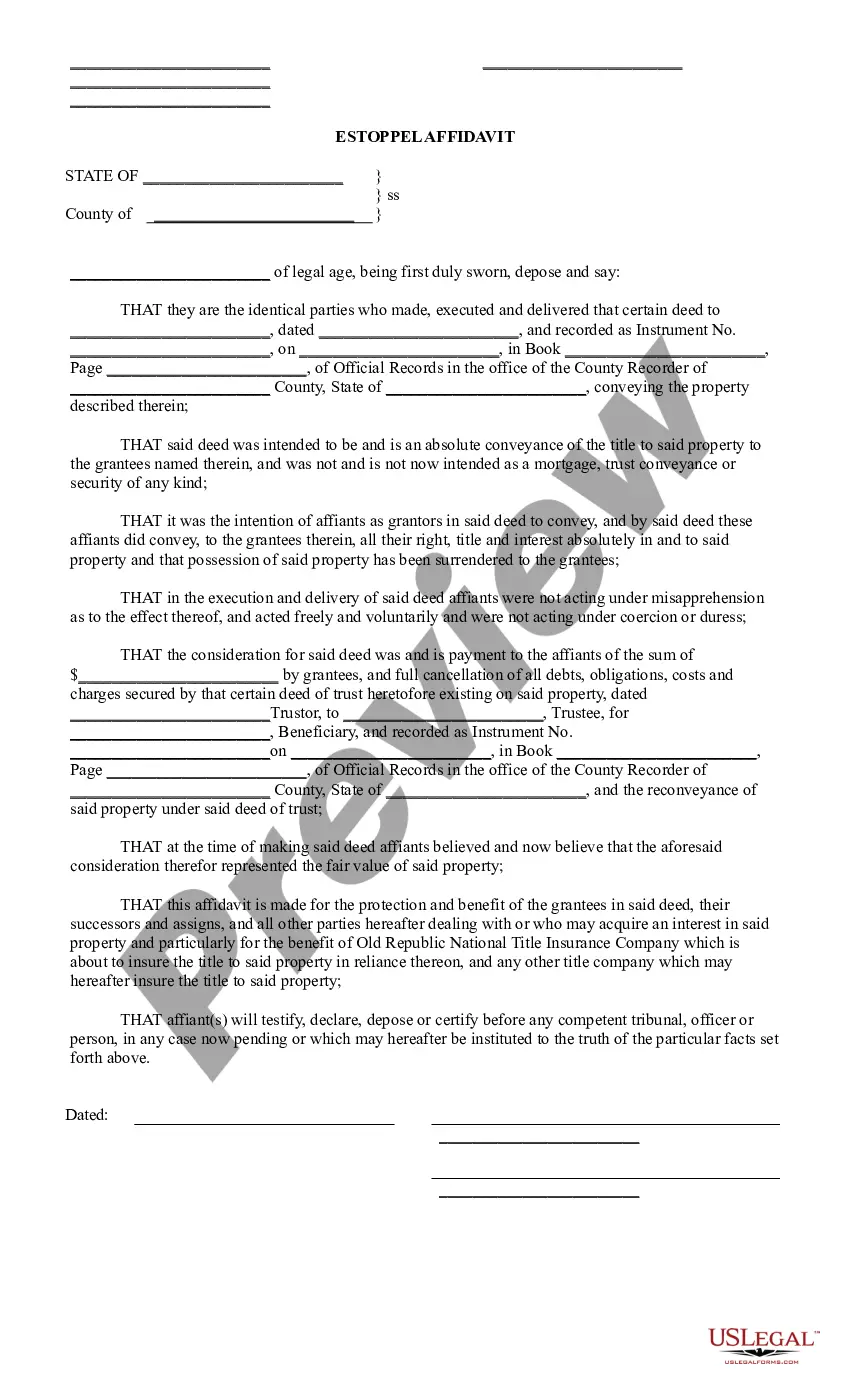
The Affidavit and Indemnity Bond is a legal document that consists of a sworn statement from an individual (the affiant) regarding certain lost, stolen, or uncashed warrants issued by a state agency. This form serves to indemnify the state against potential financial losses resulting from issuing duplicate warrants. Unlike other affidavits, this document specifically includes a financial bond, reinforcing the affiant's commitment to compensate the state for any claims that may arise from the issuance of a replacement warrant.
Key parts of this document
- County and affiant identification fields
- Details of the original warrant, including number, amount, and issuing agency
- Affidavit statement confirming the loss, theft, or destruction of the warrant
- Indemnity agreement outlining the affiant's obligations to the state
- Signature and notary acknowledgment section
When this form is needed
This form is needed when an individual has not received a state warrant, or it has been lost, stolen, or destroyed. It is essential for situations where the individual requires a replacement warrant from the State of North Carolina, ensuring they are legally protected against any future claims related to the warrant.
Who can use this document
This form is intended for:
- Affiants who have lost, stolen, or destroyed warrants issued by a state agency
- Individuals seeking to replace a warrant while protecting the state's legal interests
- Users needing to formally establish their claim and obligations under North Carolina law
Steps to complete this form
- Identify the county and provide your information as the affiant.
- Enter the required details about the lost, stolen, or destroyed warrant.
- Clearly state the circumstances regarding the warrant's status.
- Specify the amount of the indemnity bond being issued to the state.
- Sign the affidavit in the presence of a notary public.
Notarization guidance
Yes, this form must be notarized to be legally valid. The affidavit requires the affiant's signature to be witnessed by a notary public, ensuring authenticity. US Legal Forms provides integrated online notarization, allowing you to complete this process securely via a video call, without the need for travel.
Get your form ready online
Our built-in tools help you complete, sign, share, and store your documents in one place.
Make edits, fill in missing information, and update formatting in US Legal Forms—just like you would in MS Word.
Download a copy, print it, send it by email, or mail it via USPS—whatever works best for your next step.
Sign and collect signatures with our SignNow integration. Send to multiple recipients, set reminders, and more. Go Premium to unlock E-Sign.
If this form requires notarization, complete it online through a secure video call—no need to meet a notary in person or wait for an appointment.
We protect your documents and personal data by following strict security and privacy standards.

Make edits, fill in missing information, and update formatting in US Legal Forms—just like you would in MS Word.

Download a copy, print it, send it by email, or mail it via USPS—whatever works best for your next step.

Sign and collect signatures with our SignNow integration. Send to multiple recipients, set reminders, and more. Go Premium to unlock E-Sign.

If this form requires notarization, complete it online through a secure video call—no need to meet a notary in person or wait for an appointment.

We protect your documents and personal data by following strict security and privacy standards.
Avoid these common issues
- Failing to provide complete information about the warrant.
- Not including the correct amount in the indemnity statement.
- Omitting signatures or dates, particularly from the notary section.
Advantages of online completion
- Instant download access to the form eliminates waiting time.
- Editable format allows for easy customization to fit your specific situation.
- Reliability of attorney-drafted templates for peace of mind.
Looking for another form?
Form popularity
FAQ
Yes, in North Carolina, affidavits generally need to be notarized to be considered valid. Notarization adds a layer of authenticity and assures that the document is legally binding. To ensure compliance with local laws, you can utilize services like USLegalForms to find notary resources and ensure your North Carolina Affidavit and Indemnity Bond is properly executed.
The process of obtaining a North Carolina Affidavit and Indemnity Bond involves several steps. First, you must determine the type and amount of bond required. Next, approach a licensed surety provider, complete their application, and undergo a credit check. Finally, once approved, you will receive the bond and can file it with the respective authorities. USLegalForms simplifies this process by providing necessary forms and expert assistance.
To file a North Carolina Affidavit and Indemnity Bond, you need to complete the necessary bond forms and submit them to the appropriate court or agency. After obtaining the bond from a surety company, ensure all required signatures and notary seals are in place. You can streamline this process with USLegalForms, which offers guidance and templates to help you file correctly.
In North Carolina, indemnity bonds are typically provided by licensed surety companies. These companies evaluate the applicant's financial stability and the specific requirements of the bond. It's essential to choose a reputable provider to ensure the bond meets legal standards. USLegalForms can assist you in finding the right indemnity bond provider tailored to your needs.
An indemnity bond and an affidavit serve different purposes. An indemnity bond protects against financial loss, while an affidavit is a legally sworn statement of fact. Although they can be used together, such as in a North Carolina Affidavit and Indemnity Bond, their core functions remain distinct and serve different legal needs.
To obtain an indemnity bond in North Carolina, you typically need to complete an application process that may involve providing personal information and details about the transaction. Many individuals turn to platforms like uslegalforms, which offer comprehensive resources and templates to simplify the process. After submitting your application and meeting the necessary requirements, you can secure your indemnity bond efficiently.
The main difference between an affidavit and an indemnity bond lies in their functions. An affidavit is a sworn statement affirming facts, while an indemnity bond provides a guarantee of compensation in case of loss or damage. In the North Carolina Affidavit and Indemnity Bond, both elements are combined to ensure both truthfulness and financial security.
The purpose of an indemnity bond is to protect one party from financial loss due to the actions or statements of another party. In the context of North Carolina, this bond ensures that if a claim arises, the indemnitor will cover any resulting costs. This legal tool provides peace of mind and encourages trust in various transactions.
The risks of using an indemnity bond can include financial liability if the bond is called upon, as well as the potential for legal disputes. If you fail to fulfill the obligations set forth in the bond, you may face significant losses. It is important to carefully review the terms and conditions of the North Carolina Affidavit and Indemnity Bond to understand your responsibilities.
An affidavit and indemnity bond is a legal document used to affirm the truth of a statement while protecting one party from potential losses. In North Carolina, this bond serves as a promise that the signer will indemnify another party if a claim arises from the statement made. It combines elements of both an affidavit, which is a sworn statement, and an indemnity bond, which provides financial assurance.