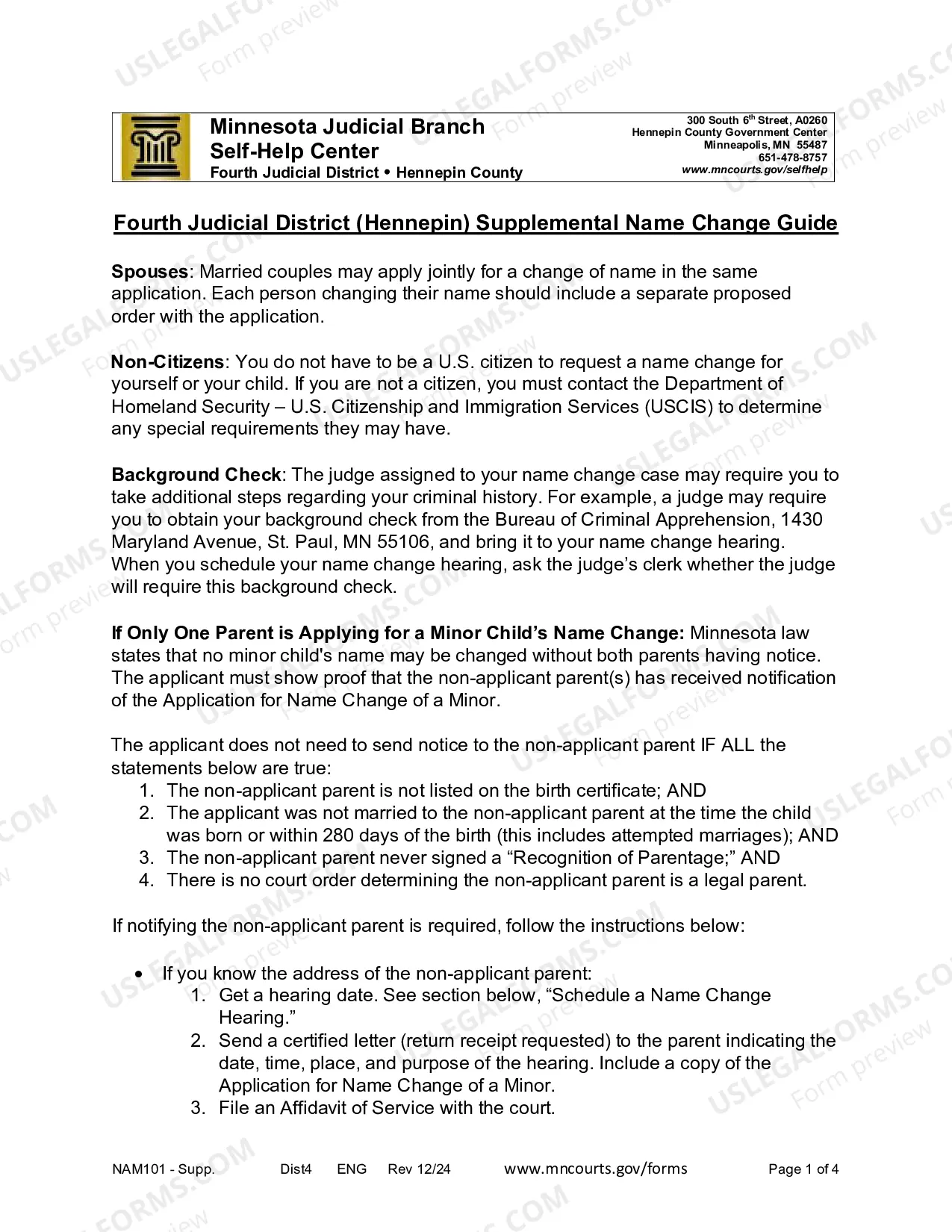
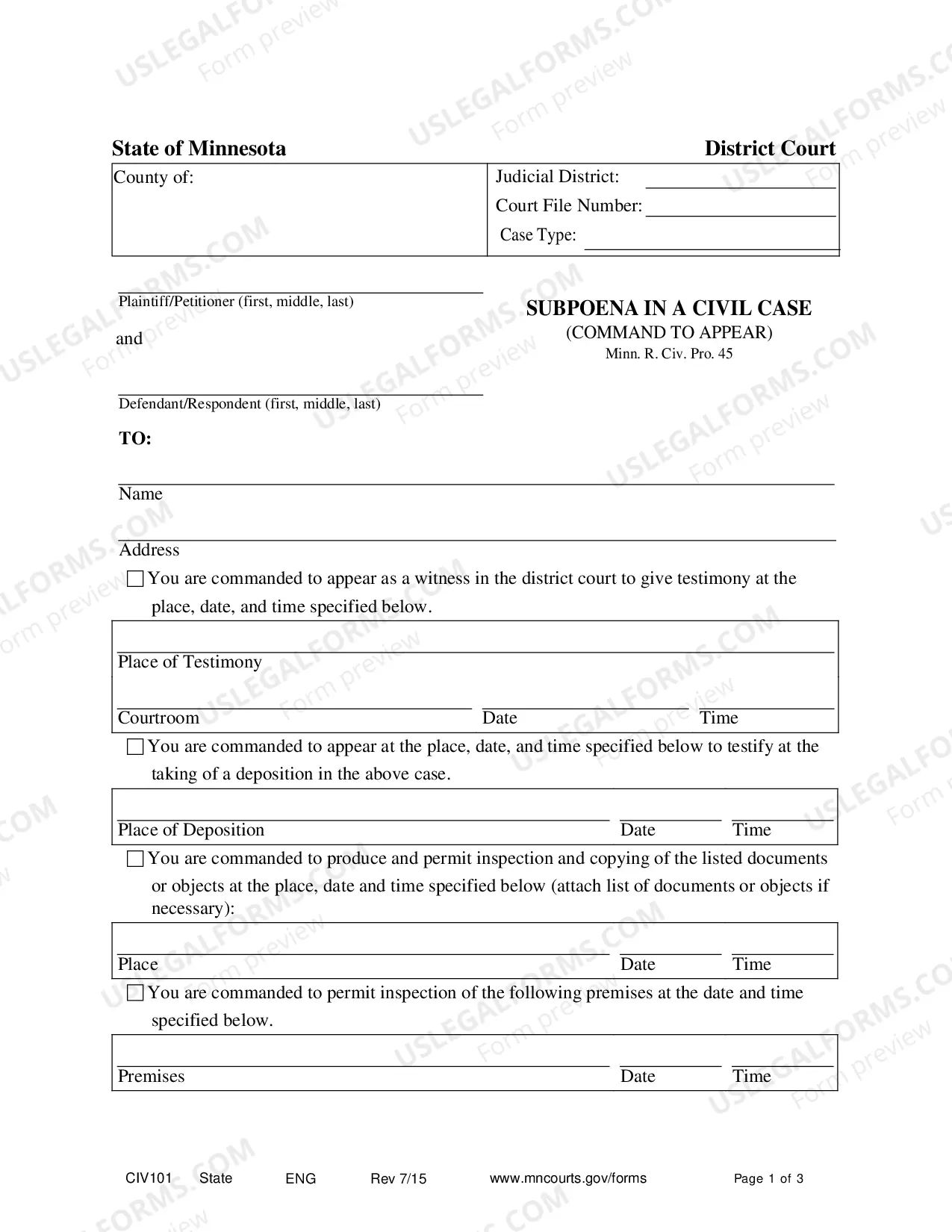
North Carolina Agreement to Modify and Correct Deed of Trust and Assignment of Rents
Overview of this form
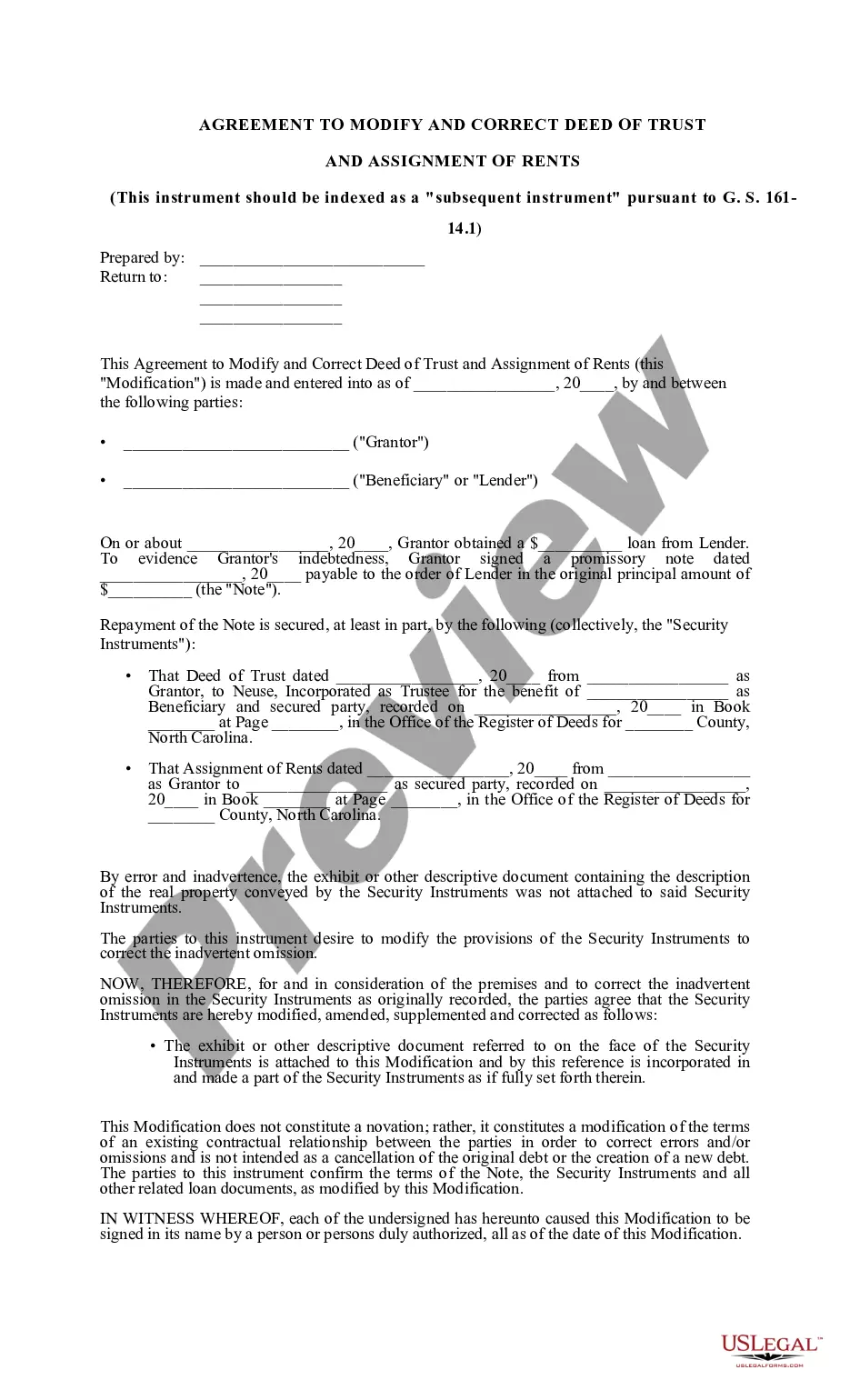
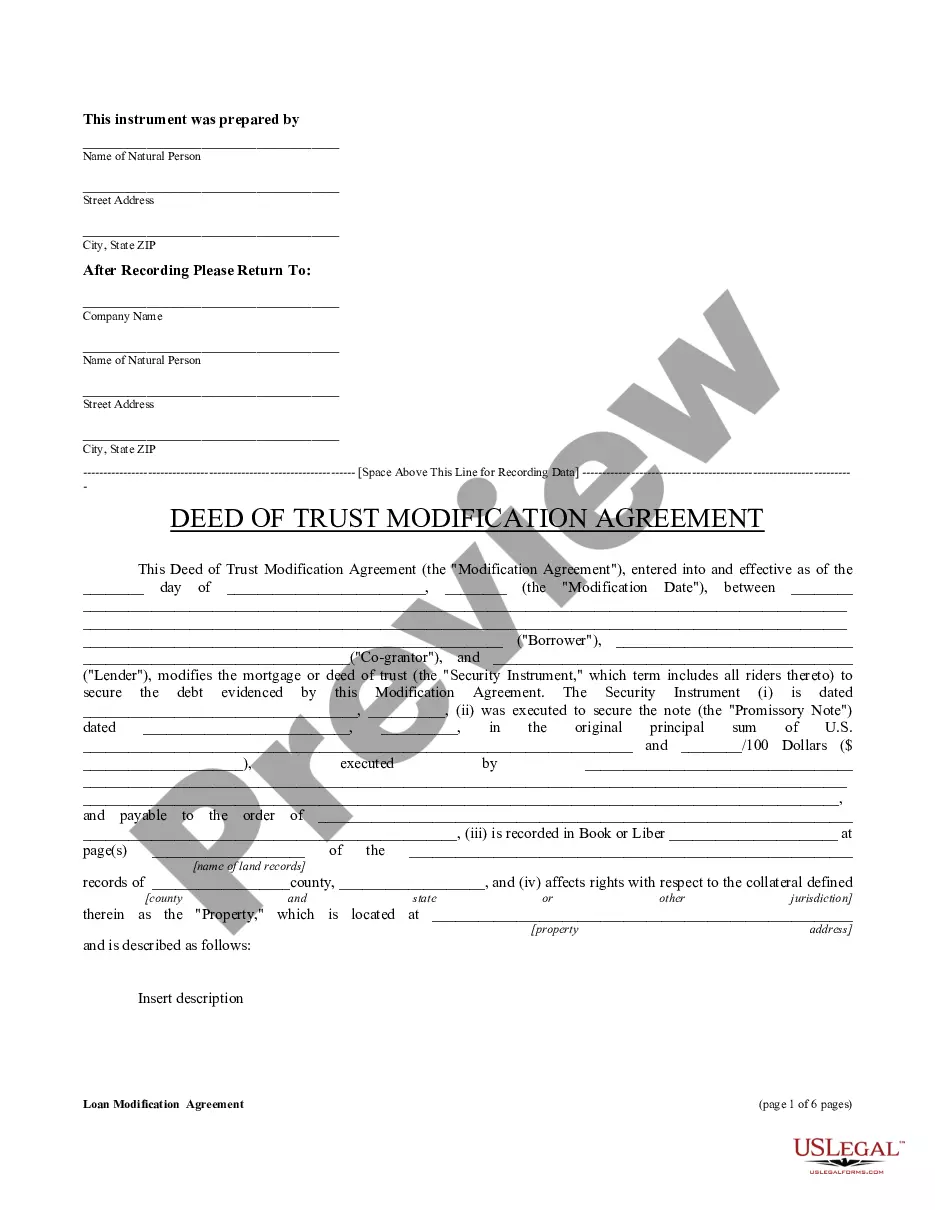
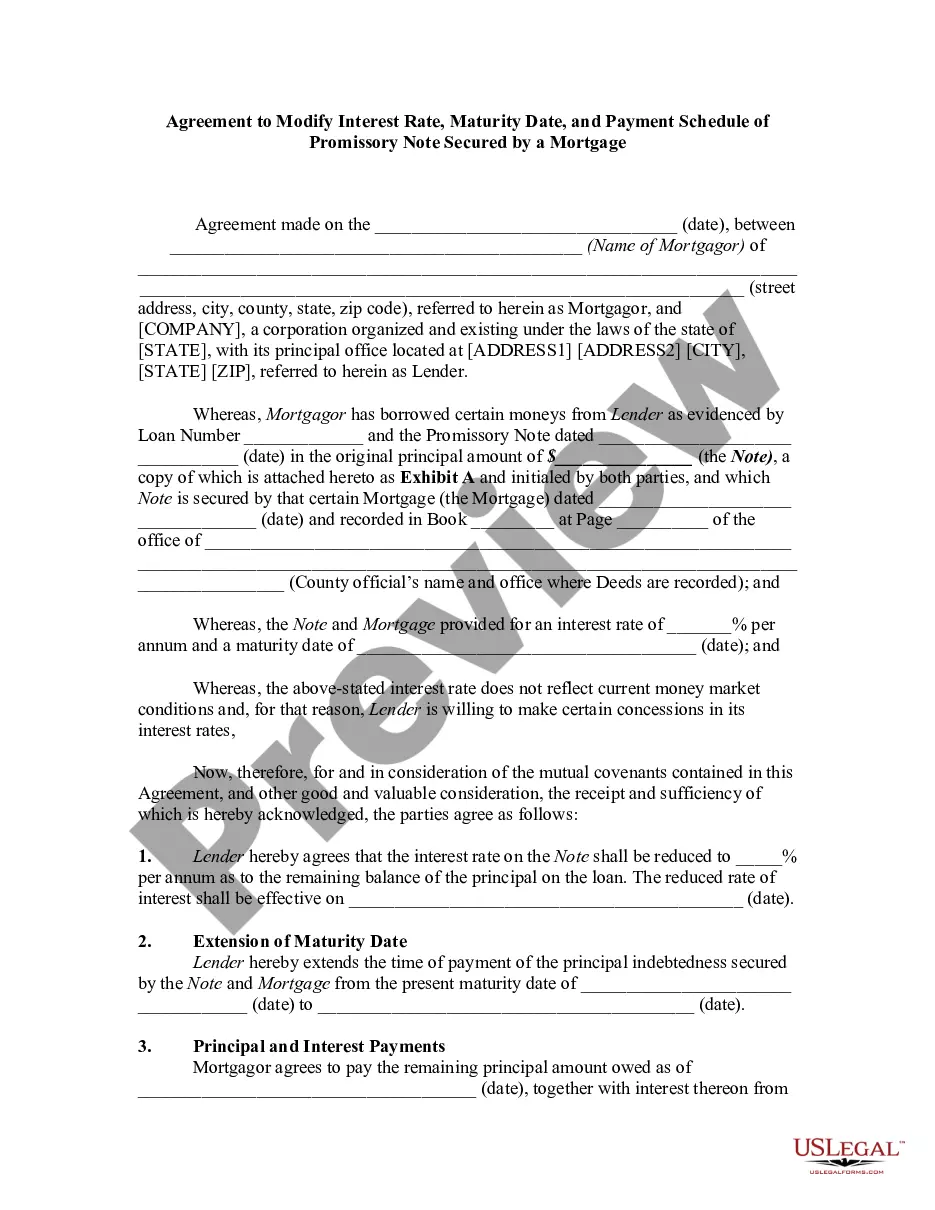
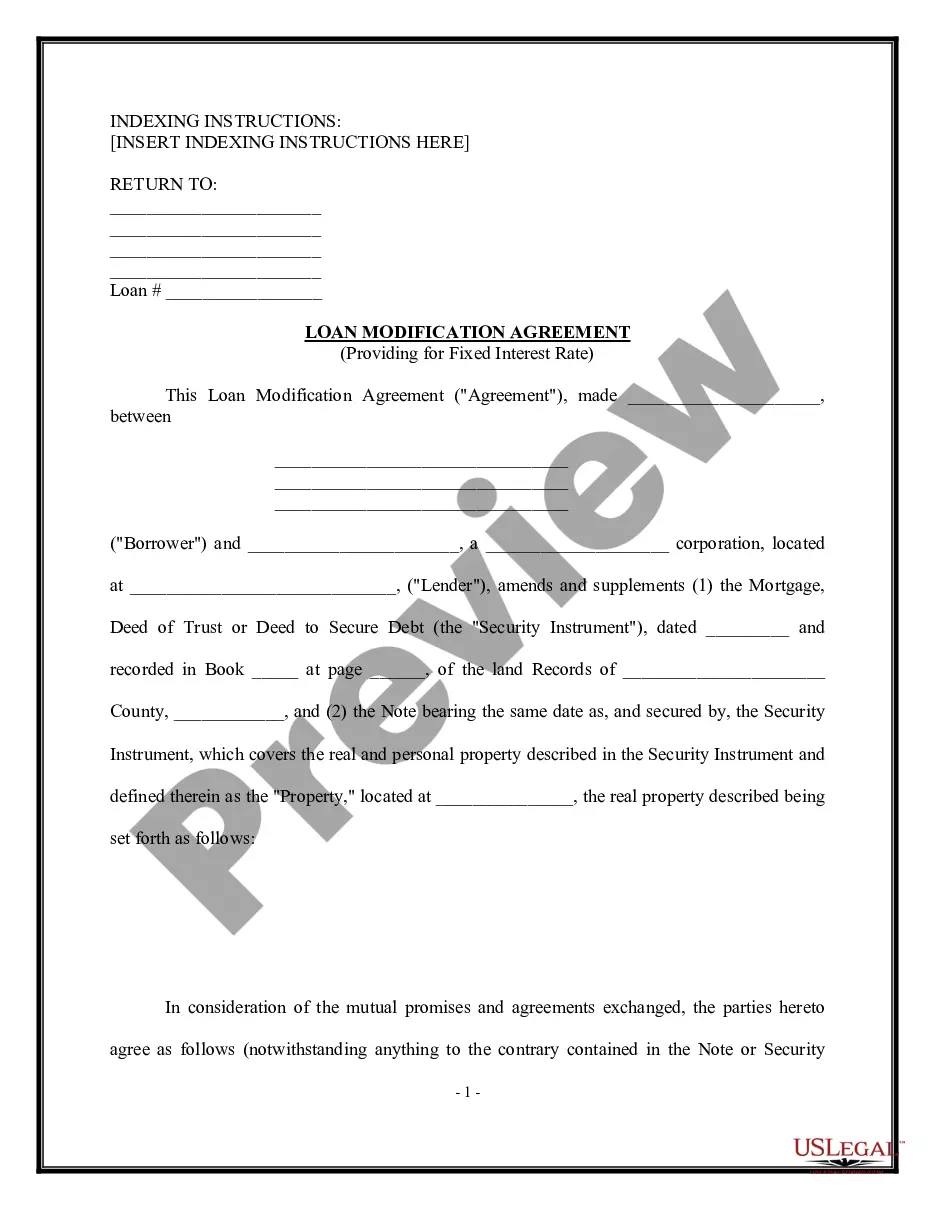
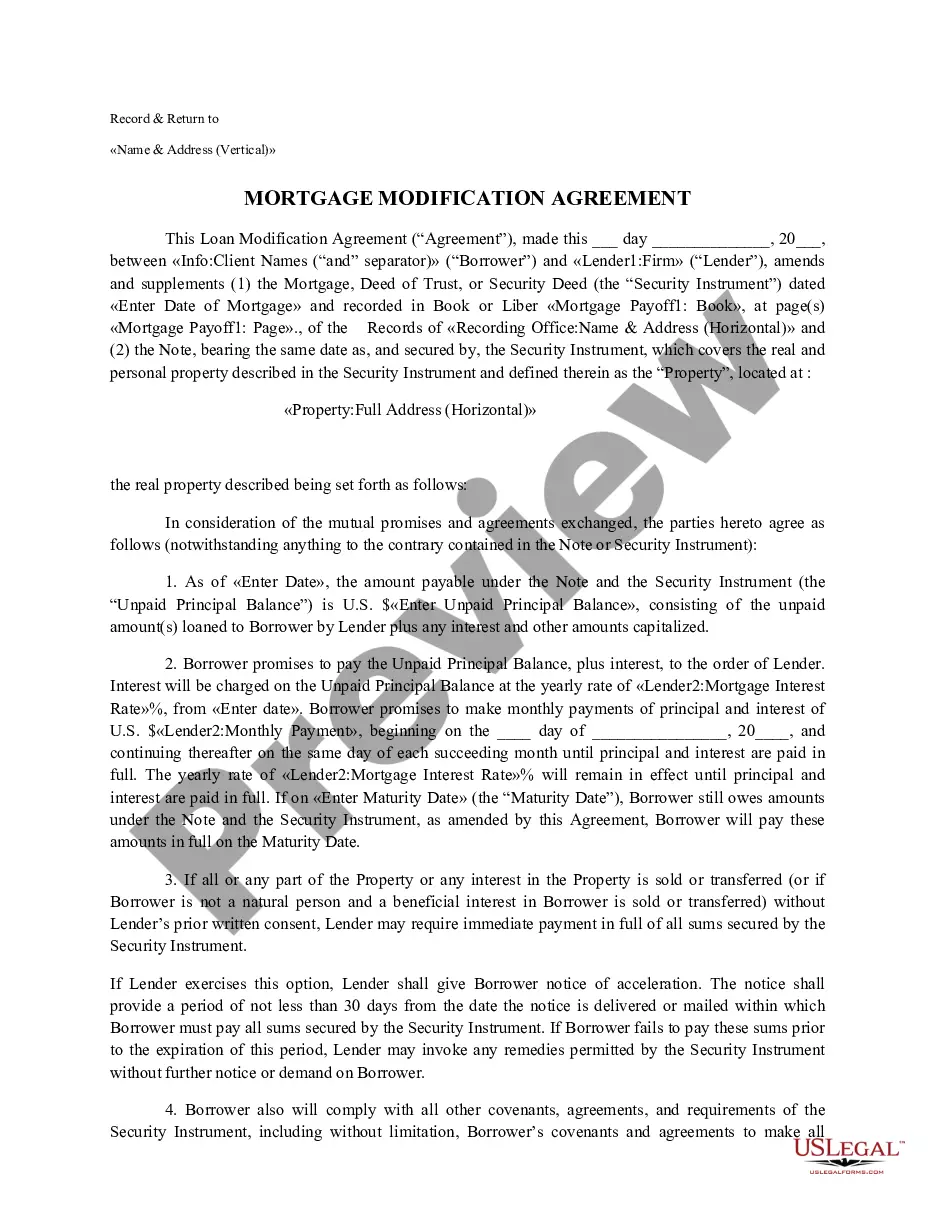
The Agreement to Modify and Correct Deed of Trust and Assignment of Rents is a legal document used to amend a previously recorded deed of trust and assign rents related to a property. This form is particularly important when there has been an inadvertent omission of property descriptions or other necessary information in the initial documents. By using this form, parties can ensure that the deed of trust accurately reflects all details concerning property assignments and lender rights, thereby protecting their interests in the property loan agreement.
What’s included in this form
- Parties involved: Identifies the Grantor and Beneficiary (or Lender).
- Loan details: Outlines loan amount and repayment terms associated with the property.
- Property description: Includes an attached exhibit that specifies the real property involved.
- Modification purpose: States the intention to correct prior omissions in the recorded documents.
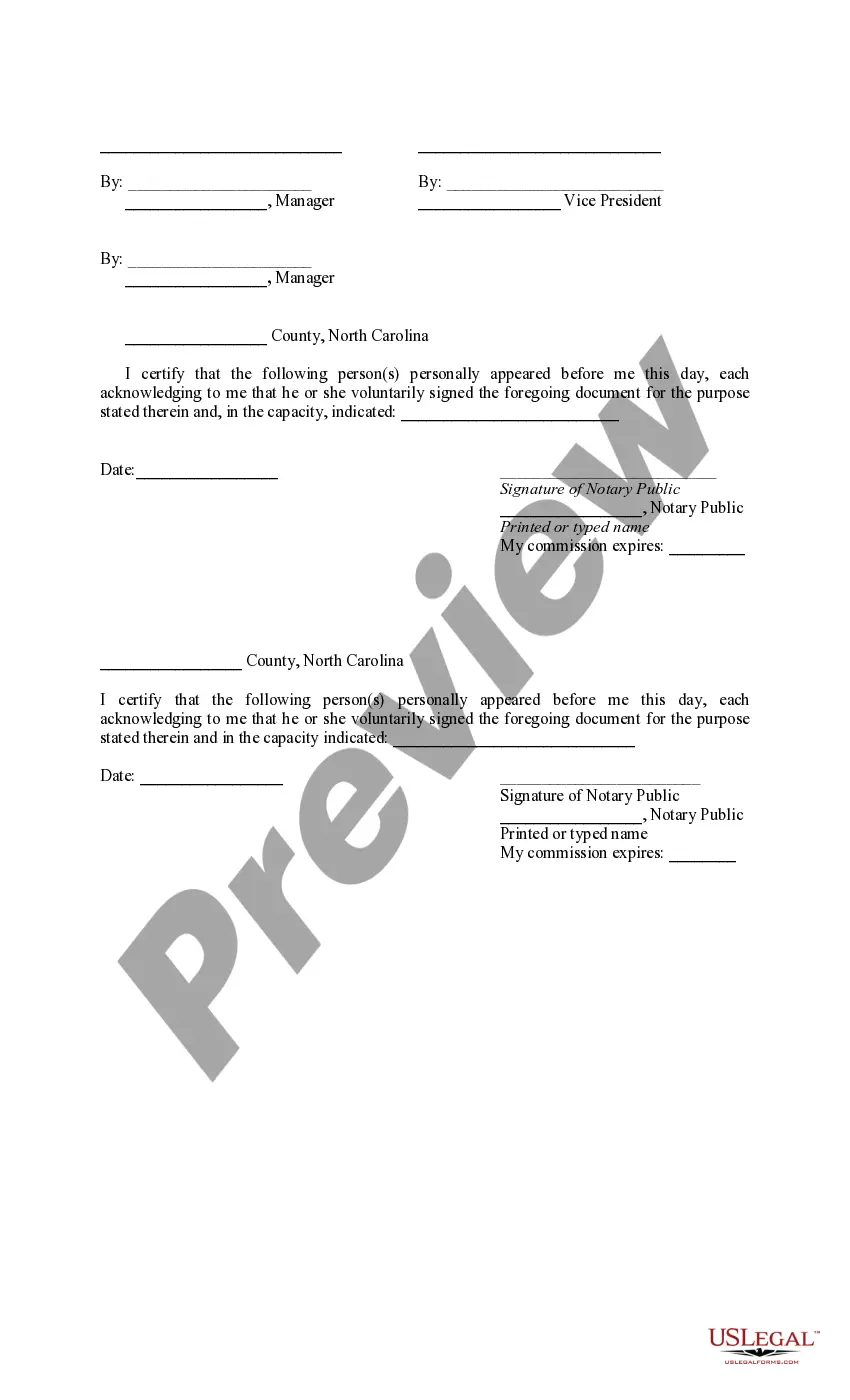
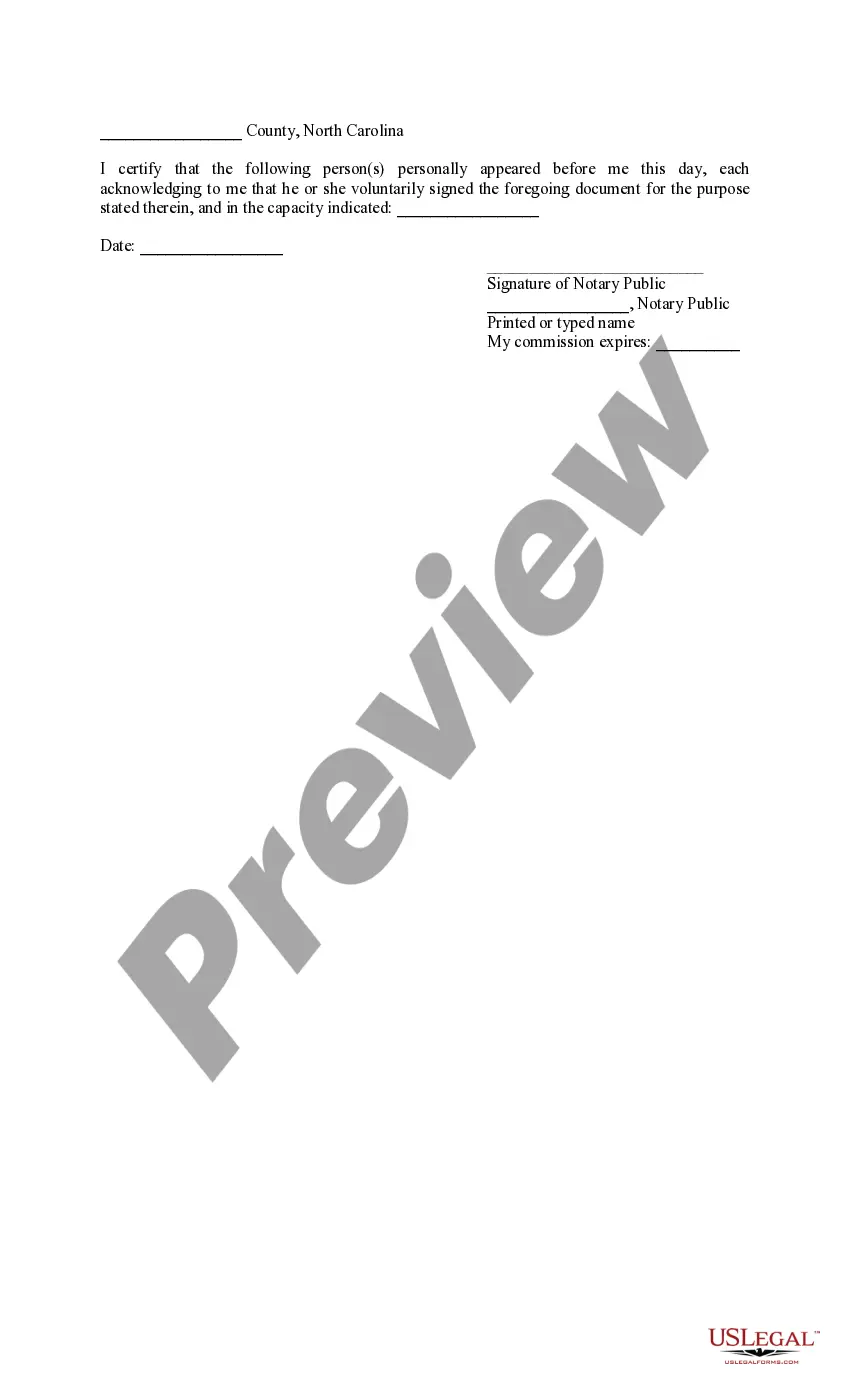
- Signature section: Requires signatures of authorized individuals and notary public for validation.
When this form is needed
This form should be used when a property owner seeks to correct errors in their deed of trust or associated assignment of rents. Typical scenarios include situations where critical property descriptions were omitted during the initial recording, or where modifications to the agreement are necessary to clarify rights and obligations post-default. It is essential for lenders and property owners to have updated and accurate documentation to avoid disputes or legal challenges in the future.
Who can use this document
- Property owners (Grantors) who need to correct their deed of trust or rental agreements.
- Lenders or Beneficiaries who require clarity in the rights associated with their loans.
- Real estate professionals involved in drafting or managing loan agreements for clients.
- Attorneys representing clients in real estate transactions needing formal documentation.
Steps to complete this form
- Identify the parties: Clearly write the names of the Grantor and the Beneficiary.
- Enter loan details: Fill in the loan amount and the dates relevant to the original promissory note.
- Specify the property: Include accurate descriptions as detailed in the attached exhibit.
- Signatures: Ensure that each party signs the document where indicated, including the notary section.
- File the document: Submit the completed form to the appropriate Register of Deeds office for recording.
Does this document require notarization?
Yes, this form must be notarized to be legally valid. Notarization confirms the identities of the parties involved and ensures that they are signing the document willingly. US Legal Forms offers integrated online notarization services, allowing you to complete the process through secure video calls, without the need for travel.
Get your form ready online
Our built-in tools help you complete, sign, share, and store your documents in one place.
Make edits, fill in missing information, and update formatting in US Legal Forms—just like you would in MS Word.
Download a copy, print it, send it by email, or mail it via USPS—whatever works best for your next step.
Sign and collect signatures with our SignNow integration. Send to multiple recipients, set reminders, and more. Go Premium to unlock E-Sign.
If this form requires notarization, complete it online through a secure video call—no need to meet a notary in person or wait for an appointment.
We protect your documents and personal data by following strict security and privacy standards.

Make edits, fill in missing information, and update formatting in US Legal Forms—just like you would in MS Word.

Download a copy, print it, send it by email, or mail it via USPS—whatever works best for your next step.

Sign and collect signatures with our SignNow integration. Send to multiple recipients, set reminders, and more. Go Premium to unlock E-Sign.

If this form requires notarization, complete it online through a secure video call—no need to meet a notary in person or wait for an appointment.

We protect your documents and personal data by following strict security and privacy standards.
Avoid these common issues
- Failing to attach the necessary property description exhibit.
- Not having all required parties sign the document.
- Leaving blank spaces where information is required.
- Incorrectly filling out dates and loan amounts, which can lead to legal disputes.
Advantages of online completion
- Convenience of downloading the form anytime, from anywhere.
- Editability allows for customization of specific loan and property details.
- Access to templates drafted by licensed attorneys, ensuring legal compliance.
- Quick and easy updates to existing agreements without needing a lengthy legal consultation.
Quick recap
- The agreement is essential for correcting errors in a deed of trust.
- Proper completion and notarization are crucial for legal validity.
- The form is specifically tailored for compliance with North Carolina laws.
- Accurate property descriptions are vital for protecting the rights of lenders and property owners.
Looking for another form?
Form popularity
FAQ
The deed can be re-written to reflect changes, but it needs the consent of both parties. If you want to make substantial changes to the deed, it's typically best to get a new one written. If changes are only minor, you can enter a deed of variation.
To change the trust deed itself, you must execute a deed of variation. This is a document that updates the relevant section of the original trust deed. The deed of variation forms part of the documentation of your discretionary trust and details how the trust deed has been changed over time.
Where a trust deed gives the settlor power to revoke all or part of the trusts and the deed exercising that power is stated to be revocable, can that deed of revocation be revoked?A trust deed gives the Settlor the power to revoke all or part of the trusts declared in that deed.
...the trust deed and vide clauses 18 and 19, the trustees have been given power to amend, alter, change or modify the provisions of the trust deed with a condition mentioned therein.
Revoking or amending a revocable living trust can be done with or without an attorney. You can amend a living trust without having to go to court. There are a few ways to do this. You can do it yourself, using living trust forms you find online, you can use an online service, or you can use an attorney.
A deed of trust is a legal document among three parties: the borrower, the beneficiary and the trustee who holds the legal title to the property.Once the modification has been filed, it replaces any conflicting information in the original deed of trust.
Giving the wrong legal address for the property or the wrong amount of the debt can render the deed unenforceable. In some cases, the error is easy to fix, and the court will rule the deed is enforceable.
In the case of Deed of Trust, the lender can by pass the judicial process and utilize the power of sale to sell the property if the borrower defaults.The following states use Deed of Trusts: Alaska, Arizona, California, District of Columbia, Georgia, Mississippi, Missouri, Nevada, North Carolina, and Virginia.